
Commercial Roofing in Oxford, CT
Plan commercial roof repair in Oxford, CT, with a documented condition check, drainage review, safe work sequence, and clear approval points.
A repair mark beneath an old patch gives the first walk a specific starting point. In Oxford, CT, we check the patch edge, nearby roof details, and the area where water was reported before defining new work. The crew records what is sound, what has moved, and whether the surface can accept another tie-in. That keeps the work boundary tied to an observed condition instead of making a larger recommendation from a mark on the ceiling alone.
Oxford covers 32.7 square miles, and its municipal center is about 17.2 miles from Bridgeport's. That distance helps define a reasonable service reach, while the roof itself determines the work. We verify material, drainage, access route, and repair history before choosing a method or work window.
Read the Existing Repair
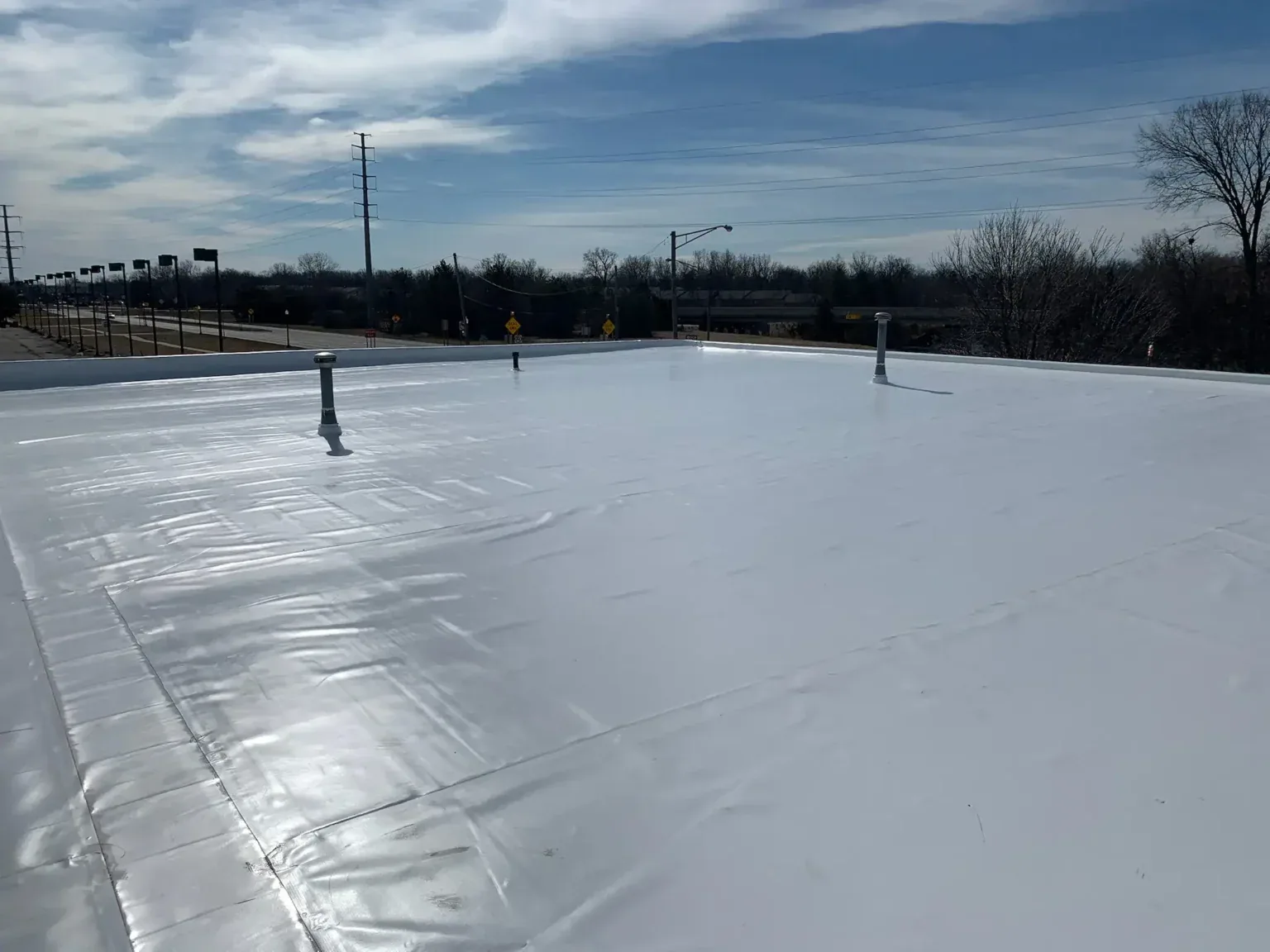
Old repair material can reveal the path of previous work, but it does not prove that the same leak remains active. We photograph the edge, inspect how it bonds to the surface, and look for cracking, lifted corners, trapped debris, or a gap where water can enter. Nearby seams, penetrations, and wall flashings are checked for related movement. The report records the location so the next repair can be compared against the same detail.
We ask when the patch was installed, what material was used if known, and whether the interior report stopped afterward. A repeated leak at the same point may need a larger opening or moisture check rather than another surface layer. Where conditions are accessible, a roof inspection can separate visible defects from assumptions about concealed layers. A condition report can preserve that sequence for later maintenance or ownership review. The repair plan states which findings support its boundary.
Check the Assembly Below
A surface patch has limited value if the material beneath it is wet, loose, or unable to hold a new connection. We check available records, examine the roof field and details, and identify whether selective removal or moisture testing would answer an open question. Any opening is planned with a clear size, location, protection method, and approval contact. If deck or insulation damage appears, the crew pauses at that boundary while the building representative reviews the added work.
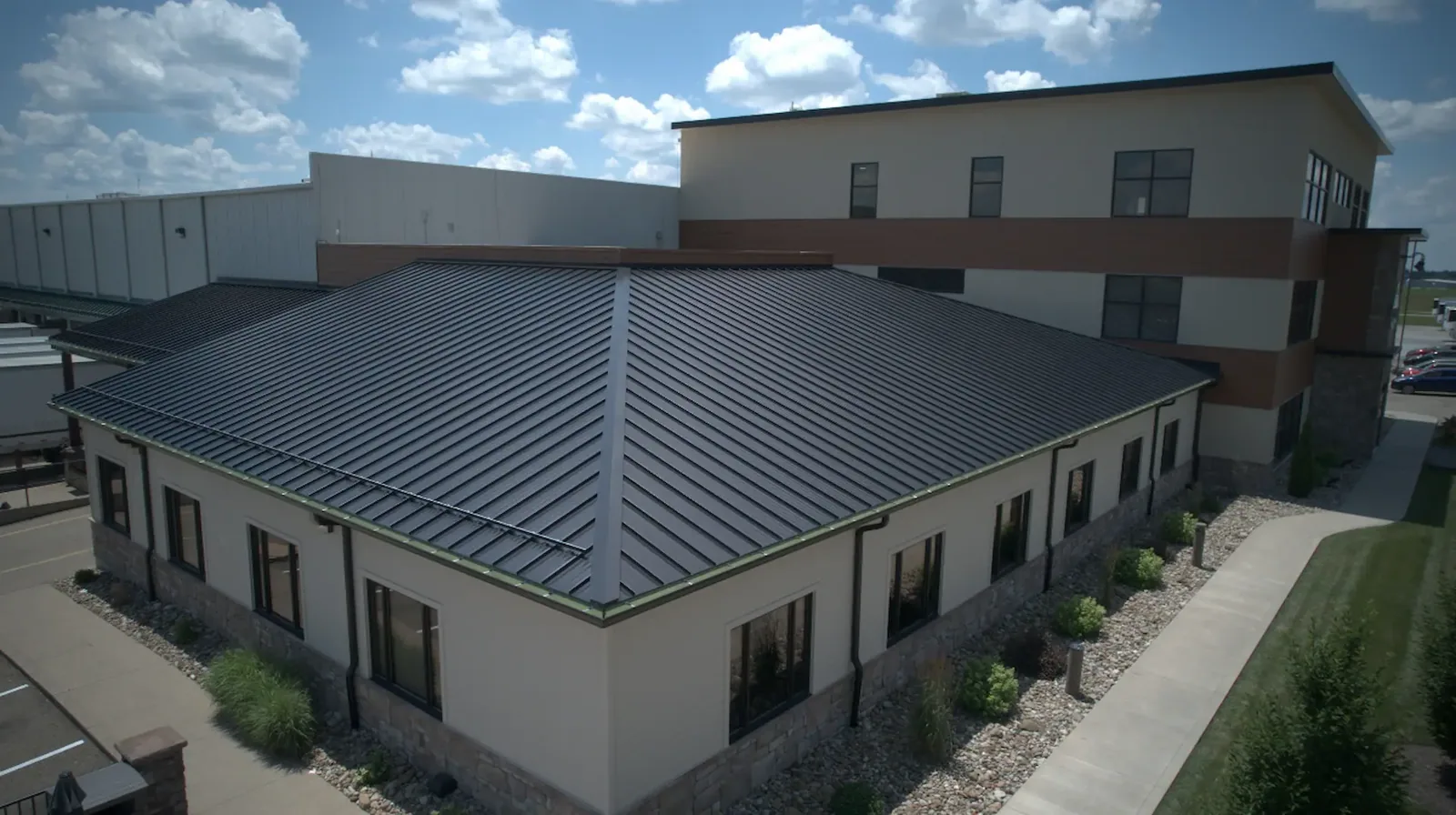
Bridgeport's airport station has a 33.6-inch annual snowfall normal and a 44.09-inch precipitation normal for 1991-2020; use that seasonal context when scheduling Oxford roof work. Use that regional seasonal reference when planning a visit; an Oxford roof inspection establishes where water entered and which material was affected. A roof insulation review can determine whether wet material or a changed elevation belongs in the scope. Assembly selection follows that evidence: standing-seam metal roofing calls for attention to panel joints, movement, fasteners, and terminations rather than a membrane patch.
If an older patch or coating no longer fits the assembly, we compare a compatible repair with selective removal, recover, or phased replacement. The recommendation depends on observed condition, tie-in details, and applicable system requirements.
Keep Runoff on Its Route
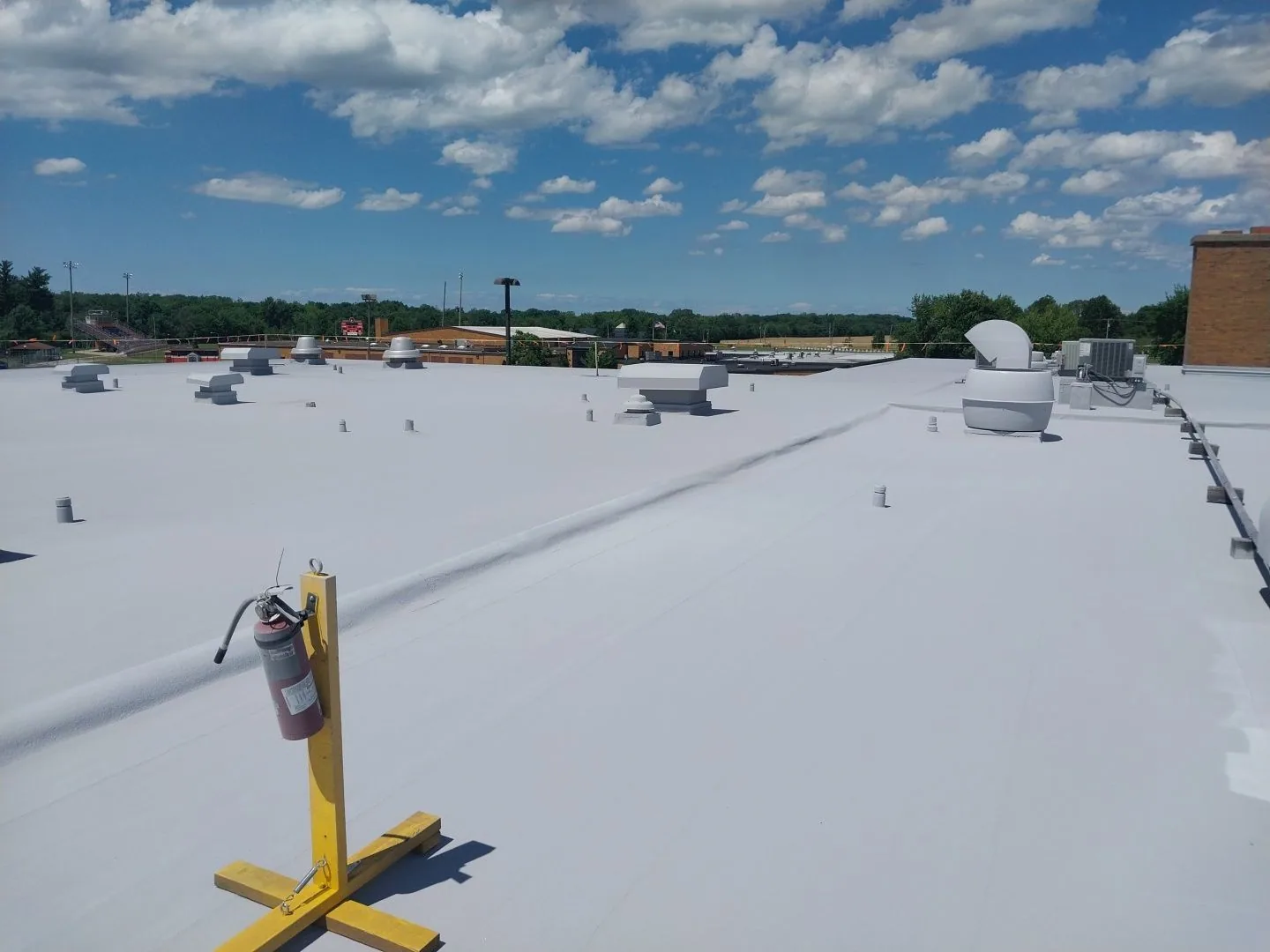
Water should leave the roof through its designed outlets. We check the surface leading to drains and scuppers, look at the bowls and strainers, and note any overflow path that could be obstructed. A clear opening does not show that the leader below is clear, so observations stay limited to the accessible parts of the route. If a low area holds water, we record its location and extent, then identify whether the next step is drain service, a design review, or a broader assembly evaluation.
After rain or snowmelt, we compare water marks with the interior report and the old repair location. A separate issue at a wall or curb may direct attention away from the patch. Our drain and scupper work can address an outlet condition, while a ponding-water assessment can examine recurring accumulation after the path is checked. If wind or a storm exposed another defect, the storm repair visit can document those findings as a distinct scope rather than mix them with the earlier patch.
Set the Work and Dry-In Sequence
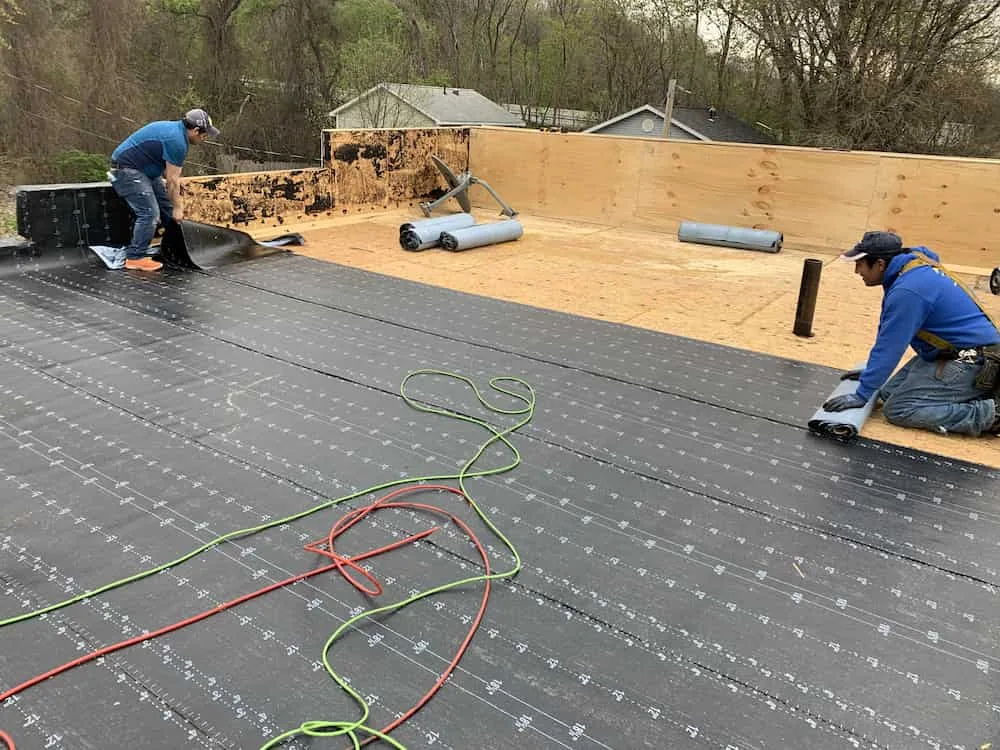
Before a crew opens the roof, we confirm access, fall protection, equipment clearances, staging, and the path materials will take. The facility contact identifies occupied areas, scheduled deliveries, and service visits that must continue. The repair boundary is divided into sections that can be closed and protected within the work window. If weather interrupts the shift, the plan states where temporary dry-in stops and who receives the status handoff.
For an occupied building, we coordinate noise and interior protection with the site contact. If new material must be lifted, the staging area cannot block a required route. The daily record notes completed work, concealed conditions, and any approval still needed. Nearby service may include Newtown and Bridgeport, but neither a neighboring municipality nor a regional corridor defines the access rules at this property. We confirm them for each visit and keep the scope tied to the roof zone in question.
Leave a Repair Record
Closeout records where the crew worked, how the failed area was prepared, what material was installed, and how the tie-in finished. Photographs are labeled to match the roof plan. If an inaccessible area or concealed condition remains, it is called out as open rather than implied complete. A later maintenance visit can compare the patch, nearby seams, and drainage route with the original observations.
Have the roof plan, patch history, leak dates, access instructions, and contact authorized to approve extra work ready before the walk. We will define the inspection boundary, describe the next step, and separate immediate repair from longer-term monitoring. The written recommendation can account for access, substrate correction, material handling, weather exposure, and the occupied area below. A clear record is useful whether the decision is to repair, test, or plan replacement; each option should follow what the inspection actually finds.
Questions and Answers
Can you tell whether an old patch is still holding?
We inspect its bond, edges, nearby seams, and any fresh interior report. A patch that looks intact may not explain water coming through another detail. We record the visible condition and compare it with the reported timing before recommending a repair, test, or follow-up after the next wet period.
What happens if wet insulation is found beneath the patch?
We photograph the exposed area, stop at the agreed boundary, and contact the person authorized to approve added work. The note identifies the condition and the additional removal or replacement needed. Once approved, the crew updates the dry-in sequence so the roof is secured before leaving the zone.
Can drainage work be priced separately from a leak repair?
Yes. We can define the outlet or overflow check as a separate scope and show whether it is connected to the reported leak. The proposal should distinguish clearing or repairing an accessible drain from changes to slope or the assembly, which may require design review.
How do you keep an occupied building protected during a repair?
We coordinate roof access, material staging, noise, and interior protection with the facility contact. The work is divided into sections that can be secured at the end of a shift. Tell us which rooms, equipment routes, and delivery windows need to remain available so those limits are reflected in the sequence.
What if the leak returns after the repair?
We compare the new report with dated photographs and the original roof-zone record. That shows whether water is entering at the repaired detail, traveling from another area, or affecting a concealed layer. The next recommendation can then target the changed evidence instead of repeating the prior scope without review.
Related Roofing Work

Arrange an Oxford Roof Review
Share the leak location, prior patch notes, roof plan, and access limits. We will inspect the affected zone and provide a written repair boundary with the next inspection trigger.