

Commercial Roofing in Newtown, CT
Review commercial roof leaks, drainage, and replacement options in Newtown, CT. We map the affected roof area, access needs, and next repair decision.
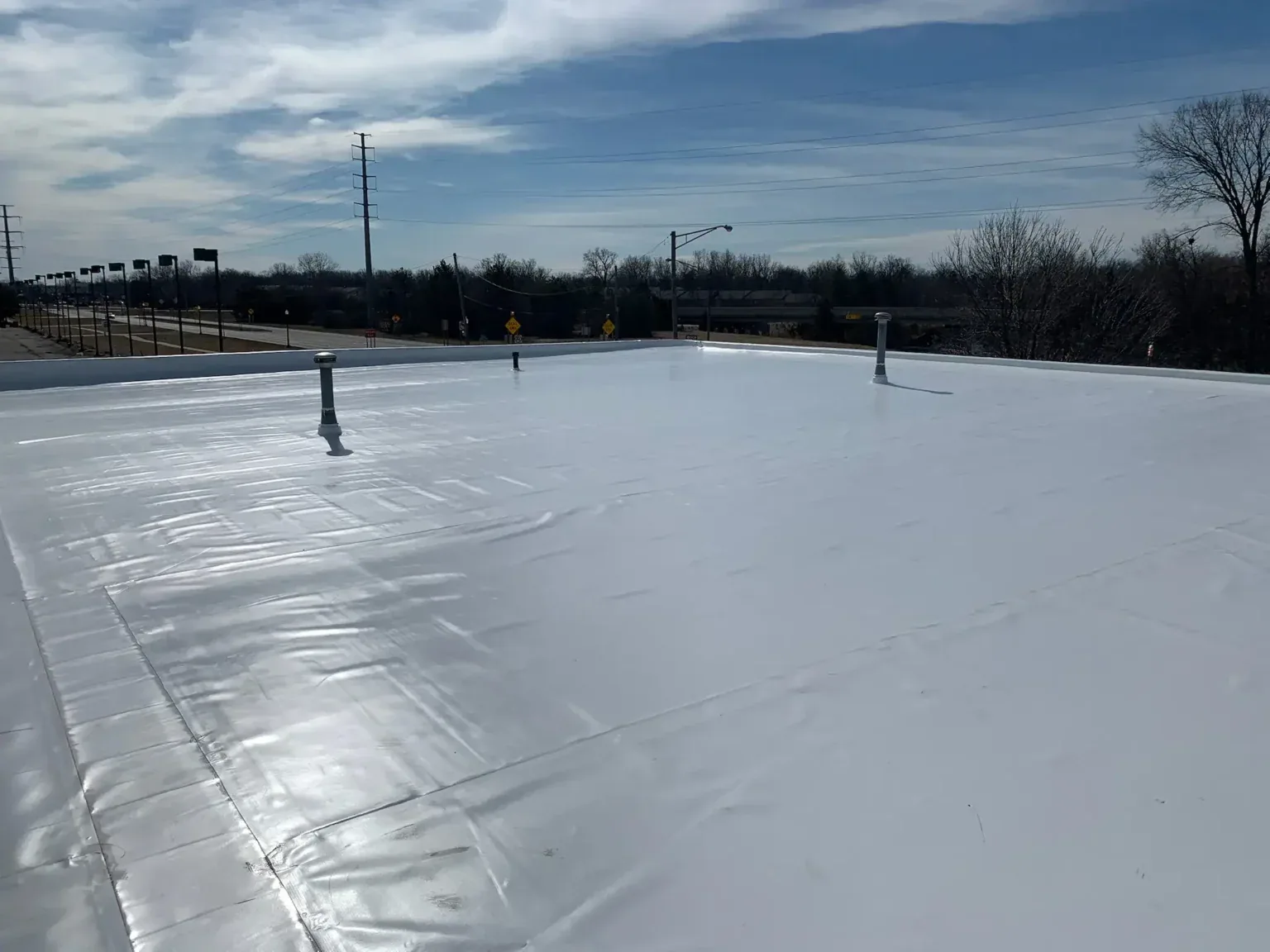
A blister beside a roof lap gives the first walk a place to start, but it does not settle how far the repair should reach. In Newtown, CT, we compare the visible condition with the interior report, note the roof assembly, and trace nearby seams, penetrations, and drainage points. The visit establishes a scope boundary before material is opened. That distinction helps a facility director choose a focused repair, further testing, or a wider condition review without treating one symptom as the whole roof.
In Newtown, access arrangements and building schedules vary by property. We start with the roof records, entry rules, and conditions observed at the site before choosing a work window.
Mark the Affected Roof Zone
We ask where water appeared, when it started, and whether earlier repairs changed the pattern. Inside, a ceiling mark or wet wall can help identify the area to inspect, but water may follow a deck flute, insulation joint, or structural member before it becomes visible. On the roof, we label the relevant zone and check seams, curb corners, wall transitions, fasteners, and patches that could connect to the report. Photographs carry the location forward into the work order.
If the property has several additions or roof levels, we compare plans with the route available from the hatch or ladder. That prevents a note about one section from being applied to another. We can provide a commercial inspection record that separates observed damage from areas needing a closer test. When an earlier recover or coating is present, we write down what is visible and what the assembly history still needs to confirm. The result gives ownership a next action tied to a specific roof area.
Trace the Drainage Route
Rain should move from the field toward an outlet, not collect around a curb or turn back toward a wall. We check drain bowls, strainers, scuppers, overflow paths, and the surface leading to them. Sediment, a loose connection, or a low section can change where water stays after a storm. We record what can be seen during the visit and do not infer structural capacity from a surface walk. If a condition needs design review, that handoff is written into the recommendation.
In Bridgeport, yearly precipitation averages 44.09 inches and snowfall averages 33.6. We use Bridgeport's station normals as a regional seasonal reference when reviewing drainage and dry-in timing. After rain or thaw, our inspection follows the actual roof zone and outlet path. A drain and scupper assessment can define the next check, while signs of trapped water or seam separation may call for a ponding-water repair review instead of a surface treatment.
Keep Access and Operations Clear
Before a crew moves onto the roof, we confirm who can authorize entry, which route is safe, and what equipment or areas must remain available. The facility contact can identify delivery periods, tenant schedules, and service paths that cannot be blocked. We use those limits to choose a staging zone and a work window. If the roof is above an occupied floor, the sequence should include notice for noise, interior protection, and any temporary change to access.
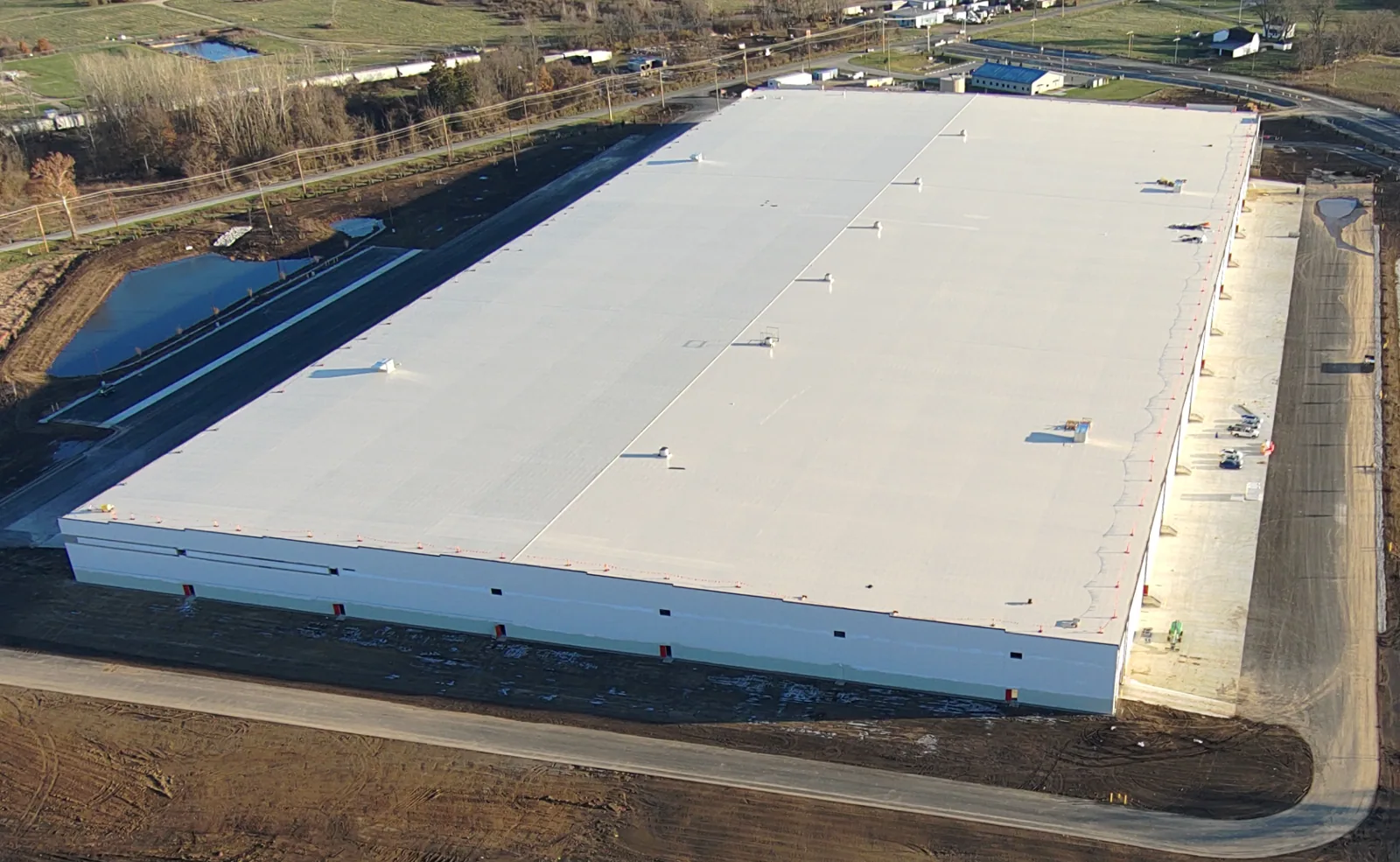
For an open repair, daily dry-in matters as much as the planned installation. We divide the roof into sections that can be secured before a weather hold, keep drains from becoming storage points, and record the handoff at shift end. The crew lead should know which areas are active and which are returned to the building team. Work across the wider area, including Woodbridge and Bridgeport, follows the same roof-first logic, but site rules are confirmed property by property. A recover review can also note lifting and protection requirements before an owner compares that option with removal.
Choose a Repair Boundary
A repair makes sense when the damaged detail is reachable, the surrounding material can accept a compatible tie-in, and the source has been narrowed enough to define the work. We remove failed material to a sound edge, prepare the surface, complete the flashing or seam repair, and photograph the finished transition. If a ceiling report continues after that work, the next visit should compare the new evidence with the recorded area rather than repeat the same patch without a cause.
Where the roof has broad deterioration, recurring leaks, or moisture below the membrane, an opening or infrared survey may be needed to map concealed conditions. We set the test boundary, explain what it can confirm, and identify who approves additional removal. For a smaller building issue, skylight and penetration flashing work may be separated from field-membrane repairs. The owner can then compare repair, recover, and replacement by the amount of material retained, deck work, access, and protection needed below. A roof condition report gives later budget discussions a record of the inspected zones and unresolved items.
Carry the Findings Forward
A useful closeout ties each photograph to the roof plan, states what work was completed, and lists the next inspection trigger. If the crew found wet insulation, loose edge metal, or an unexpected deck condition, the note should identify the affected area and the approval that followed. Any portion that could not be reached stays visible as a limit. This record lets the next maintenance visit compare conditions rather than rely on a general description such as “the north roof.”
Before calling, gather the roof plan, recent leak dates, repair history, access contact, and any restrictions on lifting or noise. Tell us whether the immediate decision is to stop active water, prepare a capital request, or document condition for a transaction. We will confirm the walk boundary and send a written recommendation with open questions kept separate from completed work. When a portfolio also includes Oxford, we keep its inspection record separate; moisture testing in Newtown can show whether concealed wet material changes this roof's repair scope.
Questions and Answers
A leak has appeared in two rooms. Should both areas be opened?
We first map each report to the roof level and look for a shared seam, curb, drain, or transition. Separate interior marks may connect to one entry path, or they may involve different roof zones. The inspection record will show which evidence supports a shared repair and where another test is needed before opening the assembly.
What can a roof inspection confirm after a rainy period?
It can document visible membrane, flashing, drainage, and interior conditions present at the time of the visit. We also compare the reported timing with the roof zones above. A surface walk does not prove the condition of concealed insulation or the deck; selective openings or moisture testing may be needed to define that boundary.
How do you keep deliveries moving during a repair?
Give us the delivery windows, loading route, and areas that must remain clear. We use those details to place the staging zone and sequence roof sections so material movement does not close an operating path. The daily handoff identifies where the crew worked, what was secured, and which area is available to the facility team.
Will a recover work on a roof with prior patches?
Prior patches are one part of the assembly history. We inspect whether they remain bonded, check for moisture and unstable layers, and review the deck and project requirements. If the existing roof cannot serve as a reliable base, removal or selective replacement may be needed. The written comparison will identify the findings that change the scope.
What information helps price a repair accurately?
Share plans, photographs, leak locations, prior invoices, access rules, and any known roof-system details. We still need a site inspection to verify the material, dimensions, substrate, and safe work route. The proposal can then separate the repair area from optional investigation or concealed-condition work requiring approval.
Related Roofing Work

Set the Newtown Roof Scope
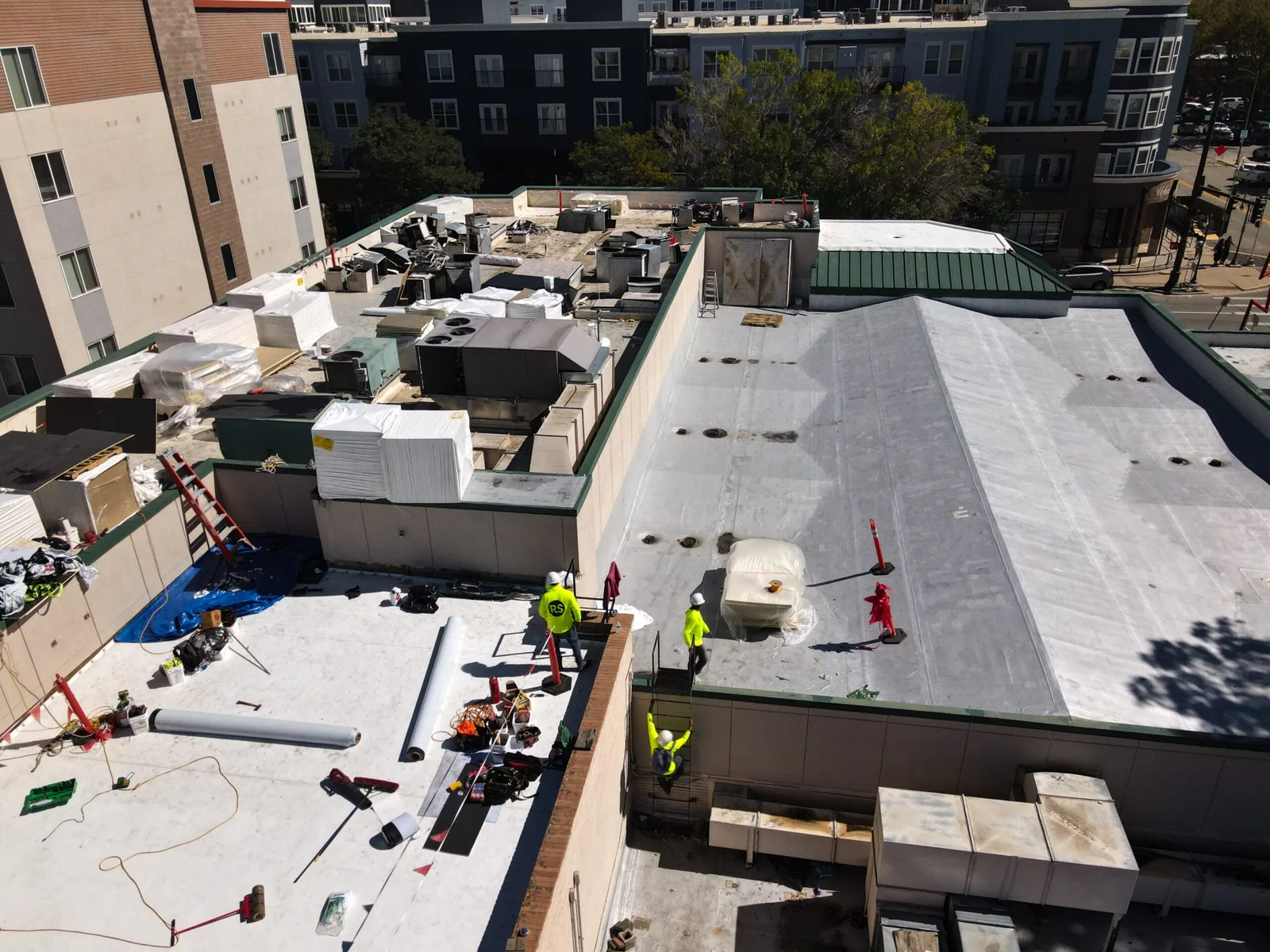
Share the roof plan, leak locations, access contact, and current operating limits. We will confirm the walk boundary and provide a written next step for the repair or larger review.