
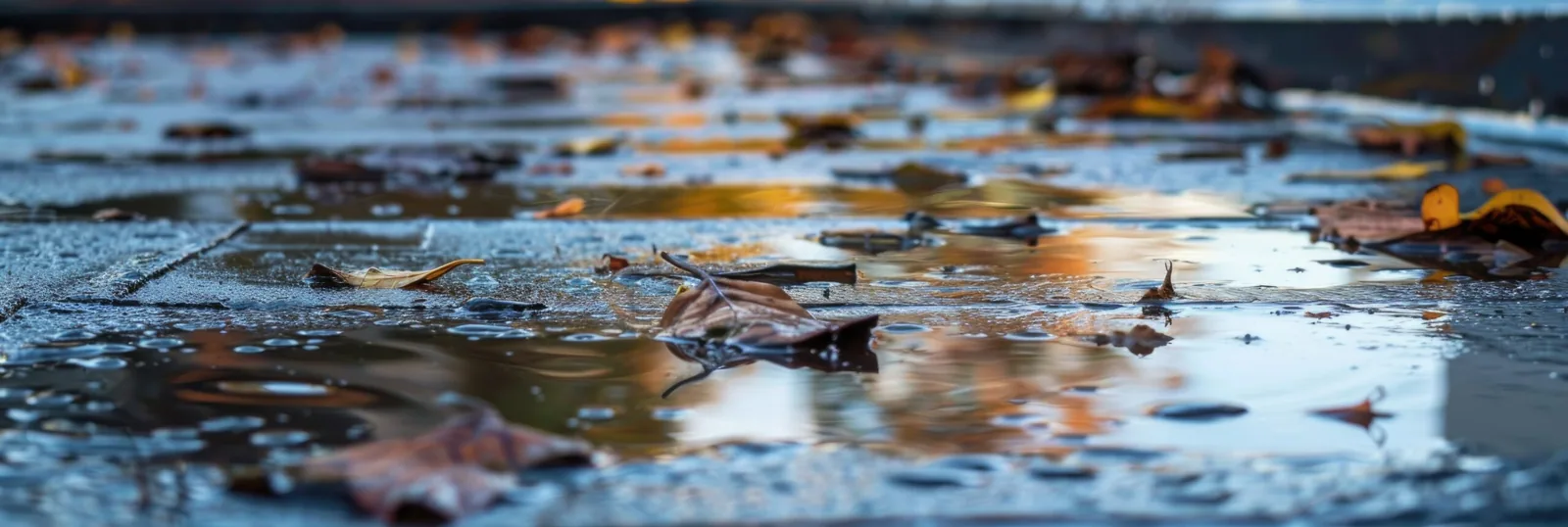
Ponding Water Roof Repair in Bridgeport, CT
Standing water may signal a blocked outlet, low insulation, or deck movement. We trace ponding in Bridgeport, define the wet area, and scope lasting repair.
A dark water line that remains after the rest of a roof dries gives us a place to start, not a repair detail to assume. In Bridgeport, CT, we mark the limits of the standing water, check which drain or scupper receives it, and compare the low area with nearby seams, curbs, and interior reports. The 1991 to 2020 precipitation normal for the Bridgeport Sikorsky Memorial Airport station is 44.09 inches per year; verify the outlet at the property rather than infer it from that regional value. We follow the water route, test the assembly where needed, and show whether the next scope belongs at the outlet, the membrane, or below the roof surface. A commercial roof inspection establishes the condition map.
Mark the Water's Boundary
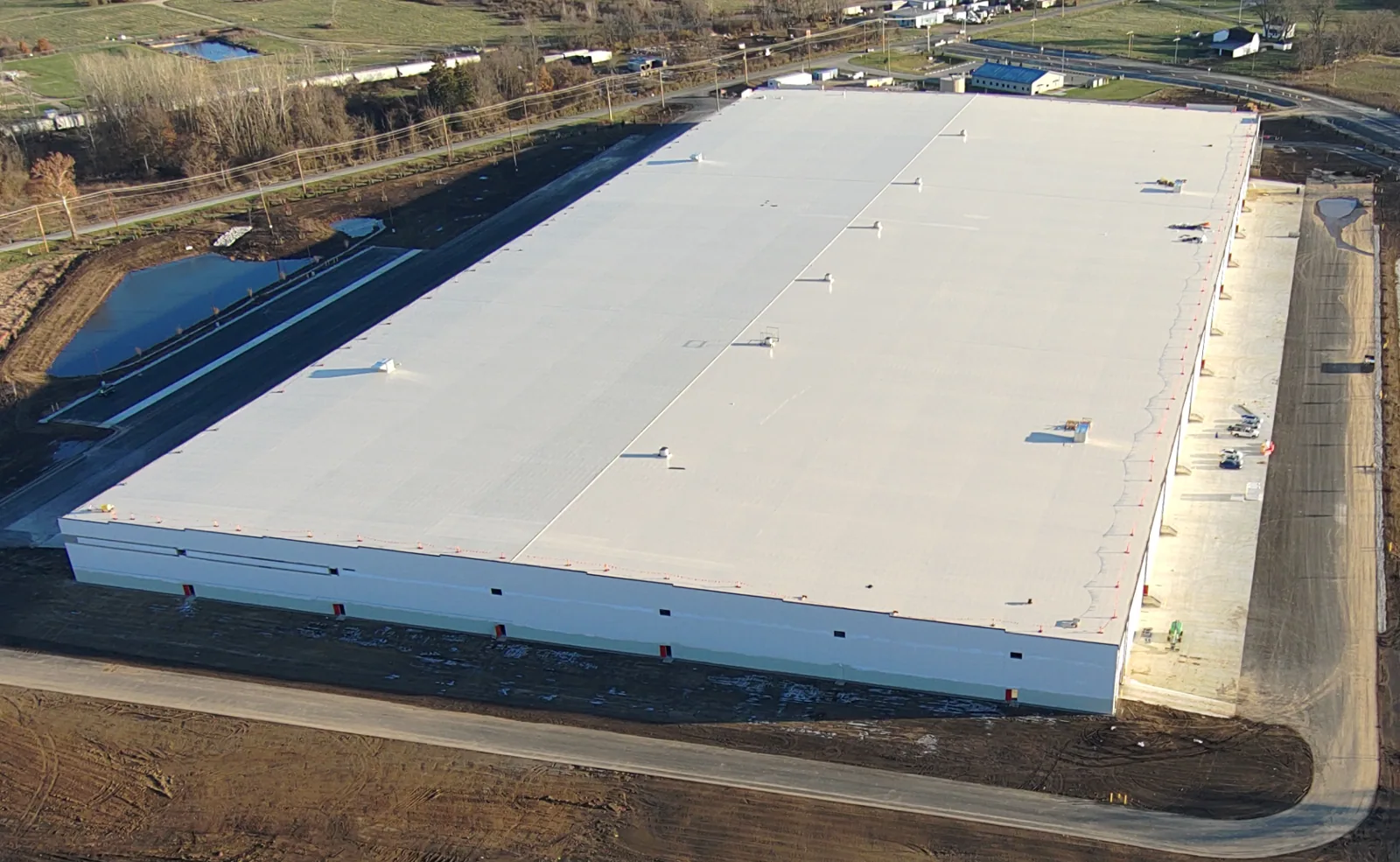
A shallow-looking pool can cover a larger wet area beneath the membrane. We photograph the water line, note its depth and distance from drains, and look for wrinkles, open laps, punctures, displaced edge metal, and soft insulation. A roof plan locates the low area against columns, equipment, and interior reports. The written scope separates visible water from suspected moisture below it and names any test opening needed to resolve the difference.
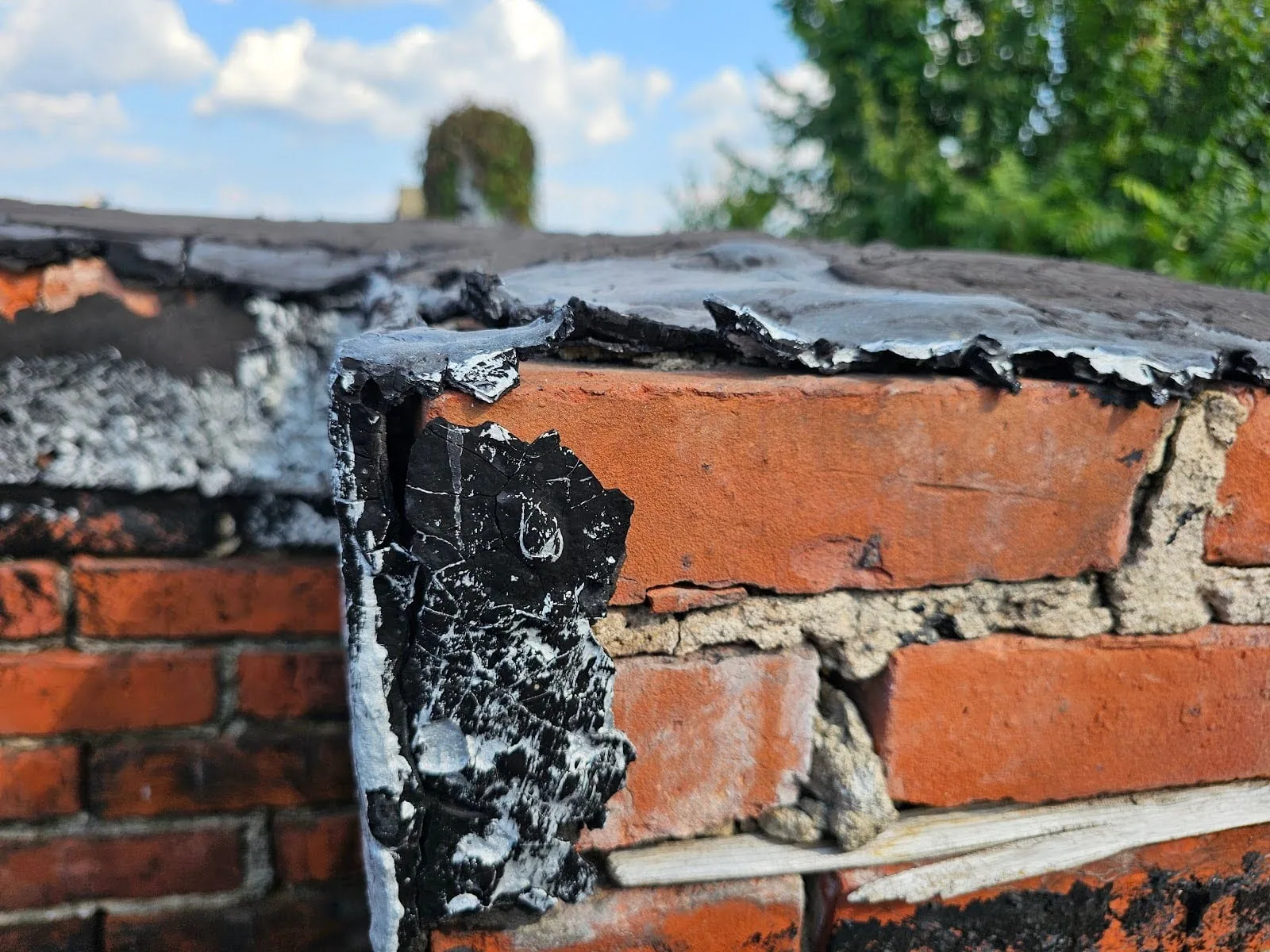
Pools can vanish between visits. Log the observation time, recent weather, outlet condition, and any interior mark; a photograph from a safe vantage point helps. Staff should not cross a wet or icy roof for one. If water entered, a leak investigation ties the ceiling report to the roof map. A separated seam or curb transition calls for a flashing repair assessment, distinct from outlet work.
Test the Route to the Outlet
A drain that looks open from above can still have a blocked strainer, restricted leader, damaged bowl, or weak connection below the roof plane. We inspect the inlet and surrounding sump, then follow the conductor route as far as access allows. Scuppers need the same check at the opening, metal transition, and discharge point. That separates an outlet restriction from a low area or failed drain detail. The drainage review records the condition at each part rather than assigning the entire problem to one component.
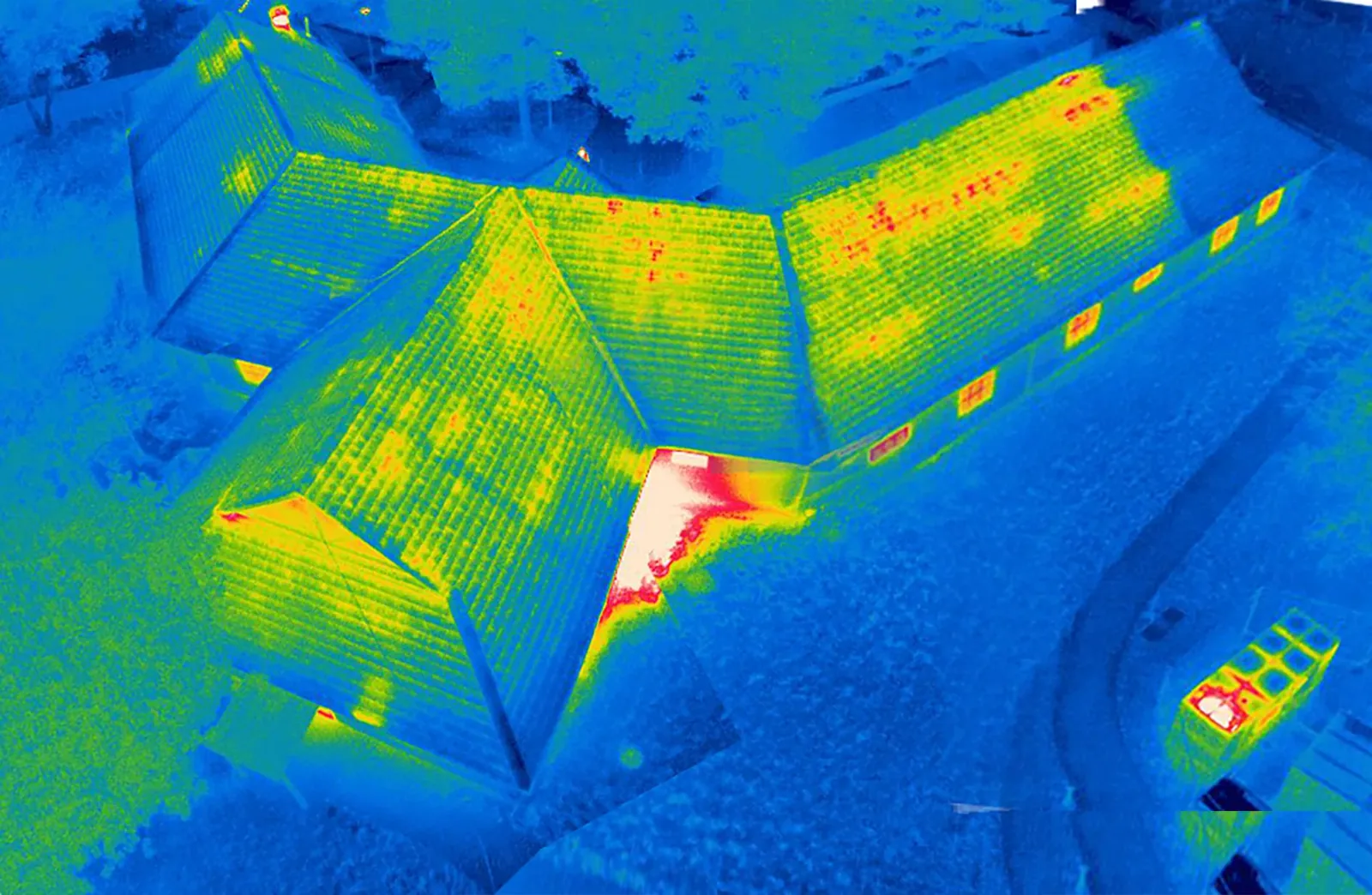
Clinton Avenue is among the West Side and West End's commercial corridors, where deliveries, service equipment, and occupied suites can affect roof access. We set the access path and staging zone with the facility contact before lifting drain components or opening membrane. If moisture is suspected beyond the visible pool, an infrared moisture survey can help mark areas for confirmation; a test cut is still used when the assembly must be verified directly.
Keep the Interior in the Sequence
A leak over a switchgear room, records area, tenant corridor, or stocked bay changes how we stage the investigation. We identify interior protection before lifting a membrane section, then agree on a work window, material route, and person authorized to accept dry-in. A downtown roof may sit over a mix of occupied floors and retail entrances. Map the ponding area against the interior report, then identify which drain or low point needs a field check. Those uses can put occupied floors and active storefronts below a roof work zone, so the sequence needs a clear boundary and handoff.
A manager comparing Bridgeport with nearby roofs in Fairfield and Stratford can use one map key for outlet locations and repair dates. The scope names the opening, temporary protection, and conditions that would expand the repair. If water is active, we can stabilize the area and return in a suitable material window. A work plan for occupied buildings can coordinate access with daily use. For Bridgeport properties, the local service area includes roof response planning across the city, with access confirmed property by property.
Choose a Repair That Fits the Cause
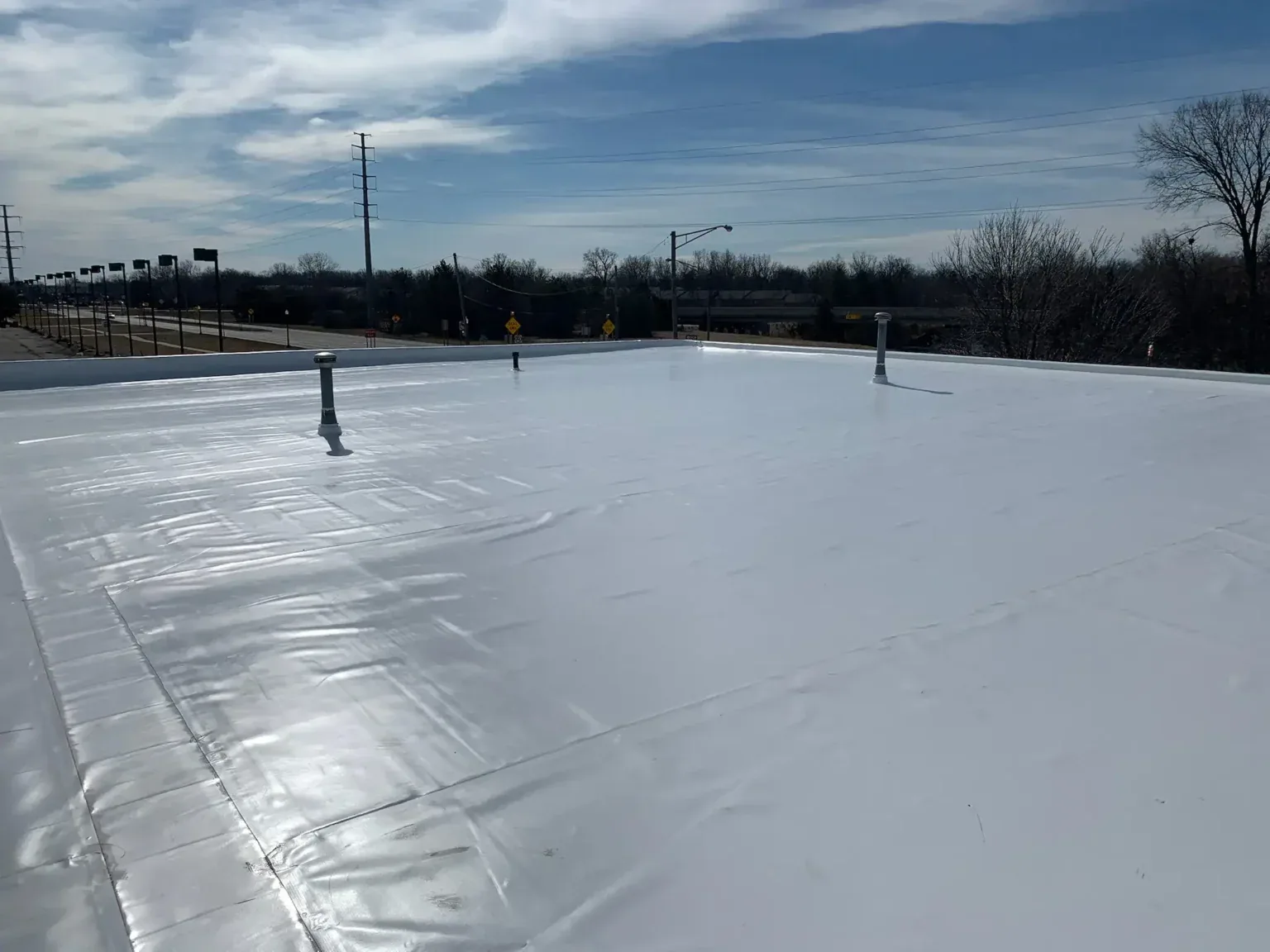
A low seam beside a clear outlet may need membrane repair and a follow-up water test. A damaged bowl can require new flashing and a corrected connection. If water reached insulation, the scope may include removing and replacing wet material before the membrane is closed. The patch must also extend to stable membrane beyond the damaged edge so the repair detail bonds to sound material and its limit can be checked later. Repeated pools across zones call for a broader drainage review. We compare moisture extent, adjacent seams, access limits, and dry-in sequence before selecting the repair.
Price and timing reflect openings, disposal, roof height, lift access, interior controls, and material weather windows. Delay can spread moisture below insulation, add load to a low area, or reach equipment and finishes. A written repair recommendation identifies the observed cause, the limits of the work, and any unresolved condition. Where deterioration extends beyond a repairable area, a replacement scope can compare removal, recover eligibility, and phased dry-in. The roof's actual assembly determines which seams and details can be repaired together. A snow and ice damage review also considers how retained water and freeze-thaw conditions affect drainage.
Keep a Record of the Next Check
After the repair, the closeout should show the drain or low area, the material removed or installed, photographs of the finished detail, and any test result. We note whether the leader was accessible, whether water moved off the repaired zone, and what should trigger another visit. The record also identifies temporary protection that remains and who will inspect it after the next rain. That handoff gives maintenance staff a known reference point when a new water line appears.
For a multi-section roof, map each drain, repair boundary, and test location with its date and observed system. If water returns there, compare the new condition with that record; a new area requires a fresh trace. Written findings and photos give the facility director a clear next inspection trigger.
Questions and Answers
How long should standing water remain before we call?
The roof's drainage design and the time since rainfall affect what is normal, so a single waiting period cannot diagnose the condition. Record when the pool was seen, its approximate limits, nearby drains, and any interior water. We compare those observations with roof slope and outlet condition. If water is entering the building or the roof shows deflection, report it promptly and keep people away from any affected interior area until the proper review is arranged.
Can cleaning a drain solve ponding by itself?
A blocked strainer may be the cause, but we inspect the bowl, sump, membrane transition, and downstream path before closing the scope. If the roof remains low or insulation has shifted, clearing debris may restore flow without correcting the depression. We document what changed and observe whether the area drains; a recurring pool calls for a closer look at the assembly rather than repeated surface cleaning.
Will you need to cut into the roof to find wet insulation?
Not for every visit. We begin with a visual map and can use a moisture survey to select areas for confirmation. A controlled test opening is appropriate when the material beneath the membrane determines whether a patch is enough or saturated components need replacement. We mark the proposed location, protect the opening during the work window, and include the test result in the written recommendation.
Can ponding damage be repaired while the property stays open?
The sequence depends on roof access, interior exposure, and whether a section must stay open during testing or material removal. We can divide work into zones, set a staging area, and protect the occupied floor below. The facility contact confirms restricted routes and work hours before the crew mobilizes. If the condition requires a larger opening, the scope names the dry-in plan and the handoff point for each shift.
Related Roofing Work
Map the Ponding Before It Spreads
Share the roof plan, the observed water limits, the time it remains, drain locations, interior reports, and access rules. We will define the inspection boundary and provide a written next step for drainage correction, membrane repair, moisture testing, or a broader roof scope.