Commercial Roofing for Property Managers in Bridgeport, CT
Coordinate roof repairs, inspections, and capital plans across managed properties in Bridgeport, CT, with clear access windows, scopes, and handoffs.
A portfolio roof call often starts with several people describing different symptoms. A tenant reports a ceiling mark, maintenance sees water near a drain, and ownership wants to know whether this is a repair or a capital item. We begin by tying each report to a building, roof area, and operating constraint. In Bridgeport, a manager may oversee downtown mixed-use space and industrial property south of I-95; those buildings need separate access plans, not one portfolio-wide assumption.
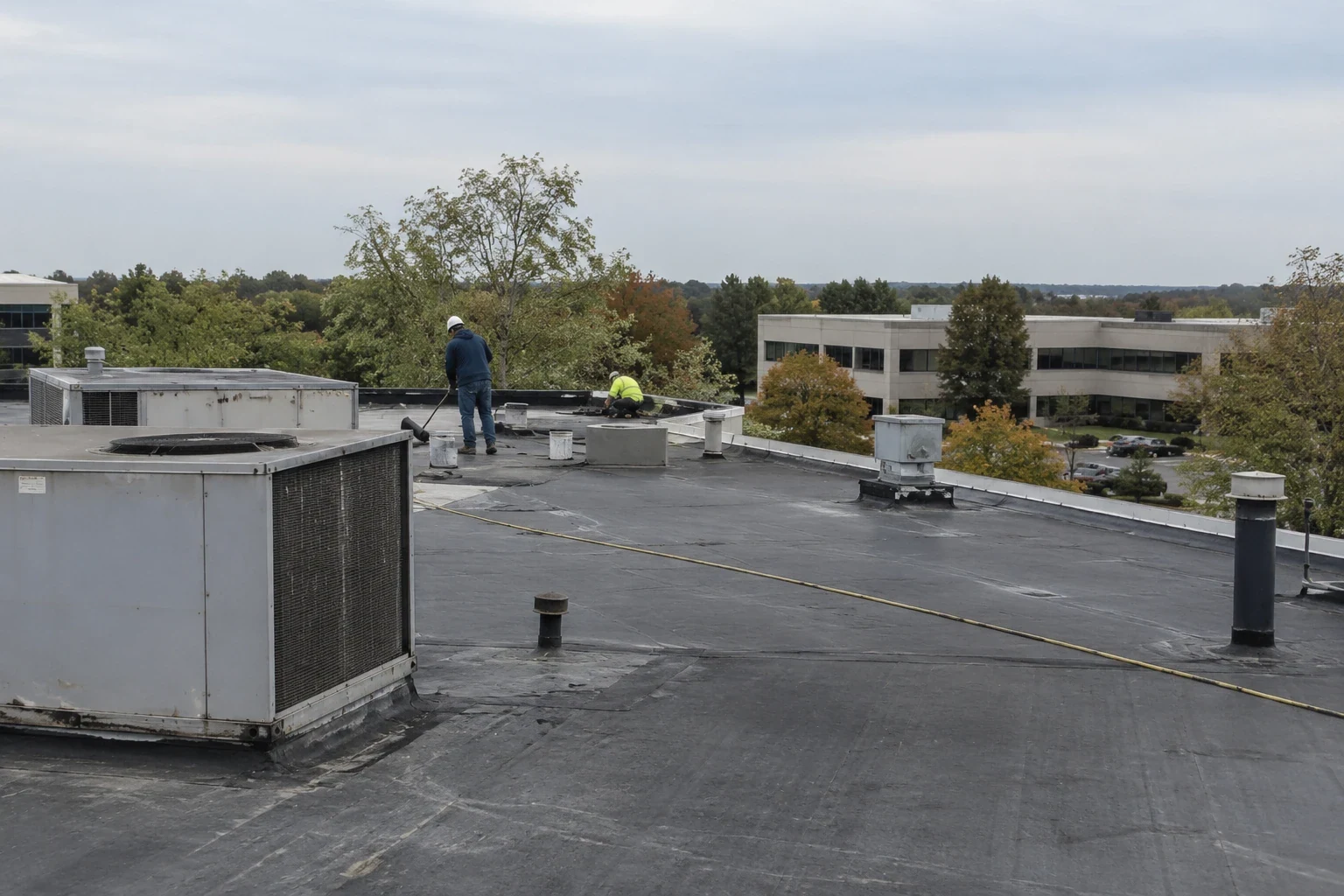
Our field sequence is practical: confirm who can open the roof, identify active interior effects, inspect the likely water path, and record the boundary of what was observed. A commercial roof inspection gives the manager a condition record to compare with work orders. When water is active, we first define a safe response and trace the leak path. Each visit ends with a written next action, owner, and trigger for another look.
Separate the Building Reports
Two tenants can describe the same wet area in different terms, while one ceiling stain may trace to a roof detail several feet away. We log the room, time noticed, weather, and any change after a previous repair before selecting a roof area to inspect. A maintenance ticket should not become a diagnosis by itself. Our team compares the report with seams, penetrations, parapets, drains, and prior patches, then states what was visible and what still needs confirmation.
For a property manager, a repair boundary matters as much as the repair method. The scope identifies which roof section is included, how the crew reaches it, and what adjacent details will be checked. If an inspection covers multiple buildings, each observation stays with its own address and photo set. We can organize those findings in a roof condition report so ownership sees immediate work apart from monitoring or future planning. That distinction prevents a single leak call from expanding into an unsupported portfolio recommendation.
Build Access into the Work Window
Managed buildings rarely share the same access path. One site may use a controlled roof hatch, another may require a lift, and a third may have rooftop equipment that cannot be approached while a tenant is working nearby. We confirm keys, escort rules, safety limits, loading activity, and the contact who can approve a changed work boundary before scheduling. The staging zone also needs a ground-level review, especially where deliveries or public entrances cross the material path.
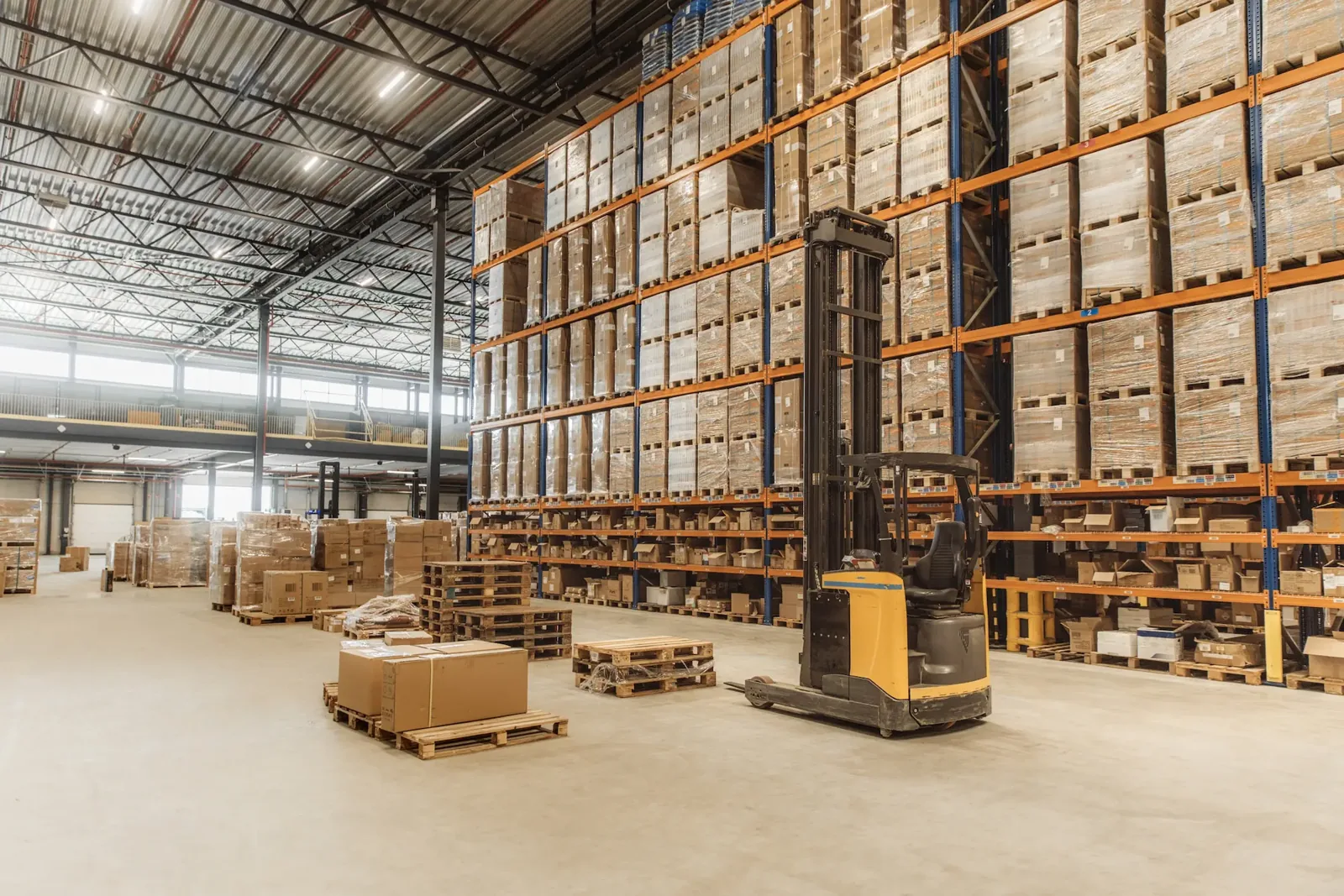
Bridgeport's port activity includes commercial shipping, ferry service, fishing, and recreational boating. That mix makes nearby operating schedules a real coordination question for some properties, not a reason to assume every roof has the same restriction. Along State Street or the West Side/West End industrial area, the manager can identify dock shifts, tenant hours, and equipment that must remain available. A multi-property account may group logistics and distribution operations separately from other tenants, because loading access changes the roof work window. Stratford and Fairfield sit close enough to Bridgeport for one management team to coordinate visits in each town, but each roof still needs its own access record.
Compare Condition Without Flattening It
A portfolio summary is useful only if it preserves differences between roofs. A sound membrane with one open penetration is not the same decision as widespread seam distress, trapped moisture, or a failed drainage route. We record each finding with the roof area, severity, access limits, and recommended next step. The manager can then group similar work for scheduling while retaining the detail needed to authorize each building separately.
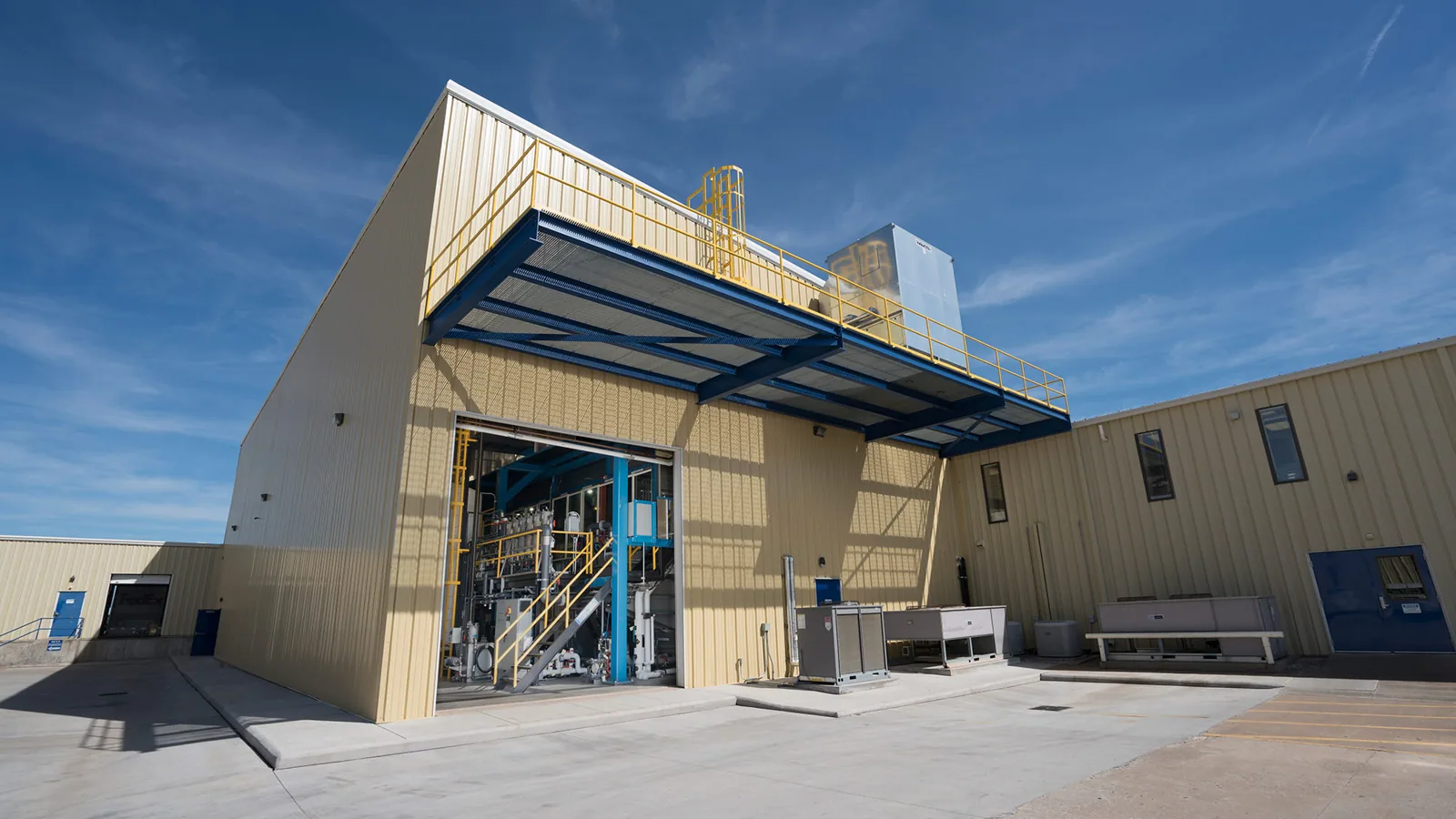
South of I-95, Bridgeport's West Side and West End include an industrial district with mostly light industrial activity alongside some heavier industrial and commercial uses. State Street has larger parcels toward one end and smaller retail-serving parcels toward the other; Clinton Avenue and The Smile add other commercial or employment contexts. Those patterns affect how a property manager may sequence access and staging, but they do not establish any individual roof's assembly or condition. A manufacturing building beside a storefront still needs a separate inspection record and work window.
Choose Repair, Recovery, or Replacement
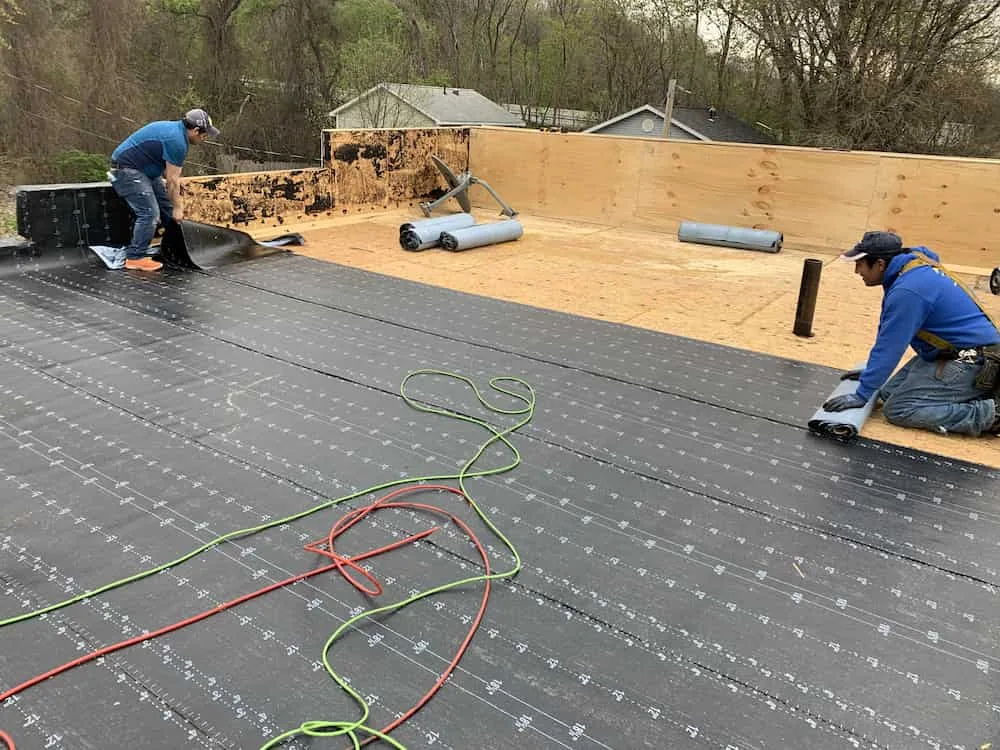
The right scope depends on what the inspection can verify. A local flashing defect with sound surrounding material may support a focused repair. Broader deterioration, wet insulation, incompatible patch history, or a surface that cannot accept another treatment can change the decision. We explain what is known, what testing would settle, and which work can proceed without waiting for a larger capital review. If an overlay is being considered, the existing assembly and added load need evaluation before a recovery scope is proposed.
For many Bridgeport building repairs, a zoning plan needs building information and a written outline of the proposed work, including for commercial and industrial projects. A manager can use a clearly bounded replacement assessment to frame that next decision. We identify the roof section, detail, preparation, and closeout record instead of promising that one option fits the whole portfolio. The written handoff gives ownership a defensible basis for funding and tenant communication, while a maintenance visit can keep repair history current between larger projects.
Make the Handoff Usable
After a visit, the property file should answer four questions: where did we work, what did we see, what changed, and when should someone return? We label photos by roof area, note whether the surface was suitable for inspection, and separate completed work from open items. If a tenant reports a new leak, the manager can compare its location and timing with the prior record instead of restarting the investigation. A clear scope also helps a new site contact understand what remains protected.
Bring roof plans, prior invoices, leak tickets, warranty documents, equipment changes, and access procedures to the first walk. We need enough information to identify the building and avoid confusing one roof with another. A drainage check helps when the water route is the question. A Bridgeport service visit can include a planned roof walk in Bridgeport with the site's operating contact, followed by a property-specific record that the next manager can use.
Questions and Answers
How should we handle a tenant leak report with no clear roof location?
Start with the room, time, weather, and whether water is still entering. We compare that record with the roof above, nearby drains, penetrations, and earlier repairs. A stain location is a starting point, not proof of the opening. The visit report separates confirmed conditions from the next test or access step.
Can one inspection cover several managed buildings?
Yes, when the scope lists each building and roof section and access can be arranged for each. We keep photos and findings property-specific, then provide a portfolio summary that does not blur one assembly into another. Share roof plans, contacts, safety rules, and any building that needs a separate work window.
What makes a repair ready for tenant coordination?
A usable repair plan names the affected roof area, access path, staging zone, expected work window, and the space that may be restricted below. We also state what the repair will address and what remains outside its boundary. That lets a manager give tenants a specific notice rather than a broad, uncertain closure.
When do repeated repairs justify a replacement review?
We compare the repair history with current seam, flashing, drainage, and moisture observations. Several repeat calls can justify a broader condition assessment, but they do not automatically prove the whole roof has failed. The report identifies evidence for a focused repair, further testing, or capital planning.
What records should we have ready before a portfolio roof walk?
Gather roof plans, prior scopes, invoices, warranty information, leak tickets, rooftop equipment changes, and entry rules. If records are incomplete, identify the person who can confirm access and building use. We will record the limits and keep each finding attached to the correct address and roof area.
Related Roofing Work

Set the First Portfolio Roof Walk
Send the property list, current leak locations, roof access rules, and the decision ownership needs to make. We will define which buildings and sections are included, then provide a written record with repair priorities and return triggers.