Commercial Roofing in Norwalk, CT
Commercial roof repair and replacement planning in Norwalk, with documented leak tracing, drainage review, tenant coordination, and clear closeout.
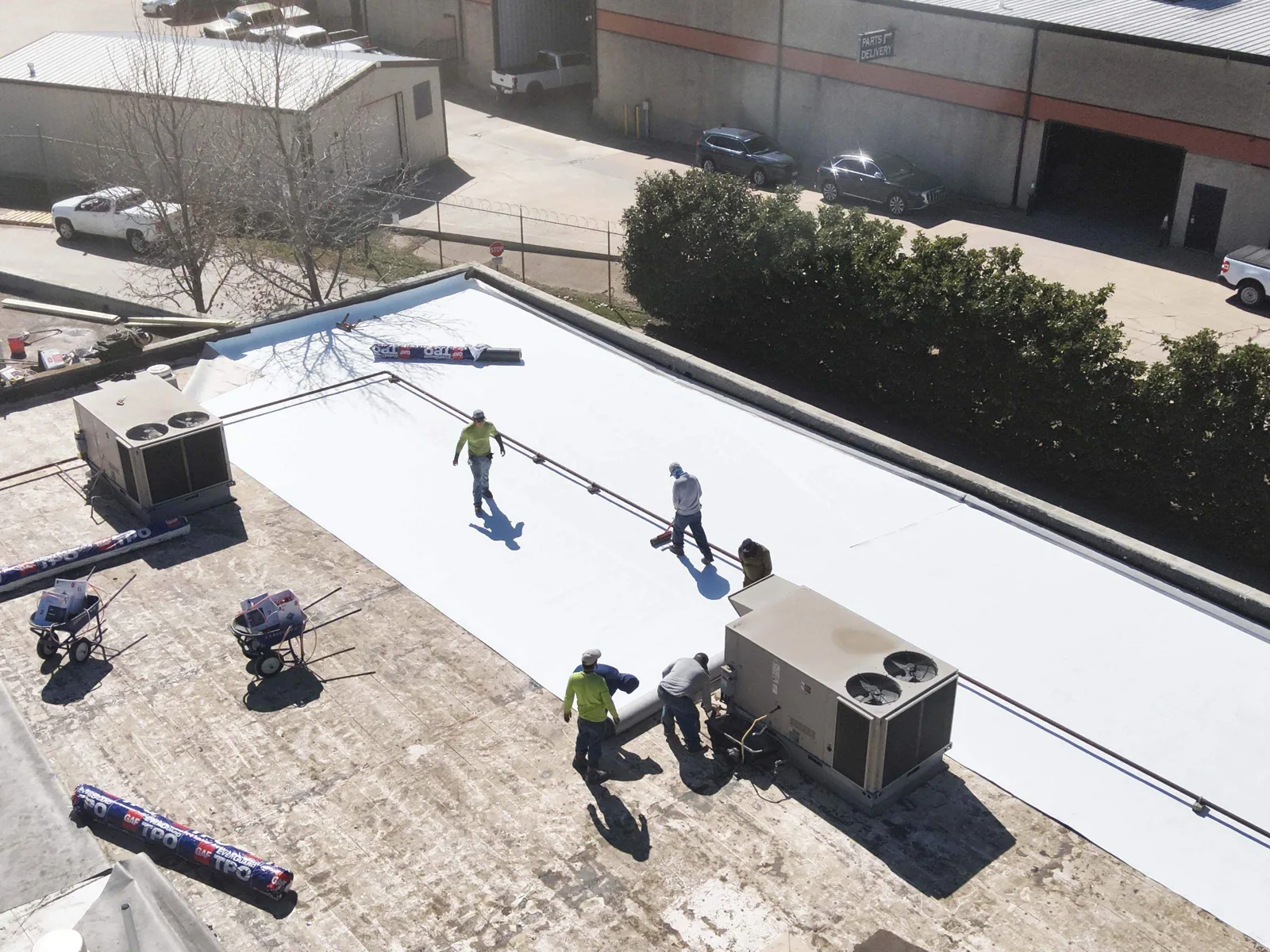
A roof section that must be dry-in before a delivery window closes determines the sequence in Norwalk. We start by confirming how the building operates, where the crew can stage, and which route remains open for service traffic. Then the inspection ties the reported leak to roof-side details instead of assuming the nearest seam is responsible. Each finding is marked by zone so the owner can approve a repair boundary with useful evidence.
Norwalk covers 22.9 square miles of land and sits about 13.3 miles from Bridgeport's center in a straight-line measurement. A town-center measurement cannot predict how a crew reaches a particular property, so we verify the building address and entry instructions with the contact. The first visit is designed to end with a decision-ready record: the observed condition, the proposed work, the access plan, and any question that remains open.
Locate the Source
Leak tracing begins with the room, timing, and conditions reported by the facility team. On the roof, we check seams, wall transitions, drains, curbs, penetrations, and repairs that may have changed over time. Water can follow a deck flute or insulation joint, so a vertical line from stain to roof opening is not enough. We record the strongest evidence, photograph the surrounding details, and recommend a selective opening only when it answers a defined question.
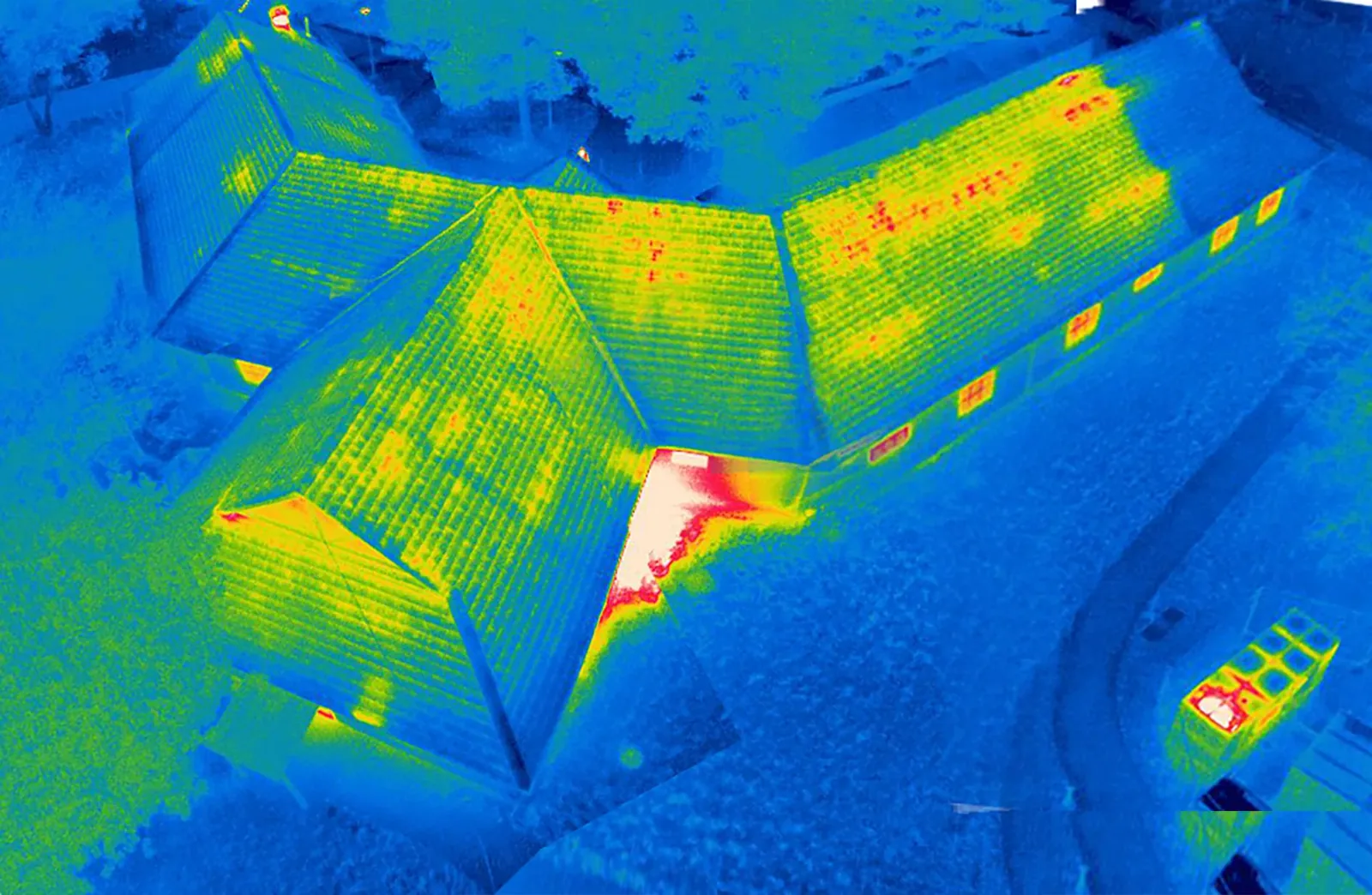
The address and roof assembly set the scope. Before recommending a repair, we identify the membrane, drainage details, and path into the affected space. A written roof inspection notes visible layers and access limits. When the concern is moisture under a membrane, an infrared scan may help prioritize verification, provided the conditions support a meaningful reading.
Give Water a Clear Exit
The Bridgeport station's yearly precipitation average is 44.09 inches; its snowfall average is 33.6 inches. Those figures give nearby regional context, not a Norwalk station report. For a nearby roof work plan, they underscore why the crew should know the forecast window, drainage path, and temporary cover plan before opening material. We inspect outlets, roof edges, wall terminations, and transitions where water can collect or wind can lift a detail.
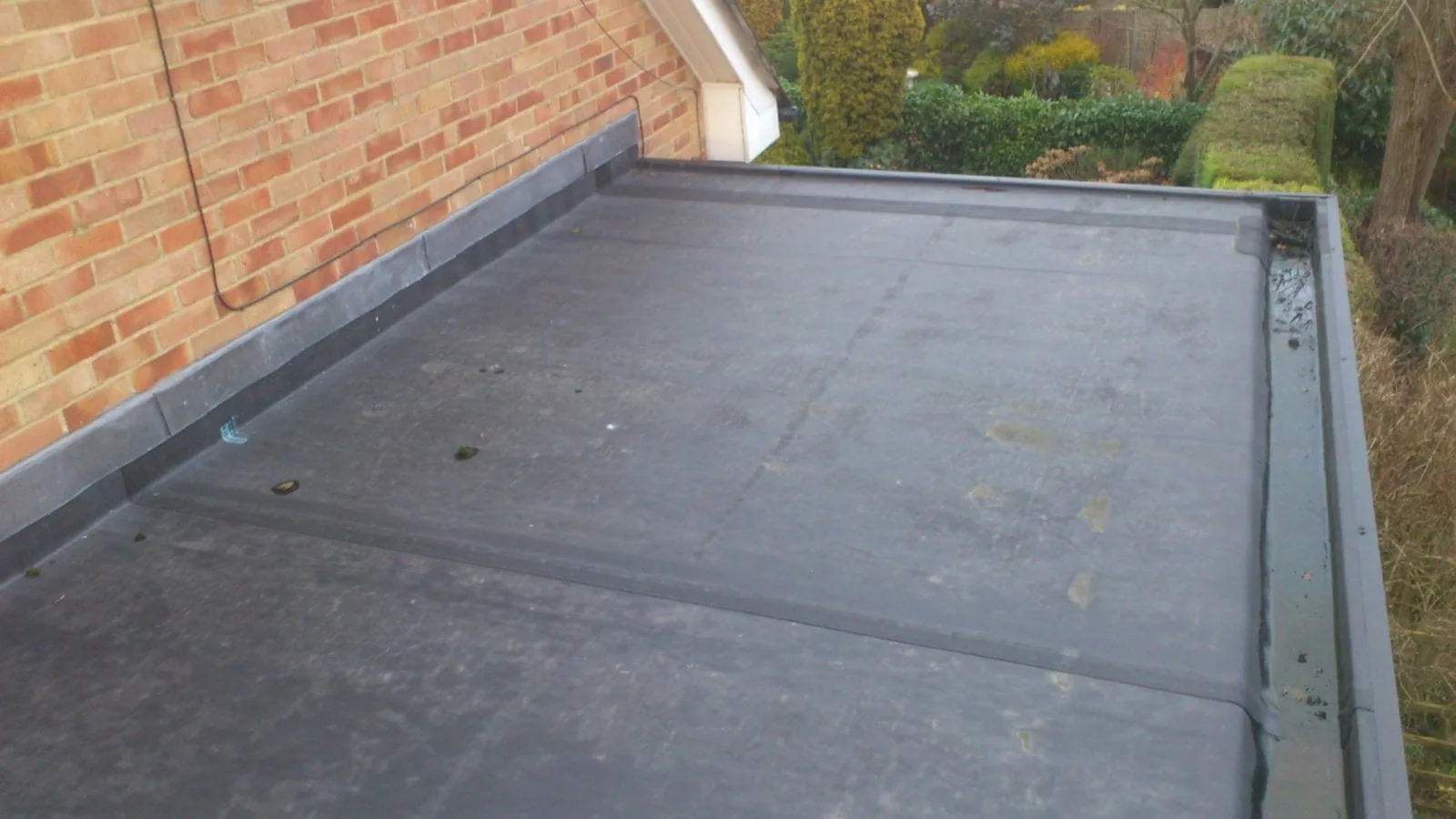
If water stands after rainfall, the report describes its location, depth if measured, drainage path, and any interior sign of moisture. A coating will not fix an outlet that cannot carry water or a deck that deflects. The drain and scupper review documents the outlet and surrounding detail; a ponding-water scope can then separate membrane work from any drainage or structural question.
Build Permit Timing Into the Plan
Where review documents are needed, our Diligence Notes can map the existing assembly, roof zones, drainage points, and proposed repair or replacement limits. We identify visible attachment details and where concealment prevents a conclusion. The project team decides what plans, calculations, or approvals are required. That keeps the contractor's observations useful without presenting them as an authority's decision.
The facility contact sets the operating boundaries for the roof work. We confirm who can open the hatch, the path to the work area, where materials may be staged, and when service or tenant activity peaks. If deliveries or equipment routes cross the work zone, the crew can phase work and leave a clear passage. Each opened section receives a planned dry-in point, debris control, and end-of-shift inspection before the area is released. For each shift, name who confirms protection inside the affected area and who releases the room after the roof section is closed.
Compare Scope Boundaries
A repair works when the defect is identifiable and surrounding material can accept a reliable tie-in. We describe the preparation, compatible membrane or metal detail, and areas inspected around the defect. When earlier patches repeat at the same transition, checking movement, substrate, and adjacent laps may be more valuable than another surface patch. A commercial roof repair scope states the included zone and the conditions that would change the work.
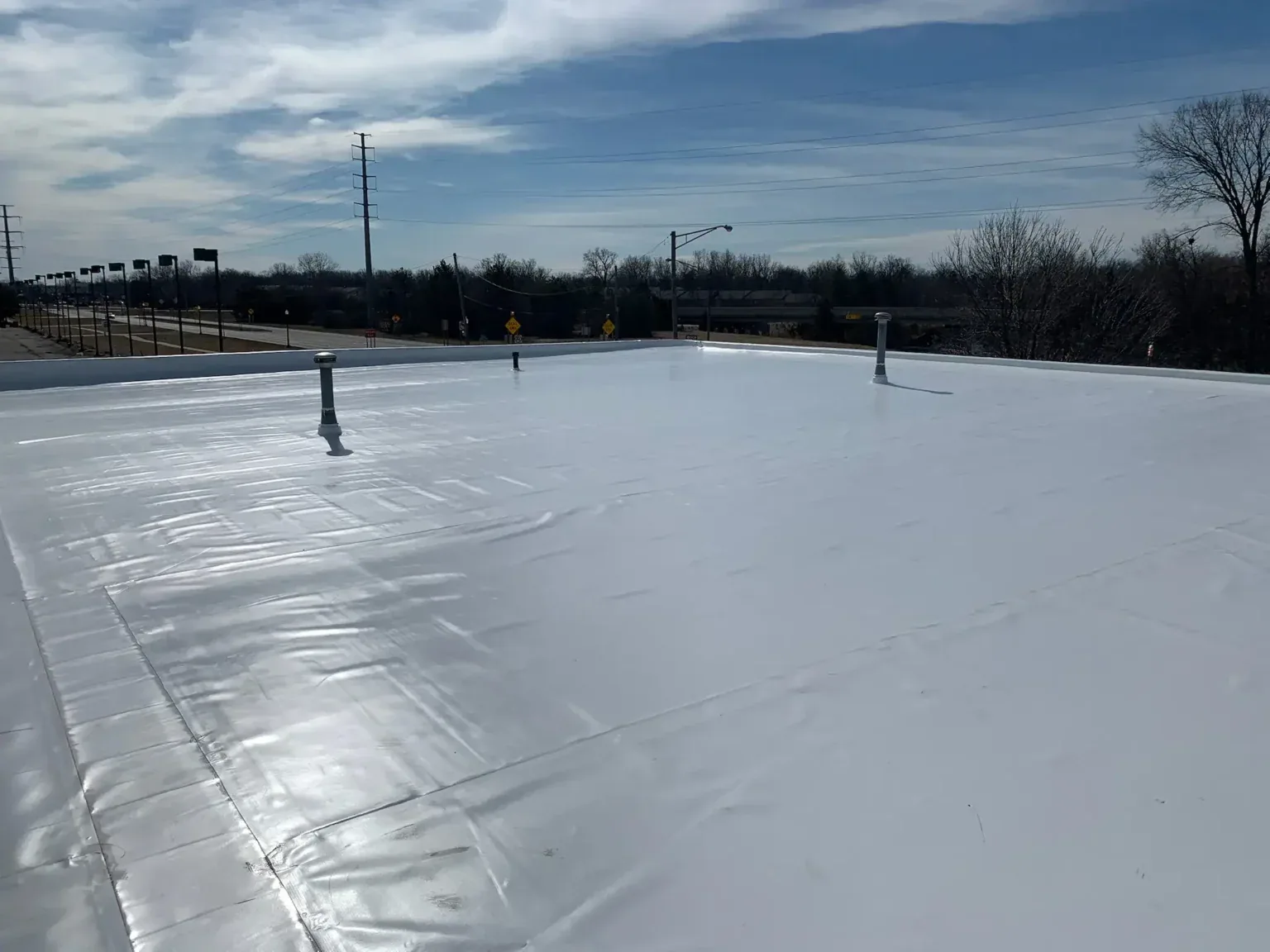
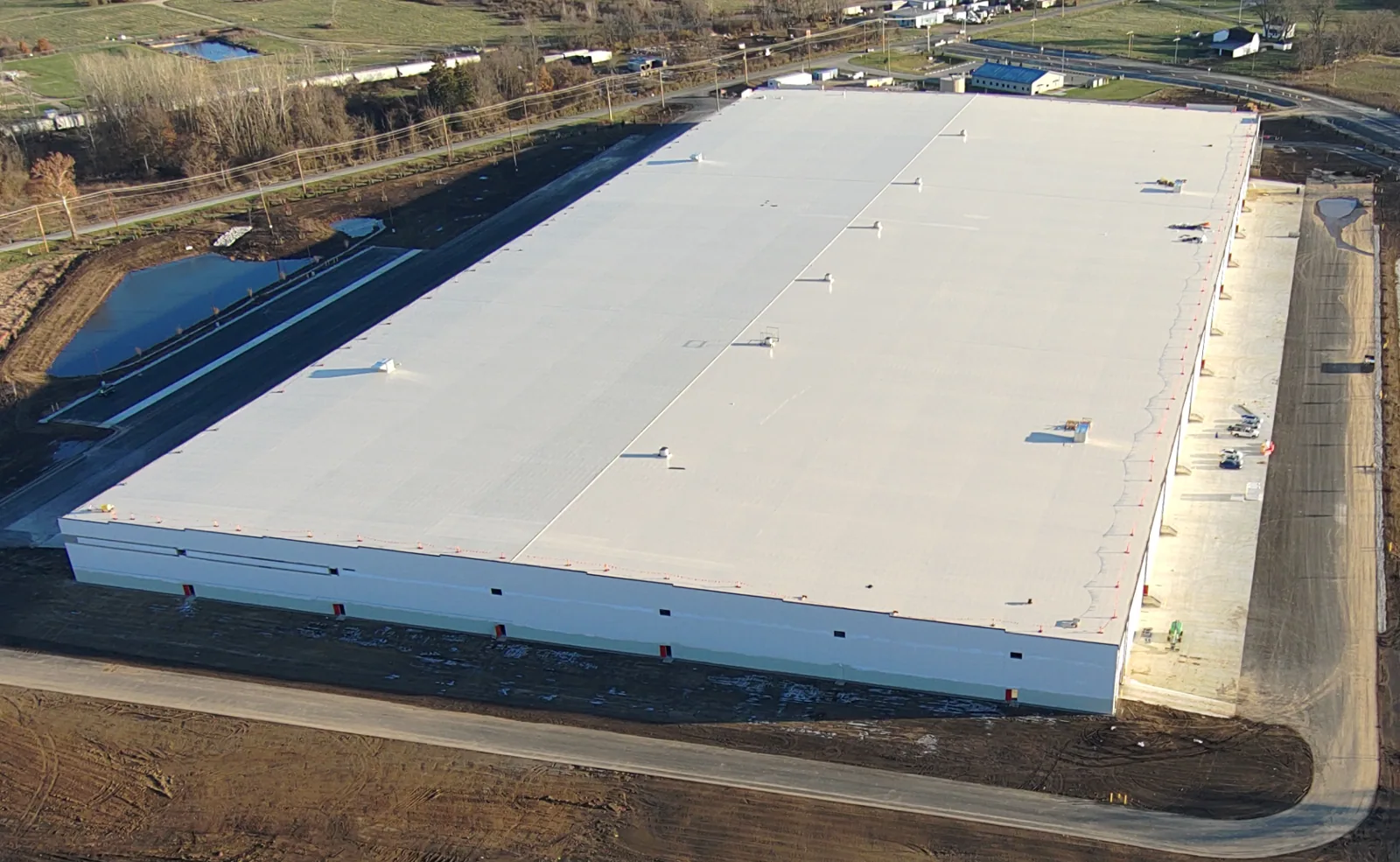
The replacement review starts with existing layers, moisture, deck, insulation, drainage, perimeter, and rooftop supports. Recover and tear-off are compared only where the assembly supports the choice. Material deliveries, building protection, and daily dry-in can affect the cost and schedule as much as the membrane. A TPO system discussion or distribution-center sequence can clarify design or logistics questions without assuming a given Norwalk building serves that use.
Finish With a Field Record
A project record should connect inspection, repair, and follow-up. We identify roof zones, caption photographs, describe the detail found, and list work completed and deferred. If the crew saw a wet layer or damaged substrate after an opening, the report links it to the affected location and documents the revised boundary. The facility team can then return to the same point, check whether the condition changed, and decide whether a larger scope is justified.
Before a visit, gather roof plans, leak reports, prior repair notes, access requirements, and relevant schedule restrictions. State whether the immediate need is to stop water, compare budget options, or understand recurring conditions. Nearby Darien and Stamford routes follow the same clear handoff, while each roof retains its own access and staging plan. A capital plan can carry the inspection record forward when repair is only one part of a larger decision.
For a property with a dock or shared drive, material deliveries should be coordinated with the person who controls the route. We confirm where a truck can stop, how a lift reaches the roof, and which traffic lane must stay open. If a roof area is too far from the staging point for a single shift, the work can be divided into smaller zones. The daily handoff notes the closed portion, remaining materials, and the next safe stopping point. The building contact receives the changed route before crews return to the staging area.
Questions and Answers
What roof-side observations help trace a water stain that appears far from a visible opening?
We compare the interior mark with deck direction, insulation joints, roof slope, and nearby seams or penetrations. Water can travel before it reaches the ceiling. The report labels the evidence and any competing paths. If neither can be confirmed visually, we recommend a targeted test or opening tied to a specific question instead of extending the repair across an arbitrary area.
Can a repair be scheduled around deliveries and tenant activity?
Yes, if the operating contact identifies the critical periods before mobilization. We agree on a material route, staging location, and work zone, then leave required service paths open. If a roof section must be opened, the day's stop point includes temporary protection and cleanup. The sequence can shift when weather or concealed conditions change the safe plan.
What information helps compare a recover with a tear-off?
Start with the existing layers, deck condition, moisture findings, drainage, and design requirements. Then compare protection below, hauling, staging, exposure time, and the work included at edges and penetrations. Selective testing may be needed before the options are final. A written scope should say what remains in place and which unknown conditions may change the plan.
How are roof zones documented for future service?
We use a roof plan or a simple marked layout, label each photo, and tie repairs to the zone and detail. Closeout notes include materials, concealed findings, deferred work, and the next inspection trigger. A facility team can then compare the same drain, seam, or curb on a later visit and avoid relying on a general description such as north roof. Record the repair date beside each affected location.
Related Roofing Work