Commercial Roofing in Shelton, CT
Plan commercial roof repair, inspection, or replacement in Shelton, CT with a clear access sequence, drainage review, and documented next step.
A roof visit in Shelton has to fit the way the property operates. Before a crew reaches the roof, we confirm the entry point, the occupied areas below, and the route for tools and removed material. Then we trace the reported condition through seams, drains, curbs, and roof edges instead of treating a ceiling mark as the repair boundary. Shelton is a Connecticut town about 8.7 straight-line miles from Bridgeport's center, so the regional plan is close; the building's own access rules still set the work window. The Bridgeport station's annual precipitation normal is 44.09 inches; average snowfall there is 33.6 inches. That combination makes a clear drainage path and a sound dry-in sequence practical questions on a local roof walk.
Set a usable work window
We start with the person who can release roof access, identify any alarm procedure, and coordinate the interior area beneath the work. A warehouse may need a delivery lane clear. An office may have occupied rooms below a curb or pipe penetration. We map the route from the agreed staging zone to the roof, note which doors or equipment paths cannot be blocked, and choose a work area that can be protected before the shift ends. The occupied-building sequence is planned around those constraints, with each daily boundary tied to a real roof section.
Season matters to the sequence. Snow, overnight freezing, and persistent precipitation can affect surface preparation, material handling, and how long an opening can stay exposed. We check current roof conditions and the forecast for the actual work dates; long-term normals help frame the region, but they do not tell us whether a specific roof is dry or safe today. A brief access conversation also identifies lifts, service equipment, roof hatches, and any tenant notice needed before materials arrive. That keeps the work window connected to the building rather than to a generic calendar.
Trace the leak to its boundary
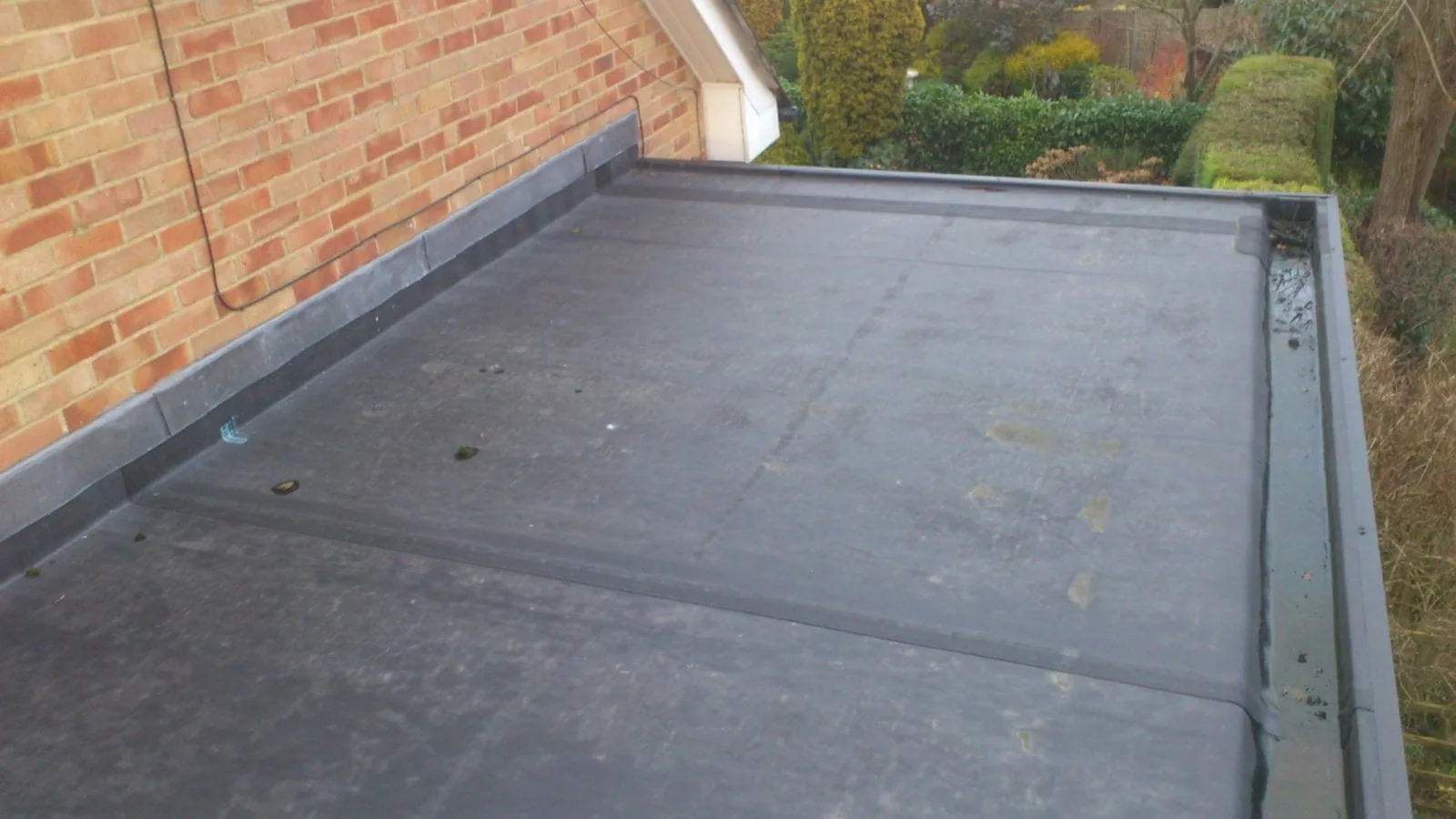
A stain inside a Shelton building can sit well away from the point where water entered. We mark the interior report, then inspect above and uphill, following membrane laps, fasteners, seams, penetrations, curbs, wall transitions, and the route toward nearby drains. If water appears after snow begins to melt, we look for more than the visible opening: blocked drainage, a loose edge, or a flashing transition may be part of the path. The roof inspection records observed conditions by zone so the proposed repair can be compared with what the roof actually shows.
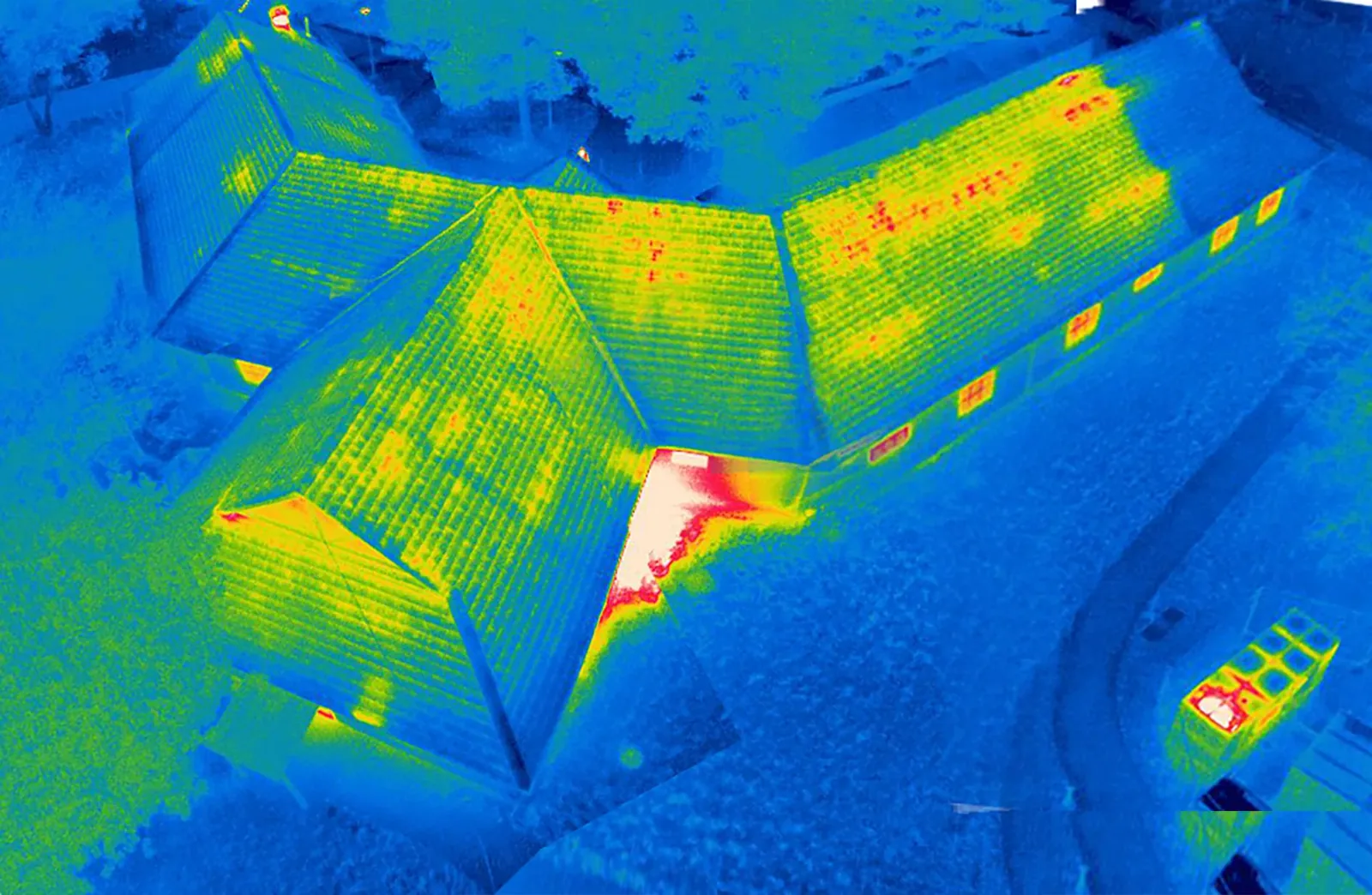
We separate a confirmed defect from an area that needs additional testing. A small cut or moisture survey can help determine whether insulation is wet, but the test location and result need to be connected to the roof map. If the deck is not visible, we say what remains unknown and identify the next opening that would settle the question. A dry ceiling does not establish a dry assembly, and a single moisture reading does not define the whole roof. The infrared survey is one tool for selecting inspection points; test openings and visual checks provide the confirmation needed for a repair boundary.
Compare repair and broader work
A localized repair can make sense when the membrane and surrounding insulation, attachment, and deck remain serviceable. We name the seam or flashing, describe the preparation and tie-in, and show which neighboring conditions stay outside the approved scope. Repeated leakage, moisture across several roof zones, widespread seam problems, or limited drainage capacity may justify a wider review. The repair scope should state what the price includes and how concealed damage changes the next approval, rather than leaving the boundary to interpretation after work starts.
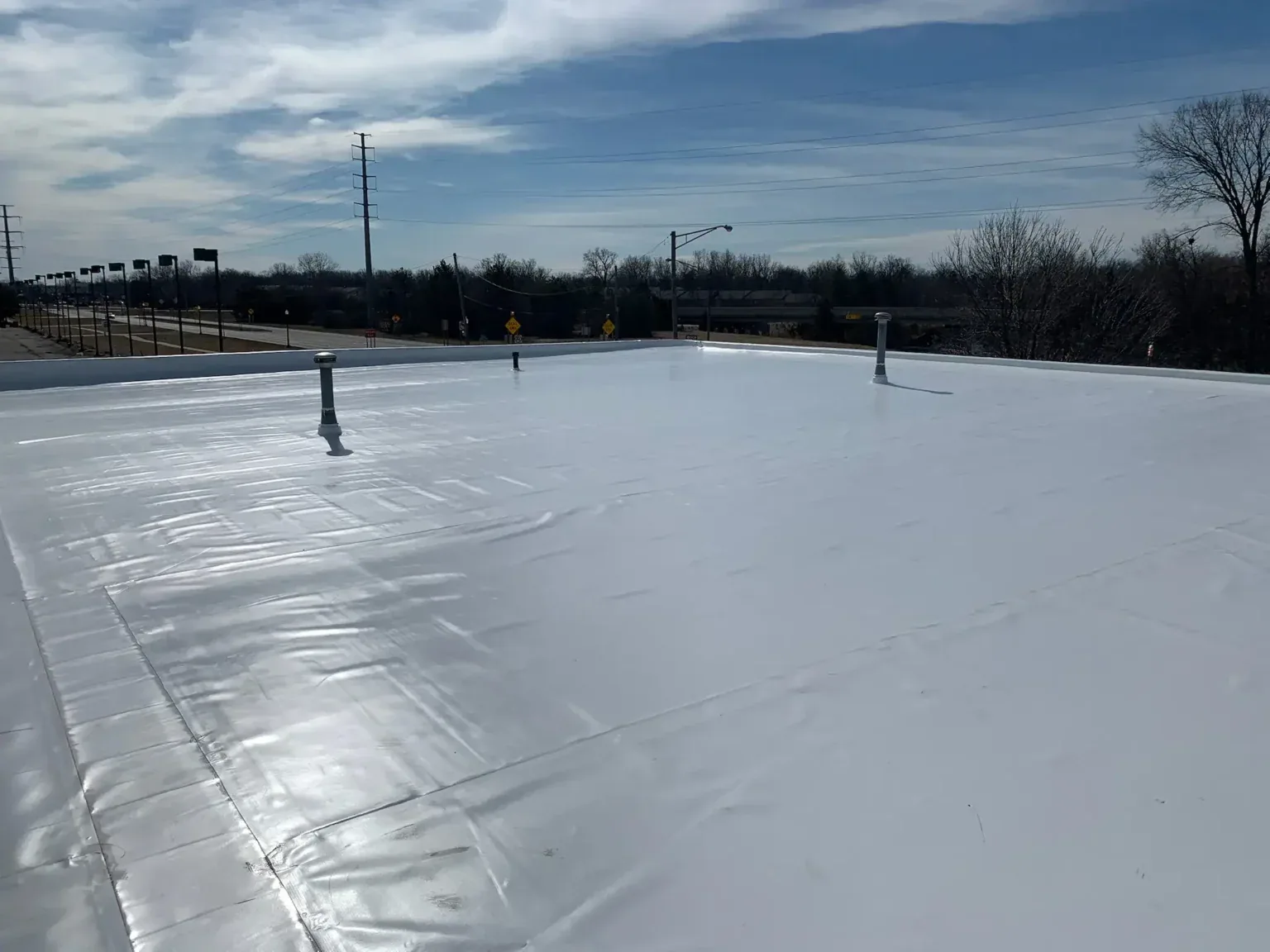
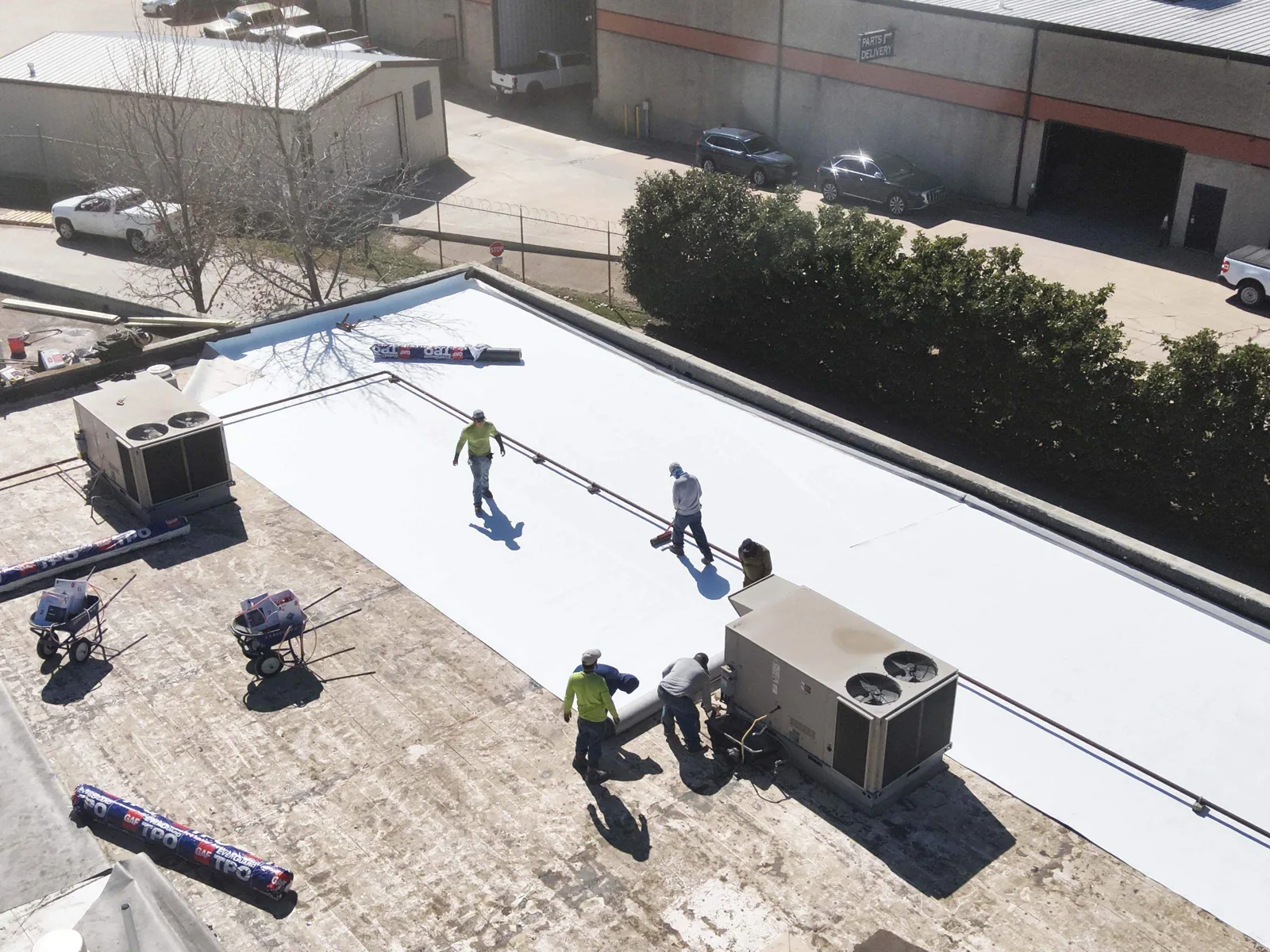
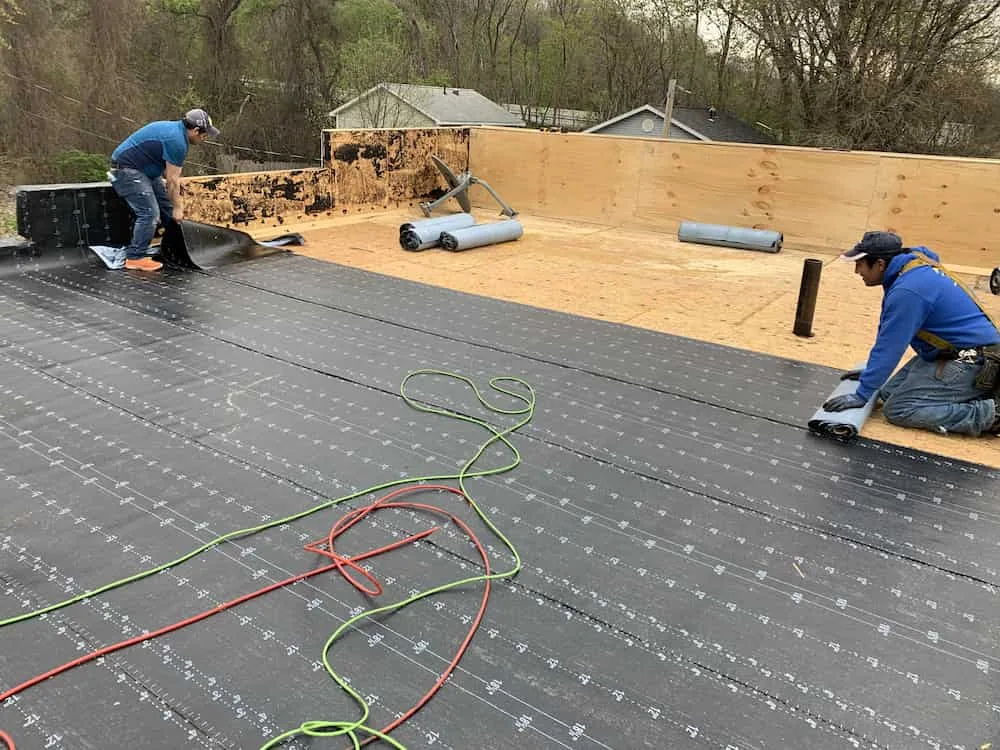
When an owner compares restoration, recover, and replacement, we first establish what is under the visible surface. Wet insulation, unstable attachment, deck concerns, excess roof layers, and flashing height can change whether an additional assembly is suitable. Coating is not a substitute for correcting trapped moisture or a failed detail. A new TPO assembly may be one option when the verified conditions support it, but the proposal still needs to identify insulation, fastening, seams, perimeter details, drains, and transitions. We can compare that scope with other compatible assemblies without assuming a product choice from the town name or climate alone.
Leave a clear roof record
At closeout, the record should let another facility contact find the same work area without relying on memory. We include a roof-zone reference, photographs, observed conditions, preparation, materials installed, repair limits, and any items held for a later decision. If a surface was too wet or cold for a permanent tie-in, the report identifies the temporary protection and the condition that will trigger a return. An owner comparing estimates can then see whether each scope includes the same drainage, edge metal, insulation, and interior protection. A condition report helps keep those details attached to the roof instead of scattered across messages.
A planned follow-up should name what to watch and when another inspection is useful. After a thaw, check that drains remain open and that water clears from the roof rather than sitting against a curb or parapet. After high wind, look for displaced edge metal or a changed flashing detail from a safe vantage point; do not walk an unstable or icy roof. The next visit can compare dated photographs with prior repairs and show whether the condition is stable. The Port of Bridgeport and its commercial corridors give regional context, while each Shelton roof still gets its own access plan, observation map, and handoff. On a Stratford roof, we confirm that property's conditions rather than carry over the Shelton record.
We identify the proposed assembly, edge details, insulation, drainage changes, and any structural question for the owner's project team to review. The Port of Bridgeport supports commercial shipping and several cargo types, but that regional activity does not establish the delivery path for a Shelton property. We confirm the actual gate, staging zone, lift location, and work window before scheduling. A property in the Bridgeport service area receives its own roof map and handoff rather than carrying over Shelton findings.
Questions and Answers
What should a Shelton facility contact prepare before the roof walk?
Have the reported leak location, the person who can authorize roof entry, alarm or hatch instructions, and any operating periods that cannot be interrupted. If ceiling photos or prior repair records are available, we can connect them to the roof map. We will still inspect the membrane and nearby details before setting a repair boundary.
How do you decide whether water near a drain needs a repair or a larger review?
We check the outlet, surrounding flashing, nearby seams, slope, and the assembly below any wet area. Debris removal may restore flow, but recurring ponding or wet insulation calls for a closer look at drainage and deck conditions. The written scope separates immediate work from testing that requires an owner decision.
Can snow or rain delay a planned roof repair in Shelton?
They can change the safe work window, surface preparation, and the amount of roof that can be opened and dried in during a shift. Bridgeport's long-term snowfall and precipitation normals describe regional conditions, while the actual schedule follows current weather and roof moisture. We explain any changed boundary before material is removed.
What information belongs in the final repair record?
The record should identify the roof zone, condition observed, preparation, materials, photographs, and limits of completed work. It should also note any temporary measure and the next inspection trigger. A facility director can use those details to compare a later leak report with the repair that was actually made.
Related Roofing Work
Plan a Shelton roof walk
Share the property address, reported condition, access contact, and any operating window that must be protected. We will inspect the roof area, document the findings, and provide a written next step with the repair boundary or additional testing identified.