

Roof Systems in Bridgeport, CT
A system choice starts with the receiver, roof edge, and drain, not a product label. Commercial Roofing Bridgeport checks what is installed, how water leaves the roof, and which details must connect to the proposed assembly. Downtown Bridgeport includes office, retail, and mixed-use properties. Across the city's coastal transportation corridor, roads, bridges, waterways, and port activity shape how materials move. Those settings can change access and staging, but the roof and project documents determine the system scope.
Roof Systems


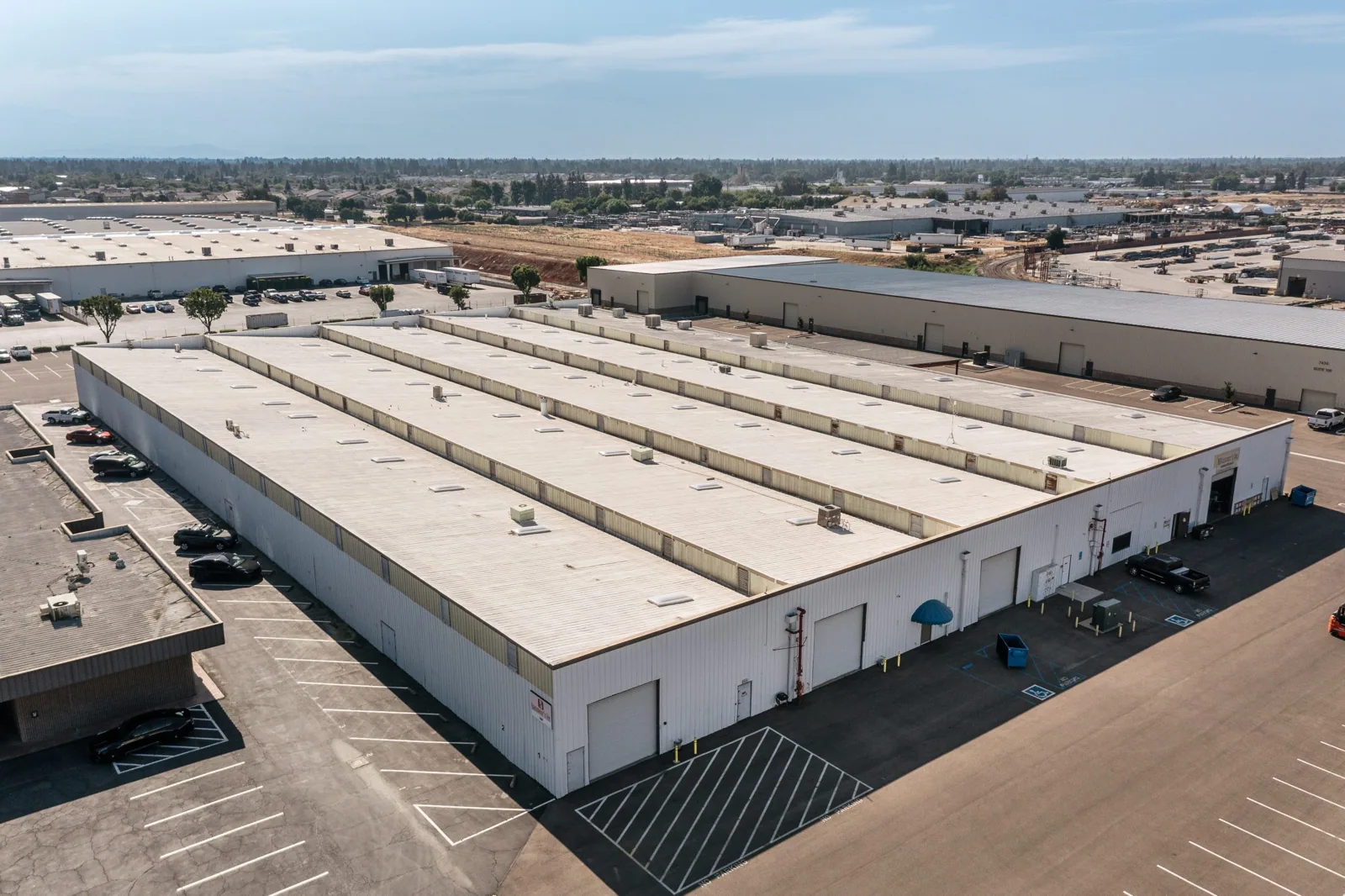
Compare membrane assemblies
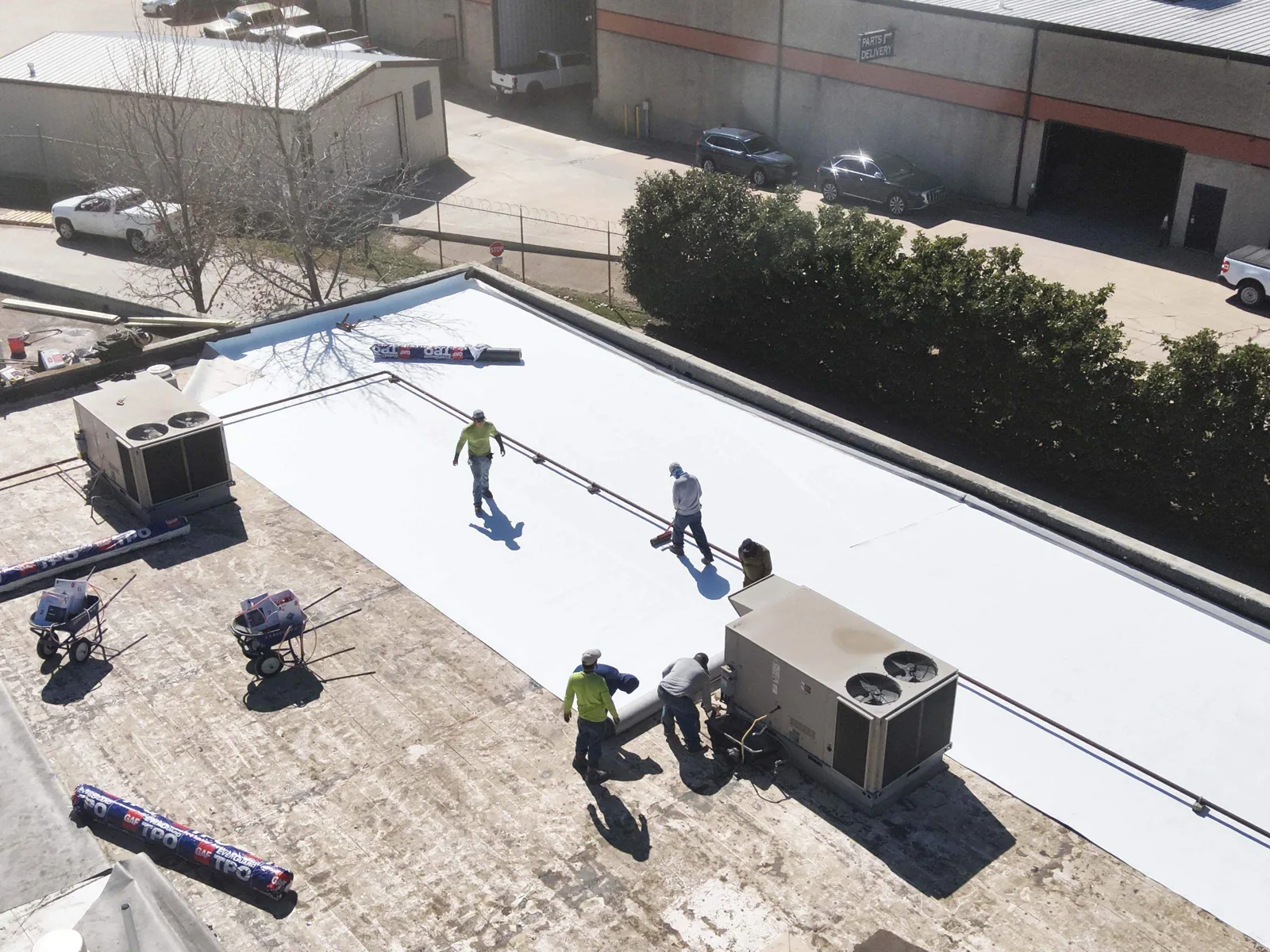
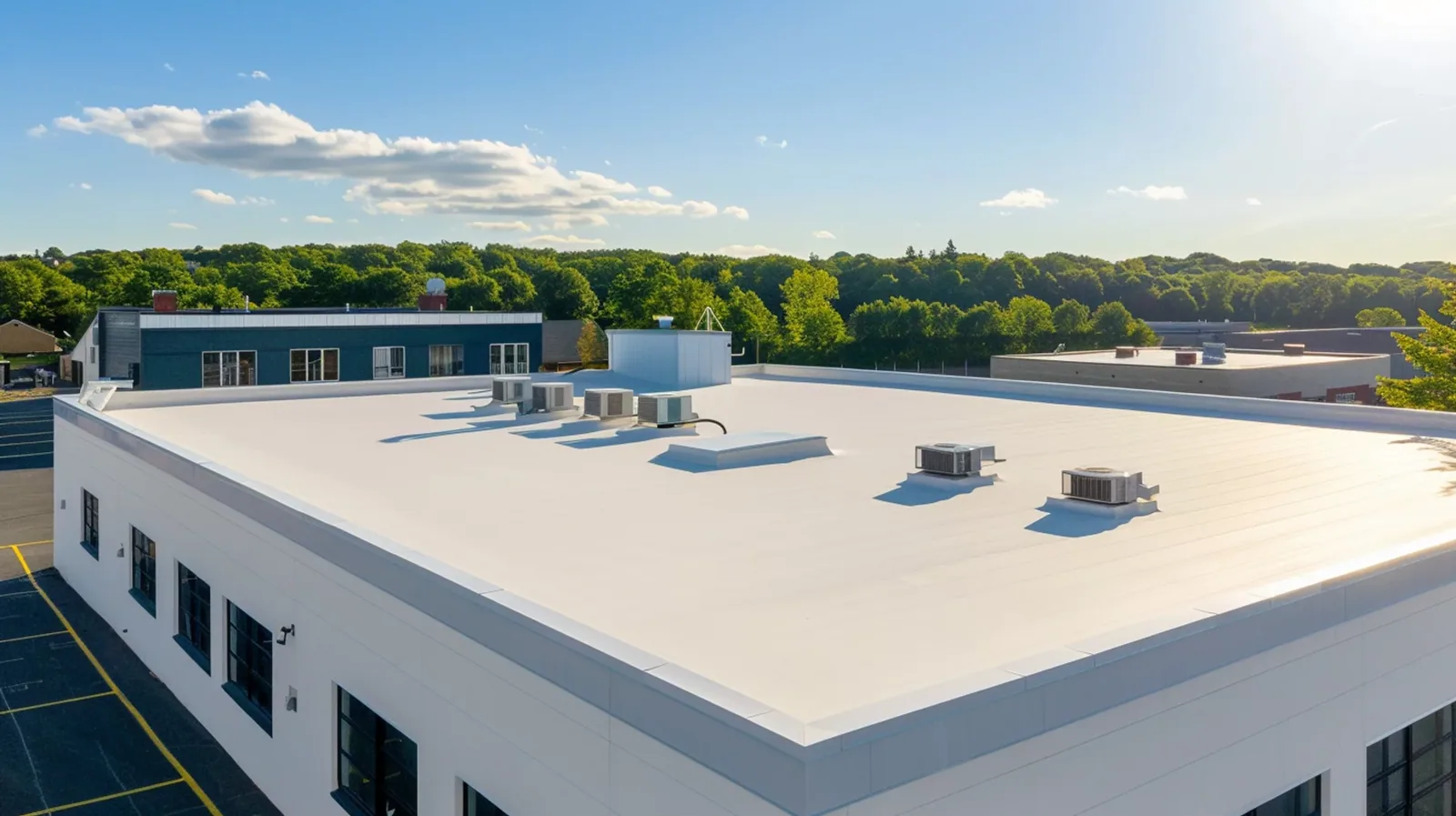
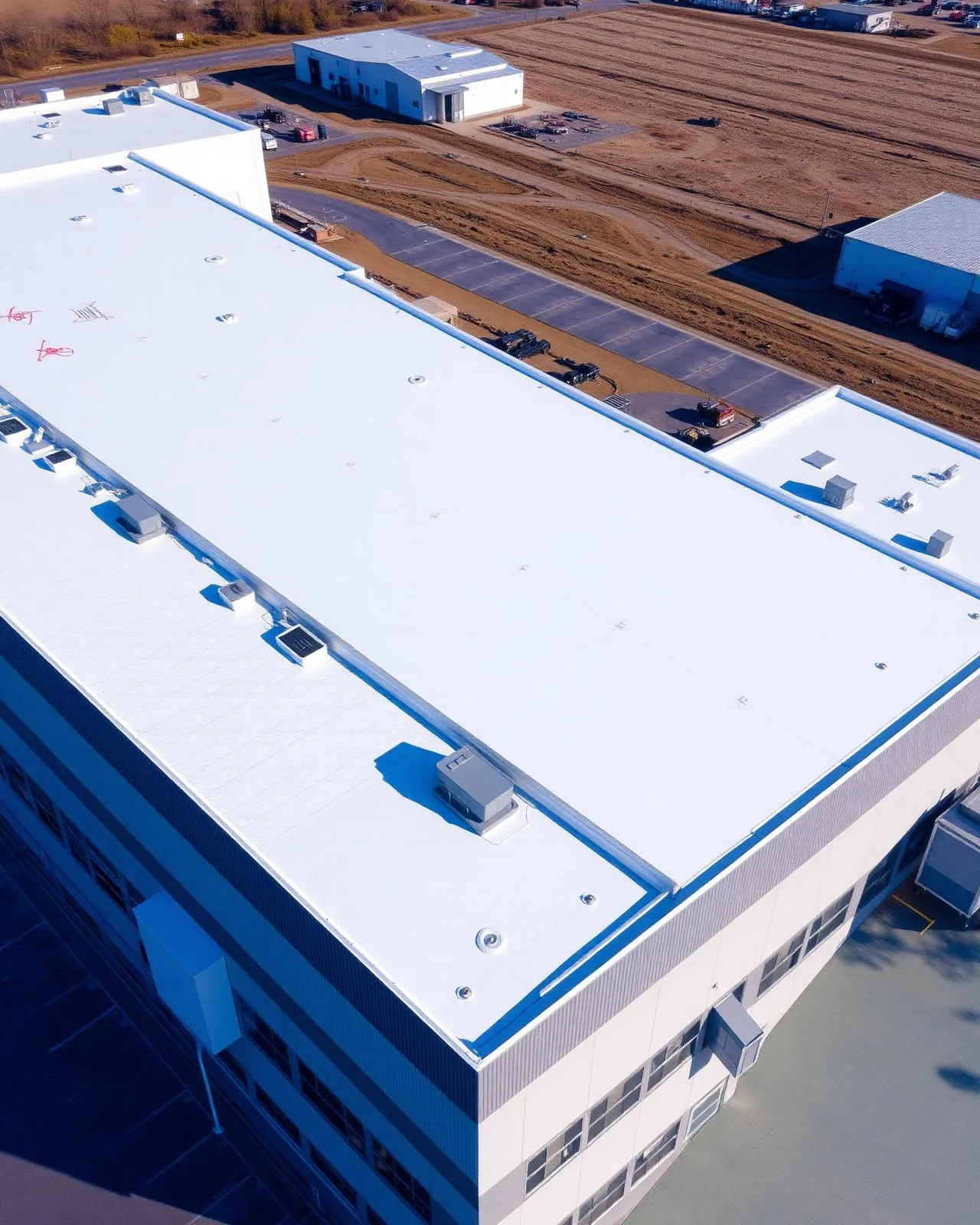
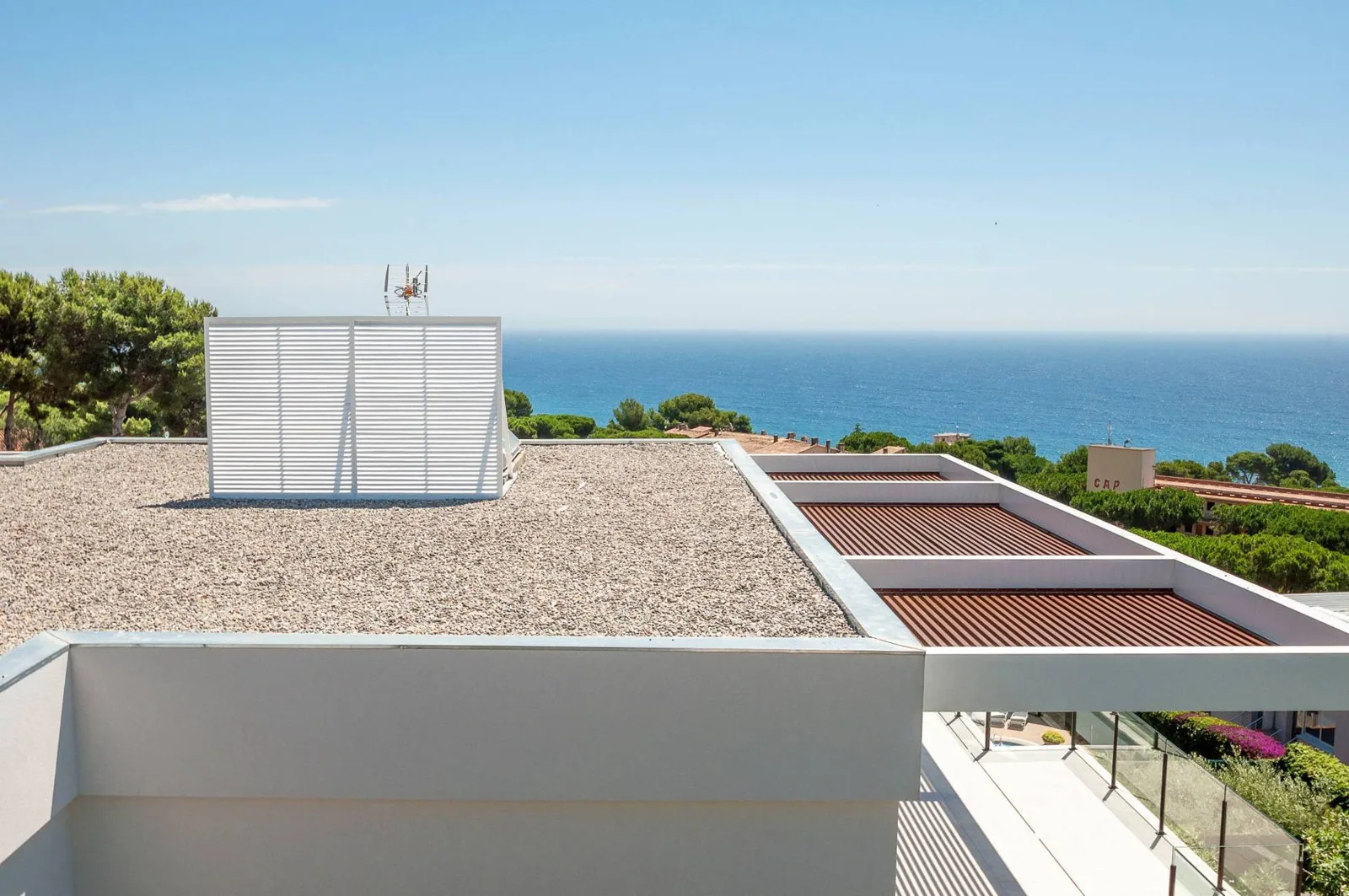
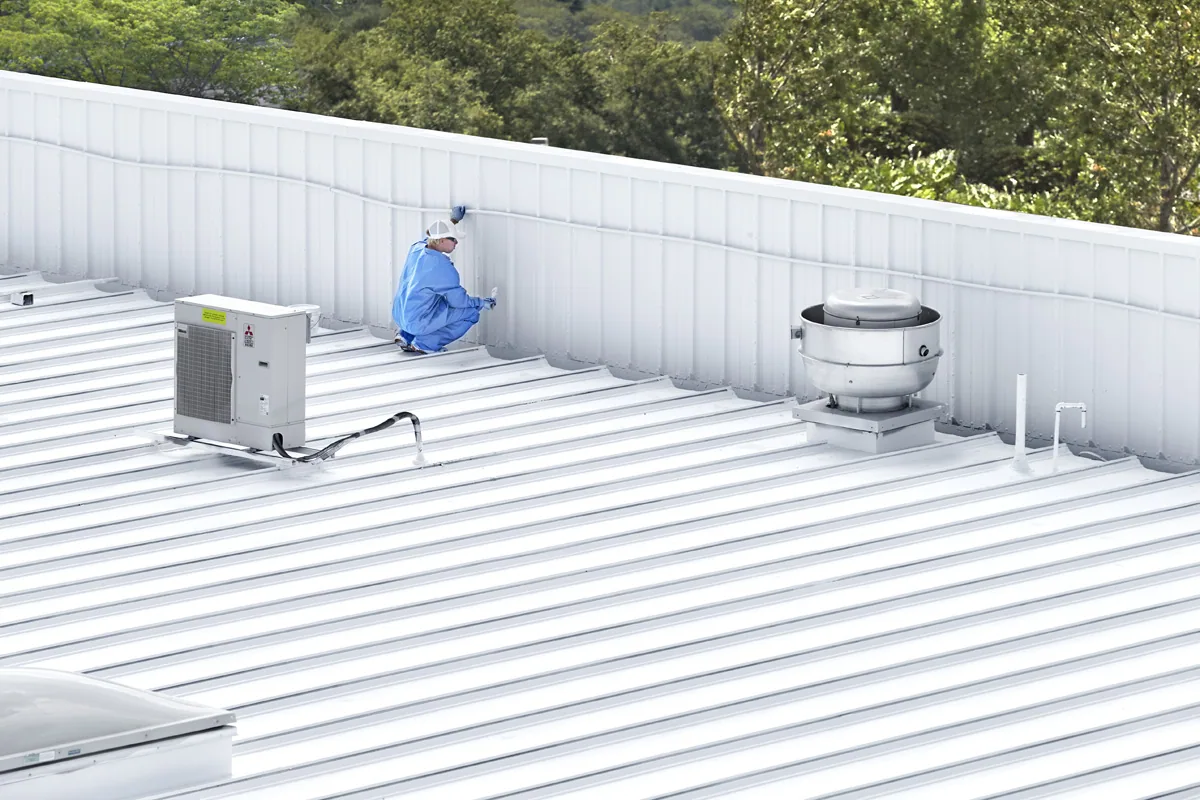
TPO roofing, PVC roofing, EPDM, and KEE membranes differ in reinforcement, seam method, attachment, and flashing details. We compare the receiver and building use instead of treating color or a single performance label as the whole selection. Wall transitions, curbs, drains, and edge metal belong in the assembly discussion before materials are ordered.
Read the existing roof
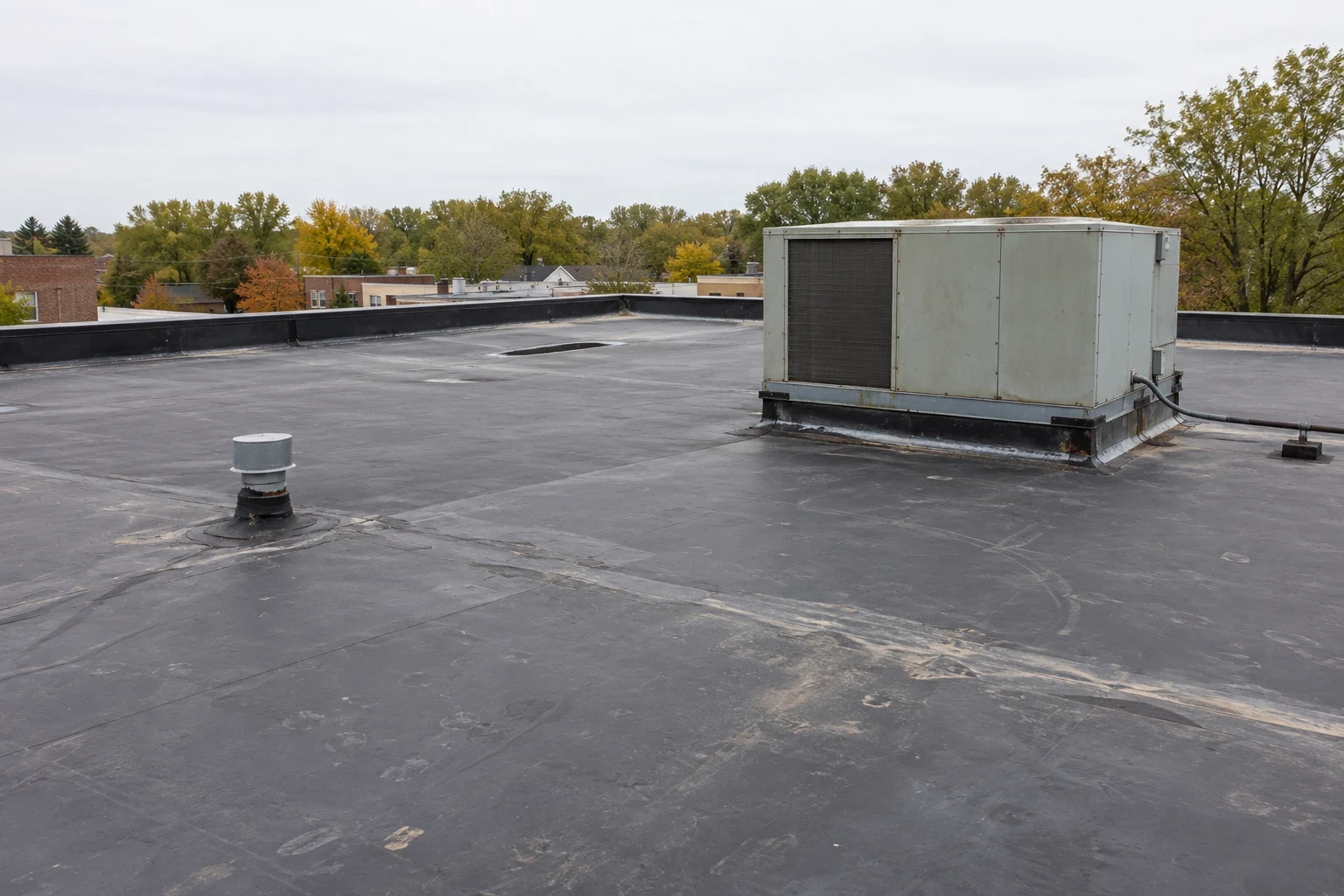
For a layered roof, modified bitumen and built-up construction have their own surfacing, ply, and repair conditions. We verify which layers are present and whether moisture or attachment problems limit retention. A moisture survey can help identify locations for confirmation, while a roof inspection records exposed conditions and detail transitions.
Include perimeter transitions
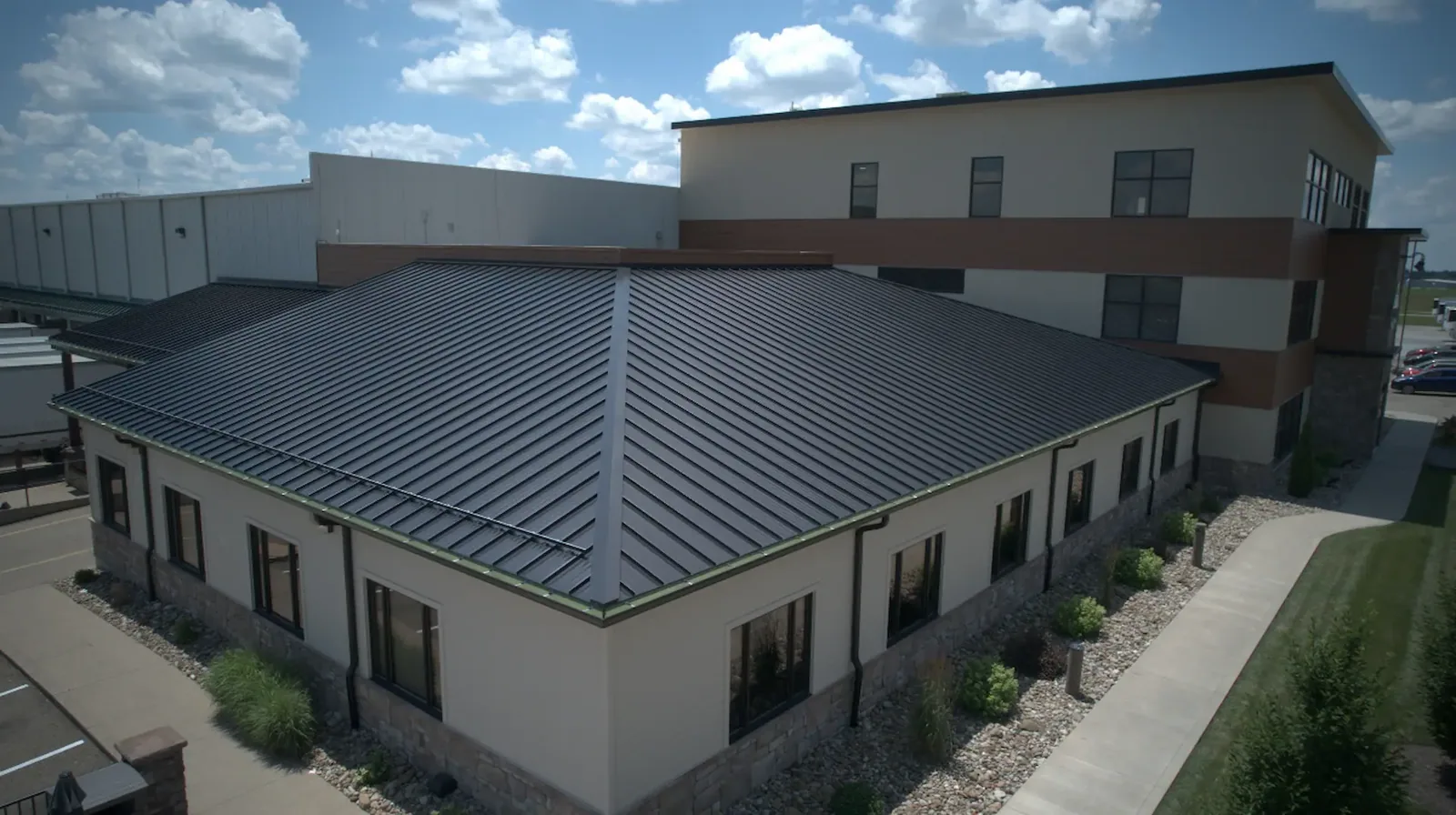
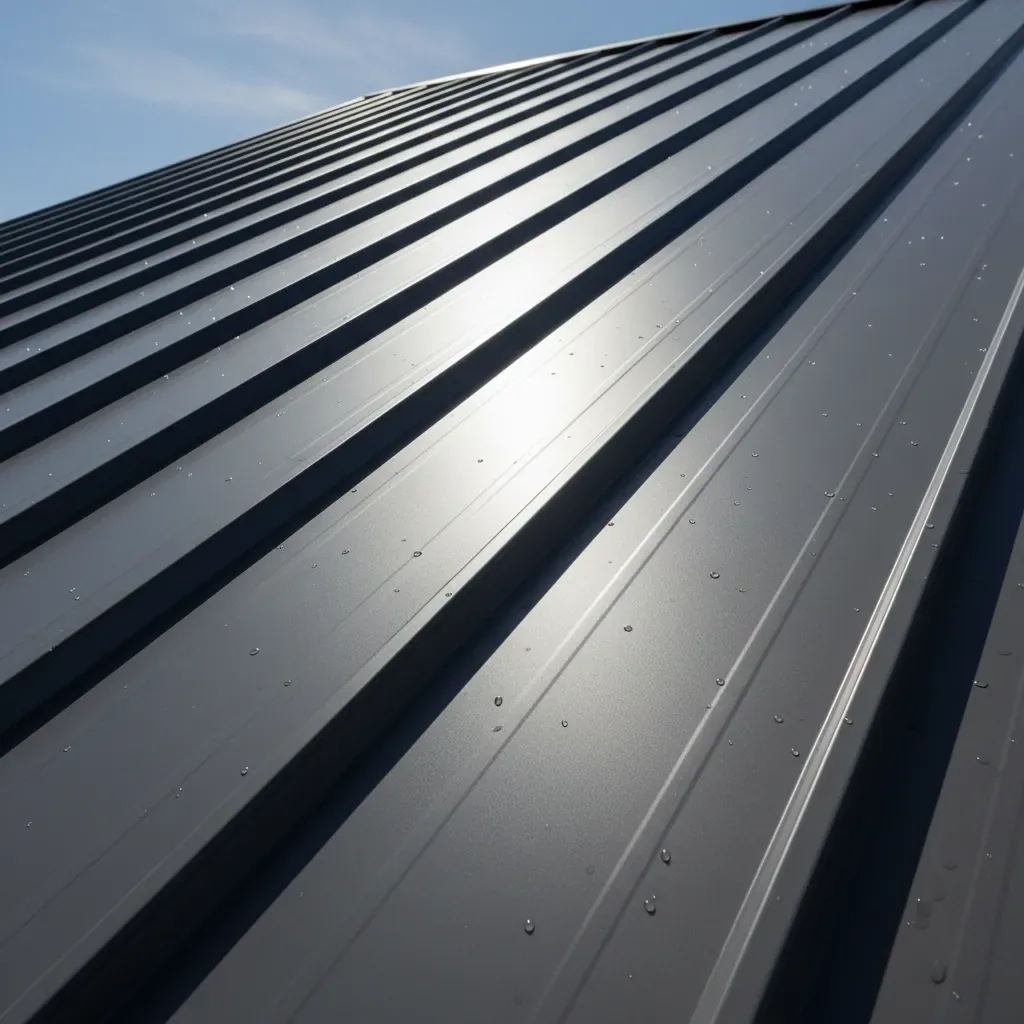
Standing-seam metal and a metal retrofit call for review of panels, fasteners, movement, and perimeter attachment. Liquid-applied silicone coating or acrylic coating follows a different path and needs a prepared, compatible receiver. In a city with active winter conditions, drainage and transitions matter to the system comparison.
Tie system choice to construction
The useful comparison states what remains, what is removed, how the assembly sheds water, and which conditions could alter the work. For permitted roof work, applicable building and existing-building requirements belong in project planning, alongside the assembly and the proposed scope. We mark roof penetrations, drains, edges, and service equipment, then connect the selection to a sequence that protects occupied areas and closes each exposed section. The written scope also identifies who approves access and how the owner will review completed transitions before the roof area returns to normal use.
Compare the roof assembly
Share the existing system, roof plan, access contact, and any known repair history. We will review the receiver and transitions, then identify the assembly questions that need a decision.