
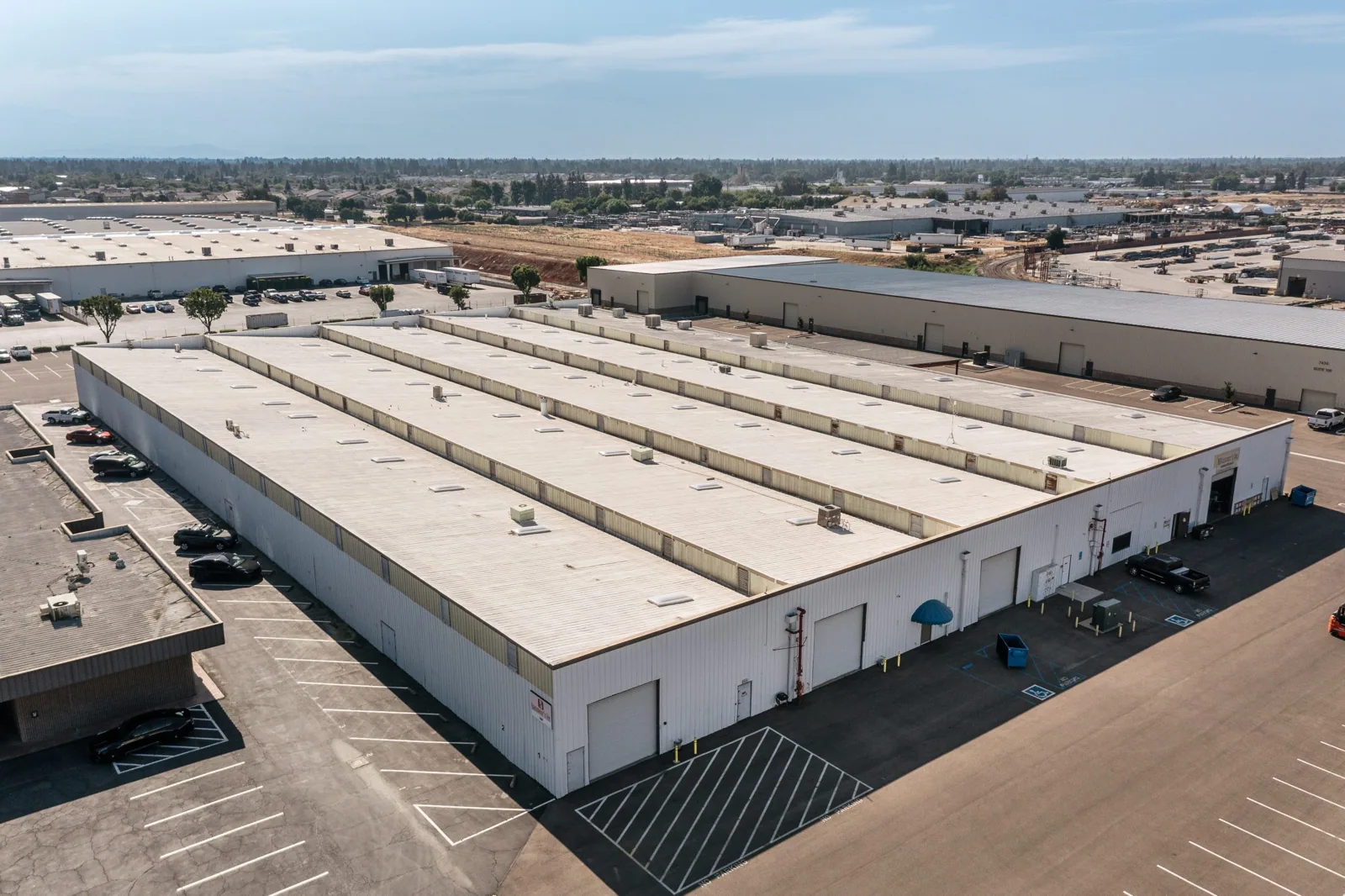
Acrylic Roof Coatings for Commercial Roofs in Bridgeport
Plan an acrylic roof coating in Bridgeport, CT by checking surface condition, preparation, drainage, weather window, details, and maintenance needs.
Chalking, peeling, or a failed repair can make an acrylic coating look like a quick fix. The roof still needs an inspection first. We check the existing substrate, coating history, seams, edge details, penetrations, drains, and any soft or wet areas. The recommendation starts with what can remain and what must be repaired or removed. If the assembly is not a sound candidate, another scope should be considered before a new coating is specified.
A regional roof program may include properties in Bridgeport, Fairfield, and Stratford, but their roof records should not be combined. Each location has separate access rules, drainage, equipment, and building use. We map roof zones, identify the work window, and note areas that need protection during washing or application. That gives a facility director a clear boundary for the coating work and a way to compare completed sections with the next maintenance visit.
Test the surface before pricing coverage
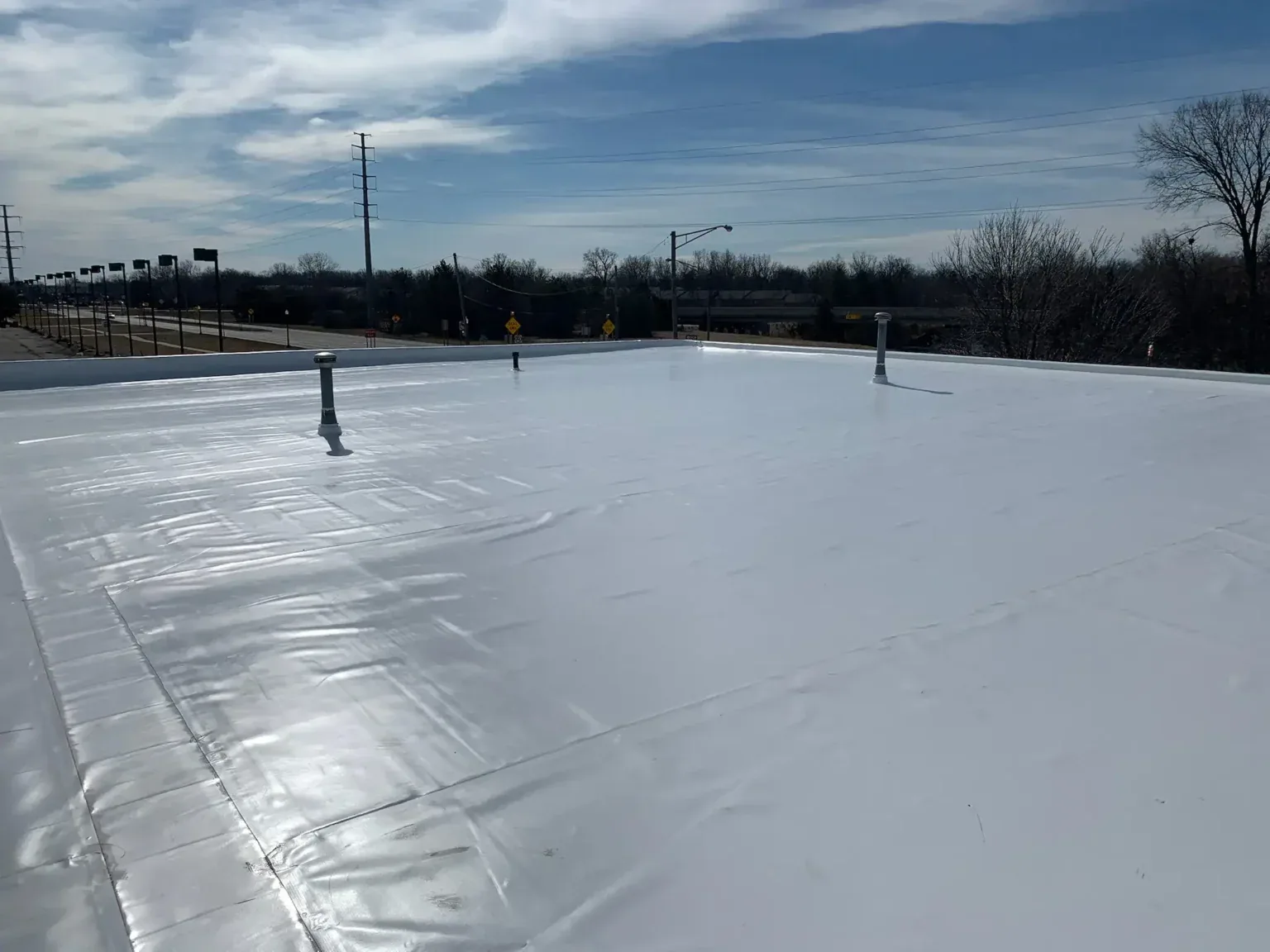
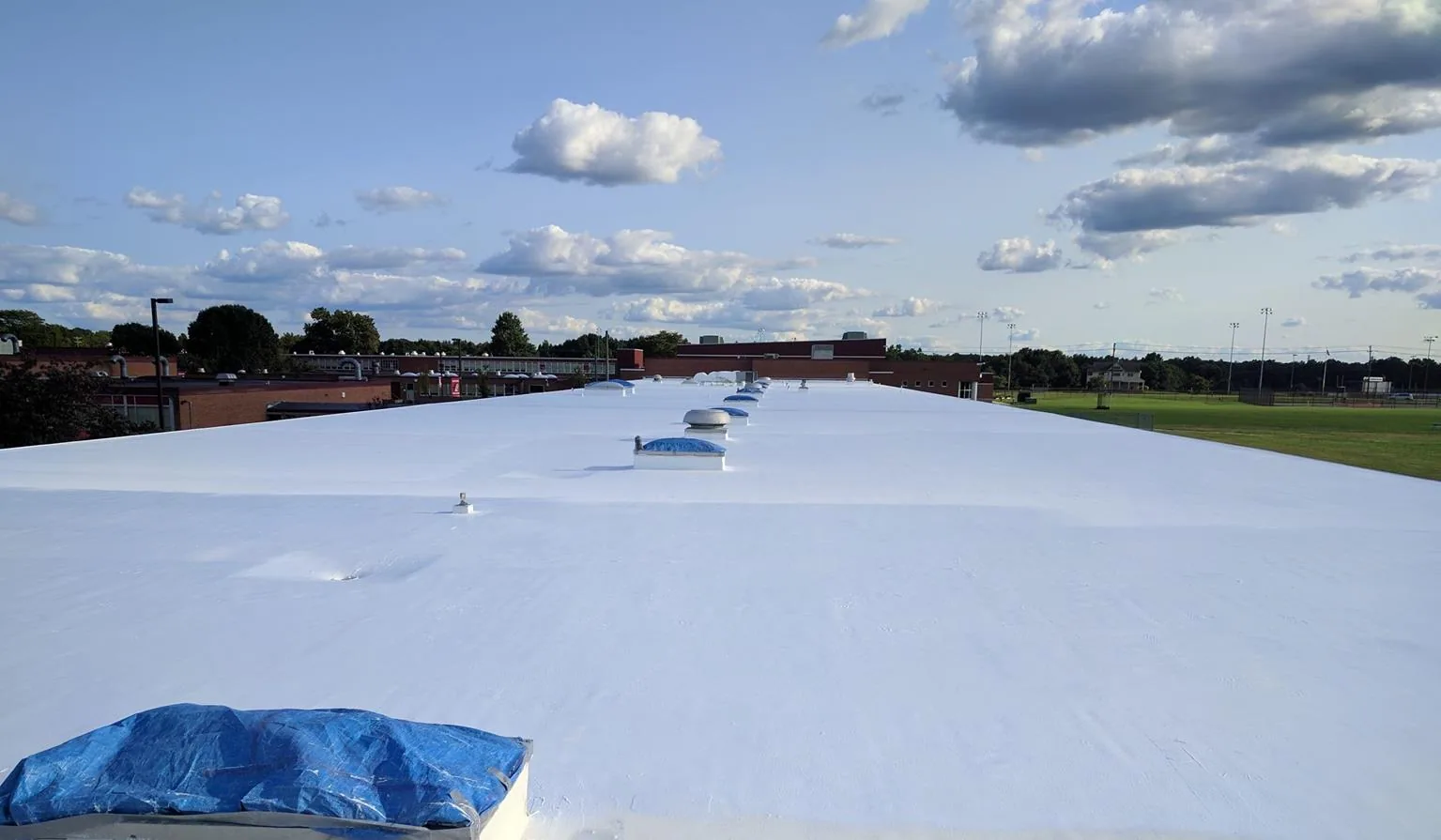
Acrylic systems are fluid-applied coatings with product-specific requirements for substrate, primer, reinforcement, and application. We review the existing surface and determine whether it is compatible and sufficiently stable for the proposed system. Previous coatings, repairs, and contaminants can affect preparation. A small field check may be needed to confirm adhesion or compatibility before the scope includes the entire roof.
The inspection record identifies loose material, cracks, open seams, blisters, corrosion, or moisture concerns by zone. Those conditions are listed as repairs or exclusions rather than concealed inside a square-foot coating quantity. The roof inspection service can create a baseline, and a restoration assessment can separate surface preparation from membrane or deck repair.
Set preparation and repair boundaries
Preparation may involve cleaning, removal of loose coating, repair of seams and flashings, treatment of rust, and primer where the selected system calls for it. The project documents should define the accepted substrate condition and the inspection point before coating begins. We plan how wash water and debris will be handled, how equipment will be protected, and which drains must remain clear.
At edges, penetrations, curbs, and changes of plane, reinforcement may be required under the coating specification. The crew records those details separately so a reviewer can confirm their completion before field coverage hides the work. If the scope includes parapet or gutter work, the termination should be coordinated with the edge metal and coping service. A roof opening made by another trade should be repaired using the approved system detail before application continues across that zone.
Choose a work window that matches product limits
Application conditions follow the chosen product instructions and approved project requirements. The plan identifies surface dryness, temperature range, recoat timing, cure considerations, and the conditions that stop work. We do not assume that one clear morning will carry an entire roof. Each shift ends with a protected boundary and a record of what is ready for the next coat or inspection.
Connecticut's 2022 State Building Code adopts the 2021 International Energy Conservation Code. The project team should confirm which code provisions apply to the actual scope and permit review; coating selection alone does not establish compliance. The owner and design professional can use the roof assembly record to assess the project requirements. Where a roof has low areas or restricted outlets, the drain and scupper scope should address those conditions apart from the coating application.
Inspect the outlet route before and after coating
Drainage checks include low spots, drain rings, strainers, overflow paths, scuppers, and where runoff crosses a transition. A new coating does not correct a blocked outlet or a roof that lacks the specified slope. We record water-related observations and identify which are part of the approved work. At closeout, the crew confirms the outlets are clear and the roof map shows any area that still needs design review.
A Bridgeport roof plan should account for 33.6 inches of average snowfall and 44.09 inches of annual precipitation while the current forecast controls each shift. Seasonal averages provide background only; the roof's condition and current weather decide the daily protection plan. We set a secure end-of-shift condition and keep water paths open while preparation or coating is underway. If pooling has been reported, a ponding-water investigation can examine slope and outlets without assuming the coating is the source.
Compare acrylic with the actual roof condition
Acrylic coating can be evaluated against other systems using surface condition, exposure, expected maintenance, and product compatibility. It should not be described as a replacement for repair of a weak substrate or a way to avoid necessary removal. A coating plan needs defined coverage, reinforcement details, preparation, thickness or application checks as specified, and maintenance instructions.
The silicone coating page provides a comparison point, while the SPF system discussion addresses foam assemblies and their distinct substrate needs. For a broader project decision, a capital planning review can keep repair, restoration, and replacement options visible. The owner should compare the options only after the same roof map and repair history are available to each reviewer.
Before quantities are finalized, confirm which roof areas are included, how vertical surfaces terminate, and whether parapets or metal edges receive the same system. Marked exclusions help the owner avoid assuming that a field coating also covers a curb, wall, or gutter. The scope should identify who will approve an added repair if preparation exposes loose material. Those boundaries let the facility compare proposals by actual work instead of by coverage alone.
Close the job with a maintenance reference
At turnover, we list which zones were prepared, what was repaired, the specified system, application dates, required checks, and any excluded areas. Photographs are labeled by roof zone and detail. The file should identify what coating is present, how to protect it during later equipment work, and which locations need a follow-up review. A maintenance inspection can compare new observations with the original condition map.
A condition report can preserve the baseline, and a Bridgeport service-area overview supplies regional context without replacing a site inspection. The next inspection trigger should be written down with a contact responsible for opening the roof file when new work is planned. That leaves the owner with a practical record instead of a surface that future trades have to identify from appearance alone.
Questions and Answers
Can acrylic coating be applied over an existing roof coating?
It may be possible when the existing layers are sound, compatible, and prepared as required by the selected system. We inspect the surface and test uncertain areas before defining the coverage. Loose or wet materials need a separate correction.
Does an acrylic coating repair a failed seam?
A seam or termination defect should be repaired with the specified detail before the field coating is applied. The scope should name the repair, reinforcement, and inspection step so the coating is not asked to hide an unresolved failure.
How do weather conditions affect acrylic coating work?
The project follows product limits for surface condition, application, and recoat timing. The crew needs a forecast review and a stop point for each section. If the window closes, temporary protection and a documented restart condition keep the roof secure.
What should be checked at closeout?
Review repaired details, coverage records required by the project, drains and overflows, exclusions, and labeled photographs. The facility file should state the product system and any maintenance instruction needed before a future rooftop trade works in the area.
Can coating correct ponding on a Bridgeport roof?
A coating does not by itself change slope or outlet capacity. We inspect low areas, drain routes, overflows, and transitions, then list any drainage correction separately. The final scope should show what changed and what still needs monitoring.
Related Roofing Work

Review the Surface Before Selecting Acrylic
Share the existing coating or membrane history, roof plan, leak locations, drainage concerns, and access rules. We will map repair and preparation needs and identify which application limits must be confirmed before work starts.