
Roofing Manufacturers in Bridgeport, CT
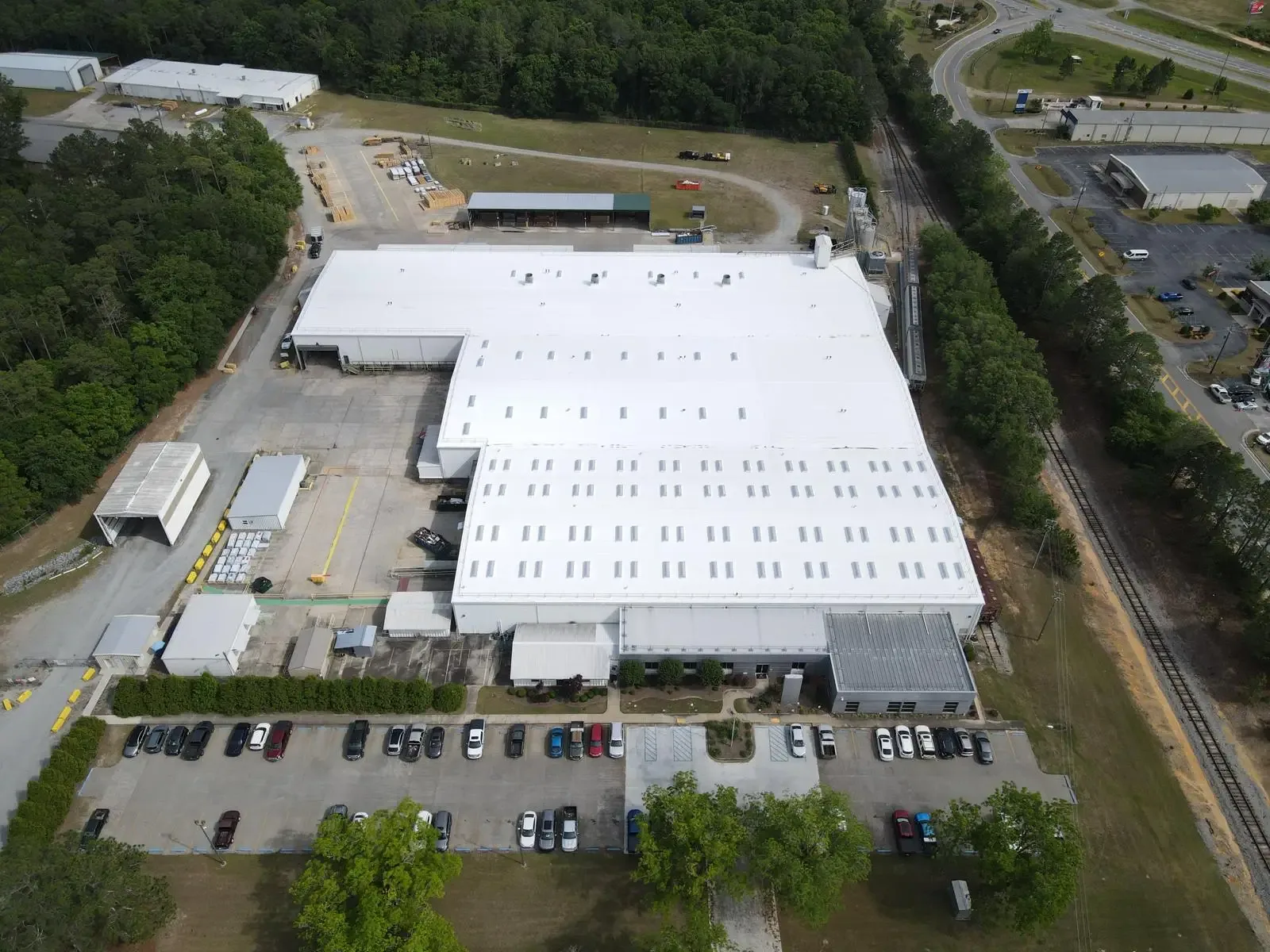
A manufacturer's name does not establish whether an assembly fits the receiver on a particular building. Membrane, insulation, attachment, drainage, and details at curbs and roof edges all affect the field scope. Commercial Roofing Bridgeport reviews the proposed product information beside the existing roof and project requirements. Near State Street and the West Side/West End, access and material staging still depend on each property's actual entrance and operating plan.
Roofing Manufacturers
Compare the proposed assembly
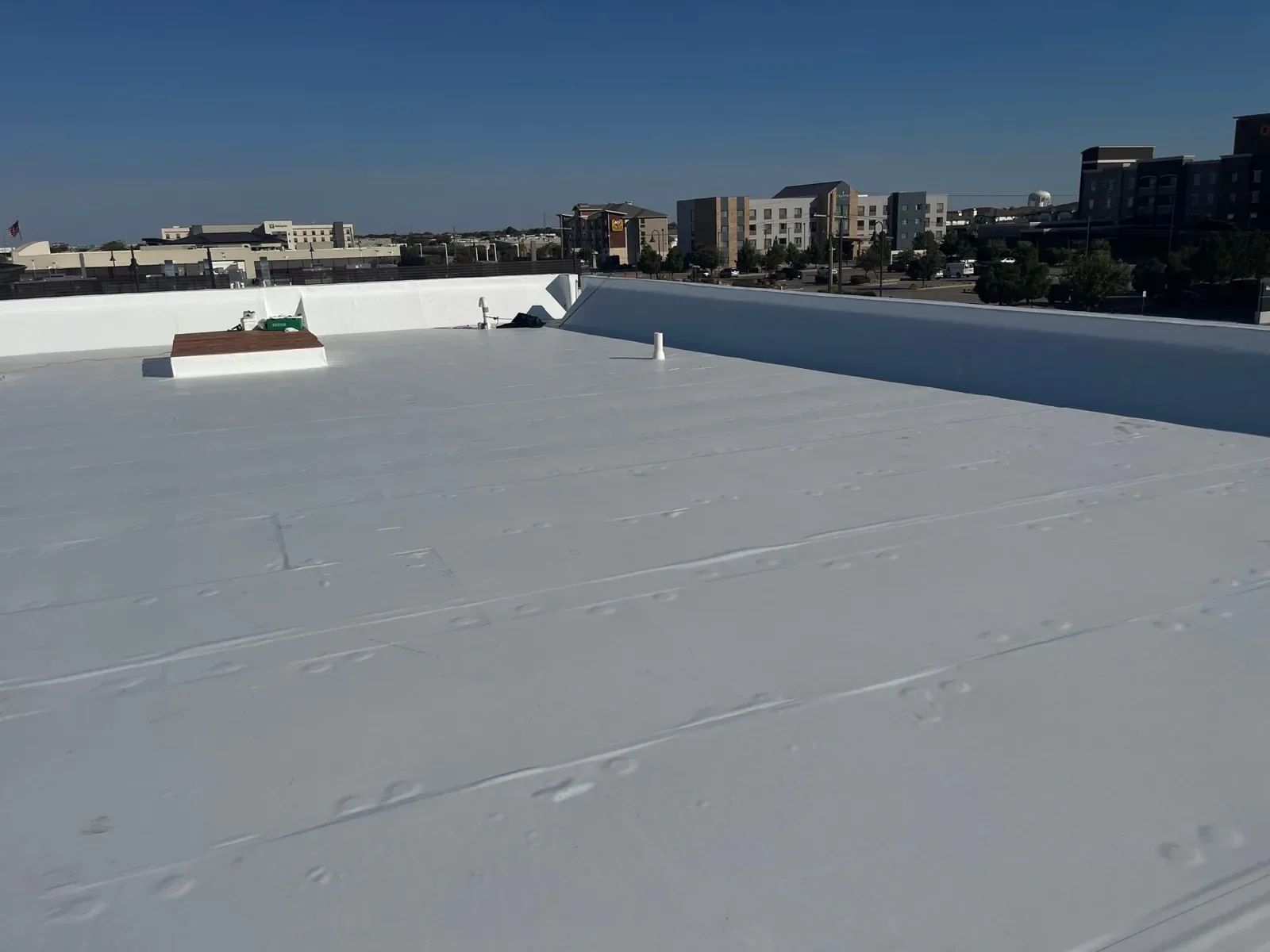
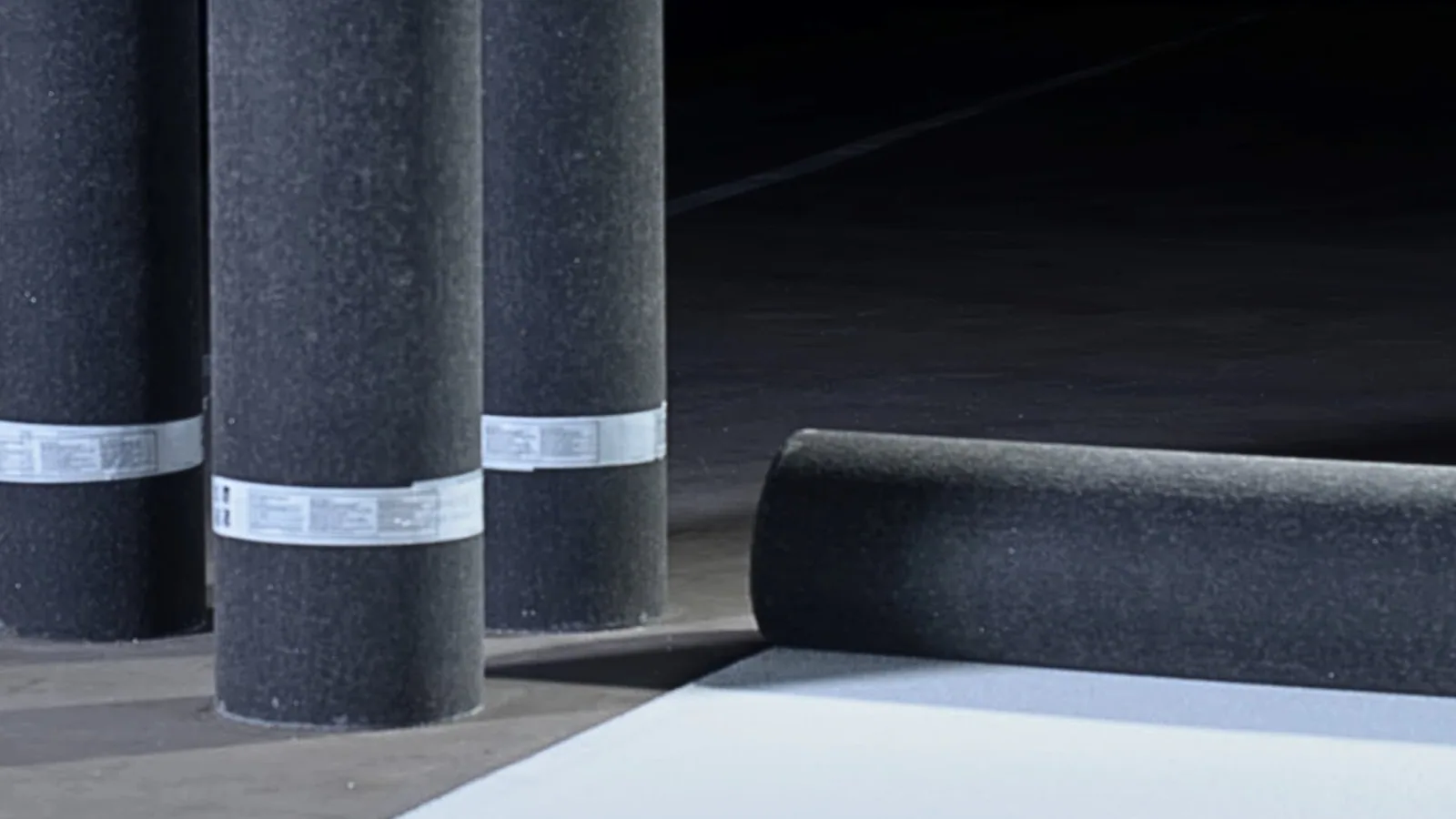
Options may include Carlisle SynTec, Johns Manville, GAF, and Versico. The useful comparison names the membrane, insulation, attachment, seam method, flashing, and perimeter work. We verify what the proposal includes instead of treating a brand label as the full roof system or assuming two bids describe the same details.
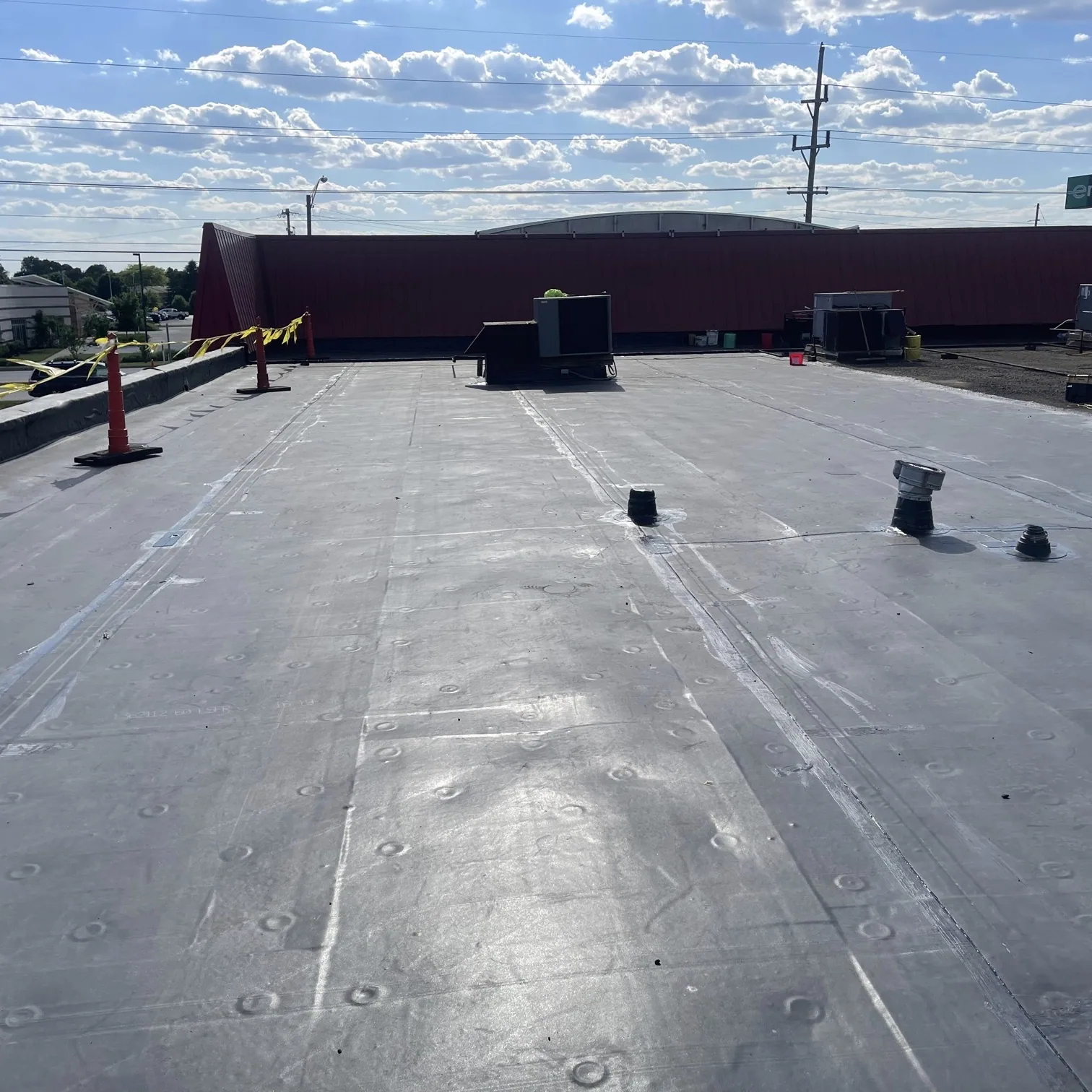
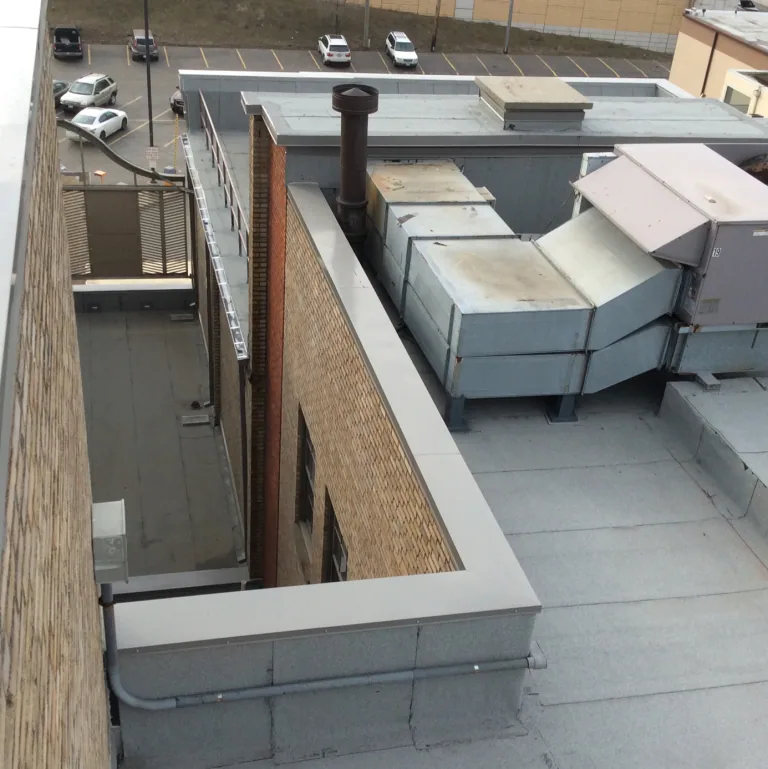
Check the receiver and transitions
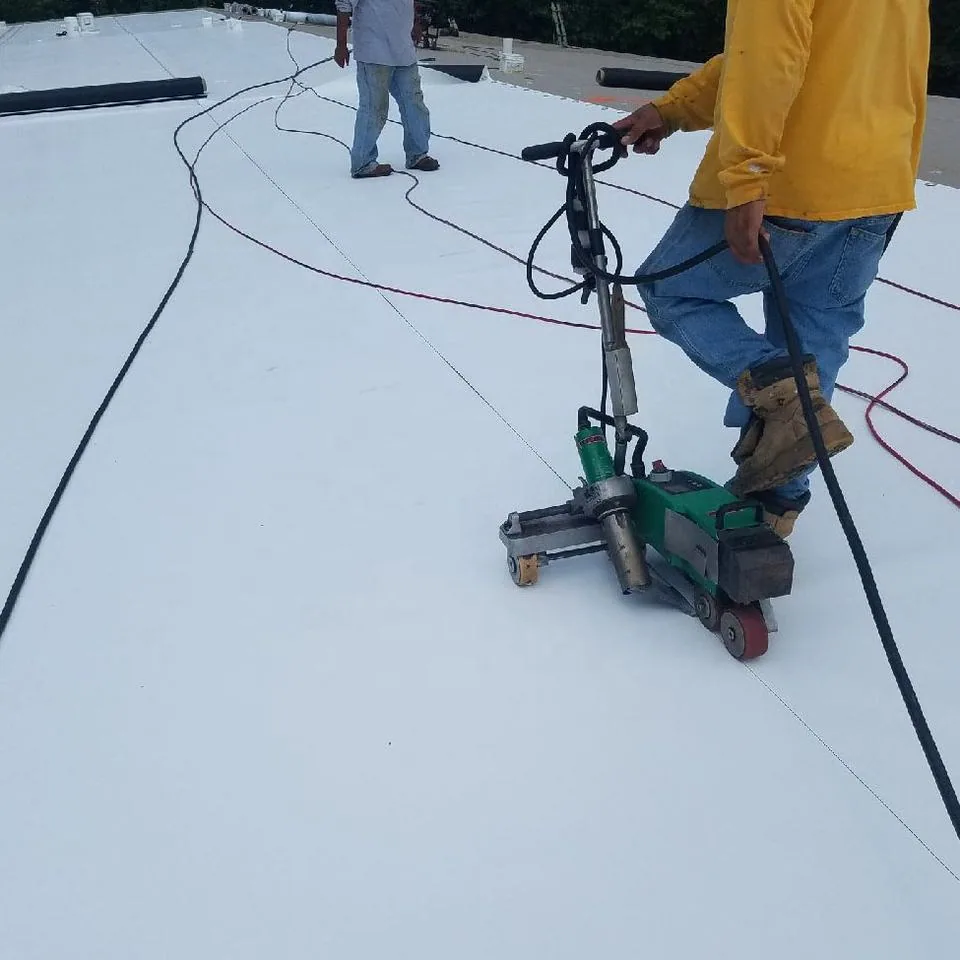
A Holcim Elevate, Sika Sarnafil, or Soprema specification still needs to match the receiver and the details at walls, curbs, and drains. A TPO system has joining and flashing requirements that belong in the work sequence. We map transitions before deciding what must be removed, retained, or prepared. If the manufacturer detail calls for a different attachment or flashing method than the existing condition allows, we identify that conflict before the scope is priced. The owner can then compare a corrected detail with a broader assembly change.
Keep documents tied to the field scope
Duro-Last and other system documents should correspond to the product and assembly actually proposed. The submittal, visible roof conditions, and written scope need to agree on what will be installed and where. Bridgeport's waterfront supports cargo movement alongside ferry and other working uses. That is local operating context, not a delivery plan for a particular roof; the site contact confirms the building's loading route and material staging window.
Separate system details from project claims
A product name identifies the assembly under review; it does not establish a contractor credential, warranty term, or project outcome. We keep the recommendation tied to the selected assembly, substrate, project documents, and roof conditions found during inspection. The owner receives a scope that identifies the product family, transitions to be completed, and information still needed before materials are ordered.
Review the proposed roof system
Share the existing assembly, roof plan, product documents, and any prior repairs. We will compare the receiver and transitions with the written scope.