Commercial Roofing for Manufacturers in Bridgeport, CT
Plan roof repairs around production, loading, rooftop equipment, and dry-in needs for manufacturing facilities in Bridgeport, CT, with a defined handoff.
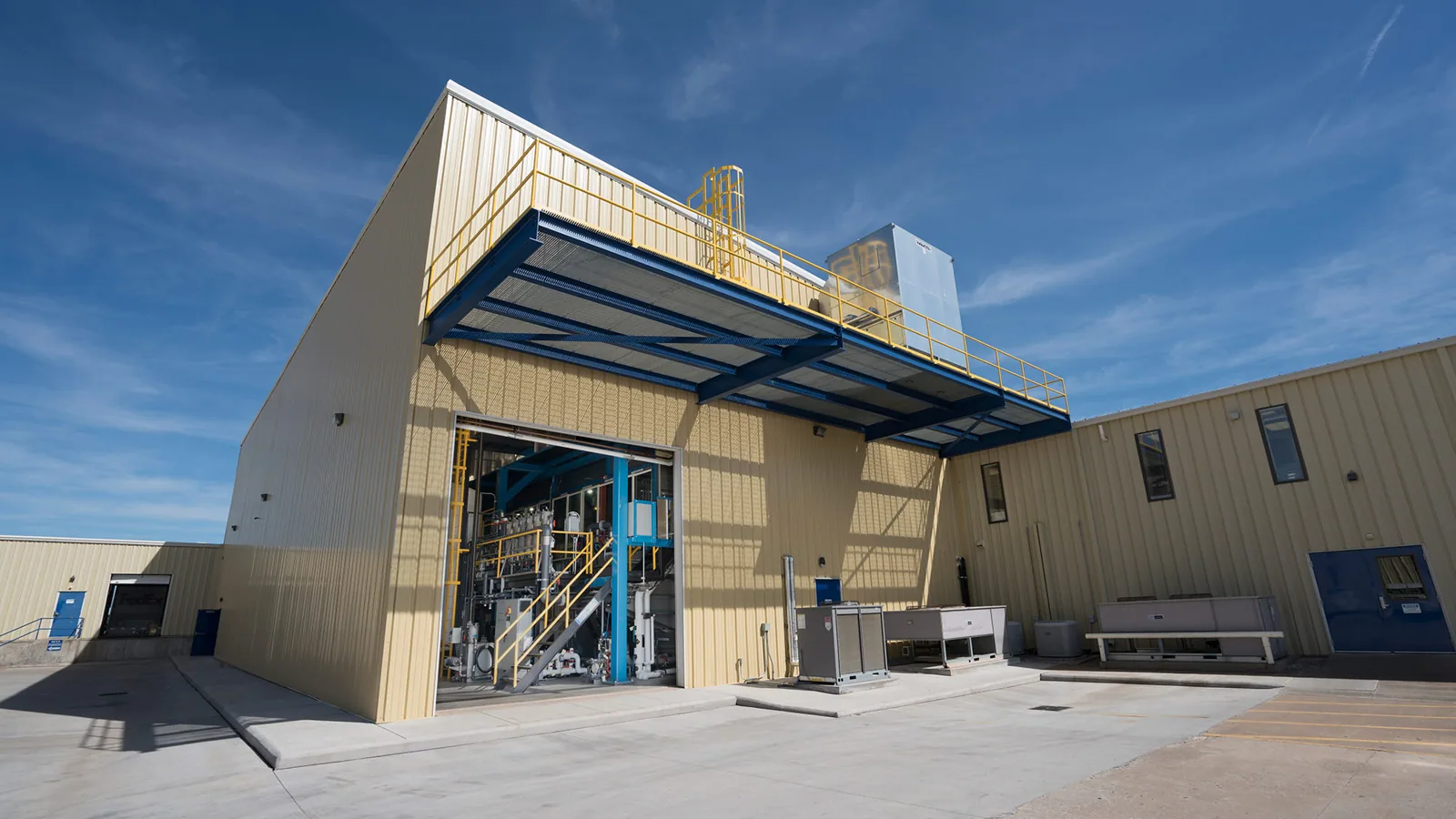
Production equipment sets the roof work window. Before a repair starts, we identify what must stay powered, which doors receive material, and where a crew can stage without crossing a live forklift lane. Then we walk the roof from the reported condition to the nearby seams, curbs, and drainage route. Bridgeport's West Side and West End include an industrial district south of I-95, while the Port of Bridgeport supports cargo operations. On these buildings, access and sequence can matter as much as the membrane detail.
We keep the scope tied to a roof section and an operating plan. A roof inspection documents the condition and identifies limits; an active leak calls for a separate water-entry investigation. The written handoff states what can be repaired, what must remain protected, and which test would resolve an open question. That gives production, maintenance, and ownership a common record before work moves into a busier part of the plant. The plant manager can approve a boundary that keeps roof labor away from live production and delivery traffic.
Protect the Production Route
A manufacturing roof can sit above a shift schedule, receiving area, or process that cannot stop on short notice. We coordinate the roof hatch or lift location, ground-level exclusion area, delivery path, and timing for tools or membrane rolls. If a staging zone blocks a dock or vehicle turn, the site contact should identify a second route before mobilization. The crew and plant contact also agree how a change in weather, access, or interior conditions will pause or redirect the work.
Bridgeport's waterfront land-use recommendations include light-industrial activity alongside mixed-use, recreation, and dining. State Street has larger parcels toward its western end and smaller retail-serving parcels farther east. Those district patterns do not tell us what any one manufacturer makes or what its roof contains; the facility walk supplies that information. Where a plant has a service-equipment curb near the repair, we coordinate with maintenance before disturbing flashing or interrupting a route used by technicians.
Trace the Defect Before Expanding Work
A ceiling drip in a production bay can travel along a deck, pipe, or insulation layer before it appears. We record the affected line, operating equipment below, and when water becomes visible, then inspect the roof above and adjacent transitions. A split seam, failed curb, open termination, and blocked drain do not call for the same repair. We photograph the actual condition and mark the area that was accessible so a maintenance log does not overstate what the visit established.
Bridgeport's normal climate includes recurring precipitation and winter snow. A post-thaw inspection may reveal movement or water that was not visible during a dry visit, but weather alone cannot identify a defect. We check drains, scuppers, edge conditions, and penetrations before recommending a larger scope. A seam-failure repair review can focus on a membrane separation, while a drainage check follows the runoff path beyond the roof surface.
Match the Repair to the Existing Assembly
Repair materials and preparation depend on the roof system already in place. We identify the visible membrane or metal profile, review patch history, and check whether the surrounding surface is sound enough for a local correction. A patch over contaminated material can separate; coating over a wet or unstable area can hide the problem without resolving it. If the assembly is unclear, additional testing or a small opening may be needed before a permanent scope is selected.
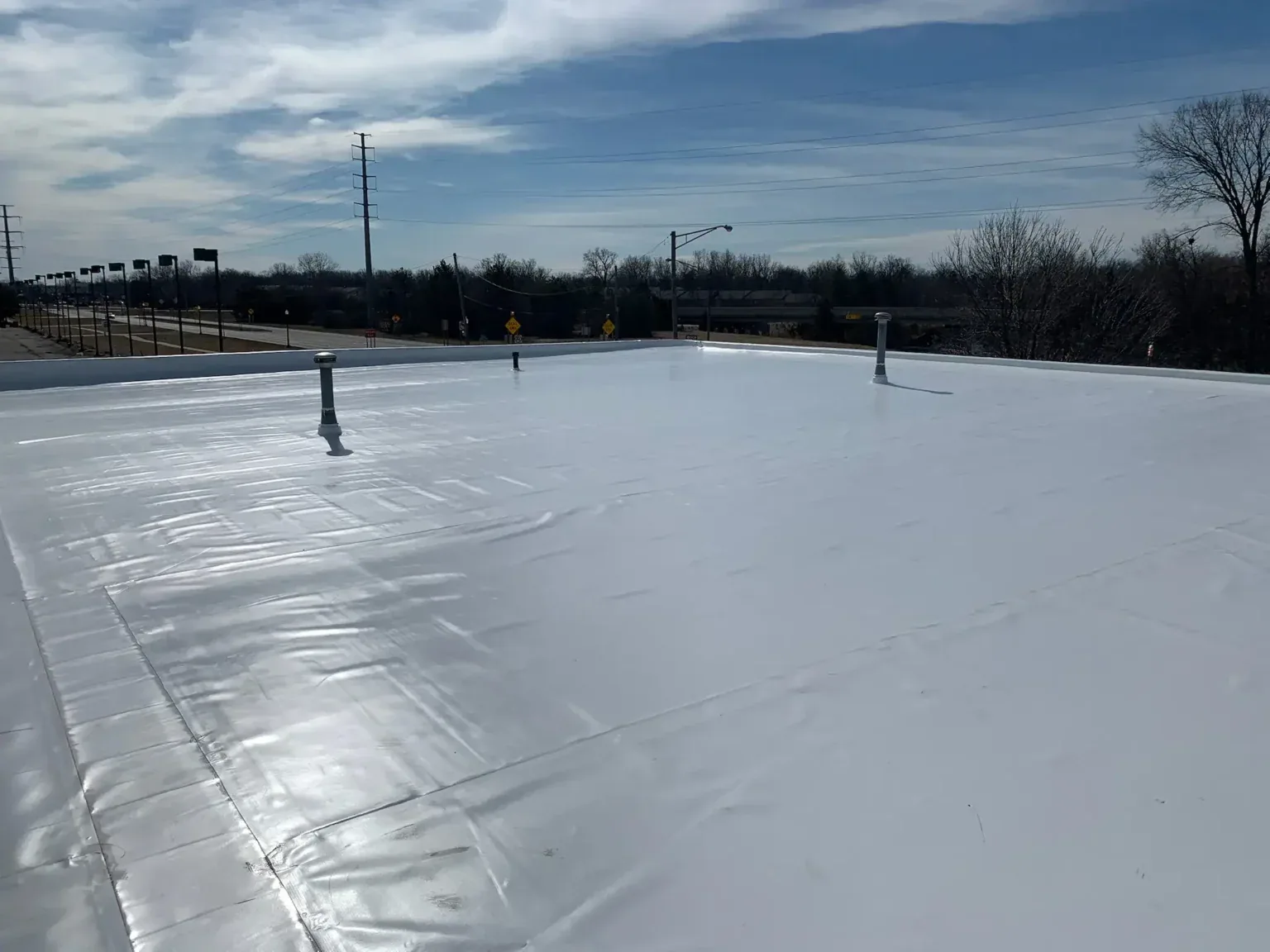
Manufacturing teams may need a fast return to production, but that does not make an unverified overlay suitable. A TPO membrane review considers seams, penetrations, and compatibility; a roof recovery assessment weighs the existing assembly and added load. We show which work is temporary, which is permanent, and what condition could require a broader replacement. A targeted repair scope keeps the decision tied to the observed defect.
Put Scope and Approvals in the Same Sequence
Commercial and industrial work needs a written boundary that a plant manager can review before it reaches the roof. Bridgeport requires zoning plans for many building repairs and alterations, and those plans call for building information and a written scope. We can identify the roof area, access route, staging plan, material handling, dry-in approach, and closeout details that help the facility coordinate its internal review. The project team can then confirm which documents or approvals apply to its specific work.
If more than one plant is involved, keep each location's roof records separate. Stratford and Fairfield are nearby municipalities, but a plant in either town still needs its own access rules, process constraints, and roof observations. A multi-site roof program can organize the schedule without flattening those differences. For a facility that also contracts with general contractors on adjacent work, the handoff should identify roof penetrations, trade responsibility, and who approves reopening the finished area. If a shipping schedule controls access, compare it with the roof constraints at logistics operations before setting a shared work window.
Close with a Production-Ready Record
At closeout, the plant contact needs a short account of the work boundary, materials used, photographs, and any condition left for monitoring. We state whether the temporary dry-in has been removed, which areas were checked, and whether another visit is required after a weather or production trigger. If access prevented a full inspection, that limit appears beside the affected roof section rather than buried in a general note.
Send the property address, roof access procedure, equipment map, shift restrictions, receiving hours, prior repair records, and current leak reports when requesting a Bridgeport facility visit. We will agree on a work window and give maintenance a written next step. A manufacturer or service vendor can then work from the same marked boundary instead of guessing which flashing, drain, or membrane seam the roofing scope changed.
Questions and Answers
How can roof repairs avoid stopping production?
We plan the access path, staging area, material movement, and work window with the plant contact. Tell us which process cannot pause, which doors receive deliveries, and what equipment needs rooftop access. The crew will identify the work boundary and any ground-level restriction before starting, then report changes that affect the sequence.
What information helps trace a leak over a production line?
Give us the bay or line, time of day, weather, and whether the water is active. Note overhead equipment, cable trays, or prior repairs that may affect access. We compare the report to roof seams, curbs, drains, and penetrations, then record the observed path and any area that still needs testing.
Can one roof patch solve a recurring plant leak?
It can when the defect is localized and surrounding materials are sound. A recurring leak may also involve a missed transition, a blocked outlet, or moisture beyond the visible opening. We inspect the surrounding detail and state whether a focused repair, additional test, or wider condition review is supported.
When should a manufacturer consider roof recovery?
Recovery should follow an assessment of the existing assembly, moisture condition, attachment, and added load. If those points are not known, a test or replacement review may be the better next step. We explain what the inspection establishes and what remains unresolved before proposing the scope.
What belongs in the production handoff after roof work?
Keep the repair location, photos, materials, dry-in status, access limits, and remaining checks together. The plant should know when roof access is clear and whether an inspection trigger remains. Share the record with maintenance and any trade responsible for nearby rooftop equipment.
Related Roofing Work
Schedule a Plant Roof Walk
Send the roof access plan, operating windows, equipment map, current leak location, and prior repair notes. We will set the inspection boundary and return a written scope that maintenance and production can use.