Commercial Roof Seam Repair in Bridgeport, CT
Repair open commercial roof seams in Bridgeport, CT with a documented inspection, compatible materials, controlled dry-in, and a clear tie-in boundary.
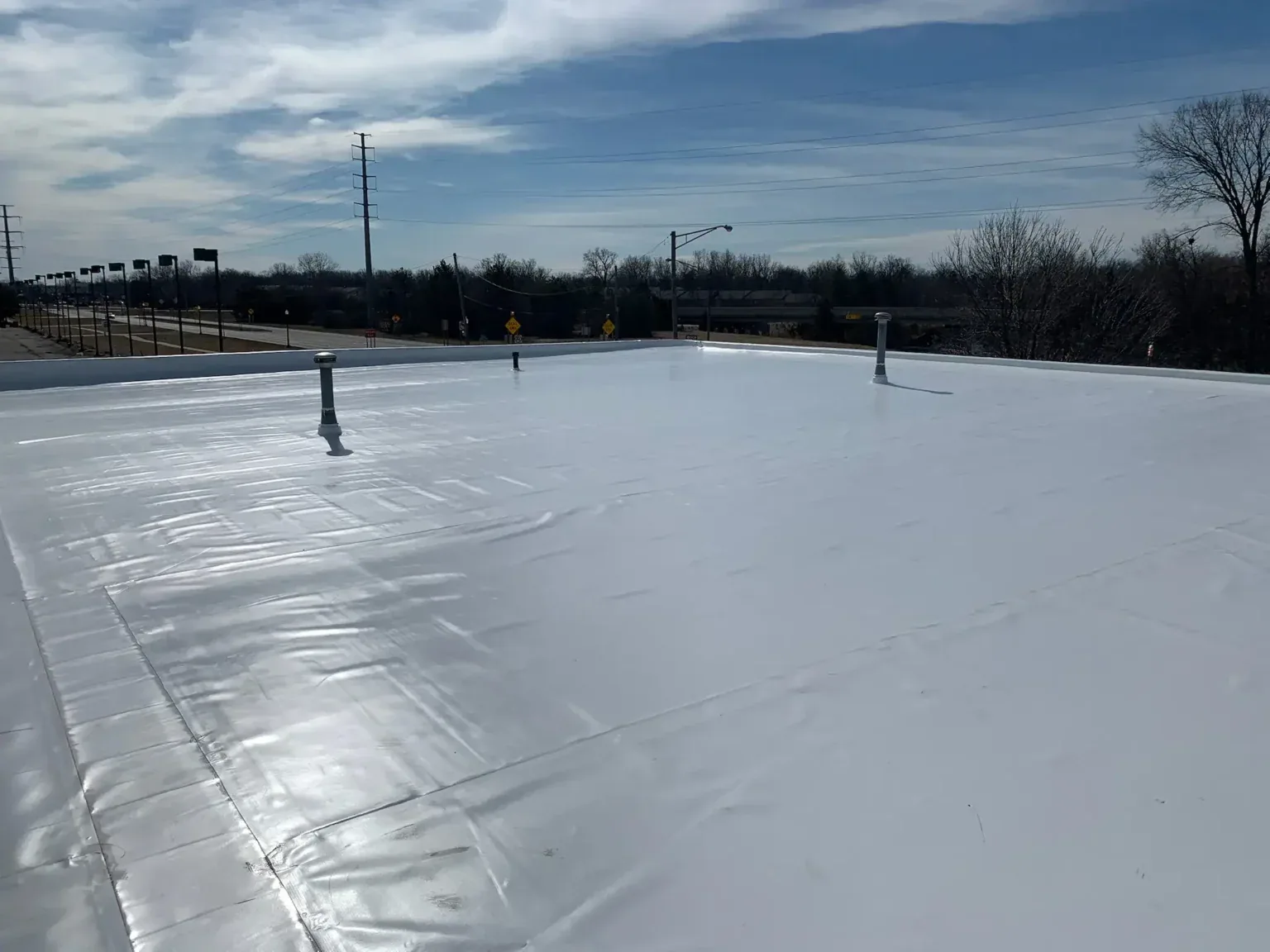
A seam that has separated into a narrow channel can admit water while the surrounding membrane still looks serviceable. In Bridgeport, CT, we locate the opening, check how far it runs, and identify the building area below before choosing a repair window. The crew records the membrane type and seam condition, then checks nearby penetrations, edges, and drainage for related movement.
Heat welds, adhesives, tapes, and lap details are not interchangeable. The repair has to match the roof assembly and leave a sound tie-in on both sides of the failure. Our wind damage repair service can address adjacent edge movement when it is present, but each defect gets its own documented boundary.
Open the Seam Assessment
We start with a roof plan or field sketch and mark the opening by location, direction, and length. A hand probe can reveal an unbonded section beyond the visible line, while a closer surface check shows contamination, wear, or a prior patch. We inspect the seam ends and nearby intersections because water can enter where the lap changes direction. The finding distinguishes a short local split from a longer bond failure that may call for broader repair.
At an open seam, the inspection checks whether water has moved into insulation, reached a deck joint, or followed a drainage path. We record the location and any interior symptom so the repair boundary reflects the affected assembly, not just the visible lap. A targeted moisture survey may help resolve concealed wet areas if the roof surface and conditions support that method.
Match the Repair to the Roof
On a thermoplastic roof, the crew prepares the surface and makes a compatible weld, then probes the cooled seam to check continuity. EPDM and other assemblies use different adhesives, tapes, primers, and lap preparation. Modified bitumen and built-up roofs have their own reinforcement and surfacing details. We confirm the installed system before setting the method; a product choice made from color or appearance alone can leave a weak bond or an incompatible transition.
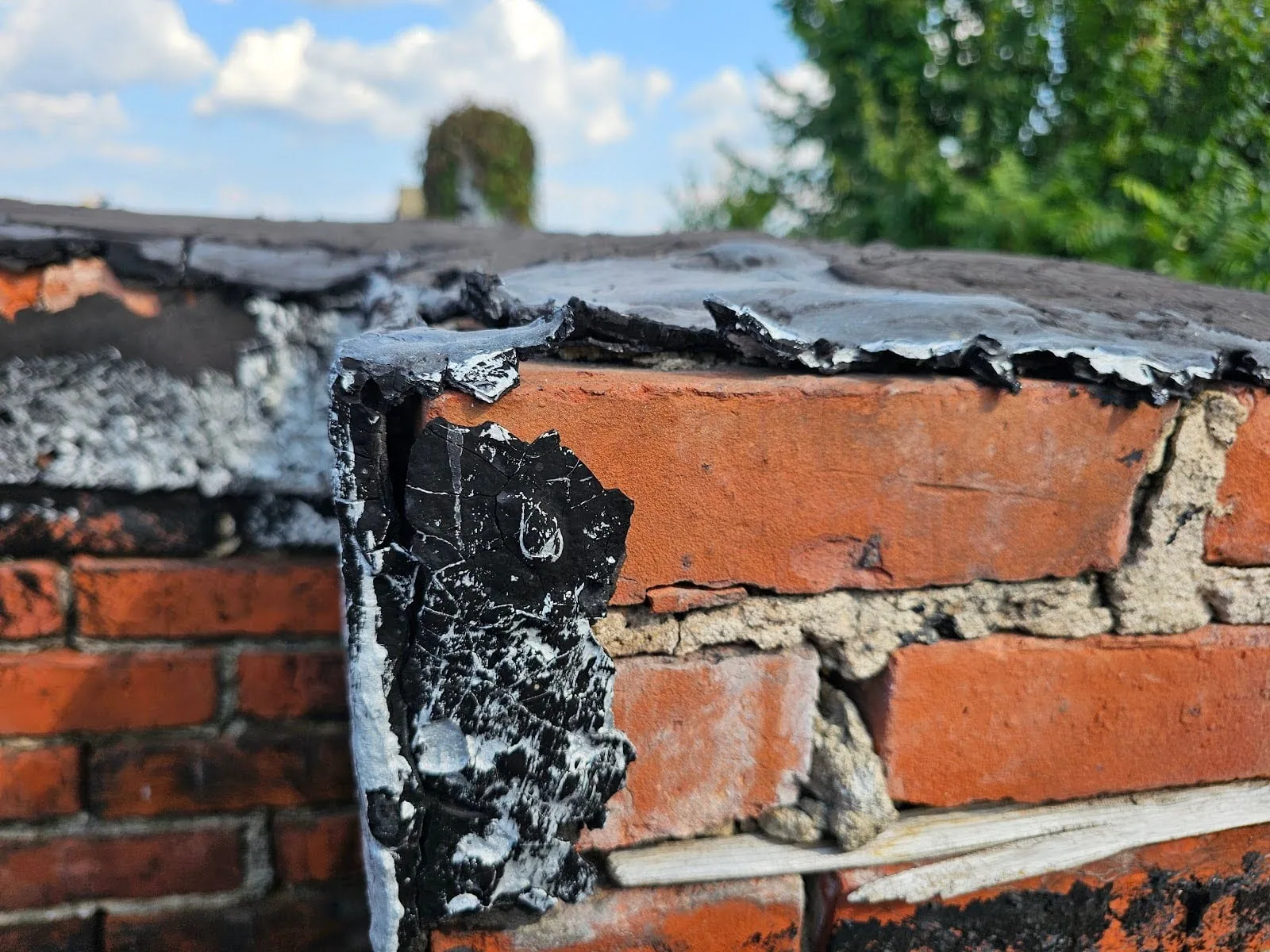
If the seam sits beside flashing, edge metal, or an old repair, we map those interfaces before opening material. The work description states which layers will be removed, what will remain, and how the new section ties into sound roof. When the assembly is not certain, a small controlled opening can answer the material question before the larger scope is priced. A commercial roof inspection can document the existing system and neighboring details.
Keep Water Moving While Work Proceeds
Before cutting or lifting a seam, we check the forecast and decide how much roof can be exposed and dried in within the shift. Temporary protection must stay secured and must not block a drain or direct water into a different opening. We identify the drainage route, remove loose debris from the immediate work area, and keep the interior contact informed about any active leak. The daily limit is set by actual crew capacity and the roof's condition.
For a seam repair near Bridgeport’s waterfront, account for the building’s wind exposure and roof access, then verify the membrane type before selecting a weld or adhesive method. Those broad land-use themes distinguish this setting from inland routes, but they do not establish the building’s roof type. We confirm the actual property access, laydown area, and drainage route before setting the seam repair window.
Set the Tie-In and Scope Boundary
Permanent work begins with sound, dry material at the tie-in. We remove failed sections to the agreed limit, prepare the surface for the specified repair system, and secure the new layer without trapping moisture. If wet insulation or a damaged deck is uncovered, the crew pauses at the approved boundary, protects the opening, and presents the condition for a scope decision. That keeps an unexpected substrate repair from being hidden inside a seam line item.
The owner approves the repair boundary before concealed material is removed beyond it. The site contact confirms the access path, staging zone, rooftop service equipment, and occupied-floor restrictions before mobilization. The written handoff identifies which trade can authorize a change if wet insulation or damaged deck is exposed. An occupied-building sequence can set the daily work area and interior handoff where operations continue.
Coordinate the Roof with the Property
Clinton Avenue has legal, accounting, and private-practice medical offices. A seam repair near an occupied office needs a route and noise window agreed with the building contact. We confirm hoisting points, material laydown, equipment service access, and whether the interior contact needs a daily notice. The repair plan records those limits and the person responsible for the shift handoff. We confirm the boundary with the building contact before staging materials.
The facility contact sets the route, lift window, and limits on indoor access before work begins. We note who receives the shift handoff and how much roof can remain open while the seam is prepared. If the building serves clients or keeps production active, the work zone and any noise period are identified before the crew reaches the roof.
Record the Seam for the Next Visit
Closeout records the roof zone, membrane type if confirmed, repair materials, limits, and photographs before and after the tie-in. The final probe or other specified check is documented with any remaining observation. If the seam cannot be assessed fully without further opening, the report says what question remains and how to resolve it. A marked roof plan gives maintenance staff a place to start if water returns after another storm.
When a property group also has buildings in Fairfield or Stratford, keep each roof file distinct and use location labels that match the building being inspected. For a nearby flashing concern, the flashing repair review addresses a separate transition; drain and scupper service can check outlets along the affected runoff path. The Bridgeport service area gives the local contact point for a roof walk and written next step.
Questions and Answers
How do you determine whether only one seam needs repair?
We map the visible opening, probe accessible portions, and inspect the seam ends and nearby intersections. If adjacent bonds are sound and the assembly is dry, the scope may stay local. Longer separation, repeated defects, or concealed moisture can change the boundary, so those findings are documented before approval.
Can a seam be welded during wet weather?
The bonding surface must meet the selected system's preparation and moisture requirements. We set a work window that lets the area be prepared, repaired, and protected within the shift. If conditions do not support that sequence, temporary control can hold the opening until a suitable window.
Does an open seam mean the entire roof has failed?
A single separation does not establish the condition of every roof zone. We inspect the adjacent field and representative details, then report whether the concern is isolated or repeated. That gives ownership a basis for repair, expanded testing, or capital planning without assuming replacement from one defect.
What if the membrane type is unknown?
We compare available records with the field assembly and may inspect a small area to confirm layers and bonding surfaces. The repair method stays conditional until the material is known. That check prevents a surface patch from relying on a product that cannot form a reliable tie-in.
Which information helps price a seam repair?
A roof plan, known membrane type, opening location, prior patch history, interior impact, access rules, and equipment constraints help define the work. We verify length and substrate at the roof, then state removal, tie-in, dry-in, and any conditional deck or insulation work in the written scope.
Related Roofing Work
Map the Seam Before It Spreads
Have the roof plan, leak location, prior repair notes, membrane records, and access requirements ready. We will inspect the full seam boundary, confirm the repair method, and document the dry-in and closeout steps for the facility handoff.