Commercial Roofing for Logistics and 3PL Facilities in Bridgeport, CT
Coordinate roof repairs and dry-in around dock schedules, truck routes, inventory, and facility access for logistics buildings in Bridgeport, CT.
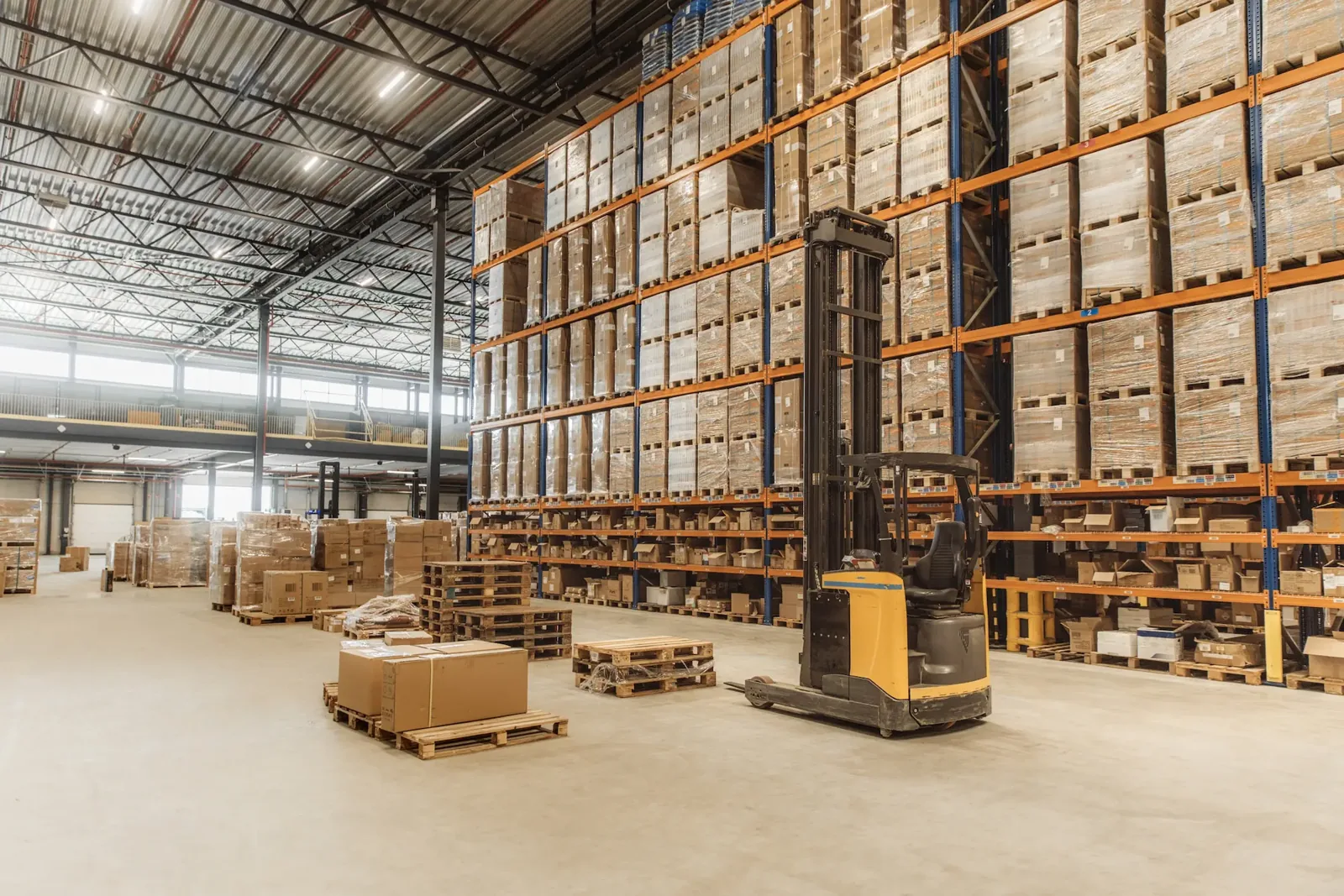
A roof crew cannot block the dock that keeps a distribution shift moving. Before work begins, we identify truck turns, receiving hours, inventory exposure, and the roof access route, then place the staging zone outside those paths. Bridgeport's port supports commercial shipping and several kinds of cargo activity, while the West Side/West End has an industrial district south of I-95. A logistics roof needs a sequence that respects movement below it: access, materials, dry-in, and a clear reopening time.
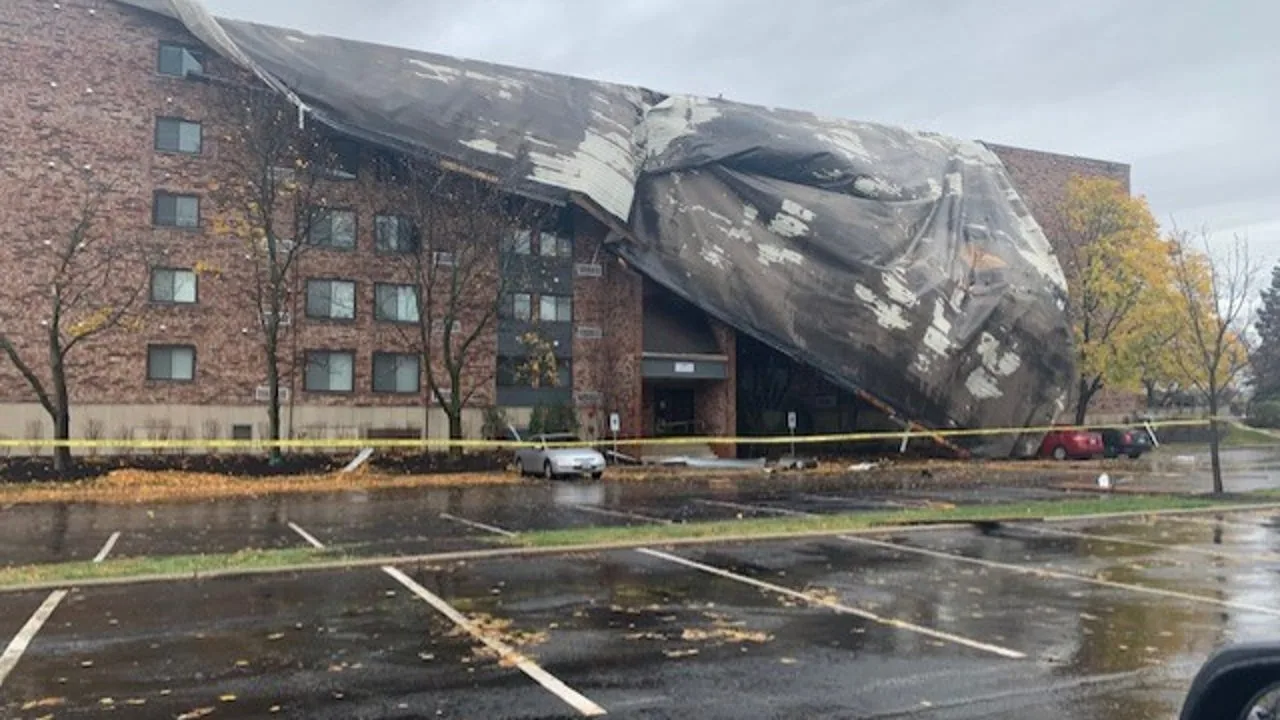
We first locate the reported leak or roof concern, then inspect the membrane, seams, curbs, edge details, and drainage route that could affect the bay. A condition inspection records the roof area and access limits. If water is active, an emergency response can protect inventory and set a temporary boundary while we determine the permanent correction. The report separates completed work from the next test or repair decision.
Set the Dock-Safe Sequence
Material movement should follow the facility's operating map, not cut across it. We review the receiving lane, employee entrance, trailer staging, and any area where a lift or delivery vehicle would interfere with active traffic. The site contact identifies the shift change, quiet period, or scheduled downtime that gives the crew a safe access window. If a condition changes during the day, the team needs a direct stop-work contact and a route for moving tools off the roof.
For a Bridgeport distribution property, identify whether the site’s truck circulation connects to Railroad Avenue, I-95, or Clinton Avenue, then schedule roof staging around the actual receiving pattern. Those local references help orient the business context; they do not establish a particular loading pattern or roof design. A warehouse near The Smile still needs its own traffic plan. For a roof defect near a dock or rooftop unit, a curb and penetration review can keep the repair boundary clear while equipment and shipping schedules remain in view.
Keep Water Away from Stored Goods
Water intrusion near racking or pick lanes calls for a fast interior map. We ask which aisle, product zone, and overhead equipment are affected, whether a leak is still active, and what protection the facility has already placed. At the roof, we work from that point to the likely source, checking seams, penetrations, wall transitions, drains, and patches. The wettest interior mark may not sit directly below the opening, so we do not set the repair boundary from a ceiling photo alone.
Annual precipitation in Bridgeport averages 44.09 inches; snowfall averages 33.6 inches. For a distribution roof, list protected openings and the next dock-side check separately. The precipitation and snowfall averages put a safe drainage path and post-thaw check on the inspection sequence. We trace the outlet from roof surface to drain or scupper and note any obstruction or separation. A ponding-water review or drainage inspection can address the actual condition before it reaches stored materials again.
Choose a Repair That Fits the Roof
Not every leak requires the same response. An isolated puncture near a service route may be repairable when the surrounding membrane is sound. A recurring seam leak, wet insulation, or broad deterioration may need a wider assessment before work is authorized. We inspect the adjacent laps and transitions, review patch history, and explain what additional test would change the recommendation. Temporary protection is recorded separately from permanent repair, including what remains exposed while the facility stays in use.
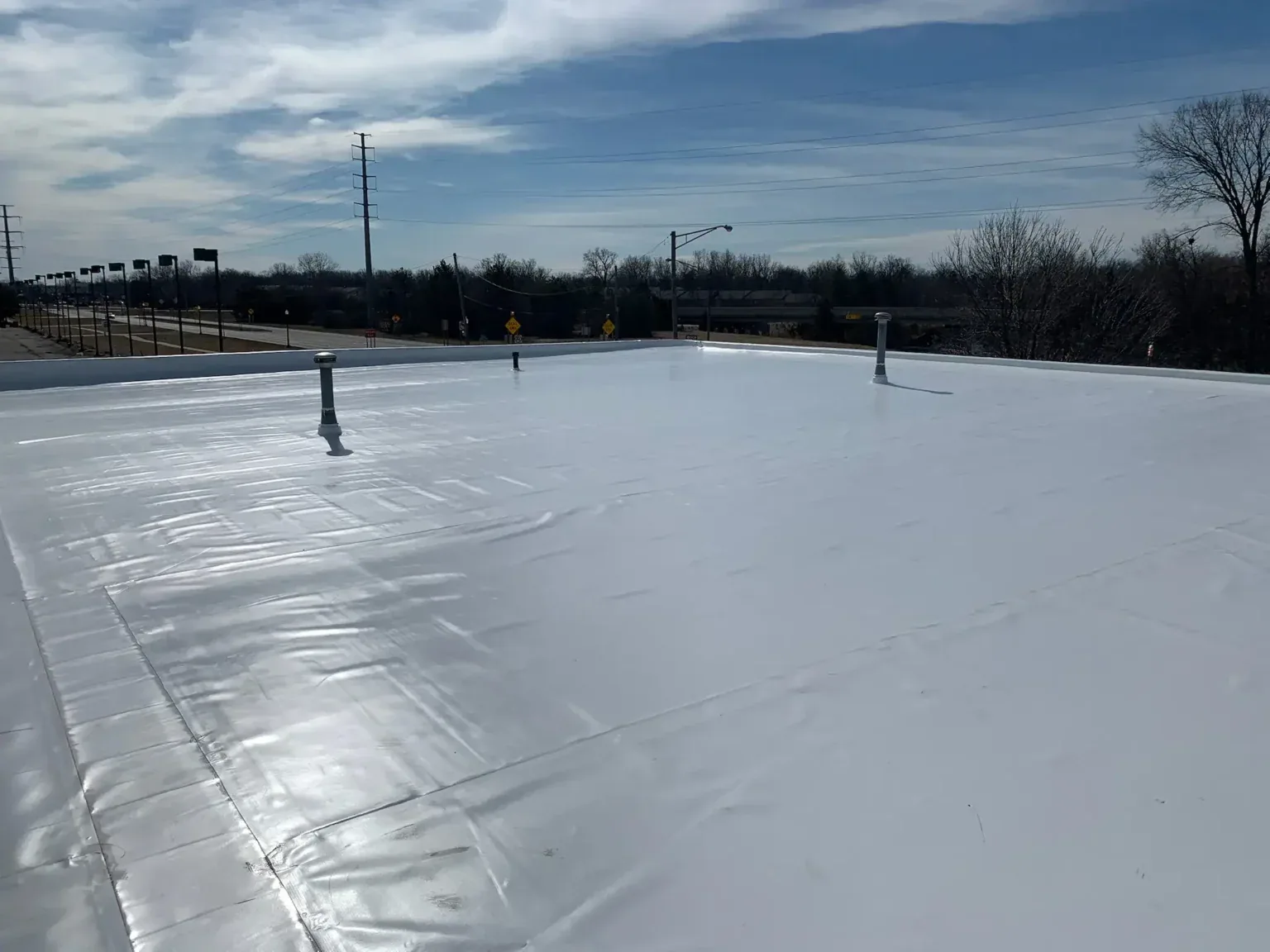
For a membrane roof, compatibility and preparation matter as much as the patch material. A TPO system inspection looks at the seam and detail condition; a repair scope names the defect, preparation, and closeout check. If multiple areas are involved, we can compare a phased correction with a replacement review without treating lost production time as a reason to skip the assembly evaluation. The decision stays tied to the documented condition and the access window available.
Keep Each Facility Record Distinct
A third-party logistics operator may manage more than one property, but roof condition does not travel between addresses. We record the building, roof section, photo location, access limit, and repair history so a later shift or regional manager can find the same detail. When a contractor or equipment vendor works nearby, the file should identify penetrations changed and who owns the next check. This prevents a roof note for one warehouse from being applied to another facility with a different assembly.
Stratford and Fairfield are nearby municipalities in the Bridgeport service region. A regional team can schedule work across those places, while each property still gets a separate walk and loading plan. The multi-site program can organize dates and condition records, and a manufacturing roof review may help when the portfolio also includes production buildings. We keep the decisions about each site independent and traceable.
Reopen the Area with a Defined Handoff
Before the crew leaves, the dock supervisor or facilities contact should know the repaired location, the status of temporary dry-in, and which traffic route can reopen. We label the final photos, note the materials and boundary, and list any area that remains under observation. If another weather cycle or inspection is needed, the report names the trigger. This makes it possible to compare a fresh leak report with the same roof section rather than repeating the first walk.
Share the facility address, dock schedule, site map, access rules, roof plans, and current water location when arranging a Bridgeport logistics roof visit. We will set the staging plan and written closeout with the person responsible for building access. If nearby public work affects a gate or delivery path, a public-facility roofing scope can also show how approvals and operating hours fit into a defined work sequence.
Questions and Answers
How do we keep reroofing materials clear of truck traffic?
We map truck turns, receiving hours, employee access, lift placement, and material staging with the facility contact before mobilization. The work plan identifies a route that keeps the dock usable or states the short closure window that must be coordinated. A change in traffic or weather has a named contact and a safe pause point.
What should we do when a leak reaches inventory?
Move or protect exposed goods under facility procedures, mark the aisle and time, and tell us whether water is active. We inspect the roof above and nearby transitions, then document any temporary protection and permanent correction separately. The visible interior impact guides the search but does not by itself locate the roof opening.
Can a roof repair happen during a shipping shift?
It may, if roof access and ground staging stay outside the active shipping path and the repair can be completed safely. We agree on the boundary and work window with operations first. If a lift, material route, weather condition, or interior risk conflicts with the shift, we schedule that step for a safer interval.
When is a recurring warehouse leak more than a patch call?
A repeated leak deserves a check of nearby seams, penetrations, drainage, previous patches, and moisture extent. If the defect is localized and the adjacent assembly is sound, a focused repair may work. Wider deterioration or uncertain moisture can justify testing before the operator chooses a larger scope.
What should the regional team receive after service?
Give the regional lead a property-specific record with marked photos, work boundary, materials, access limits, open concerns, and the next inspection trigger. Keep each building separate even when dates are coordinated. That record lets operations compare later reports without confusing one roof's condition with another.
Related Roofing Work

Plan a Dock-Aware Roof Visit
Send the loading schedule, traffic map, access rules, current leak location, and prior roof records. We will define the safe work window, set the repair boundary, and provide a closeout the operations team can use.