Multi-Site Commercial Roof Programs in Bridgeport, CT
Coordinate inspections, repairs, and capital decisions across Bridgeport, CT properties with separate roof records, shared priorities, and clear site handoffs.
Three properties can share an owner and still need three different roof sequences. Our Bridgeport, CT multi-site program gives a facility director one review rhythm while keeping each building's defects, approvals, access rules, and repair history separate. We begin with the property list, then map roof zones, drains, service equipment, active leaks, and contacts by location. A roof asset record keeps each site's observations traceable; a condition report gives operations and finance a consistent way to review the next decision.
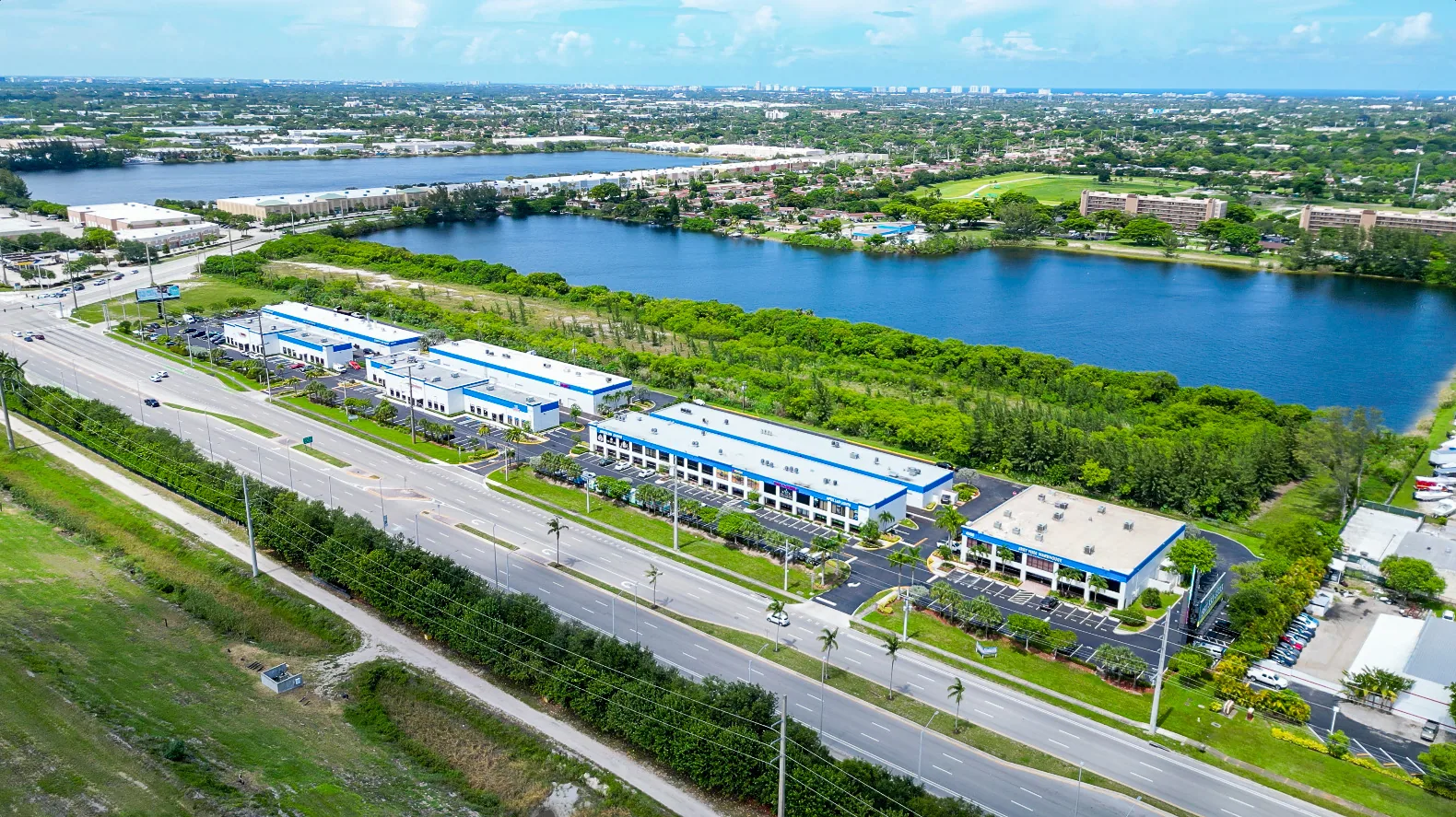
A Bridgeport program that includes waterfront addresses and downtown properties may involve freight or ferry activity at one site and office or retail access at another. We confirm each location's schedule and roof condition separately; a shared city map does not create a shared work plan. Each field visit starts with the building and its contact.
Start with the Site List
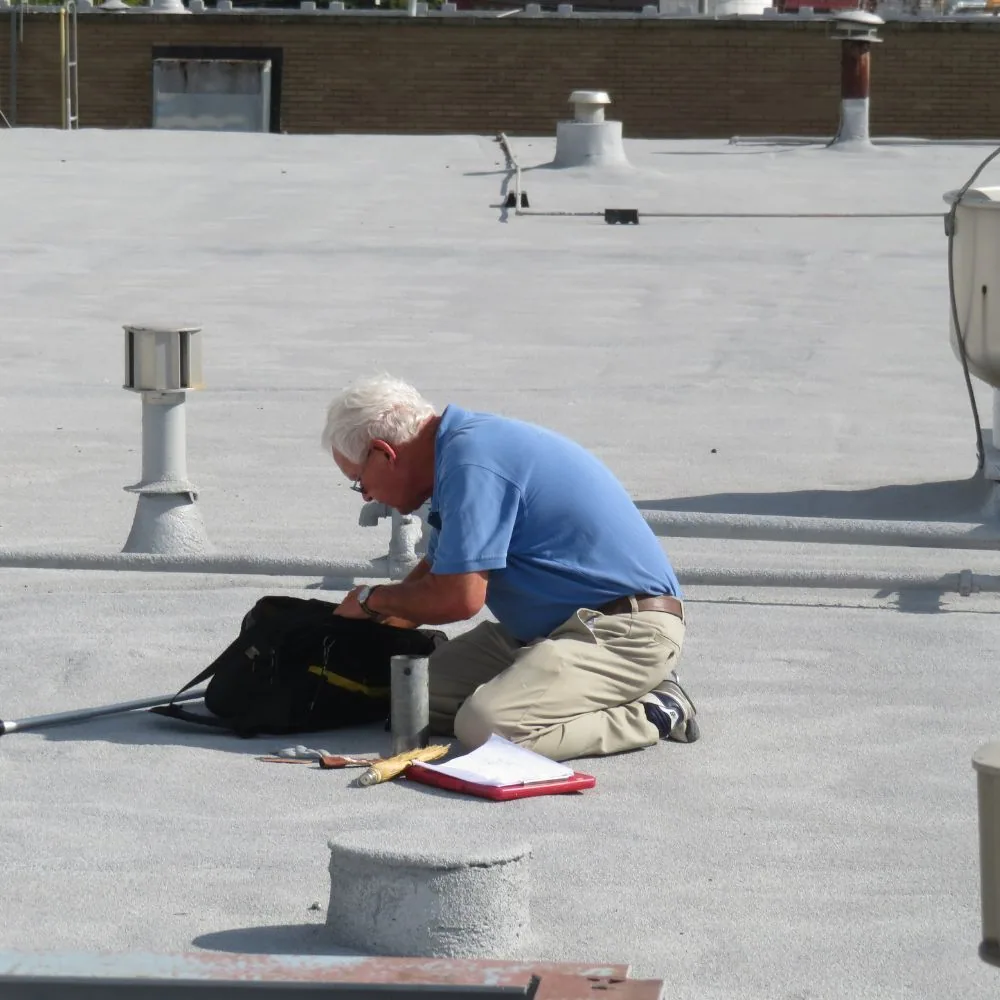
The site list should identify each building, roof area or zone, point of contact, access procedure, known system, repair records, and open leak. If a plan is missing, we flag it before relying on a location description. We also note how the property operates: loading windows, occupied floors, equipment service, secured entries, and areas that need protection below. The list helps organize work; it does not replace an inspection.
A visit sequence might group sites near State Street and Fairfield Avenue, but the property list still needs a separate address, access contact, and roof record for each stop. A shared route can group roof walks, while each building keeps its own membrane map, drainage path, and repair scope. A commercial inspection confirms each asset's condition.
For a group with buildings in Bridgeport, Stratford, and Fairfield, we use common fields in the record and separate maps for each location. That lets ownership compare findings without confusing one site's history with another's.
Sort the Work by Site Risk
We review active leakage, open seams, drain restrictions, flashing, edge metal, wet areas, and prior repairs across the portfolio. The list separates conditions needing immediate water control from planned repair, maintenance, and capital work. Each priority names the building and roof zone. A leak over a loading dock can constrain freight access, while a seam repair above a closed warehouse aisle may permit a different work window.
Each owner's calendar should pair seasonal planning with the working forecast and actual roof observations. Bridgeport's annual rain and snowfall figures keep outlet capacity and winter access on the review list; priority still follows each roof's observed condition. We use actual field findings to rank the work. If one site has an active leak, emergency response can protect the affected area while the rest of the portfolio remains on its planned inspection cycle.
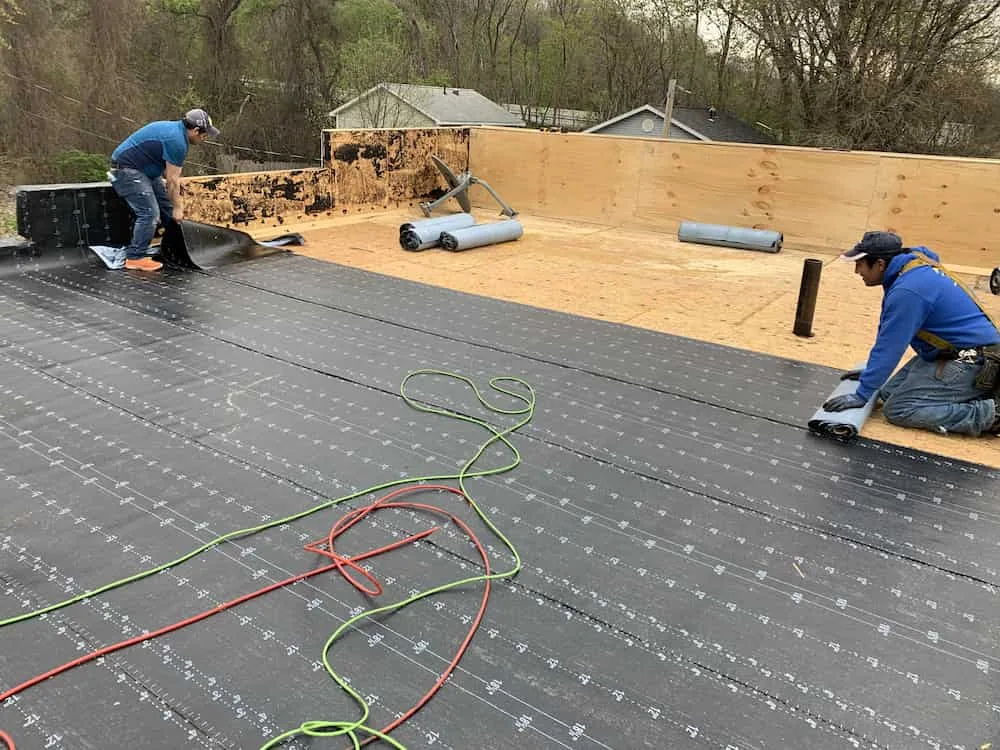
A maintenance visit can address drains, seams, and penetrations. A separate capital review compares larger scopes when repeated repairs or widespread deterioration change the investment question.
Sequence Access Across Properties
A useful program groups visits without treating them as one mobilization. We confirm escort or key access, roof-hatch location, lift placement, loading hours, tenant notices, and any equipment shutdown before assigning a work window. If a repair crosses multiple sites, each crew receives the address, roof plan, approved boundary, and closeout contact for that property. A material staged for one building should not obstruct another property's access route.
At an industrial address south of I-95, a delivery route and staging zone may need to stay clear of active operations. At a downtown office, the emphasis may be occupied floors, pedestrian movement, and service equipment. We verify the actual site conditions. An occupied-building work plan can set temporary protection and daily dry-in; a drone survey can document broad conditions when access or visibility warrants it.
Our schedule records dependencies, such as a repair that must precede coating or a drain correction needed before recover work. The owner can see the sequence and approve each location's scope.
Keep Pricing and Approvals Comparable
When the owner compares proposals across a portfolio, each scope should use the same roof-zone identifiers and describe its own limits. We state preparation, materials when confirmed, tie-in details, temporary dry-in, access assumptions, exclusions, and what concealed condition would trigger a change. A patch at one building and a replacement at another should not be combined into one vague line item. The site manager can then authorize the work that belongs to each property.
Bridgeport zoning plans for many building repairs and alterations require building information and a written scope for commercial and industrial plans. We can supply roof details for the owner's coordination, while the owner confirms the applicable review path. Claim records can organize photographs and repair history when an insured event is involved. That documentation does not determine coverage or replace a separate scope approval.
If a roof may be suitable for a recover, we check layer limits, drainage, and transitions at that site. The result stays tied to the building surveyed.
Close Each Site with an Owner
After each visit, we update the site's photographs, findings, completed work, unresolved items, and next inspection trigger. A portfolio summary can show which building needs action first, but the detailed record stays attached to its address and roof zones. The handoff identifies who receives the closeout and who can approve the next step. If a condition changes after a storm or equipment project, the affected site returns to the schedule without rewriting unrelated records.
For a Bridgeport portfolio, properties along State Street, Fairfield Avenue, The Smile, and downtown can share one reporting format while retaining separate access plans. The Bridgeport service area is the local point for adding a building or arranging another roof walk. A warranty file review can also sit beside the repair record without assuming every site has the same coverage terms.
Bring the property list, roof plans, prior repair records, access contacts, and current decision deadlines. We will map the sites, set the first work sequence, and return priorities by building.
Questions and Answers
Can one inspection format work across different buildings?
Yes. Shared fields make the records easier to compare, but each building retains its own roof map, findings, access limits, and approved scope. We record site-specific conditions so a warehouse observation does not become a claim about a downtown office or another property.
How do you choose which Bridgeport property comes first?
We rank active water entry, risk to occupied areas or equipment, drainage restrictions, repair urgency, and access requirements. A leak needing temporary protection may move ahead of scheduled maintenance. The program shows the reason and the roof zone so ownership can approve the sequence.
Can repairs be grouped into a single mobilization?
Some work can be coordinated when access, materials, weather, and operating schedules align. We still set a separate scope and closeout for each address. If the roof conditions differ, the work plan keeps those repairs distinct instead of forcing one method across the group.
What records should the owner provide for each site?
Provide roof plans, known systems, warranty documents, leak history, prior scopes, access procedures, equipment schedules, and the site contact. We note missing items before the field visit. That helps the crew reach each roof and helps the owner compare the resulting recommendations.
How does the program handle a new leak between reviews?
The affected site is triaged on its own condition. We locate the water path, protect an active opening, and document the repair boundary. The portfolio schedule can continue for other properties while the leaking building receives the response it needs.
Related Roofing Work

Start with the Building List
Send the property list, roof plans, leak locations, access contacts, prior work, and current operating windows. We will map each site, identify the first roof decisions, and return a sequence with separate scopes and handoffs.