Commercial Roof Warranty Management in Bridgeport, CT
Keep Bridgeport, CT roof warranty records organized with inspection history, repair details, and clear follow-up steps before maintenance or replacement work.
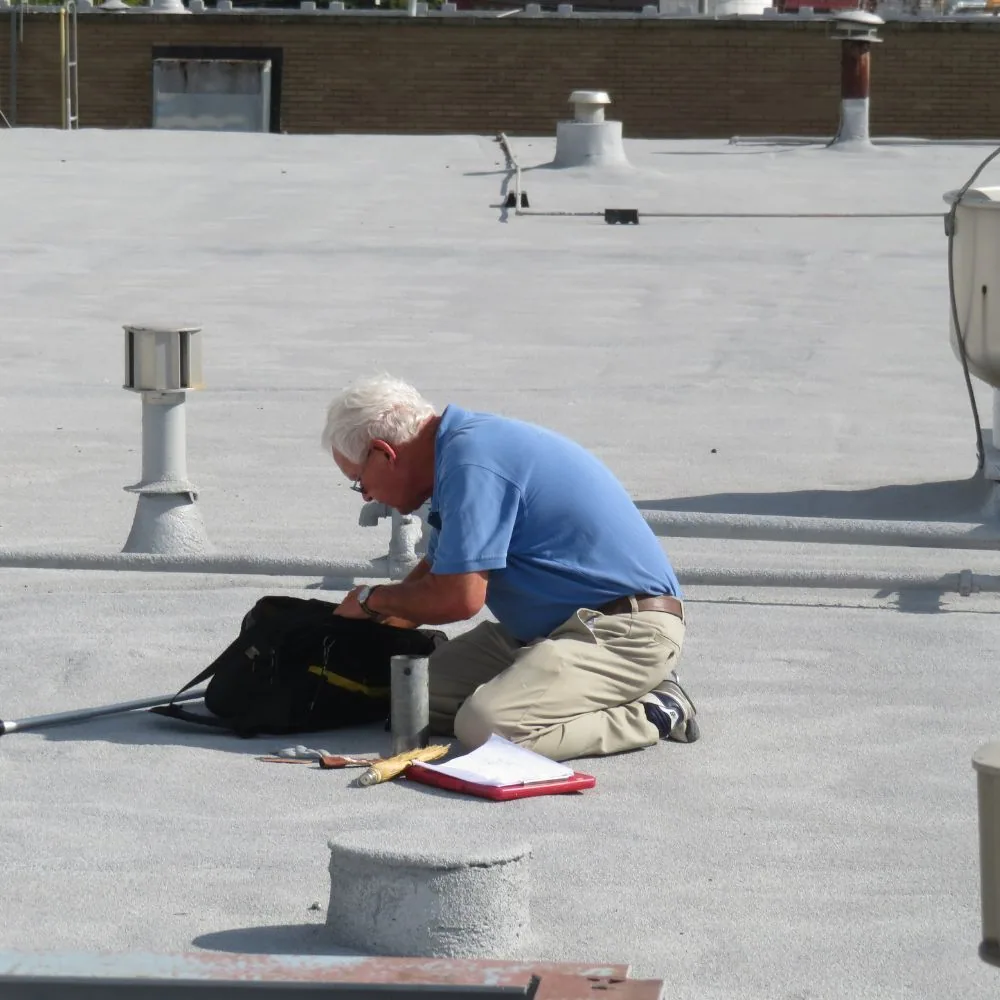
A warranty file helps only when the facility director can connect its requirements to the roof being maintained. In Bridgeport, CT, we organize the documents, inspection history, repair details, and open follow-up items by building and roof zone. We identify the manufacturer requirements that apply to the documented assembly and keep any pending decision separate from observed roof conditions. We help the owner identify the assembly, keep records usable, and plan work for review before a condition becomes a larger capital question. A roof inspection establishes the current field record; a condition report preserves the observations and photographs.
The work sequence must fit the property. A contact near Clinton Avenue may coordinate a professional office, while a site south of I-95 may have industrial or commercial operations. We confirm the people, access window, and roof facts at each address; neither neighborhood context establishes warranty terms.
Put the Applicable Records in One File
We begin with the document itself: issuing party, covered building or area, system details, start date if shown, stated obligations, exclusions, and the process for notice. The owner supplies the current warranty and any approved details or closeout records. If the document is missing or does not match the roof map, we note the gap and ask for the record needed to resolve it. We do not infer coverage from a membrane brand or an old invoice.
A Bridgeport file may also include dated roof plans, material submittals, photographs, repair invoices, inspection reports, and maintenance notes. Each record should identify the roof zone and work completed. A roof asset record can maintain that history across the building portfolio, while a multi-site program keeps each property's terms separate. The owner can find the right file before scheduling a repair.
When contractor, owner, and property manager responsibilities differ, we list who can authorize access, submit notice, and receive the closeout. That handoff prevents a repair note from becoming the only evidence of what changed on the roof.
Make Inspection Triggers Practical
A maintenance calendar should follow the roof's actual requirements and observed condition. We record when the next walk is due, which drainage points need attention, whether rooftop equipment work may affect flashing, and what event should trigger a return visit. The warranty document controls its own notice and maintenance terms. Our Diligence Notes make those obligations easier to carry out without adding promises the document does not contain.
At Bridgeport Sikorsky Airport, the annual snowfall normal is 33.6 inches, accompanied by 44.09 inches of precipitation; warranty follow-up still tracks the inspected roof condition. Use that regional background to schedule a drainage review, not to claim a storm defect or set an inspection date. only a property inspection can establish a storm-related defect or inspection date. We inspect the property and record its condition. A preventive maintenance visit can address drains, seams, edge metal, and penetrations before a small repair question expands.
After the walk, the record should state what was observed, what was corrected, what remains open, and which document or approval applies. If an active leak requires immediate control, our emergency response addresses the water entry first while preserving the repair notes for later review.
Check the Repair Before Work Starts
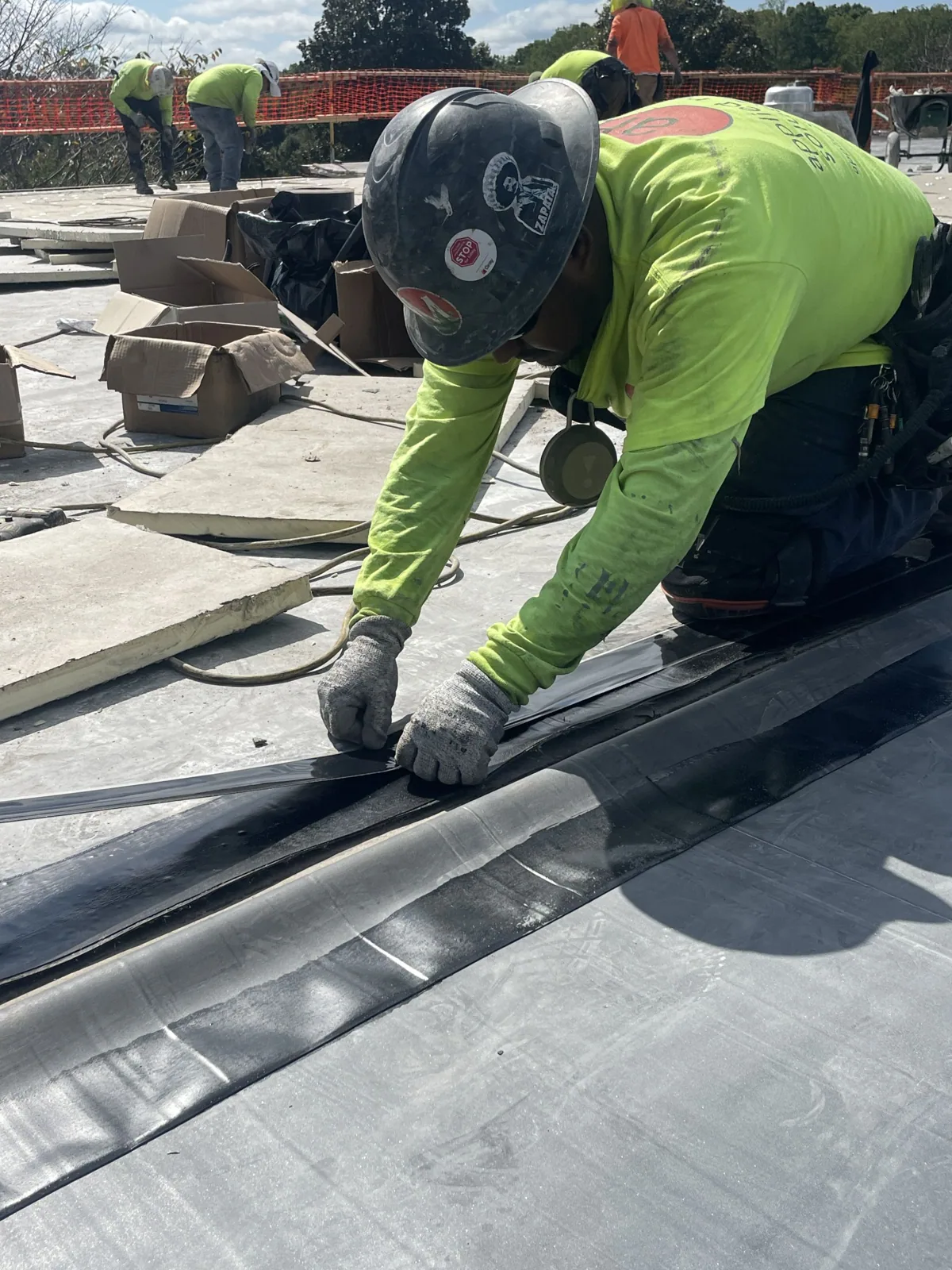
Before work begins, we compare the proposed repair with the documented roof assembly and stated process. The scope should identify the location, preparation, compatible material, tie-in method, photographs, and any area outside the approved boundary. If the warranty requires prior notice or a particular inspection, the owner can confirm that step before the crew opens the roof. We coordinate the access path and work window with the facility contact.
A repair near The Smile or Fairfield Avenue may sit above an active entrance or service area. We confirm the building's use and roof access with the owner before setting protection and staging. The roof still determines the technical method. A seam failure repair and a cover-board repair need separate location notes, preparation, and closeout evidence.
If concealed conditions appear after removal, we stop at the agreed scope boundary, photograph what is exposed, and obtain direction before expanding the work. A signed approval and a clear tie-in record help the owner keep both the warranty file and repair history accurate.
Use Findings to Plan the Next Scope
A warranty does not replace condition assessment or capital planning. If the roof has repeat leaks, widespread wet insulation, failing transitions, or drainage concerns, we document those findings separately and explain the options. A capital planning review can compare repair, recover, and replacement based on the observed assembly and operational limits. The warranty file stays attached as one record set, not as a claim that a particular outcome is available.
Where Bridgeport zoning plans are required for building repairs or alterations, commercial and industrial plan submissions call for building information and a written scope of work. We can supply technical roof details for the owner's coordination. The owner confirms the applicable review and any warranty notice before work is scheduled.
For a manager coordinating files near Clinton Avenue and downtown, a consistent handoff can keep records with the right building and decision-maker. A roof walk in the Bridgeport area can set the record update and next work window. For a purchase or refinance, the due-diligence review can define a separate survey scope.
Close the File After Every Visit
Closeout should include the date, weather conditions observed, roof zone, photographs, repair method, materials identified, and any limitation on access. We list unresolved items with the next person responsible and the date or event that should bring the issue back for review. If the building contact changes, a short summary of the open items prevents the next manager from treating an old approval as current.
A complete file can support a future inspection, a claim review, or a replacement discussion without overstating what the records establish. For a purchase or refinance, a due-diligence survey can set a separate condition and scope record.
Bring the warranty document, roof plan, prior repair notes, maintenance history, and access rules to the first review. We will organize the field findings and return a written list of documents, repairs, and follow-up steps.
Questions and Answers
Can you confirm that a specific repair is covered?
The written warranty and its issuer determine coverage. We can inspect the condition, identify the repair area, and organize the information the owner may need for a coverage review. We do not substitute our field opinion for the issuer's decision or promise that a claim will be accepted.
What records should a property manager keep after roof work?
Keep the approved scope, date, roof-zone map, photographs, materials and tie-in details, access limitations, and any written approval or notice. Attach those items to the applicable warranty and maintenance records. We can provide a closeout summary that identifies what was completed and what remains open.
Does a new leak mean the roof warranty has failed?
A leak is a condition to investigate, not a coverage decision. We trace the water path, inspect the detail, and document whether the source is visible or remains concealed. The owner can then compare the finding with the warranty terms and follow its notice process before a larger repair proceeds.
How do Bridgeport winters affect warranty maintenance?
A warranty review should begin with the document’s inspection and notice terms, then connect each term to the roof zone and maintenance record that the owner can verify. Those background figures do not establish a defect at one property. We use the actual roof condition and the warranty's stated requirements to set practical inspection triggers.
What happens if a roof repair exposes more damage?
We document the exposed layers and stop at the approved boundary. The owner receives photographs and a description of the condition that changes the scope, then decides whether to authorize additional work. We record the final tie-in and the approval so the warranty file reflects the repair actually completed.
Related Roofing Work

Review the Warranty with the Roof Record
Have the current warranty, roof plan, prior repairs, maintenance notes, and known leak locations ready. We will inspect the roof, organize the applicable records, and provide a written list of follow-up steps for the owner to confirm.