Commercial Roof Asset Management in Bridgeport, CT
Track commercial roof condition, repair history, and replacement decisions in Bridgeport, CT with building-level records and a clear next inspection trigger.
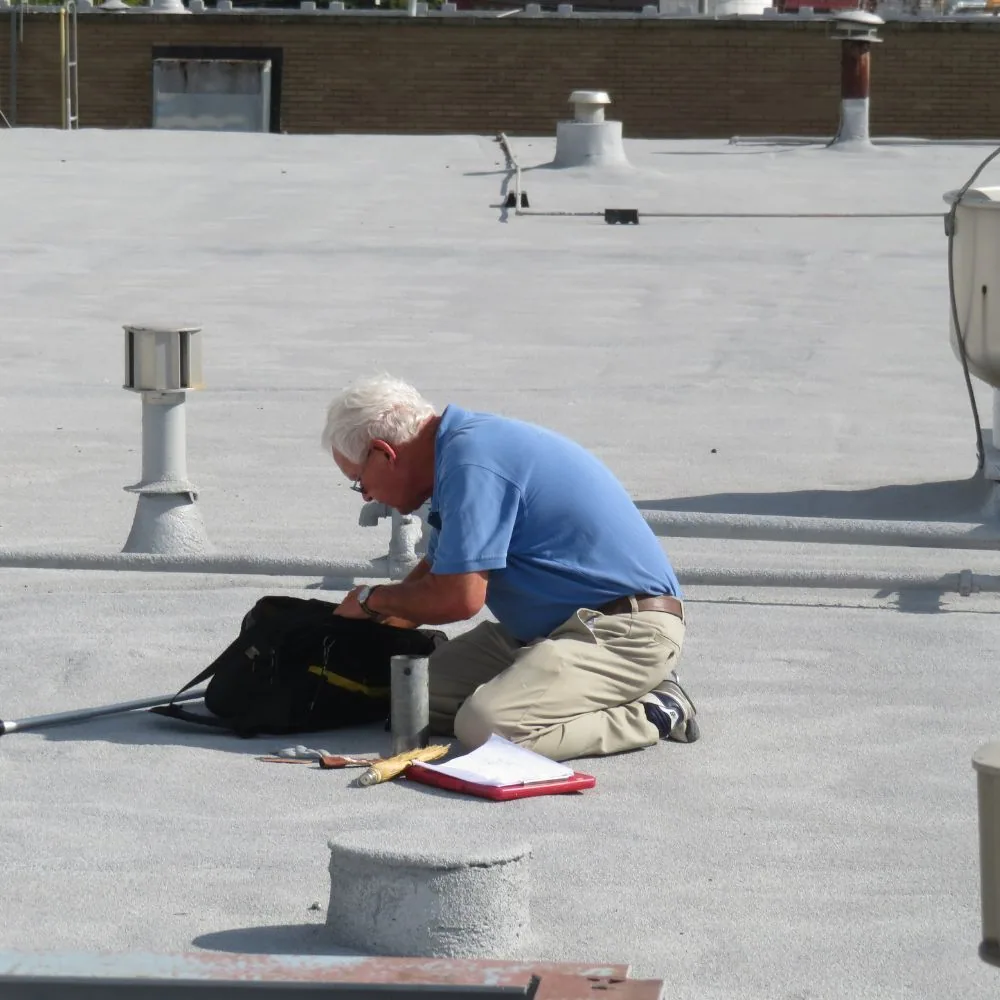
A roof record becomes useful when it shows which building, roof zone, and open decision it belongs to. For a Bridgeport, CT portfolio, we connect inspection findings, repair history, photographs, and planned work to each property instead of leaving the facility director with a stack of unrelated invoices. The first walk establishes the roof assembly, access path, drainage route, and service equipment that shape later work. A commercial roof inspection gives the baseline; an illustrated condition report gives maintenance and finance staff a common record to use.
The West Side's industrial blocks south of I-95 and downtown's office and retail activity call for different access notes. Neither setting tells us what a particular roof contains. We inspect each building and record what is present, what is verified, and what still needs an opening or test.
Map Each Roof as Its Own Asset
A portfolio list should start with a building identifier, not a system guess. We note the address, roof zones supplied by the owner, access limits, known membrane, repair records, equipment locations, drainage points, and the person who can authorize work. When documents conflict with field conditions, the record marks the discrepancy for follow-up rather than treating an old estimate as a current assembly description.
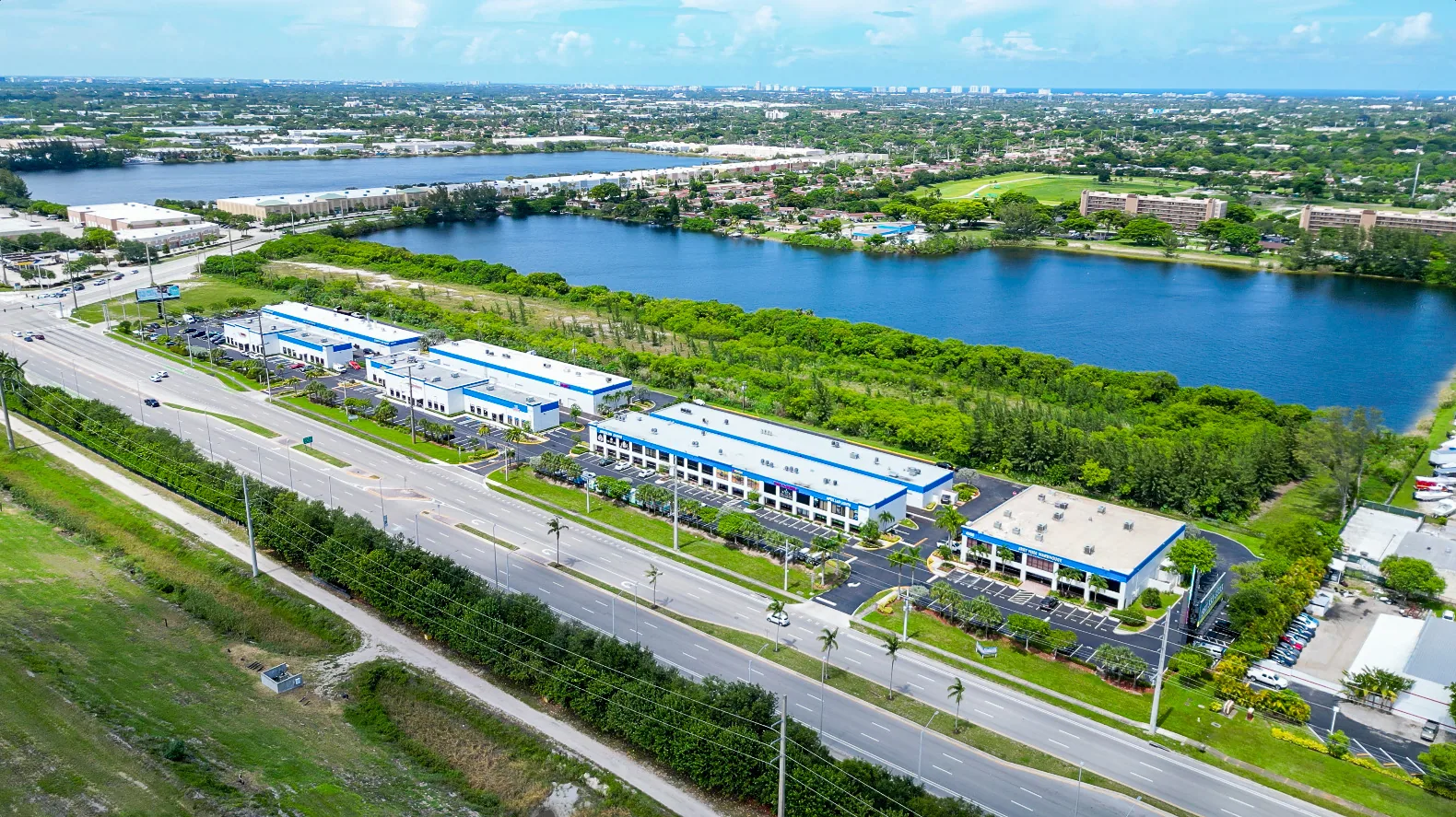
When a portfolio includes buildings near Dewey, Park, or Wood avenues, the asset record should show who can arrange roof access and which delivery window must stay open. Those streets offer a practical way to group visits; the building address and its roof map remain the identifiers for findings. A multi-building roof program can group inspection needs without merging asset histories.
We note occupied floors, loading areas, and service equipment that cannot be blocked. The map helps a director plan notices and staging, but does not replace the roof walk.
Separate Findings from Assumptions
Each inspection entry should identify the condition, the roof zone, the evidence observed, and the action that follows. A split seam, open curb flashing, ponding area, saturated insulation, and loose edge metal are different findings. We photograph the location and use a roof sketch or plan to help the next visit return to the same detail. If a test or selective opening is needed, the record says what question it will answer before the owner approves the added work.
In an asset register, note the next inspection trigger beside the roof zone and open decision, so the facility team can distinguish routine maintenance from a return visit after repair. We record the actual roof condition after the visit. If a leak is active, our leak investigation follows the water path and distinguishes the interior symptom from the roof opening that needs repair.
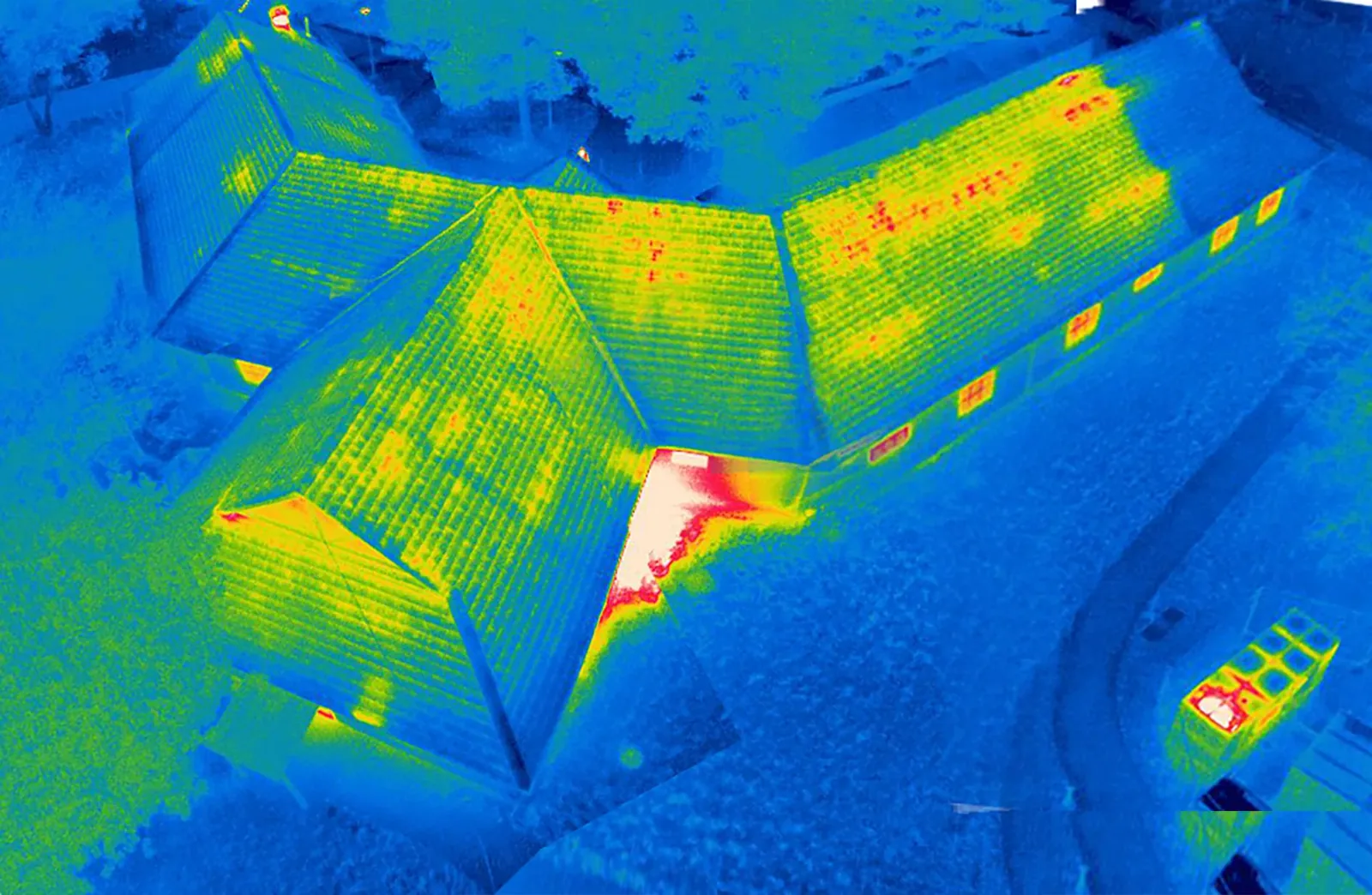
For a concealed wet area, an infrared moisture survey may help set the next inspection step when conditions support the method. The result is a mapped indication to verify, not permission to replace every area that appears different.
Rank Work by Consequence and Timing
Asset management turns inspection notes into a sequence the owner can act on. We separate immediate water control, repairs that protect the assembly, maintenance items, and larger capital decisions. The ranking considers active leakage, exposed insulation, failed transitions, drainage restrictions, safety concerns, access requirements, and the building's operating window. One high-consequence repair may come before several lower-risk coating or edge items. The record explains why.
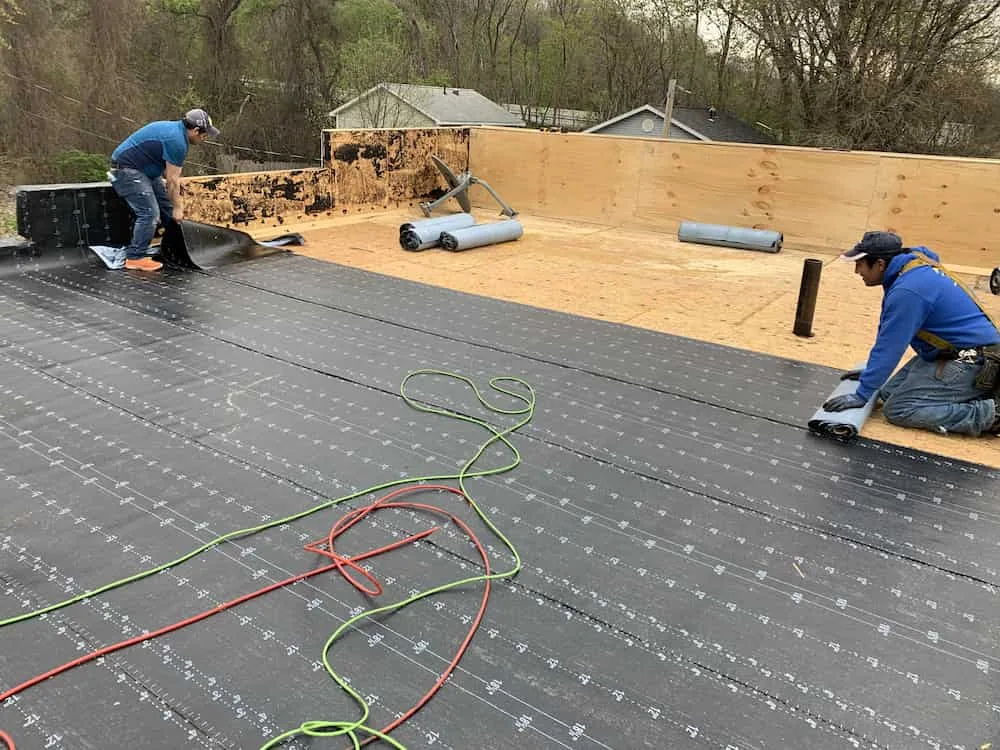
When a roof is approaching the point where repeated repairs no longer restore a dependable field, we compare repair, recover, and replacement scopes. A capital planning review can connect the observed condition to a sequence of budget decisions without inventing a service life from a single visit. We identify what would change the recommendation, such as widespread wet insulation, deck deterioration, or a detail that cannot be tied into sound material.
In a Bridgeport property with commercial and industrial uses near I-95, staging and access can affect the work sequence as much as the repair itself. We identify lift points, occupied areas, freight movement, and weather protection in the scope. The owner can then weigh operational disruption alongside the roof condition rather than comparing two bids with different assumptions.
Keep System and Warranty Records Together
A roof file should distinguish what was installed from what a later inspection can confirm. We record a visible or documented membrane type, seam and flashing details, and unknown layers rather than assigning a system by color. Manufacturer information, closeout photographs, repair details, and warranty documents belong with the building record. If a repair touches a covered assembly, the owner can review its requirements before work is authorized.
Our warranty management work organizes records and inspection triggers without promising an approval or replacing the manufacturer's terms. TPO, EPDM, modified bitumen, and other assemblies each need a repair method suited to the actual roof. A recover assessment checks whether existing layers and drainage permit a new system rather than assuming a recover is suitable.
Record protection needs and handoff contacts for occupied offices or service zones so the next crew can plan access.
Set the Next Inspection Trigger
A useful asset record closes with a trigger, not a vague reminder. It may call for a seasonal drainage review, a return visit after repair, a check after rooftop equipment work, or a follow-up on an area not opened during the first window. We assign the condition to a roof zone and state what change requires a new scope. The facility director can route that instruction to maintenance.
Across Bridgeport, Stratford, and Fairfield, each roof keeps its own access record and decision history. For a follow-up near Fairfield Avenue, Clinton Avenue, or The Smile, list the facility by its street address and roof zone. Similar corridor names never make two roof records interchangeable. A roof walk in Bridgeport starts with the property's access route and open decision.
Update the file after repairs and return inspections so the manager can see the open decision and next owner.
Questions and Answers
What belongs in a commercial roof asset record?
Start with the building identifier, roof zones, verified system details, access restrictions, dated photographs, repair history, and open findings. We add the decision each finding requires and the next inspection trigger. If records disagree with field conditions, we mark the discrepancy rather than choosing one version without verification.
How do you compare roofs across several Bridgeport properties?
A common inspection format lets us compare condition, active leakage, drainage, and repair history, while each property keeps a separate roof map and scope. A warehouse near an industrial corridor may need a freight-safe staging window; an occupied downtown building may need floor protection and a different handoff.
Can an asset file set replacement timing by itself?
No single record sets a replacement date. We document current conditions, past repairs, assembly limits, and what remains unverified, then identify whether repair, recover, or replacement merits pricing. If concealed moisture or deck damage could change the answer, we describe the test or opening needed before finalizing the capital scope.
What changes after a roof repair is completed?
The record should show the repaired zone, material and tie-in method when known, photographs, any replaced layers, and what remains outside the approved scope. We also set a return check if the repair needs observation after weather or equipment service. That update keeps the next inspection from treating a completed repair as an unresolved defect.
How can managers use weather history without overreading it?
Use seasonal drainage checks, return visits after repair, and reviews following equipment work as dated inspection triggers. We set each follow-up against the roof zone and observed condition, then record what change would require a new scope.
Related Roofing Work
Set Up the First Roof Walk
Have the building list, roof plans, prior repair records, access rules, and active leak locations ready. We will inspect the assigned roofs, tie findings to each property, and provide a written record of priorities and the next inspection trigger.