
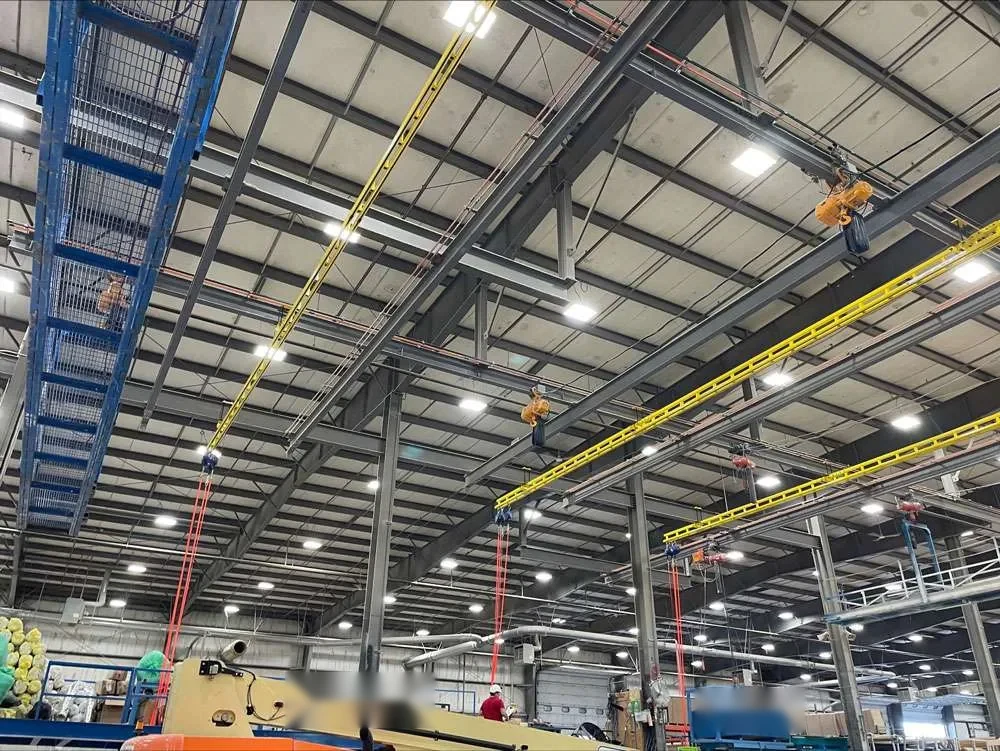
Commercial Roof Capital Planning in Bridgeport, CT
Build a roof capital sequence for Bridgeport, CT properties with condition-based scopes, repair priorities, access requirements, and replacement timing.
A capital request is hard to defend when the only record is a leak invoice. In Bridgeport, CT, we connect the observed roof condition to a scope, a work window, and the decision that follows. The first step is not assigning a replacement year. It is confirming the assembly, mapping active defects, and separating immediate protection from work that can be sequenced into a later budget cycle. A roof condition report gives the facility director a field record that finance can compare with the proposed work.
For a property near the waterfront, Bridgeport's land-use recommendations include mixed-use and low-impact industrial activity alongside recreation and dining. That setting may affect access, staging, and tenant coordination. They do not establish the condition or age of a specific roof. Each capital recommendation starts with the building in front of us.
Separate Repair from Capital Work
We sort findings into immediate water control, repairs that protect the assembly, maintenance, and larger capital scopes. The separation keeps a small open flashing from being priced as a full replacement, while preventing widespread wet insulation or recurring seam failure from disappearing inside a list of minor patches. Each item receives a roof zone, condition, evidence, proposed action, and approval boundary.
A roof above storefronts on State Street's smaller eastern parcels may need entrance protection, while a broader industrial or showroom property calls for its own staging check. At either end, a roof scope should show what can be completed without interrupting receiving, occupied floors, or equipment service. A repair scope can stabilize a localized condition; a replacement scope addresses an assembly that no longer supports the owner's operating or risk requirements. We explain the difference in measured terms.
If conditions remain concealed, we identify the opening, moisture check, or test needed to close the question before the board or owner compares options. That keeps a budget request from resting on a guess.
Build the Sequence from Field Conditions
Replacement timing should follow what the roof can still do and what it will take to keep the building dry while work proceeds. We check seam condition, drainage, edge metal, penetrations, insulation, and deck indicators. Then we note seasonal constraints, material lead time, lift access, staging space, occupied areas, and the owner's approval calendar. A roof with a limited repair boundary may stay in service under monitoring; a roof with repeated wet areas may need a near-term capital decision.
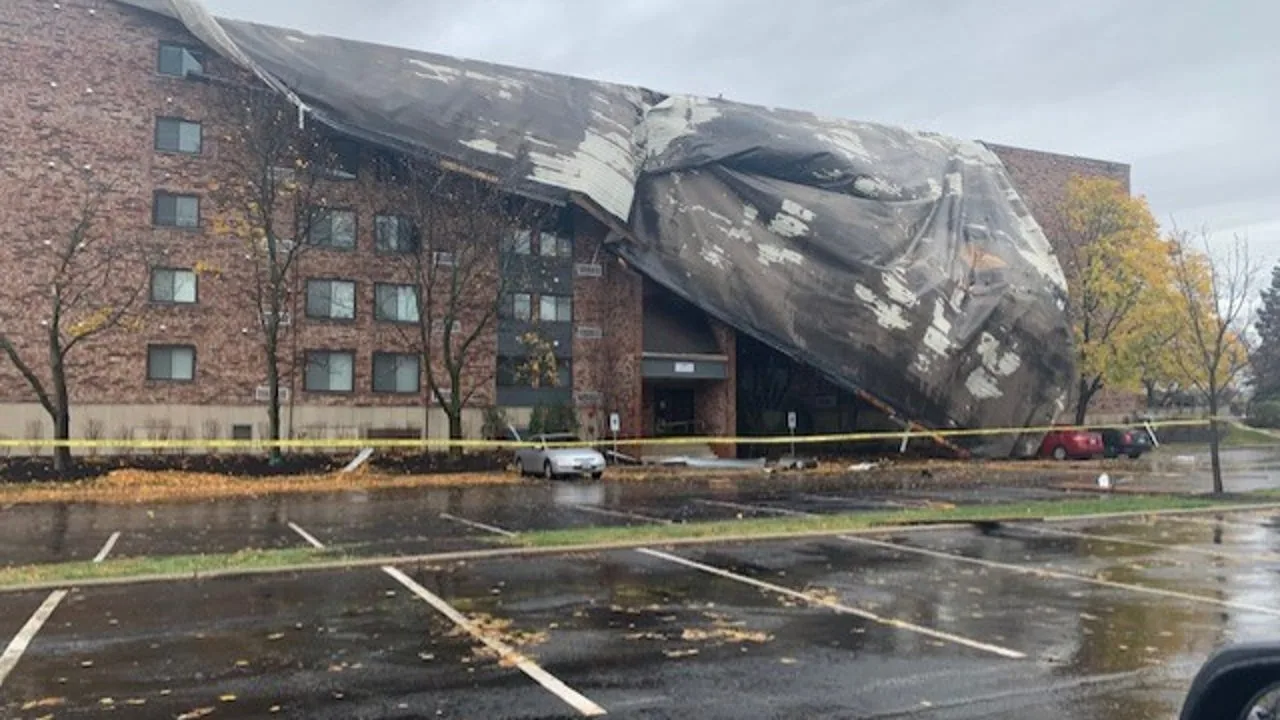
At Bridgeport Sikorsky Memorial Airport, long-term normals list 44.09 inches of precipitation and 33.6 inches of snowfall each year. Use that context to consider seasonal work windows, while basing the capital decision on observed roof conditions. Those values make drainage and winter work planning relevant, but do not establish a deadline for any roof. We use the field condition and current forecast to set a safe sequence. If water entry is active, emergency roof response can secure the affected area while the permanent scope is evaluated.
For a larger project, the written sequence identifies the first dry-in boundary, daily closeout, access route, and areas left for a later phase. That detail helps the owner compare a phased approach with one continuous mobilization.
Make the Scope Comparable
A capital plan becomes usable when each option describes the same roof zones and assumptions. We identify removal limits, substrate condition, insulation work, drainage changes, edge and penetration details, temporary protection, and closeout records. If an allowance depends on opening the roof, we state what finding would use it and who approves the change. The owner can compare a repair, recover, and replacement without assuming that different scopes solve the same problem.
Bridgeport requires a zoning plan for many building repairs and alterations, and commercial or industrial plans require building information and a written scope of work. That requirement can affect when design coordination belongs in a capital schedule. We can prepare the roof information and scope details for the owner's permit process, then confirm the applicable permit path before work starts. A roof survey for an acquisition uses a different decision timeline, but it also depends on clear scope boundaries and verified conditions.
To support a budget meeting, the summary should show the recommended option, risks of deferral, items excluded, and the next inspection trigger if the owner stages the work. The Diligence Notes remain attached so a decision-maker can trace the recommendation to roof evidence.
Protect Operations during the Work
Capital work has to reach a dependable stopping point at the end of each shift. We define the work zone, material drop, crane or lift access, occupied-floor protection, and route for crews before mobilization. If work crosses an active loading area or sits above a tenant entrance, the sequence includes the notification and barrier plan. A daily handoff records the portion completed, the temporary tie-in, and any section that needs a protected return visit.
A portfolio near Bridgeport’s waterfront may include different operating patterns; separate the staging, tenant, and access assumptions for each roof before comparing capital options. In an operating building near that mix, access and pedestrian movement may matter alongside the roof. We confirm conditions with the site contact rather than assume the same staging plan fits every property. A phased occupied-building reroof can keep those boundaries visible while the roof is opened and dried.
For properties managed across the West Side, The Smile, and downtown, a multi-site program can align inspection and procurement windows. Individual roofs still retain separate plans and approvals.
Keep the Decision Current
After the owner funds a repair or replacement, we update the building record with completed zones, materials installed, photographs, any concealed condition, and the next inspection trigger. If work is deferred, the record keeps the known defects visible and states what event should bring the decision back to the table. A weather event, recurring leak, new roof traffic, or equipment replacement can change the field condition.
For a property group with buildings in Bridgeport, Stratford, and Fairfield, we can use one review format while keeping each roof's condition and scope distinct. That helps a facility director brief ownership without converting one property's observation into a portfolio-wide claim. The Bridgeport service area is the local point for a roof walk and written next step.
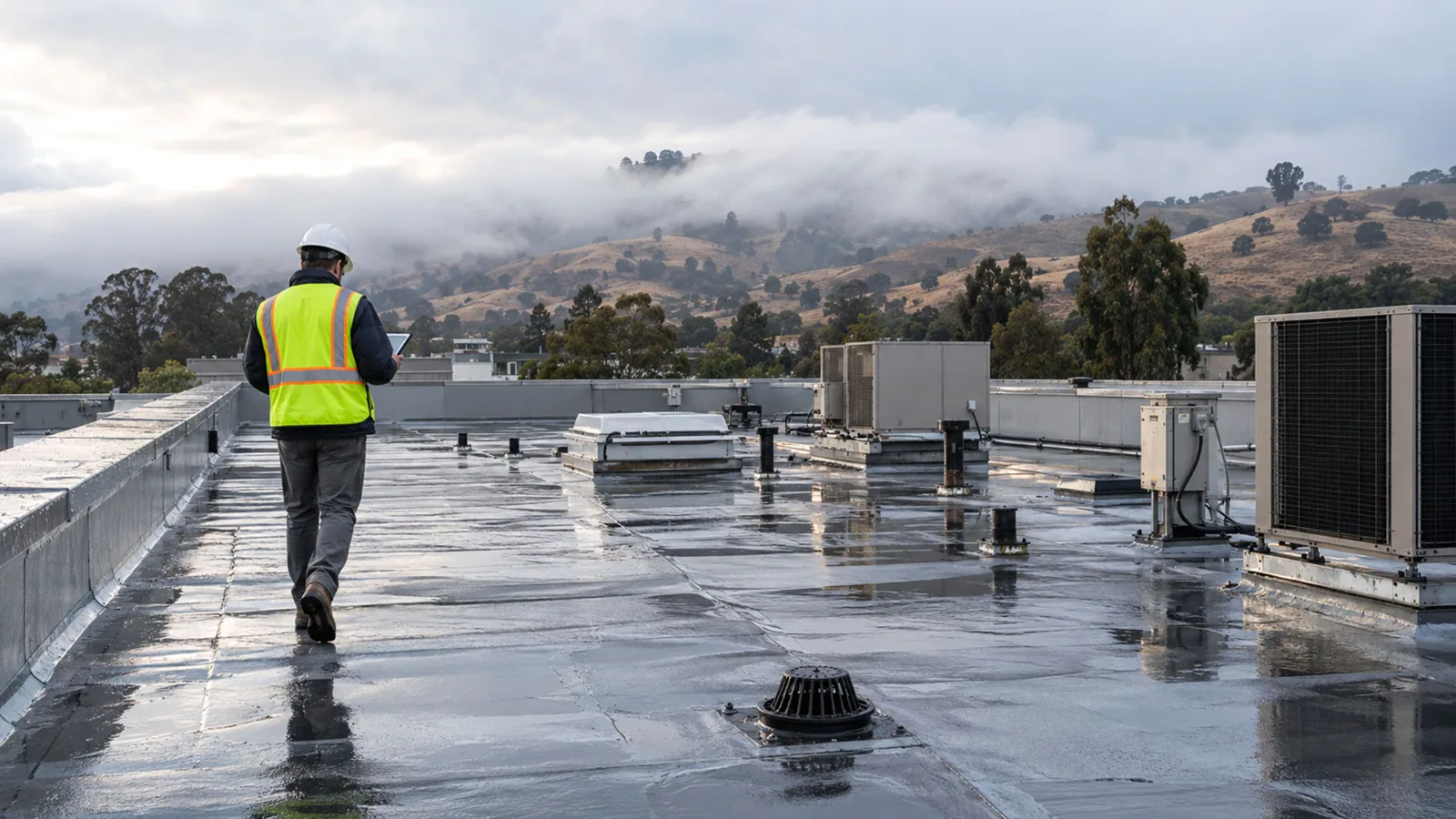
Bring the capital question, prior scopes, roof plans, access restrictions, and known leak zones to the first meeting. We will inspect the roof, explain the work sequence, and state which condition would change the recommendation.
Questions and Answers
How do you decide if a roof belongs in this year's capital plan?
We look at active water entry, wet or deteriorated layers, repair history, drainage, and the consequence of deferral. Then we separate immediate protection from a larger repair or replacement scope and identify what needs verification. The result is a condition-based recommendation, not a calendar age by itself.
Can a recover be compared with full replacement?
Yes, if the options share a clear roof boundary and the existing assembly is inspected. We check layer count, moisture, drainage, attachment, and details before describing a recover. If concealed conditions could change the result, the scope states the opening or test needed before final authorization.
What information should finance receive with the request?
Provide the observed condition, photographs, repair history, proposed scope, exclusions, access assumptions, phasing, and risk of waiting. We also state the next inspection trigger if the owner defers. That gives finance a decision record instead of a number without roof context.
Does a Bridgeport permit step affect the roof schedule?
It can. Bridgeport requires zoning plans for many repairs and alterations, and commercial or industrial plans need building information and a written scope. We can prepare roofing scope details for the owner to confirm the applicable review path before setting mobilization.
How can we keep a facility operating during replacement?
The work plan sets roof zones, daily dry-in, access routes, protection below, and handoffs around the building schedule. A loading dock, occupied floor, or equipment service window can change the sequence. We verify those constraints with the site contact before pricing the phased work.
Related Roofing Work
Bring the Roof Decision to the Walk
Share prior repair scopes, roof plans, known leak zones, access rules, and the budget question that needs an answer. We will document current conditions and give you a written comparison of repair, recover, or replacement steps.