Commercial Roof Due-Diligence Surveys in Bridgeport, CT
Evaluate a Bridgeport, CT commercial roof before acquisition or refinancing with a mapped survey, visible condition notes, repair priorities, and clear limits.
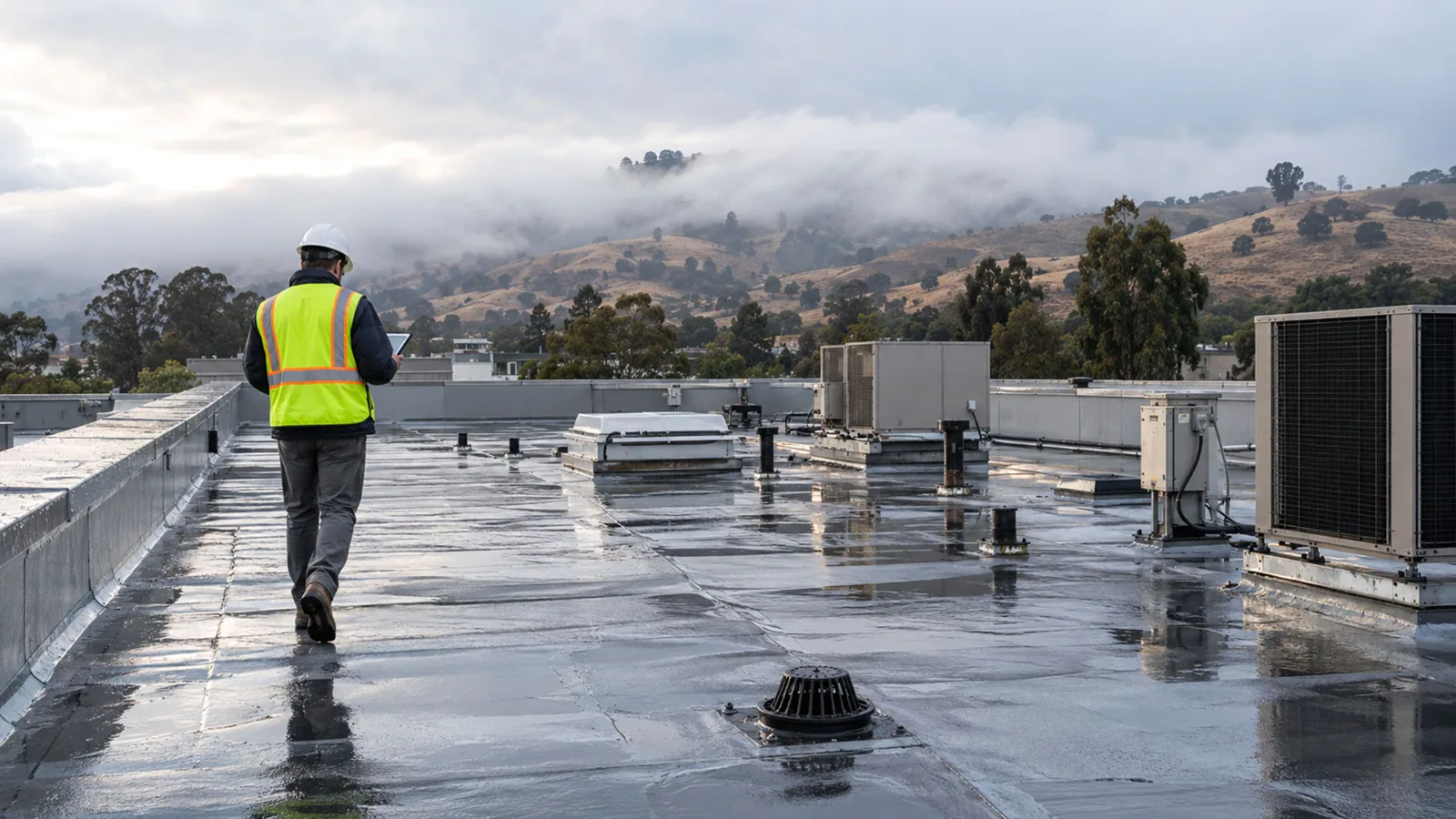
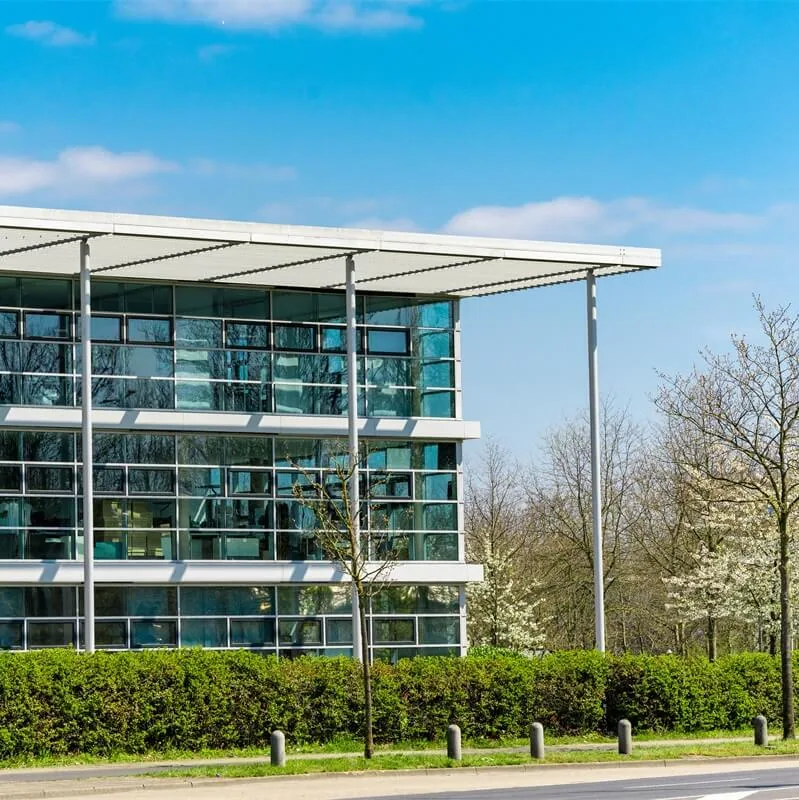
A transaction calendar can make the roof walk feel like a box to check. We use a Bridgeport, CT due-diligence survey to identify the assembly we can verify, the defects that need attention, and the questions that could change the repair budget. The survey follows roof zones, drainage, edges, penetrations, equipment, access, and any records supplied for review. It does not assign a roof life from appearance alone. A written condition report ties photographs and observations to the property so the buyer, lender, and facility contact can discuss the same scope.
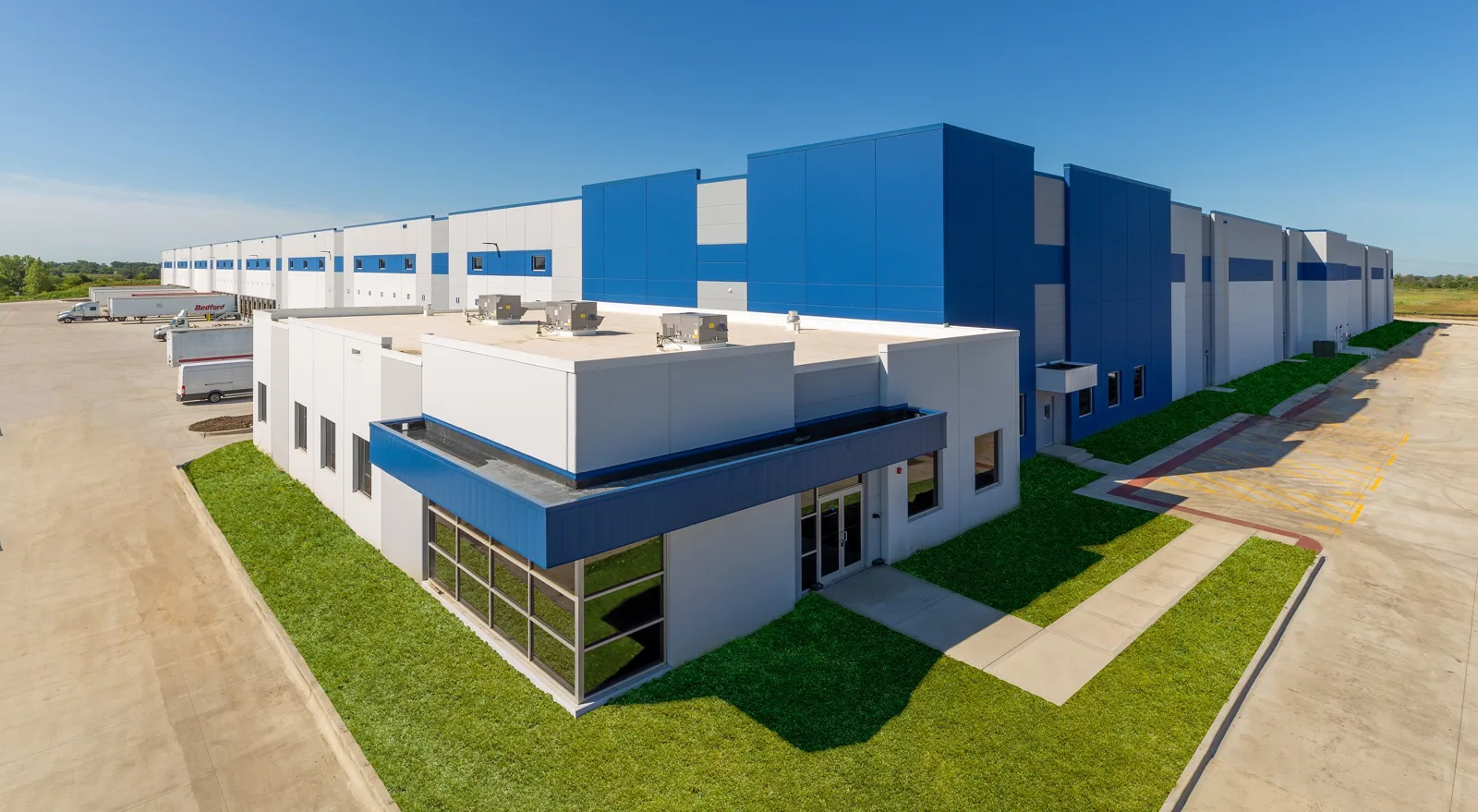
Bridgeport's port supports commercial shipping, ferry service, fishing, and recreational boating. Before a roof walk, we confirm material delivery, staging, and access with the property's contact. A warehouse near a freight route and an occupied office near downtown get building-specific Diligence Notes.
Set the Review Boundary First
Before the visit, we confirm the property list, available roof plans, prior repair records, warranty documents, known leaks, access procedures, and the decision date. We identify whether the review covers one building, connected additions, or separate structures under one ownership. Any roof area not included remains outside the survey. This boundary prevents a buyer from relying on a photograph of one section as a description of an entire portfolio.
State Street and The Smile are among the commercial-industrial corridors named in the West Side/West End plan. They provide broad map context; the survey boundary and roof condition still come from the property walk. We verify access and loading at the property under review. We check the actual site for loading paths, rooftop service equipment, occupied areas, and safe staging. If a transaction includes an office near Clinton Avenue, put its site contact and access instructions on that building's survey sheet. The survey sheet records the roof assembly, loading path, and access confirmed at that address before the repair window is priced. A warehouse roof review may emphasize loading and equipment routes; an office building review may require occupied-floor protection.
We record any information gap before making a recommendation. Missing plans or concealed assemblies can affect the next inspection step. If access must be arranged through a tenant or separate site contact, we identify that point before arrival and note any zone that remains unavailable. The survey then reflects the visit that occurred, not an assumed full-roof inspection.
Inspect the Details That Change Cost
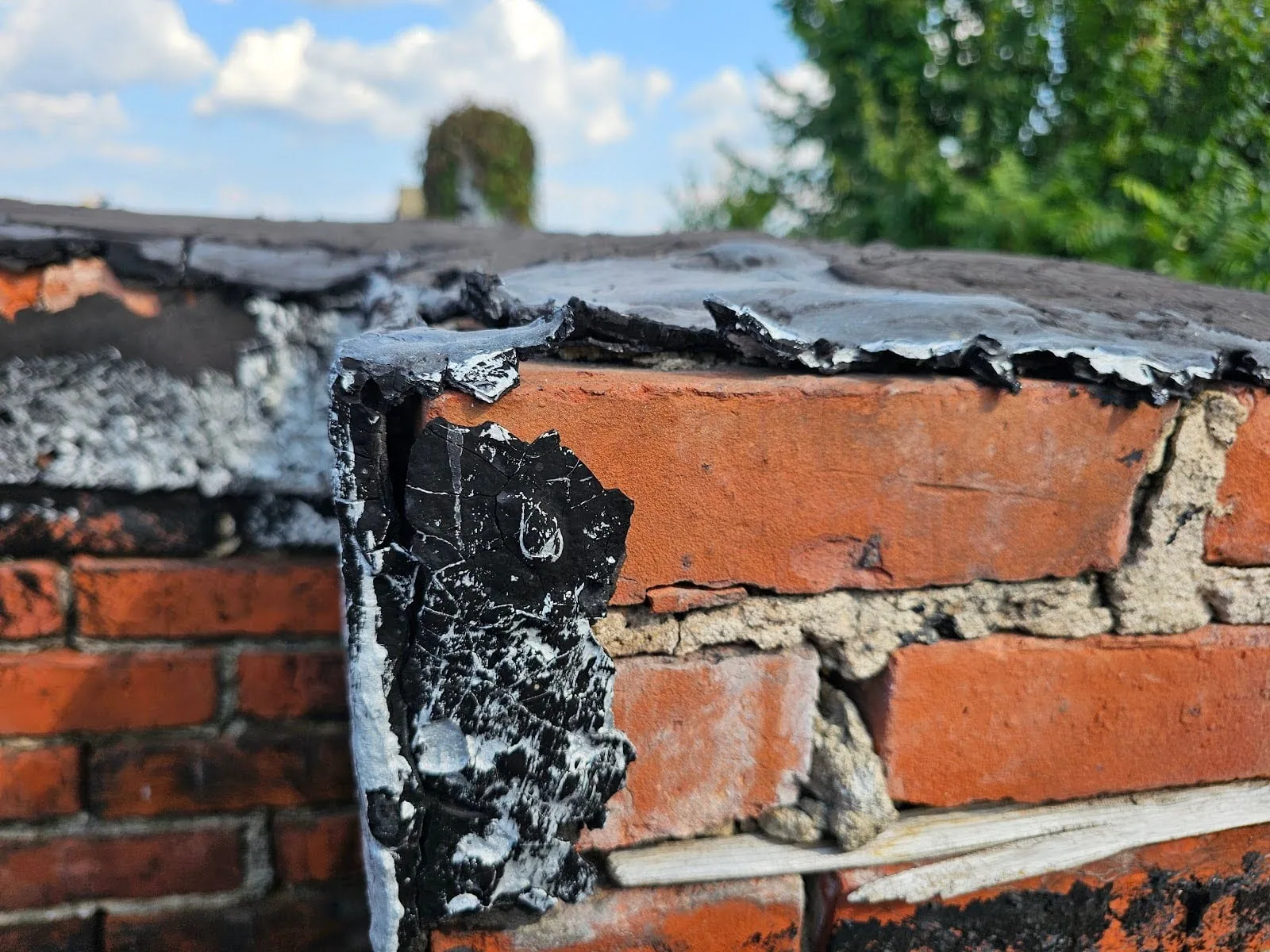
The field review looks for open seams, failed flashing, loose edge metal, restricted drainage, soft or wet areas, patch history, and signs of movement at equipment curbs. We locate each finding on the roof plan or field sketch. Where safe and accessible, we examine transitions and terminations closely. If a condition needs an opening, moisture test, or specialist review, the survey describes why and what the additional work would resolve.
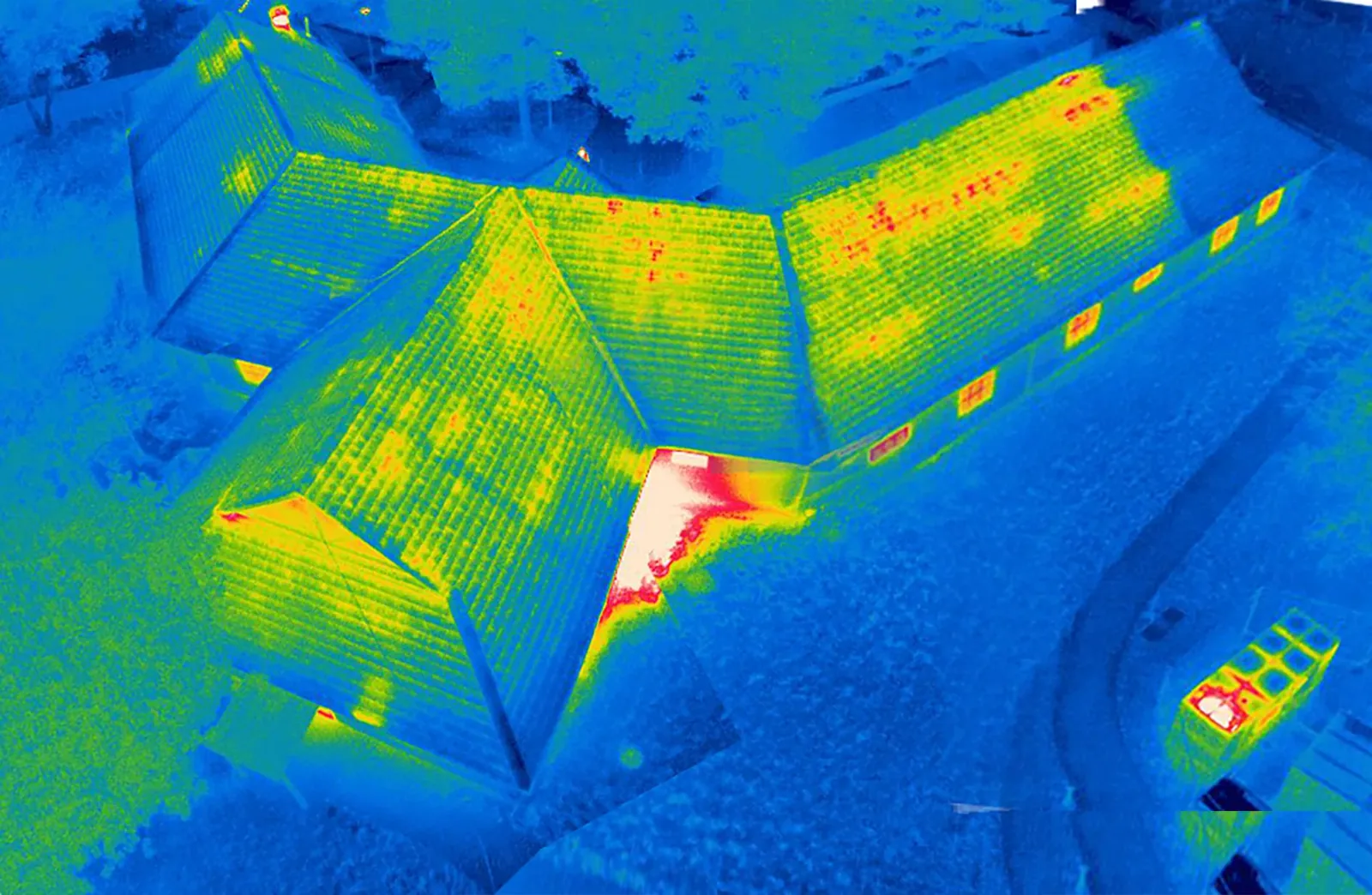
At the Bridgeport Sikorsky Memorial Airport station, the annual normal is 53.4°F; January's mean is 31.4°F. We set the inspection window from the current forecast and the roof surface conditions. Those seasonal readings help a facility director consider a winter access window; the survey records ponding, drain condition, and water paths observed at the property. An infrared moisture survey may help map areas for confirmation when the assembly and surface conditions suit the method. A flashing review can isolate a transition issue from a broader membrane concern.
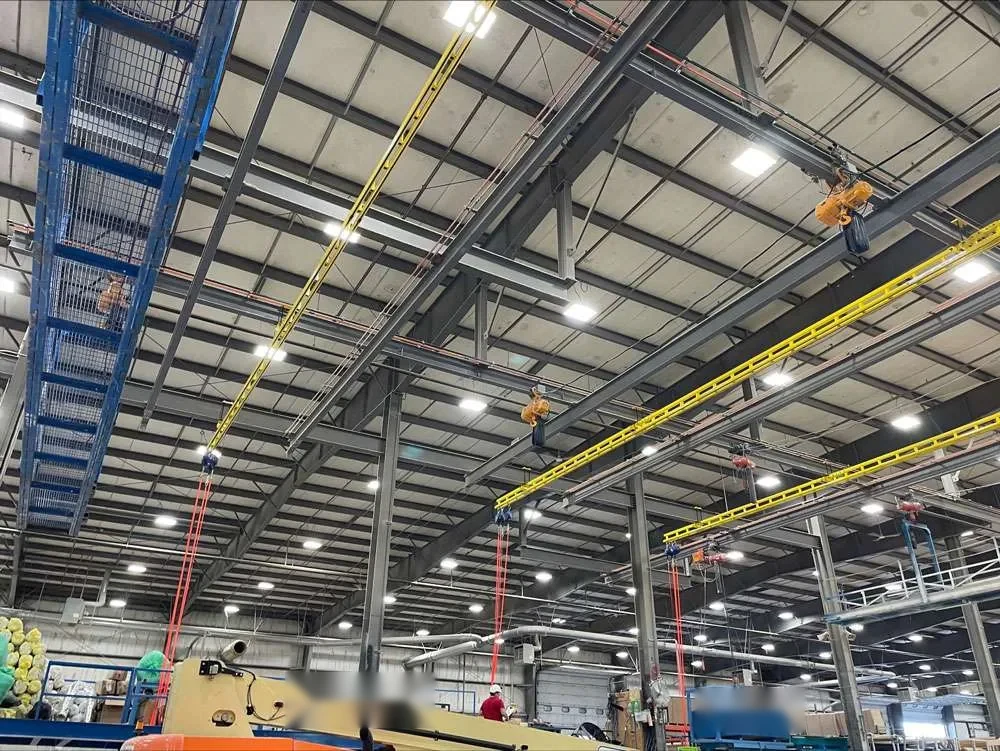
We also note access constraints that affect price and schedule: lift placement, roof hatch location, loading hours, pedestrian routes, and whether equipment must remain available during the visit or repair.
Translate Findings into Buyer Actions
The report separates immediate protection, repairable defects, maintenance, and possible capital work. Each item states the observed condition, evidence, proposed next step, and an allowance question only when the assembly remains concealed. We do not turn an unknown into a worst-case replacement recommendation. If widespread moisture or repeated failures could change the outcome, we identify the test needed to refine the scope before closing or refinancing.
For Connecticut projects, the 2022 State Building Code governs permit applications submitted beginning October 1, 2022. For many repairs and alterations, zoning plans require building information and a written scope. The owner can confirm the permit path and transaction timing with the appropriate professionals. We provide roofing details and distinguish repair planning from regulatory approval.
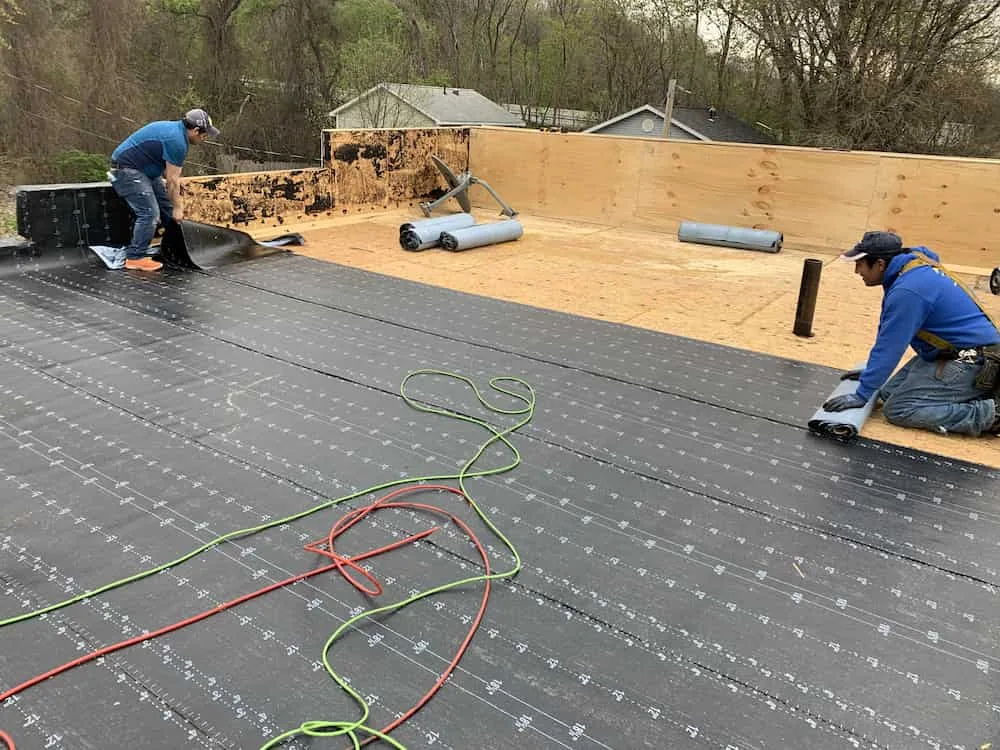
A capital planning summary can compare repair, recover, and replacement when the survey identifies a broader investment. If the building remains in operation, an occupied-building sequence can identify work windows and dry-in boundaries. The buyer receives observed limits and scope assumptions, with no claim about future performance.
For comparison, we can put immediate repairs, follow-up testing, and long-range work in separate rows. Each row identifies the roof zone and what evidence supports the action. The buyer can then distinguish work that should be priced before closing from work that belongs in a post-purchase maintenance plan. If a roof is one of several assets, we keep the individual finding distinct from the portfolio summary.
Leave a Record for the Next Owner
A complete handoff includes the property boundary, roof-zone map, labeled photographs, observed conditions, access limitations, documents reviewed, and recommended next steps. If a leak is active, we separate temporary protection from permanent repair. If the roof could not be fully reached, that limitation appears beside the affected zone. A later owner can then tell which areas were inspected and what remained unresolved.
A survey of a building near The Smile or Fairfield Avenue should place loading and access notes against that specific address before a repair window is priced. The building's own contact, roof plan, and tenant operations control the sequence. For a survey in Bridgeport, we confirm the roof entry, included areas, and follow-up with the site contact. For a portfolio acquisition spanning Stratford and Fairfield, a multi-site review can use a common format while keeping individual roof findings separate.
Bring the transaction deadline, buyer questions, operating schedule, prior claims or repairs, and access rules. We will record the roof conditions and provide a written list of items that affect the decision.
Questions and Answers
Can a roof survey state how many years remain?
A visual review cannot set a reliable life without confirming the assembly, maintenance, and concealed condition. We describe what is visible, the repair history supplied, and the findings that could shorten or extend the next decision. If additional testing is needed, the survey states the question and boundary before that work is authorized.
What should a buyer send before the inspection?
Send roof plans, prior scopes, leak history, warranty documents, building access rules, and the transaction decision date. We confirm which structures and zones are included and list any records that remain unavailable. That keeps the field visit aligned with the buyer's actual review boundary.
Will the survey identify the full repair cost?
It can define visible repair scopes and the information needed to price them. If removal is required to see the deck or insulation, the report marks the allowance or opening that would refine the number. The final budget depends on the confirmed assembly and approved work limits.
How do port and industrial operations affect the roof review?
The operation affects access, staging, loading, and the safe work window, not the roof diagnosis by itself. We confirm those constraints with the site contact and record them with the relevant roof zone. Cargo and ferry activity at the Port of Bridgeport makes the property's delivery timing and staging plan worth confirming with its site contact.
Can an owner use the report after a purchase?
Yes. The map, photographs, repair priorities, and open questions provide a starting record for maintenance and capital planning. We can revisit unresolved areas, update the roof condition after repairs, and set a next inspection trigger without carrying forward a condition that has already changed.
Related Roofing Work
Set the Survey Scope Before the Deadline
Share the transaction date, roof plans, known leak locations, repair history, warranty records, and site access procedures. We will confirm the covered buildings, inspect the roof, and deliver a mapped list of findings and next actions.