
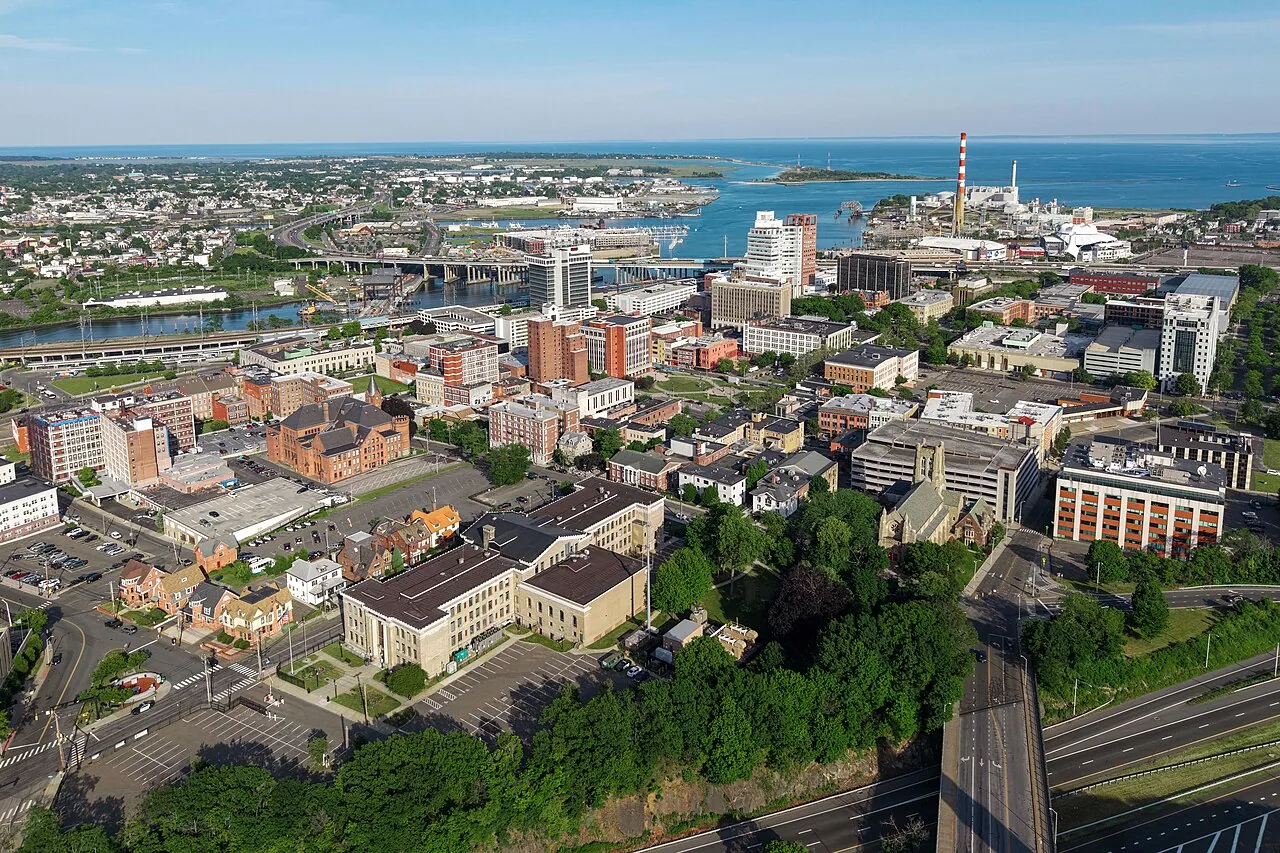
Commercial Roofing in Trumbull, CT
Commercial roofing in Trumbull, CT begins with drainage, roof access, and the scope boundary. We inspect the assembly and document practical next steps.
A reported leak below a Trumbull roof calls for a controlled visit that does not interrupt essential building operations. We confirm the roof entry, occupied rooms, and service routes, then inspect the membrane and transitions around the reported location. The walk follows a sequence: locate the interior effect, trace the path uphill, and mark the repair limit only after the surrounding assembly is understood.
Trumbull spans 23.2 square miles, with its town center about 5.1 miles from Bridgeport's center. That short distance makes a shared regional calendar practical, while each building receives its own access review and roof record. We work from the roof plan and site conditions for the address. A moisture survey can help identify areas that merit a closer test when visible signs are incomplete.
Mark the roof zone before testing
A wet ceiling tile is a useful location marker, not the repair boundary. We inspect above and upslope, checking membrane seams, penetrations, curbs, wall transitions, edges, and drains. Each finding is placed on a roof-zone sketch and paired with a photograph. If the path cannot be confirmed from the surface, we state what remains uncertain and identify the next check instead of assigning a cause based on the interior stain alone.
At the roof perimeter, runoff, flashing, and attachment meet. We check metal laps, membrane termination, and the path water follows toward the drain. The Diligence Notes identifies a loose edge separately from a blocked bowl or failed seam. Each detail gets its own repair limit and photograph, so the facility contact can locate it without treating every nearby condition as the same defect.
Moisture below a roof surface changes the repair decision. A patch over a damp substrate may not bond as intended, while a coating can trap a problem that needs removal. We check surface stability, prior repairs, attachment, and nearby seams. When visual inspection cannot answer whether insulation is wet, a controlled opening or other test may be appropriate. The owner approves its location and size; the result is recorded before the work limit grows.
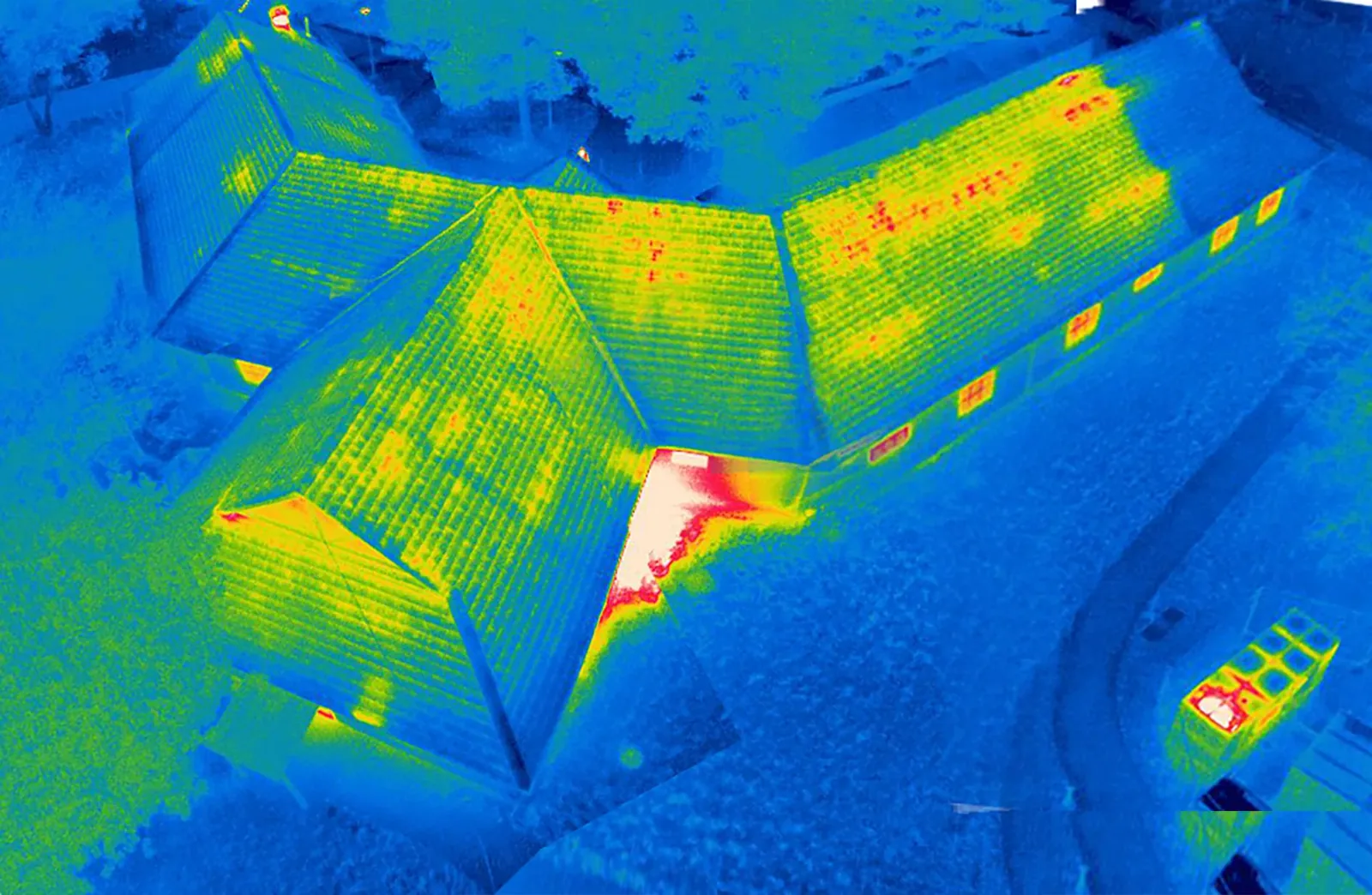
Infrared readings can help prioritize suspect zones, but the map is interpreted alongside roof construction and field observations. We confirm suspicious readings with a suitable follow-up rather than treating color differences as proof of a leak. If ponding or a slow drain is also present, the elevation, overflow path, and roof condition need separate notes. A ponding water repair addresses the drainage condition as well as any membrane distress found around it.
Stage around the building's working hours
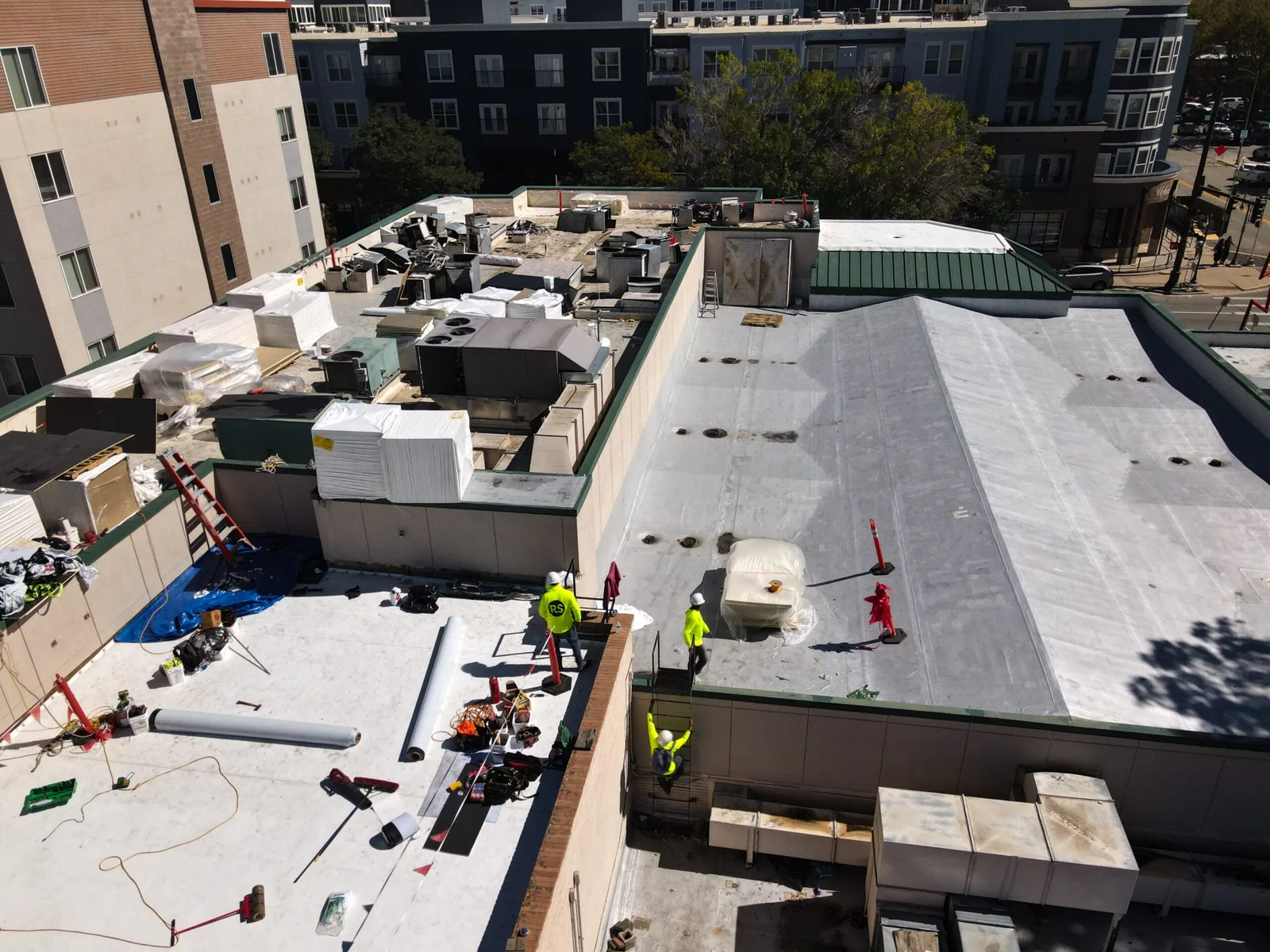
Roof access is agreed with the person who controls keys, alarms, tenant notices, and equipment shutdowns. We map the route from the delivery point to the roof and choose a staging zone that leaves the required lane open. If a lift is part of the plan, we confirm setup clearance and surface protection before a truck arrives. The work window follows those commitments, not a standard duration copied from a different address.
Trumbull and Bridgeport are part of Connecticut's Coastal Corridor transportation area, which spans roads, bridges, waterways, ports, and airports. The practical roofing question is still site specific: where materials can be unloaded, how debris will be removed, and which rooms need protection. We mark those decisions before opening the assembly. For a second building near Fairfield or Bridgeport, access and dry-in are reviewed again with that property's contact.
On an occupied building, the crew keeps the exposed roof area within a boundary that can be protected before work pauses. Temporary dry-in, permanent repair, and follow-up testing are recorded as distinct steps. If an unexpected deck or insulation condition appears, the facility contact receives the location and options before additional removal proceeds. This leaves operations with a clear view of what is open, what is secure, and what decision is pending.
Choose between repair and a wider scope
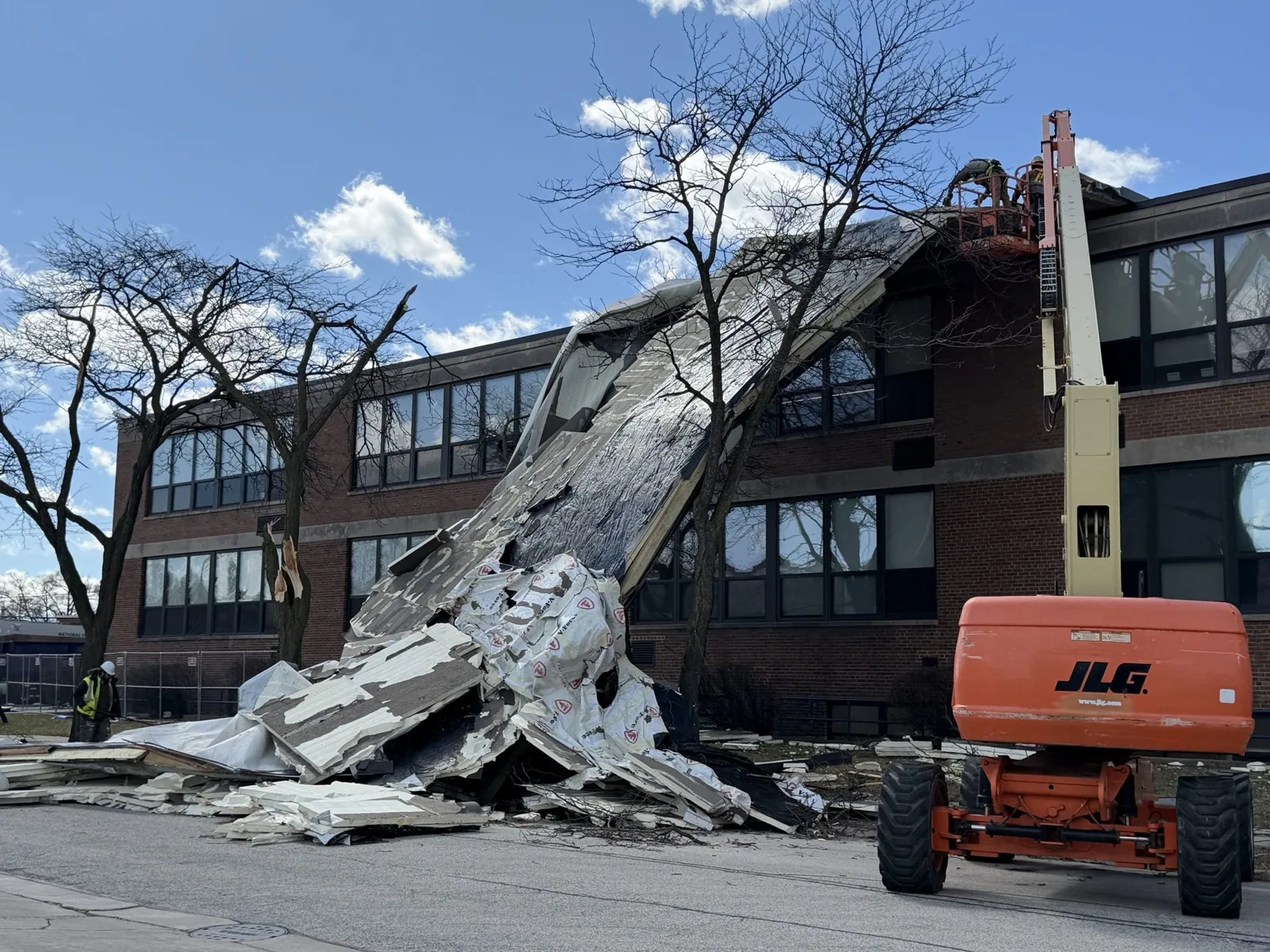
A single failed detail may call for a focused correction when adjacent membrane, insulation, attachment, and deck remain sound. Multiple leaks or moisture across several zones can justify more investigation or planned replacement. We separate confirmed defects from areas that have not been tested. Then we compare the repair boundary with a phased scope, so the owner can compare the treatment and limit of each option.
Cost and timing follow the amount of removal, substrate work, insulation, deck repair, edge metal, access equipment, material delivery, and disposal. The dry-in area per shift also affects the sequence. A recover may avoid some removal only when the existing assembly is suitable and the surface is sound. A roof recover assessment checks those conditions; a replacement plan defines how layers, tie-ins, and protection will be handled if removal is required.
Before materials are ordered, the scope should settle which roof zones are included, how the substrate will be prepared, and where the new work will tie into existing material. We record exclusions beside the repair limits. A roof condition report preserves the difference between a confirmed defect and an area that still needs testing.
Set a follow-up trigger the team can use
A useful closeout connects the repair to a marked roof zone. We list the condition observed, preparation completed, materials installed, tie-in checked, and photographs taken. Any temporary protection or untested neighboring area is identified separately. If later work depends on a test result or a weather recheck, the record names that trigger so the next facility contact can make a decision without reopening the entire investigation.
Trumbull and Bridgeport share the Coastal Corridor transportation area. At each property, we confirm the membrane, roof details, drainage, and access during the walk, then document the zones observed. For planned multi-site oversight, a property management roof program can keep follow-up items linked to each building rather than blending them into one site note.
Before the visit, share the roof plan, leak locations, past repair records, operating hours, and access contact. We will identify the route, inspect the affected area, and put the next work decision in writing. A maintenance inspection can revisit the drainage and tie-ins after completed work. The schedule should reflect the building's actual condition and operating limits.
Questions and Answers
What should the Trumbull facility contact confirm before a crew arrives?
Confirm roof access, alarms, operating hours, and who can approve a test opening. Send the roof plan and affected-room location. We use that handoff to protect the interior and select the first zones to inspect.
Can an infrared scan show exactly where a roof leak starts?
An infrared map can point to zones that need closer review, but it does not replace roof construction knowledge or field confirmation. We compare readings with visible conditions and use an appropriate follow-up test. The report labels findings and unresolved questions separately.
How do you keep a repair secure at the end of a workday?
We set a dry-in limit and prepare protection before removal. The field lead checks the exposed edge and tells the facility contact which zone is secure. If damaged material continues, we review its location and added scope before extending the opening.
When does ponding need more than a drain cleaning?
A blocked strainer may be a maintenance item, while persistent water can involve slope, overflow, or a distressed roof surface. We inspect each part of the path and record what is contributing. The repair scope should correct the observed cause, not cover the water line alone.
What belongs in the written follow-up after roof work?
The record locates the work, lists observed conditions, materials, preparation, and photos, and identifies temporary protection or untested areas. It also names the condition that should trigger another inspection.
Related Roofing Work

Arrange a Trumbull roof assessment
Send the roof plan, leak locations, access rules, and repair history. We will trace the affected zones, agree on a controlled work window, and record the repair boundary and follow-up trigger.