
Commercial Roof Maintenance in Bridgeport, CT
Set a roof maintenance schedule for drainage, seams, flashings, rooftop equipment, and repair records at commercial properties in Bridgeport, Connecticut.
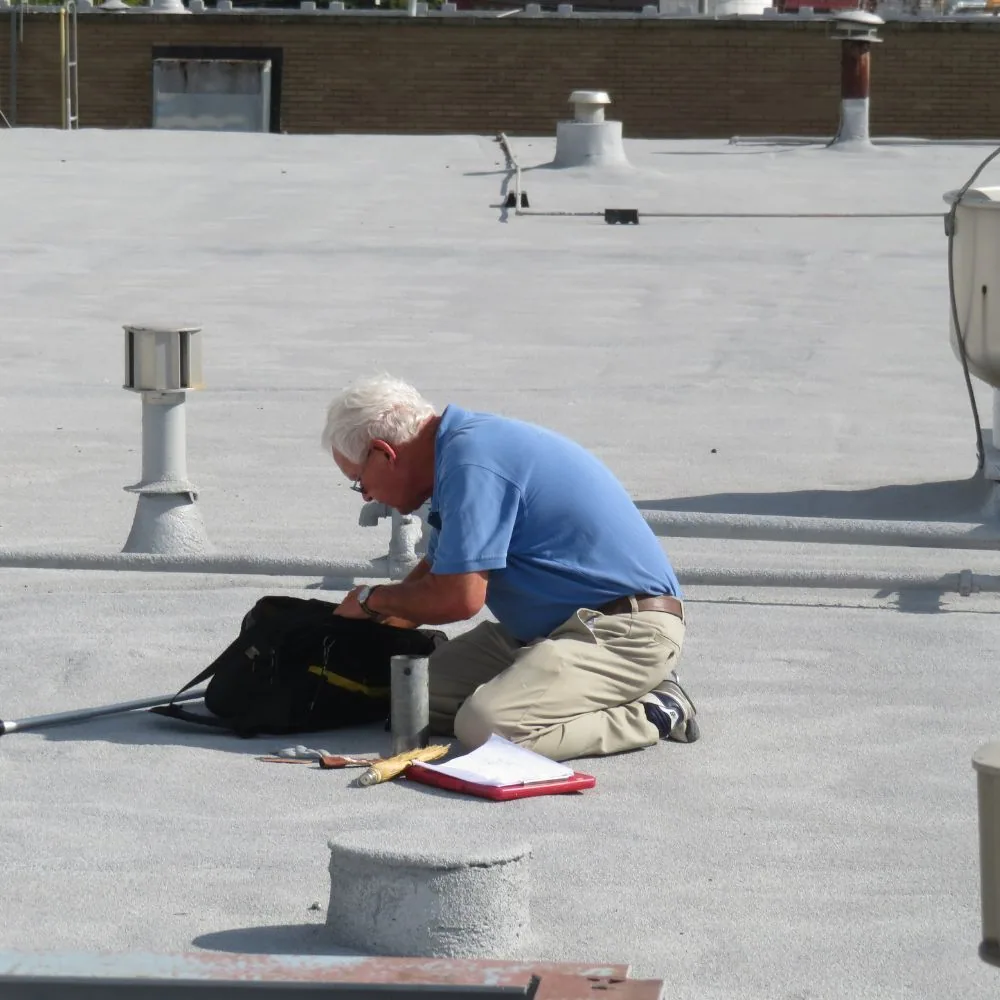
A roof maintenance visit is most useful when it leaves the facility team with a defined repair list and a next inspection trigger. We check the drainage route, seams, flashings, penetrations, rooftop equipment details, and areas with a repair history. Each observation is tied to a roof zone so a manager can schedule work without guessing which part of the building needs attention. We plan the visit around production, occupancy, deliveries, and roof access.
Bridgeport facilities range from industrial and port-adjacent properties to offices and mixed-use buildings. A maintenance walk should reflect the building below: loading paths, occupied floors, sensitive equipment, and roof-entry rules all affect the sequence. We confirm those constraints before arriving, then separate conditions that need immediate attention from items that can be monitored. The written handoff helps ownership see what was cleared, what remains, and what should bring the crew back.
Build the Visit Around Roof Use
Start with the roof plan, known leak locations, past repair notes, and any upcoming equipment or construction work. We set a route through the accessible roof sections, mark restricted areas, and agree on where tools or debris can be staged. If a tenant or production area sits directly below a repair, the facility contact can arrange an access window before work begins. That keeps the inspection focused and avoids leaving an area open while the building is in use.
A recurring schedule should follow observed condition and operating exposure rather than a calendar alone. A section with repeated water entry may deserve a closer check after the next wetting cycle. A stable area can remain on a routine route with photo comparison. The commercial roof inspection can establish a baseline when a property team does not have reliable records. For a multi-building property, the roof asset program can preserve locations, priorities, and repair history in one working record.
Keep Water Moving to the Outlet
Drainage checks begin at the roof surface and follow water toward the outlet. We look for debris at drains and scuppers, wear around the bowl, blocked overflow routes, low areas, and changes in runoff after earlier repairs. A clear opening at the drain does not prove the full route is clear, so we note what can be seen and what needs further access. If ponding remains after runoff should have ended, the location and apparent depth matter more than a general note that water was present.
Bridgeport's long-term weather profile places yearly snowfall at 33.6 inches and precipitation at 44.09 inches at the Sikorsky airport station. That context makes a reliable drainage route worth checking through wet and winter conditions, but it does not identify a defect at an individual roof. Our drain and scupper work can address a blocked or poorly detailed outlet when the inspection supports that scope. After snow or debris clears, the site contact should record any renewed ponding or interior moisture so the next visit can compare the same roof zone.
Inspect Seams, Edges, and Penetrations
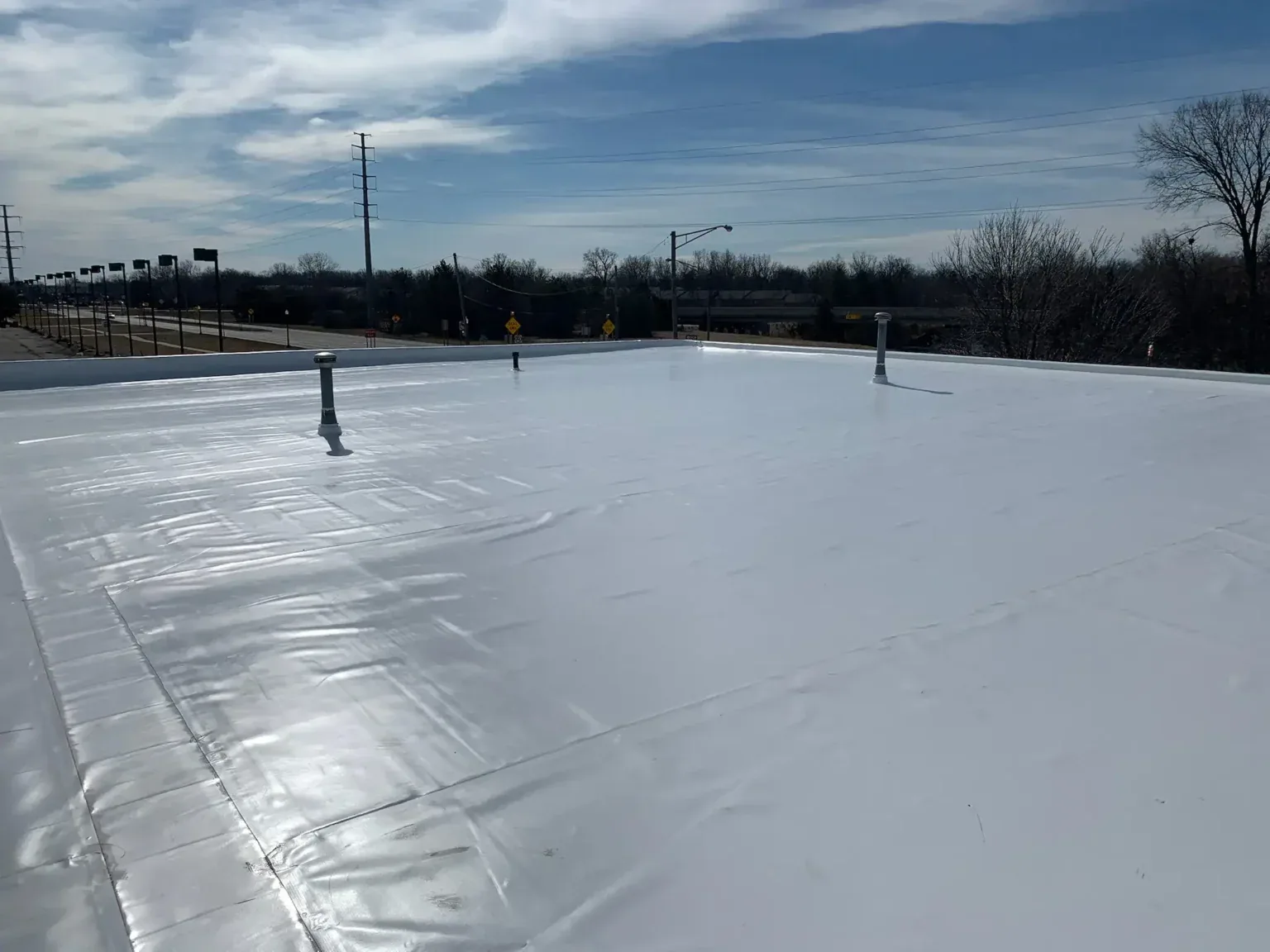
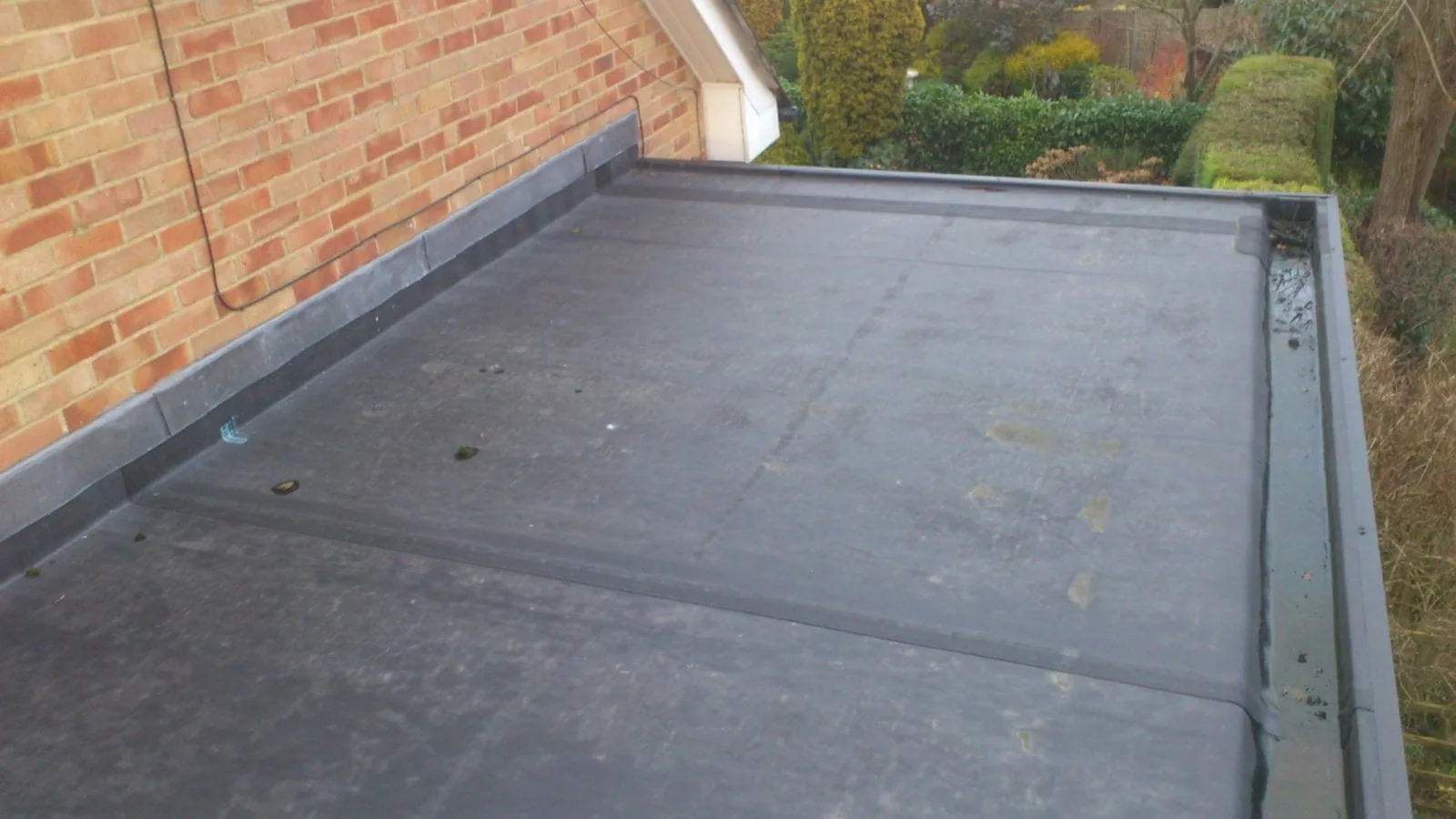
Small details can change how water reaches a larger roof section. We look for open laps, loose fasteners, failed sealant, damaged penetration boots, curb transitions, coping joints, and metal edges that have shifted. A marked photo should identify the specific defect and whether the surrounding material appears sound. We do not treat a surface stain as proof that every nearby detail needs replacement; the repair boundary follows the visible condition and any confirmed water path.
When a seam or transition needs work, the roof repair scope identifies preparation, compatible material, and the area to revisit. For movement at a roof edge, edge metal and coping review can address the perimeter separately from the membrane field. If a leak has returned after a patch, the leak tracing visit can compare the original repair location with the current interior mark. Those records help keep routine maintenance from becoming a list of repeated observations with no action.
Use Seasonal Checks to Set Timing
Cold periods and thaw can change which roof details deserve attention. We review drain paths, scuppers, exposed flashings, and repairs that need a dry surface for proper preparation. The schedule should leave room for a follow-up after a leak or unusual condition. If the roof cannot be reached safely because of ice or weather, the record identifies the uninspected area and a better return window instead of implying that the whole roof was cleared.
For many Bridgeport building repairs and alterations, commercial or industrial zoning plans include building information and a written scope of work. A maintenance record with a precise location, photographs, and recommended task can help the facility team define that scope. It does not decide whether a permit is needed. We note the repair boundary and the information that should be confirmed before the work is scheduled, especially where the project could affect an occupied floor or a service route.
Keep Maintenance Tied to Operations
Maintenance should protect the building without creating a separate disruption. We coordinate roof access, staging, tenant notices, loading activity, and any process area that cannot stop. On a port-side property, material movement may need to fit a delivery window. In a downtown office, roof entry and interior checks may be scheduled around occupied floors. At a facility in Stratford or Fairfield, the same inspection sequence still starts with the property contact’s access instructions and the roof zones included in the agreement.
The closeout shows what the crew saw, what was corrected during the visit, and what remains open. Photos should be labeled by roof area and date so a later inspection can compare the same detail. If a repair is deferred, the reason and next trigger belong in the record. A condition report can organize findings across several roof sections and give ownership a consistent way to review urgent items, maintenance work, and planned capital decisions.
Separate Routine Work From Capital Work
A maintenance visit may uncover a repair need, but it should not turn every worn area into a replacement recommendation. We identify the localized defect, the materials around it, and any evidence of broader moisture or repeated failure. If only one penetration needs attention, the task can remain narrow. If several roof zones show related deterioration, a condition map or additional testing may be a better next step before ownership selects a larger project.
For a Bridgeport facility, share the building plan, past repair records, current leak locations, and access restrictions before the scheduled visit. We will return a prioritized task list with the work window and the next inspection trigger. If a larger scope becomes necessary, the replacement evaluation can build on the maintenance record, while a coating review may be useful only when the existing assembly and surface conditions support it. The record separates observations from items needing verification.
Questions and Answers
What should a maintenance visit leave with the facility team?
A useful handoff names the roof zones checked, observations with photos, work completed, deferred tasks, and the next inspection trigger. It should separate active defects from items to monitor so a manager can assign work without interpreting an unlabeled photo set.
Can routine maintenance stop every roof leak?
It can identify and correct some developing conditions before they lead to water entry, but no maintenance plan can promise that a roof will never leak. The value is in finding visible changes, documenting repairs, and responding to a renewed condition with a known history.
How should we handle a repair found during the walk?
We record the location, material, access needs, and whether a same-visit correction is appropriate. If the surface or weather prevents proper preparation, the note states the temporary protection and return condition. The facility lead can then approve a scoped task rather than an undefined repair.
Can maintenance be coordinated around production or tenants?
Yes. Give us the roof access rules, occupied areas, loading schedules, and any process that cannot stop. We sequence the walk and repair windows around those constraints, then tell the contact which areas were reached and what remains for a follow-up.
What records help plan the first visit?
Share roof plans, previous inspection notes, leak locations, repair invoices, and upcoming equipment work. A floor or roof plan with the affected bay marked helps us tie interior symptoms to roof zones. Access instructions and a site contact keep the visit focused.
Related Roofing Work
Set a Useful Roof Maintenance Route
Send the roof plan, recent leak history, access rules, and building schedule. We will define the inspection route and return a task list with the repair boundary and next check.