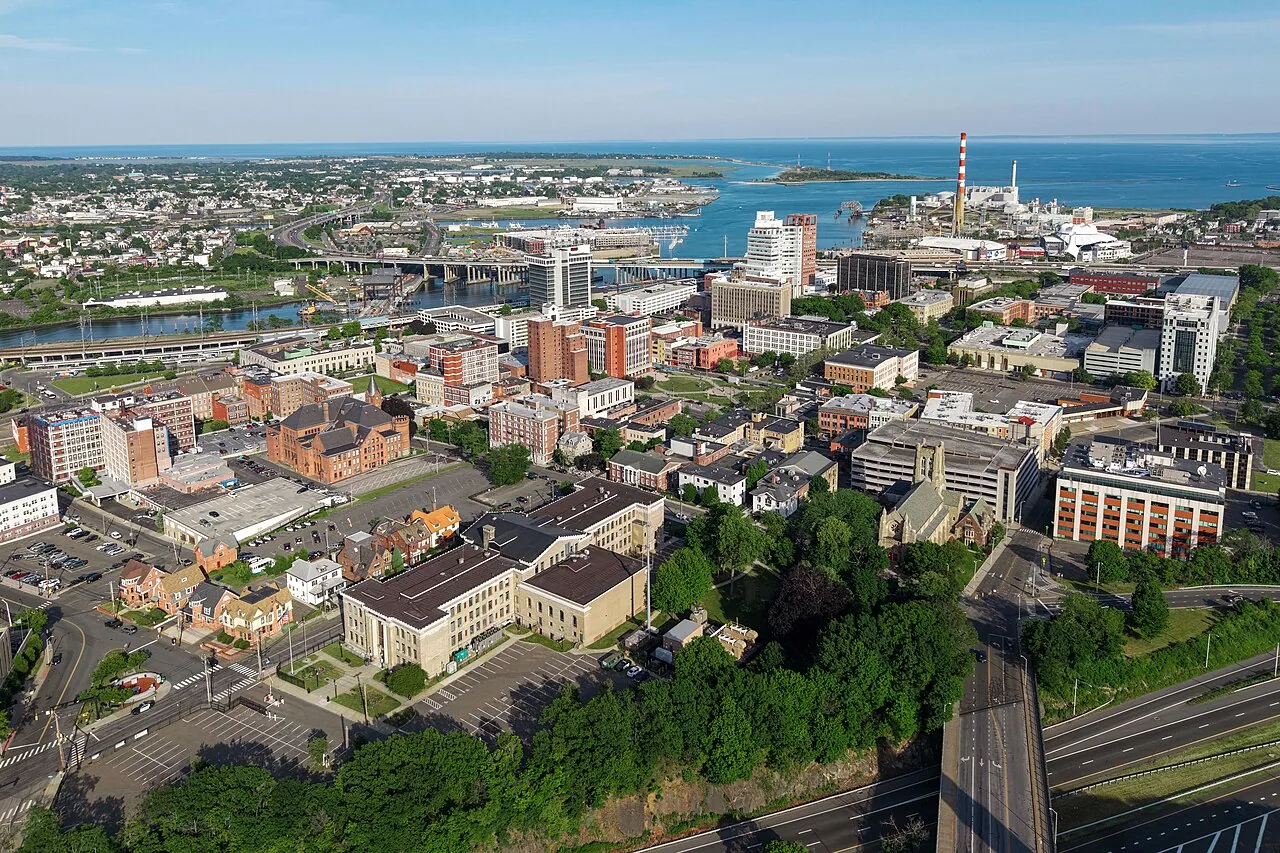
Roofing Capabilities in Bridgeport, CT
A facility director needs each roof finding tied to a location and a next decision, not a stack of unmarked observations. Commercial Roofing Bridgeport inspects roof areas, records conditions with photographs, and connects repair, maintenance, or replacement choices to access and building operations. For commercial and industrial repairs, clear building information and a written scope help coordinate the roof work before the project window is set.
Roofing Capabilities
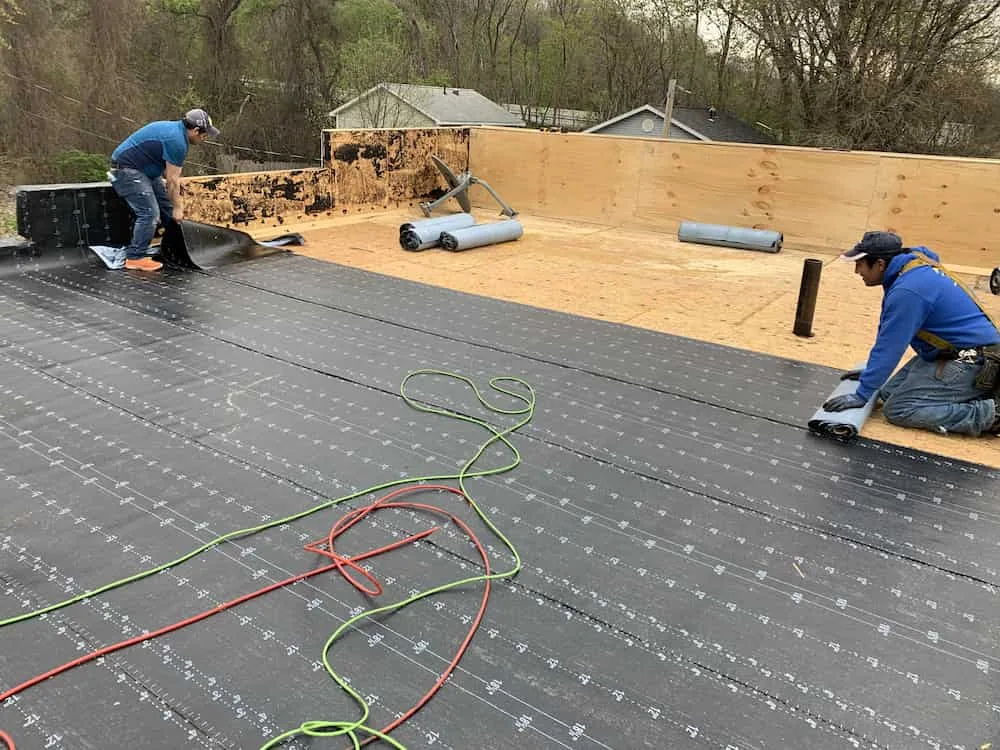
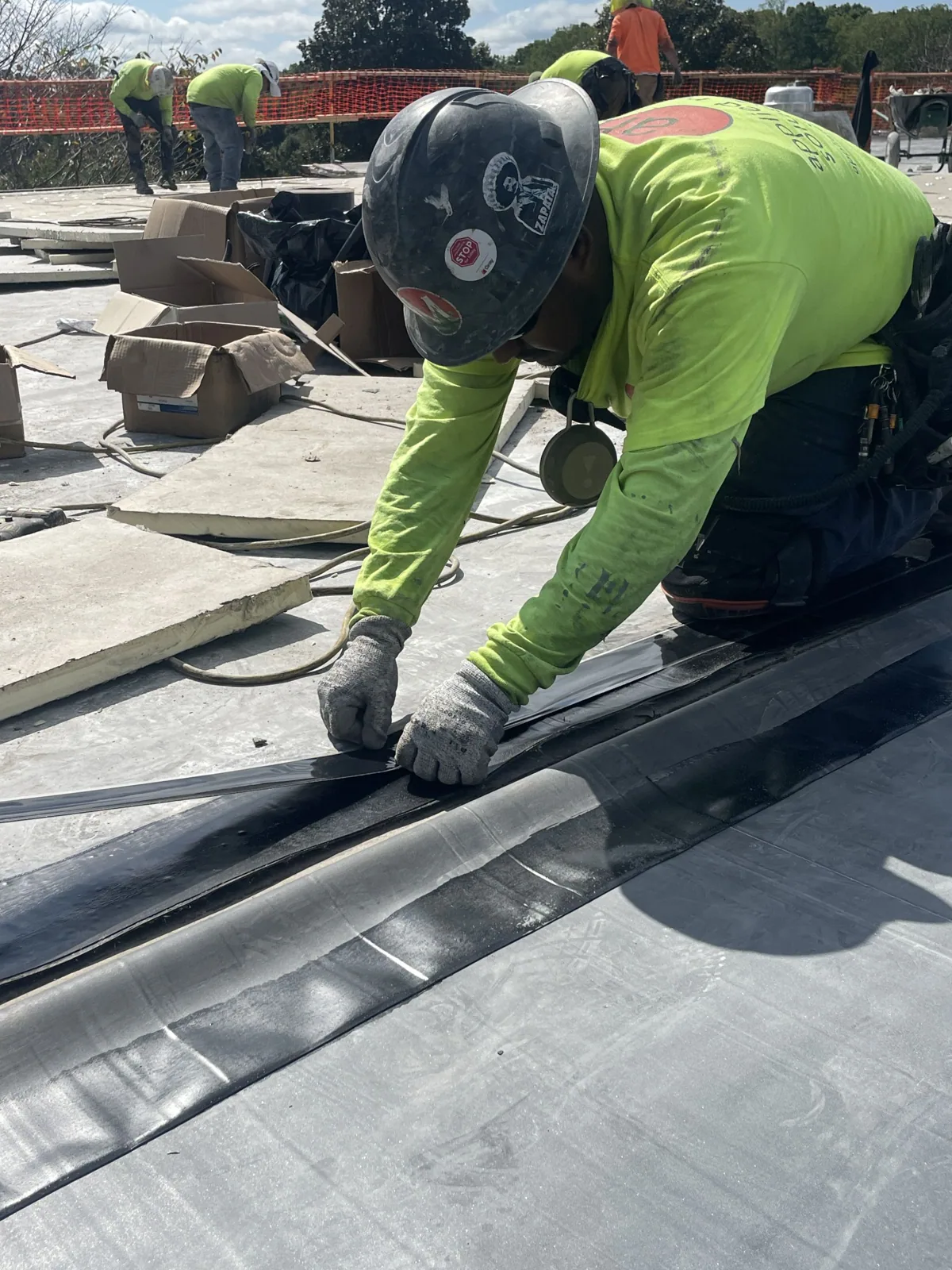
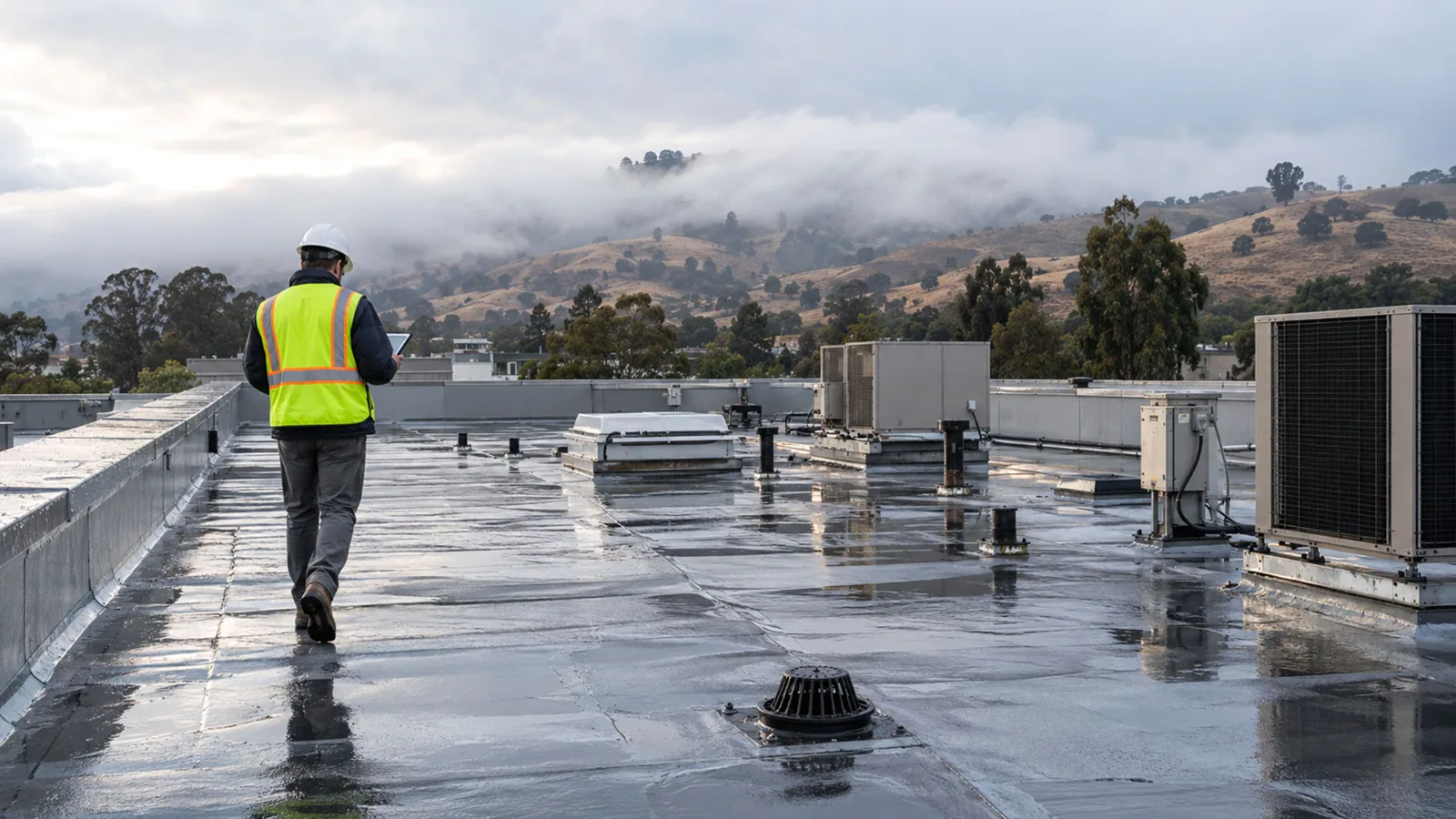
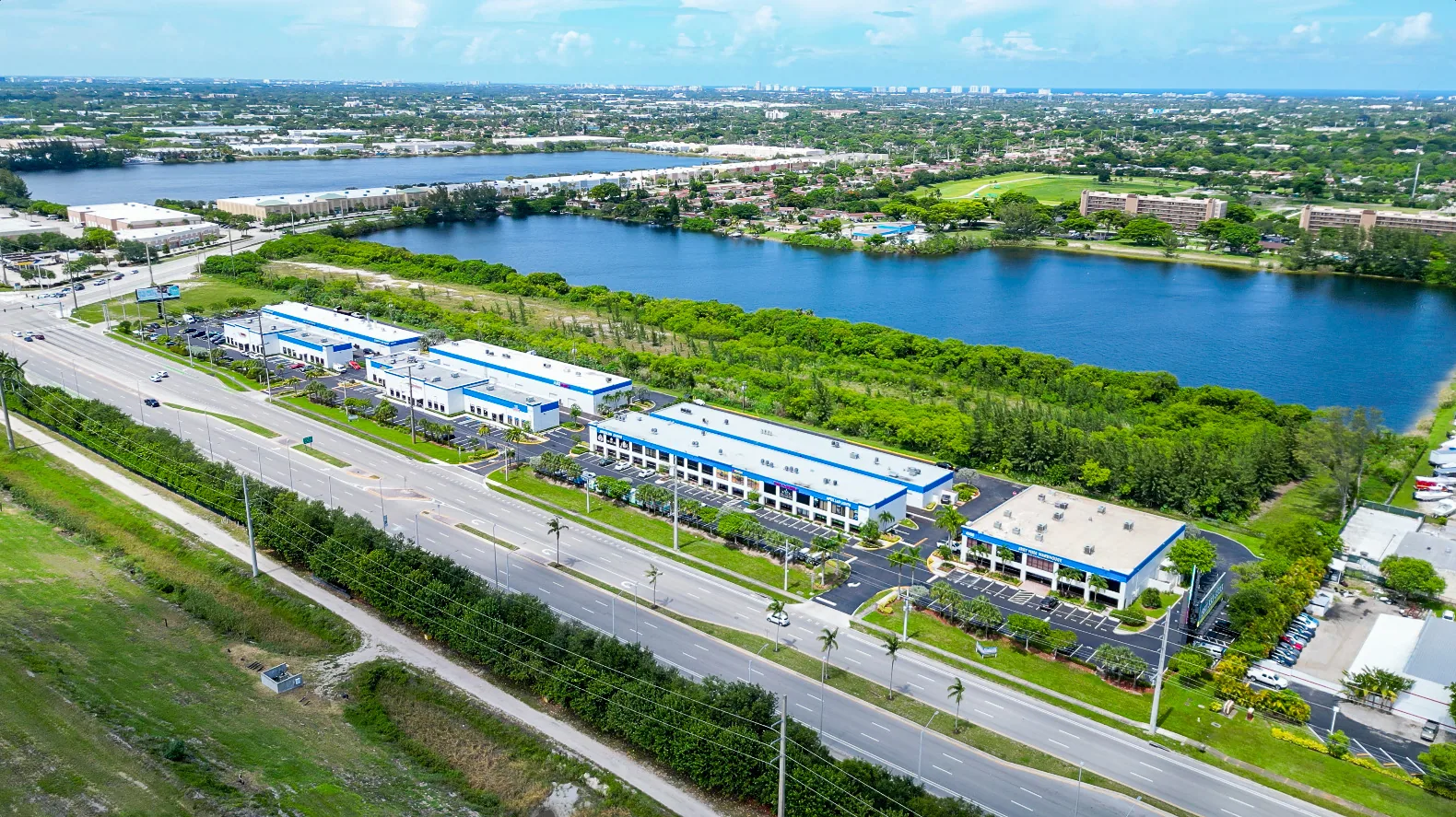
Connect findings to roof zones
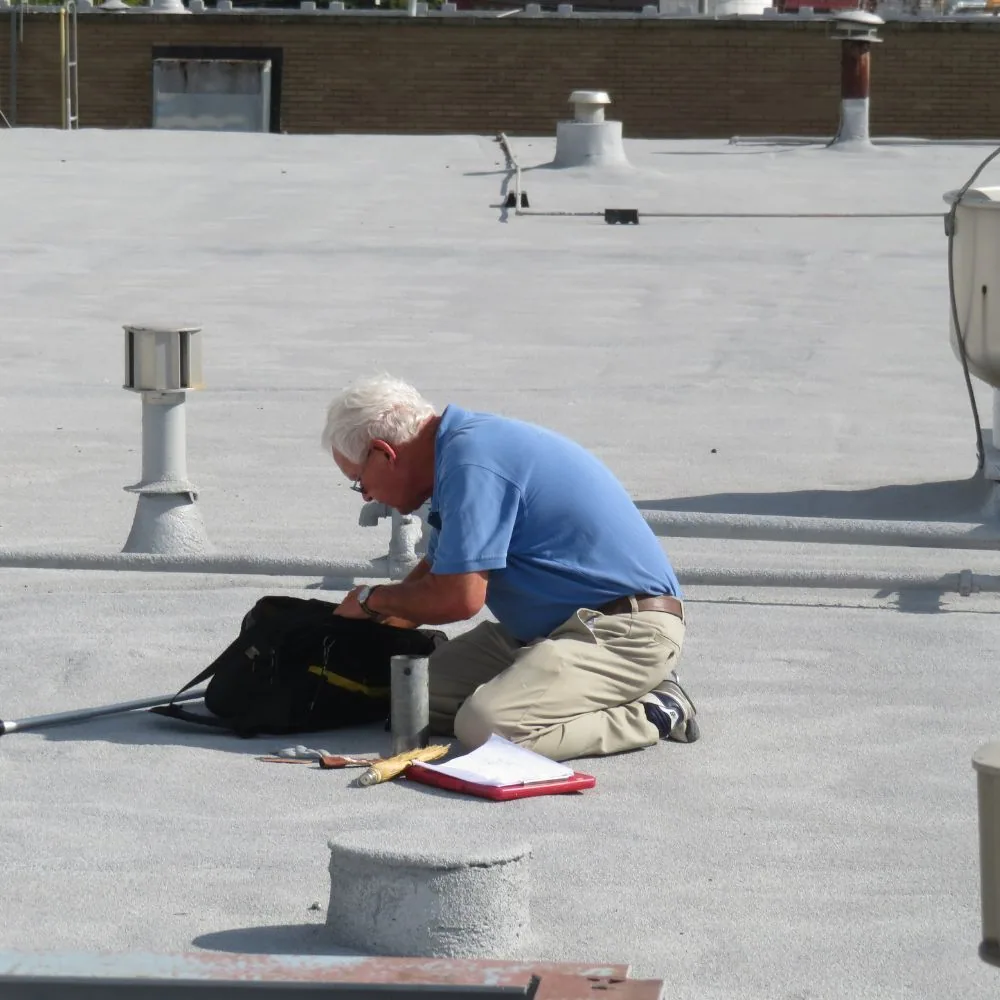
A roof condition report records the assembly, visible details, and locations needing attention. A hands-on inspection can distinguish accessible defects from questions that need confirmation. Where broad visual context helps, a drone inspection can map roof areas and identify where closer field access should follow.
Build priorities from condition
Capital planning compares near-term corrections with larger work by condition, timing, access, and the material expected to remain. Roof asset management keeps records organized by property and zone. For projects that require permit review, the roof scope should account for the applicable building and existing-building requirements.
Keep monitoring tied to work
A maintenance visit can revisit drains, seams, flashing, and equipment curbs after a correction. Warranty record management keeps documents and repair history available without promising a coverage outcome. For a portfolio, multi-site programs can use a shared reporting format while retaining each building's separate condition and access limits.
Make the next action visible
A useful record states what was reached, what was observed, what could not be inspected, and which next step the owner can authorize. We connect photos and recommendations to roof zones, then define the included work and inspection trigger. Permit timing, occupied floors, and material delivery can affect the schedule, so the facility contact should receive a written handoff that keeps confirmed work separate from future investigation. When a report supports a larger project, we keep the roof map, photographs, and written scope aligned so approvals and field questions refer to the same locations. That consistency gives the building contact a usable record after the crew leaves. At a Bridgeport property near State Street, we confirm the entrance and staging zone with the facility contact before delivery.
Connect records to a roof decision
Share the property list, roof plans, prior findings, and access contacts. We will identify the inspections and records needed for the next scope.