Commercial Roof Repair in Bridgeport, CT
Repair a commercial roof in Bridgeport, CT with a traced leak path, compatible materials, documented details, and a work window that protects operations.
A roof repair is useful when it stops the active failure and leaves the surrounding assembly stable. It is not useful when a patch hides a wet area, misses the entry point, or detaches from an incompatible surface. On a Bridgeport, CT property, we begin with the condition, the building use, and the work window. A distribution room may need a fast dry-in before receiving resumes; an office may need the repair sequenced above occupied space. We trace the problem, inspect the nearby membrane and details, and mark what the repair will address before materials are selected.
The inspection also distinguishes one failed point from a pattern. A puncture, open seam, loose flashing, blocked drain, or corroded edge calls for a different correction. The Port of Bridgeport supports cargo and ferry operations, and the West Side/West End includes industrial and commercial districts. These settings make access planning relevant, but the repair itself follows the roof in front of us. We record the location, cause where confirmed, scope, and next check.
Find the Failure Before Patching
Water marks inside are clues, not a roof map. We follow the path upward and outward, checking seams, laps, penetrations, curbs, drains, wall transitions, and prior repairs. The entry point can sit away from the ceiling stain because water travels along insulation, deck flutes, or framing. We look for a sequence of signs: a lifted lap, a split sealant joint, a displaced fastener, a puncture, or moisture that persists after nearby details are dry.
Our commercial roof inspection records the surrounding conditions, not just the spot where water appeared. If water is active, a leak repair survey starts with containment and controlled testing. We protect contents below, establish safe access, and avoid opening a broad section until the probable path is narrowed. That keeps the repair scope focused and reduces the chance of sealing over a second failure.
Define What the Repair Includes
A written repair scope identifies the roof section, defect, materials, preparation, tie-in, and limits. For a membrane patch, the edge must reach sound, clean material and be compatible with the existing system. For flashing, we inspect the substrate, termination, adjacent wall, and water path. A metal correction may need a new cleat, fastener pattern, seal, or transition rather than a bead of sealant over a moving joint.
The estimate should also state whether wet insulation, damaged deck, or interior finishes are excluded or require separate approval. If the condition grows once opened, we photograph it and define the change before covering it. Our seam failure repair work focuses on the failed seam and the adjoining area needed for a secure repair. The point is a usable boundary, so facilities staff can tell what was corrected and what still needs attention.
Match the Repair to the Roof
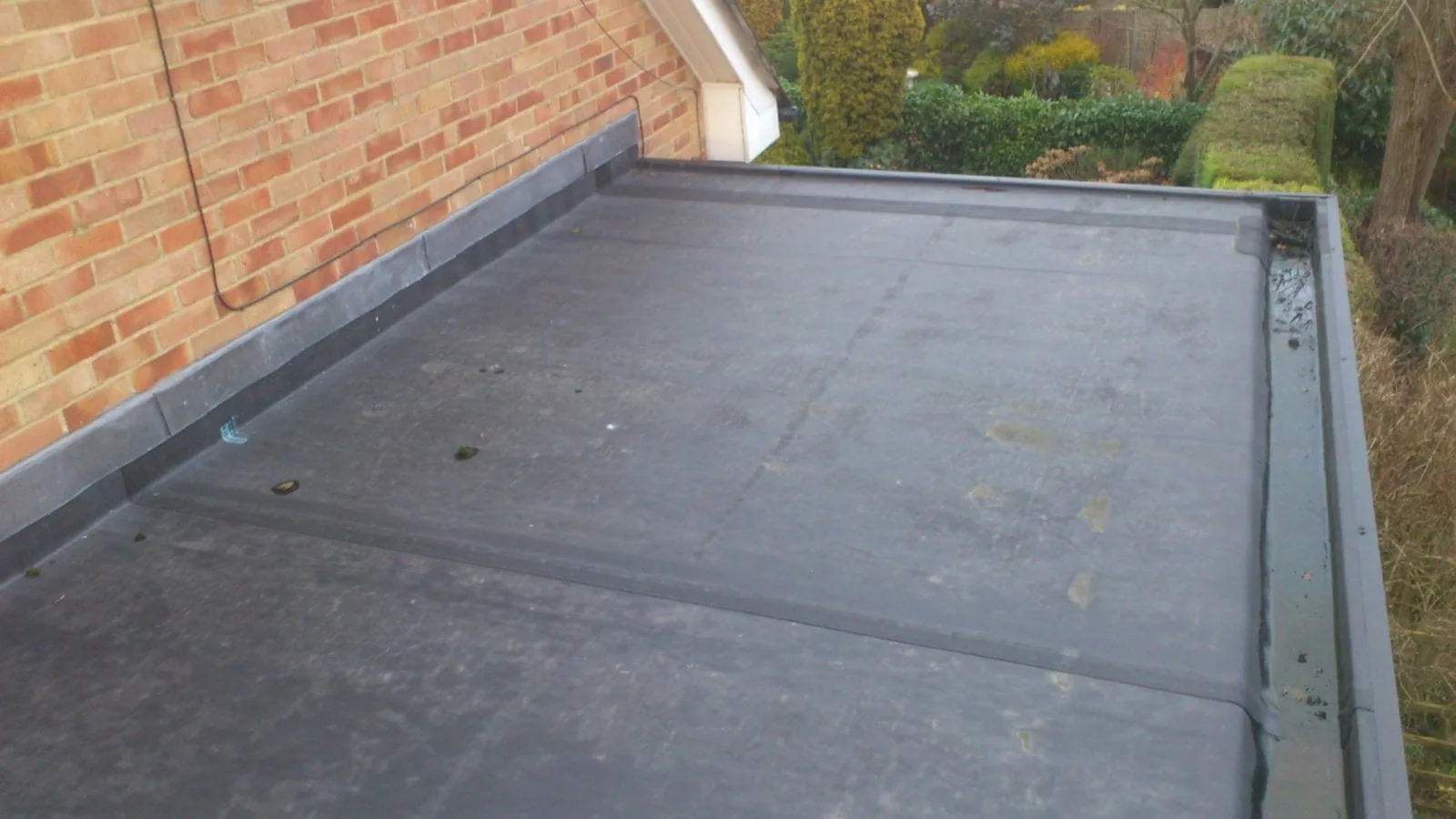
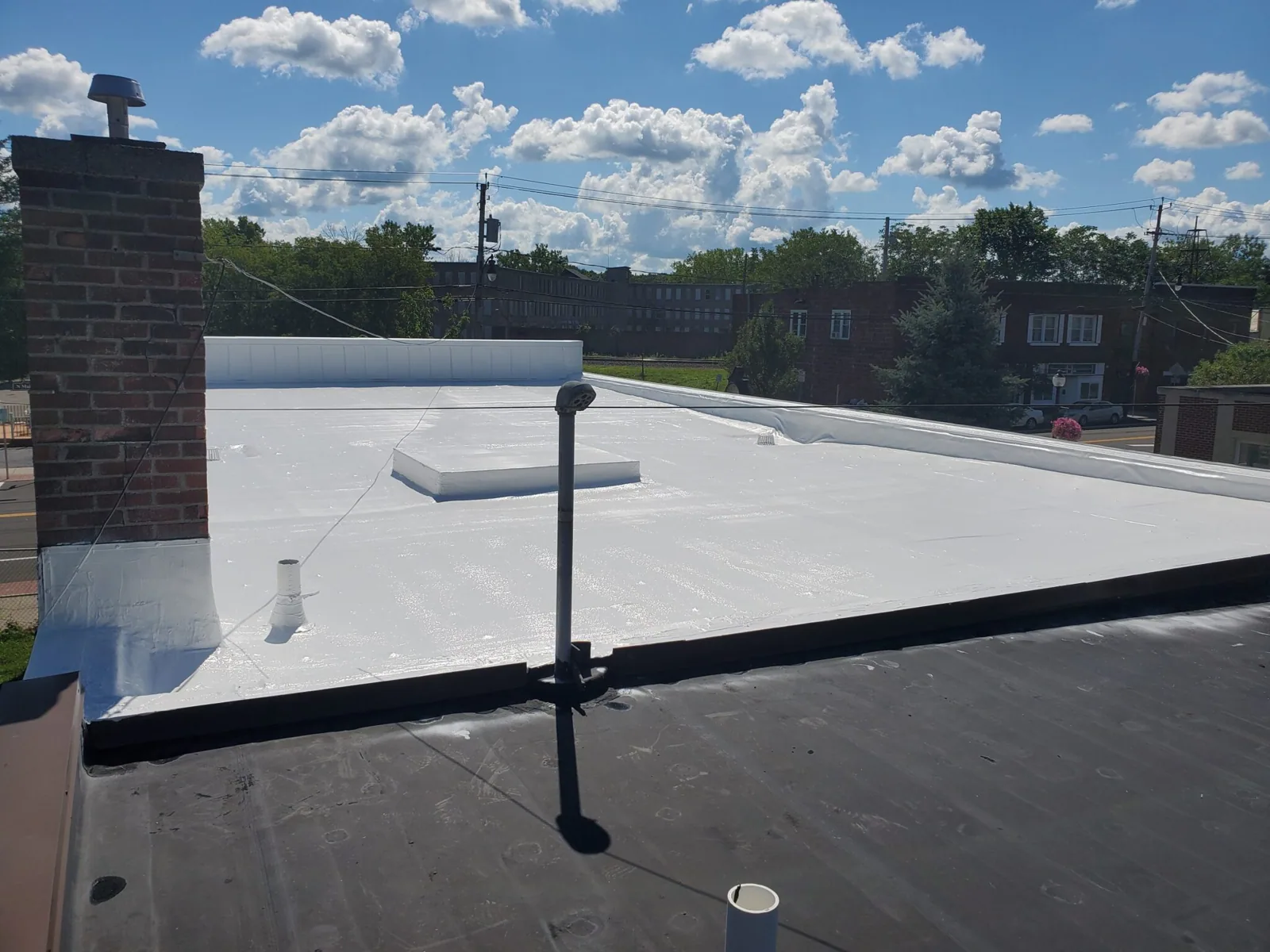
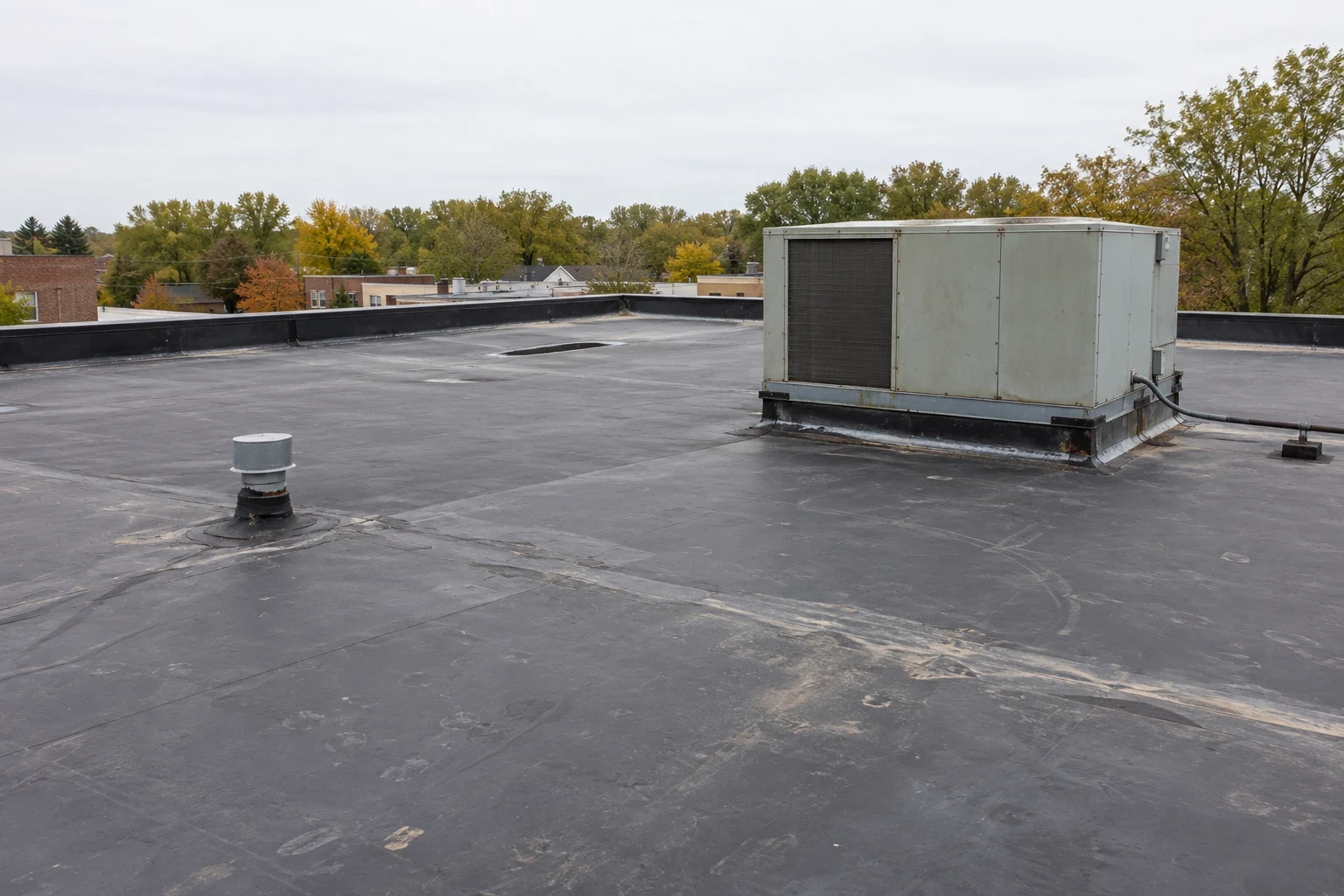
Repair material must suit the roof system. A membrane patch designed for one polymer may not bond reliably to another, and a coating cannot replace a loose lap or failed substrate. We identify the existing system where possible, clean and prepare the repair area, and follow the appropriate installation method. On an EPDM roof, the patch and seam treatment must be compatible with the membrane and its condition. TPO, PVC, modified bitumen, and metal details each require their own preparation and attachment choices.
Movement, temperature, rooftop traffic, grease, and standing water can affect how long a repair holds. We inspect for the driver, not only the visible opening. If recurring foot traffic damages a path near rooftop equipment, we can address protection as part of the scope. If a drain is slowing the roof, the repair may need a companion drain and scupper correction. Treating only the membrane while leaving water trapped nearby invites another call.
Plan for Rain and Freeze-Thaw
The long-term Bridgeport averages are 44.09 inches of precipitation and 33.6 inches of snowfall, so plan runoff and closeout with care. The precipitation and snowfall averages put drainage, laps, and exposed edges on the inspection sequence through wet and freezing periods. We check low points and the route to the drain, then look for ice movement or debris that may have stressed a detail. Where a roof remains wet, we identify whether the repair area can be dried and prepared for the specified material.
If conditions do not permit a permanent repair immediately, emergency protection and the final correction are recorded separately. The temporary measure must direct water away from the opening without trapping it against the roof. We arrange a return visit when the assembly can be prepared correctly, and we tell the facility contact what interior protection should remain in place until then. A change in weather is a scheduling condition, not a reason to leave an unclear temporary boundary.
Coordinate Access and Recheck
We agree on roof access, lift or ladder points, equipment clearances, and the building area below the repair before work begins. If the roof serves active loading or port-related activity, deliveries and vehicle paths are confirmed with the facility contact. In an occupied office, the plan may limit noise, protect entrances, or move work away from a critical operating period. Nearby Fairfield commercial buildings and properties in Stratford may have different access paths and schedules, even when the repair material is identical.
After the repair, we inspect the tie-in, transitions, and nearby drainage, then photograph the finished detail. We record whether the repair is permanent or temporary and what would trigger another visit. If water entry continues, the next investigation should revisit the path rather than repeat the same patch. The facility director receives the location, work performed, remaining concern, and the next inspection trigger in a clear handoff.
Know When a Patch Is Not Enough
Several repairs close together, wet insulation across multiple bays, widespread failed seams, or repeated deck problems may call for more than spot work. We show the repairable boundaries and note where the evidence points to a larger assembly issue. The owner can compare a repair program with a phased replacement instead of treating each leak as a separate event. If one section remains dry and stable, it may still be maintained while a failing zone is planned for broader work.
A roof condition report groups findings by area and urgency. It gives the property team a practical way to track the repaired point, nearby details, and follow-up work without assuming that one repair establishes the condition of the full roof. For a roof walk in Bridgeport, bring recent leak locations, prior invoices, access rules, and the hours the affected rooms must stay available.
Questions and Answers
What should we trace when an interior stain sits away from a likely roof entry point?
We inspect uphill from the interior mark and follow likely paths across seams, penetrations, drains, and deck transitions. Photos and moisture observations help narrow the area. If one opening cannot confirm the assembly, we discuss a test cut before selecting a permanent repair.
Can you repair a roof in active rain?
We can take steps to limit immediate water entry, but the permanent material and preparation must fit the conditions. We separate temporary protection from final repair, explain what remains exposed, and schedule the permanent work when the surface can be prepared correctly.
Will sealant stop a leaking roof edge?
Only when the joint and substrate are suitable for that repair. A moving metal seam, loose coping, or failed termination may need mechanical correction and compatible flashing. We inspect the attachment and water path before choosing a sealant-only repair.
What should I send before a repair visit?
Share the room and roof-area location, when the leak appears, photos if available, previous repair notes, and any access or equipment restrictions. That helps us bring the right materials and coordinate the work window. We still verify the roof condition on site.
When should repeated repairs lead to a replacement review?
When failures spread across multiple sections, wet insulation recurs, or deck and attachment issues appear, a broader review is useful. We map confirmed repair areas beside unresolved conditions and explain whether a phased scope or full replacement deserves comparison.
Related Roofing Work
Trace the Failure and Repair Boundary
Send the leak locations, previous repair notes, and access limits. We will inspect the roof, define a compatible repair scope, and document what needs a follow-up check.