
Commercial Roofing in Fairfield, CT
Commercial roofing in Fairfield, CT connects the leak location, roof assembly, access limits, and repair scope before the facility sets its work window.
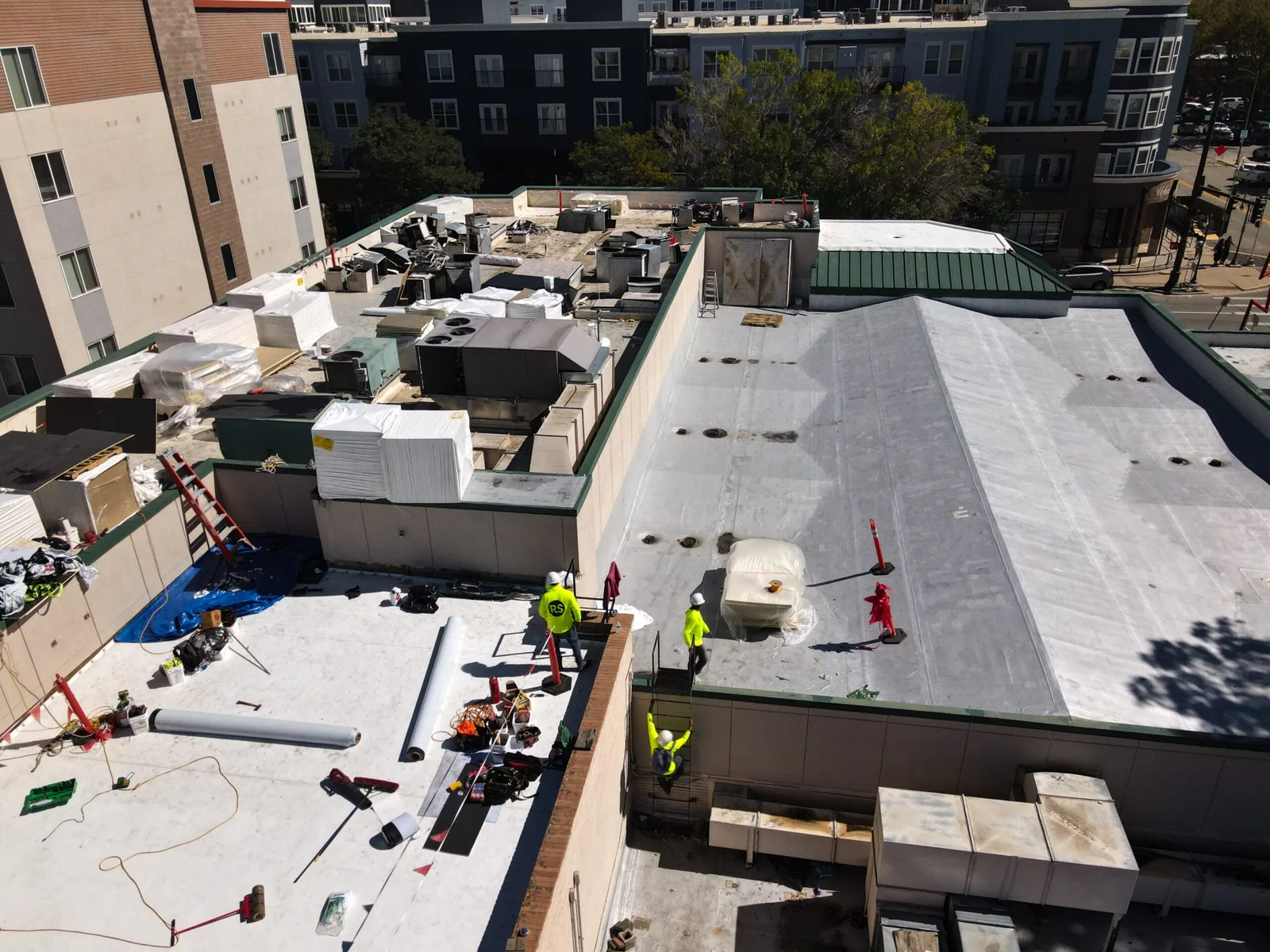
A roof repair in Fairfield begins with the point where the building can safely admit the crew. We confirm the access path, occupied areas, and any service equipment that must stay reachable, then trace the reported water through roof seams, penetrations, wall transitions, and drainage. That sequence gives the owner a useful first decision: contain a specific defect, open a test area, or review a larger portion of the assembly.
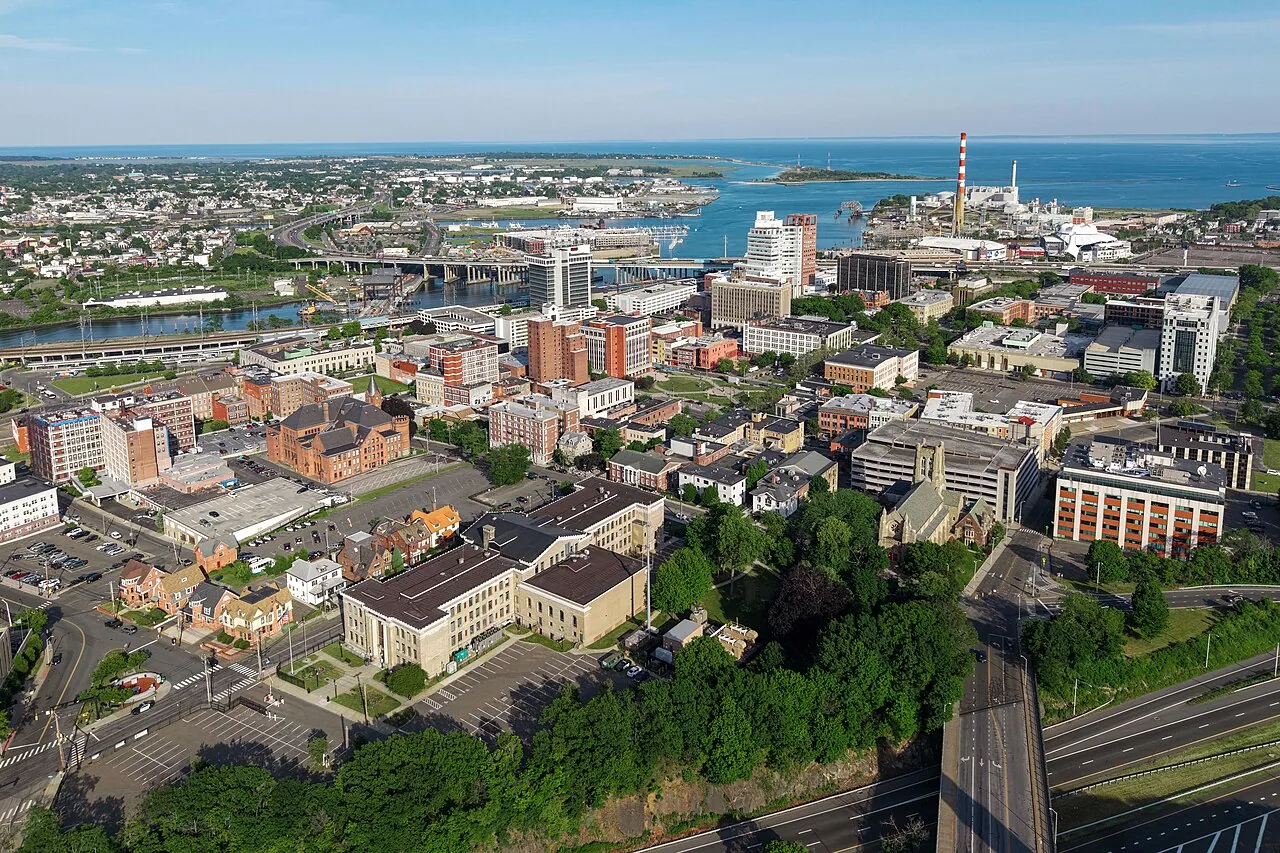
Fairfield covers 29.9 square miles, and its town center sits about 4.1 miles from Bridgeport's. The distance helps define nearby service coverage, not a roof condition. We inspect the actual property and record what can be confirmed. A commercial roof repair starts with a boundary the facility contact can see and approve.
Confirm who controls the roof entry
Before a crew is scheduled, the facility director identifies who can open the roof hatch, release an alarm, approve a work zone, and speak for the interior area below. We walk that chain before staging tools. If another tenant or trade shares an access route, the sequence has to account for their operating window as well. A clear handoff prevents a roof opening from becoming an unplanned interruption downstairs.
Fairfield and Bridgeport are both within Connecticut's Coastal Corridor transportation investment area. That larger geography includes roads, bridges, waterways, ports, and airports, but it does not set an individual property's delivery route. We verify the address-specific path, lift location, protection needs, and debris removal point with the site's contact. When a separate roof falls within the Bridgeport service area, its access rules are confirmed on that property rather than carried over from Fairfield.
Commercial work above an occupied floor needs a defined stop point for each shift. We agree on how much membrane may be removed, how the exposed zone will be protected, and who checks the dry-in before the crew leaves. If weather or an interior change interrupts the sequence, the site contact knows which roof area is secure and what decision remains. The work window is then based on the building's actual constraints.
Separate the symptom from the defect
A ceiling mark can appear well away from the roof opening that admitted water. We check above and uphill from the affected room, tracing seams, fasteners, curbs, pipe penetrations, roof-to-wall transitions, edge metal, and drain paths. Photos and notes identify each condition by roof zone. When the source cannot be seen during the walk, the record marks what remains unresolved rather than turning a symptom into a diagnosis.
Drainage review starts at the low point and follows runoff across the assembly. We check whether each bowl is clear, whether the overflow route is open, and whether a curb or edge interrupts flow. A blocked strainer calls for different work than membrane damage beside a drain. We photograph the condition and keep that item separate from the leak repair.
At a seam, a small separation may indicate a repairable joint, or it may sit beside wet insulation or failed attachment. We look at the tie-in material and the surrounding substrate before choosing a patch. If moisture is suspected below the visible layer, we discuss a test opening and identify what it will answer. The owner approves that location before the crew removes material beyond the initial scope.
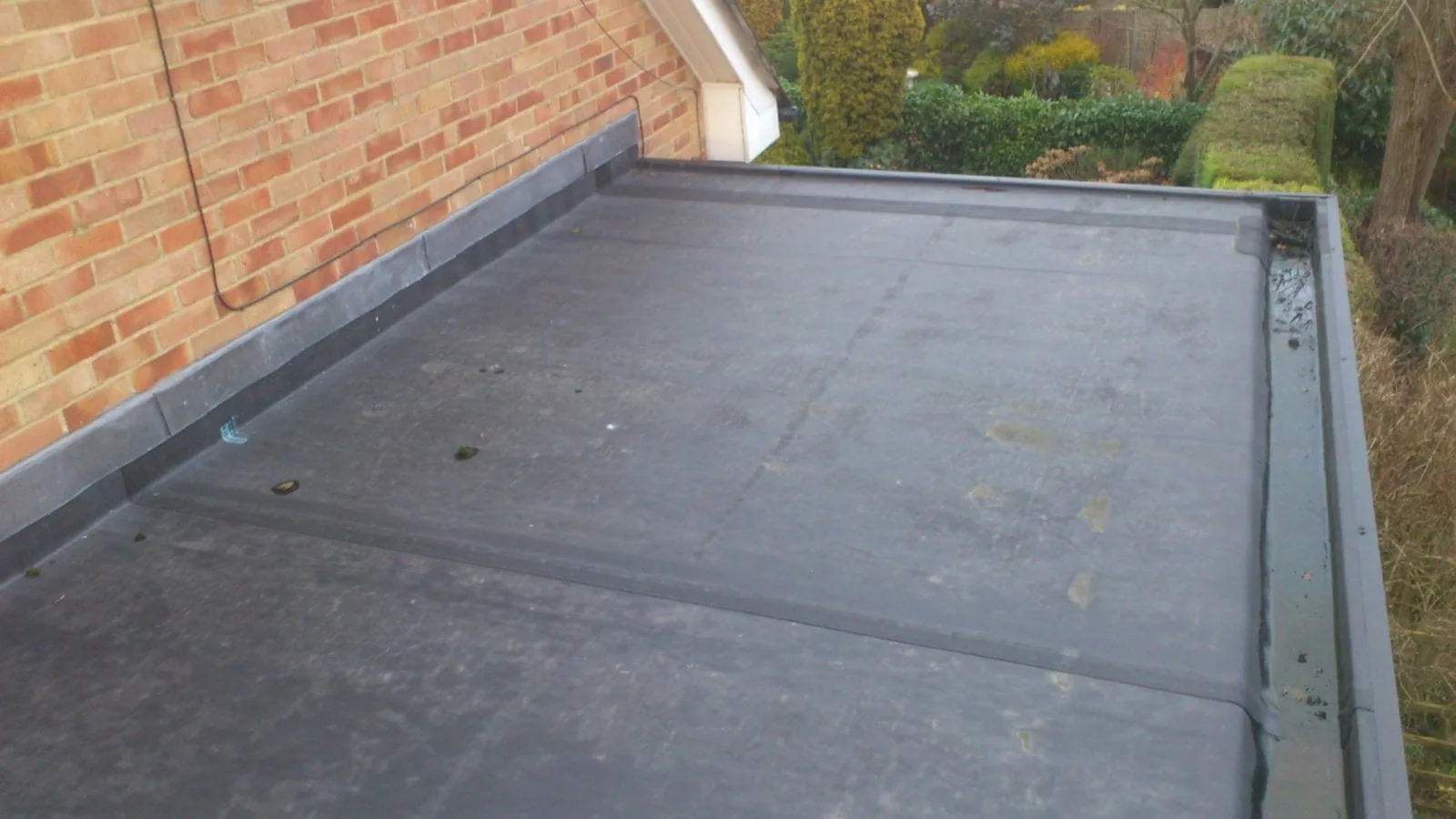
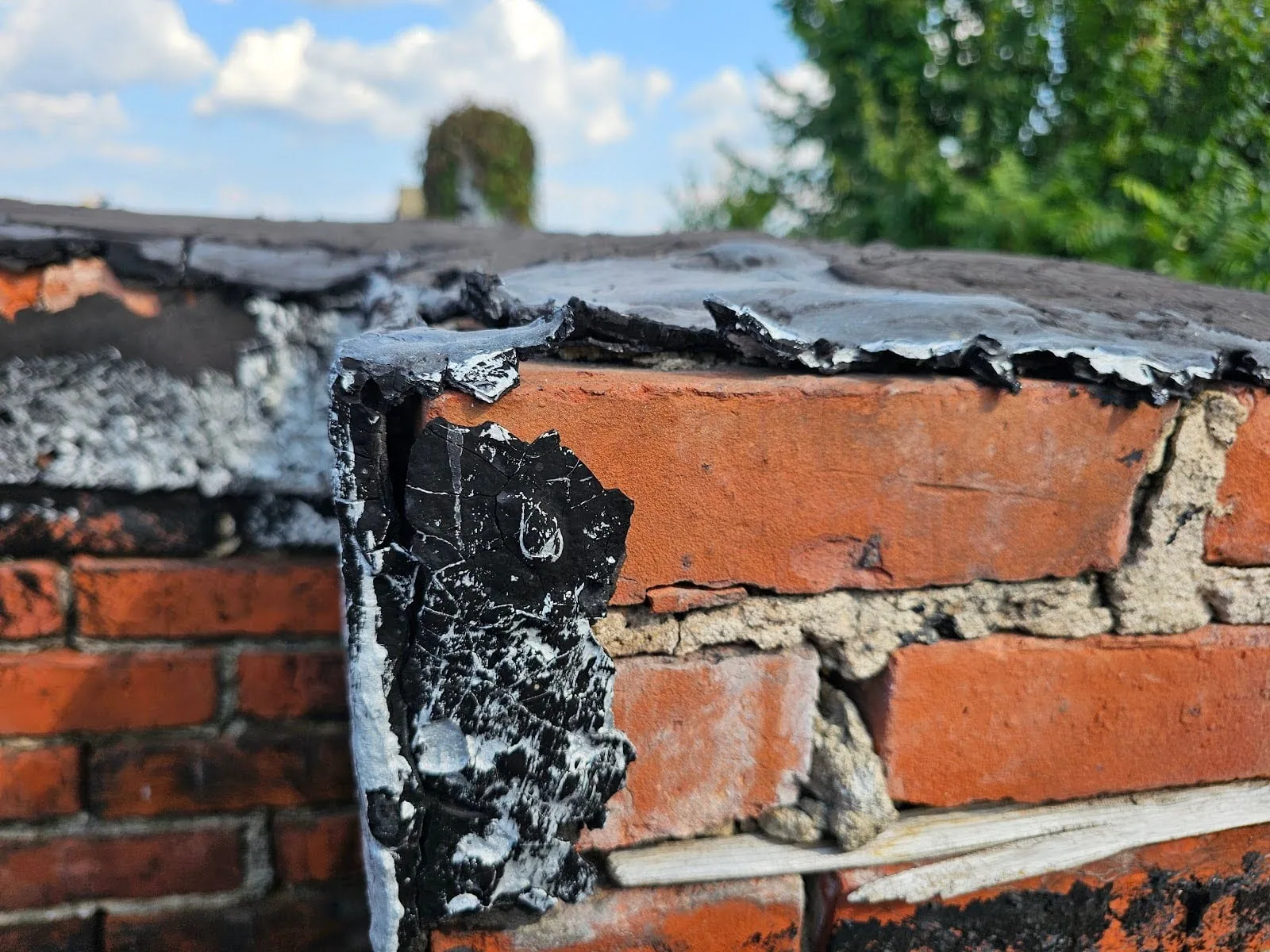
A repair should connect to sound material and leave the surrounding drainage path working. We document surface preparation, compatible patch or flashing components, and the limit of the finished work. If nearby seams, edges, or penetrations show related movement, they are listed as separate observations. A flashing failure repair addresses the transition detail and its tie-in, not just the visible bead of sealant.
Price the work by its actual boundary
The amount of roof included matters as much as the repair method. A small defect with stable surrounding materials may fit a local correction. Several separated seams, widespread moisture, or repeated leak reports can justify a phased scope or replacement review. We map observed and untested zones separately, then set options against that map. The facility team can compare work limits without treating one leak as proof that the whole roof has failed.
Timing and cost move with removal depth, deck repairs, insulation replacement, edge details, material delivery, lift setup, disposal, and the area that can be secured before a shift ends. An overlay is appropriate only when the existing assembly and surface can support it; it does not dry wet insulation. A roof recover review checks the case for retaining layers, while a commercial replacement scope defines removal and tie-in work when retaining them is unsuitable.
Where a repair affects several zones, the proposal separates immediate protection from permanent correction and investigation still needed. That lets the owner review priorities without treating an untested area as failed. A roof capital plan can carry confirmed conditions into phased budgeting, with each future limit tied to a roof drawing.
Keep the next decision tied to a roof zone
The closeout record gives the next facility contact a place to start: the roof area, observed condition, preparation, materials, photographs, and repair limit. If the work is temporary, the record says what must be completed before it can be treated as permanent. Any adjacent curb, drain, or edge left outside the agreement is listed separately. This keeps a later service call from reopening questions the first crew already answered.
Fairfield's municipal boundary and its proximity to Bridgeport are useful for arranging service, but neither predicts a particular roof assembly. The walk determines membrane type, attachment, drainage, and access conditions. We leave a next inspection trigger when a finding needs a recheck, test result, or planned follow-up. For ongoing checks, preventive roof maintenance can preserve that item in the facility's service history.
Have the roof plan, the affected room, prior repair notes, and site access instructions ready for the visit. We will trace the reported path, set the boundary for any opening, and put the recommended next step in writing. Nearby Trumbull roof work and Easton service each require their own property walk. A Fairfield conclusion stays with the address and roof zone where it was observed.
Questions and Answers
What information makes a Fairfield roof visit productive?
Bring the roof plan, leak locations, access instructions, prior repair history, and operating hours. The contact should identify who can approve a test opening or scope change. We use those details to confirm roof entry, protect the rooms below, and set a work window that fits the building.
Can one ceiling stain identify the roof repair needed?
A stain locates the interior effect, but water may travel before it reaches that point. We trace the roof above and uphill, inspect transitions and drainage, and record confirmed conditions by zone. If the assembly needs testing, we describe the opening and ask for approval before expanding the work.
What affects the timing of a commercial roof repair?
Access, removal depth, substrate condition, weather exposure, material staging, and the amount of area that can be dried in all affect the sequence. We divide the work into secure zones and identify the end-of-shift condition before removal begins. A larger repair may need a different staging plan than a single detail.
When should a Fairfield owner compare repair with replacement?
Repeated leaks, moisture in multiple roof zones, failing attachment, or deck concerns can make a broader review useful. We separate confirmed damage from areas that have not been opened or tested. The owner can then compare local repair, phased replacement, and full replacement using the same scope boundary.
What does the final roof record include?
It identifies the completed zone, observed condition, repair materials, preparation, photographs, and any remaining issue. Temporary protection is identified as such, with the condition that calls for permanent work. The next inspection trigger gives operations a specific reason and area to revisit.
Related Roofing Work
Schedule a Fairfield roof inspection
Send the roof plan, affected-room locations, prior repair notes, and access instructions. We will inspect the relevant roof zones, agree on a work window, and document the decision and next step.