Drone Roof Inspection for Commercial Buildings in Bridgeport, CT
Capture roof-level images of large or difficult-to-access commercial buildings, then connect visible findings to a practical inspection and repair plan.
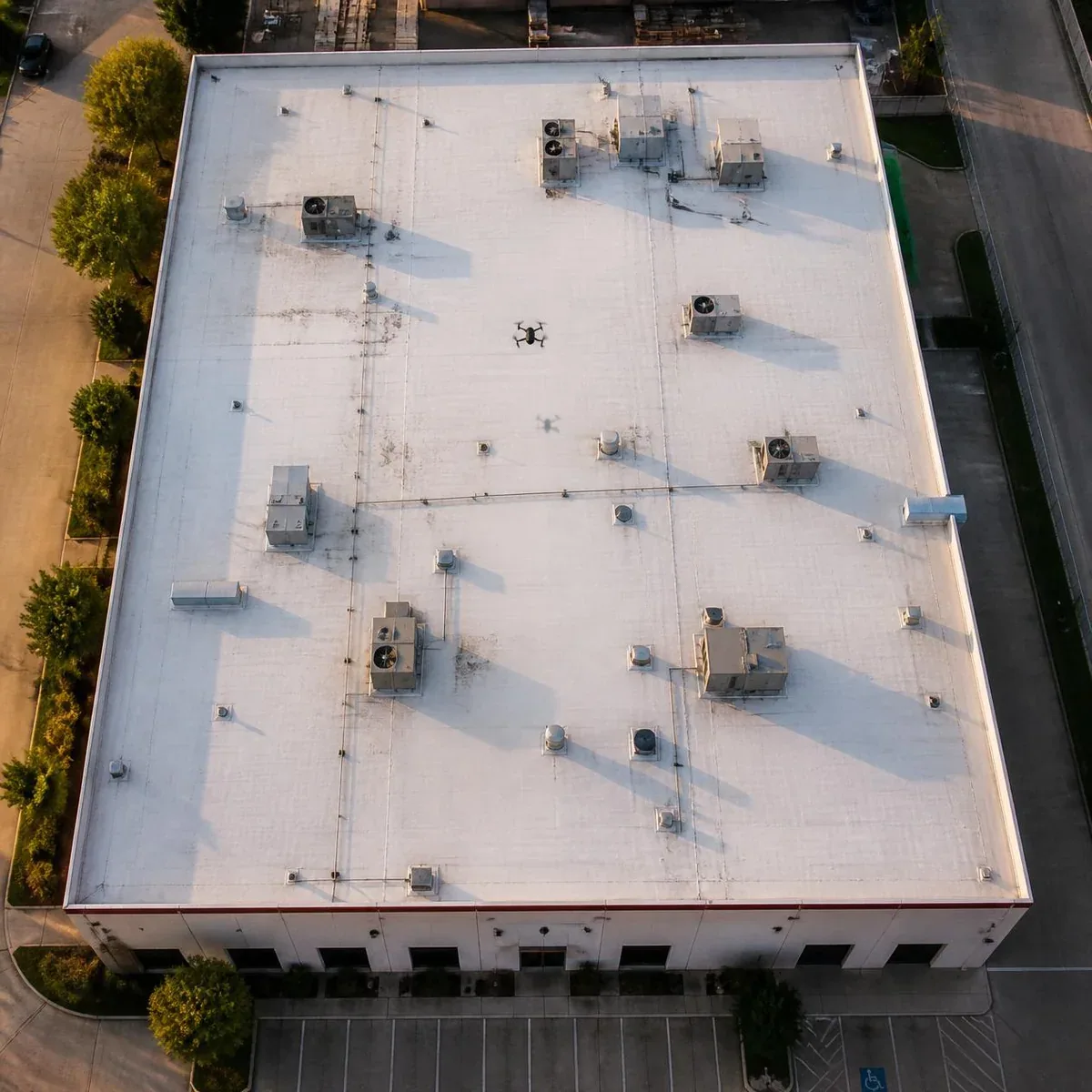
Drone imagery can help a facility team see a roof area that is broad, high, or difficult to reach during an initial review. It is a visual aid, not a substitute for a hands-on inspection where the surface or detail needs closer evaluation. We define the roof sections to capture, the questions the images should answer, and any access or flight constraints before the visit. The result is a labeled set of views that can support maintenance planning, help locate visible changes, and guide where a closer roof walk or test would be useful.
In Bridgeport, a roof may sit above an industrial building, office, or mixed-use property with different operating hours and access rules. We coordinate with the site contact to avoid interrupting deliveries, tenants, or protected work areas. The plan accounts for roof edges, rooftop equipment, nearby structures, and the image angles required to make a review useful. Images show surface-visible conditions and help target a closer check; concealed moisture, attachment, and the condition below the roof surface require hands-on inspection or testing.
Choose the Questions Before Capture
A useful flight starts with a specific inspection question. The team may need an overview of visible seam condition, a record of rooftop equipment layout, images of a roof edge, or a comparison after repair work. We use available drawings, previous photographs, and the building contact’s observations to set a capture boundary. If a leak is active, the interior location and timing are recorded so imagery can be reviewed alongside the reported water path rather than treated as a diagnosis by itself.
Our commercial roof inspection can pair imagery with a walk of accessible areas. If a visible concern needs a closer look, commercial roof repair begins with the detail, material, and preparation required. We identify any part of the roof that cannot be seen clearly and state what other method could answer the question. That may include safe roof access, a close visual review, moisture testing, or a core sample when appropriate.
Capture Consistent, Usable Views
We plan a repeatable set of views instead of collecting images without context. Wider frames show the relationship among roof sections and major equipment; closer images focus on visible seams, penetrations, drainage features, and perimeter details. A date, roof area, and viewing direction make each image easier to compare later. If a tree, neighboring structure, shadow, or roof geometry blocks the view, we record that limitation. Image quality can change with light, wind, and weather, so a reshoot may be more useful than drawing a conclusion from an unclear frame.
Rain and winter snow are part of Bridgeport’s seasonal roof planning; current conditions should govern access and work timing. We schedule capture when conditions support safe flight and interpretable images, not during a storm or when surface conditions create a hazard. The same approach applies to nearby Stratford and Fairfield: the building contact sets access boundaries, while the captured images stay tied to the defined roof area. We do not photograph private or sensitive areas outside the approved scope.
Know What an Image Can and Cannot Show
Visible imagery may reveal debris, standing water, displaced materials, open seams, damaged flashing, or a changed condition. It cannot show the full membrane bond, concealed wet insulation, structural capacity, or every defect at a hidden edge. A dark or bright area in a photo may reflect a shadow or surface variation rather than moisture. The review describes what is visible and marks uncertain findings for verification instead of assigning an unsupported cause.
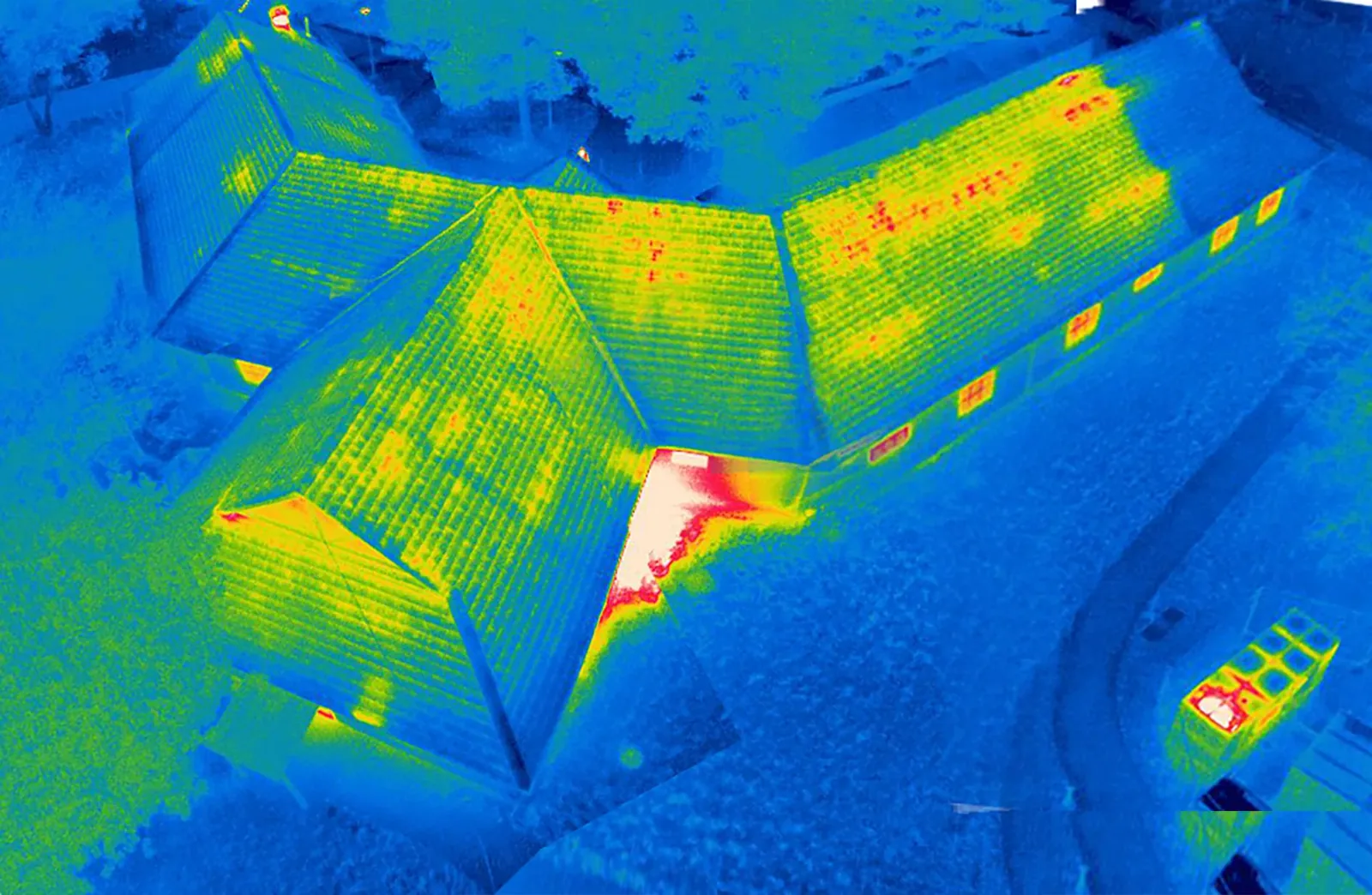
When the question involves moisture below the surface, our infrared moisture survey may help identify areas for follow-up when weather and roof conditions are suitable. Infrared results also require interpretation and may need confirmation. A condition report can combine image references, inspection notes, limitations, and recommended next steps. This gives ownership a record that distinguishes observed conditions from hypotheses.
Adapt Views to the Roof Assembly
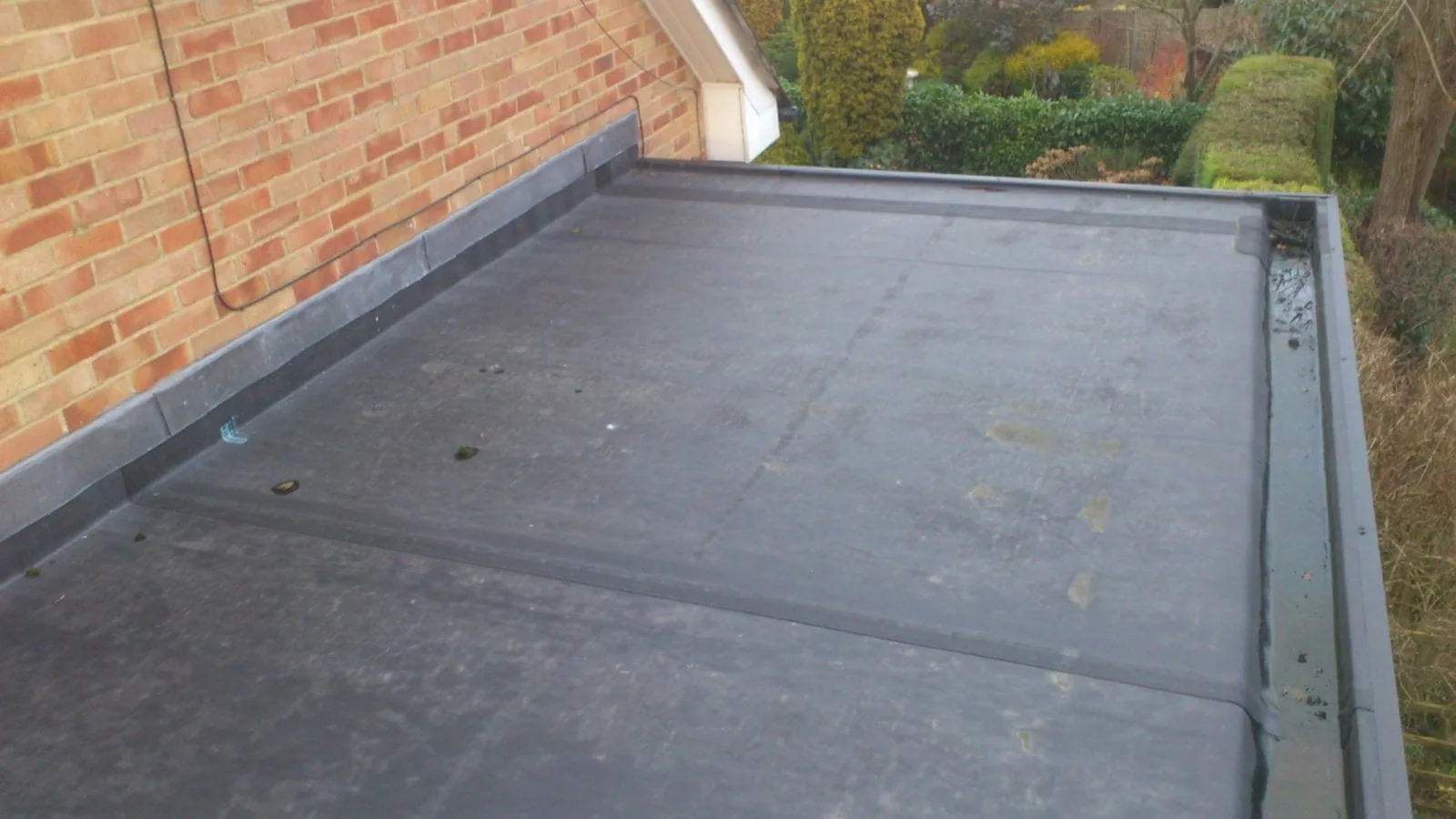
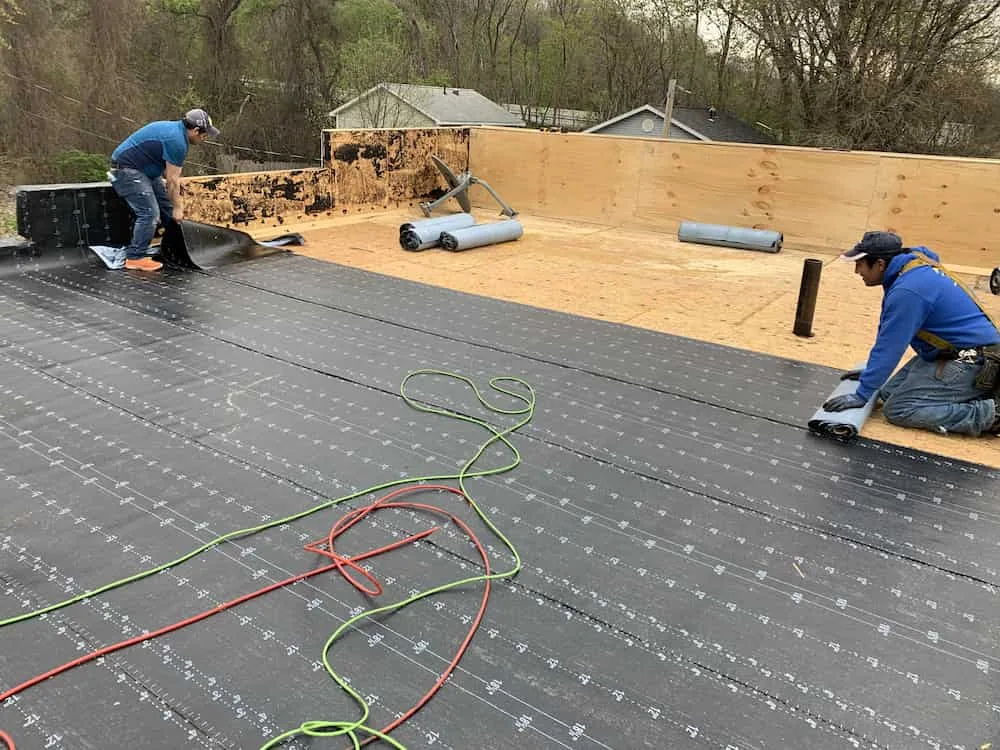
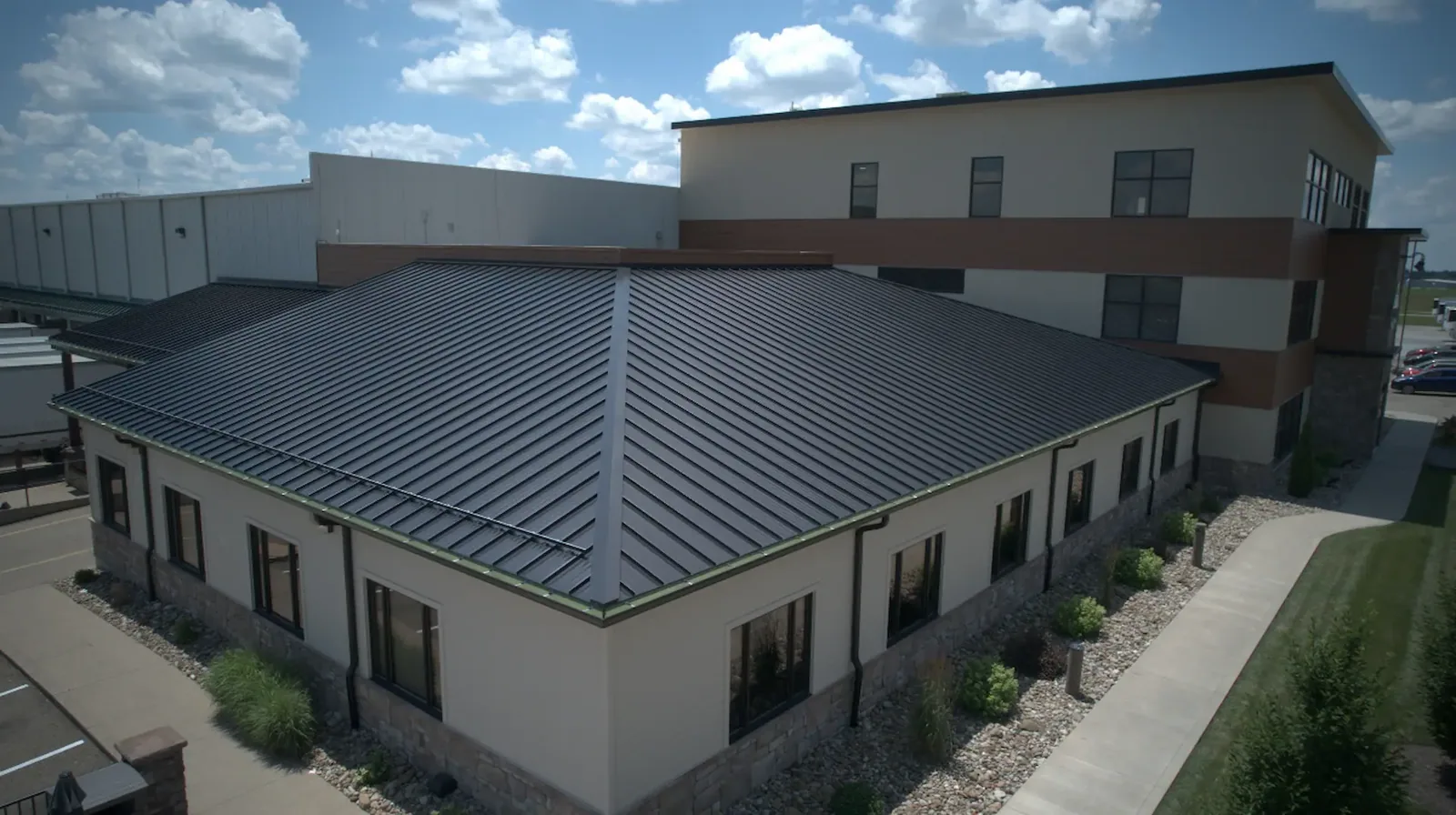
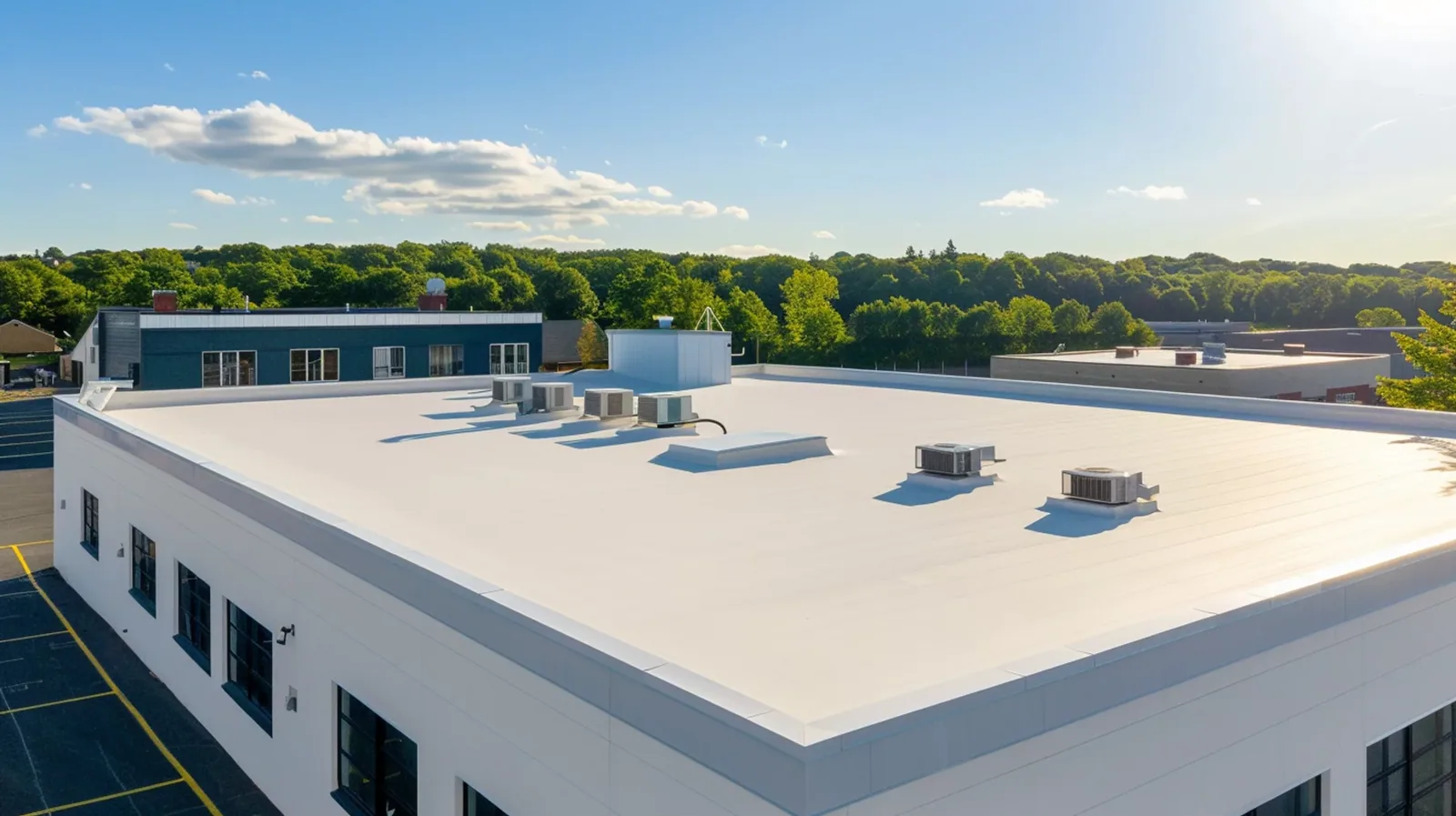
Different assemblies call for different image priorities. On a membrane roof, views may focus on seams, penetrations, patches, drains, and transitions. On a metal roof, panel alignment, ridge and eave details, fasteners, and edges may be more useful. The imagery does not confirm that a panel system is watertight; a close inspection may still be required at clips or terminations. We identify the visible system only where there is enough evidence and avoid labeling a roof based on a distant image alone.
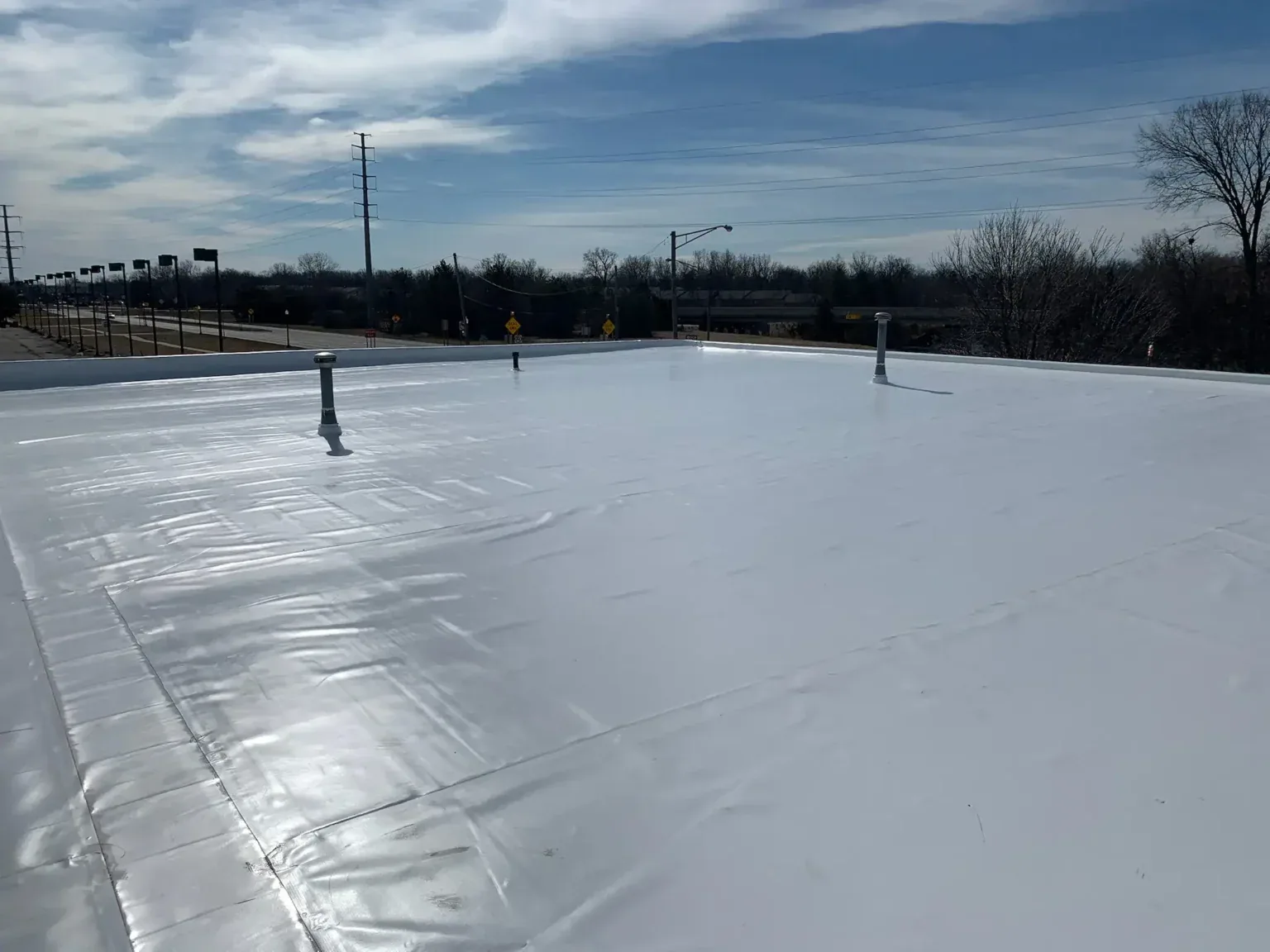
If the property has a standing-seam metal roof, the report can point to panel areas or details for a closer check. If the surface is PVC membrane, seam and penetration images can help organize follow-up. The next step depends on the condition visible and the inspection question, not on a generic assumption that every area in a wide aerial image is accessible or sound.
Coordinate Site Access and Review
Before capture, we confirm who can approve access, which roof areas are in scope, what operations must continue, and whether the property has restrictions that affect a drone. The facility contact should identify occupied areas, loading activity, sensitive equipment, and privacy boundaries. We coordinate the timing so the flight does not interfere with routine site work. In Bridgeport’s West Side and West End, commercial and industrial uses occur south of I-95; elsewhere, office, waterfront, and downtown buildings create different access and scheduling needs. Those distinctions affect how the visit is organized, not what an aerial image can prove.
After capture, the reviewer organizes images by roof section and notes the question each view addresses. If an image suggests a defect, the note states whether it needs a hands-on check. A leak reported in Fairfield or Stratford can be mapped to the relevant roof zone if the building contact supplies an accurate interior location. If there are multiple buildings, each must be clearly named so imagery and repair records do not get assigned to the wrong roof.
Turn Images Into a Next Step
The deliverable is more than a folder of photographs. We provide organized views, brief captions, a roof-area reference, and a list of conditions that appear to merit attention. We distinguish clear observations from items needing a closer visit. A roof map or property plan supplied by the client can improve orientation, but image references should still identify the building and section. The facility lead can then decide whether to request a targeted inspection, monitor a condition, or develop a repair scope.
If imagery is part of a recurring maintenance record, keep the same naming convention and capture boundary for future comparisons. A later set can show visible changes, while the inspection notes explain weather, access, or scope differences between visits. For a project in the Bridgeport service area, send the building address, roof plan if available, preferred capture window, and the question the images should answer. We will confirm the limits and recommend whether drone views are a useful part of the inspection.
Questions and Answers
Can drone images find a roof leak?
Images can document visible conditions and help direct a closer inspection, but they do not reliably identify every concealed entry point. Provide the interior location and timing of the leak so imagery can be compared with a hands-on roof review.
Can a drone inspect the entire roof?
It can capture approved roof areas that are visible and reachable under the planned conditions. Nearby structures, geometry, weather, or site restrictions may block some views. The report identifies those limits rather than implying complete coverage.
Does aerial imagery show wet insulation?
A standard image cannot confirm moisture beneath the membrane. If subsurface moisture is the question, infrared or another appropriate test may help identify areas for verification. Results should be interpreted in context and may require follow-up.
What should we prepare before a drone roof visit?
Share the property address, roof plan if available, access rules, contact person, roof sections of interest, and any privacy or operating restrictions. If the imagery follows a leak or repair, provide dates and locations so the review has a clear comparison point.
Can the images be used for a repair scope?
They can support a scope by showing where a closer inspection is needed and preserving a visual record. A technician may still need to access the surface, test a detail, or verify material condition before specifying the repair.
Related Roofing Work
Plan a Roof Image Set Around a Decision
Tell us which roof areas or visible changes you need documented, how the building operates, and what access limits apply. We will define the capture scope and identify where a closer inspection may still be needed.