Commercial Roof Condition Reports in Bridgeport, CT
Get a Bridgeport, CT roof condition report with mapped findings, photographs, repair boundaries, and a written next step for facility and ownership teams.
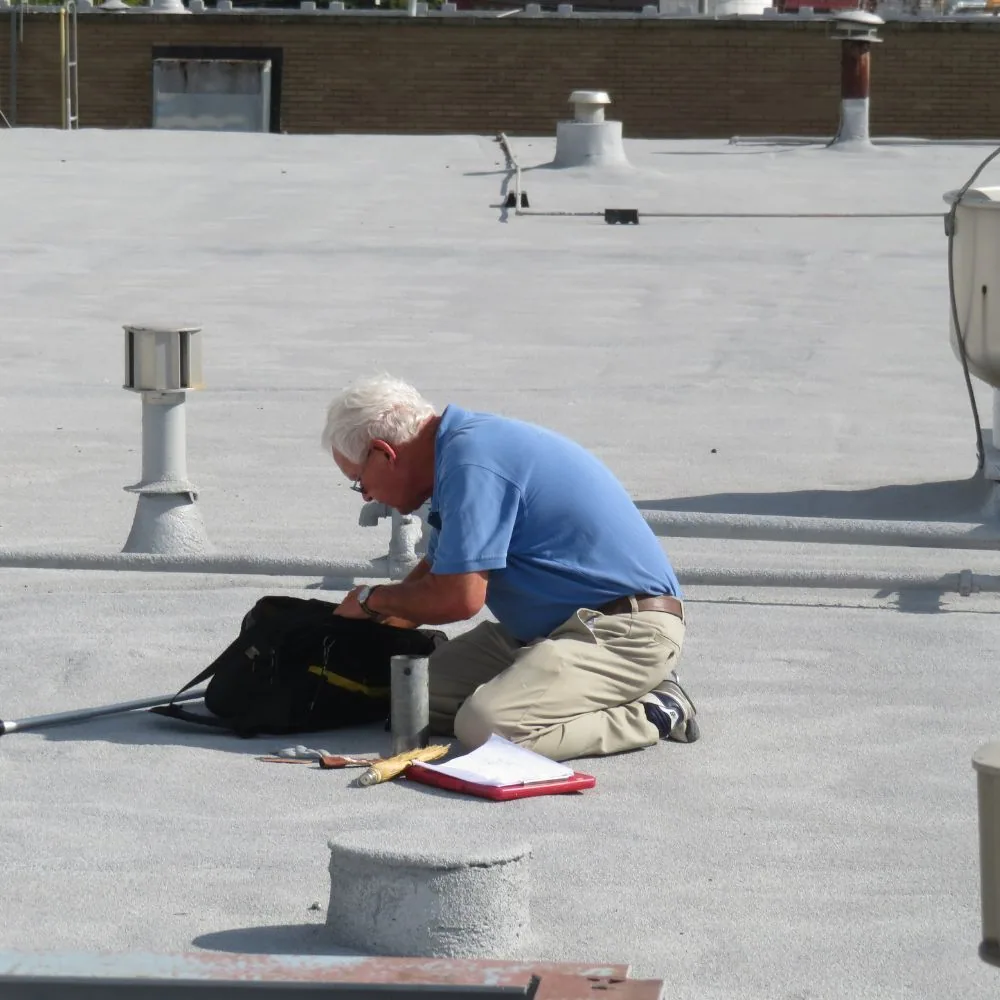
A photograph without a roof-zone label leaves the next facility director searching for the same defect again. Our Bridgeport, CT condition reports tie each observation to a building, roof area, visible evidence, and recommended next step. The field visit follows seams, drains, edges, penetrations, and service equipment, then records what can be confirmed without opening the assembly. When an area requires testing or removal, the report names the question that work would answer. An on-roof inspection establishes the findings; a roof asset record keeps them useful between visits.
That documentation supports different properties across the West Side/West End and downtown. South of I-95, Bridgeport's West Side/West End has industrial and commercial activity; around downtown, office and retail uses create a different access picture. For the visit, that difference sets the route from each property entrance to its roof access point. These surroundings affect access and building operations, not the condition we assign to an individual roof. The report keeps observation and inference separate.
Show Where the Finding Sits
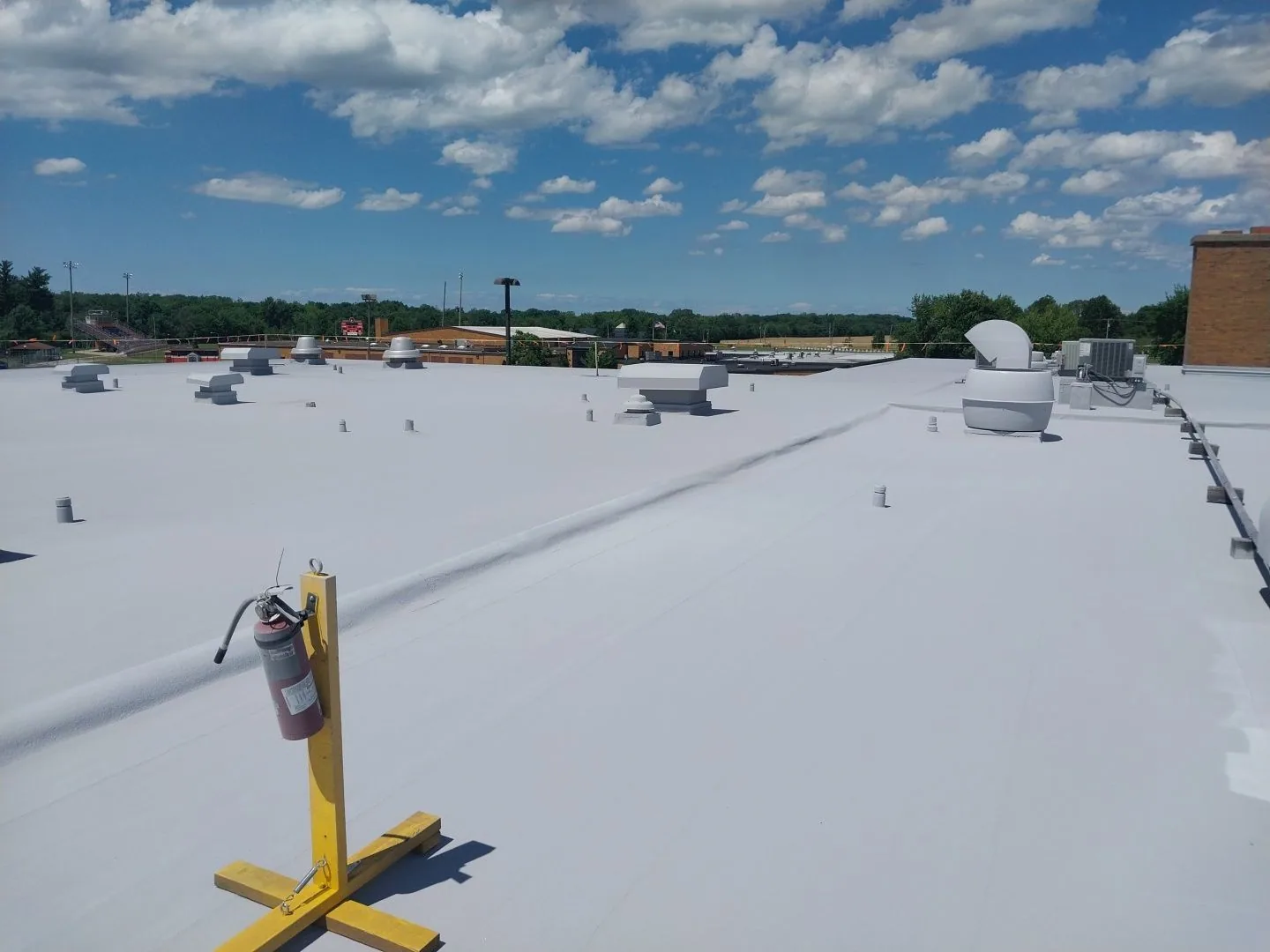
We mark the roof zone, nearby transition, and direction of the inspection path so another person can return to the same location. A roof plan can show a drain, curb, wall, parapet, or seam in relation to the observed condition. If no reliable plan exists, the field sketch uses clear landmarks from the building rather than an unlocated note such as south roof. Photographs supplement that map; they do not replace it. Each image is captioned with its direction and the feature it records.
On a property near State Street or Fairfield Avenue, the roof may sit above retail, office, showroom, or industrial activity. The report should state the access route and any operating constraint that affected the walk. When a visit covers a building near State Street and another near Fairfield Avenue, we map each roof from its own hatch, parapet, or drain landmarks. The street names orient the contact; they do not substitute for an address-level sketch.
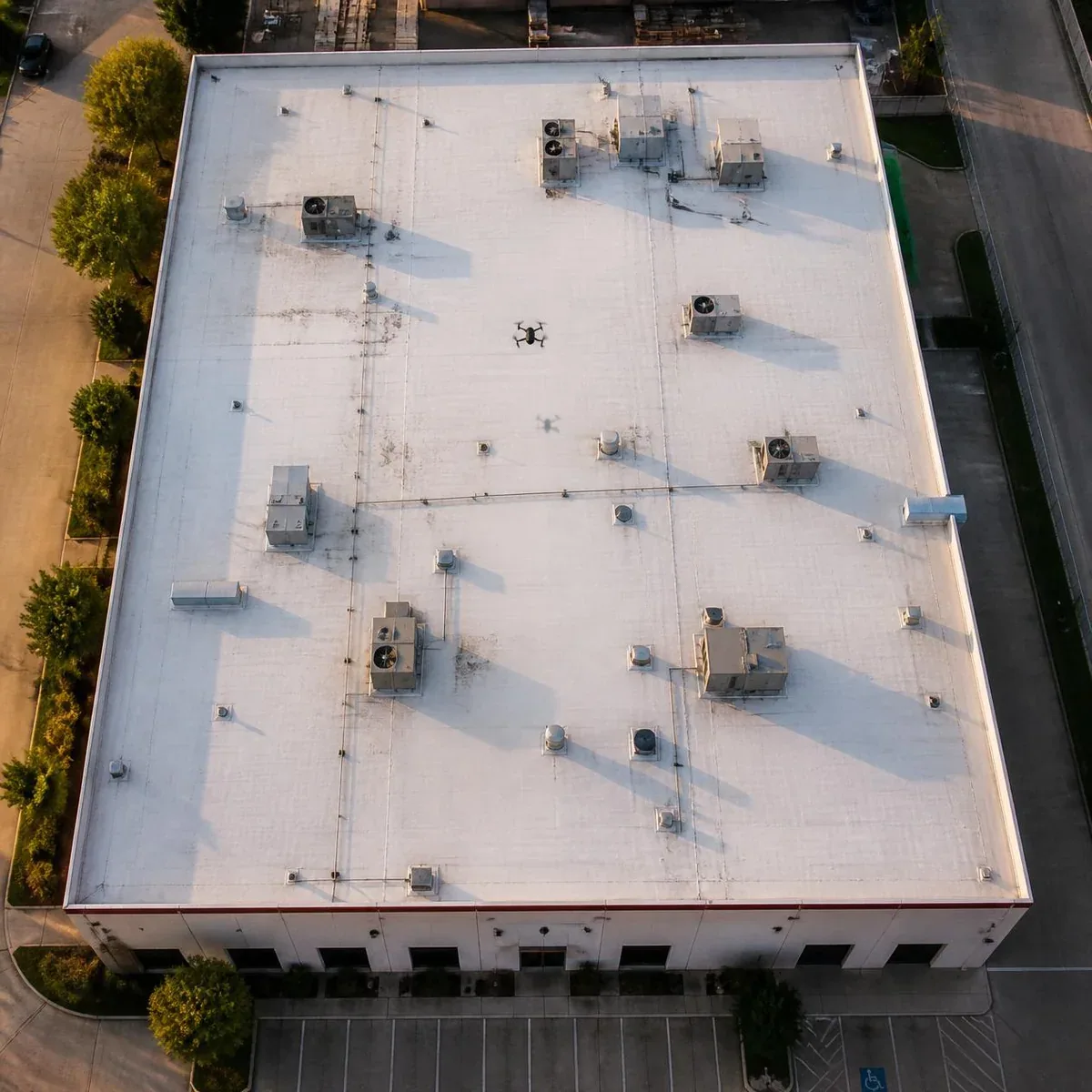
A drone roof inspection can document broad field conditions where safe access or visibility calls for it. Close-up checks remain necessary at details that require touch, probing, or a confirmed material identification. If weather or an access restriction prevents a complete view, the report marks that area for a return visit rather than leaving the map ambiguous.
Separate Visible Conditions from Suspected Causes
The report uses direct language for what we saw: an open lap, displaced metal, a blocked drain, an exposed fastener, or a wet interior finish. A suspected water path is labeled as a working finding until the roof detail confirms it. If the ceiling stain sits away from the entry point, we trace the route across the assembly and explain what remains concealed. This gives the owner a useful next action without treating an incomplete view as a diagnosis.
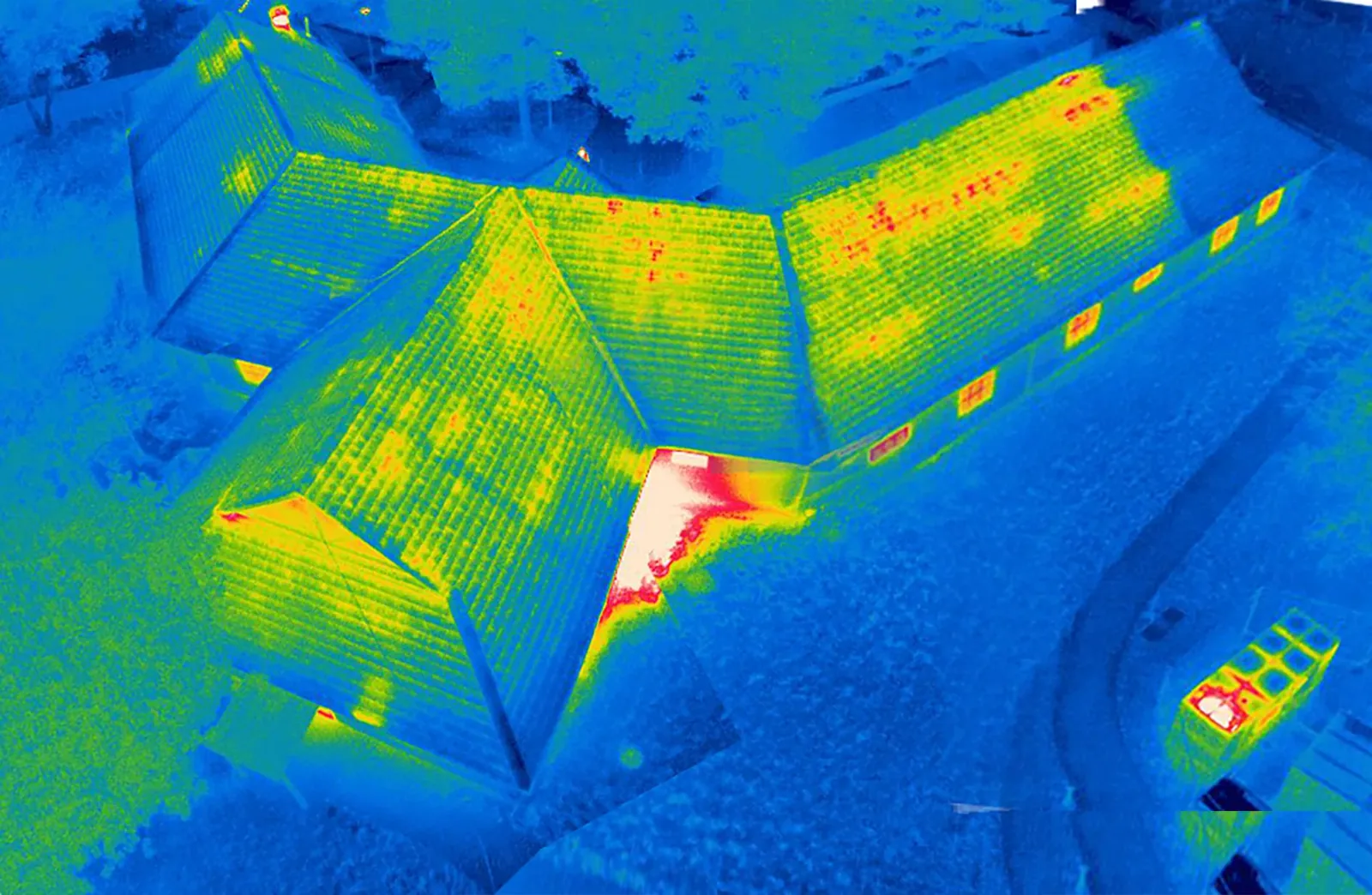
The annual average temperature in Bridgeport is 53.4°F, while January averages 31.4°F, a useful seasonal cue for a return visit. Use that seasonal backdrop to schedule a return walk when needed; the report still records conditions seen on the actual roof. The next step is to compare the reported storm timing with visible impact marks, loosened metal, displaced equipment, and the interior water path. We photograph the actual roof and tie the recommendation to its observed condition. If moisture may extend below the membrane, an infrared moisture survey can help map areas that need confirmation when the surface and assembly suit the method.
Where leakage is active, the report separates temporary protection from permanent work. A ponding-water evaluation can document whether a low area or restricted drain needs a distinct correction.
Give Each Recommendation a Boundary
A recommendation should tell the owner where work starts, what it includes, and what condition would expand it. We distinguish a repairable flashing detail from deteriorated insulation or a deck that needs further review. A useful scope names preparation, compatible materials, tie-in limits, temporary dry-in, and the closeout check. If an opening reveals additional damage, the report defines the stop point and approval needed before that concealed condition becomes extra work.
That boundary is important when maintenance staff and a general contractor use the same report. A cover-board review can describe a localized assembly condition, while a recover assessment looks at the larger roof field, layer limits, drainage, and transition details. The report keeps those scopes distinct so a property manager does not treat a limited observation as authorization for a full project.
For Bridgeport commercial and industrial alterations, zoning plans may require building information and a written scope. Our roof findings can provide technical detail for the owner's coordination, but the report does not replace the applicable permit review. If a board or insurer needs a defined deliverable, we can identify the roof areas inspected, the limitations of that visit, the photographs supplied, and any unresolved question that affects a decision. That keeps the written record specific to the requested review.
Make the Record Easy to Use
Before the report is issued, we check that photographs, locations, recommendations, and open questions agree. Each image receives a caption that identifies the roof zone and the relevant transition. The summary separates urgent water control from planned repair and capital items. If a section could not be reached, the limitation and next access requirement are stated plainly. That keeps a missing observation from being mistaken for a clean condition.
On a portfolio spanning Bridgeport, Stratford, and Fairfield, identical headings make reports easier to compare, while each roof map and scope remains property-specific. A manager can group open items for review without carrying a defect from one site to another. The Bridgeport response area is available for a follow-up walk when a condition changes or an owner needs a second look.
The handoff can include a prioritized list, photographs, repair scopes, and the next inspection trigger. We can also prepare a written capital planning summary when the owner needs to sequence larger work across budget periods. The report should leave one clear action with its owner.
Questions and Answers
What should a roof condition report include?
It should identify the building and roof zones, show dated photographs, describe observed conditions, separate confirmed defects from suspected causes, and state a repair or investigation step. We also record access limitations, the approved work boundary, and the next inspection trigger so the owner can act on the findings.
Can a report confirm a leak source without opening the roof?
Sometimes the entry point is visible, but water can travel through the assembly before it appears indoors. We trace the likely route and label anything not confirmed. If a test or selective opening would settle the question, the report states the location, purpose, and approval boundary before that work proceeds.
Will the photographs show every roof defect?
Photos document the areas reached and visible during the visit; they cannot replace a close-up check or reveal concealed layers. We label each image by roof zone and note anything blocked by equipment, weather, or access limits. A follow-up can address the unobserved area without implying the whole roof was clear.
How does Bridgeport weather affect the recommendations?
Annual precipitation and snowfall normals help set seasonal attention to drainage and edge conditions. They do not identify damage at a particular property. We base the recommendation on the roof walk, then explain how a return check after a repair or winter period should be scheduled.
Can ownership use the report to compare project bids?
Yes, when the report identifies the same roof zones, assumptions, exclusions, and approval points for each option. We can define repair, recover, or replacement boundaries so proposals address comparable work. If concealed conditions remain unknown, each bid should show how the decision changes when they are opened.
Related Roofing Work

Request a Mapped Roof Condition Review
Bring the roof plan, known leak locations, prior scopes, access rules, and the decision the report needs to support. We will walk the roof, label findings by zone, and provide photographs with a written next step.