
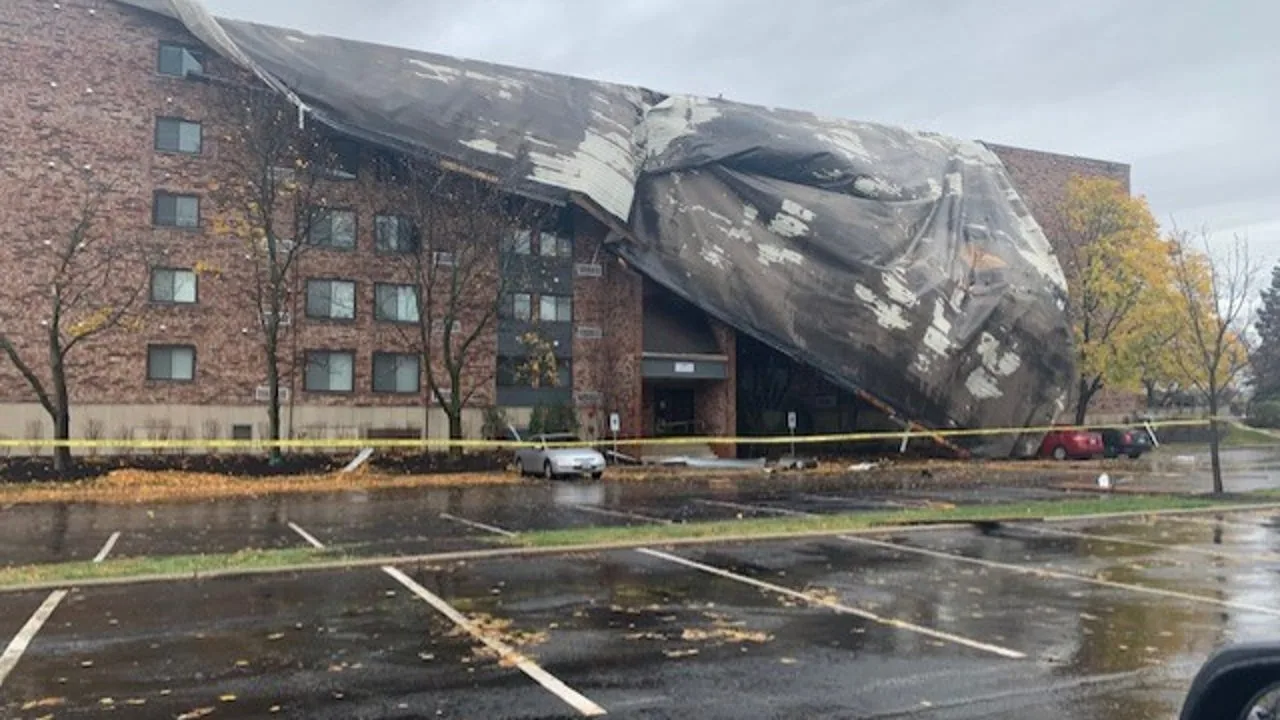
Emergency Commercial Roof Repair in Bridgeport, CT
Limit active roof water, protect building operations, and document temporary dry-in and permanent repair steps for commercial properties in Bridgeport, CT.
Active roof water calls for a clear first priority: protect people, equipment, inventory, and work below. Our emergency response begins with the affected room or bay, the amount of active water, and any immediate electrical or access concern. We coordinate with the facility contact before entering occupied or production areas. At the roof, we look for a safe route, weather exposure, and the source area that needs temporary control. The crew states what is protected, what remains exposed, and when to check again.
Bridgeport properties include port-related operations, offices, industrial spaces, and mixed-use buildings. A leak over a receiving door can interrupt deliveries, while water over a tenant suite may require interior containment and notice. We adapt the response to the roof assembly and building use instead of applying one temporary measure everywhere. After immediate protection, we record conditions and identify whether a permanent correction can be completed safely during the same visit or needs a return window.
Stabilize the Interior First
Before roof work, we confirm whether water is actively entering, where it is appearing, and what sits beneath it. The site team may need to move stock, isolate equipment, place a catchment, or close a narrow work zone. We avoid asking staff to touch wet electrical components or climb into an unsafe ceiling area. Photos and a brief location note help distinguish a new leak from a prior stain and guide the roof check. If the water source is not yet clear, we protect the most vulnerable area while keeping an escape path and normal operations in view.
Our commercial leak tracing follows the water path rather than assuming the ceiling mark sits directly below the opening. A curb, seam, drain, parapet, or wall transition may be involved. We note whether the leak began during heavy rain, after snowmelt, or following work on nearby rooftop equipment. The timeline guides inspection but does not replace physical evidence.
Create a Defined Temporary Dry-In
Temporary protection has to fit the roof surface and current conditions. Depending on the assembly, a crew may use a secured cover, compatible temporary seal, or another controlled method that keeps water away from the opening. A defined edge shows which portion is protected. Temporary dry-in is not a permanent repair, and loose material must not create a wind hazard. If the surface is wet, icy, or otherwise unsuitable, we explain why a safe temporary measure or permanent work must wait.
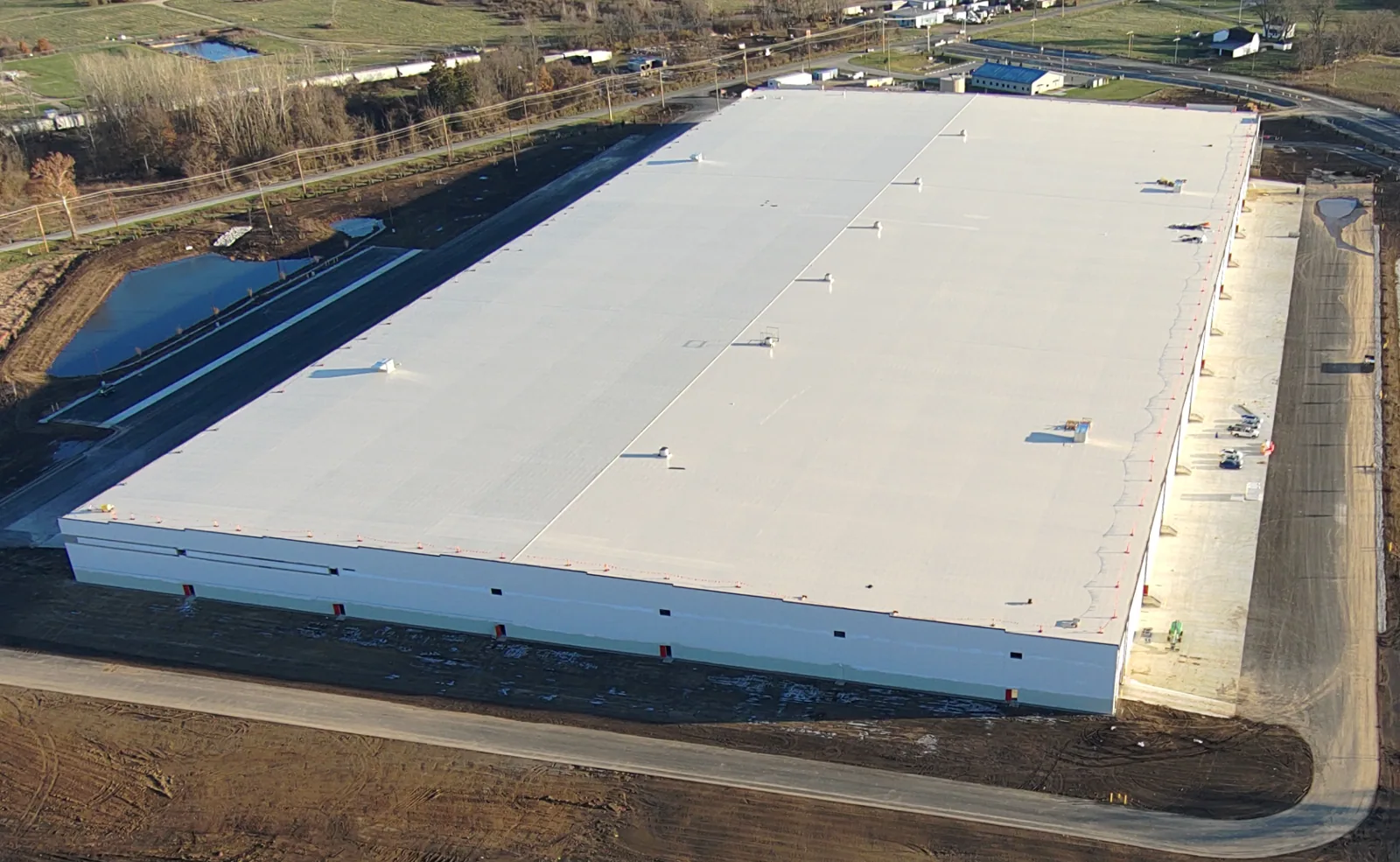
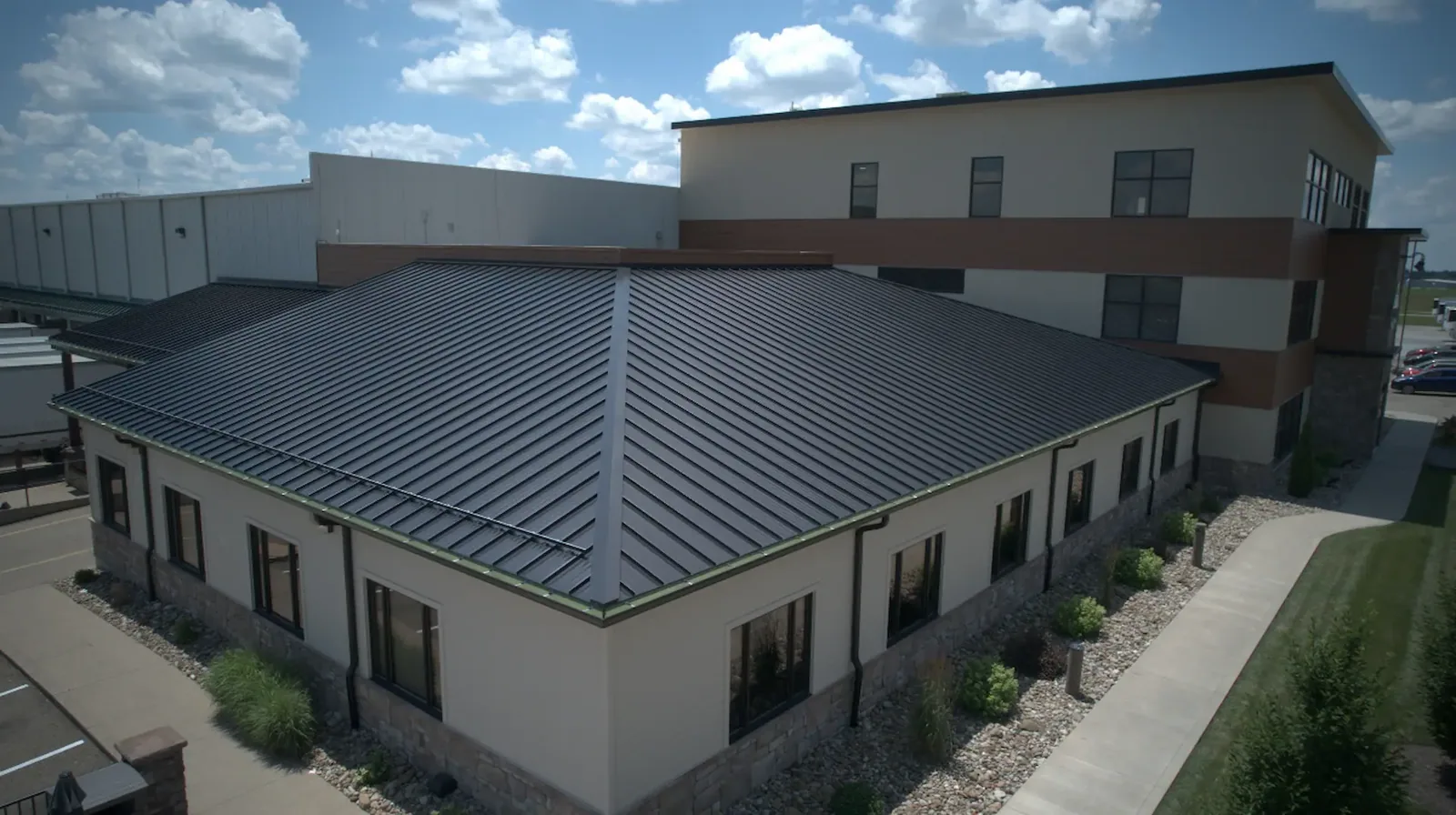
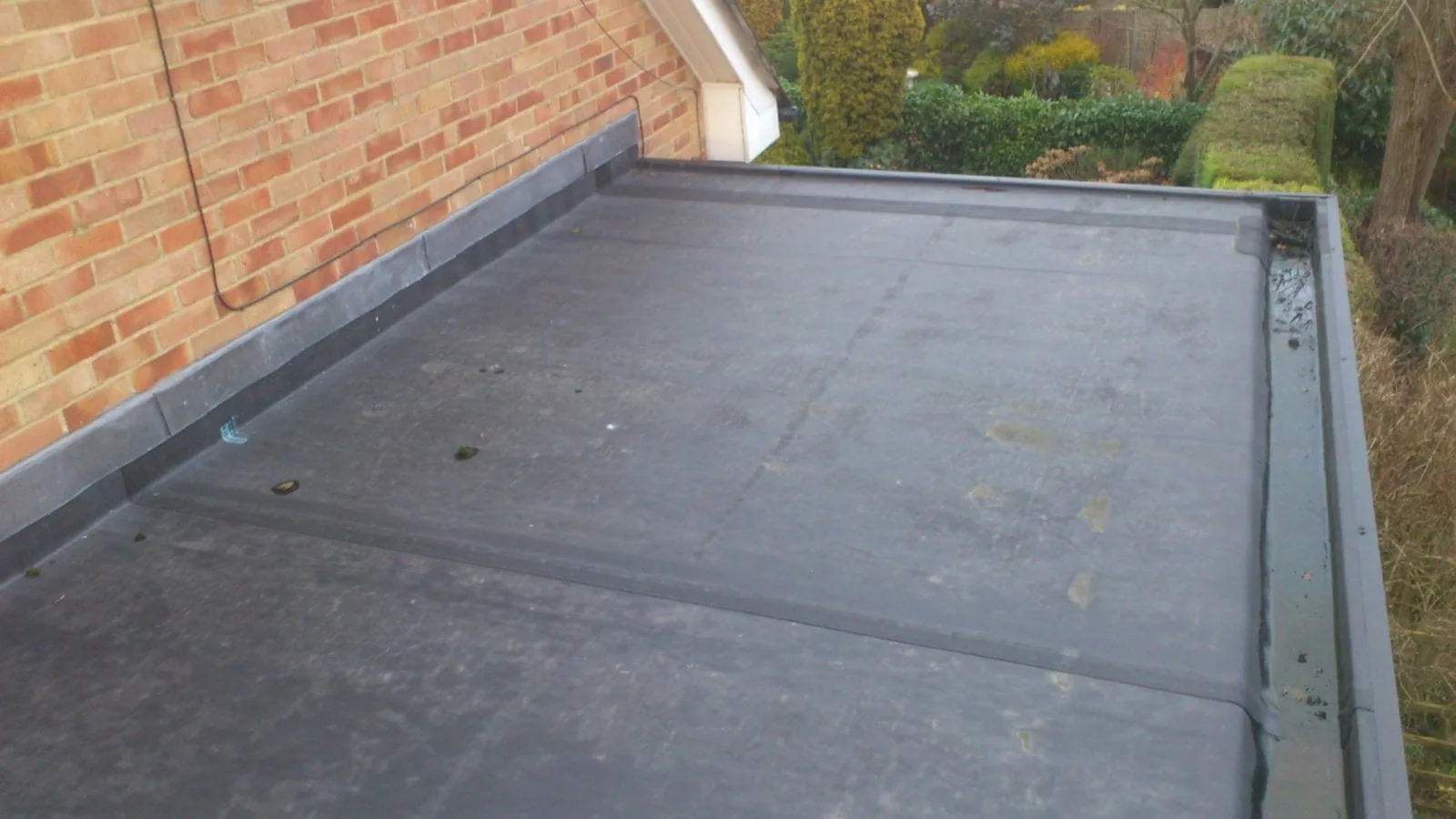
For a low-slope roof, water may be pooling around a drain or scupper while a separate seam or penetration is open. The drain and scupper check helps determine whether runoff is contributing to the emergency. At a roof edge, the metal roof system may require a different temporary approach from a membrane. The selected measure should limit immediate entry while preserving the surrounding assembly for a proper repair.
Choose the Next Safe Repair Step
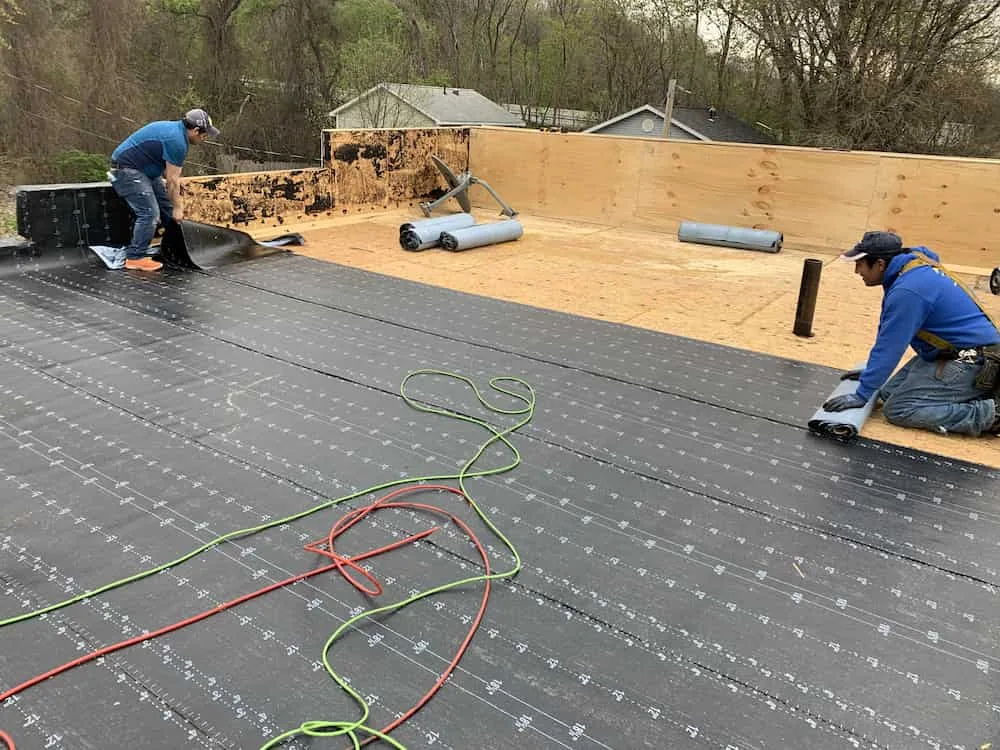
If weather and substrate conditions allow, we can prepare and complete a permanent correction during the initial visit. The repair follows the defect. A split seam, penetration, edge detail, or flashing each requires a compatible method. We expose sound material, document the boundary, and inspect connected transitions. A coating over an unprepared or wet surface can hide the opening without solving it, so the decision depends on material condition and adhesion requirements.
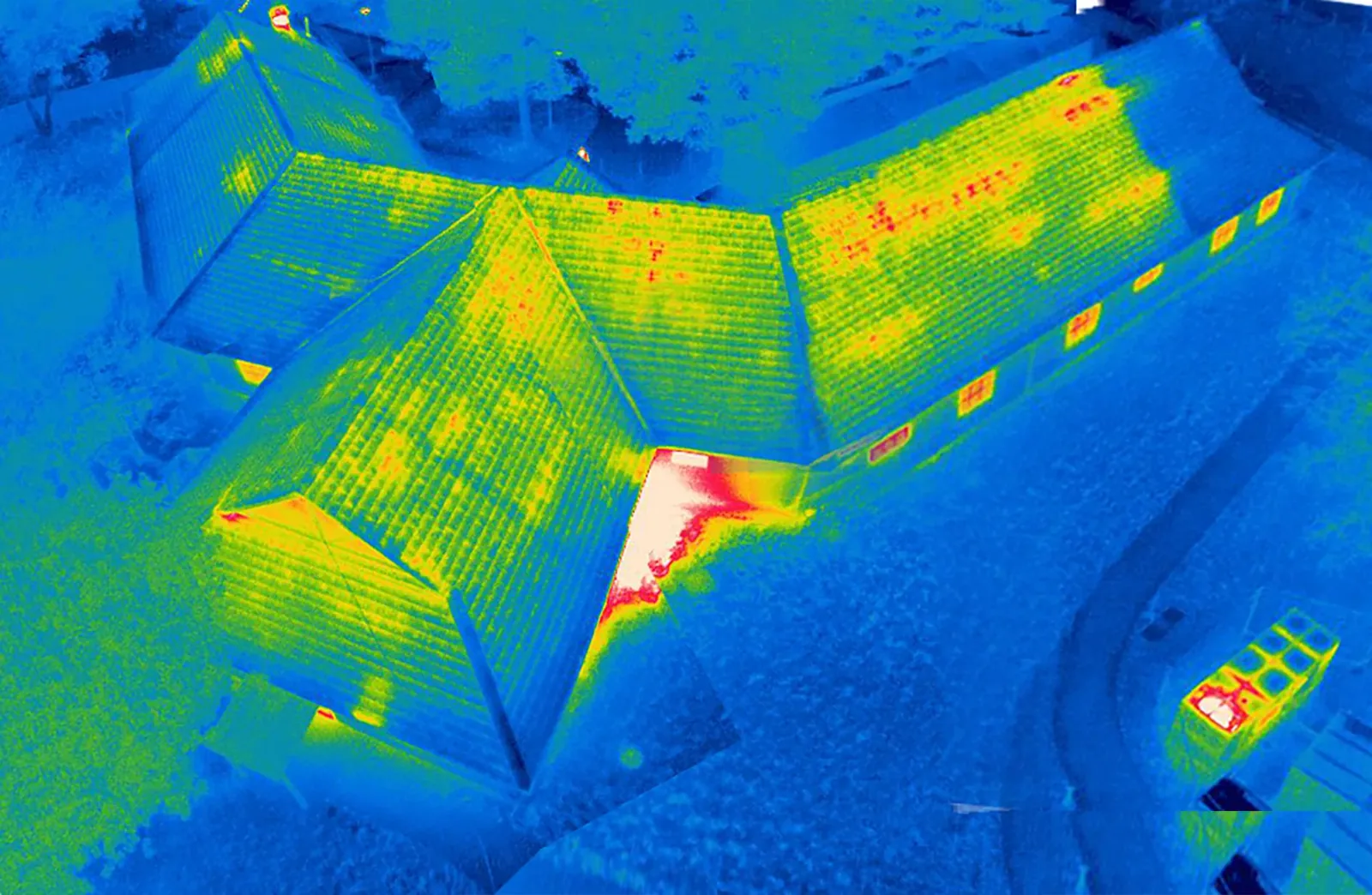
If a full repair cannot be made safely, the response record states the temporary measure, the open condition, and the return trigger. Our planned roof repair can then address the failed detail with suitable preparation and materials. Where moisture may have spread beyond the opening, an infrared moisture survey can help map suspect areas when roof conditions are appropriate. The survey does not replace a core sample or prove the leak source by itself; it helps focus the next inspection step.
Plan Around the Wetting and Freeze Cycle
Bridgeport’s wet and winter seasons call for practical drainage checks, with the building’s observed condition guiding any repair. Weather changes make timing relevant. Check a temporary cover after a storm, and close out permanent work only when the surface and materials meet installation requirements. Keep runoff and drain paths in view. After snow or ice clears, a site contact should note fresh moisture, renewed ceiling drips, or a change in the affected footprint.
On the initial call, give the last dry time and whether water changed after rain, thaw, or wind. A safe interior photo can identify the bay. Mention earlier patches that may be hidden by later work. In Bridgeport, active waterfront exposure and port-adjacent operations can also influence how a site schedules access and protects stored materials, so the response plan includes building use as well as roof condition.
Keep the Facility Team Informed
We confirm delivery schedules, tenant access, security procedures, roof-entry rules, and work that cannot stop. A facility with loading activity may need a ground-level exclusion zone while materials move. An office may need notice before ceiling access. Bridgeport and nearby Stratford, Fairfield, and Milford each have buildings with different access constraints; the same repair can require a different staging plan from one property to the next. The site representative should know when the crew is on the roof and when the area is safe to reopen.
The closeout note separates observed facts from pending checks. It lists the leak location, likely source, temporary protection, permanent work completed, photos, and any remaining moisture or material concern. If a follow-up visit is needed, we name the condition that will trigger it rather than leaving an open-ended instruction. A roof condition report can organize the findings when several roof sections or repeat leaks are involved. That record gives operations and ownership a usable basis for repair planning.
Know When Emergency Work Is Complete
Temporary dry-in is complete when the agreed area is protected, the boundary is documented, and the responsible contact understands the remaining exposure. Permanent repair has a separate closeout: the crew identifies the defect corrected, the materials used, adjacent areas checked, and the next inspection trigger. A dry ceiling immediately after work does not prove the assembly has passed a later wetting cycle. We state what confirms stability and what should prompt another call.
One opening may be a targeted repair. Several leaks, wet insulation, recurring failures, or broad deterioration may require a wider condition review. We show where emergency protection ends and what evidence would justify expanding the scope. Share the building address, affected room, active-water status, roof access details, and any sensitive equipment or process. For emergency roofing work in Bridgeport, those details let us prepare a response around the active water, safe access, and durable repair sequence.
Questions and Answers
What should building staff do while waiting for roof help?
Move people and contents from active water if safe, isolate equipment under site procedures, and place a catchment only if no hazard is present. Record the room or bay and call out electrical or ceiling risks. Do not climb onto the roof or touch wet wiring.
Can a temporary tarp serve as the final repair?
A tarp or other temporary dry-in limits exposure but does not fix a seam, flashing, penetration, or drain. The crew documents its boundary and return trigger. Permanent work follows when weather and surface conditions allow a compatible repair.
Will the crew repair the roof during the emergency visit?
A permanent correction may be possible if the defect is accessible and conditions support safe preparation and installation. If not, the visit focuses on interior protection and a defined temporary measure. The closeout states what remains open and what must be true before permanent work can proceed.
How do we know whether water is still entering after dry-in?
Check the recorded area after the next suitable wetting event. Note a new drip, expanding stain, or moisture change. A dry-day ceiling does not test the temporary boundary. If water returns, share its time and location so the crew can compare it with the original path.
What details help dispatch an emergency roof response?
Provide the property address, active-water status, affected room or bay, roof access, building contact, and any safety restriction. Mention weather timing, prior repairs, rooftop equipment, and sensitive inventory so the crew can prepare interior protection and roof inspection.
Related Roofing Work
Protect the Building and Set the Repair Boundary
Share where water is entering, what operations are affected, and how the roof can be accessed. We will identify the immediate protection, document what remains exposed, and set the next repair or inspection step.