Commercial Roof Drain and Scupper Repair in Bridgeport, CT
Review roof drains, scuppers, overflow paths, crickets, and ponding concerns for commercial buildings in Bridgeport, Connecticut today.
A roof outlet is only one part of the water route. We trace how runoff reaches a drain or scupper, whether the opening is clear, and where water goes after it leaves the roof. A drain bowl, leader, overflow, and low area can each affect the result. We document the roof zone and visible conditions before recommending cleaning, a detail repair, or a wider correction. If standing water remains after the surrounding surface should have drained, we look for the cause instead of treating the puddle as a complete diagnosis.
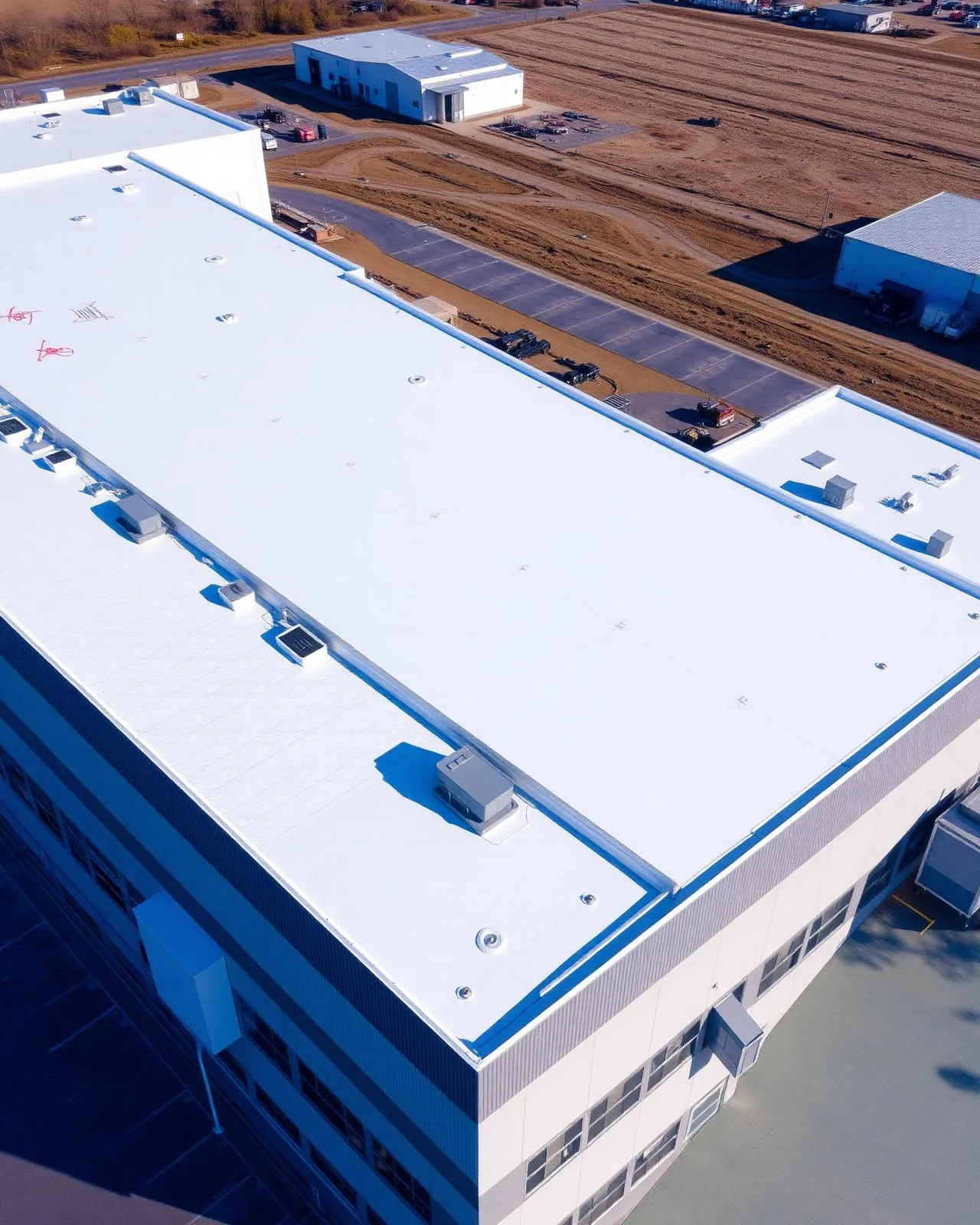
Bridgeport commercial roofs see recurring precipitation and winter snow, and their drainage details sit above industrial, port-related, office, and mixed-use operations. A blocked outlet can affect a loading area or occupied floor below, so the inspection plan includes safe access and an interior contact. We separate debris removal from repair work, and state whether a drain, scupper, overflow route, or slope condition still needs attention after the visit.
Follow Runoff From the Roof Surface
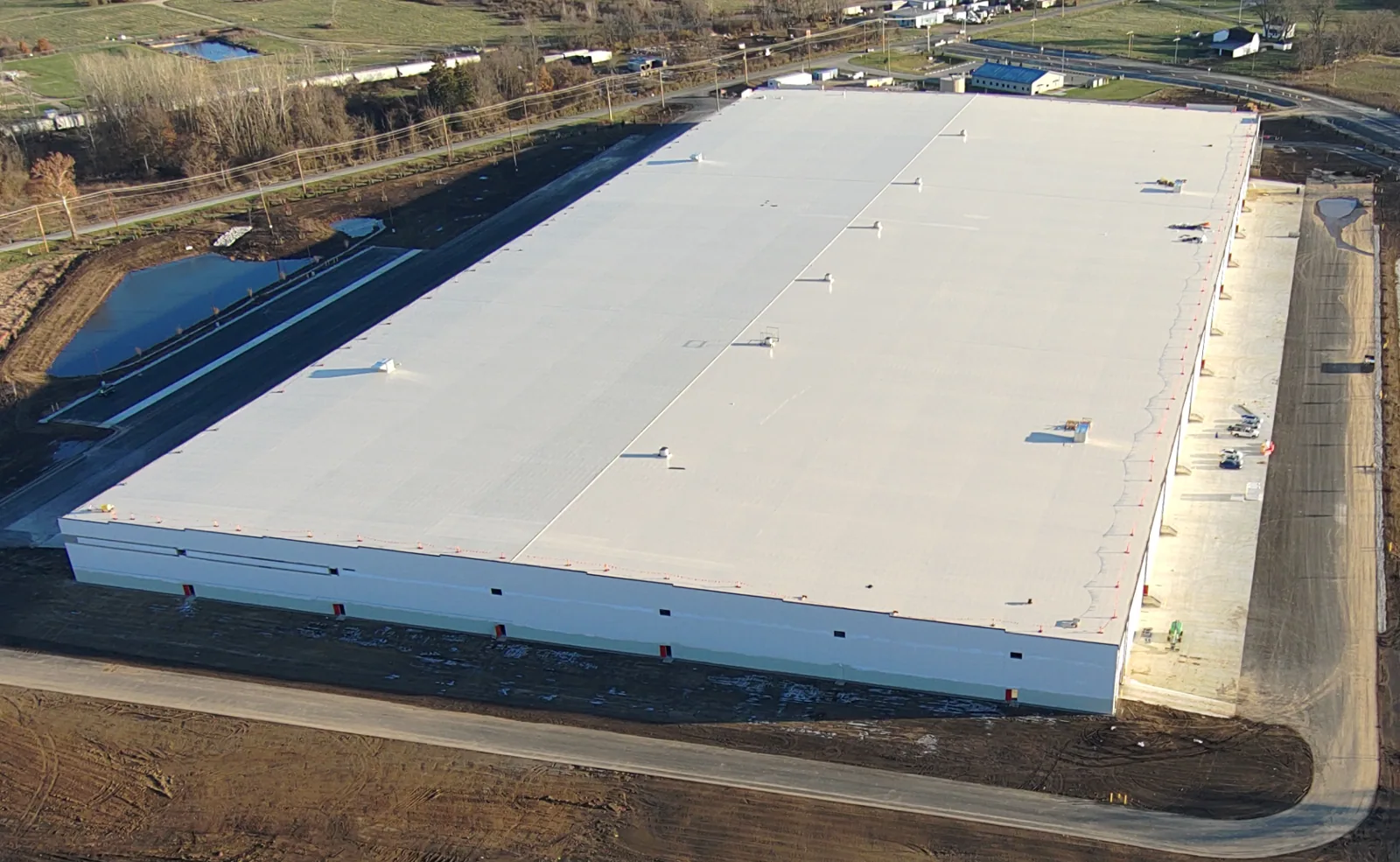
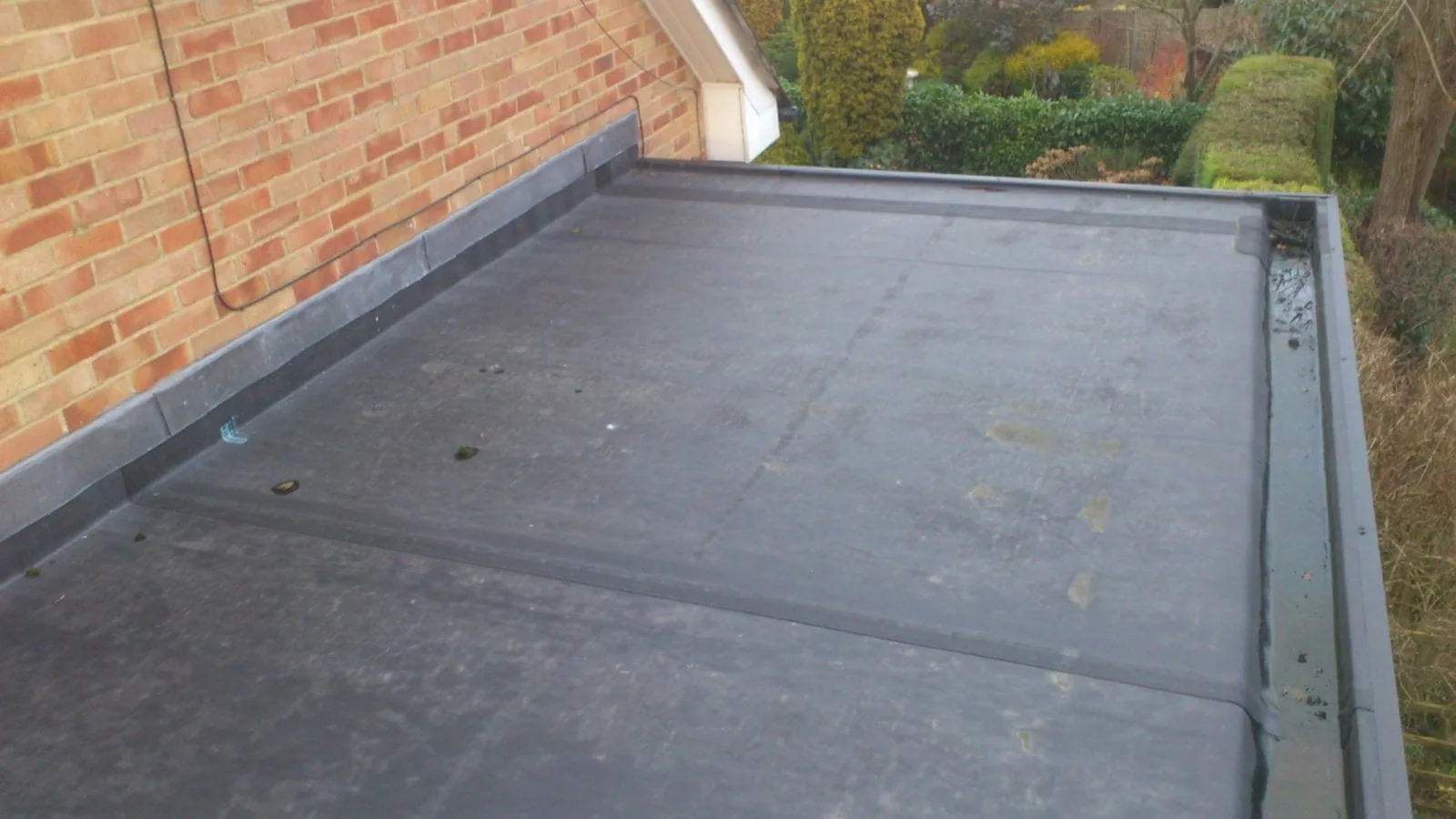
We start at the high points and follow the surface toward its intended outlets. A cricket should direct water around an obstruction, while tapered insulation or deck slope may create a route toward a drain. We look for reverse slope, debris, isolated low spots, seams that interrupt flow, and areas where past work changed the elevation. A small amount of water immediately after rain is not the same as persistent ponding. The report records the conditions and timing so the owner can compare a later visit.
If a water mark appears inside, a leak tracing visit can help connect that symptom to a drain or seam. We also check whether overflow openings are visible and whether runoff can reach them. The roof inspection may cover a larger assembly, but a drainage correction requires its own location, dimensions, and finish detail. That keeps the scope tied to the actual water route.
Check the Bowl, Strainer, and Outlet
At an interior drain, we inspect the visible bowl, strainer, clamping area, and surrounding membrane. A drain can be clear at the surface while a downstream line still needs review by the appropriate trade. We identify whether debris, a loose ring, cracked material, or an open membrane transition is visible. We do not assume that clearing leaves corrects a leak at the drain assembly. The repair note explains whether the work is cleaning, sealing, replacing a detail, or coordinating another inspection.
Scuppers need a comparable check at the parapet. We inspect the opening, metal edge, membrane tie-in, and visible outlet path for blockage or separation. If an edge or coping detail is involved, the perimeter repair scope can define that work separately. When water has entered at a drain, the roof repair should identify compatible materials and how the finished edge will be checked after the surface is prepared.
Keep Secondary Water Paths Visible
An overflow scupper or secondary drain has a different job from the primary outlet. We note its location, visible opening, and whether a parapet or nearby work blocks the route. The building team should know where emergency water would discharge and whether the outlet is accessible for maintenance. We do not calculate structural loading from a visual walk. If ponding depth, deck capacity, or drainage design is in question, the owner may need an engineer or design professional to assess the system.
Bridgeport’s average annual precipitation is 44.09 inches and average snowfall is 33.6 inches. Those climate values make a clear water route relevant through rain and winter transitions, but they do not prove a defect on one roof. The facility team can record conditions after a wet period and compare them with the outlet locations. A maintenance visit can then revisit drains, strainers, scuppers, and areas that held water rather than repeating a general roof walk.
Choose a Correction That Fits the Roof
Correction may involve clearing an obstruction, repairing a membrane-to-drain transition, rebuilding a scupper detail, or addressing a roof surface that no longer directs runoff. The selected scope depends on the assembly, condition of surrounding material, and whether the outlet itself is serviceable. A patch beside a damaged bowl may leave the failure point open. We define the repair boundary and describe any preparation, replacement part, or follow-up check needed to confirm the route functions as intended.
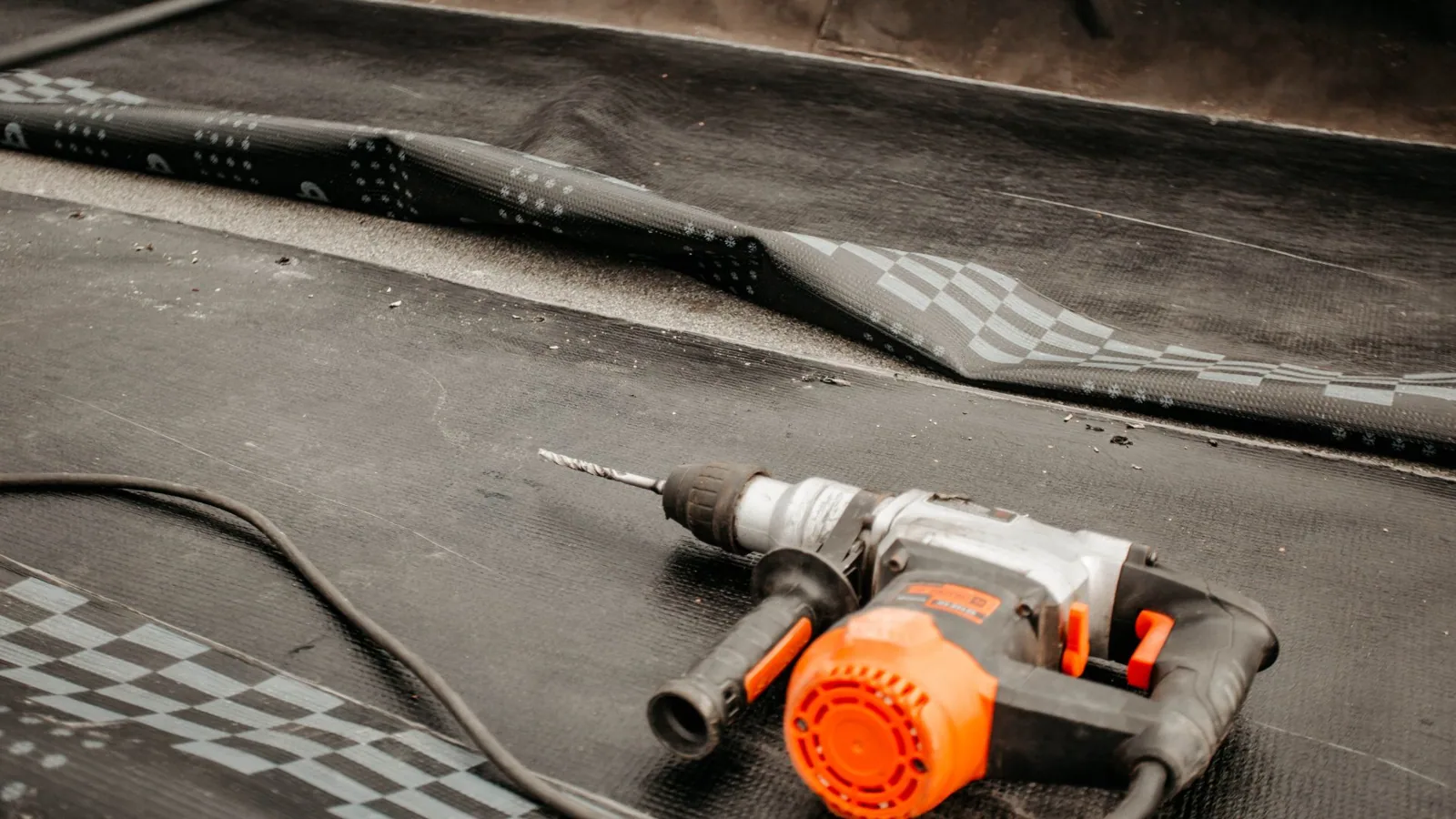
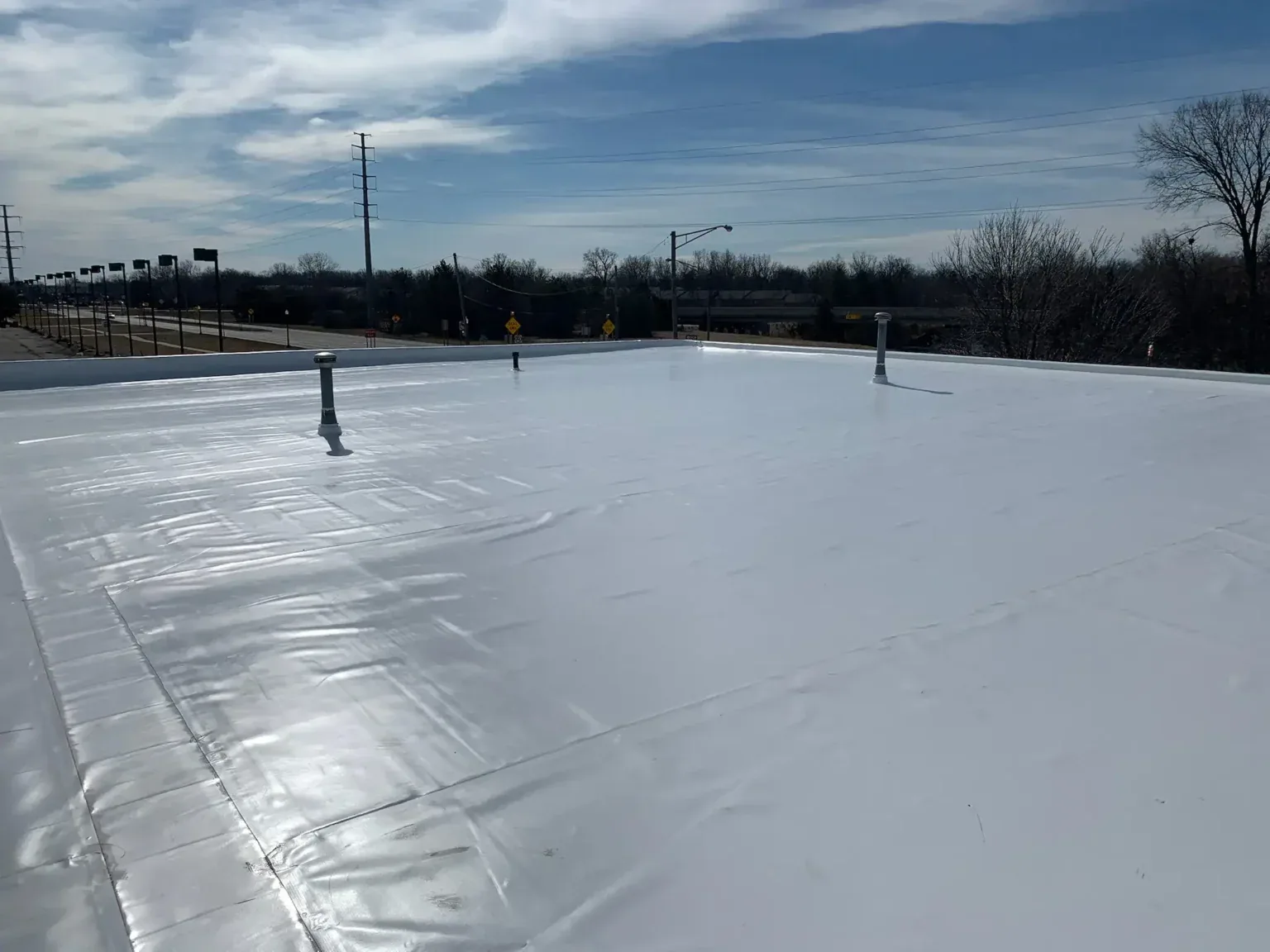
On a membrane roof, the tie-in around the drain must match the system and surrounding layers. A TPO membrane or modified-bitumen assembly has different details from a metal edge or built-up roof. If the area shows moisture beyond the drain, an infrared survey may help identify locations for verification under suitable conditions. No imaging result should replace a proper test where concealed layers determine the repair.
Coordinate Drain Work With Building Use
Before working at an outlet, we confirm roof access, interior areas below, where runoff discharges, and whether operations need to avoid that path. A property near Bridgeport’s port or an industrial corridor may have delivery windows and material staging limits. A downtown office may need notice before opening a ceiling or entering a tenant area. At a site in Stratford or Fairfield, the building contact identifies its own access and drainage discharge concerns. The work sequence follows the property, not the municipality name alone.
Bridgeport requires building information and a written scope for many commercial or industrial zoning plan applications. If a repair or alteration needs that review, a location-specific drain note helps describe the affected roof section and proposed correction. The property team confirms approvals before work starts. Our field record can show which outlet was inspected, what was found, whether cleaning or repair occurred, and what remains to be checked by another trade or professional.
Record the Outlet and Next Inspection Trigger
Closeout should name the drain or scupper location, show the repaired transition, and state whether the surrounding area was inspected. We note visible flow path, overflow condition, and any limitation such as a blocked leader or inaccessible interior. If a test is needed, the report identifies what question it should answer. A follow-up after suitable rainfall can compare the same area and help confirm that water is leaving the roof as intended.
Share roof plans, interior leak locations, recent repair notes, and access instructions before a visit. A roof condition report can group outlet findings with other maintenance items. On a Bridgeport commercial roof, we identify the visible outlet defect and set the work boundary before cleaning or repair begins. The handoff gives the facility team a clear next check rather than a general instruction to watch the roof.
Questions and Answers
Why does water remain around a roof drain?
Debris, an obstruction, the roof surface, or a detail problem can affect drainage. We record the location and conditions after the surrounding roof should have drained. A visual walk does not determine structural capacity or every downstream plumbing condition.
Does clearing the strainer repair a leaking drain?
Not necessarily. Cleaning removes an obstruction, while a leak may come from the bowl, clamping area, membrane transition, or a separate water path. The inspection identifies which visible condition is present and whether further access is needed.
What is the purpose of an overflow scupper?
It provides a secondary route for water where the roof design includes one. We check that the opening is visible and not blocked by debris or later work. A design professional should evaluate capacity or drainage changes that involve structural or code questions.
Can ponding be corrected with a coating?
A coating does not automatically correct slope or a blocked outlet. The water route and surface condition must be reviewed first. We identify whether cleaning, drain repair, tapered work, or another scope is needed before discussing a coating.
What information helps plan drain repair?
Provide roof plans, known leak locations, outlet photographs if safe, recent repair history, interior access rules, and where each drain or scupper discharges. Tell us when ponding was observed so the visit can compare similar conditions.
Related Roofing Work


Trace the Drainage Route Before Repair
Share the roof plan, outlet locations, ponding observations, and any interior leak area. We will inspect the route and identify whether cleaning, detail repair, or further evaluation fits the condition.