
Commercial Roof Leak Repair in Bridgeport, CT
Find and repair commercial roof leaks in Bridgeport, CT with a traced entry path, immediate water control, compatible materials, and a clear recheck plan.
A water mark below a roof assembly is the first visible point, not necessarily the entry. In Bridgeport, CT, a leak can travel from a curb, seam, drain, or wall transition before it reaches the ceiling. We protect the room and contents first, then inspect the roof path above and around the mark. The visit records active water, material condition, prior patches, and the areas that need closer testing. The repair scope follows the evidence we find, so a small opening is not sealed while another path remains active.
Bridgeport buildings range from port-adjacent warehouses to offices and industrial spaces near I-95. A leak over a receiving bay needs a different access window from one above a tenant suite. We coordinate interior access, roof entry, and temporary containment with the facility contact, then give them a practical update on what can be repaired now and what needs another inspection step.
Follow the Water Path
We start at the interior symptom and note whether water appears during rain, after snowmelt, near equipment cycles, or after a prior repair. On the roof, we inspect the membrane uphill from that area, then examine seams, laps, fasteners, curbs, vents, drains, parapets, and wall flashings. Moisture may travel along insulation or deck flutes, which is why the stain and entry point can be separated. We look for a connected pattern instead of assuming the nearest visible defect caused the leak.
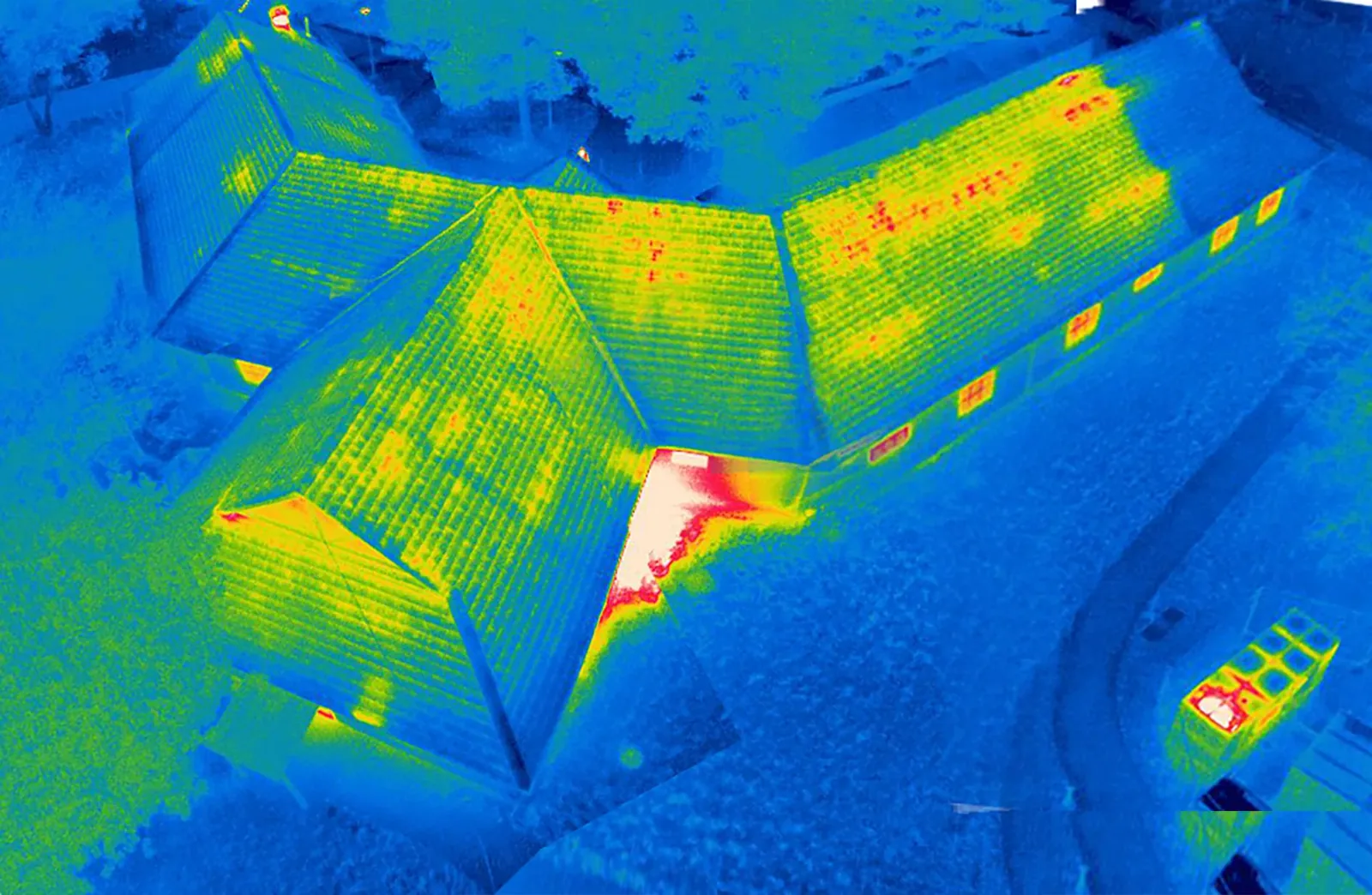
Photos identify each suspected path and distinguish confirmed openings from conditions that need testing. If a repair covers a large or complicated roof area, our infrared moisture survey may help map temperature patterns under suitable conditions. Where the result remains uncertain, a test cut can show the actual layers and moisture condition. We explain the reason for that opening and document what it reveals before recommending repair, dry-out, or replacement.
Control Water Before Permanent Work
When water is entering now, we first limit damage below. That may mean moving contents, placing a controlled catchment, protecting electrical or production areas, and identifying the ceiling or wall section that needs monitoring. On the roof, we use a temporary measure suited to the surface and weather, with a defined edge and a return plan. A temporary cover is not the same as a completed repair, and the facility contact should know where protection ends and what condition could require another call.
If weather and surface conditions permit a permanent correction, we prepare the detail and make the repair during the same visit. Otherwise, we record the temporary work, check that runoff is directed away from the opening, and schedule the final repair when materials can bond or attach correctly. Our emergency roof response follows this first-hour sequence while preserving a clear record for the longer-term scope.
Repair the Failed Detail
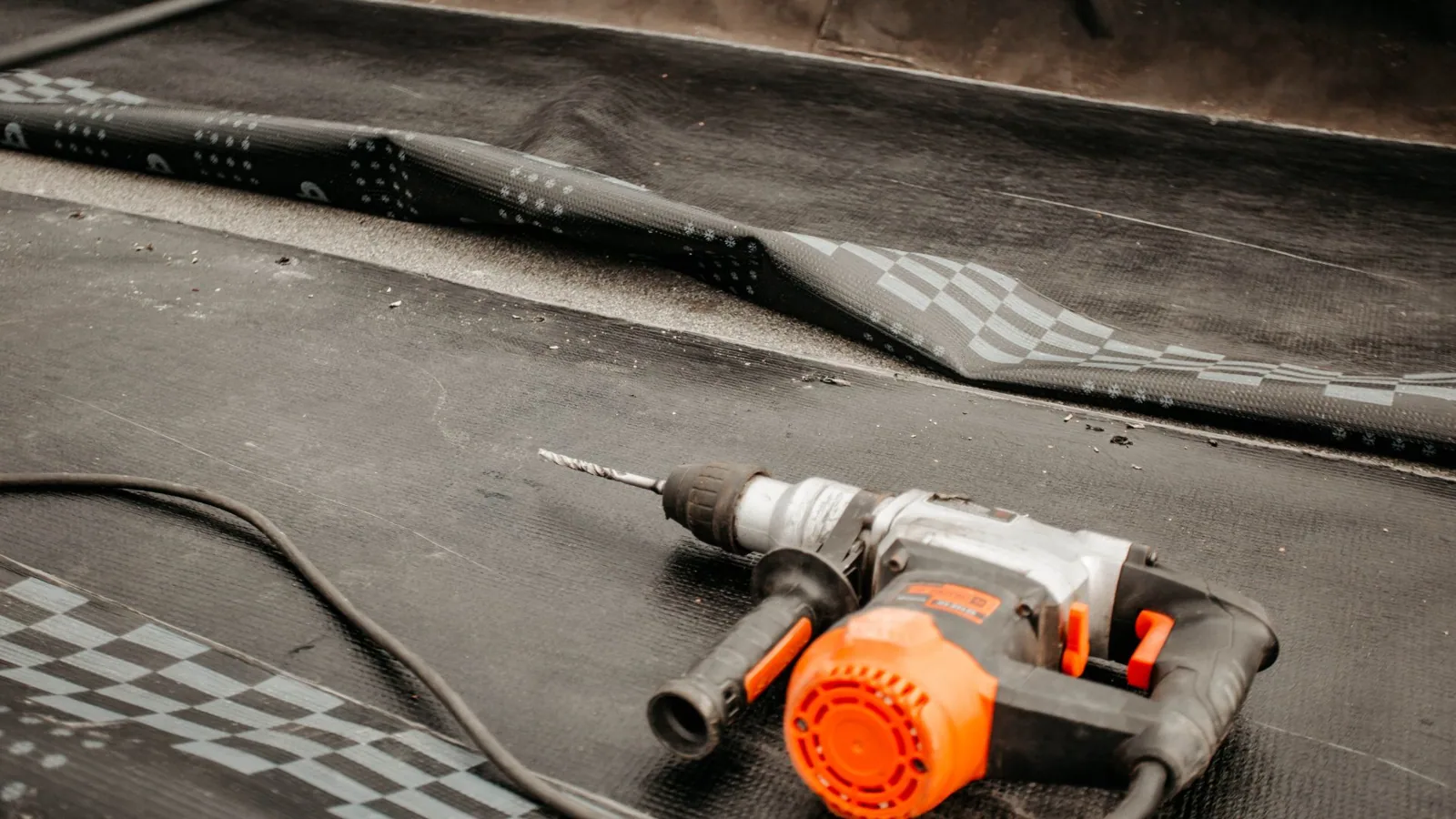
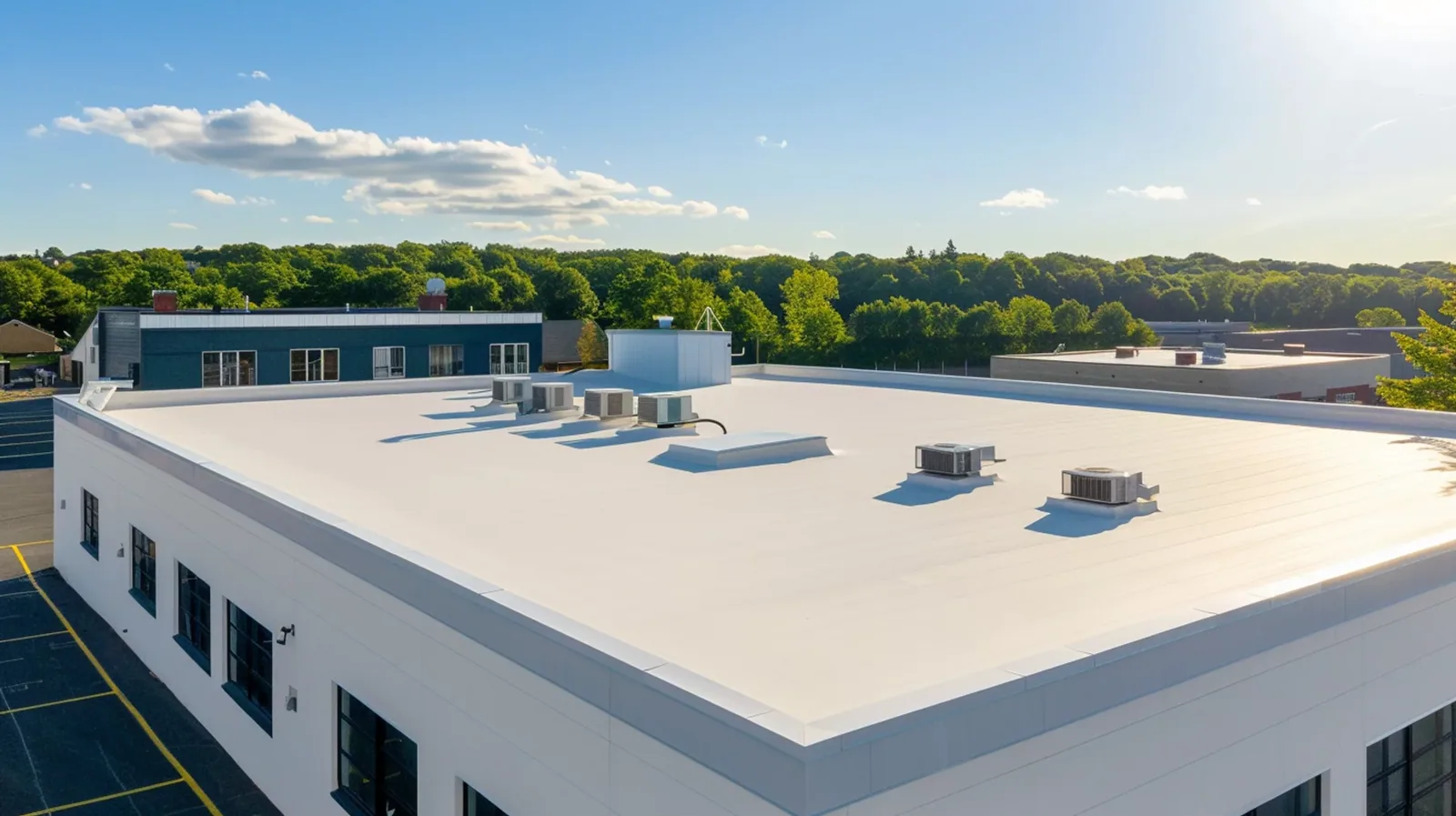
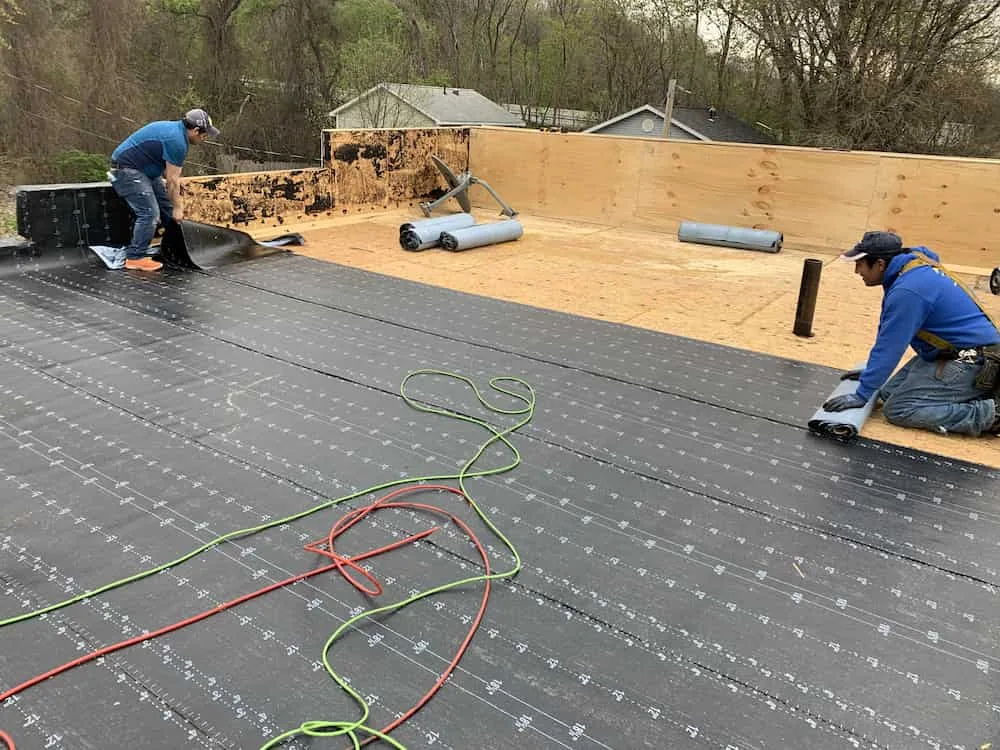
The correction depends on the entry point. A split seam needs compatible preparation and reinforcement along sound material. A failed penetration calls for work at the boot, curb, or flashing transition, not merely a surface coating. A blocked drain can raise water around an otherwise intact membrane, while a loose coping joint may let driven rain behind the edge. We identify the defect, remove material only as needed to reach sound substrate, and install a repair compatible with the existing system.
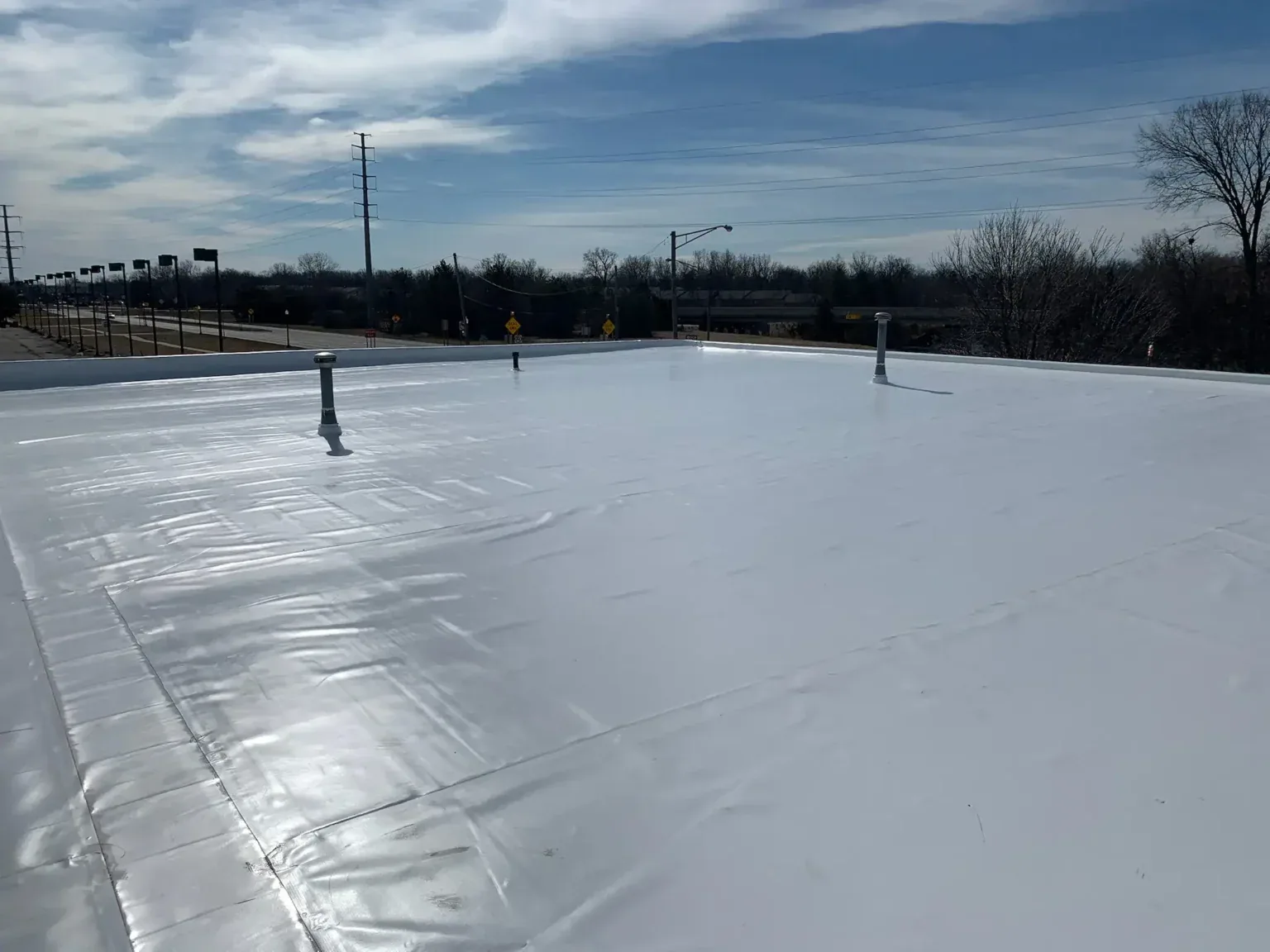
After the repair, we inspect adjoining laps and transitions, then check the route to the drain or scupper. A drain and scupper review can be included when runoff contributes to the leak. If the membrane is PVC, the repair detail must suit that system and its condition. We do not use a generic patch where compatibility, movement, or wet substrate could undermine the bond.
Watch the Next Wetting Cycle
Annual averages for Bridgeport pair 44.09 inches of precipitation with 33.6 inches of snow, a practical reason to verify drains and edge transitions. That history makes repeated wetting and winter transitions relevant to a leak investigation, but it does not identify the defect by itself. We note whether the area remains damp after runoff ends, whether ice could interrupt a drain path, and whether moisture appears at a seam after temperature changes. Those observations help decide when a recheck will be informative.
For a low-slope roof, we look at drain bowls, scuppers, overflow routes, and low areas as well as the suspect detail. Water that cannot leave the roof may load a weak seam or keep a repair area damp. If the active leak stops but the ceiling mark remains, the building team should monitor it rather than assume water is still entering. We identify what to check next and when a dry interior surface should be expected to change.
Coordinate the Repair With Operations
Before work, we confirm how the crew reaches the roof, which rooms sit below the repair, where tools and materials can stage, and whether a tenant or process area needs advance notice. In a logistics space, keep forklift and loading paths clear. In an office, protect occupied rooms and coordinate ceiling access. At facilities across Bridgeport and nearby Stratford, Fairfield, or Milford, the roof problem may look similar while the access plan differs by building.
Once repaired, the site contact receives a summary of the suspected entry path, work performed, temporary measures left in place, and any unresolved condition. This handoff helps the next commercial roof inspection revisit the right detail. If another storm or equipment project affects the area, the team has a specific location and inspection trigger rather than a general note that the roof leaked.
Separate a Leak From a Larger Roof Problem
One localized opening may need a focused repair. Repeated water entry across several bays, broad wet insulation, or multiple failed transitions may require a condition map and a larger decision. We show where the assembly appears stable, where the repair boundary ends, and what evidence would change the recommendation. That lets ownership weigh targeted work against a phased replacement without treating each stain as an isolated event.
Our roof condition report can organize photos and findings by area. It can also record temporary protection, material compatibility, and follow-up checks. For a roof visit, share the dates of active leaks, interior locations, prior repair invoices, and any access limits. We will trace the path, identify the repair option, and document the next step for the facility team.
Questions and Answers
Why does the ceiling stain appear away from the roof defect?
Water can move through insulation, along deck flutes, or across a framing member before dripping. We inspect above and uphill from the stain, then follow seams, penetrations, drains, and transitions for a connected path. If visual findings are inconclusive, we explain whether a test cut or moisture survey is useful.
Can the leak be stopped during the first visit?
We can often control active entry and complete a permanent repair if the roof surface and weather permit proper preparation. When they do not, we install a defined temporary measure, protect the interior, and set the return condition. The handoff states what is protected and what remains open.
Should we replace ceiling tiles before the roof repair?
Hold cosmetic replacement until the entry path is corrected and the area has been monitored through a suitable wetting cycle. We can note which interior areas were affected, but drying and finish restoration may require a separate trade. Keep the location available for recheck if moisture returns.
What if the leak continues after a patch?
We revisit the path and compare it with the first inspection record. A nearby seam, drain, curb, or concealed wet area may be involved. We document the new evidence and expand the investigation only where the water path supports it, instead of repeating the same patch without a reason.
What information helps dispatch a roof leak visit?
Provide the building and room, active-water status, approximate start time, photos if safe, affected equipment or inventory, and roof-access instructions. Tell us about previous patches and any scheduled deliveries or sensitive operations. That helps stage a response and protect the interior while we trace the source.
Related Roofing Work
Trace the Leak Before It Spreads
Share the affected room, water timing, prior repairs, and roof-access rules. We will protect the area, inspect the likely path, and document the permanent repair or next test.