Commercial Roofing for School Districts in Bridgeport, CT
Sequence school roof inspections and repairs around classes, access rules, weather, and safe building handoffs for districts in Bridgeport, CT.
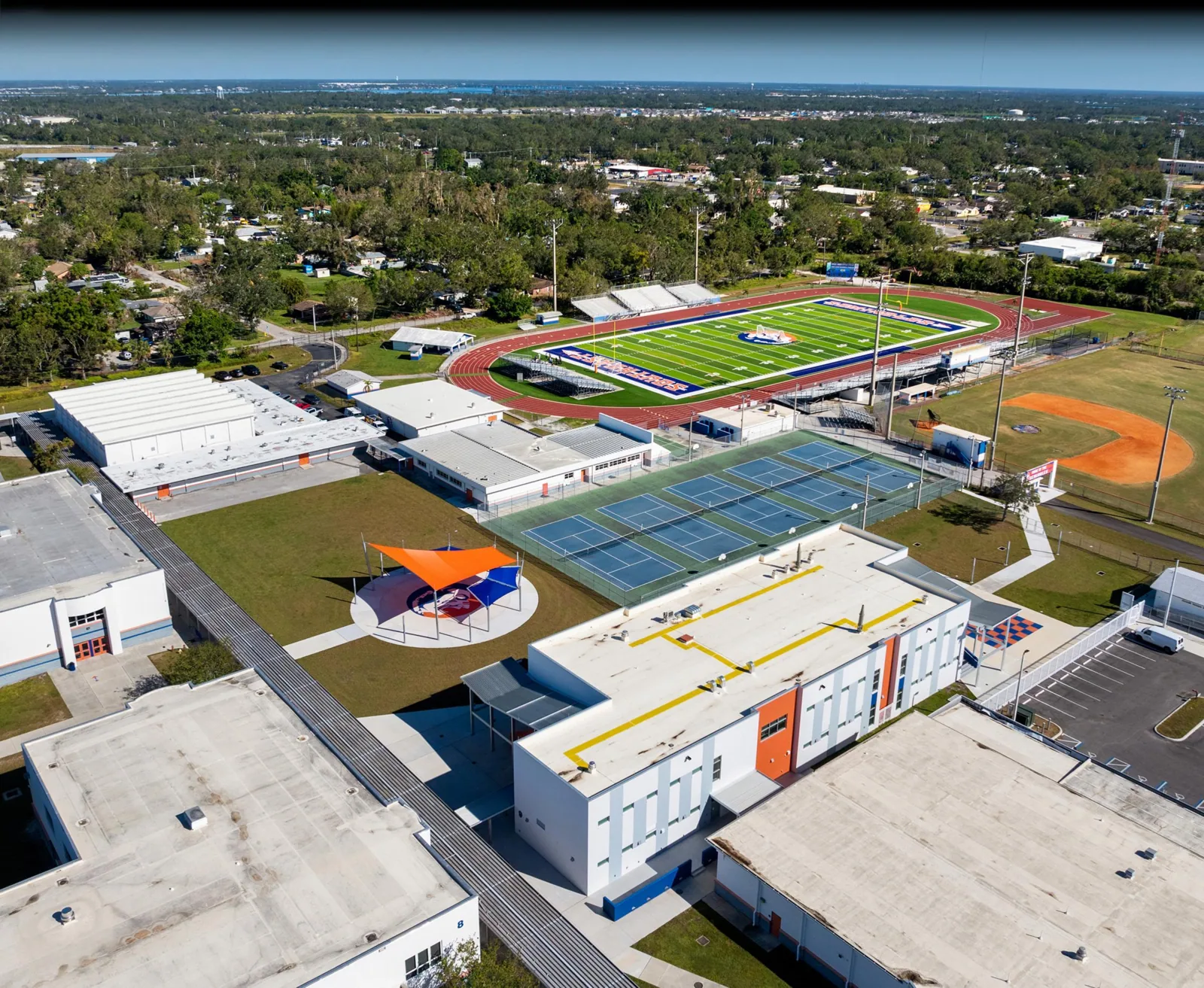
The school calendar is part of the roof scope. A repair over an occupied classroom may need a different access route, noise window, and interior protection plan than work scheduled during a break. We start by identifying the building contact, the room below, roof access, and any activity that must remain undisturbed. Bridgeport averages 33.6 inches of snowfall and 44.09 inches of precipitation a year. Those wet and snowy conditions make drainage and post-thaw observations useful when setting inspection timing; the building condition decides what work is warranted.
We can inspect one roof area or help a district compare several facilities while keeping each record distinct. A school roof inspection documents visible conditions, access limits, and repair priorities. If water is active, we set an immediate boundary and use focused leak tracing before recommending a permanent correction. The facilities team receives a written handoff that can support scheduling, maintenance, and a later capital review.
Fit Roof Work to the School Day
Before mobilization, we map student and staff entrances, bus movement, delivery areas, roof access, and the interior spaces below the work. The site contact identifies testing dates, events, summer programs, and hours when equipment noise is not acceptable. If the roof is reached by lift, the setup area needs to remain clear of pedestrian routes and emergency access. We agree on a stop-work contact and the conditions that would move the crew to another section.
That planning can preserve work time without assuming that every task belongs in summer. A small flashing repair may fit an early or after-hours window, while a larger removal-and-replacement scope needs a planned dry-in sequence and a defined area of restricted access. We can coordinate with a general contractor managing related building work so roof penetrations, temporary openings, and closeout responsibility are assigned before trades arrive. The facilities lead should know which roof section is included and when it can be used again. We also identify which classroom, kitchen, or common area sits beneath the active work so custodial and school staff can protect the right space.
Track Water from Ceiling to Roof Detail
A stain over a classroom does not identify the point where water entered. We record the room, time, weather, and any change after a prior patch, then inspect above the affected area and trace the likely path across the roof. Seams, wall transitions, skylight flashings, curbs, drains, and scuppers can all alter that path. The report names what was observed and notes any section that could not be reached, which keeps the district from treating a guess as a verified repair scope.
The annual precipitation normal for Bridgeport is 44.09 inches, while snowfall averages 33.6. School facilities can use that calendar context to place roof work outside occupancy, but the leak scope still needs a confirmed defect. Those conditions make a post-thaw or after-rain check a useful schedule option when leaks recur. We still look for the physical defect rather than attributing a stain to weather alone. A drain and overflow review can identify an obstruction or outlet issue, while a flashing repair assessment addresses a failed transition when evidence points there.
Keep Roof System Records with Each Building
District properties can have different assemblies, patch histories, rooftop equipment, and access restrictions. We identify the visible system before selecting a repair method, then compare seam, edge, and penetration condition with the areas around them. If the membrane type or moisture extent is uncertain, additional testing may be necessary before a replacement or recovery decision. A photo label and roof-area map help facilities locate the finding after the crew has left.
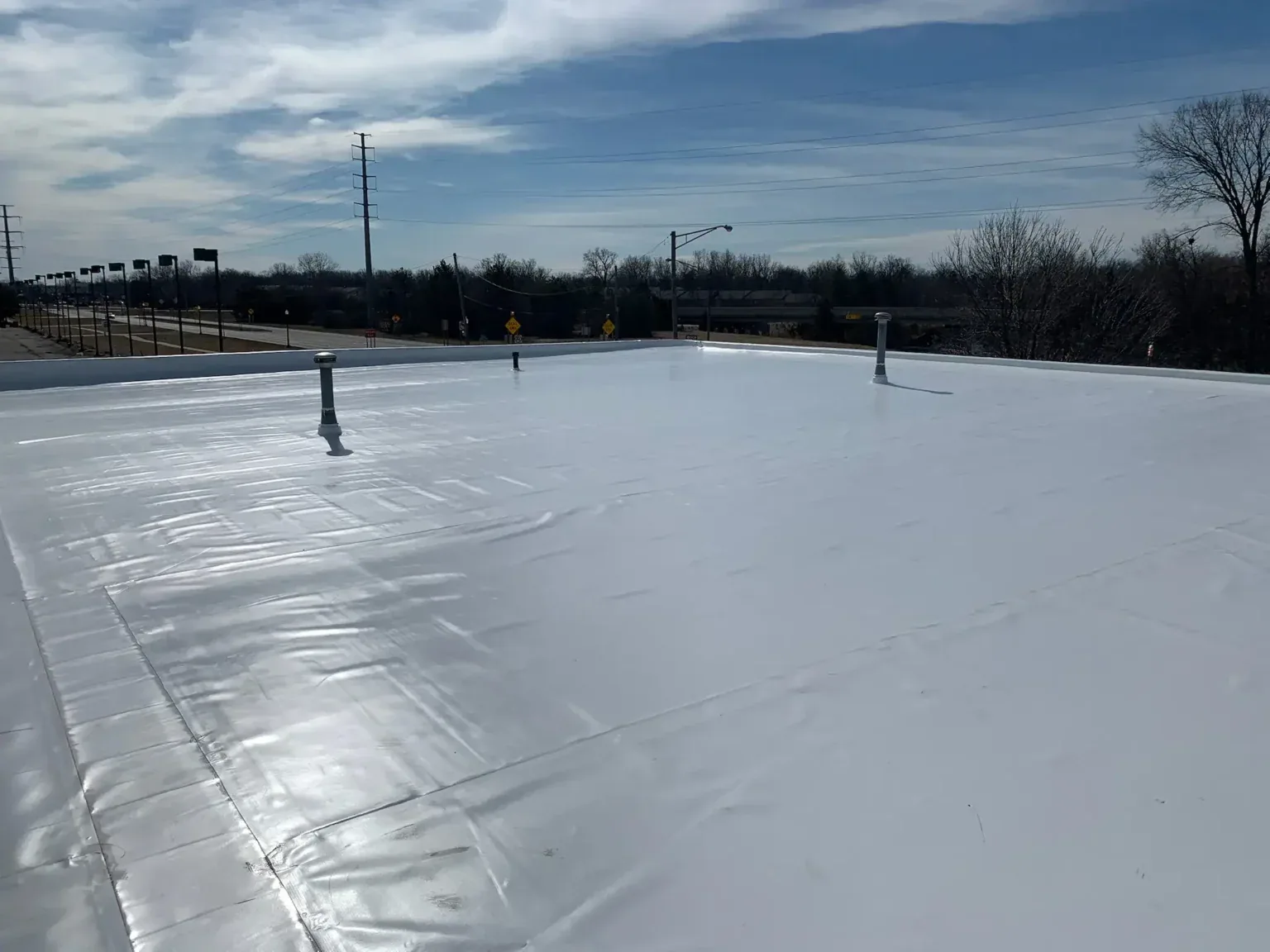
Downtown Bridgeport includes office and retail activity, transit connections, and adaptive reuse of historic structures. At a school property in that setting, we verify entrances and surrounding activity before choosing a lift or delivery route. For a school roof with a membrane assembly, a modified-bitumen system review can organize questions about laps and flashing. A condition report keeps that assessment separate from unrelated buildings in the district portfolio.
Write a Scope the District Can Schedule
A repair recommendation needs enough detail for the facilities and finance teams to compare timing and consequence. We describe the defect, the preparation required, which adjacent details will be checked, and what could remain outside the authorized boundary. If the work crosses a school term, we identify the access and dry-in sequence so administrators can evaluate the proposed window. We also state whether monitoring or another test should precede a larger capital commitment.
A district should coordinate the roof scope with the applicable Bridgeport filing process; provide building details and a written work description when the project review requires them. The district can use a clearly bounded replacement review for larger deterioration, or an overlay assessment when the existing assembly may support recovery. Stratford and Fairfield are nearby municipalities, yet their school facilities require their own site records and approvals. A portfolio coordination plan can help align calendars while preserving each building's separate condition evidence.
Leave a Clear Next Inspection Trigger
After work, facilities should have labeled photos, the corrected roof detail, materials used, and any remaining observation area. The handoff says whether temporary protection remains, which access path can reopen, and what condition should trigger another check. If a roof section was unavailable because of weather or building activity, the report identifies the limit and the return window that would complete the review.
To arrange a Bridgeport district roof visit, share the building list, calendar restrictions, access procedure, current leak reports, and available roof plans. We will define the inspection sequence with the facilities contact and provide a written scope that can move through district review. A school roof decision works best when the next person can find the same location, understand the work boundary, and see what evidence will confirm the repair.
Questions and Answers
Can roof work be scheduled while students are in the building?
Some tasks may fit an occupied-day window when access, noise, material handling, and interior protection are coordinated. We review entrances, classrooms below, event schedules, and safe staging with the school contact. If a larger removal scope cannot be isolated, we identify a break or other suitable work period.
What does a district need to report about a classroom leak?
Identify the room, ceiling location, time, weather, and whether water is still entering. Include prior repairs and anything that changed after the last visit. We compare that information with roof details above and record both the confirmed defect and any path that needs further testing.
How should a district prioritize repairs across buildings?
Compare observed defect, water exposure, building use, access limits, and the consequence of waiting. We keep each finding tied to one building and roof area, then summarize immediate repairs separately from testing or capital items. That gives the district a useful sequence without assuming all roofs need the same treatment.
What records are useful before a summer reroof?
Share roof plans, prior repair invoices, leak history, equipment changes, access rules, and the school calendar. We use them to establish the work boundary and dry-in sequence, then note any gap that requires field confirmation. This helps prevent an old drawing from controlling the scope without inspection.
What should be checked after a roof repair?
Review the labeled closeout photos, confirm temporary protection is removed or identified, and note any area left for monitoring. We set a return trigger based on the observed condition, such as a later suitable wetting event or access to an uninspected section. Keep the record with that building's maintenance file.
Related Roofing Work

Coordinate a School Roof Inspection
Send the building list, school calendar, roof access requirements, active leak locations, and prior scopes. We will set the inspection sequence and return a clear work boundary with the next inspection trigger.