Infrared Roof Moisture Survey in Bridgeport, CT
Map suspect moisture areas, relate thermal observations to roof conditions, and plan follow-up for Bridgeport commercial buildings.
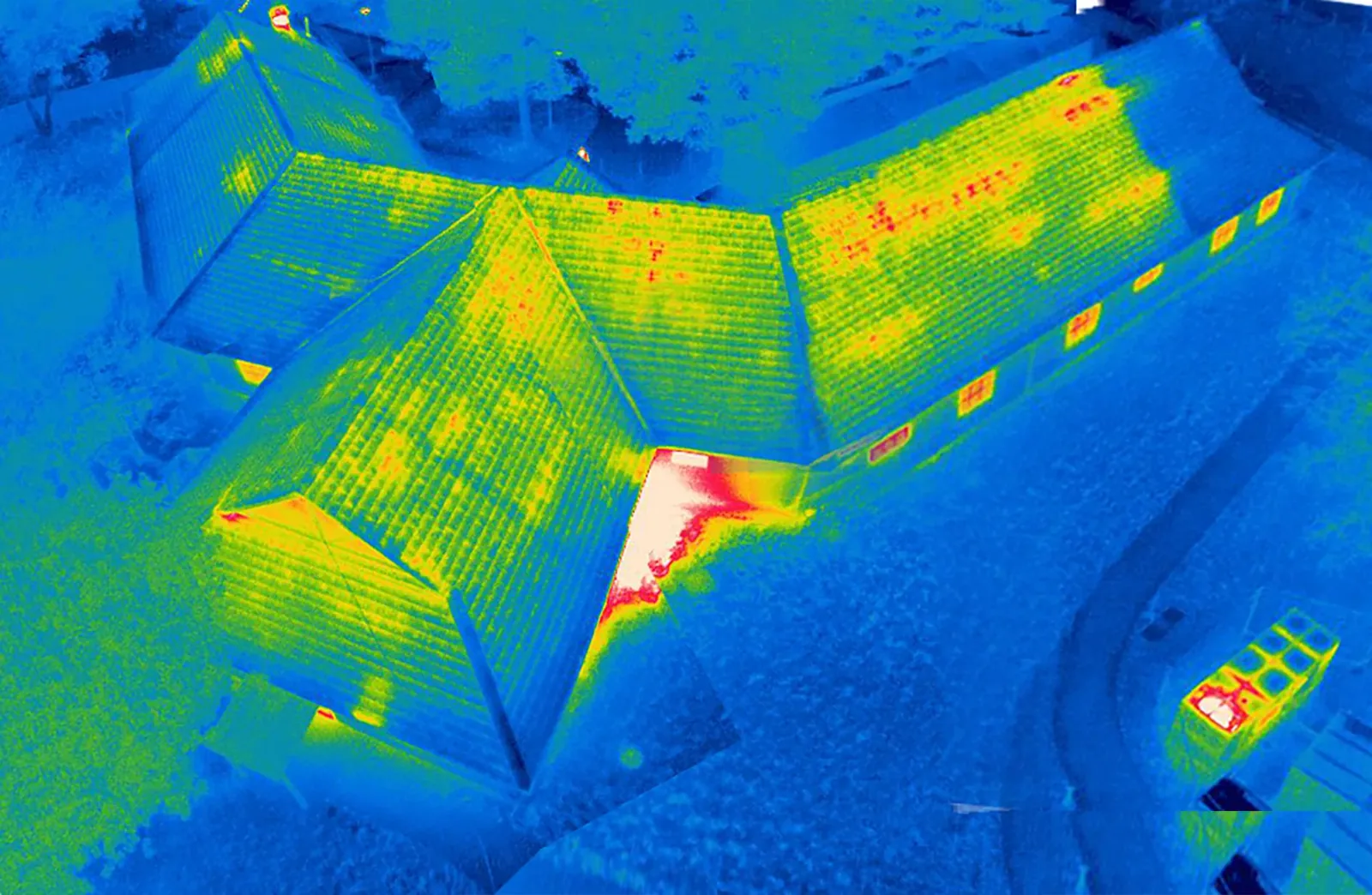
An infrared roof survey can help focus attention on areas that may hold moisture beneath a low-slope roof surface. It does not confirm wet insulation by itself. The result is a thermal pattern that needs to be read alongside roof construction, recent weather, surface conditions, and other observations. We define the area to survey, collect information about leaks or repairs, and explain what findings can and cannot establish. If a pattern deserves closer verification, the next step may be a test cut or another inspection method selected for the assembly.
Bridgeport building teams use roof surveys for different decisions: investigating a recurring leak, preparing a repair scope, comparing roof sections, or documenting a condition before a larger project. We connect the image findings to a roof map and visible details instead of handing over unexplained color views. The facility contact receives a clear distinction between areas that appear unusual and locations where moisture has been confirmed by a separate method.
Check Whether the Roof Is Ready for a Survey
Thermal conditions matter. We review recent precipitation, roof exposure, surface wetness, shade, rooftop equipment, and whether temperatures have changed enough to create a useful contrast. Bridgeport sees wet weather and winter snowfall, so choose inspection timing around safe access and the roof’s actual condition. only suitable surface conditions and interpreted scan data can help identify areas that may need confirmation. We decide whether current conditions support useful data before treating a survey as the right tool.
The roof surface needs to be understood as well. A reflective coating, ballast, standing water, or equipment shadow may affect the pattern. If conditions are unsuitable, we reschedule or recommend another way to investigate the reported area. For an active leak, the leak tracing visit can document entry points and water paths that should be compared with thermal findings. Good timing is more valuable than an image set taken under conditions that cannot answer the owner’s question.
Build a Record That Can Be Checked
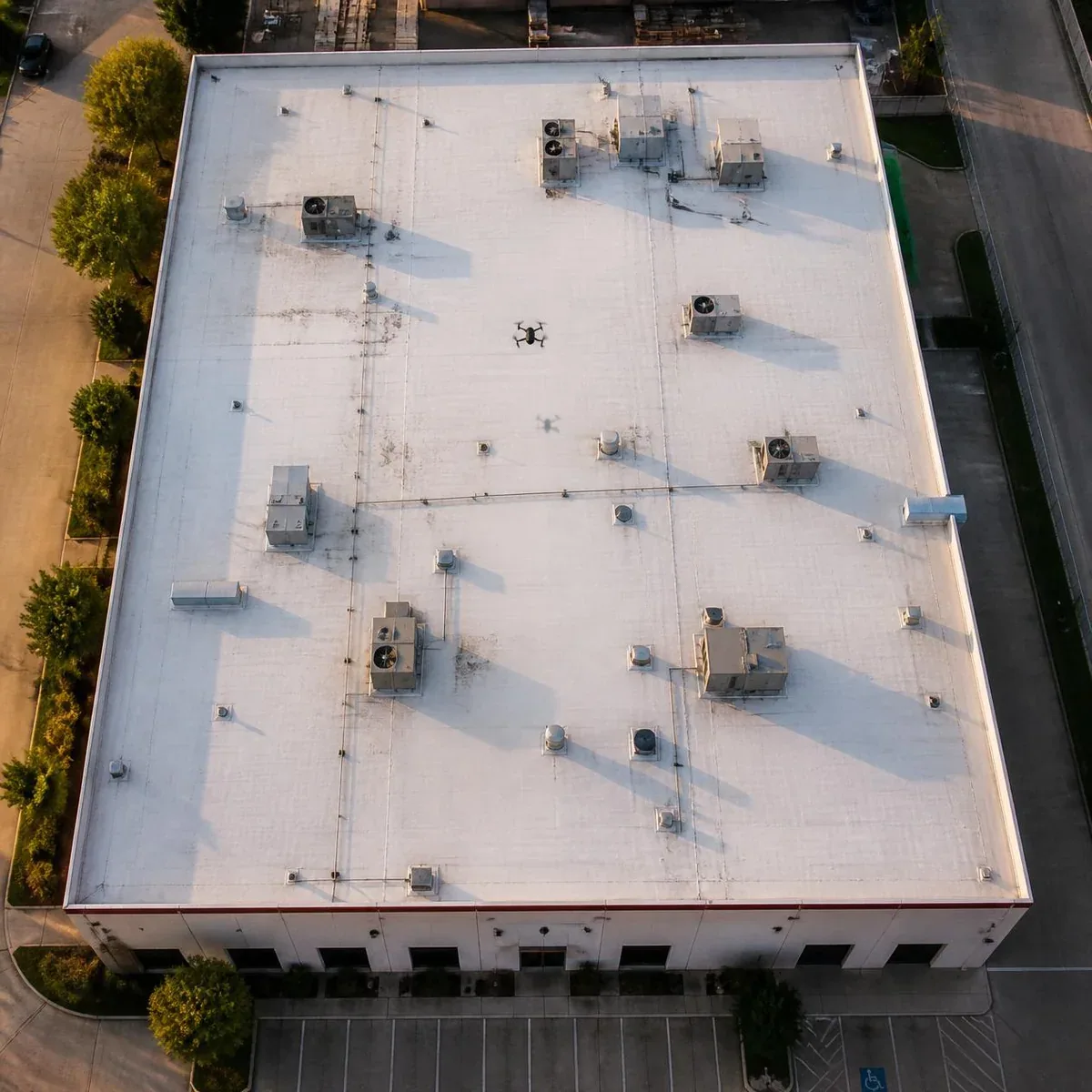
Before capture, we identify the roof sections, mark the reported leak areas, and review available plans or prior photographs. We collect thermal and visual context so the reviewer can see what sits around an unusual pattern. Roof edges, penetrations, drains, patches, mechanical equipment, and changes in material all matter when interpreting an image. Each observation is tied to a location, date, and condition rather than presented as a detached heat map.
We compare patterns with nearby roof areas that share similar exposure and construction where possible. An apparent temperature difference may come from shade, air movement, a change in membrane, or retained moisture. We note those possibilities instead of describing every contrast as water. A hands-on roof inspection can examine visible seams and details alongside the scan. If a visual review cannot resolve the question, we can explain where a drone imagery or other verification might be warranted.
Confirm Suspect Areas Before Specifying Work
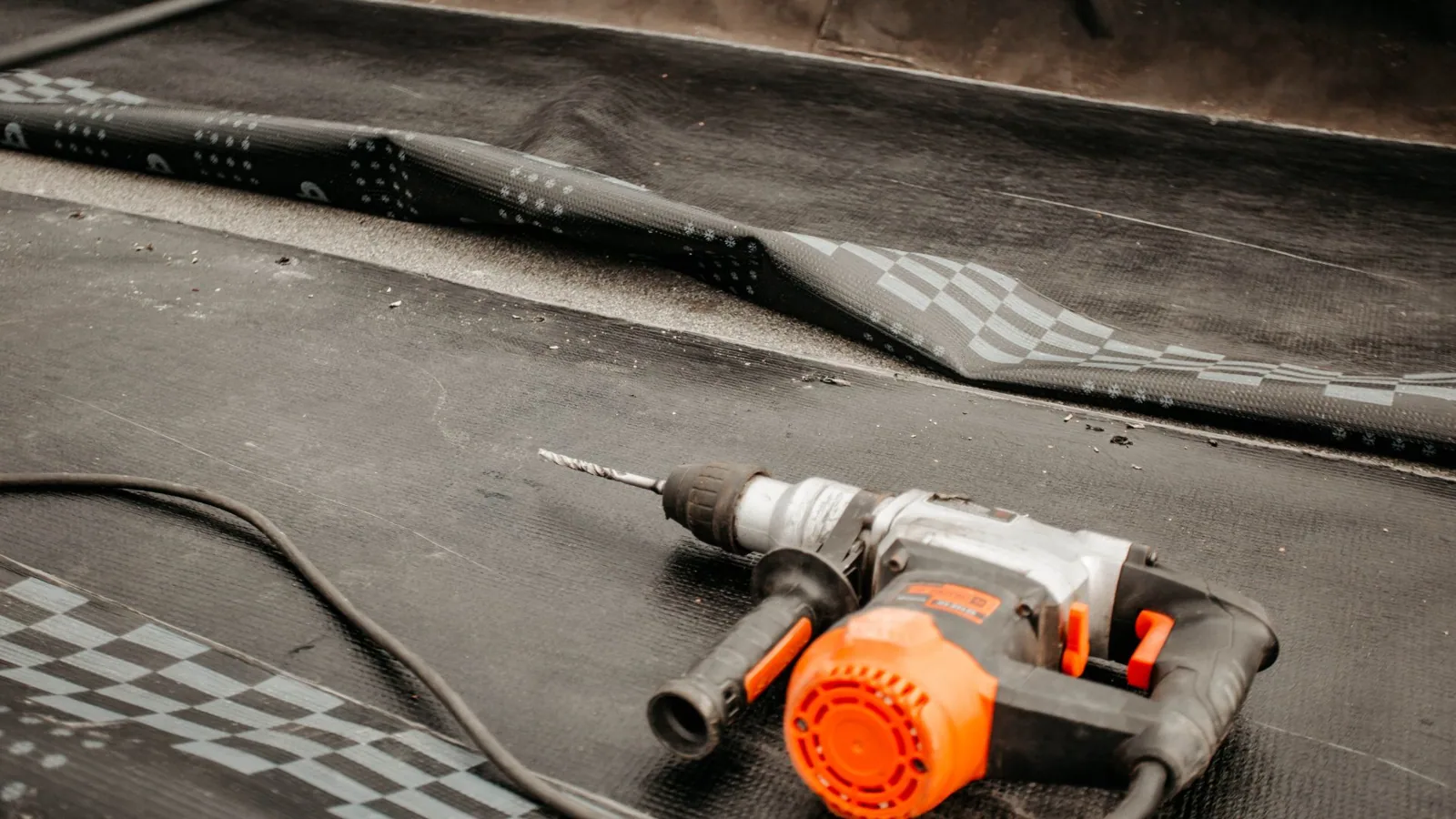
The survey identifies areas for attention, not automatic repair boundaries. A thermal pattern may prompt a test cut to check the actual roof layers and moisture state. The sample location should be selected carefully and the opening repaired using a method compatible with the assembly. When moisture is confirmed, the owner can consider the extent, insulation condition, drainage, and how the area relates to any active leak. When it is not confirmed, the report should say so and recommend a different next step only if evidence supports it.
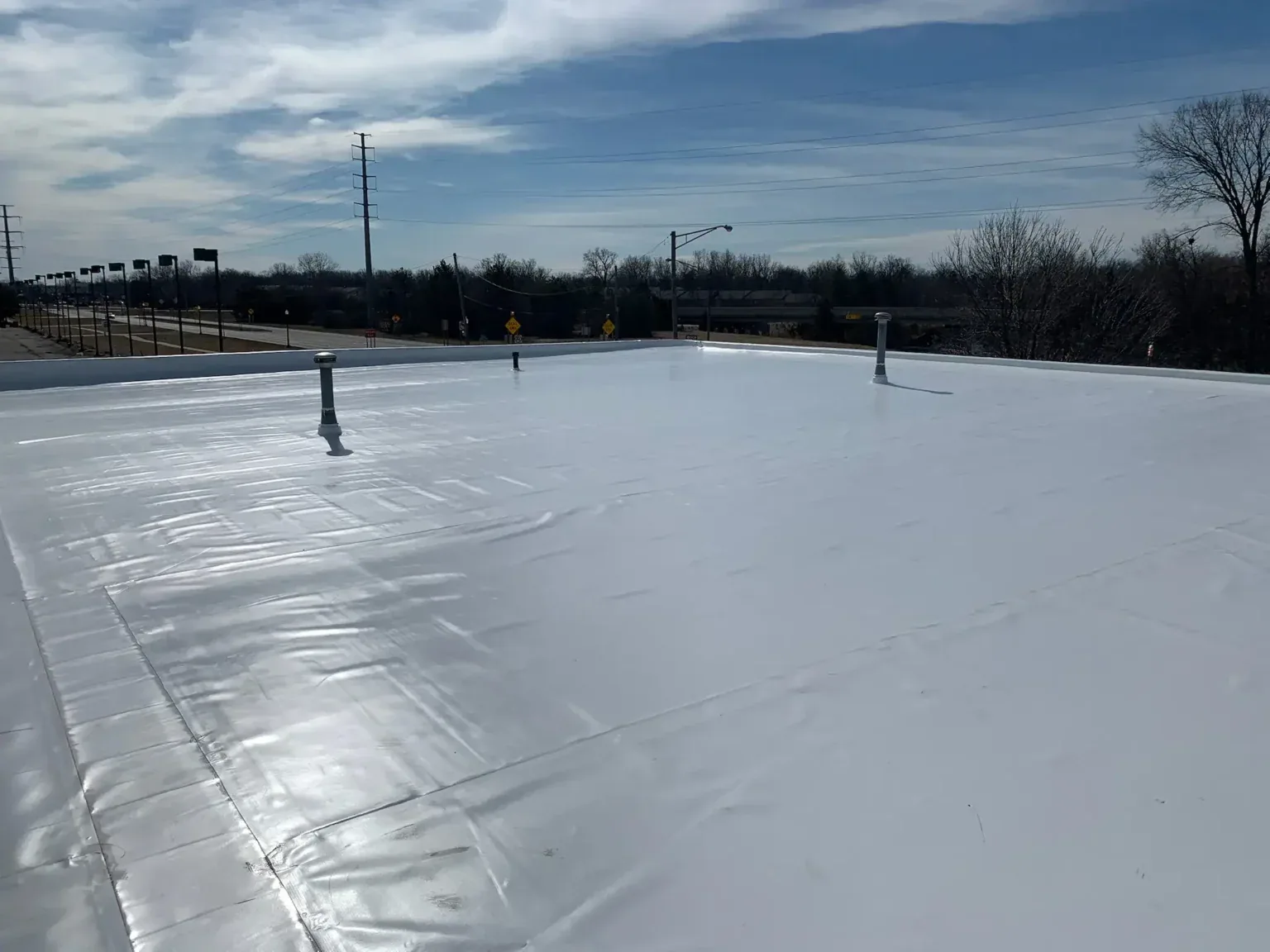
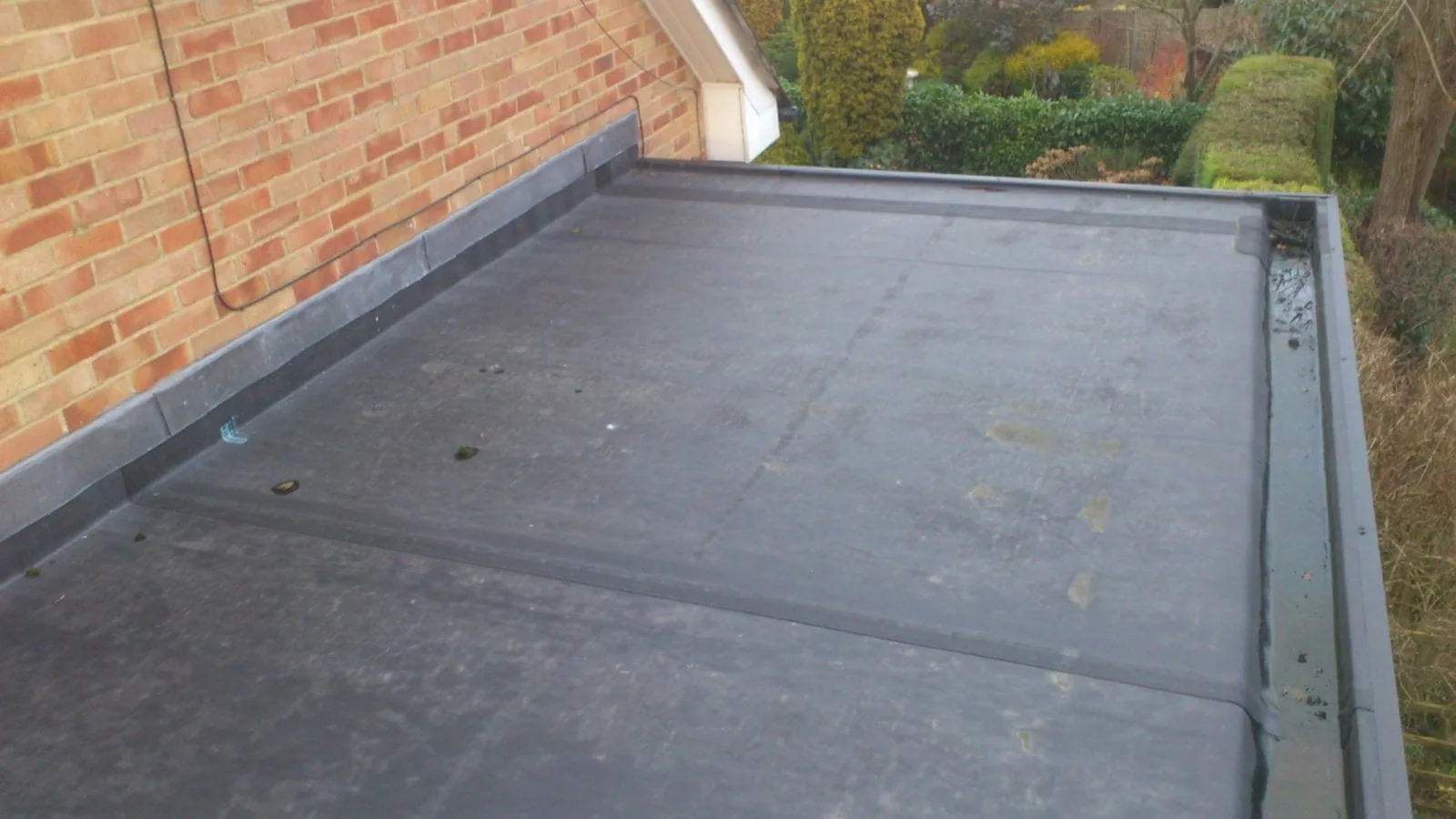
If the roof has a PVC membrane, the follow-up must respect the system and its seam details. A moisture finding may lead to a targeted repair plan or a larger review, depending on how much of the assembly is affected. We keep the survey result separate from a replacement recommendation. The building owner can then decide whether more testing, a localized correction, or capital planning matches the verified condition.
Relate Results to the Building and Its Use
Bridgeport includes industrial areas south of I-95, port-adjacent properties, and downtown office or mixed-use buildings. The survey plan should reflect how staff can access the roof and which interior areas need protection during any follow-up. A facility contact may need to coordinate production, deliveries, tenant schedules, or security before a test cut. Nearby Stratford and Fairfield are separate municipalities with their own property layouts and operating routines, so the report keeps each building and roof section clearly identified.
For commercial and industrial building repairs in Bridgeport, the city’s zoning process calls for building information and a written scope of work for many applications. A location-based survey record can support that planning by identifying the roof area, observed pattern, verification completed, and work boundary under consideration. It does not substitute for permit review or engineering analysis. It gives the owner a more organized record to carry into the next conversation with the design or construction team.
Read Thermal Data With Roof History
Past leaks and patches help put a survey in context. We ask where water appeared, whether it returned after a repair, and whether rooftop equipment or construction changed the surface. If a roof has been repaired in stages, the map should show those boundaries so new observations are not compared against dissimilar materials. An area that looks different is not automatically a defect; the report describes the pattern and the evidence that supports further investigation.
The roof condition report can bring together survey images, inspection notes, test results, and repair history. This is especially helpful when ownership is deciding whether to monitor a section, make a localized correction, or compare a broader area. We include limitations such as weather, inaccessible portions, or ambiguous patterns. A future scan may be useful only if the building team keeps the location and capture conditions consistent enough for comparison.
Get Findings That Guide the Next Action
The report should make the next decision easier. It identifies the surveyed roof areas, notes capture conditions, labels patterns for follow-up, and separates confirmed moisture from suspected areas. Where a test cut or hands-on check was performed, the finding is tied to its exact location. If access or weather limited the work, the report names that boundary. The owner can use this record to authorize additional verification without assuming that every image contrast requires repair.
Before scheduling, provide roof plans, leak locations, recent repair records, access instructions, and the specific decision the survey needs to inform. A useful question might be whether to test one section, compare two repair zones, or prepare a phased scope. In the Bridgeport service area, that context lets the crew coordinate with facility operations and protect interior spaces while the survey is underway. We will state where infrared data can help and when another method is the better next step.
Questions and Answers
Does infrared imaging prove that insulation is wet?
No. A thermal pattern can identify an area for closer review, but it does not confirm subsurface moisture by itself. A test cut or another suitable verification method may be needed before repair boundaries are set.
When are roof conditions suitable for an infrared survey?
Useful conditions depend on the assembly, surface, recent weather, shade, and temperature change. We review those factors before capture. Wet surfaces, poor contrast, or other limitations can make a different inspection method or later survey more appropriate.
Can a survey locate the source of an active leak?
It may help focus a search, but it does not replace tracing the water path. Share the interior location and timing so the thermal record can be compared with seams, penetrations, drains, and other visible details.
Will every unusual area need to be repaired?
No. An unusual pattern should be interpreted and, where appropriate, verified. The report distinguishes a suspected area from confirmed moisture and sets out a next step based on the evidence.
What should we provide before the survey?
Send roof plans if available, leak locations, recent repair notes, access rules, and the question you need answered. Mention any equipment or construction work that changed the roof surface. This helps organize capture and interpretation.
Related Roofing Work
Verify the Area Before Choosing a Repair
Tell us which roof section or leak history needs review and share available plans or repair records. We will confirm whether thermal imaging fits the conditions and explain what follow-up could verify the result.