
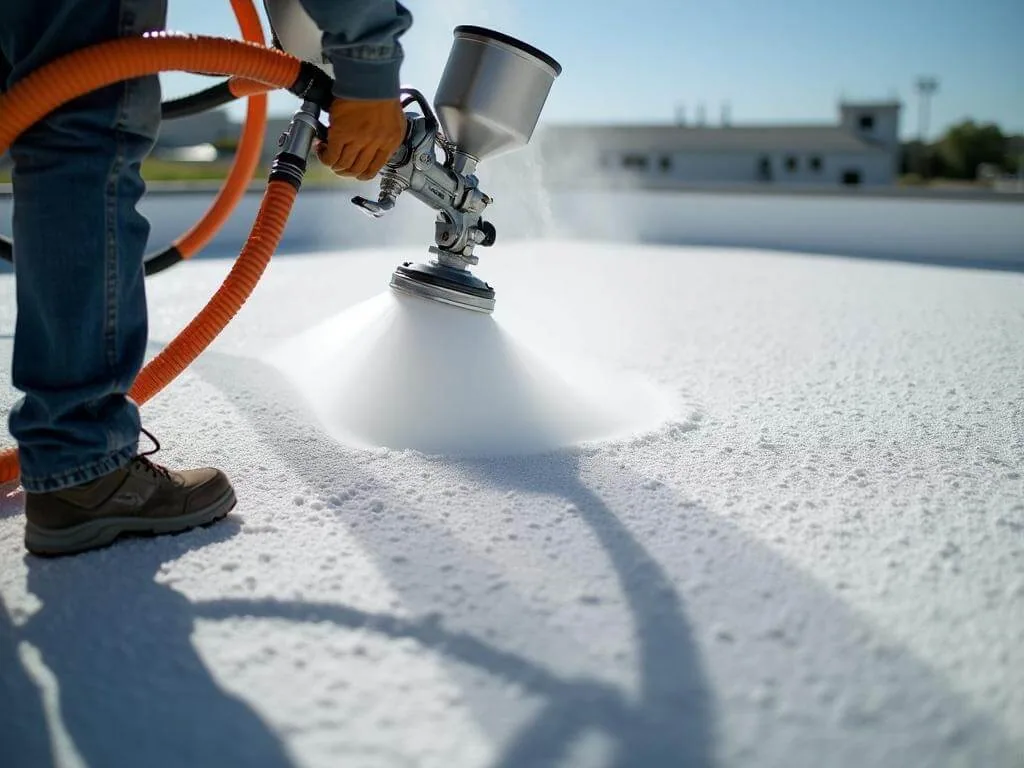
Spray Polyurethane Foam Roofing in Bridgeport, CT
Review commercial SPF roofing in Bridgeport, CT through substrate testing, foam thickness, drainage, protective coating, and site controls.
A worn protective surface or a soft area in an SPF roof calls for an assembly check before recoating. We examine the existing coating, foam profile, adhesion, penetrations, drains, and any prior repairs. The key question is whether the foam remains sound and dry enough to restore, or whether damaged material needs removal. A fresh coating cannot make weak foam stable, so the inspection establishes the repair boundary first.
A Bridgeport property file may sit alongside separate facilities in Fairfield or Stratford. Each site needs its own roof map and access rules, even when ownership uses one maintenance calendar. We confirm where equipment sits, how the crew can reach the work zone, and what nearby activity could be affected by preparation or spraying. The scope then identifies a protected area, a staging plan, and the people who need a notice before work begins.
Check the foam before specifying restoration
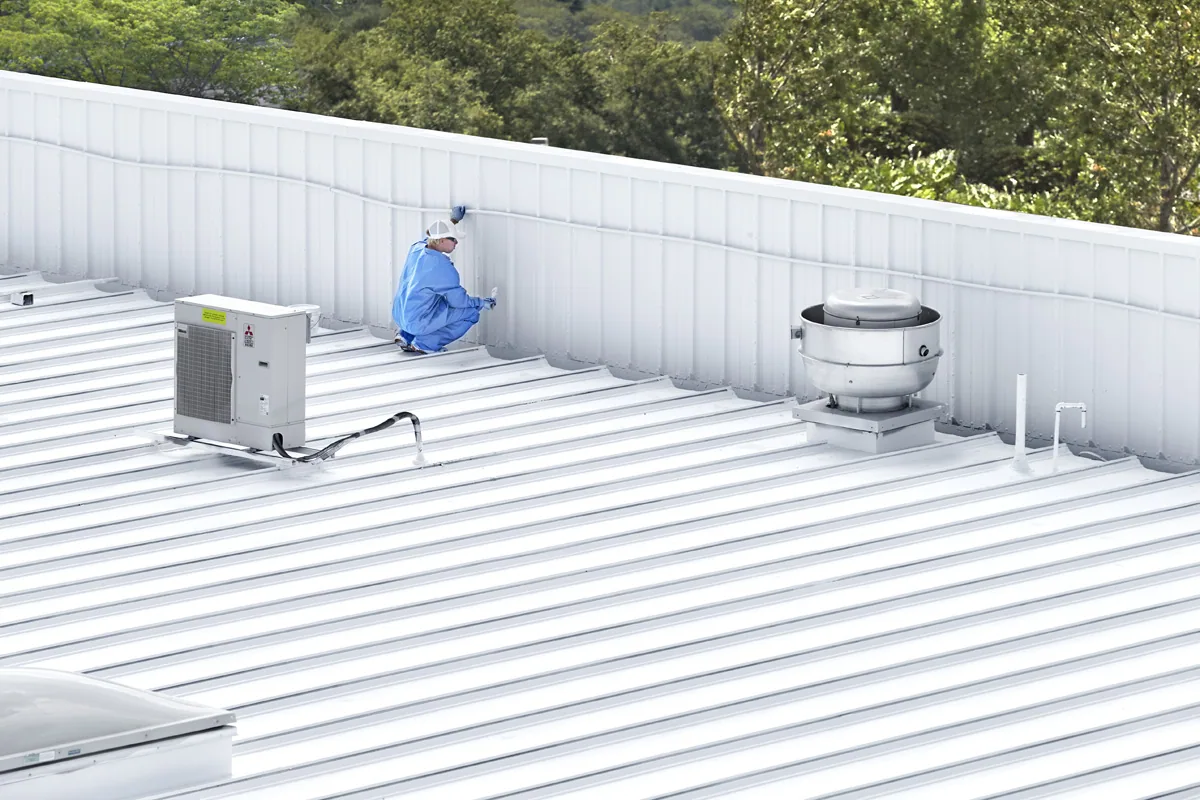
Spray polyurethane foam forms a continuous layer that is shaped to the roof and protected by a coating system. Existing roofs may show erosion, impact damage, open splits, wet areas, or irregular thickness. We map those conditions and test suspect locations as appropriate to the project. The inspection record distinguishes foam that can be retained from sections that need cut-out and replacement before any new protective surface is applied.
We also review how the foam meets curbs, walls, drains, and equipment supports. A transition with loose coating or exposed foam is a detail to repair, not an invitation to cover it without preparation. Where moisture is suspected, the scope identifies how the condition will be verified and what happens if removal reveals a larger affected area. The commercial roof inspection can document the baseline, and a coating restoration review can assess whether the existing surface is a candidate for renewed protection.
Preserve the drainage profile
SPF can create slope as it is applied, but the finished profile still needs to deliver water to designed outlets. We inspect drain locations, low areas, scuppers, overflow routes, and the coating condition at transitions. A drainage issue should be discussed separately from foam thickness so the owner can see which work corrects the water path and which work restores the protective surface.
For this market, Sikorsky Memorial Airport’s long-term record logs 44.09 inches of precipitation and 33.6 inches of snowfall. On an SPF roof, inspect coating continuity and the drainage profile after weather exposure instead of assuming a coating is intact from a distance. For SPF, confirm the substrate is dry, bonded, and free of loose material before spraying; repair boundaries and protection at drains should be set before the foam crew mobilizes. The crew keeps strainers clear, controls debris from surface preparation, and records the condition of each outlet at closeout. If the project needs a specific slope correction, the insulation and taper scope can be considered alongside the foam design rather than assumed as part of coating work.
Prepare and protect adjacent property
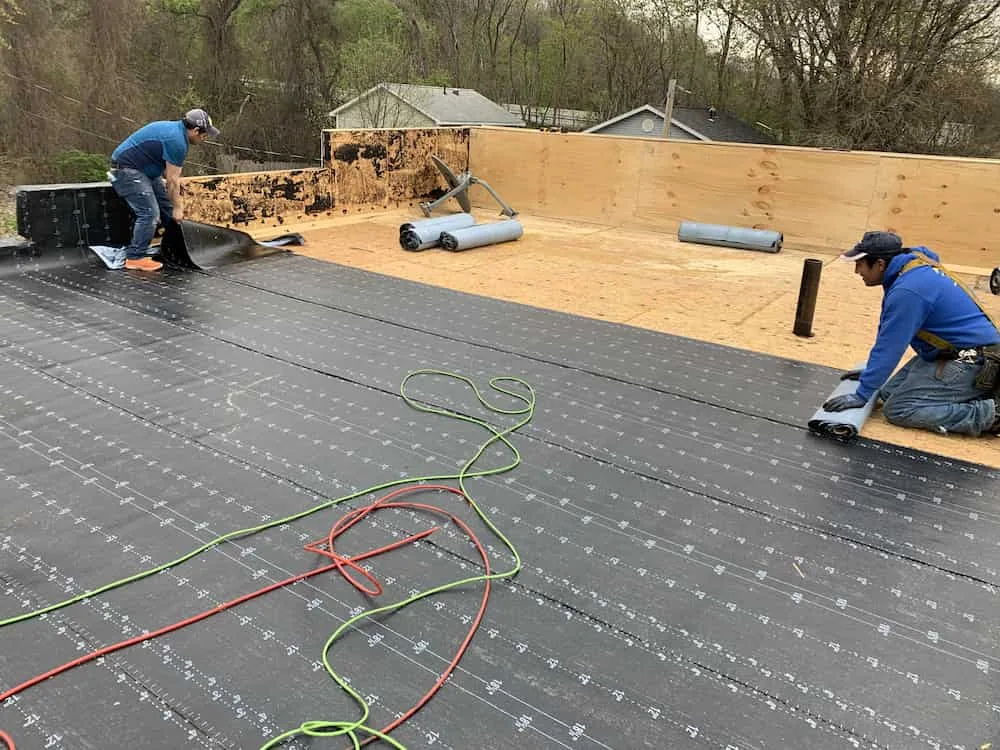
Surface preparation determines whether a new coating can bond to the retained system. The project plan identifies cleaning, loose-coating removal, repairs, primer if required, and the inspection point before application. We check forecast and substrate conditions against the product requirements and stop when the approved limits are not met. Overspray controls, wind direction, masking, and protection of vehicles or adjacent equipment belong in the site plan.
Application is divided into workable zones with a defined start and stop. The crew protects openings, identifies ventilation intakes, and keeps service routes clear. A facility contact should know when equipment needs temporary protection and how to report a concern during the work window. The Port of Bridgeport supports cargo, ferry, fishing, and recreational boating. For a roofing project, the facility contact identifies process exposures and nearby equipment so the team can review coating compatibility.
Select a compatible protective coating
Coating selection depends on the existing SPF system, exposure, required preparation, and the manufacturer's system details. We review product compatibility and specify the layer or repair method rather than name a generic coating as the answer. The work record identifies areas where foam was replaced, how transitions were rebuilt, and whether a primer or reinforcement was required. The maintenance plan should state how coating wear will be checked over time.
Silicone and acrylic coatings have different properties and are not interchangeable by label alone. We compare a silicone coating system with an acrylic coating system against the existing foam, drainage, surface preparation, and project requirements. We document what system was installed so a future repair does not introduce an incompatible material.
Plan the spray window and the handoff
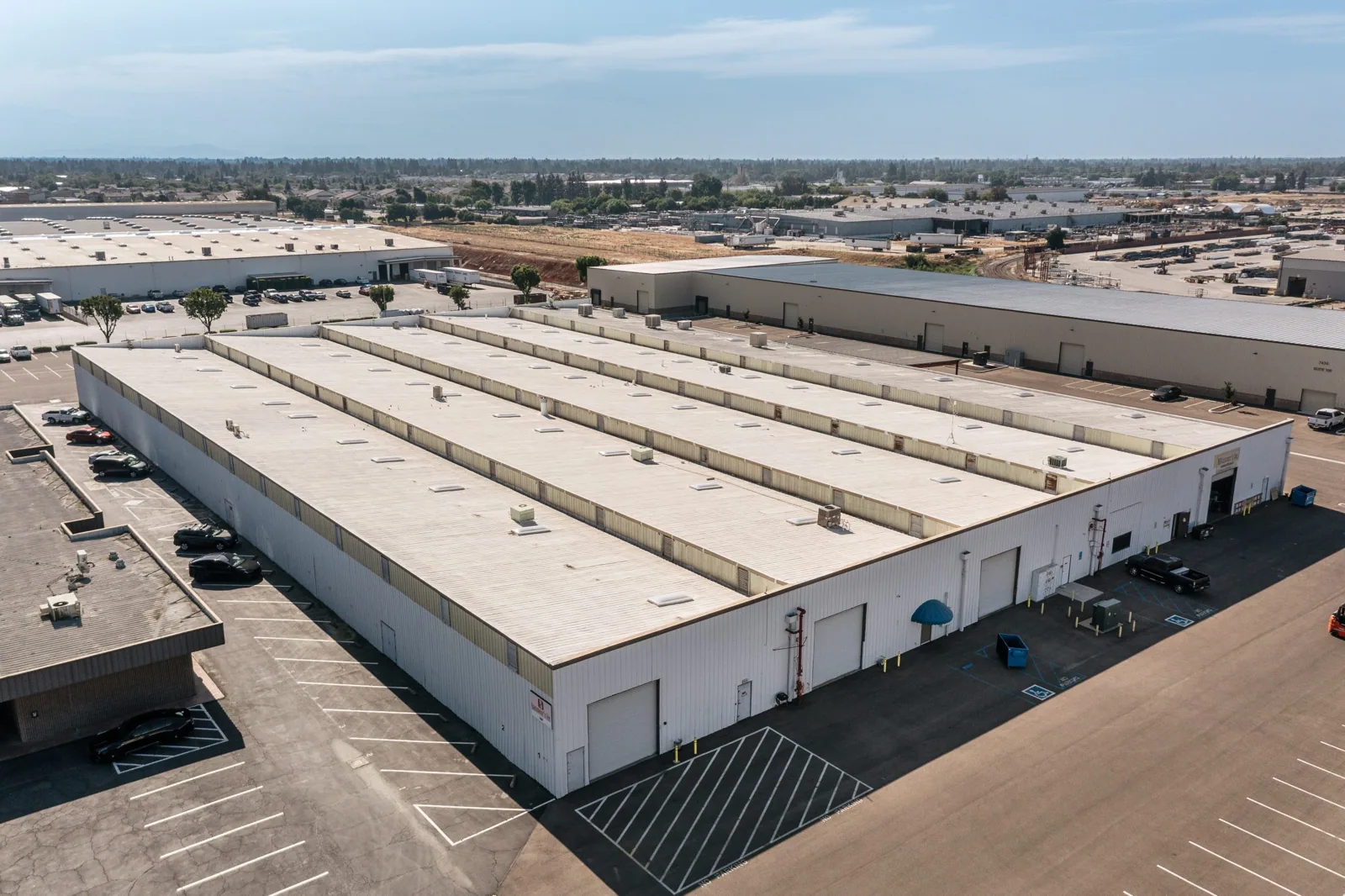
Before mobilization, the facility and roofing team confirm access, staging, surface-preparation hours, ventilation considerations, protection, and the roof sections that can be reached. A building near active circulation may require a controlled perimeter and advance notice. We define how the crew will leave each zone, including protection at edges and any area that cannot be completed in one shift.
At day end, the site lead receives a note showing preparation completed, foam repaired, coating applied, and work held for a condition check. If the crew finds unsound substrate, it photographs and maps the opening before requesting approval for additional work. That control prevents the assumed quantity from replacing a documented field decision. The completed zone is not handed back until the required protection and access conditions are in place.
Set the next inspection trigger
An SPF closeout packet should identify the existing condition, repaired foam locations, product system, coating work, detail photographs, and drain observations. Marked roof zones help the facility team distinguish repaired areas from coating that was simply retained. The record also states what requires periodic review, such as coating wear, exposed foam, impact damage, or a changed water route.
A roof condition report can hold the before-and-after findings. The drainage service can handle outlet observations as a defined maintenance item. For a roof in the Bridgeport service area, we verify access and scheduling conditions at the property before setting the scope. The owner should leave with a named next inspection date or trigger and a contact path for new roof penetrations.
During a later visit, compare the coating condition with the original roof map rather than judging only the broad field. Mark any impact, open seam, exposed foam, or change around a curb. If a maintenance crew installs new equipment or removes a support, ask for the repaired penetration to be added to the facility record. The dated comparison helps ownership decide whether a small correction can be scheduled or whether a wider evaluation should be opened.
Questions and Answers
Can an SPF roof be recoated without removing the foam?
Sometimes, if the foam remains sound, dry, and attached and the coating system is compatible. We inspect the surface and test suspect areas before defining preparation and repair. Deteriorated or wet foam requires correction rather than concealment.
How do you check foam thickness and slope?
The team maps profile and outlet conditions, then uses project-appropriate measurements or test locations to verify the existing shape. The design should identify where slope correction is needed and how the finished surface meets drains and edges.
What controls matter during spray application?
The plan covers surface conditions, product limits, masking, ventilation, overspray protection, access, and a stop point for each zone. The facility contact should know which routes or equipment require protection while the crew is working.
When is a silicone or acrylic coating considered over SPF?
The choice follows the existing system, compatibility review, surface preparation, exposure, and project requirements. The product data and manufacturer details should be checked before specifying either coating family.
What should the owner monitor after SPF restoration?
Keep the roof map and product record, then review coating wear, impact locations, exposed foam, penetrations, and drainage at the planned inspection. New equipment work should be documented so later repairs match the installed assembly.
Related Roofing Work
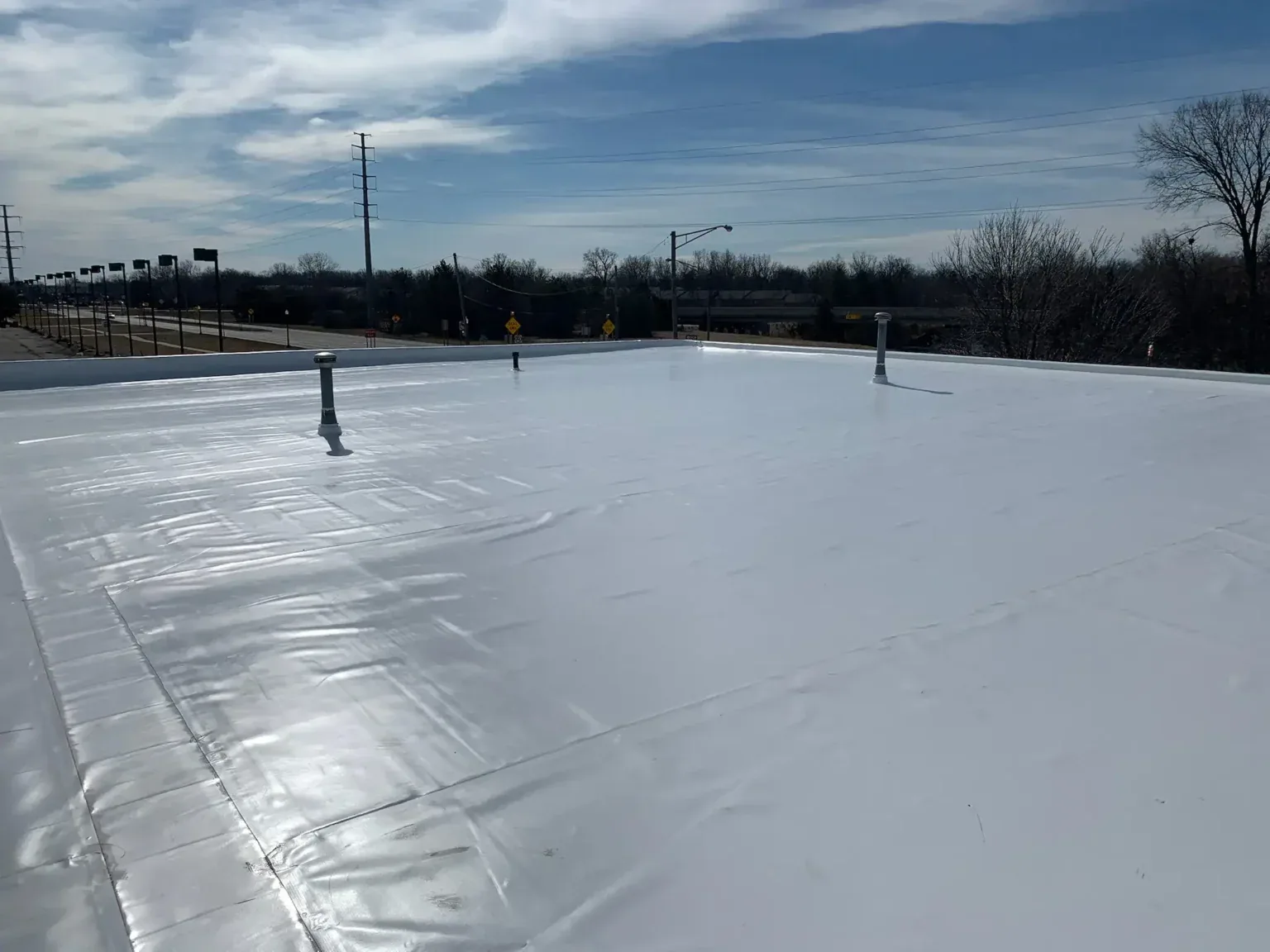
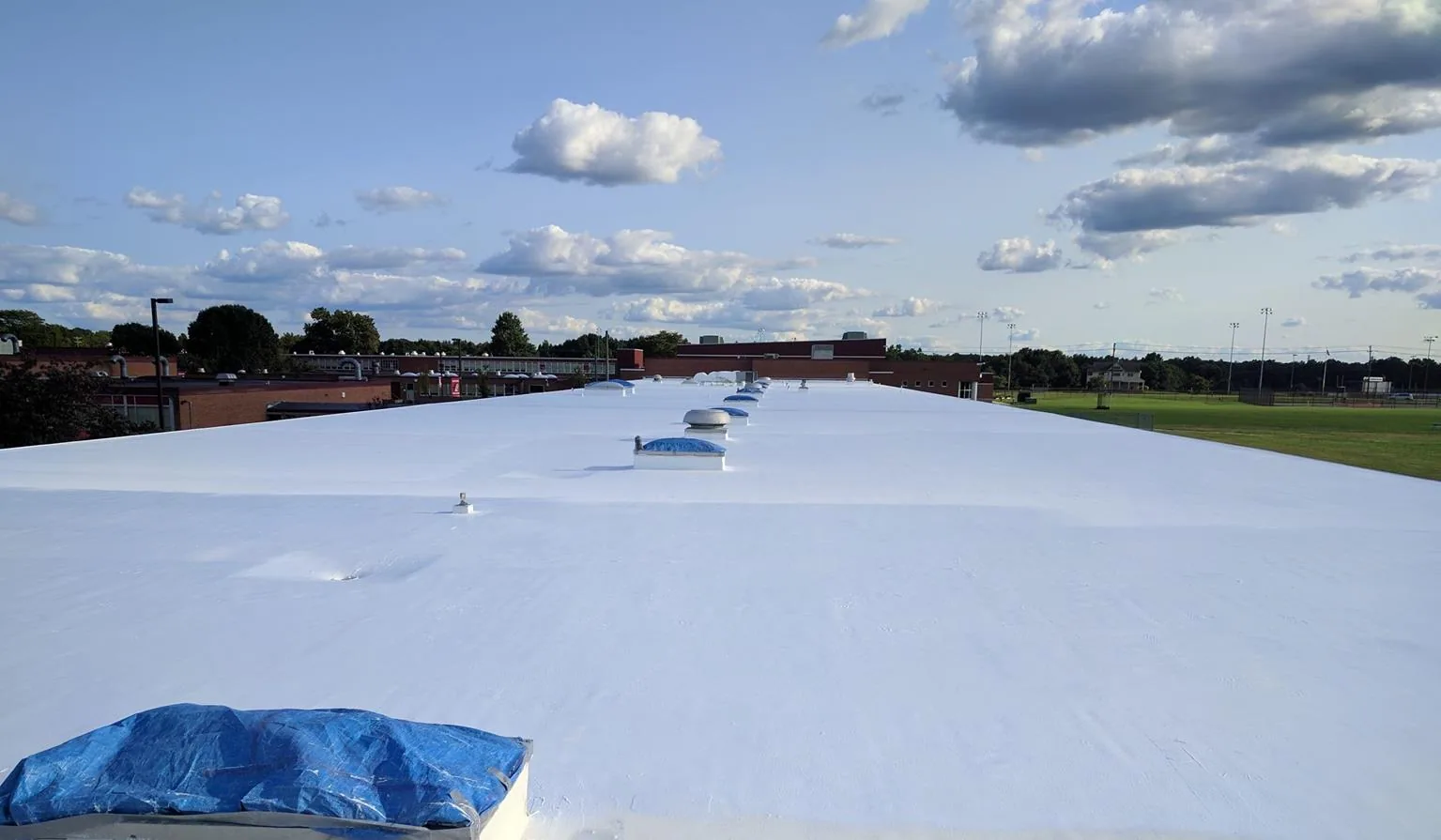
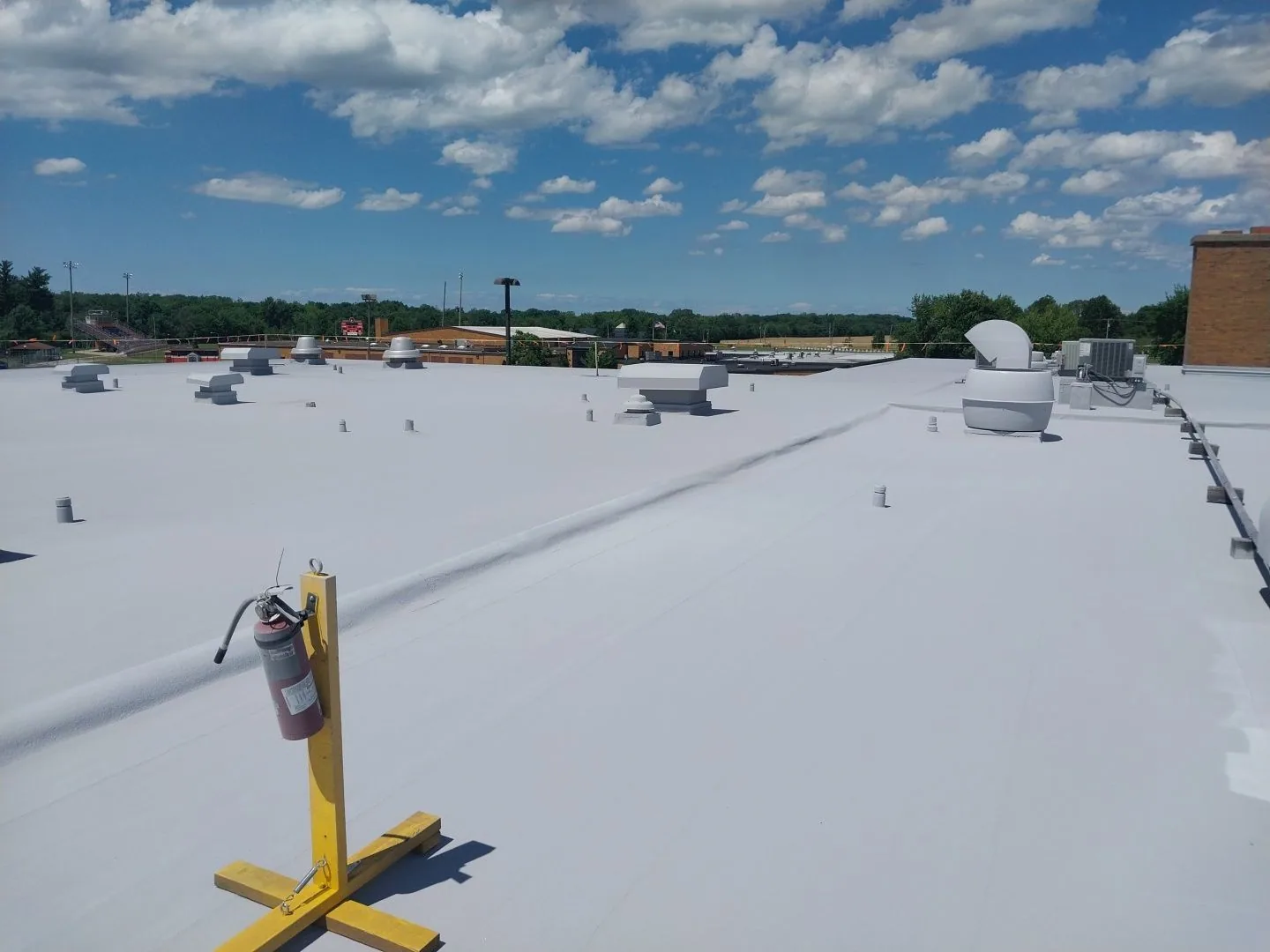
Check the Foam Before Recoating
Share prior SPF and coating records, leak locations, access rules, equipment changes, and known damage. We will map foam and surface conditions and define the preparation, repair, and coating decisions that need approval.