Commercial Roof Coating Restoration in Bridgeport, CT
Review roof condition, surface preparation, drainage, and coating fit before restoring a commercial roof in Bridgeport, Connecticut.
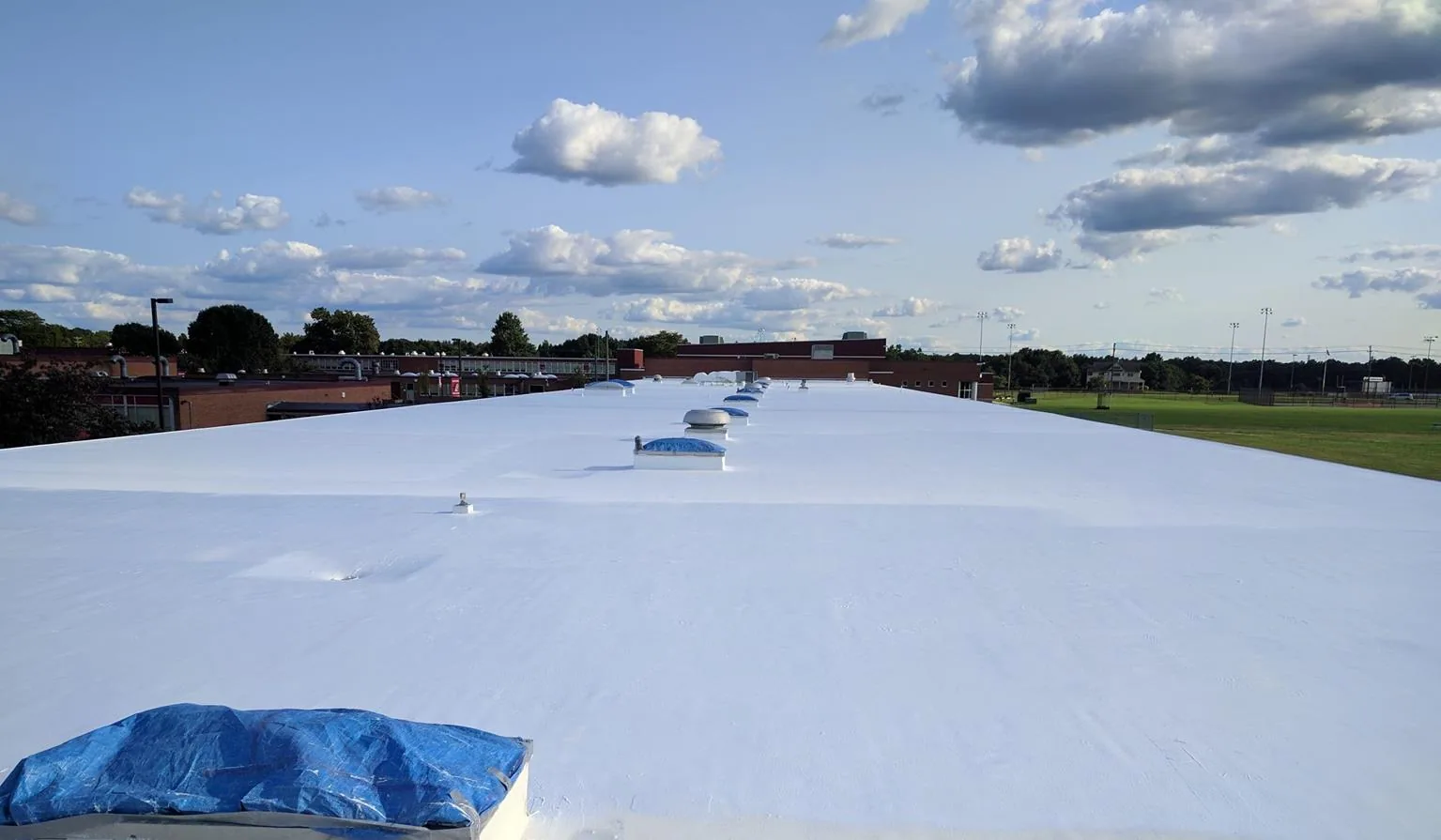
A coating project starts with the existing roof, not the product pail. We inspect the membrane or metal surface, seams, flashings, repairs, drainage, and areas where water has entered. A coating may fit when the underlying assembly is sound enough to prepare and the chosen system is compatible. It is not a way to bury wet insulation, loose material, or a defect that still needs a repair. The first decision is whether restoration can preserve a stable roof section or whether the condition calls for a different scope.
Bridgeport facilities include industrial properties near port activity, commercial corridors, offices, and mixed-use buildings. The work plan has to coordinate surface preparation, odors or access limits, equipment staging, and protection of the occupied floor. We mark roof zones and define what will be repaired before coating begins. That gives the facility director a clear work window and lets ownership compare coating restoration with a recover or replacement option using the actual roof condition.
Confirm the Existing Assembly
Before recommending a coating, we identify the visible system and review its repair history. A membrane with sound attachment and isolated surface wear may present a different option from a roof with widespread open seams or recurring water entry. Metal panels, modified bitumen, and built-up surfaces also require coating systems and preparation suited to their condition. We check whether previous coatings or patches affect adhesion and whether the surface can be cleaned and dried to the manufacturer’s installation requirements.
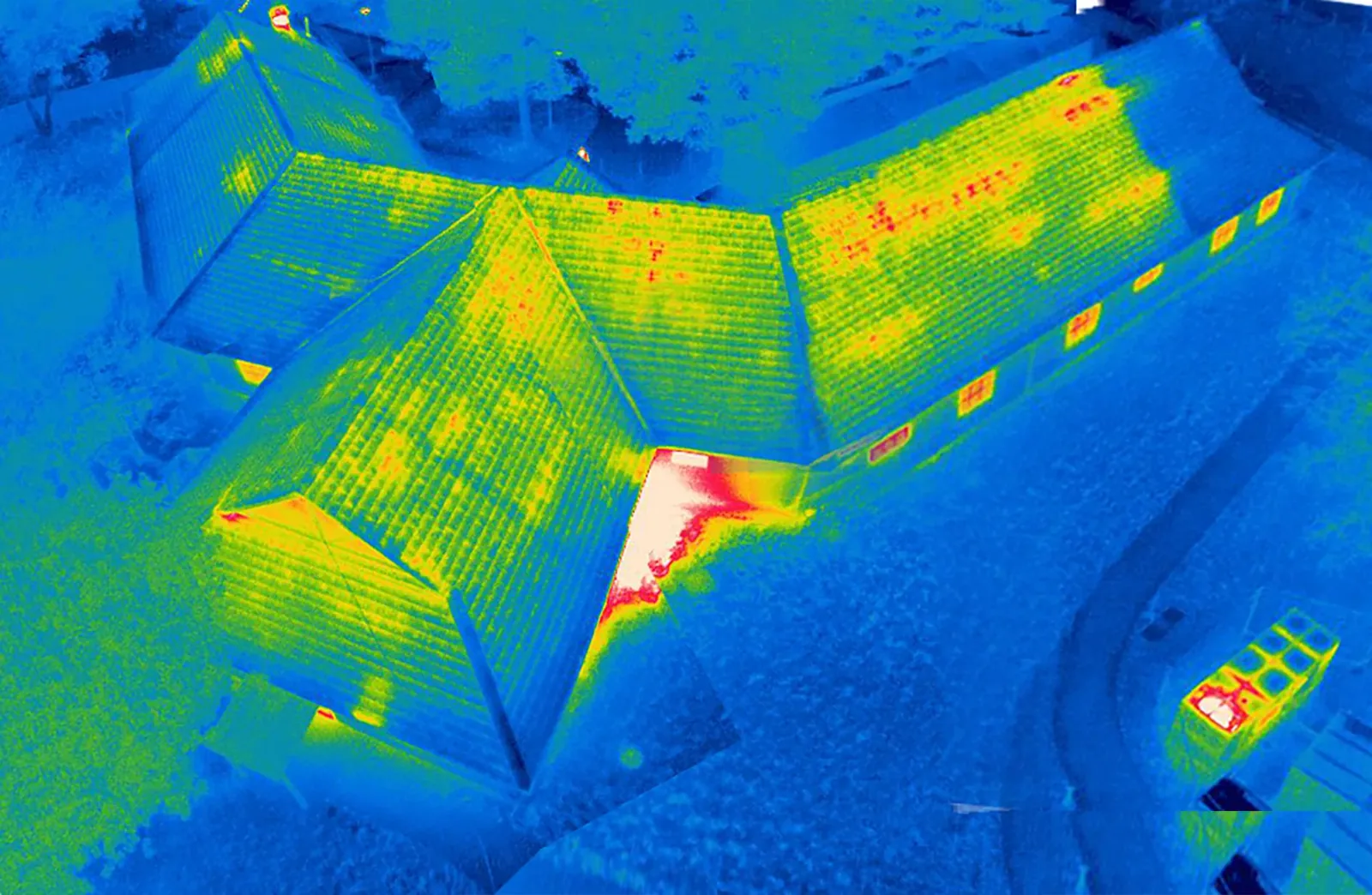
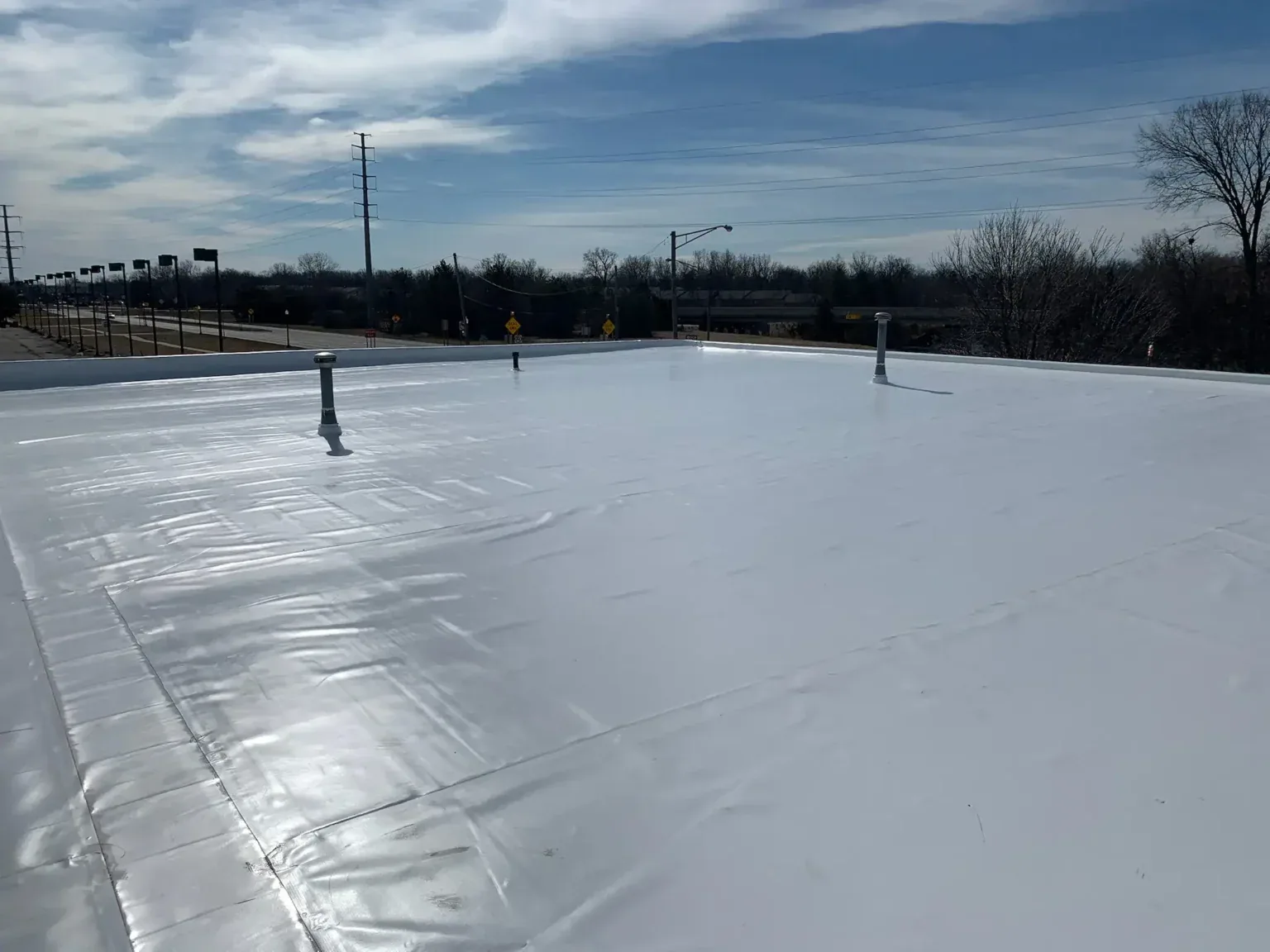
Where concealed moisture is a concern, an infrared moisture survey can help locate areas for verification when conditions support useful readings. A test cut may be needed before the scope is set. Our roof inspection records visible defects, but a surface walk alone does not prove that every layer is dry. For a PVC assembly, the membrane system and coating compatibility need to be checked before materials are selected.
Prepare the Roof Before Application
Surface preparation determines whether a coating can bond and perform as intended. We remove dirt and loose material, treat rust where the system requires it, and repair seams, fasteners, penetrations, and transitions before coating the field. The substrate must meet the selected product’s moisture, temperature, and cleanliness requirements. If the roof is not ready, work pauses or the scope changes. Applying coating over an open detail or damp substrate can leave a visible finish while the underlying water path remains active.
At a metal roof, loose fasteners and panel movement need attention before the surface receives a new layer. On a membrane, seams and patch edges should be evaluated for compatibility and sound attachment. The repair sequence identifies which defects are corrected before application. If the membrane has reached a point where coating cannot address its condition, the owner may compare a roof recover option or a more extensive replacement instead of committing to a system that cannot solve the failure mode.
Match the Coating to the Roof
Coating selection depends on the substrate, expected movement, exposure, drainage, and approved application conditions. Acrylic and silicone systems have different water and maintenance characteristics; one is not a universal substitute for the other. We review the proposed system against the existing roof and identify any areas where a different detail is required. Product data, specified thickness, reinforcement, curing conditions, and warranty terms belong in the scope so the facility team can understand what is being installed.
A silicone coating system may be evaluated where its properties fit the roof and project requirements. An an acrylic coating option may suit other conditions after the same review. We avoid naming a coating as the answer before confirming the surface and drainage route. A coating does not correct a structural issue, change deck capacity, or eliminate the need to maintain drains and roof details after the work is complete.
Set Drainage and Edge Details First
Water needs a clear route off the roof before a coating is applied. We look at low areas, drain bowls, scuppers, overflow paths, and places where an earlier repair altered the surface. Coating material should not reduce an opening or create a ridge that traps runoff. Edge metal, parapets, curbs, and penetrations need defined terminations so water cannot get behind the new layer. The scope states how each detail will be treated and how the finished work will be inspected.
Bridgeport’s average annual precipitation is 44.09 inches, and snowfall averages 33.6 inches. That climate context makes drainage and winter maintenance relevant, but it does not establish a roof defect. A drain and scupper review can separate a surface coating decision from a drainage correction. If the roof is used above a port-adjacent operation or a commercial property along State Street, schedule coordination and staging belong in the plan along with the roof details.
Coordinate the Application Window
Coating needs a suitable dry surface and an application window that fits product and weather requirements. We sequence cleaning, repairs, primer when required, coating passes, reinforcement, and cure time so the roof is not left partly treated without a protection plan. The facility contact should know which doors or roof areas are restricted and when service equipment can be accessed. Nearby Stratford and Fairfield properties may have different operating constraints from a downtown Bridgeport building, so the site schedule is confirmed for the actual property.
For many Bridgeport commercial or industrial repairs and alterations, the zoning plan process includes building information and a written scope of work. We can provide a clear work boundary and material description for the owner to use in its project review. The contractor and property team still need to confirm applicable approvals before mobilization. If the building remains occupied, a sequenced occupied-building plan can help coordinate staging and protect active areas while the coating work proceeds.
Leave a Surface the Team Can Maintain
At closeout, we document completed roof zones, repaired details, material batches where required, and any area that could not be treated. The owner receives maintenance guidance for drains, penetrations, edges, and future inspections. Coating restoration does not remove the need for routine roof care. If a new opening or damage occurs later, a qualified repair should preserve system compatibility rather than adding an unknown material over the finish.
A roof condition report can record the pre-work findings, surface preparation, completed areas, and next inspection trigger. The facility team can use it to compare later changes and keep the coating within its intended maintenance plan. Share prior repair details, leak locations, roof plans, and access rules before the visit. For a project in the Bridgeport service area, we will identify the fit, preparation requirements, and work window before coating is scheduled.
Questions and Answers
Can a coating be applied over any commercial roof?
No. The existing assembly, surface condition, moisture, repair history, and coating compatibility have to be reviewed first. A roof with wet layers, widespread failures, or an unsuitable surface may need another scope before a coating is considered.
Will coating stop an active leak?
An active water path should be traced and repaired before the field is coated. A coating over an open seam, flashing failure, or wet substrate can hide a symptom without correcting the source. The scope should identify the repair and verification steps first.
What affects the schedule for roof coating?
Preparation, repairs, surface dryness, product temperature limits, weather, and cure time all affect the work window. Roof access and occupied areas also shape staging. We confirm these conditions before application so a partial coating does not become an unplanned exposure.
How do we compare coating with recover or replacement?
The comparison starts with moisture, attachment, detail condition, and the number of repairs needed. A coating is appropriate only when the existing assembly can accept it. We document the condition and explain what each option would address before the owner selects a scope.
What should maintenance include after restoration?
Keep drains open, check penetrations and edges, record new roof work, and inspect any area with a leak or impact. The closeout notes the system and follow-up trigger. Future repairs should use materials compatible with the coating and underlying roof.
Related Roofing Work
Check Coating Fit Before Scheduling Work
Send the roof assembly, leak history, prior coatings, repair records, and access requirements. We will inspect the surface and document whether restoration, recover, or another correction fits the condition.