
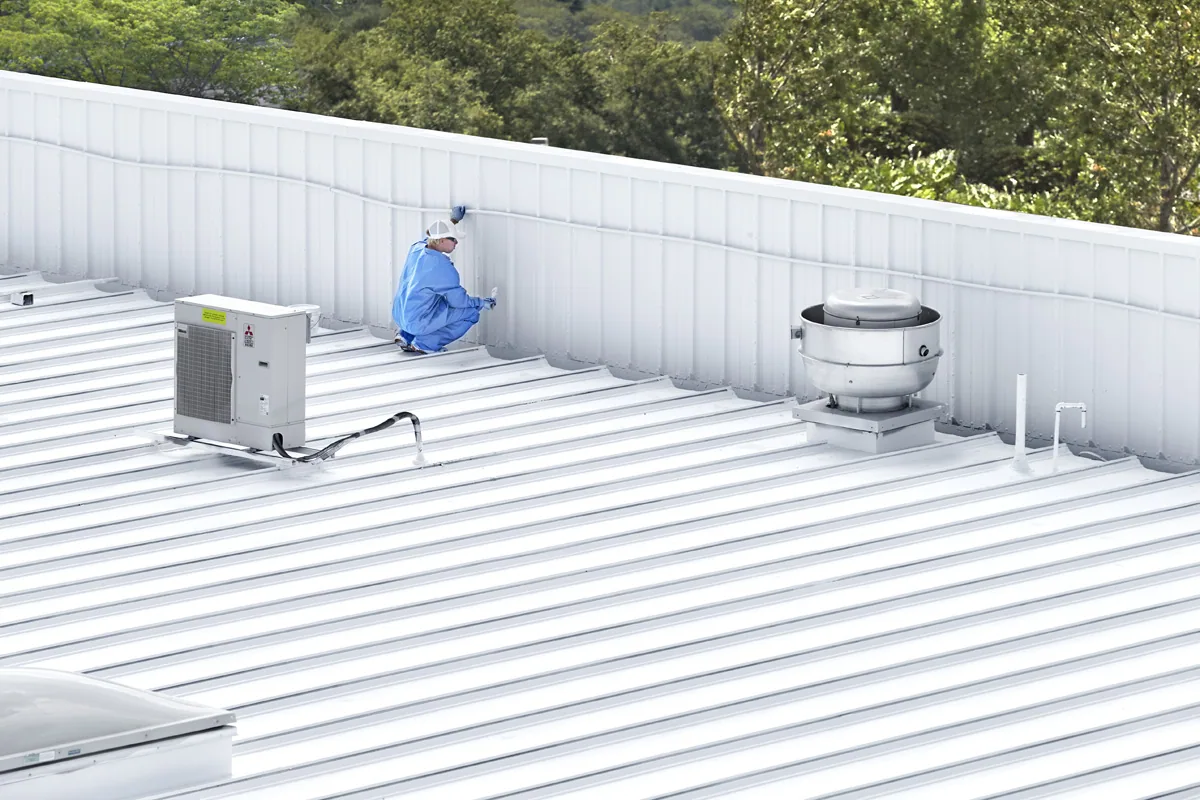
Silicone Roof Coatings for Bridgeport Commercial Buildings
Evaluate silicone roof coating in Bridgeport, CT through substrate condition, preparation, drainage, detail repair, application limits, and closeout.
A coating is a finish layer, not a repair plan by itself. Before silicone is considered, we inspect the existing roof surface, seams, flashings, penetrations, drains, and prior repairs. The first scope boundary separates sound material that may be prepared from areas that need correction or removal. If moisture is trapped below the surface or insulation has failed, coating over it does not make the assembly dependable.
For a Bridgeport facility, roof access and occupied space affect how preparation and application are sequenced. A management calendar may include separate properties in Fairfield and Stratford, but each roof needs its own substrate observations, drain map, and access plan. We define where equipment must be protected, when work can occur, and how the surface will be secured if a shift ends before the coating is complete.
Confirm the roof is a coating candidate
We review the existing membrane or metal surface, identify incompatible patches, inspect seams and terminations, and map areas that may need removal. The project team confirms the coating system's substrate and preparation requirements before quantities are set. A moisture survey, test opening, or adhesion check may be appropriate when the existing condition is uncertain. The proposal should say what evidence supports the candidate decision and what finding would change it.
Silicone is a coating family with product-specific application and maintenance instructions. It is not a universal solution for every substrate or detail. We verify the surface condition, prior coating history, required primer, reinforcement at seams, and compatibility with accessories. If an active leak needs a separate response, the roof repair assessment can isolate the defect before restoration work is priced. The inspection scope records the full roof condition that supports the decision.
Prepare the surface and repair first
Preparation can include cleaning, removal of loose material, repairs, treatment of rust or exposed membrane, and priming where required by the product system. The work plan identifies how debris is contained and how drains and equipment are protected. We test or inspect prepared areas before coating begins so surface condition is not assumed from the cleaning step alone.
Seams, fasteners, penetrations, curbs, and edge transitions may require reinforcement or a separate repair detail. We list those items by roof zone and keep repair work distinct from coating coverage. At metal edges or parapets, the termination needs a durable interface with the existing assembly. The edge and coping review can define perimeter repairs; the drain and scupper scope keeps outlet corrections visible in the same project plan.
Before broad application, the work plan can require a representative field check on the prepared substrate. The check records the location, surface condition, repair work, and acceptance by the person assigned to review it. If adhesion or compatibility is uncertain, the team resolves that question with the product representative or project designer before covering the next zone. This creates a decision point while the surface is still visible, instead of discovering a concern after the coating has cured across a large area.
Review drainage and ponding separately
A silicone product's water behavior does not remove the need to inspect roof slope, outlet capacity, overflow routes, and low areas. We map recurring ponding, blocked strainers, and transitions where water stands against a curb or wall. The design should state whether drainage correction is included, and the crew should keep each outlet clear during application. The final walk revisits the water path rather than checking only the broad coating field.
Before recoating, map ponding areas, drain edges, seams, and transitions separately. Bridgeport averages 44.09 inches of precipitation and 33.6 inches of snowfall annually, but only a roof walk can establish whether the existing surface is sound and suitable for another coating. Use the station's long-term values as background only; drainage and a secure stop condition still have to be planned from the building's details. If persistent low areas need investigation, the ponding-water review can distinguish a slope concern from a surface coating issue. Any drains or overflows that cannot be restored in the coating scope should be identified for separate work.
Set application limits before the crew mobilizes
The manufacturer instructions and approved project documents govern mixing, coverage, wet or dry film targets, recoat timing, and weather conditions. We identify how coverage will be checked and who records the result. Temperature, moisture, wind, and dew conditions can affect whether a shift proceeds; the supervisor needs a clear stop rule and a secure boundary if application is delayed.
Bridgeport's commercial corridors include locations between Railroad Avenue and I-95 known as The Smile, along with State Street and Fairfield Avenue. We base the access and staging layout on the specific industrial, retail, or mixed-use property. We coordinate lift paths, masking, public or tenant notices, and protected equipment zones before spraying or rolling material. When coating work crosses an occupied floor, an occupied-building work sequence sets interior notices and access limits before mobilization.
Compare coating systems on the same roof facts
Silicone should be compared with other restoration options using the same record of surface condition, exposure, drainage, maintenance access, and repairs. A different coating chemistry may bring different preparation or recoat requirements. If the existing system is too wet, loose, or incompatible, a coating comparison is premature; removal or a different assembly may need review first.
Compare the prepared surface with an acrylic roof coating or a spray foam roof assembly, since each system brings different substrate and maintenance requirements. For a project that may need a larger capital scope, a roof capital planning discussion can preserve the options and assumptions. The selected system should be written into the scope with its compatible accessories and maintenance requirements.
Close out with a coating map and follow-up
The closeout file lists zones prepared, repairs made, product identification, application dates, inspection results, and areas left outside the contract. Label photographs with roof zone, seam, curb, or drain location. The facility manager should know what was coated, what was repaired beneath it, and what remains for future work. Product instructions and maintenance notes belong with the roof file so a later repair does not introduce an incompatible layer.
The facility can keep its roof baseline in a condition report, then use a scheduled maintenance review to compare later findings against the same zone map. For a property in Bridgeport, Fairfield, or Stratford, we review that roof's condition, access route, and drainage before setting the work window. The next inspection trigger should name a date or event and the person who can authorize follow-up.
Questions and Answers
Can silicone coating be applied over any commercial roof?
No. The substrate, existing coating, moisture condition, repairs, and product compatibility must be reviewed first. The coating manufacturer's instructions and project design determine preparation and system limits.
Will silicone correct a roof leak without a repair?
A leak source should be traced and corrected before restoration. Coating can be part of a designed scope, but it should not conceal a failed seam, wet insulation, open penetration, or unstable surface.
How is coating coverage documented?
The approved project plan should define the inspection method and application record. We log application areas and dates, note repairs beneath the coating, and label photographs to roof zones so the facility file can be used later.
What if water remains in a low area after coating?
The drainage condition needs a separate review of slope, outlet, overflow, and transitions. Coating selection alone does not establish that the water route has been corrected. Any drainage work should be listed and checked as its own scope item.
What should a Bridgeport owner keep after a coating project?
Keep the substrate findings, repair map, product details, application record, inspection notes, and maintenance instructions together. Add the next check date and any location that was excluded or needs further evaluation.
Related Roofing Work
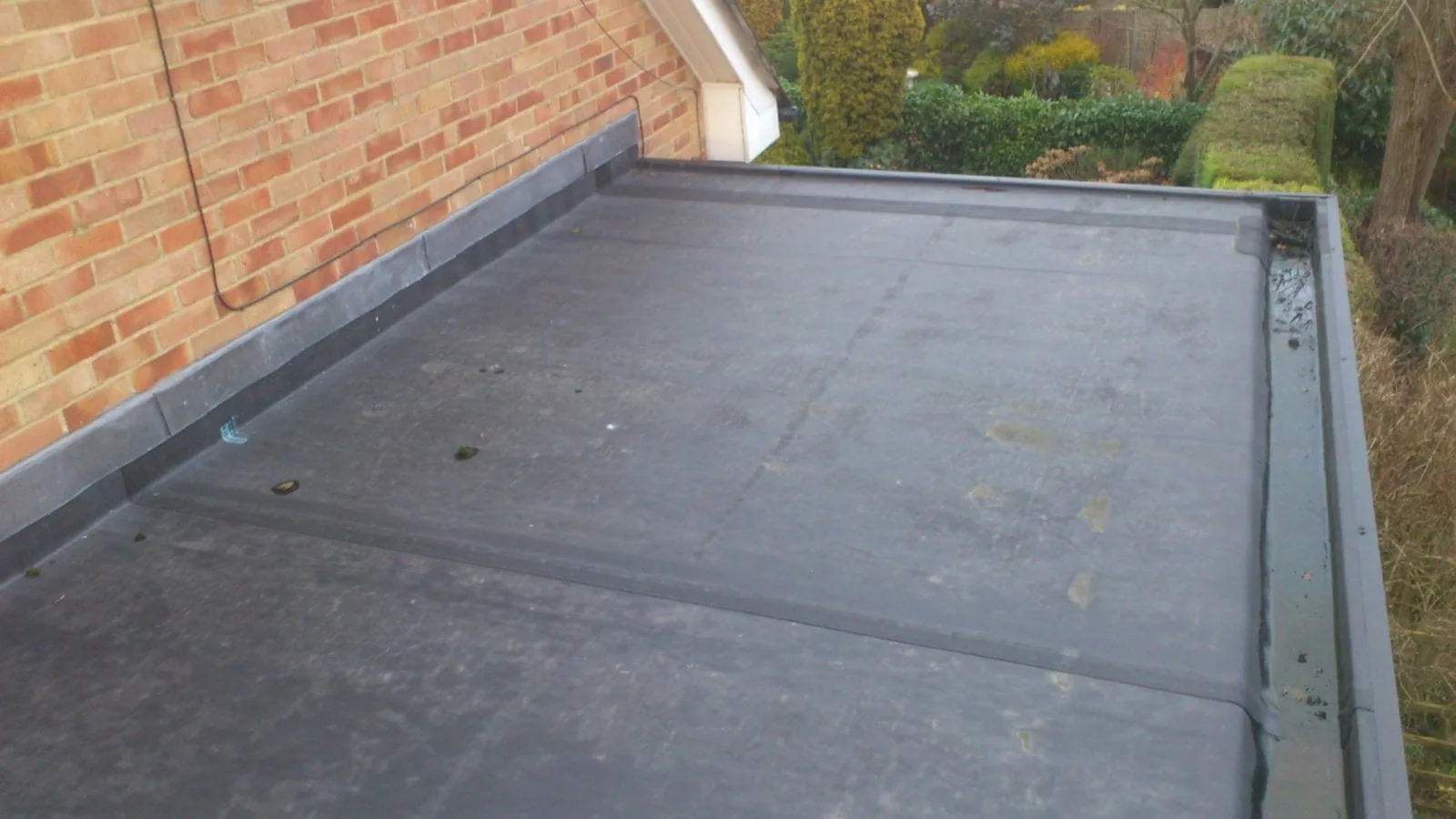
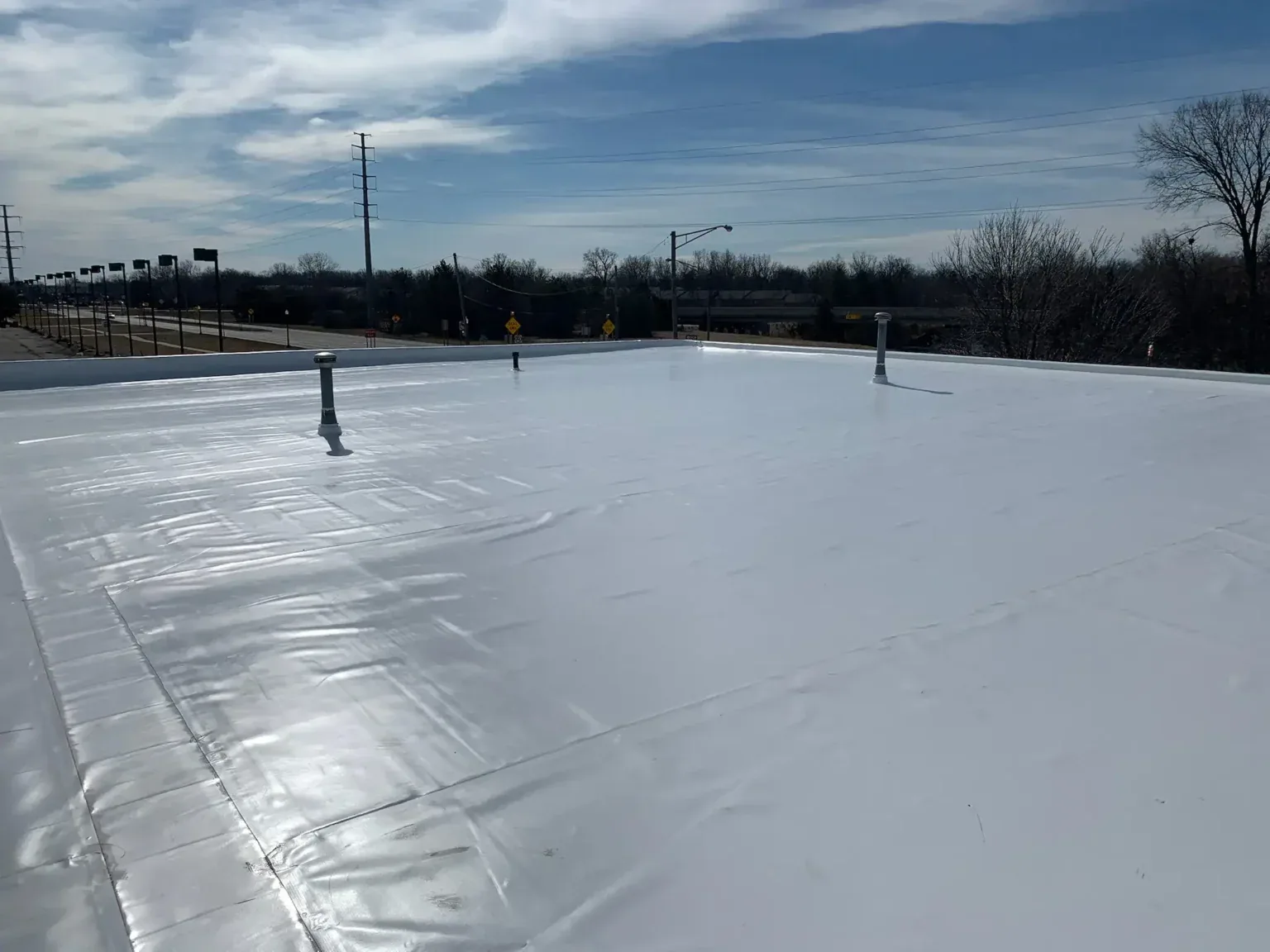

Check Substrate and Drainage Before Coating
Share prior coating and repair records, leak locations, roof plans, access rules, and known ponding areas. We will map the surface conditions and define the preparation, repair, and application questions that need resolution.