
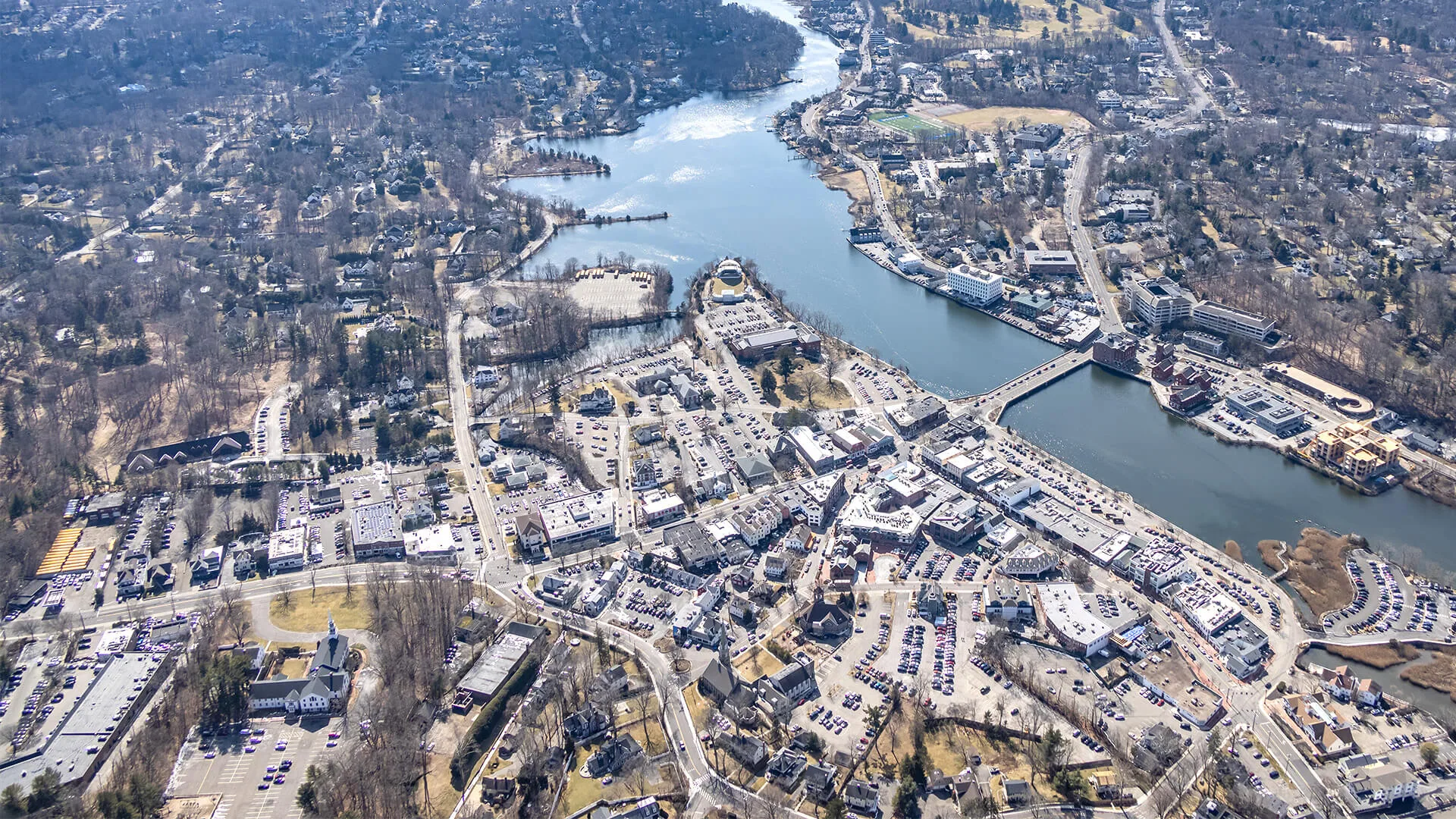
Commercial Roofing in Darien, CT
Plan commercial roof repair and replacement in Darien, CT around drainage, access, and occupied operations. Get a clear scope and documented next step.
A wet ceiling below a roof seam can change the day's access plan before anyone reaches the roof. In Darien, CT, we start by locating the affected space, identifying a safe roof entry, and checking what must continue underneath. The first visit traces water uphill from the interior mark, then compares seams, wall transitions, drains, curbs, and prior repairs. That sequence keeps the initial scope tied to an observed condition instead of a broad assumption about the assembly.
Darien and Stamford are both within Connecticut's Coastal Corridor transportation investment area, which covers roads, bridges, waterways, ports, and airports. That regional context can inform how a facility arranges a lift or delivery, but it does not describe a particular roof. We confirm the actual loading zone, access path, occupied areas, and work window with the building contact. A commercial roof inspection records the condition, the limits of the visit, and the next decision in writing.
Set the work window before staging
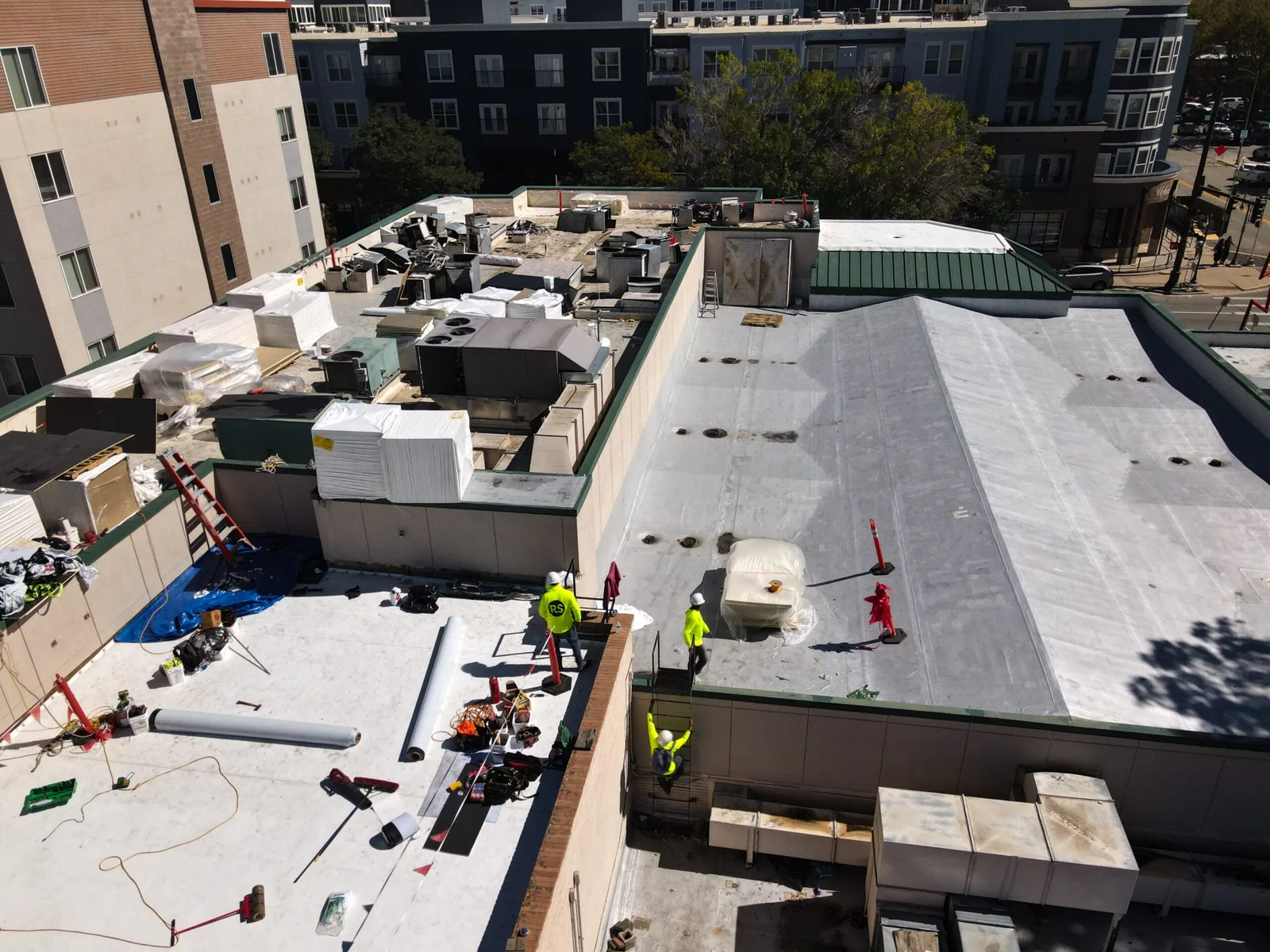
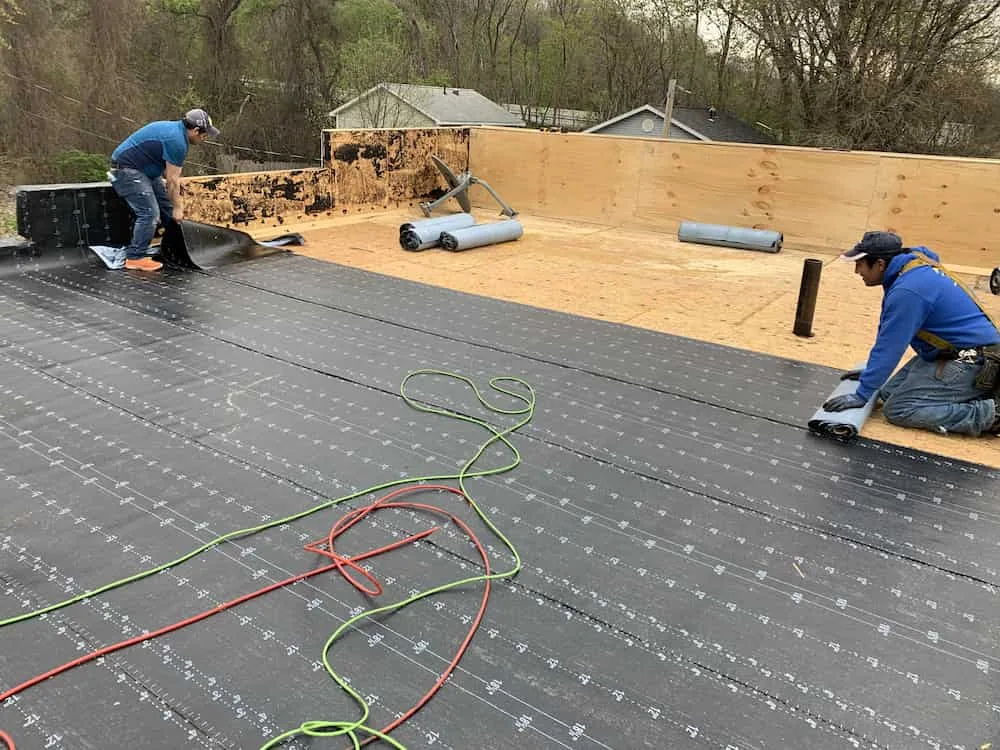
Roof work begins with a usable path, not a material list. We confirm the ladder or lift location, overhead conflicts, roof access controls, and the route between the entry point and the repair area. If the building has deliveries, tenant entrances, or service equipment that cannot be interrupted, those constraints shape where materials are staged and how a crew reaches the detail. The plan also identifies who can authorize access and who receives notice when the work zone changes.
Darien is about 17.5 miles from Bridgeport's municipal center, and Stamford is about 19.9 miles away. Both towns fit within the nearby work area, while road conditions and property rules still control arrival timing. The field schedule follows the access hours, roof plans, equipment shutdown limits, and recent water-entry locations confirmed with the facility team.
Trace the water path
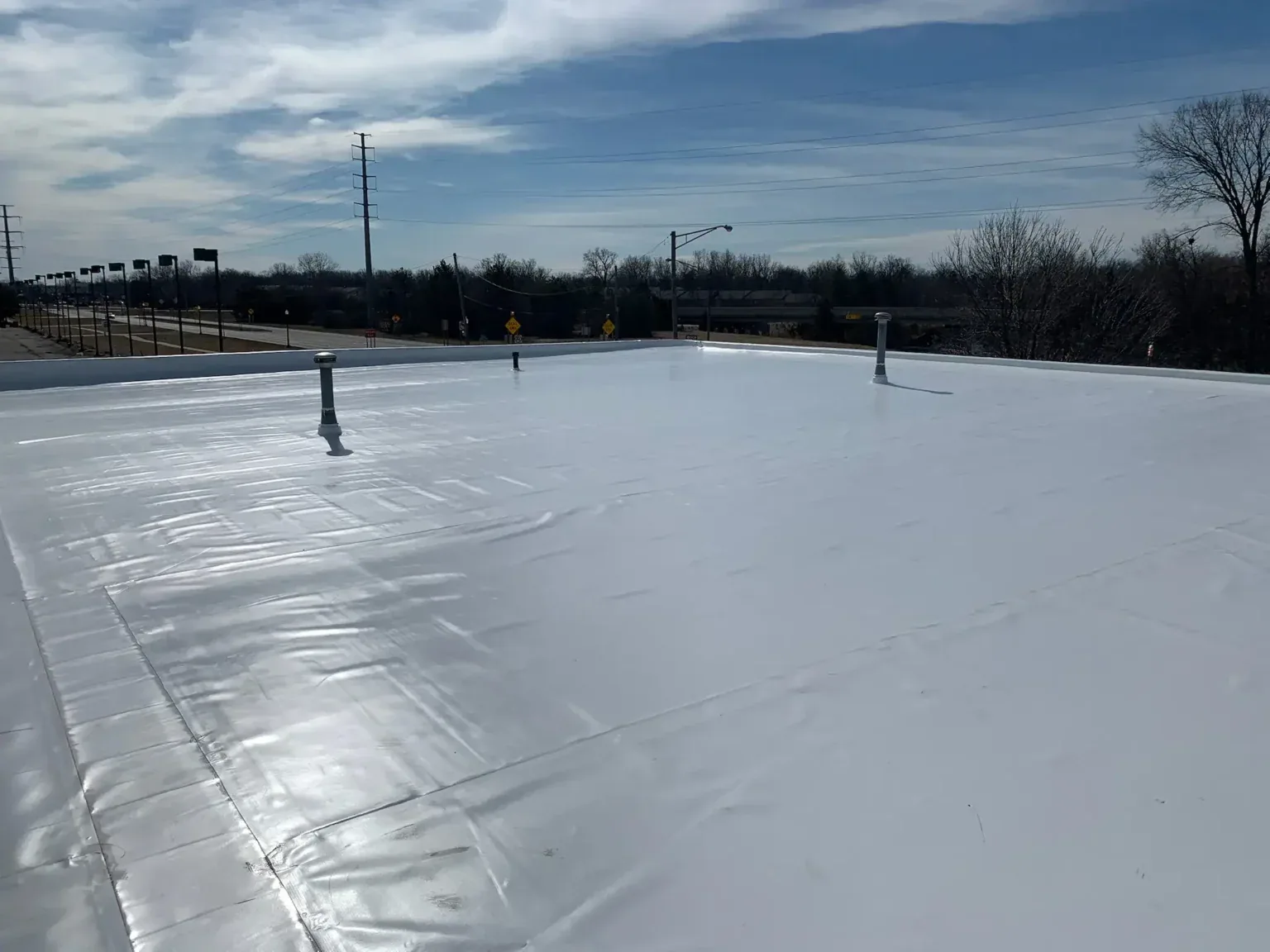
The ceiling stain is a starting point, not the repair location. We check the roof above and uphill from it, following seams, penetrations, edge metal, wall transitions, drains, and changes in slope. Water can travel along insulation or deck flutes before it appears indoors. We note whether the area is wet now, whether a seam has opened, and whether a prior patch has separated from the surrounding membrane. Photos should show the detail and its relation to a roof zone.
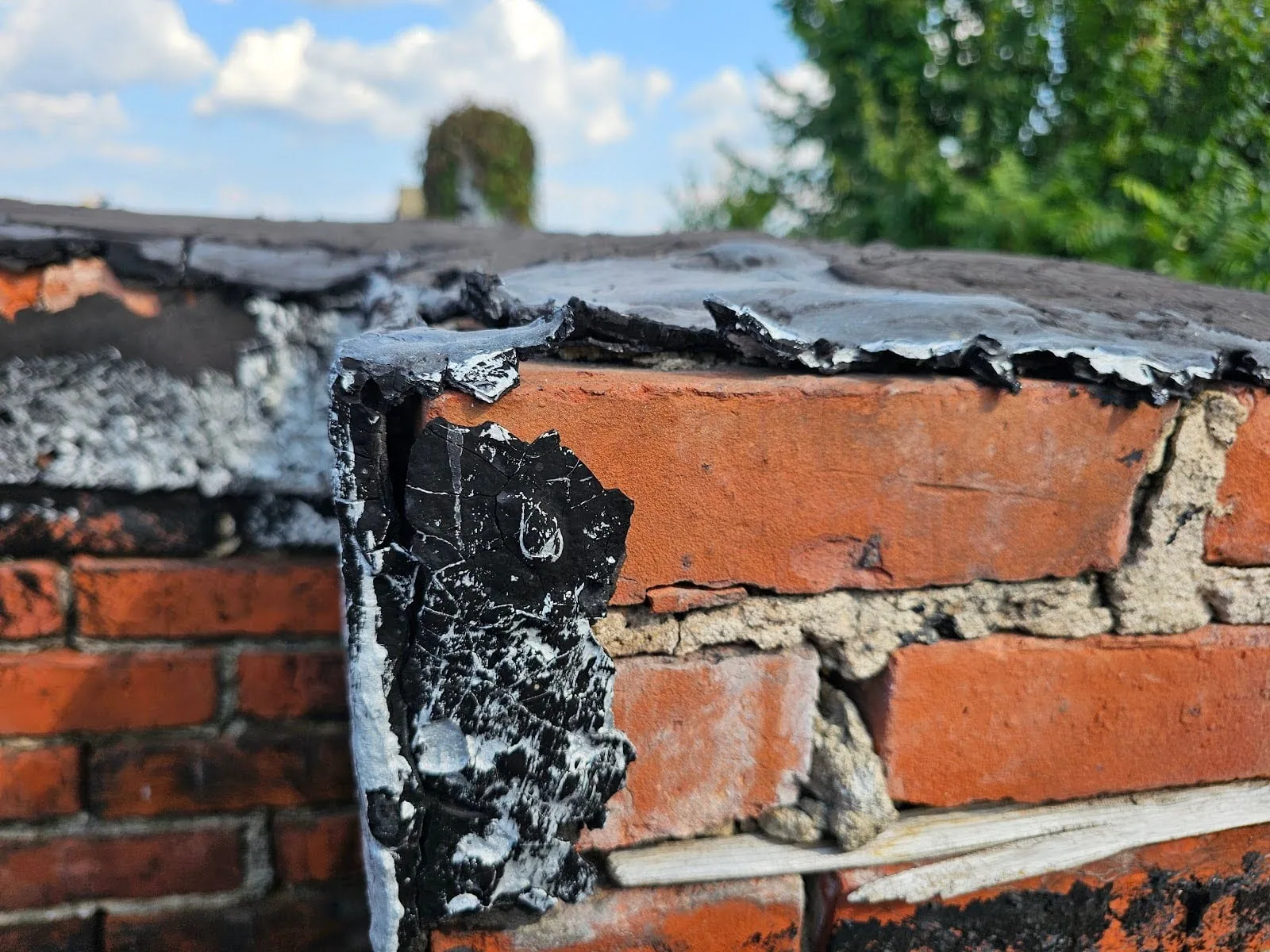
A flashing defect may be limited to one termination, while repeated separation along a wall can point to a larger movement or attachment issue. We inspect the adjacent surfaces and determine whether they are sound enough to receive a correction. If a repair needs removal, the scope names its boundary and the material used for tie-in. The owner can compare that repair with a roof recover or overlay only after the existing assembly has been checked for moisture, stability, and compatibility.
Keep the sequence visible
A reliable repair plan links roof access to the order of work. We identify the area to protect first, the detail to open, the condition that would stop work, and the surface that must be dry and clean before the permanent material goes down. When rain is possible, each shift needs a defined dry-in point. The facility contact should know which roof zone is open, what protection is in place, and what will be completed before the crew leaves.
Shoreline roads, bridges, and waterways can affect delivery routing, so confirm the Darien property's loading point and access route before setting the work window. Roof drainage and edge-metal conditions are checked on the building itself. We document any route that crosses service equipment or an occupied-floor boundary, and we keep the work zone as small as practical. If access or weather changes, the field lead can explain what is secured and which decision must wait.
Separate a repair from a larger scope
A localized opening with sound material around it may support a targeted repair. A broad area of wet insulation, multiple failed seams, recurring leaks, or deteriorated deck can shift the decision toward phased replacement. We map the area that can be repaired and note where the evidence points beyond it. That gives ownership a comparison based on roof zones rather than a choice between an isolated patch and an all-at-once project.
Cost and timing change with the amount of removal, deck condition, insulation depth, edge details, lift needs, disposal, and how many areas can be opened safely in one shift. A coating may be considered only when the substrate and existing system are suitable; it does not solve trapped moisture or loose attachment. We explain the preparation and detail corrections required for each option, then identify what remains outside the proposed scope. If flashing is the issue, a focused flashing failure repair can be compared with work on adjacent wall and roof transitions.
Leave the next inspection trigger clear
At the end of a roof walk, a roof condition report identifies the zone, the observed defect, the photographs, the repair limit, and the condition that would call for another visit. We note whether the correction is temporary or permanent, the materials used, and any adjacent area that remains under observation. This is especially useful when a leak appears again after a storm; the next person can compare the new water path with the original record instead of guessing where work stopped.
Bridgeport's 1991-2020 airport normals pair 33.6 inches of snowfall with 44.09 inches of annual precipitation; that seasonal reference helps set the Darien visit window. A Darien roof walk establishes whether a particular detail is wet or ready for permanent repair. In any town, drainage routes, low points, seam edges, and penetrations deserve direct inspection when water entry is reported. The finding and the weather timing are documented separately.
For a roof walk in Darien, have the property contact, roof plan, access rules, recent leak dates, and prior repair notes ready. We will trace the reported condition, identify the safe work sequence, and state which choices remain. Nearby Stamford commercial roof needs and Fairfield properties are handled as their own buildings, with their own access and roof conditions. A Bridgeport-area roof schedule can share regional dispatch planning, while each written scope remains specific to its building.
Questions and Answers
What should we send before a roof walk in Darien?
Send the roof plan, the rooms affected by water, dates the leak appeared, prior repair notes, and any access or equipment limits. If a tenant area needs notice, include the approved contact and work window. We will confirm what needs to be available during the inspection and identify whether a lift or special access arrangement is required.
Can a leak be repaired before the roof is fully surveyed?
A temporary measure may limit active entry while the full path is checked, but we separate that protection from a permanent correction. The first visit should identify the opening, nearby seams and penetrations, and any moisture that changes the repair boundary. We explain what has been secured and what remains open for review.
How do you decide whether wet insulation needs removal?
We compare visible damage, moisture observations, assembly layers, and the extent of the affected area. A reading alone does not settle the question. Where the assembly is uncertain, a controlled opening can confirm the condition below the membrane. The written scope identifies the removal area and how the new materials will tie into sound construction.
What happens if access is interrupted during repair work?
We secure the open area to a defined dry-in point, protect the interior where needed, and tell the contact what remains unfinished. The next work window is set around the access constraint, material readiness, and weather conditions. The handoff records the roof zone and the first task for the return visit.
When should we compare a repair with replacement?
Repeated leaks in separate zones, widespread wet insulation, failing seams, or deck concerns warrant a broader comparison. We show which areas remain repairable and which conditions affect a phased or full replacement. That lets ownership match the scope to the operating calendar and capital decision instead of repeating an isolated patch without a record.
Related Roofing Work

Schedule a roof walk in Darien
Have the roof plan, leak locations, access limits, and recent repair notes ready. We will inspect the reported area, define the work boundary, and provide a written next step for the facility team.