

Snow and Ice Roof Damage Repair in Bridgeport, CT
Bridgeport snow and ice can load roof areas, block drainage, and open seams during thaw. We trace the damage, set a safe work zone, and document repairs.
A drift behind a raised curb can hide a wet seam until melt reaches a ceiling, loading bay, or occupied floor. In Bridgeport, CT, we start with the roof and building schedule: where snow collected, which drains still move water, and how a crew can reach the affected zone without crossing operations. Bridgeport’s typical annual totals are 44.09 inches of precipitation and 33.6 inches of snow, which makes a clear drainage route worth confirming. Those figures make drainage and transition checks relevant after winter weather, not a diagnosis of one roof. We trace the water path, mark the scope boundary, and put the next decision in writing. A commercial roof inspection can establish that first field record.
Read the Roof Before Clearing
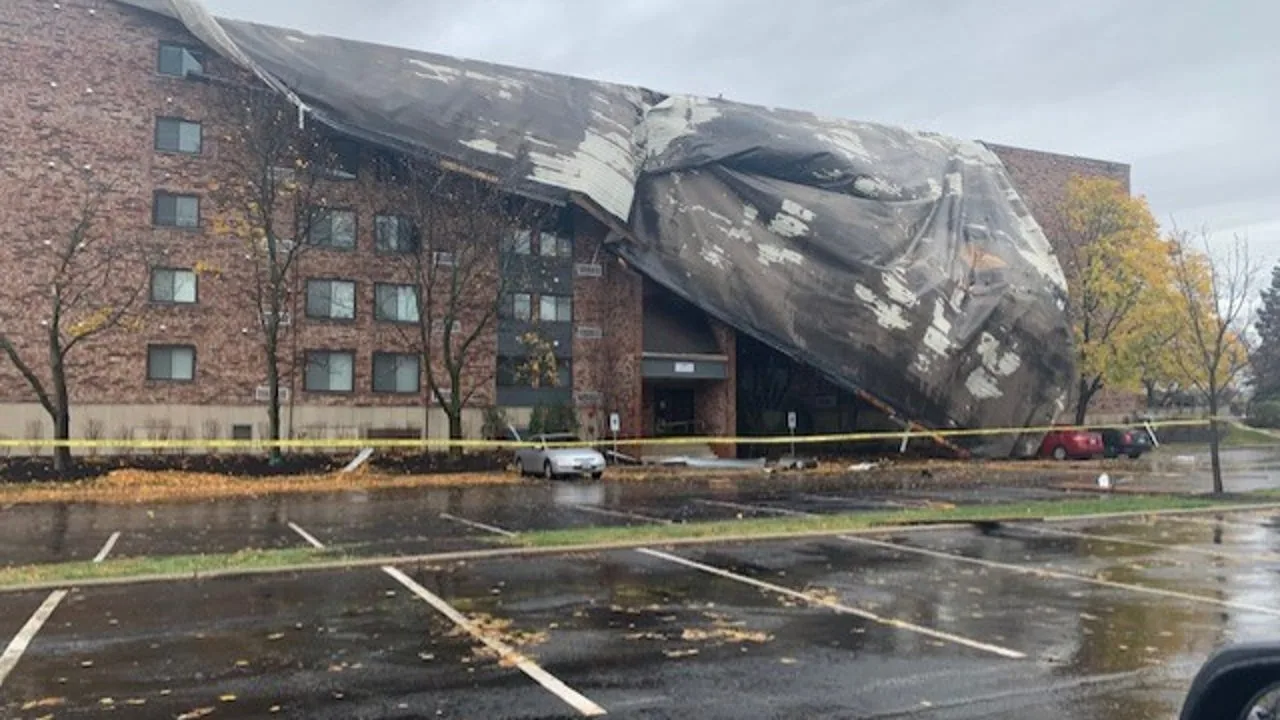
A low area with a deeper drift needs a different response from an even blanket of snow. We look for deflection, displaced edge metal, split seams, damaged penetrations, blocked outlets, and fresh interior staining, then compare them with plans and repair records. If a deck appears to sag, an interior door suddenly binds, or occupants hear unusual movement, keep people clear of the affected area and arrange the appropriate structural review before anyone attempts removal. At the hatch, we check the access path before carrying tools; a clear parking area does not mean the ladder landing has thawed.
Removal tools can cut membrane, push snow against a parapet, or pile it over drains. The work boundary sets safe access, snow placement, protected edges, and who can stop the work. We inspect damage and coordinate roofing work; the building's safety lead controls occupancy and access. For active water entry, an emergency roof response can separate immediate protection from permanent repair.
Follow the Melt to Its Outlet
Ice at a drain bowl, scupper, or leader can hold meltwater on the roof. We inspect the inlet, strainer, sump, conductor path, and nearby membrane before deciding whether the outlet is restricted. A blocked route, low insulation, damaged flashing, or open lap can create similar symptoms, so we record each finding instead of calling every stain a drain failure. Bridgeport averages 53.4°F across the year, with a January average of 31.4°F; use that seasonal range when setting review reminders. That monthly figure is context for freeze-thaw review, not a roof forecast.
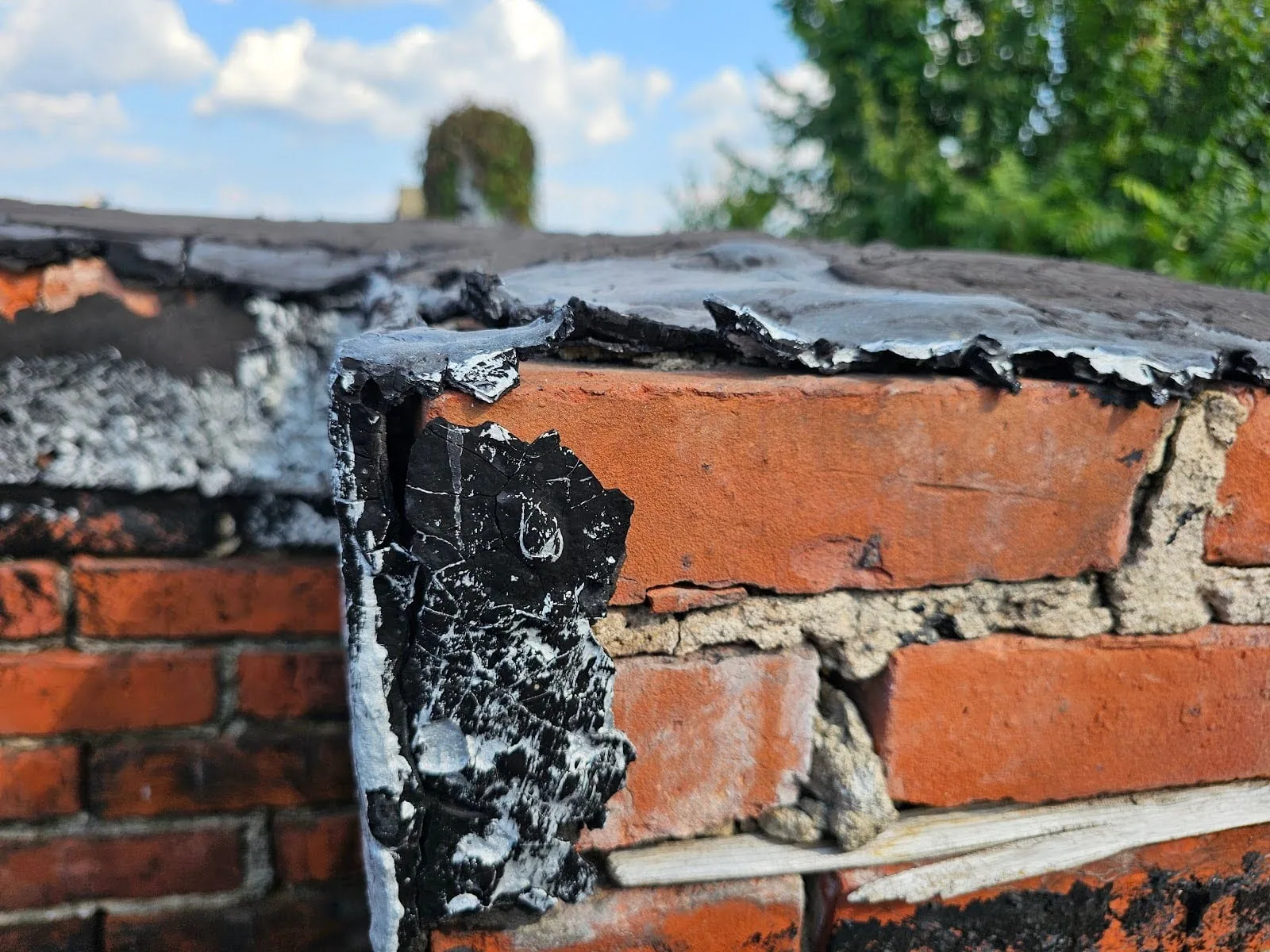
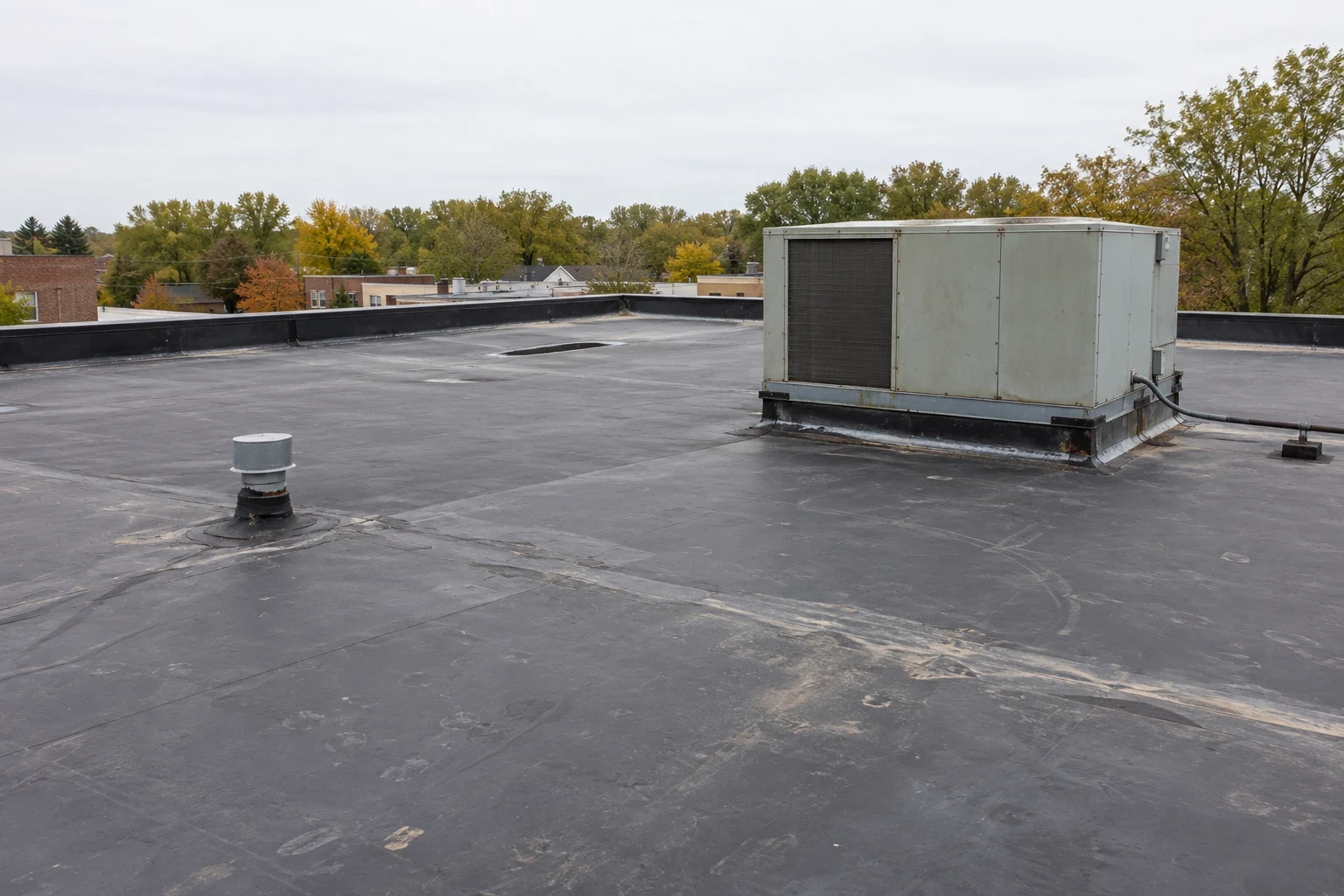
Water can move below insulation before appearing indoors. We map the leak against seams, curbs, transitions, and drainage, then identify whether a moisture survey or controlled opening can resolve it. The repair may be an outlet correction, flashing work, a localized membrane patch, or a larger wet-area scope. A ponding-water repair review is useful when water remains after the surrounding roof has drained, while a flashing repair scope addresses a failed transition rather than the water symptom alone.
Set the Work Window First
The Port of Bridgeport serves cargo, ferry, fishing, and recreational boating activity; a property with time-sensitive deliveries may need a defined roof window and operations handoff. South of I-95, light-industrial activity makes up most of the West Side/West End district, with heavier industrial and commercial uses also present. Loading, vehicle movement, and roof equipment can share one operating schedule.
Before opening a zone, we confirm roof access, fall protection, staging, lift limits, interior protection, and building routes. Wet or icy conditions can delay the start. The sequence names the active area, dry-in, weather holds, and handoff contact. If water reached an occupied floor, the leak tracing visit ties the ceiling report to a roof finding and next step.
Separate a Patch From a Roof Scope
A single split at a curb can be repaired locally when the surrounding membrane remains sound and the water route is understood. Several wet insulation areas, repeated seam movement, or deterioration across multiple details may point to a broader repair or replacement. We compare the affected area with the roof assembly, attachment, prior patches, and drainage condition; then mark what will be opened, what remains in place, and how the area will be kept dry between shifts. That boundary keeps the recommendation tied to the observed condition.
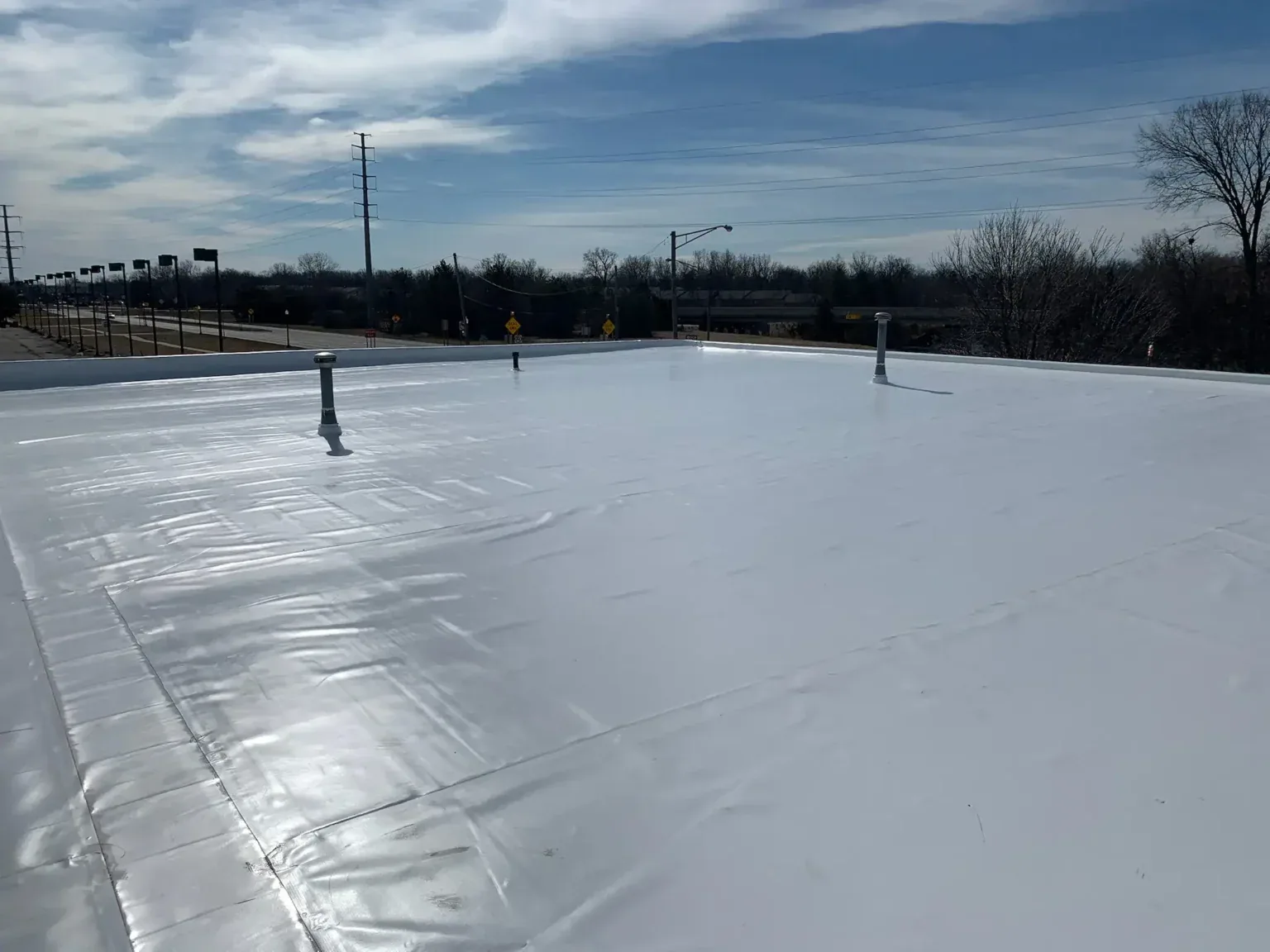
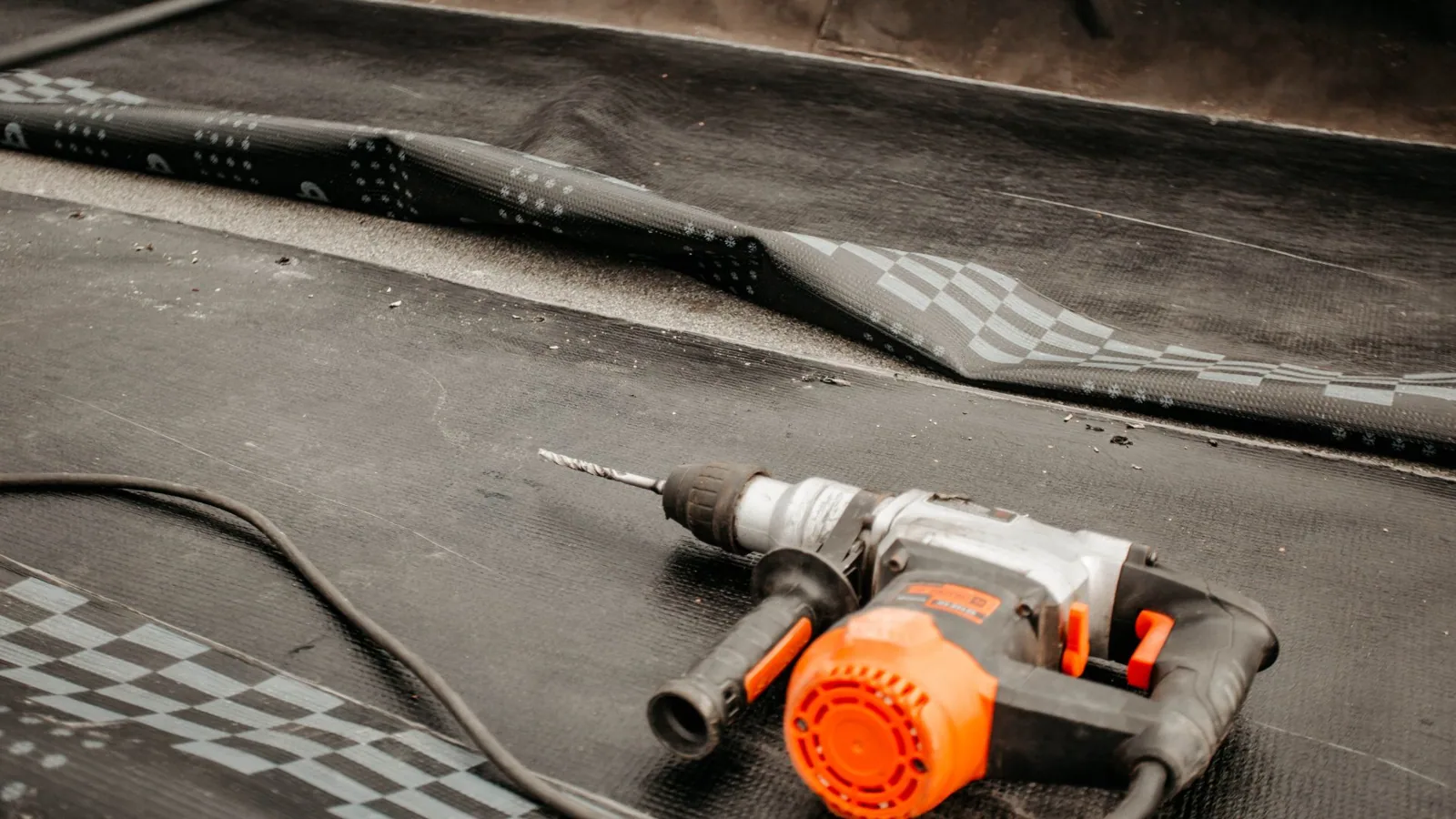
Timing depends on access, surface conditions, cure requirements, occupied-space controls, and concealed moisture. Interim cover needs an inspection trigger and a renewal or removal plan. For a roof with recurring wet areas, we can assess an EPDM assembly or another existing system by its actual seams and transitions. If the condition reaches a point where localized work no longer protects the assembly, a replacement scope can compare phased removal, recover eligibility, and dry-in by zone.
Close the Winter Repair Record
After the repair, the closeout should identify the area accessed, the material and detail repaired, any concealed condition found, and the photographs that show the finished transition. We also note drains or scuppers that need follow-up, temporary protection that remains, and the next inspection trigger, such as the first full thaw or a later heavy rain. That record helps the facility compare the next report with the same roof location instead of starting the investigation from a ceiling stain alone.
Near State Street, Fairfield Avenue, and I-95, roof access can affect staging. Between Railroad Avenue and I-95, The Smile forms a commercial-industrial strip; before a snow response, identify the loading approach for staging. That corridor context helps set delivery and staging questions; the building still determines the roof sequence. A drain and scupper review can check whether water has a clear path off the assembly. For citywide work, the Bridgeport service area sets the response footprint; access is confirmed property by property.
Questions and Answers
What should we report before a snow-related roof visit?
Give us the affected building or roof zone, the time water first appeared, any visible drift or blocked outlet, and the interior area that needs protection. Include access rules, operating hours, and the person who can authorize a roof walk. We will use those details to set a safe boundary, trace the reported route, and separate immediate dry-in from permanent repair. If anyone sees structural movement, keep people away and arrange the building's structural review before roof access or snow removal proceeds.
Can a roof leak wait until the snow has fully melted?
A leak that is active over electrical equipment, inventory, or an occupied room needs a prompt response even if the roof remains snow-covered. We first determine whether a safe roof inspection is possible; if not, we protect the interior and plan the next accessible work window. A temporary measure can limit further entry, but the permanent scope still needs the roof location, seam or flashing condition, and drainage path documented after access improves.
How do you tell an ice blockage from a membrane failure?
The outlet is one part of the trace. We check the drain or scupper, the membrane around its bowl, nearby seams and penetrations, and the roof slope leading into that point. Interior staining and standing water can line up with more than one condition, so photographs and a marked roof map matter. If the path remains unclear, a controlled test or moisture survey can narrow the opening area before a larger repair is priced.
Will the repair require us to close the building?
Most decisions start with the roof access and the interior work area, not an automatic building closure. We define the staging zone, lift or ladder route, overhead protection, and any room below that should remain clear while a section is open. A facility with shipping or public access may need a short work window or a phased sequence. The written scope identifies that boundary so the operations contact can decide whether a local restriction is enough.
Related Roofing Work

Plan a Snow and Ice Roof Walk
Share the roof access procedure, reported leak locations, observed snow or ice conditions, interior areas to protect, and any operating window. We will define a safe inspection boundary and provide a written next step for emergency protection, repair, or a broader roof assessment.