
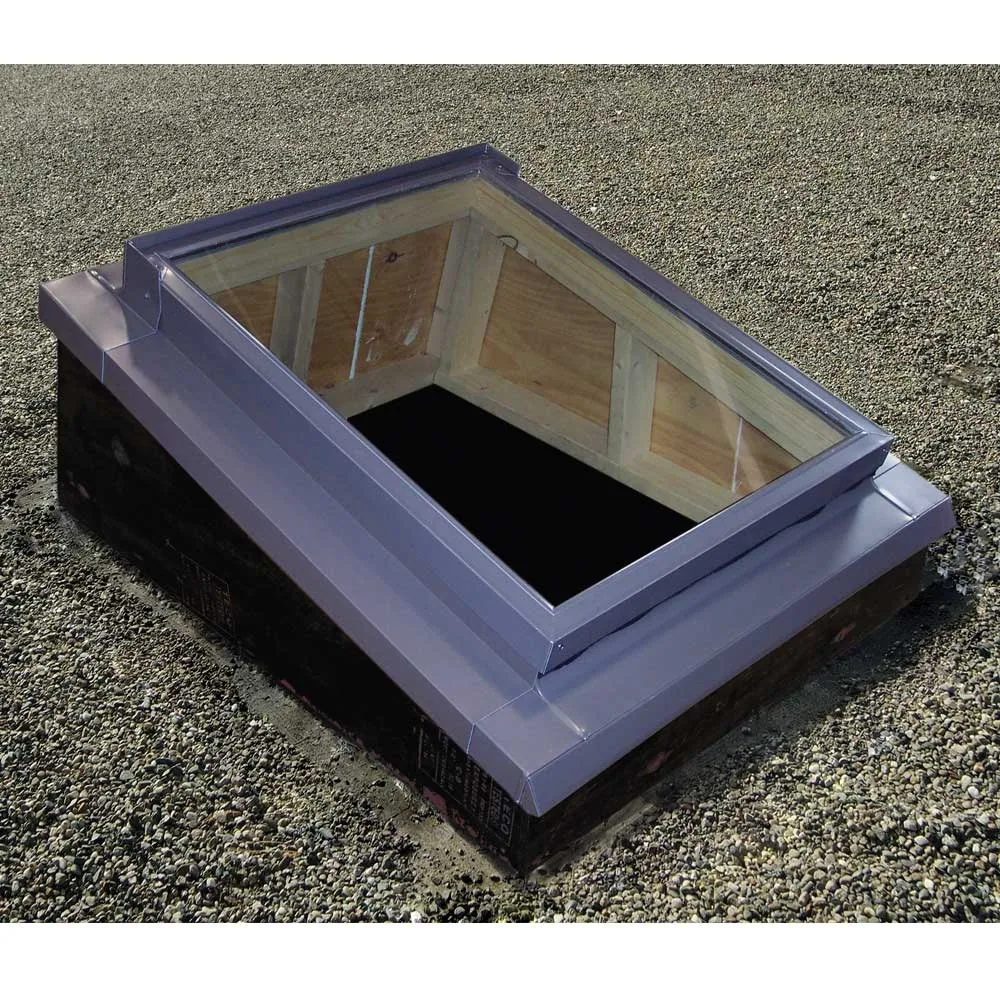
Commercial Skylight and Penetration Flashing in Bridgeport, CT
Inspect skylight curbs, pipe boots, equipment penetrations, and flashing transitions before a commercial roof repair in Bridgeport, Connecticut.
A leak beside a skylight or service penetration needs a close look at the transition, not just a surface patch. We inspect the curb, flashing height and attachment, membrane tie-in, sealant condition, and nearby roof details. If the opening has shifted or a boot has split, the repair should address the movement and the material interface. A water mark below can help locate the area, but the crew follows the path on the roof before defining the work boundary.
Bridgeport commercial buildings include industrial space near port activity, offices, and properties with rooftop equipment that needs ongoing service. A skylight may sit above an occupied floor or a work bay, so the repair plan includes interior protection and safe access. We record which curb or penetration was inspected, whether the surrounding membrane appears sound, and what additional test or replacement detail is needed before the building team schedules work.
Check the Full Curb Transition
A skylight curb joins a roof surface to a raised opening. We look at corners, curb height, cap condition, fasteners, flashing laps, and the way the membrane terminates. A cracked lens or failed seal at the skylight itself may require a different trade from a roof-to-curb leak. The inspection notes which interface appears open and whether water could travel beneath the visible edge. We do not assume that resealing the perimeter fixes a loose curb or damaged substrate.
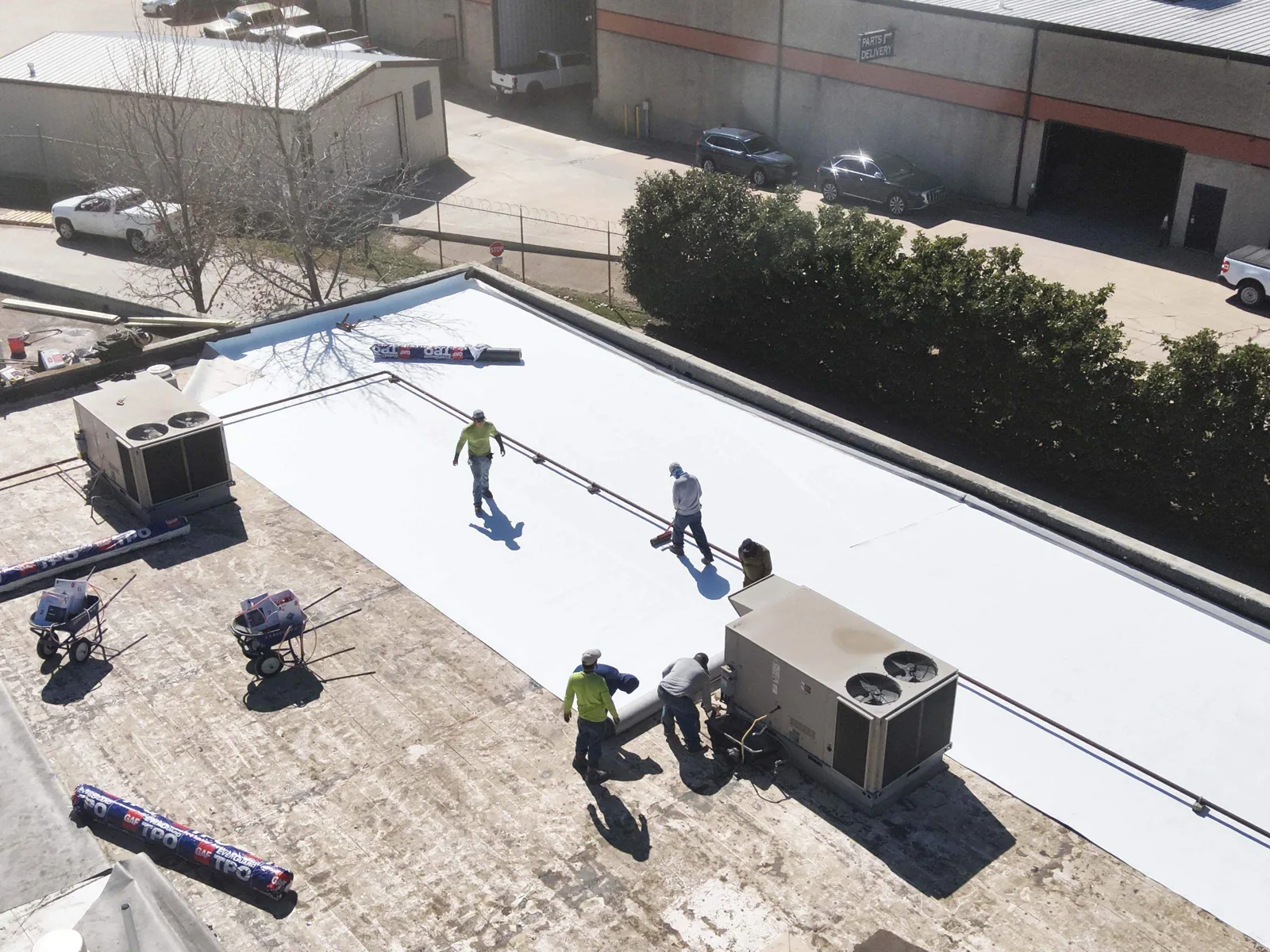
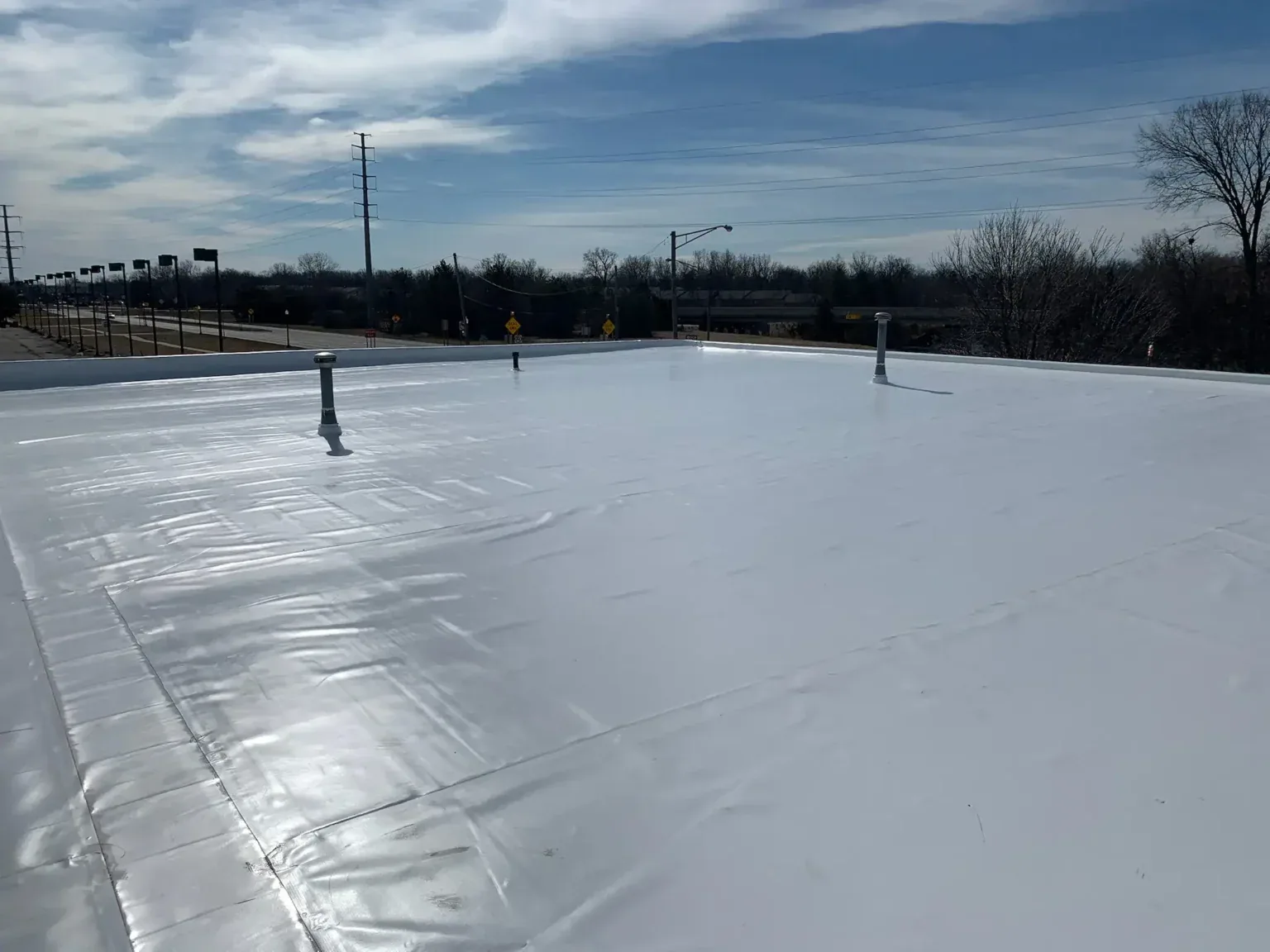
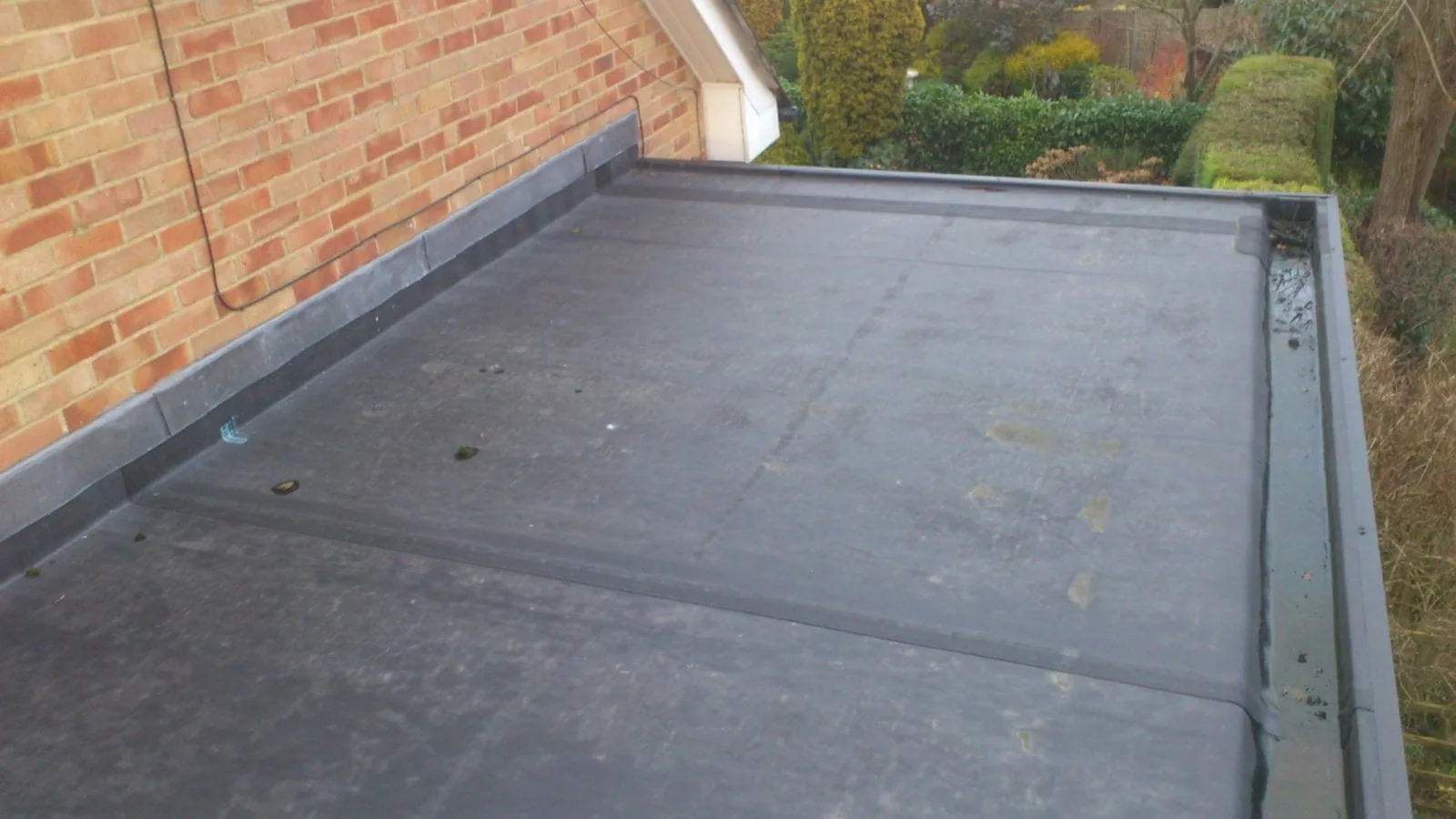
Where the roof assembly is a TPO system, the flashing tie-in must follow the membrane detail. A rubber membrane roof calls for a different compatible transition. If water has affected the area, our leak tracing service can compare the interior location with the curb and adjacent seams before a repair is specified. That keeps a localized opening from being confused with a wider roof condition.
Treat Each Pipe and Equipment Opening Separately
Pipes, conduits, exhausts, and equipment supports interrupt the roof membrane in different ways. We inspect the boot or flashing, fastening, sealant, movement at the penetration, and any nearby service work that may have disturbed the detail. A loose clamp or cracked boot can allow water around a pipe, while a curb may leak at its corners or base. We identify the specific opening and note whether the equipment needs isolation or coordination before the roofer can reach it.
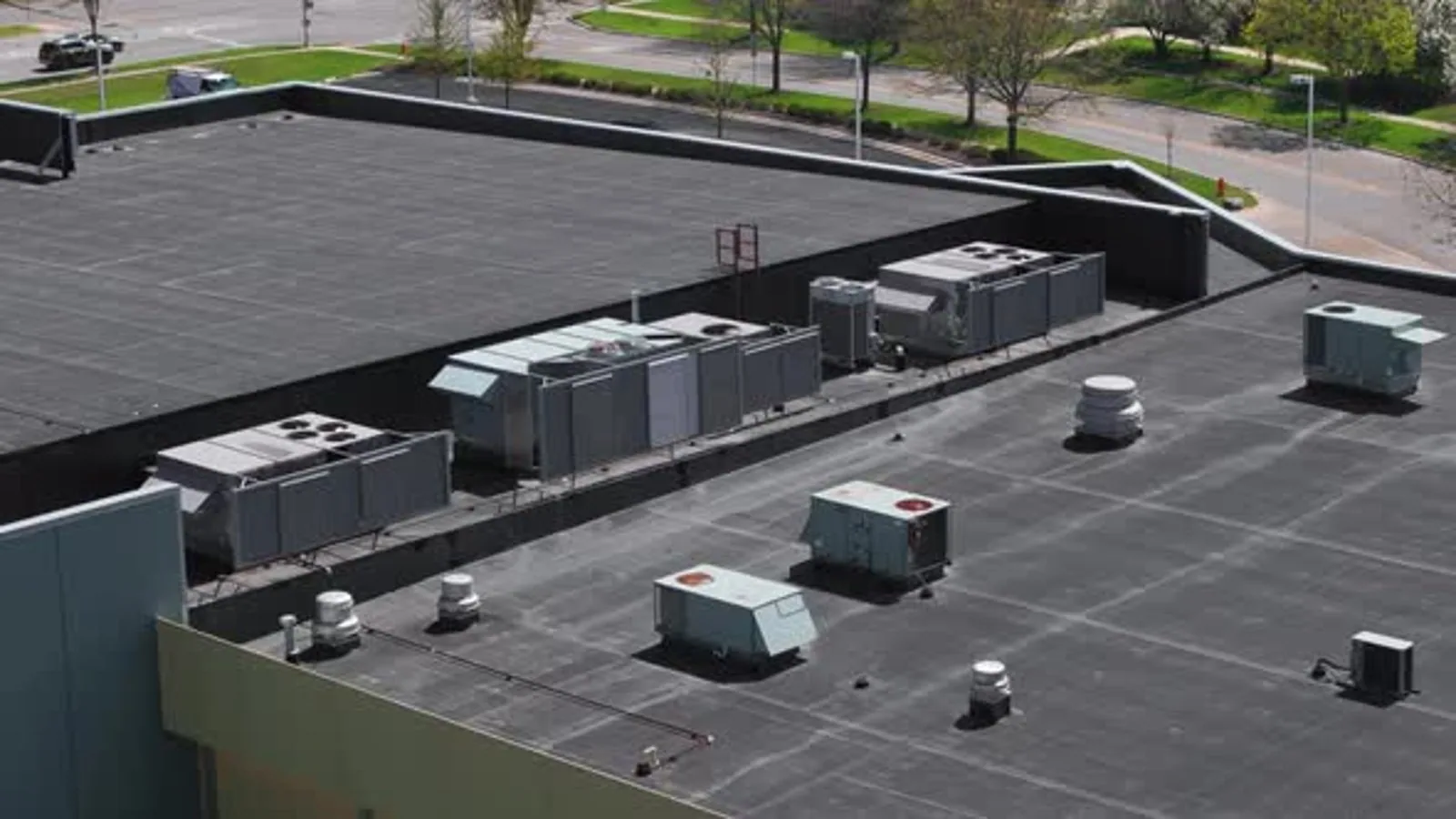
Bridgeport’s West Side and West End include commercial and industrial uses south of I-95, where service equipment can be part of an active building operation. The roof record should state if a unit must be shut down or if an access window is needed. A equipment curb review can address the support and curb separately from the membrane repair. We will identify the work sequence and protect the opening if equipment service must happen first.
Trace Water Before Closing the Detail
Water can move from a curb across the roof surface or along a deck before it appears indoors. We compare the reported stain, timing, and roof position with seams, drains, wall transitions, and penetrations uphill. If the entry point is not clear, photos and a focused test may be more useful than sealing several nearby joints at once. We keep confirmed openings separate from suspected paths and state what would resolve the remaining question.
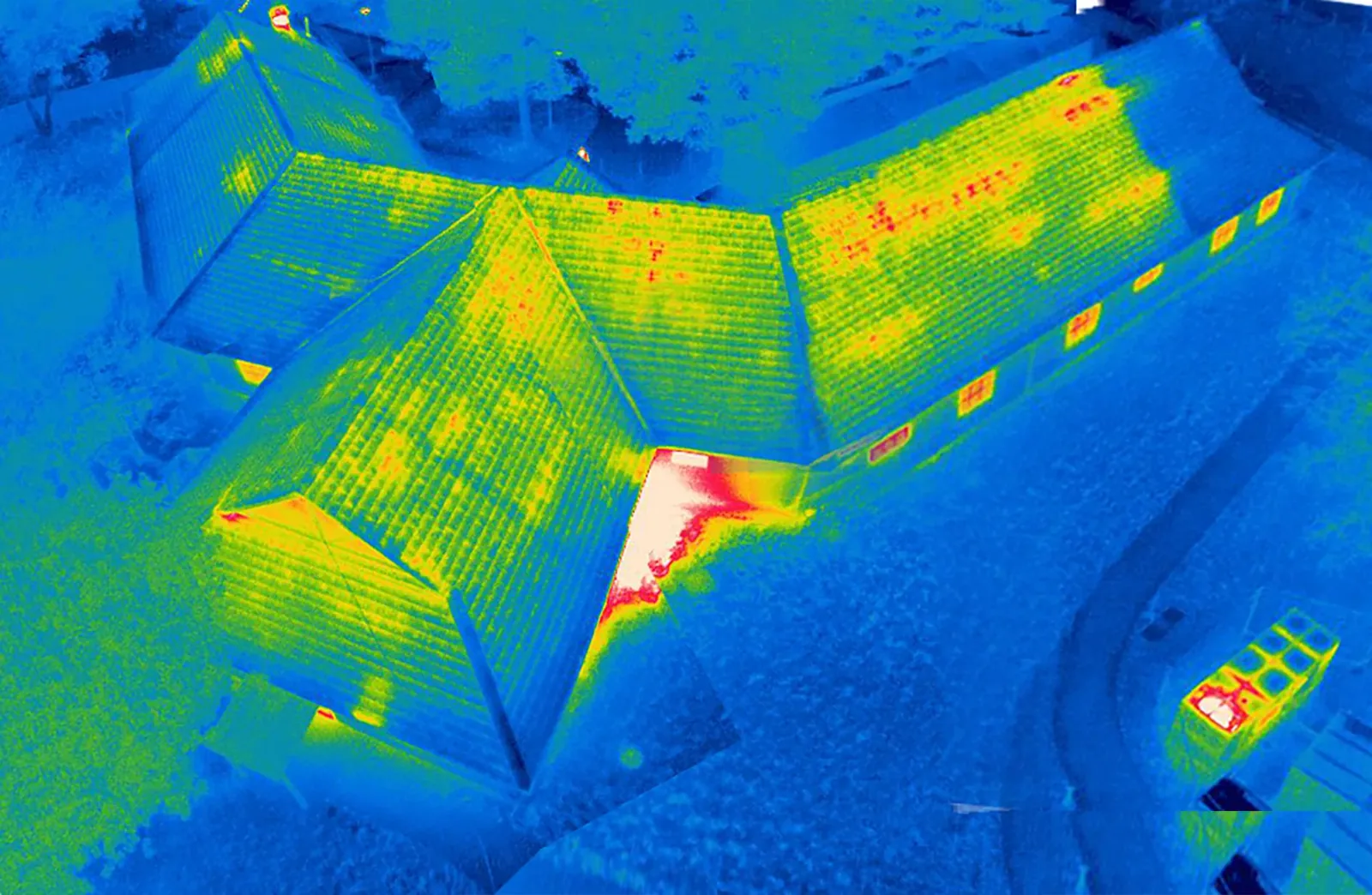
For a large or complicated area, an infrared moisture review may help map suspect sections when conditions allow useful readings. A roof inspection can record nearby membrane and drainage details. Neither a thermal pattern nor a ceiling stain alone proves the extent of concealed moisture. A test cut or other verification may be needed before the owner decides whether the curb repair is enough.
Prepare the Surface for a Compatible Flashing
Permanent work begins after the assembly and substrate are identified. We remove failed material as needed, expose sound surfaces, and prepare the transition for a compatible boot, membrane flashing, or metal detail. The curb or penetration may need reinforcement where movement is expected. Sealant should not serve as a substitute for an attachment or flashing detail that has failed. If water or contamination prevents proper preparation, the closeout identifies temporary protection and the return condition.
At a skylight, we also consider whether the unit itself is damaged or whether the roof transition is the source. The roof crew can repair membrane flashing, while cracked glazing or an operable unit may require a specialist. A written repair scope names the work included and the interfaces left for another trade. If the detail is part of a larger roof project, the recover evaluation should account for curb height and new layer transitions before the assembly is covered.
Coordinate Access Around the Building
A normal Bridgeport year includes 33.6 inches of snowfall alongside 44.09 inches of precipitation. We schedule flashing work after the curb and surrounding surface can be prepared. If a thaw or storm brings water inside first, temporary protection and interior containment stay separate from the permanent correction. We schedule the permanent detail when surface and product requirements can be met. If a storm or thaw brings water inside before then, temporary protection and interior containment are recorded separately from final repair.
At sites in Bridgeport, Stratford, or Fairfield, the access plan depends on the building contact, not just the town name. We confirm roof hatch rules, equipment shutdowns, interior room access, and a clear path for tools. The facility team can identify any skylight beneath an occupied area and let tenants know when ceiling protection or inspection is required. For many Bridgeport commercial repairs, a zoning plan includes building information and a written work scope, so the repair description should name the curb or penetration being addressed.
Record the Opening and Follow-Up Trigger
The closeout notes the curb or penetration repaired, materials and preparation, adjacent details reviewed, and any item left open. Dated photos show the original condition and completed tie-in. If a test or glazing repair is outside the roofing scope, it is listed separately so the property team knows what remains. The next inspection trigger may be a suitable wetting cycle, a return after another trade finishes, or a check of a neighboring seam if the leak path was uncertain.
Bridgeport and nearby Milford include distinct commercial settings, but each building needs its own roof map and access contact. Share the affected room, roof plan, equipment schedule, prior repair record, and safe photos before the visit. A condition report can retain the detail with other roof findings. At a roof in Bridgeport, the record names the curb, repaired interface, and next observation point for the facility director.
Questions and Answers
Does a skylight leak always come from the glazing?
No. Water can enter at the curb, flashing, membrane tie-in, nearby seam, or the skylight unit itself. We inspect each interface and state which condition is visible before assigning repair work to a roofing or glazing trade.
Can sealant fix a leaking pipe boot?
It may be part of a compatible repair, but sealant alone is not a substitute for a split boot, loose attachment, or failed membrane transition. We inspect the opening and identify whether replacement, reinforcement, or another detail is needed.
What happens if rooftop equipment blocks the penetration?
The equipment contact may need to arrange shutdown, movement, or a safe work window. We identify the access limitation and keep the roof opening protected until the flashing can be inspected and repaired. The record names what remains unverified.
Should we replace a skylight during roof work?
That decision depends on the unit condition, curb, flashing, and project scope. We document what the roofing inspection can see and identify any glazing condition that needs a specialist. Curb height and finished roof layers should be coordinated before replacement.
What should we share before a flashing repair visit?
Provide the interior location, roof plan, prior repair notes, equipment schedule, access instructions, and whether the skylight or unit can be reached safely. Tell us when the leak occurs so the inspection can follow a useful water path.
Related Roofing Work
Inspect the Curb Before Sealing the Opening
Send the curb location, unit schedule, and interior mark. We will map the leaking interface and identify the next check for the facility team.