Commercial Rooftop Equipment Curbs and Supports in Bridgeport, CT
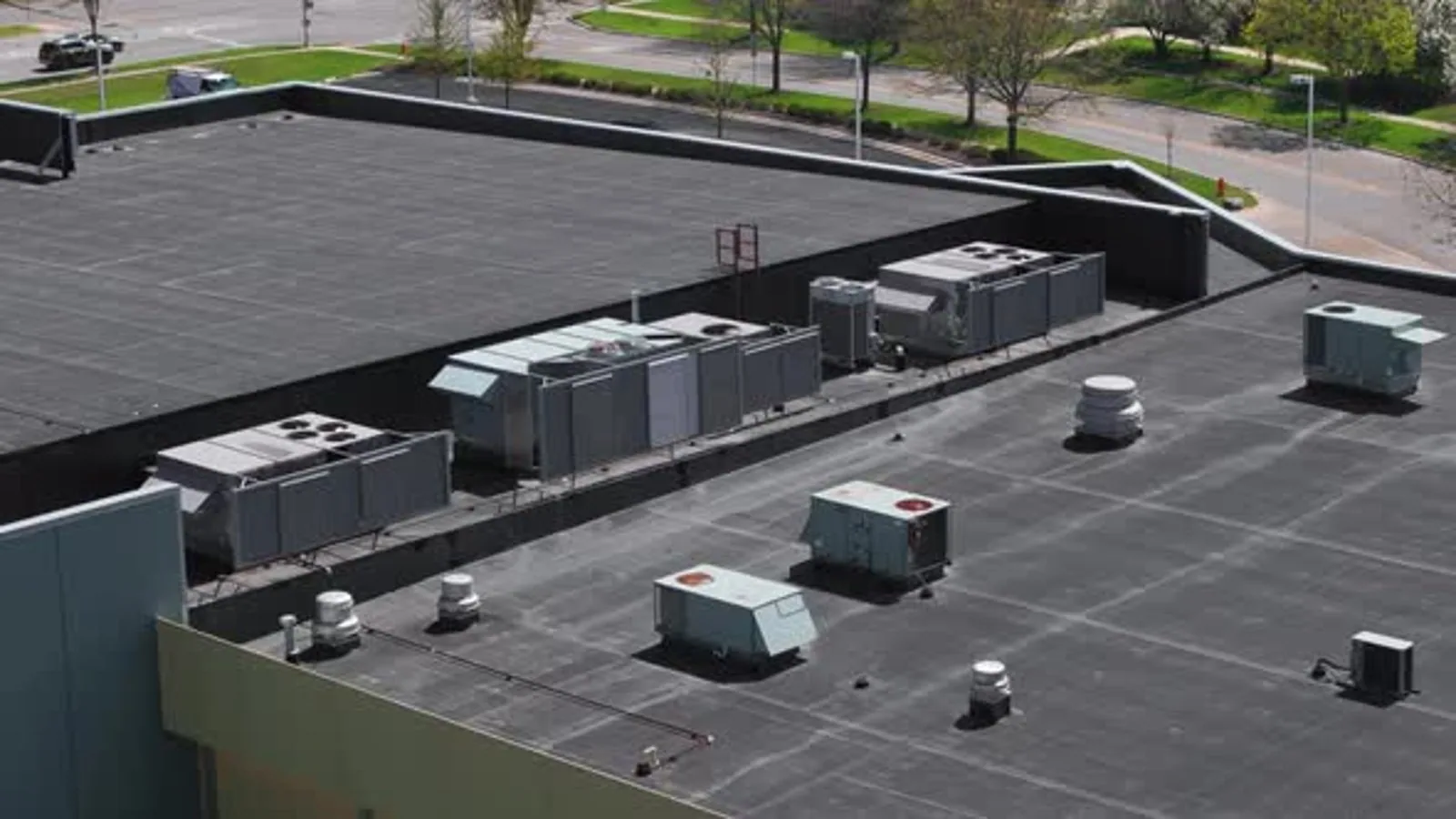
Rooftop curb and support work in Bridgeport, CT. We inspect flashing, fasteners, membrane, and drainage before setting a repair or replacement scope.
A rooftop unit can stay in service while its curb begins to move, rust, or separate from the membrane. The first decision is not simply whether to add sealant. We inspect the curb, the roof transition, nearby seams, and the path water takes around the equipment, then mark what is loose, wet, or visibly damaged. In Bridgeport, CT, that finding has to fit the building below. A production shift, occupied office, or delivery window may limit when we can reach the unit and stage materials.
We check whether the curb is stable, whether the flashing remains bonded, and whether fasteners or support members need attention. A repair can stay local when the surrounding assembly is sound. If movement, trapped moisture, or deterioration extends beyond the curb, we define the larger boundary before work starts. For a roof walk around Bridgeport commercial properties, have the unit list, recent leak locations, and any access restrictions ready. We return the condition and next step in writing.
Separate the Curb from the Equipment
Before touching a unit, we identify what belongs to the roofing scope and what requires an HVAC or electrical handoff. The curb supports the equipment and provides a raised transition through the roof assembly. The unit itself, its connected lines, controls, and operating schedule may remain under another trade. We photograph the assembly from the roof surface, note visible movement or corrosion, and identify how the membrane meets each curb face. That record keeps a roofing repair from turning into an unplanned equipment change.
Where access is limited, we confirm the work window and the path to the roof before setting tools near service equipment. A site contact can tell us which units cannot be interrupted and whether a lift or controlled entry is required. For a related membrane issue, our commercial roof repair scope can distinguish a curb detail from a seam or surface failure. The handoff is clear: roofing work at the curb, equipment work by the responsible trade, and a check that the completed transition remains watertight.
Read the Full Roof Transition
Water can enter at a corner, travel beneath the membrane, and show up far from the equipment. We inspect each curb face and corner, the seam or flashing termination, exposed fasteners, sealant condition, and the roof area immediately around the base. We also look for ponding, blocked drainage, patch layers, or cuts that may change how water moves. The finding is tied to a marked location and photographs, not a broad label such as failed curb. That detail helps the facility team compare repair scope with the evidence.
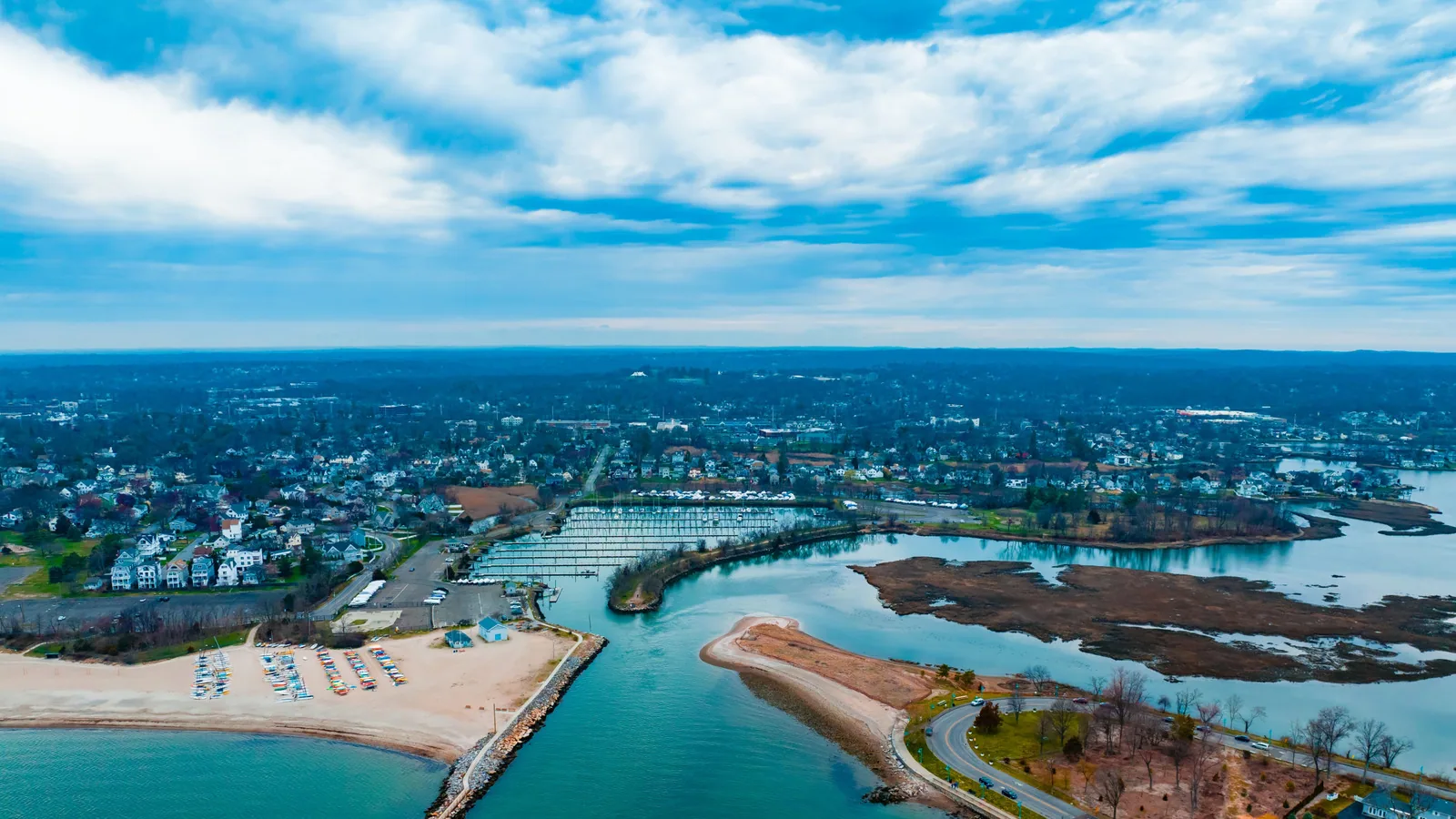
State Street and Fairfield Avenue serve commercial corridors, while downtown Bridgeport includes office, retail, mixed-use, and adaptive-reuse areas. Those uses can mean different access paths and interior constraints, but they do not establish a roof type or condition. We inspect the actual assembly at each property. If a curb sits within a broader leak area, our commercial roof inspection can map related transitions and drainage points before the repair boundary is set.
Set the Work Window and Protection
Once the scope is agreed, we sequence access, protection, removal, and dry-in around the unit's operating requirements. The work area needs a defined staging zone that does not block service access or create an unsafe route for occupants. We confirm whether the existing curb can remain, whether flashing can be renewed in place, and what must be opened to inspect the substrate. If removal is needed, the exposed roof must be protected from weather before the work window closes. A planned handoff with the equipment trade prevents a lifted unit or disconnected line from becoming an assumed part of the roofing scope.
Where Bridgeport's commercial-industrial parcels meet the Railroad Avenue to I-95 stretch, delivery timing can change where curb-repair materials are staged. The Smile is one local corridor with that mix. Cargo, ferry, and other waterfront activity add different operating schedules around Bridgeport. Before setting a roof sequence, we confirm each property's active loading periods and access limits with its site contact.
Repair the Detail or Rebuild the Assembly
A local repair makes sense when the curb is stable, the roof around it is dry and sound, and the defect is limited to flashing, a fastener, or a short membrane transition. A broader replacement may be needed when the curb has shifted, the supporting material is deteriorated, the roof layers are wet, or multiple patches conceal the edge condition. We show where each condition begins and ends, then price the work against that scope. The recommendation does not rely on the age of the unit alone.
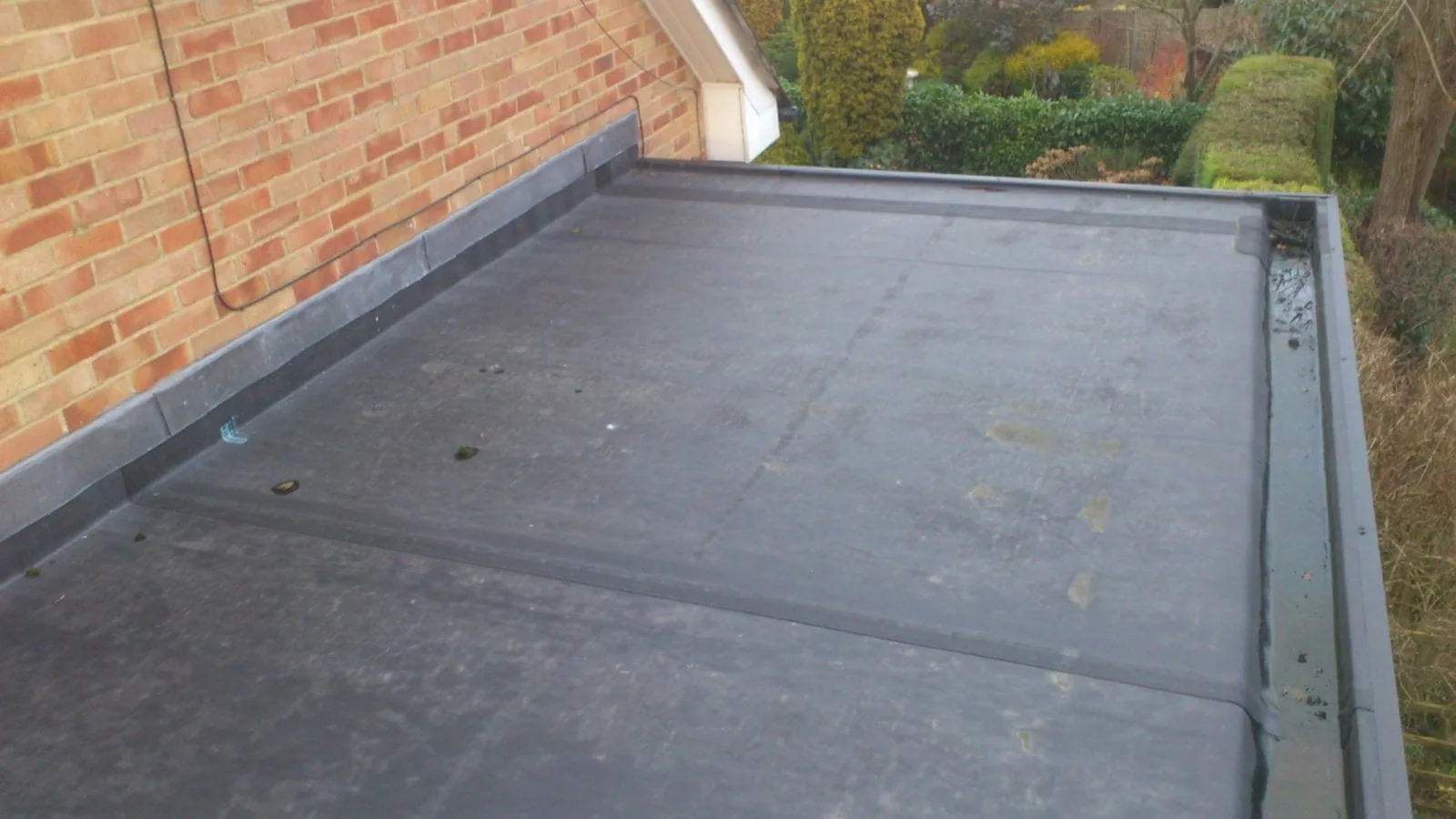
Connecticut's 2022 State Building Code applies to permit applications filed on or after October 1, 2022. The project team confirms the applicable review and filing documents for this curb work. For membrane choices, we can compare a compatible TPO roof assembly or EPDM system when replacement is being considered. The decision record separates observed conditions, proposed work, and any item that needs another trade's confirmation.
Close the Detail with a Record
At completion, we check the curb perimeter, corners, seams, and drainage path in the repaired area. Photographs show the before condition, the work boundary, and the finished transition. The written closeout notes any equipment trade handoff, remaining item, or next inspection trigger. If the curb was opened, we record what was visible at the substrate rather than treating an unseen condition as confirmed. A facility director can use that record to compare later service calls and decide whether a wider roof review is warranted.
Bridgeport requires building information and a written scope for commercial and industrial zoning plans on many repairs and alterations. We keep the work description specific enough for the property team to review, while avoiding assumptions about approvals or the building's existing roof. If a skylight, pipe, or adjacent penetration is part of the same water path, we can include a penetration flashing review as a separate marked item. A roof condition report is useful when several curbs need consistent documentation across a property.
Questions and Answers
How do you tell whether a curb repair can stay local?
The boundary comes from the surrounding roof. We check curb stability, flashing attachment, membrane condition, moisture evidence, and nearby seams. When the defect ends at the curb and the adjacent assembly is sound, a limited repair may fit. If movement or wet material continues beyond that point, we mark the larger area and explain why it changes the scope.
Can you work around operating rooftop equipment?
Yes, when the site can define safe access and the equipment trade confirms any required shutdown or clearance. We coordinate the roofing window with the unit schedule, protect service paths, and keep equipment disconnection outside our scope unless it is separately arranged. The work plan identifies who handles each handoff before the curb is opened.
What should our facilities team provide before the roof walk?
A current unit list, known leak locations, access rules, and any operating periods that cannot be interrupted help set the inspection route. Drawings or prior repair records are useful, but we still verify the curb and membrane in the field. The first visit should settle which assemblies need attention and what additional trade coordination is necessary.
Does rust at the curb mean the unit must be replaced?
Surface corrosion alone does not establish the condition of the support or the equipment. We inspect the visible metal, attachment points, curb corners, and roof transition, then document what can be seen. If structural or mechanical evaluation is outside the roofing scope, we identify that handoff rather than making a replacement decision from a photograph.
What do you include in the closeout?
We provide marked photographs and a written description of the repaired boundary, materials installed, and the finish check at the curb and nearby membrane. Any unresolved equipment item or recommended follow-up is stated separately. That record gives the next facility review a specific condition and inspection trigger to compare.
Related Roofing Work
Schedule a Rooftop Curb Review
Share the unit list, leak locations, access rules, and any operating window that must remain open. We will inspect the curb transitions and return a marked scope with the roofing and equipment handoffs separated.