
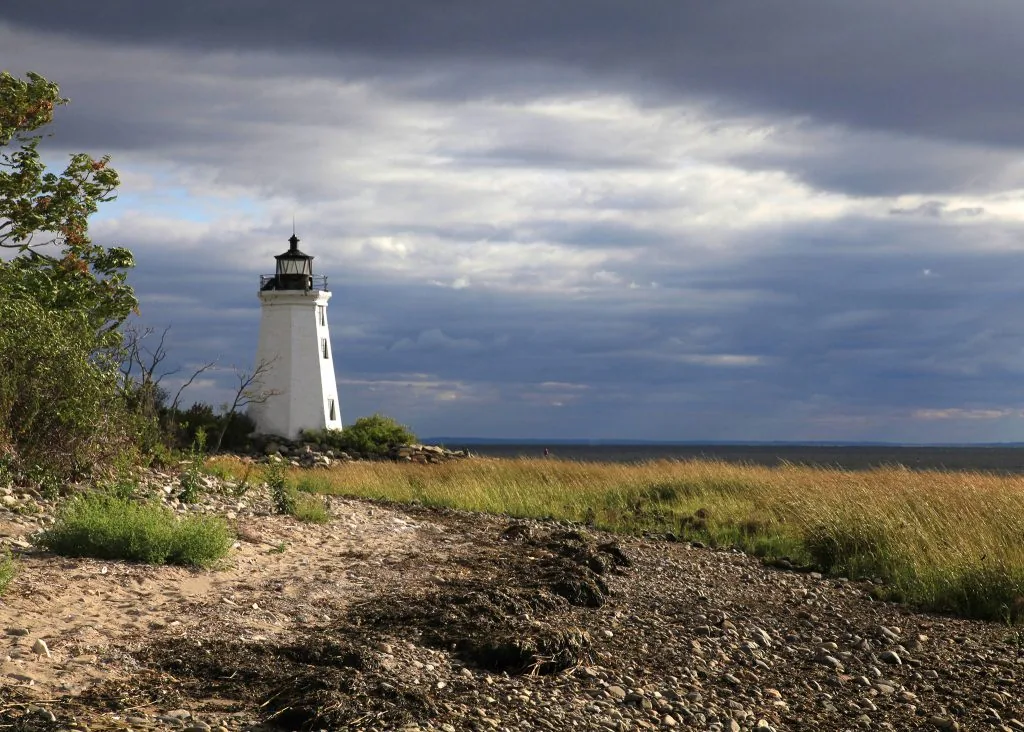
Commercial Roofing in Woodbridge, CT
Plan commercial roof repairs and replacement in Woodbridge around drainage, access, winter conditions, and the building schedule. Get a documented next step.
A wet seam beside a curb can set the work sequence before a crew reaches the roof. In Woodbridge, CT, we start with the building contact, access path, and area affected below, then trace the condition that could explain the water. The first walk separates an active repair from a larger review. It also identifies where materials can be staged and which occupied spaces need a clear handoff.
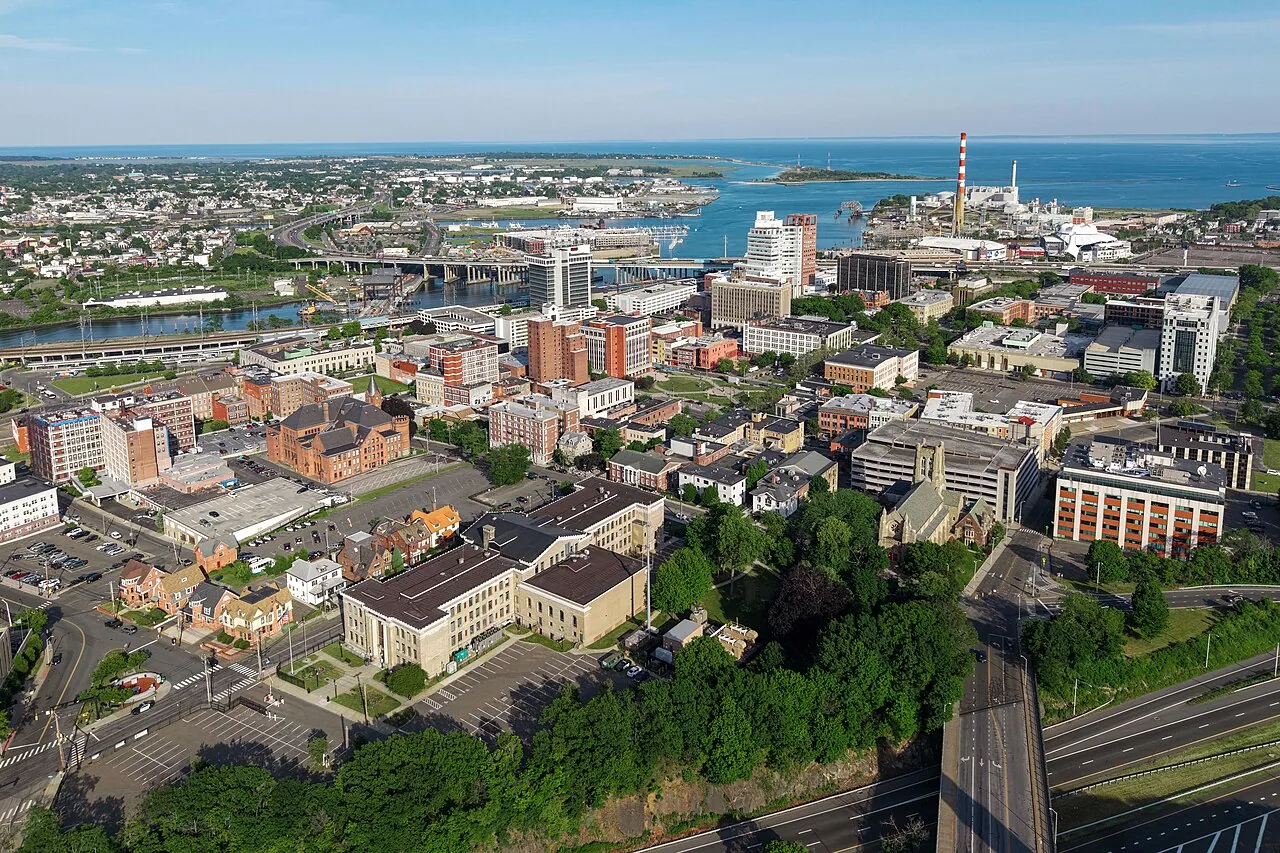
Woodbridge has 18.8 square miles of land, and its center lies about 15.2 miles from Bridgeport. The property's own roof map and entry procedure set the work boundary. We verify those details before scheduling a crew and coordinating with the building contact.
Start with the Roof Condition
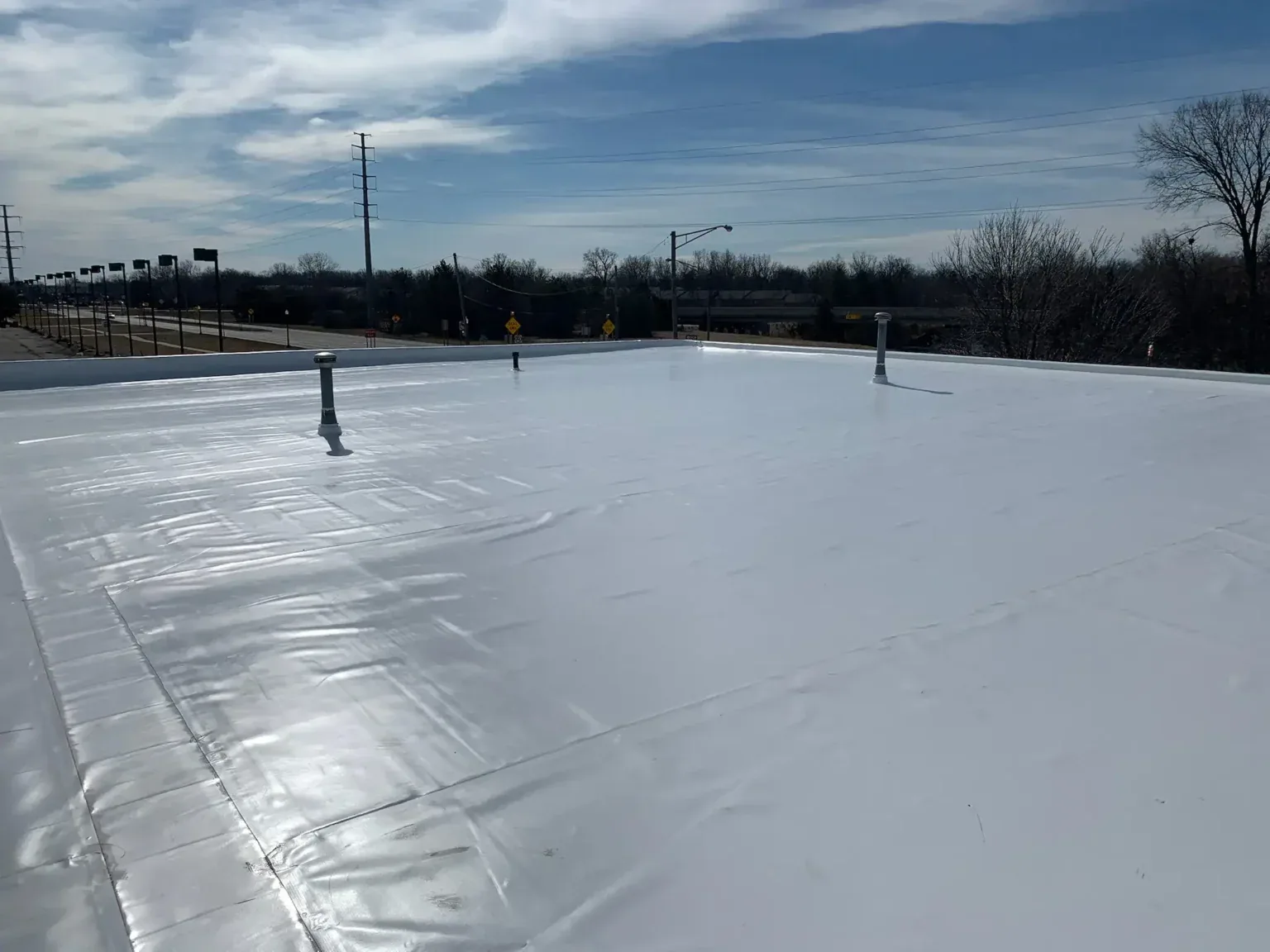
At the first walk, we mark the interior stain and compare its position with the roof above. Water may move through a deck flute, beneath insulation, or around a penetration before appearing indoors. We inspect accessible membrane or metal, record prior patches, and trace likely paths toward drains, walls, curbs, and edges. Each observation is tied to a roof zone so the repair scope does not grow from a ceiling mark alone.
We ask what changed before the problem appeared: a storm, maintenance visit, equipment replacement, or earlier patch. That timeline helps decide whether to open a focused area, check more of the assembly, or monitor after repair. If the cause is not visible, an inspection with a written condition record identifies what was checked, access limits, and the next useful test. The report separates observation from a working theory.
Plan for Water and Winter
The Bridgeport Sikorsky station's long-term annual measures pair 33.6 inches of snowfall with 44.09 inches of precipitation. That regional seasonal reference can inform planning, while a Woodbridge roof walk establishes its own drainage needs. We inspect sediment at outlets, splits near transitions, open laps, and any visible sign that water has reached insulation or the deck.
After a thaw, a stain may appear away from its entry point. We compare roof-side evidence with the timing and location reported inside, then photograph the condition. If ponding persists, we record its extent and drainage route rather than promise a coating will correct low areas. A drain and scupper review can establish whether an outlet is blocked, a leader needs attention, or a design question belongs with the project team. For recurring standing water, we may assess a ponding-water repair scope after checking the assembly and outlets.
We also note roof hatch condition, ladder placement, lift access, and whether equipment clearance changes the safe sequence. Those details affect who can complete each step and how the crew secures the area at the end of a shift.
Set a Safe Work Window
A roof visit begins with access rules, fall protection, equipment clearances, and the route to the work zone. We confirm whether ladders, hatches, or lift access are available and who can authorize entry. If an occupied area sits below the repair, the facility contact sets a work window and names activity that cannot be interrupted. The crew marks a staging zone and keeps service equipment paths clear.
For a larger repair, the scope divides the roof into sections. We identify what can be opened, how each shift will reach dry-in, and which weather condition requires a hold. A short notice about noise or interior protection can be more useful than a broad schedule. The handoff records the completed zone, concealed conditions, and next inspection trigger. The sequence also serves nearby New Haven and Bethel, while access details remain specific to each property.
Compare Repair and Replacement
A localized split, failed flashing, or loose edge can support repair when surrounding material remains sound and the detail is reachable. We document preparation, compatible materials, the tie-in, and any adjacent condition to watch. Repair has limits when moisture has moved widely, repeated patches no longer hold, or the field and perimeter have separate failures. A broader review can then establish which parts of the assembly remain serviceable.
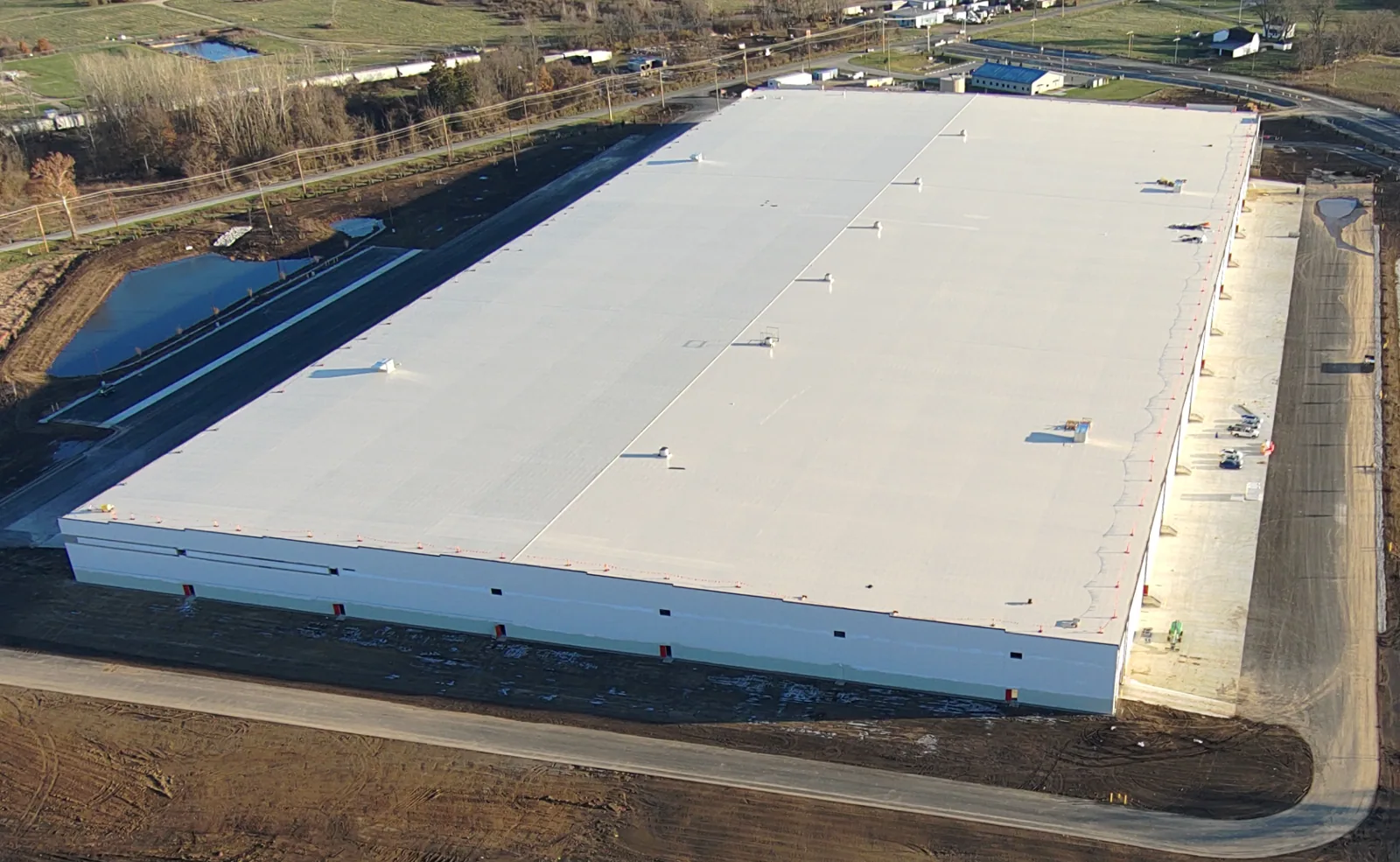
Replacement planning starts with existing layers, deck, drainage, penetrations, and equipment supports. Selective openings or moisture testing can establish whether insulation is stable. A recover is an option only when the assembly and project design allow it; otherwise, tear-off may set the responsible boundary. We explain cost and timing drivers such as deck repair, material access, weather exposure, and protection below. A built-up system review can clarify layers before options are priced. For phased work, a roof condition report gives ownership a consistent basis for comparison.
Keep the Record Useful
Closeout should let a facility director find the repaired area without relying on memory. We label photographs by roof zone, describe the condition plainly, list work completed, and note open items. If access prevented a full inspection, that limit stays in the record. A maintenance visit can return to the same locations and check whether a repair holds, a drain is clear, or a flashing transition has changed.
Bring roof plans, past repair notes, leak dates, access instructions, and known restrictions to the initial call. Share any decision deadline so we can identify which findings are needed first. The written next step will state whether the need is a repair, broader survey, or design question for the project team. A Bridgeport-area roof schedule can include nearby properties, with a separate site visit for each building. When a condition is isolated, the repair scope keeps the boundary clear.
Questions and Answers
A ceiling stain is near the center of the suite. Where will you look first?
We start below by recording the stain location and when it appeared, then compare that point with the roof plan. The entry may be uphill, beside equipment, or at a seam or penetration. On the roof, we follow the drainage path and inspect accessible transitions before selecting an opening or repair. If the source remains uncertain, the report identifies the next test instead of treating the stain as the leak location.
Can roof work be scheduled without closing the occupied floor?
We schedule around access, noise, lifting, and the area beneath the repair. We ask which rooms or operations need protection, then divide the scope so each shift can reach a secure dry-in point. Tell us about tenant hours, deliveries, and roof equipment service. Those details help us sequence the visit and give the site contact a clear handoff.
How do you decide whether a wet area needs removal?
We look for evidence that moisture has moved beyond a surface defect, including soft insulation, failed seams, or repeated patches around the same zone. A visual walk may not settle what is inside the assembly. Selective openings or a suitable moisture survey can define the extent before the owner chooses repair, recover, or replacement. The scope should show the boundary and the approval point for concealed conditions.
Does winter snow mean the roof needs replacement?
A snowfall amount on its own does not establish that a roof needs replacement. The inspection records drainage, attachment, flashing, and damage visible at the property; after thaw, we compare interior reports with roof-side evidence and recommend focused repair or further evaluation when the cause remains uncertain.
What should I have ready for a roof walk in Woodbridge?
Share the building contact, roof access procedure, recent leak locations, past repair records, and any active safety restrictions. A roof plan is useful when several sections or additions are involved. We will confirm the work boundary before entry and provide a written record that separates observed conditions, recommended work, and any area that still needs testing.
Related Roofing Work


Arrange a Roof Walk in Woodbridge
Have the building address, access contact, leak history, roof plan, and operating limits ready. We will confirm the inspection boundary and send a written next step for the roof decision.