
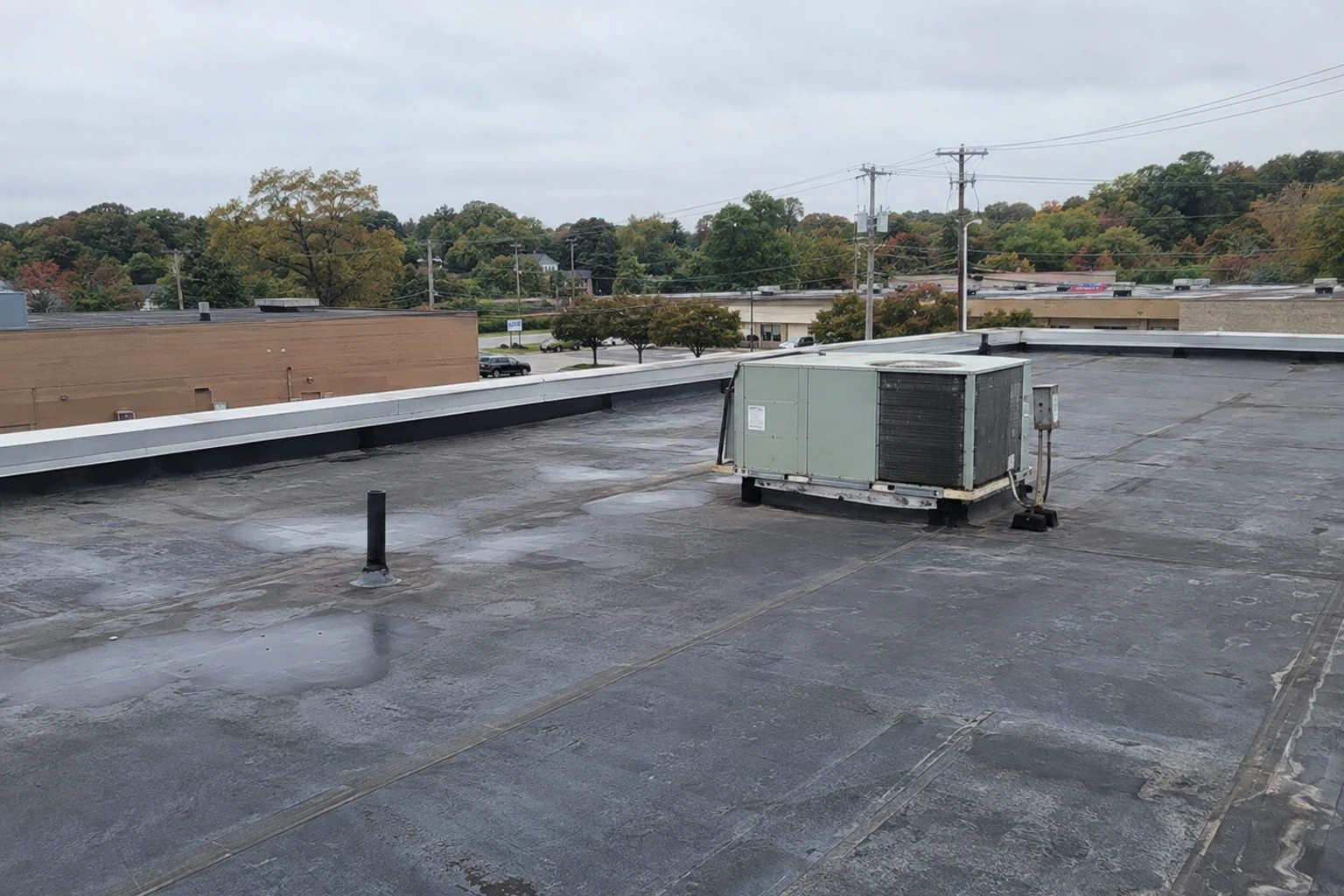
Commercial Roofing in Bethel, CT
Arrange commercial roof repair in Bethel, CT, with a clear work boundary, weather plan, access sequence, and follow-up record for the building team.
The first dry-in point determines where a repair can safely pause. In Bethel, CT, we check the active leak area, available roof access, and the building activity below before opening material. The visit identifies a workable section, a secure end-of-shift condition, and who receives the handoff. That keeps an urgent repair from leaving the facility director with an unclear roof boundary or a second crew guessing what was exposed.
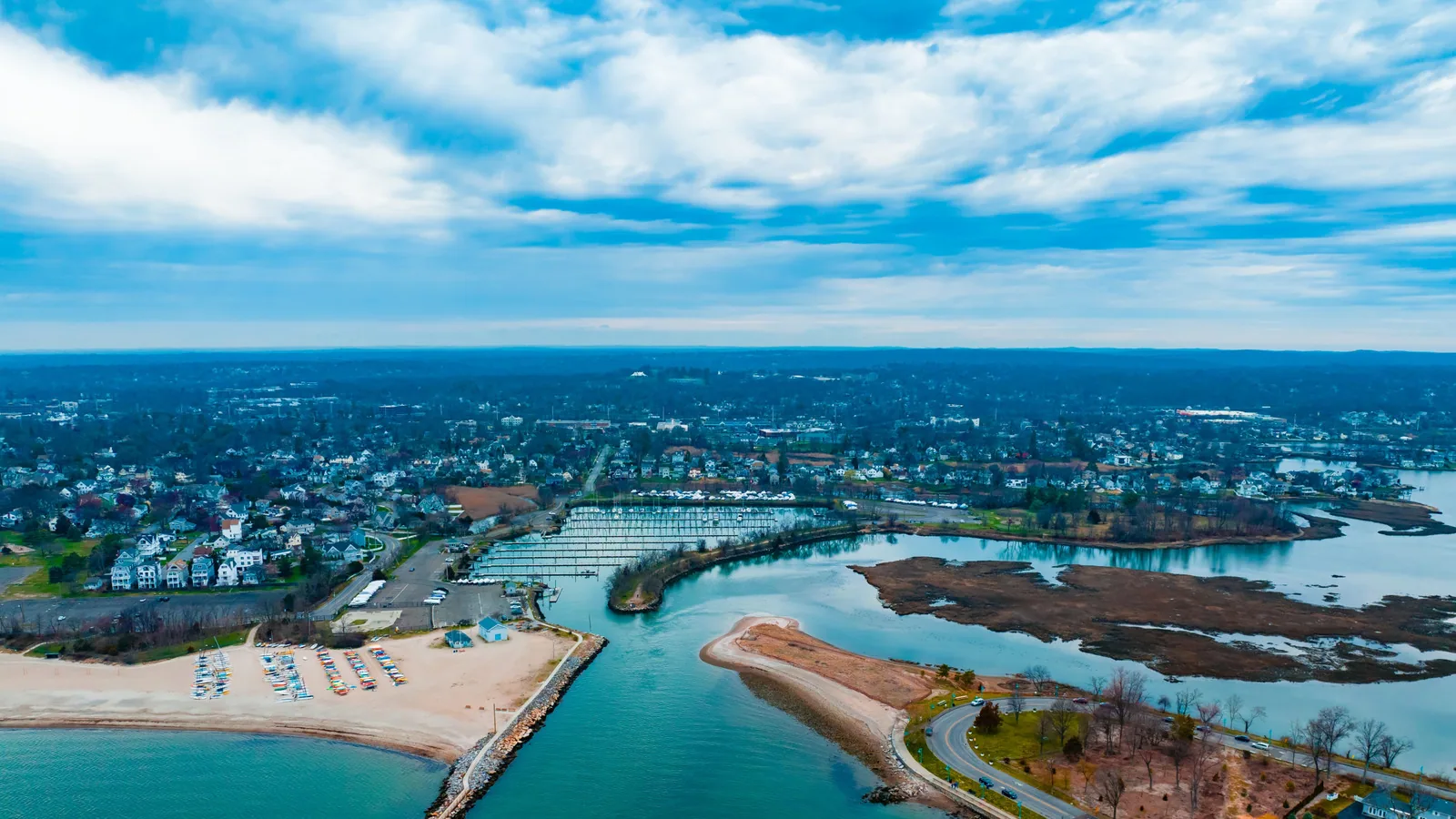
Bethel covers 17.0 square miles, and its center is about 16.5 miles from Bridgeport. That service reach makes the town a practical part of the broader coverage area. For each property, we confirm the assembly, leak history, access procedure, and operating limits before setting the scope.
Mark What Can Stay Dry
An active leak needs a specific roof-side check. We start below by recording the room, time, and conditions reported, then compare that with the roof plan and accessible surface. The entry may be at a seam, curb, penetration, wall transition, or edge. We check adjacent details and prior repairs, photograph the affected zone, and identify what can be isolated before work begins. A wet ceiling alone does not define how much roof should be removed.
If the source is visible and nearby materials can accept a sound tie-in, a localized repair may stop the water without expanding the work into serviceable areas. When the path remains uncertain, we explain whether an opening or moisture test is the next useful step. Our commercial leak service can trace an entry path and document its boundary. If the report indicates a puncture rather than a failed seam, a membrane puncture repair can address that distinct condition after the surface and substrate are checked.
Use the Weather Window
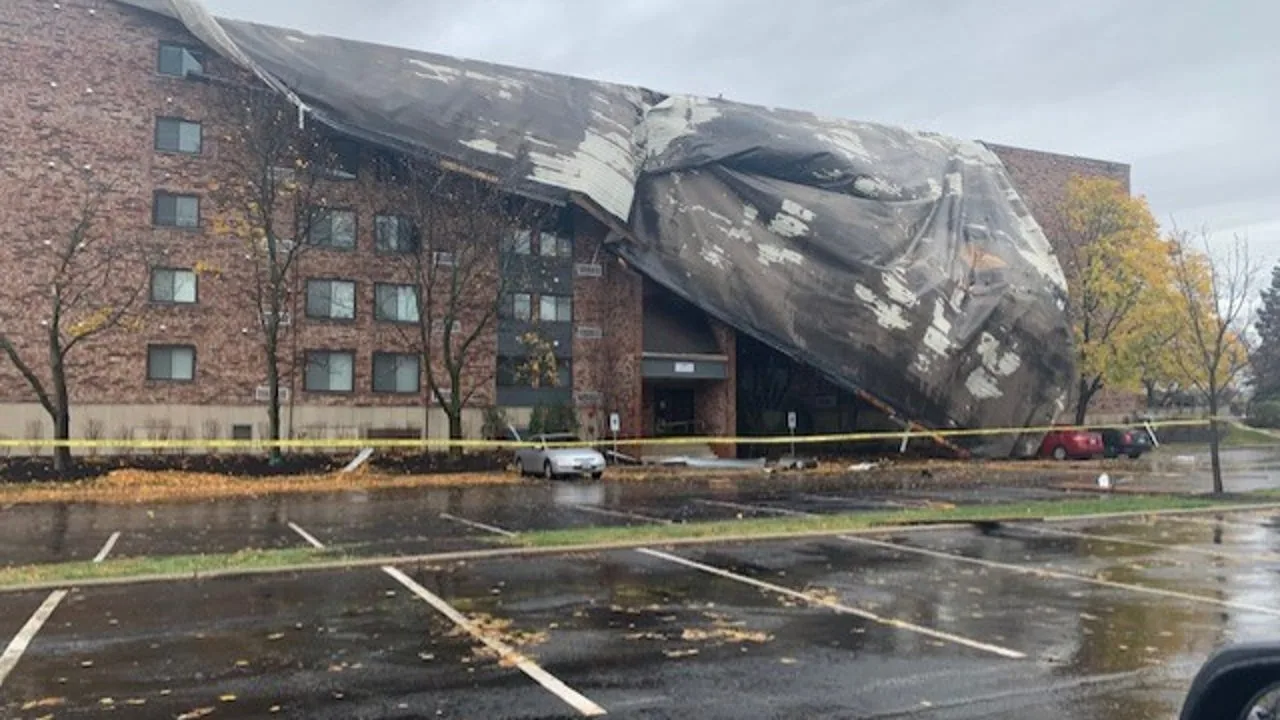
As regional context, Sikorsky Memorial Airport’s normals give 33.6 inches of average snowfall and 44.09 inches of precipitation per year. Those figures help frame planning, but Bethel’s current forecast and roof surface determine whether a repair can safely expose materials. Before opening an area, the crew confirms time for preparation, repair, inspection, and temporary protection. If active entry calls for immediate containment, we record the temporary boundary and return when conditions support the full repair.
If a call comes during active water entry, the first visit may focus on containment and a stable temporary condition. We then return when the surface and access route allow a fuller review. A response record names the affected zone, material applied, conditions observed, and any limit on the temporary measure. Around the wider area, including Newtown and Bridgeport, local coordination still follows the property's actual weather exposure and roof assembly. Our emergency roof repair can establish the initial response and the next inspection trigger.
When separate roof zones sit above active operations, we identify which leak needs the first visit and which areas can wait for a scheduled review. This keeps one urgent condition from disrupting work across every occupied section.
Keep the Work Area Defined
The crew needs a safe route from roof access to the repair zone. We confirm ladders or hatches, fall-protection requirements, equipment clearances, material staging, and any restricted areas. The facility contact identifies loading periods, tenant schedules, and service visits that cannot be interrupted. A marked route keeps tools and materials out of active paths. The work order should also say who can approve a change if the repair exposes wet insulation or damaged deck.
On a larger affected area, the scope can divide the roof into sections that reach dry-in before the shift ends. We note which drains stay open, where temporary protection stops, and which section is ready for the next crew. That sequence gives the building operator a practical handoff instead of a broad “work in progress” notice. If the existing surface appears suitable for restoration, a roof coating restoration review can still begin with substrate checks and preparation limits. Coating work should not conceal active leaks or unstable material.
Check the Surface Before Treatment
A coating is a system choice, not a substitute for locating a leak. Before a restoration option is discussed, we check adhesion, existing repairs, seams, drainage, and whether the assembly has moisture that must be addressed. The work plan identifies cleaning, preparation, reinforcement, and details that cannot be bridged without additional repair. If adhesion testing is appropriate, the scope identifies test locations and acceptance criteria before the crew coats a larger field.
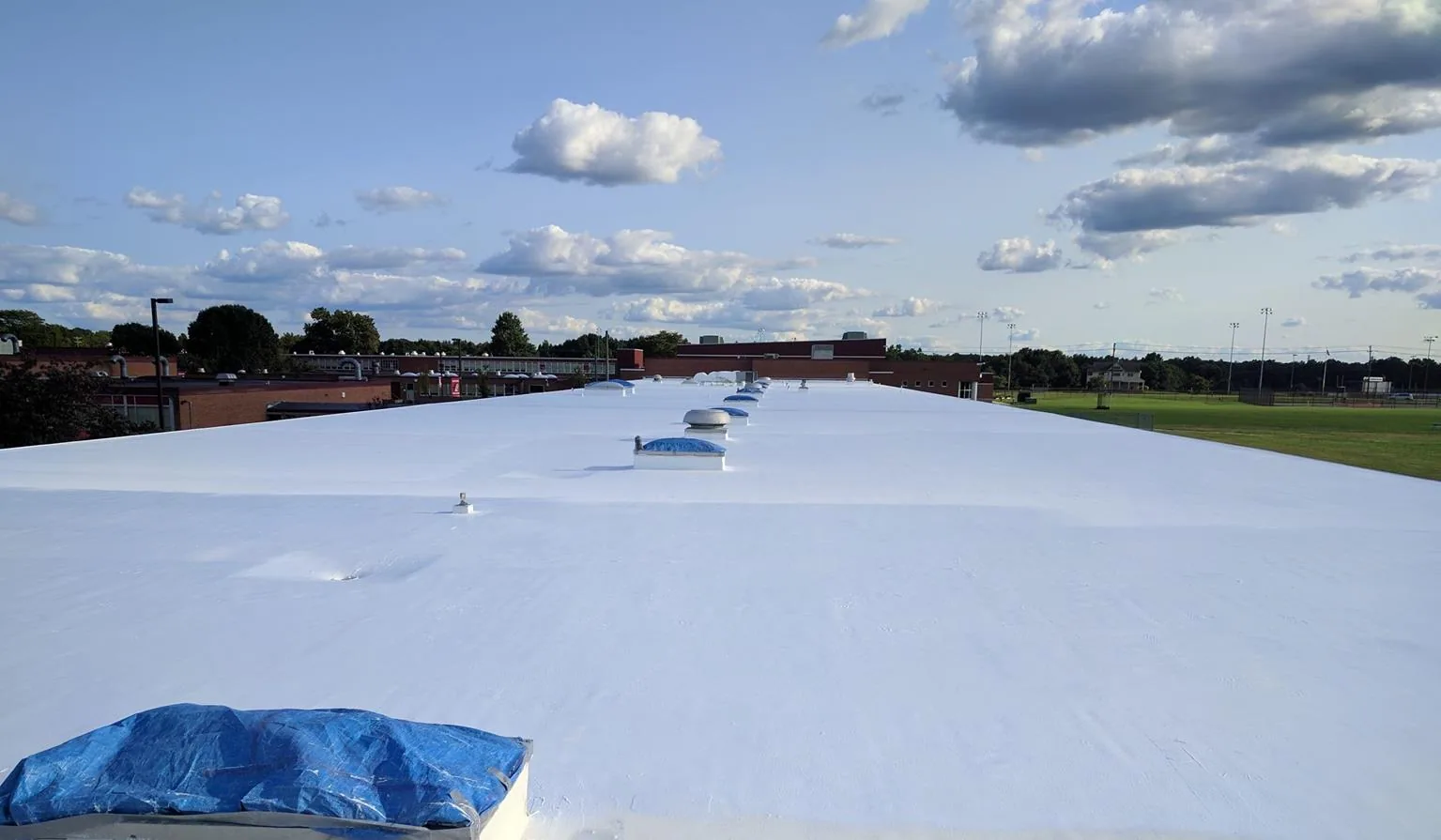
A silicone coating system may be considered when the existing roof and project requirements support it, particularly where water exposure makes ponding behavior relevant. It will not correct a blocked outlet, reverse slope, or weak substrate by itself. We compare this path with targeted repairs or replacement using the same roof map. Cost and timing reflect preparation, repair quantities, access, edge details, weather holds, and protection below. A maintenance visit can then return to documented areas and track changes before another decision is needed.
Leave a Clear Follow-Up
After work, we label the photographs to match the roof zone, record the materials and detail repaired, and state whether the response was temporary or complete. Open items are listed separately, including an inaccessible area or test that remains outstanding. That record helps the next inspection check the same seam, drain, or transition. It also gives ownership enough context to decide whether the work belongs in routine maintenance or a larger capital scope.
Before calling, gather the leak location, dates, roof plan, prior repair notes, access contact, and any time-sensitive building schedule. If a tenant or service team needs notice, tell us who coordinates it. We will confirm the work boundary and send a written next step with the observed condition, recommendation, and approval point. A roof condition report can organize a wider set of findings, while routine follow-up can focus on the repaired zone. The important record is the one a facility manager can use at the next handoff.
Questions and Answers
How do you decide where to make a temporary repair?
We inspect accessible seams, penetrations, transitions, and the roof area that lines up with the interior report. The temporary boundary should reach sound material and remain safe through the planned weather window. We document what it can address, what remains uncertain, and when a permanent repair or further test should follow.
Can we keep the building open during an emergency visit?
We coordinate the access route, interior area, and any protection needed below the roof. Tell us which operations, deliveries, or tenants must continue. The response may involve a limited roof zone first, with a later repair scheduled around a longer work window. Site rules and safe conditions determine the sequence.
When does a coating make sense after a leak?
A coating is considered only after the leak source, substrate, seams, and drainage are reviewed. Wet material or a failed detail may require repair or removal first. We document preparation and any adhesion testing, then compare restoration with other options against the same roof map.
What will the crew do if it finds damaged insulation?
We stop at the agreed boundary, photograph the exposed condition, and contact the authorized building representative. The written note identifies the affected area and the added work needed for approval. After that decision, the crew updates the dry-in plan so the area can be secured before leaving the roof.
What should our follow-up inspection check?
Return to the repaired zone, nearby seams and flashings, and the drainage path that serves it. Compare the current condition with dated photographs and note any new interior report. The next step may be routine monitoring, a separate repair, or a wider moisture investigation if the evidence has changed.
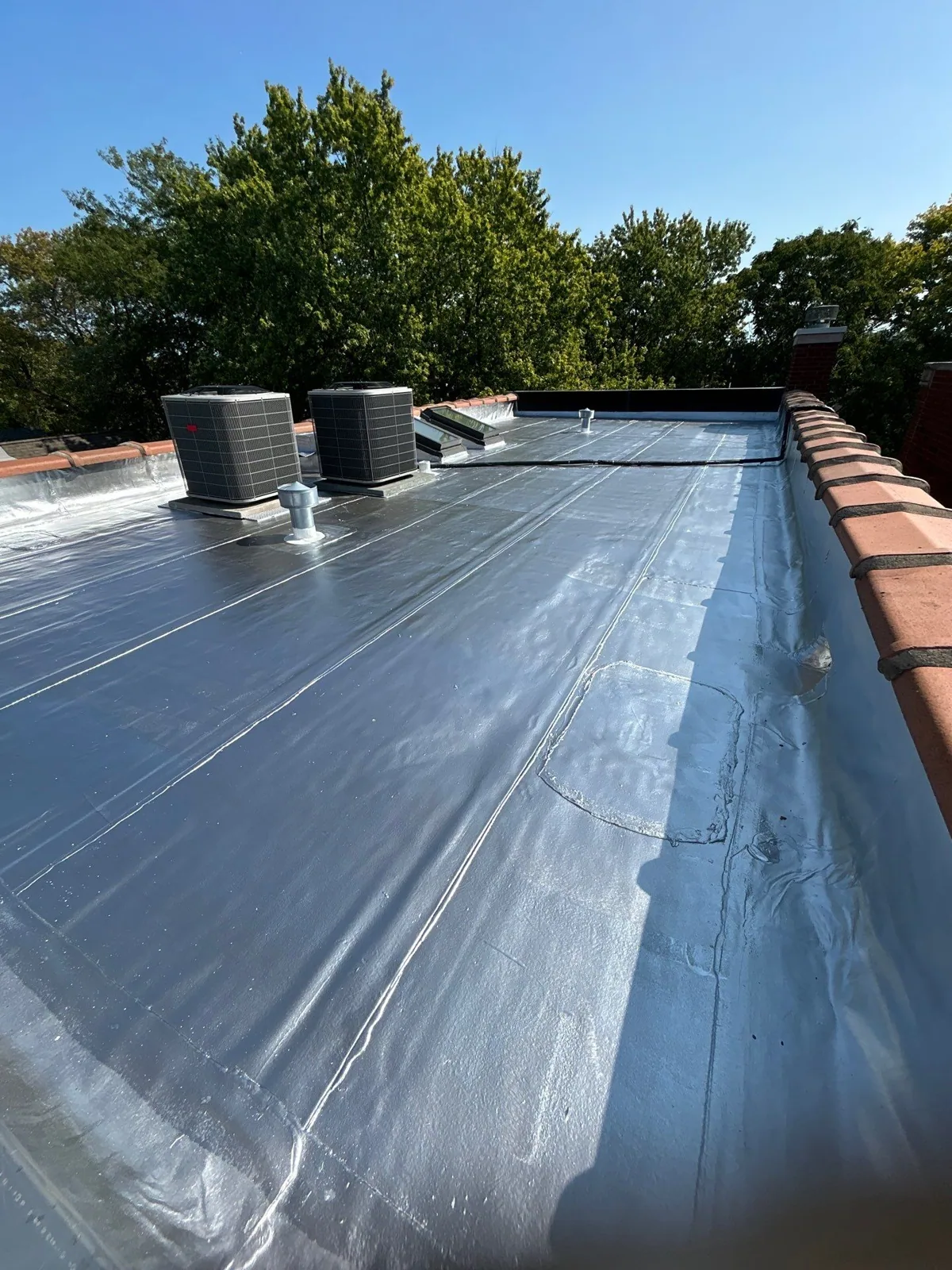
Related Roofing Work

Arrange a Bethel Roof Response
Have the leak location, access contact, roof plan, and current operating limits ready. We will confirm the response boundary and document the next inspection or repair step.