
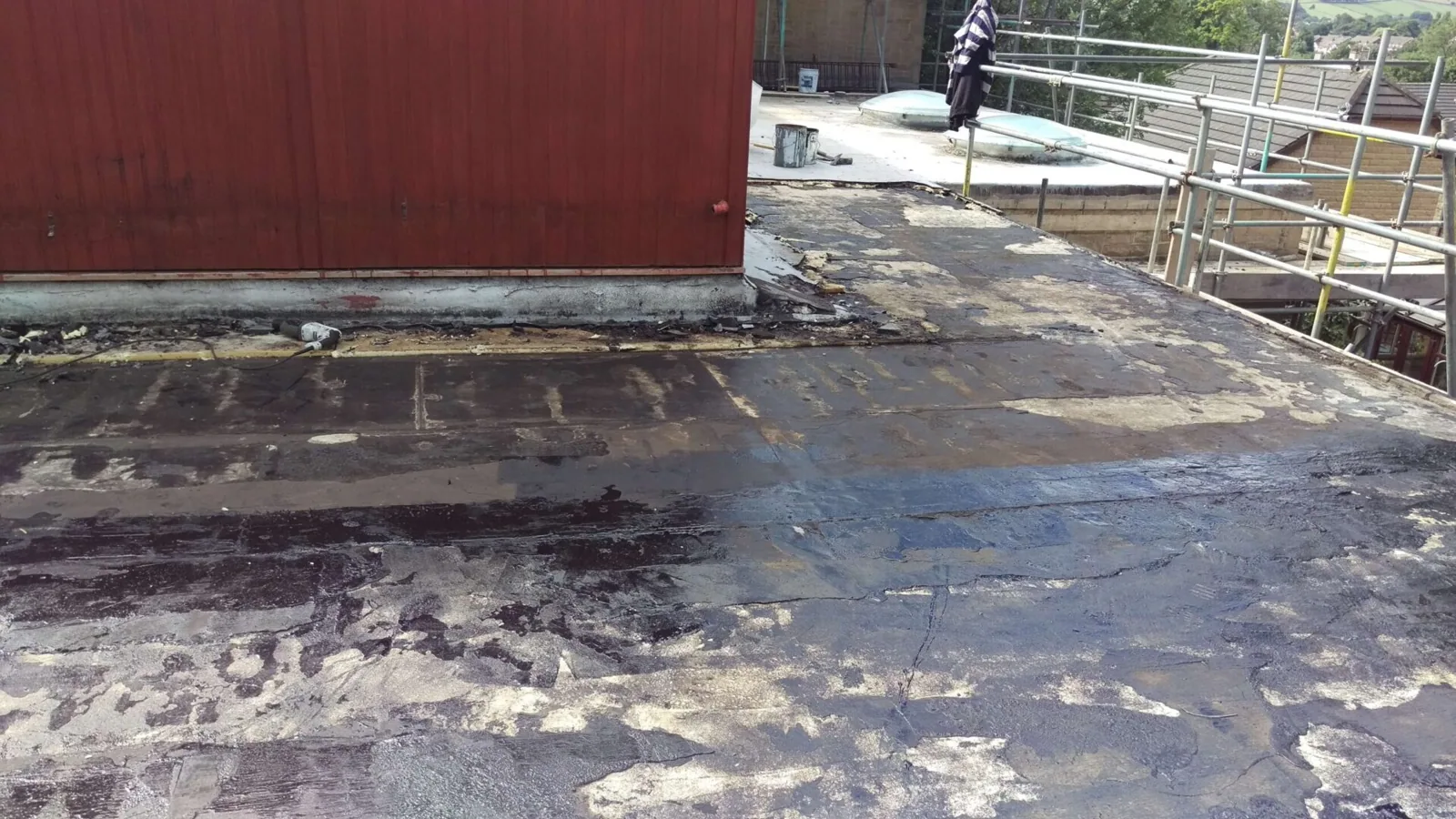
Commercial Storm Damage Roof Repair in Bridgeport, CT
Inspect storm-related roof openings, protect active leaks, document affected areas, and scope compatible repairs for commercial buildings in Bridgeport, CT.
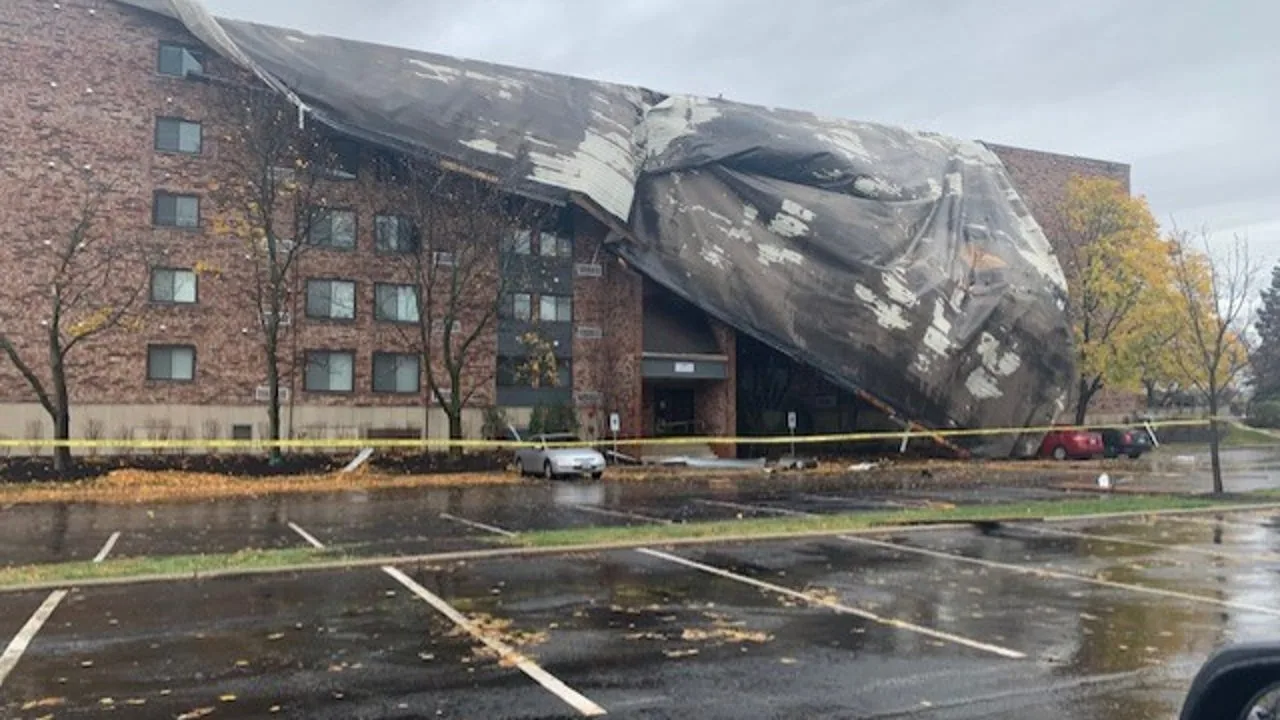
After severe weather, a facility director needs to know which roof areas changed, where water is entering, and what must be protected before operations continue. We begin with the building contact’s observations, safe access, and any active interior leak. The roof review checks edges, flashings, penetrations, seams, drains, rooftop equipment, and debris impact. Findings are tied to a specific section so a displaced panel or open membrane detail does not turn into a vague statement about the whole roof.
At a Bridgeport property, set a work boundary that protects access below and keeps exposed roofing secure. A storm visit can include immediate containment, a repair scope, or a follow-up inspection when conditions are not safe for permanent work. The written handoff separates what was observed from what still requires verification.
Secure the Building Before the Roof Walk
We ask where water appeared, when it began, whether it is still active, and which operations are exposed. The site team should follow its safety procedures around wet electrical equipment or damaged ceilings. We identify a safe interior boundary, protect contents where possible, and coordinate roof access before climbing. Photos taken from a safe location can help locate the affected bay. The crew also checks whether debris, a fallen branch, or other impact has created a separate hazard at ground level.
Our emergency roof response can set a temporary dry-in when water is entering and conditions allow safe work. The temporary boundary is documented so the facility contact knows what remains exposed. A later leak tracing visit can follow a water path that does not line up with the most visible roof mark. We do not assume that every stain began during the latest storm; the timeline and roof evidence need to support that conclusion.
Map the Affected Roof Areas
Storm-related findings can include lifted edge details, punctures, loose or displaced metal, damaged flashing, impact marks, or a drain route blocked by debris. We photograph each item with enough surrounding context to locate it later. A close image should identify the detail; a wider view should place it within the roof section. We also record areas that could not be reached because of standing water, wind, ice, or another access limit. That keeps the report from implying a full inspection where only part of the roof was safe to walk.
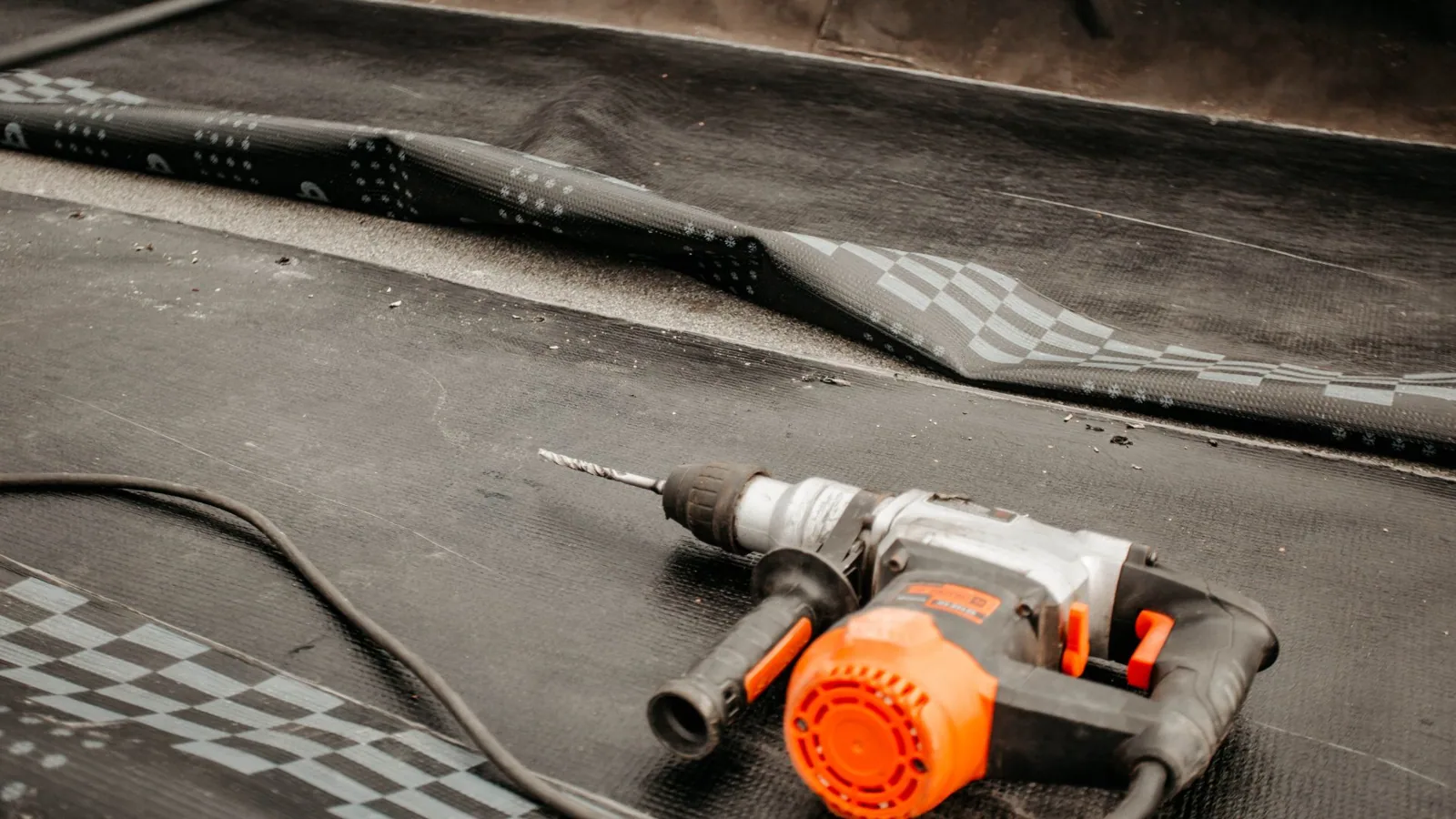
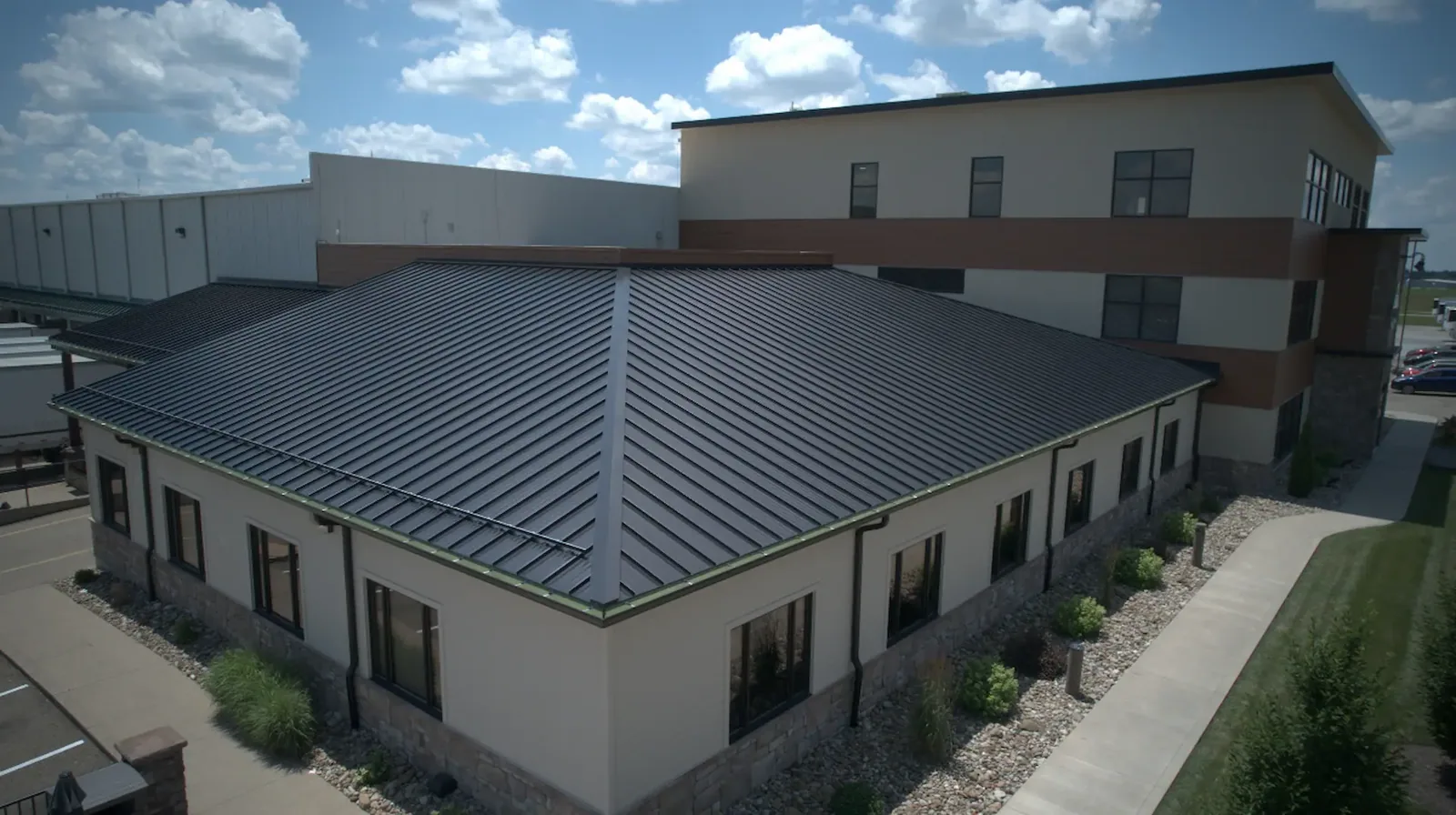
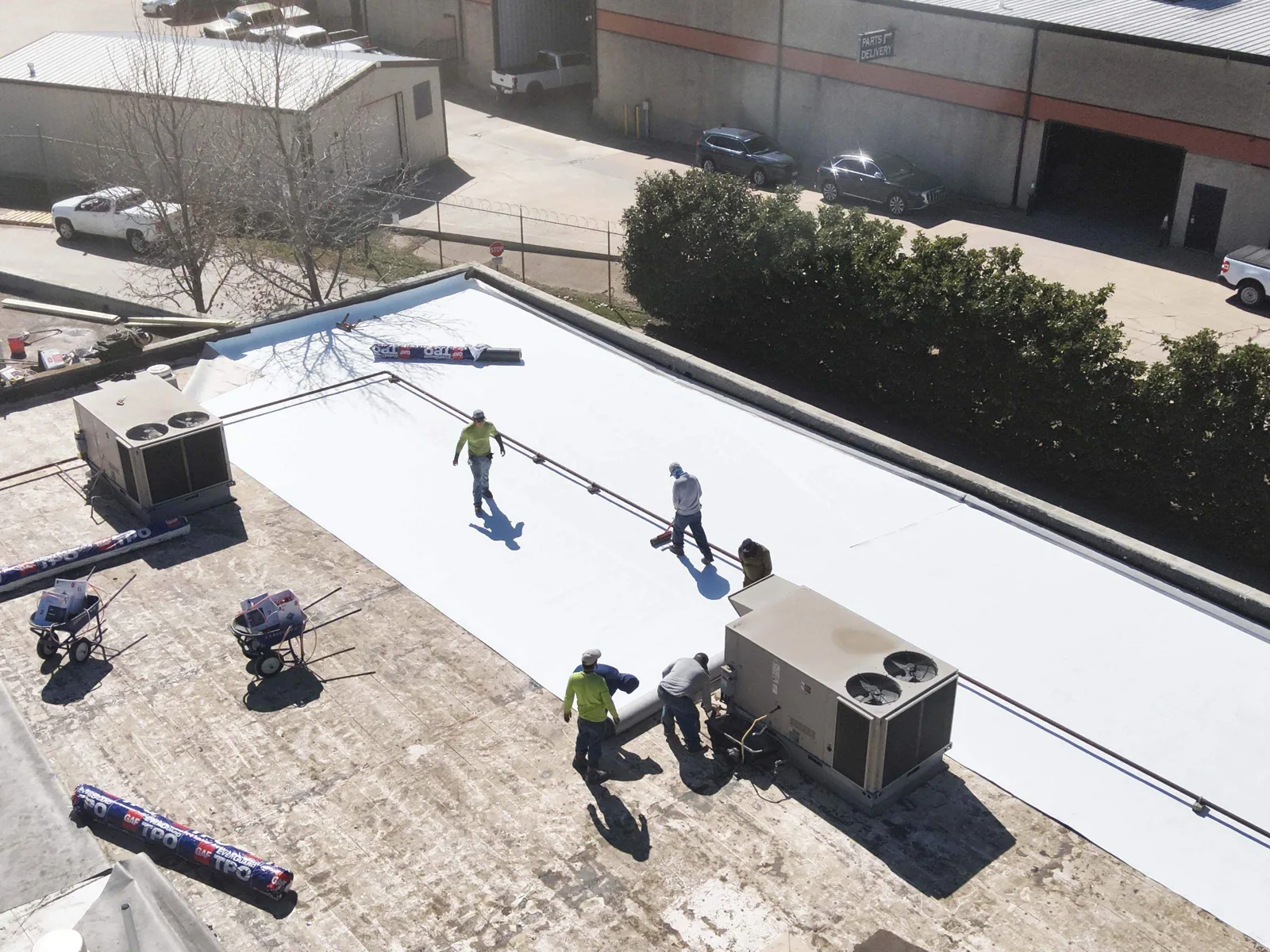
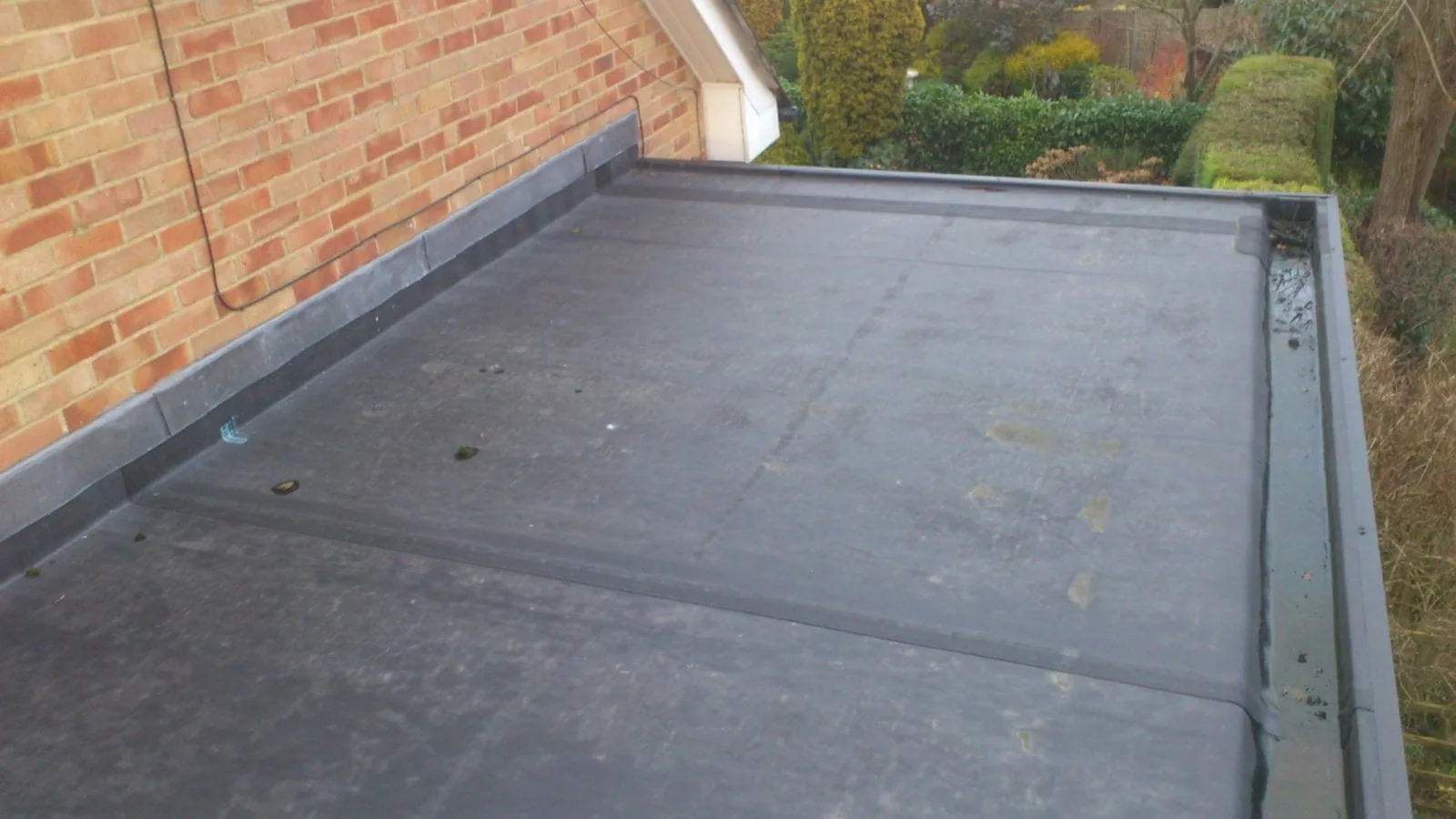
On a metal assembly, we look for displaced panels, fastener changes, ridge conditions, and edge movement. On a membrane, we inspect seams, penetrations, patches, and transition points. If the building has a standing-seam system or a TPO membrane, the repair method must suit the actual material and condition. Visual impact alone does not establish concealed damage, so the scope identifies any area that needs a closer check.
Separate Dry-In From Permanent Repair
A temporary cover controls immediate exposure. Permanent repair restores the failed detail using compatible preparation and material. We note which step can be completed during the initial visit and which must wait for a dry surface, safe access, or a specified product condition. The handoff includes the protected boundary, materials or method used, open conditions, and the next inspection trigger. That distinction matters when the facility team is coordinating interior cleanup or reopening an affected area.
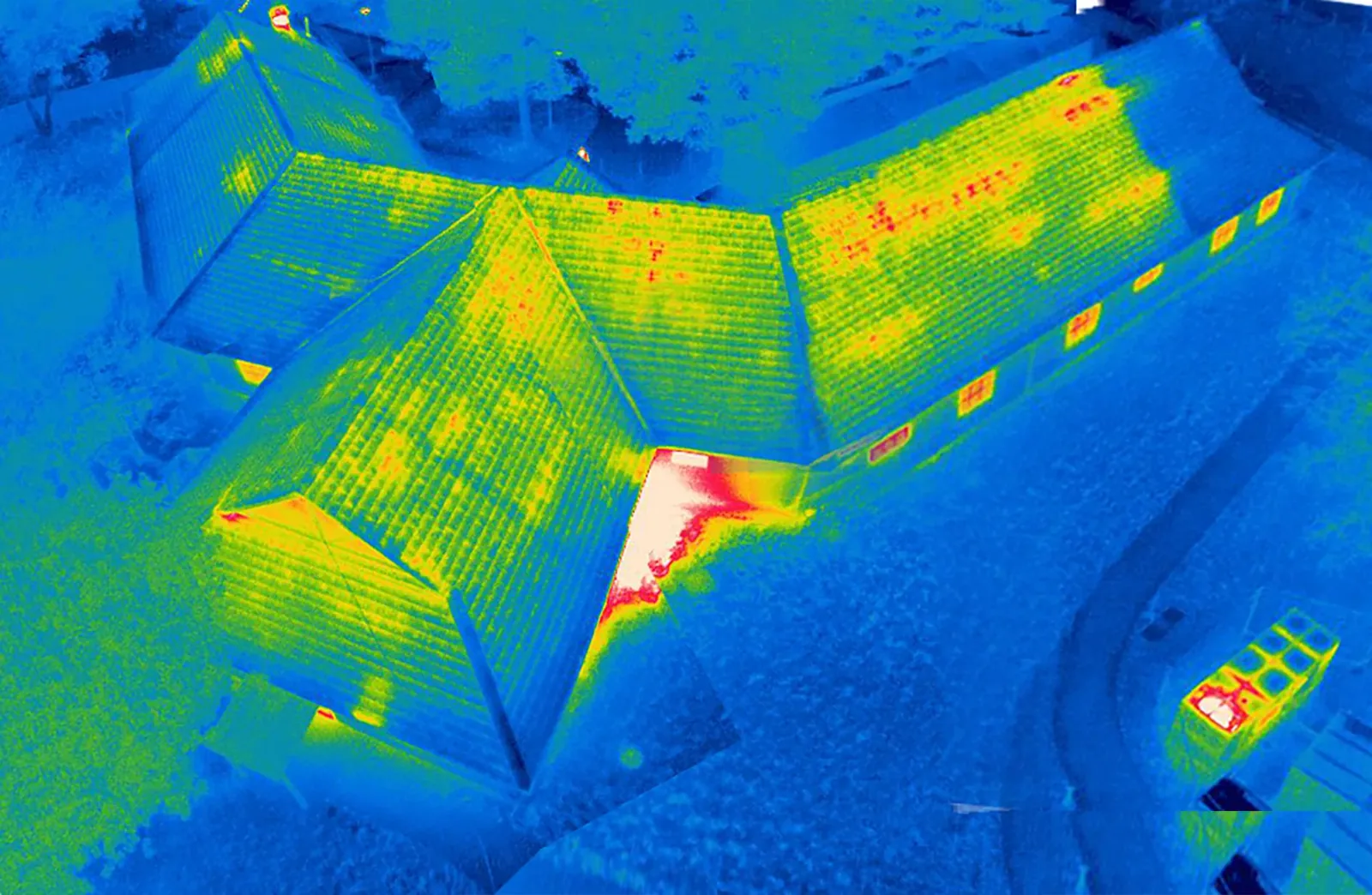
If the damage is localized, a targeted roof repair may be enough after the defect is verified. If several areas show water entry or broad wetting, a moisture survey may help identify where further verification is needed. We do not treat an infrared pattern or a ceiling stain as proof of the roof layers below. The repair boundary follows observed and verified conditions.
Use the Next Weather Window Carefully
In Bridgeport, the annual precipitation normal is 44.09 inches; snowfall averages 33.6 inches. For storm response, tie runoff control to the damaged edge or opening and revisit it after a suitable weather window. A return visit can check the repair after conditions permit safe access, but the event cause must remain tied to the roof evidence. Before sealing a repair, we confirm the roof surface is ready and that runoff can leave the area. A temporary patch that traps water or blocks a drain can add a second problem to the original opening.
At a port-side or occupied site, confirm staging, roof entry, and any delivery restriction with the facility contact. If conditions change, the record should state whether the cover remains secure and what must be true before permanent work resumes.
Keep the Damage Record Specific
Photographs should be paired with the date, roof zone, observed condition, and work completed. We distinguish pre-existing wear from an apparent change only when the record supports that comparison. If no earlier photos exist, we describe what is visible today without assigning a cause beyond the evidence. Interior locations, leak timing, and temporary measures should stay connected to the roof area being reviewed. That gives ownership a usable record for repair planning and avoids mixing observations from separate buildings or tenants.
For many Bridgeport commercial or industrial repairs and alterations, a zoning plan includes building information and a written scope of work. A clear damage note helps define the repair location and limits under consideration, while the property team confirms any approvals required. A condition report can organize inspection findings, photos, and open tasks when several sections were affected. If the next step involves a broader renewal, a replacement assessment can build from the documented condition rather than a storm label alone.
Set the Follow-Up That Confirms Stability
The closeout names the temporary work, permanent repair, areas not inspected, and the next check. A follow-up may be appropriate after a suitable rain or thaw, when a previously inaccessible section can be reached, or after interior drying reveals whether water returned. We identify the specific signal to watch: a new drip, a changed stain, a loose edge, or moisture near a repaired seam. If the roof stays dry, the note still documents the condition reviewed and any maintenance item left open.
For Stratford or Milford sites, confirm access and leak status before scheduling. For a property in the Bridgeport service area, the visit plan can then account for the actual access path and affected room. We will document the evidence, contain active water when appropriate, and separate a verified repair from any further inspection or capital decision.
Questions and Answers
How soon should a commercial roof be checked after a storm?
Active water entry or a visible hazard calls for prompt attention. The visit still has to account for safe roof access and conditions. We can first protect an affected interior area, then document which roof sections can be inspected and what must wait.
Can you tell whether a roof problem came from the latest storm?
The timing, prior records, and observed condition help assess whether a change is new. Without a clear comparison, the report describes what is visible and avoids assigning a cause that the evidence cannot support. Keep prior photos and repair notes available.
What if the roof is too wet or windy for permanent work?
We identify what can be done safely, protect active entry when possible, and record the boundary of temporary work. The closeout states the open condition and the weather or surface requirement for a permanent repair. The return visit begins with that handoff.
Will a roof inspection include the interior?
The scope can include a limited interior check when the site contact arranges access. We connect a reported stain or active leak to the roof section being reviewed. Tell us which rooms are affected and whether tenants or equipment require advance coordination.
What information helps document storm damage?
Provide the event timing, active-water status, affected rooms, safe photos, past repair records, roof plans, and access rules. Note any operation or inventory that cannot be moved. The crew will label observed damage and separate it from conditions needing later verification.
Related Roofing Work
Document the Roof Condition and Next Work Window
Send the affected area, leak timing, roof access instructions, and prior repair record. We will identify immediate protection, inspect safe areas, and set the return condition for any permanent work.