Restaurant Roofing in Bridgeport, CT
Plan restaurant roofing in Bridgeport, CT around kitchen exhaust, deliveries, dining areas, rooftop equipment, drainage, and controlled work windows.
A water mark near a dining room or kitchen can become an operating issue before the roof source is clear. We locate the report, compare it with exhaust curbs, vents, seams, and drain routes, then identify which service hours give the crew safe access. The owner gets a roof-zone map that separates the immediate opening from the longer repair or replacement decision.
Bridgeport waterfront priorities include dining, recreation, mixed use, and low-impact industry. For any restaurant near the water, the manager’s actual loading route and roof condition control the work sequence. We confirm the actual kitchen exhaust path, loading access, dining schedule, and public entrance before setting a sequence. A staging zone must work around food deliveries and staff circulation, not simply sit where a truck can stop.
Bridgeport's town center and nearby Milford and Norwalk centers differ in distance, yet all three can fall within a regional roof-service route. The dispatch record should still describe the actual loading entrance, lift position, and equipment contact for that restaurant. We do not use a neighboring property's setup as a substitute for confirming current conditions. The field lead checks those details with management before materials are moved.
Trace kitchen exhaust before opening the roof
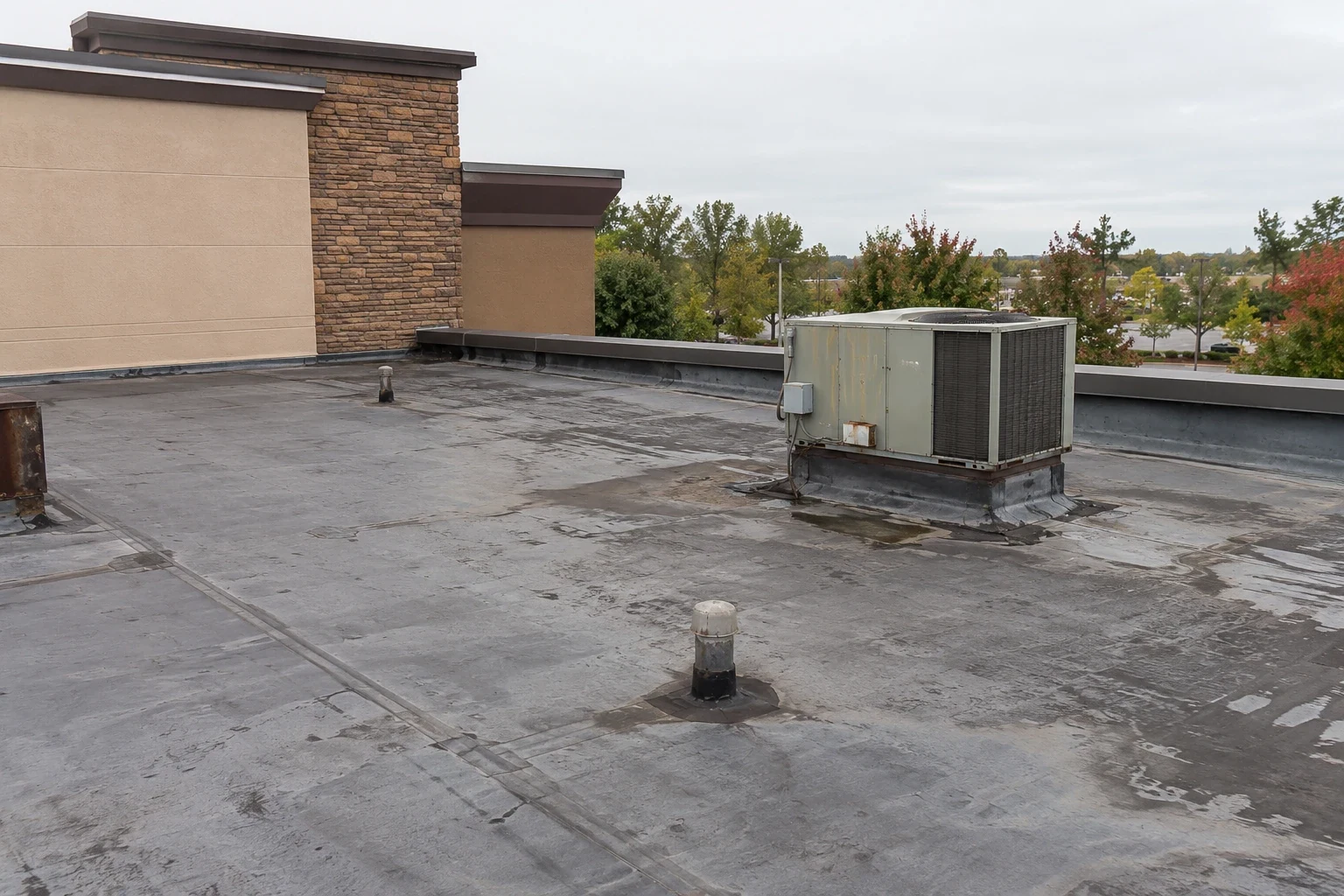
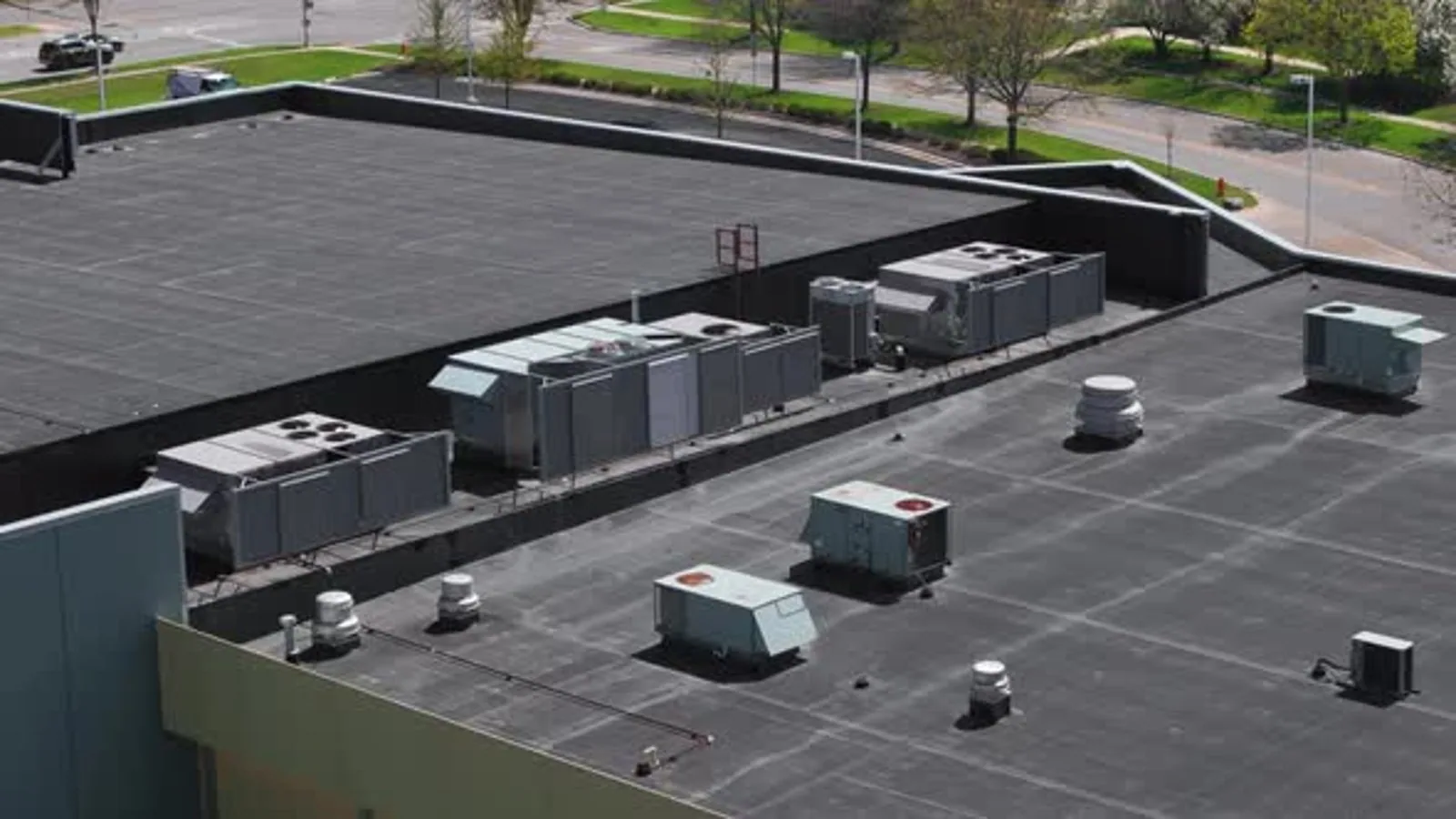
Grease exhaust, make-up air, refrigeration, plumbing vents, and electrical penetrations can gather near the reported leak. We photograph each roof detail and compare it with interior observations, then identify whether the issue is flashing, a seam, a curb, or a nearby drain. Kitchen equipment access must remain available for maintenance, so the roof crew and mechanical technician need one shared route and a clear responsibility boundary.
Fairfield's town center is about 4.1 miles from Bridgeport's and Milford's is roughly 7.5 miles away. Those nearby city centers can fit a regional dispatch route, while each restaurant has a separate delivery and exhaust setup. We confirm the address-specific loading path before mobilizing. A penetration flashing detail or equipment curb scope can define how the roof meets a vent or support.
Before the visit, the manager can identify the person who controls kitchen exhaust, the time when a unit can be safely accessed, and any fire or food-safety procedure that affects the roof route. We mark those boundaries before opening membrane near a curb. The work sequence includes a final inspection of the flashing and a clear return path for the mechanical technician. A short handoff prevents a roofing repair from becoming an unplanned interruption to kitchen service.
Schedule around meals and deliveries
Restaurant use can change sharply between meal periods. The manager identifies prep hours, deliveries, outdoor seating, and entrances that need to stay open. We use that information to set lift placement, material delivery, noise limits, and temporary pedestrian routing. If work must pause for service, the roof zone ends at a secure dry-in line and the staff contact receives a handoff before the crew leaves.
State Street and Fairfield Avenue are commercial routes; Clinton Avenue and The Smile also connect Bridgeport commercial and industrial activity. At a Bridgeport restaurant, we confirm delivery periods, customer entrances, and rooftop service access with the site contact before setting the work window. We verify those details directly. For an active leak, emergency roof response may protect the interior; a later repair scope documents the permanent detail and service window.
Keep the drainage route open
Grease, leaves, packaging, and roofing debris can obstruct a drain or overflow. Before removal, we mark bowls, scuppers, and low points; during work, we keep debris away from the water path. The final shift check confirms outlets are clear and temporary cover directs water away from the open boundary. A drain location near kitchen equipment also needs safe service access after the project.
Bridgeport station normals list 44.09 inches for annual precipitation and 33.6 inches for annual snowfall. Before opening a restaurant roof, we check the live forecast, clear the outlets, and establish a protected dry-in point. We check the current forecast and secure each work stop before opening a roof section. A drainage repair can correct an outlet detail, and a ponding-water inspection can help isolate a blocked route from a slope concern.
Separate a quick repair from a system decision
We inspect the membrane or metal surface, seams, flashing, curbs, attachment, and any prior repair. A limited defect may support a focused repair. Widespread moisture, failed adhesion, or deteriorated deck can change the scope. A recover is considered only when the existing assembly is dry, stable, compatible, and suitable for the design. The report marks each finding by zone and identifies which condition drives the recommendation.
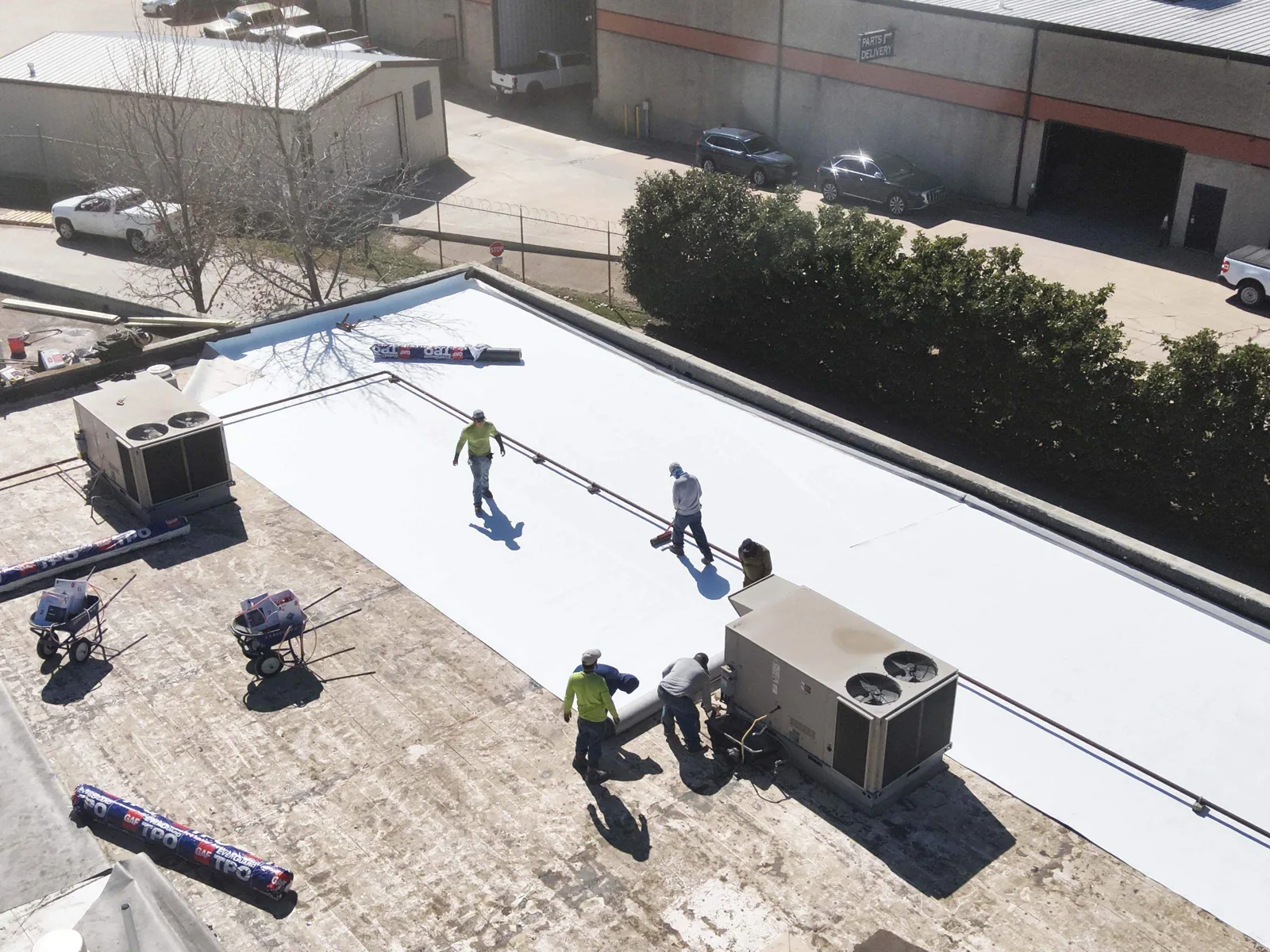
Bridgeport's waterfront recommendations include dining, recreation, mixed use, and low-impact light-industrial activity. For restaurant roofing, that context prompts questions about guest access, deliveries, and occupied entrances; the roof sequence is confirmed at the building. A restaurant can share its public approach with a roof work zone, so we coordinate notice and access with the manager. That context can matter when a restaurant shares a building or entrance with other uses, but the roof assembly is verified on site. If insulation or cover board alters curb height, the transition is drawn before membrane work. A TPO roof system or another assembly is selected for compatibility; the hotel roofing approach also plans around food and guest operations.
Give the manager a service-ready roof log
Closeout identifies the completed roof area, repaired details, drain condition, labeled photographs, and anything that remains under observation. The record also states who can authorize access to the kitchen exhaust route and when the next inspection should happen. If the manager reports a later stain, the roof-zone map helps distinguish it from the completed work and direct the next visit.
Those waterfront recommendations describe land-use priorities, not an inventory of existing restaurants. We keep the file property-specific: actual membrane, equipment details, access route, and approvals. A grocery roof record addresses refrigeration and delivery constraints. The roof condition report can keep those observations together. A local roof service visit can then be arranged outside the hours the manager identifies as busiest.
We also note whether a repair sits above dining, food preparation, storage, or a shared tenant area. That location affects the urgency of temporary protection and the contact who should receive a progress update. If a concealed condition changes the scope, the record identifies the area, photograph, and decision needed. The manager can review the change before the crew extends removal, while the rest of the roof remains protected and in service.
Questions and Answers
Can roofing happen between meal periods?
We can schedule a phase around meal service when the roof assembly, weather, and access allow a secure stop. Management provides prep and delivery hours; we plan the lift, noise, and debris route around them and state any brief closure before mobilization.
How do you handle a leak near a kitchen exhaust?
We map the interior report and inspect nearby curb flashing, seams, vents, and drains. The scope notes whether a mechanical shutdown is needed and who controls it. Temporary protection can be separated from the permanent repair if the kitchen must keep operating.
Will roof work require shutting down the kitchen?
Some work can proceed without shutdown, but repairs around exhaust, utilities, or rooftop equipment may need a coordinated service window. We identify the affected unit and obtain the site contact direction before interrupting equipment.
What should happen when a drain is near the work zone?
We mark the outlet and overflow path, keep debris clear, and verify the drain at each shift close. If the water route itself is defective, we document the location and proposed correction separately from the membrane repair.
What records help with a later service call?
Retain roof-zone photos, the repair boundary, equipment and exhaust details, drain checks, approved changes, and the contact who can provide access. The next inspection trigger should be stated so staff can schedule follow-up before a new issue spreads.
Related Roofing Work

Set a restaurant roof work window
Share the service schedule, delivery hours, exhaust and refrigeration contacts, leak locations, and access rules. We will map the roof details and provide a phased plan that protects the dining and kitchen areas.