Hotel Roofing in Bridgeport, CT
Coordinate hotel roofing in Bridgeport, CT with guest access, loading schedules, rooftop equipment, drainage, and phased protection for occupied spaces.
Guest access can change the order of a roof repair; work may affect guest rooms, kitchens, meeting areas, and service routes at the same time. We start with the reported condition and identify the roof zone above it, then map roof access against the loading entrance, guest path, and mechanical service route. The property lead can choose a sequence that keeps essential circulation available and gives staff a clear notice before a crew moves to another area.
Bridgeport’s waterfront land-use recommendations include mixed-use activity, recreation, dining, and low-impact light industry. For a hospitality property near the waterfront, those uses make circulation a practical consideration; the hotel’s own roof and guest routes determine the sequence. We verify the building's guest schedule, event spaces, roof hatch, equipment clearances, and lift setup with management. The project record assigns each roof zone to an operational contact and a secure dry-in point.
Keep guest paths out of the work route
Before equipment is delivered, we mark the loading dock, staff service route, guest entrances, fire lane, and outdoor areas that need protection. The hotel contact identifies check-in surges, events, and quiet-hour requirements. If a lift or crane blocks an entrance, management needs the approved detour and notice time. We stage debris and materials away from public paths, then hand off the access plan to staff before work begins.
West Haven's center is about 13.3 miles from Bridgeport's, while Stratford's is roughly 3.6 miles away. A regional maintenance route still needs site-specific entrance instructions, particularly where a property has back-of-house and public circulation. A leak affecting a guest room can call for rapid roof protection, followed by a documented inspection that locates the seam, wall, or curb requiring permanent work.
Coordinate rooftop equipment and service calls
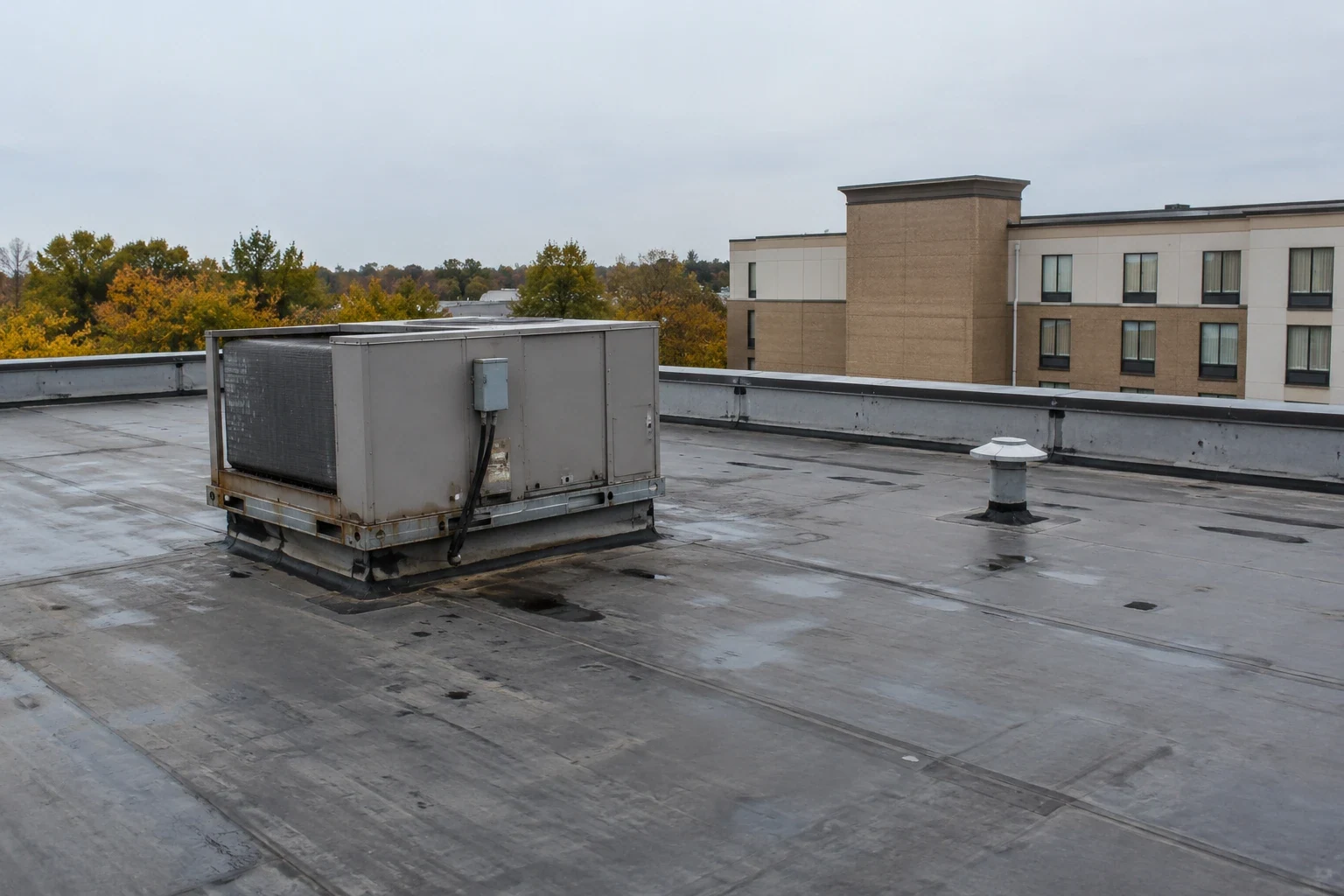
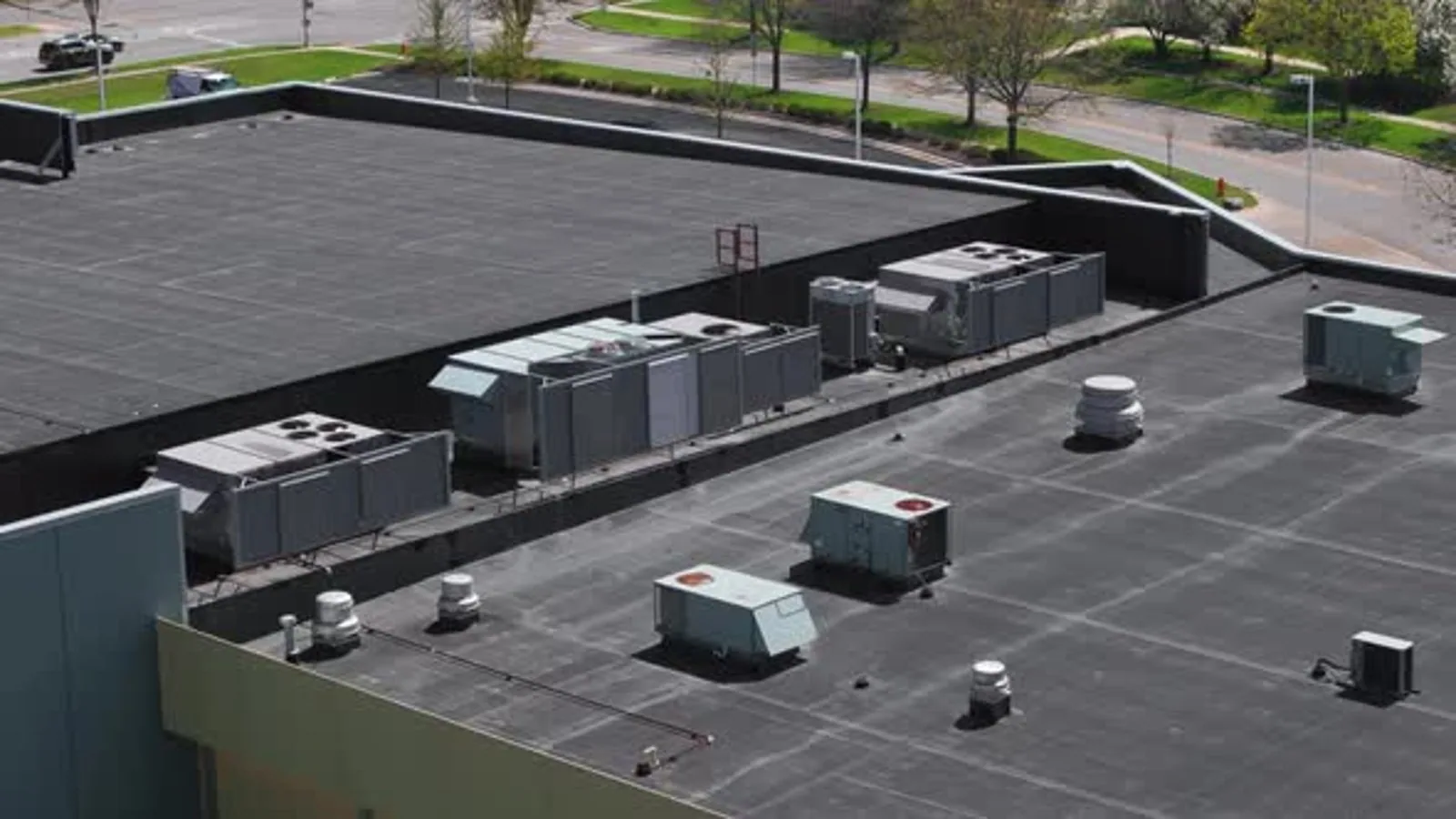
Hotels often depend on HVAC, kitchen exhaust, plumbing vents, and communication equipment that must remain accessible. We plot these units and the technician path before selecting a removal line. A roof detail around a curb needs a continuous flashing transition and enough clearance for future service. If equipment is scheduled for replacement, its timing should be coordinated before the new membrane is closed around the existing support.
Clinton Avenue has legal, accounting, and private-practice medical offices among its professional-service businesses. A hotel roof elsewhere in Bridgeport still requires its own service contacts and lift location. We ask management to identify equipment that cannot be taken offline and the person who approves access. The curb and support scope records the interface, while a cover-board plan addresses changes in elevation around equipment.
A rooftop unit that supports guest rooms or kitchen service should have a named operations contact before the crew opens its flashing. We identify the unit, route used for service, and clearance needed around it before loading material. If equipment work and roofing overlap, the sequence states which trade protects the curb and who checks the finished flashing. That boundary is especially useful when a guest-facing area below must reopen on a fixed schedule.
Check outlets before closing each shift
Water can move from an open roof area toward a drain, scupper, or transition that is not directly above the reported interior mark. We trace that route, locate overflow protection, and inspect penetrations before deciding the repair limit. During removal, debris control keeps each outlet available. The last field check confirms temporary protection and drainage before the crew leaves a roof section exposed to weather.
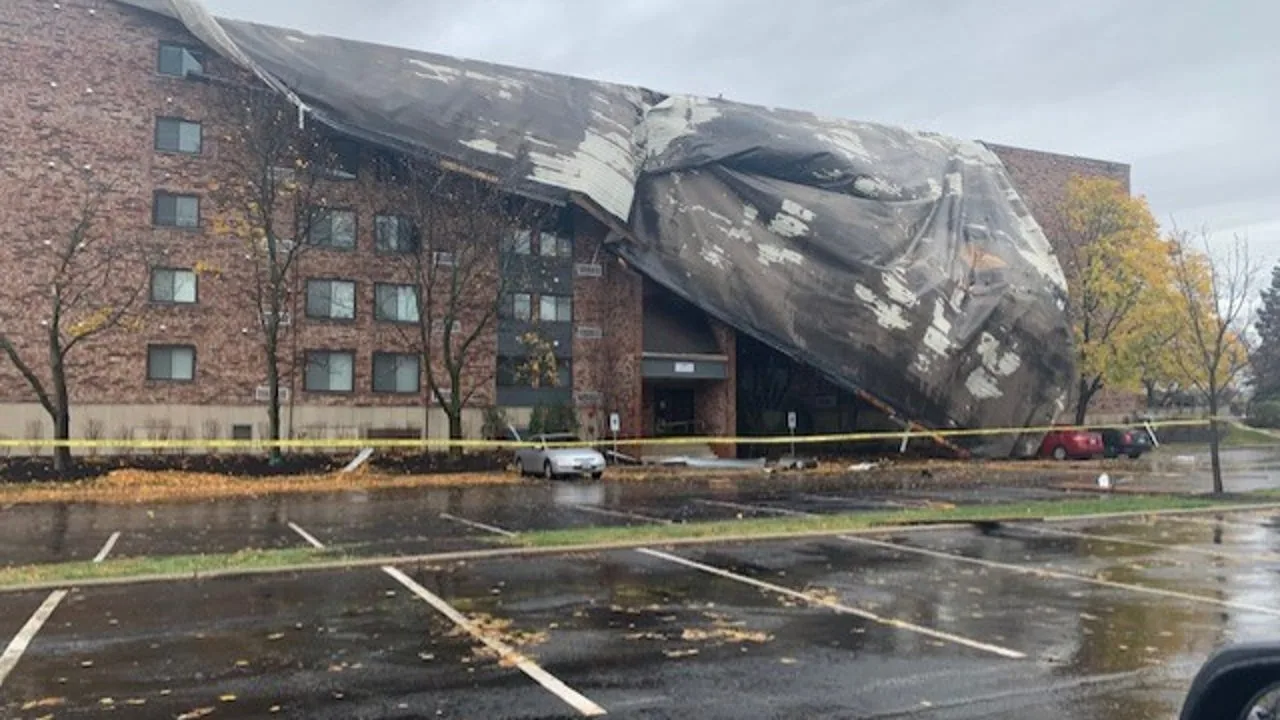
Bridgeport's annual averages include 44.09 inches of precipitation and 33.6 inches of snow. Bridgeport Sikorsky Memorial Airport's snowfall and precipitation normals inform seasonal planning; the current forecast and the hotel's roof assembly set the actual work window. They make clear that a written dry-in sequence and clear drains matter in Bridgeport. A drain and scupper repair can address outlet details; an inspection for edge or wind-related damage can document secure terminations after a storm.
Set a phase that staff can manage
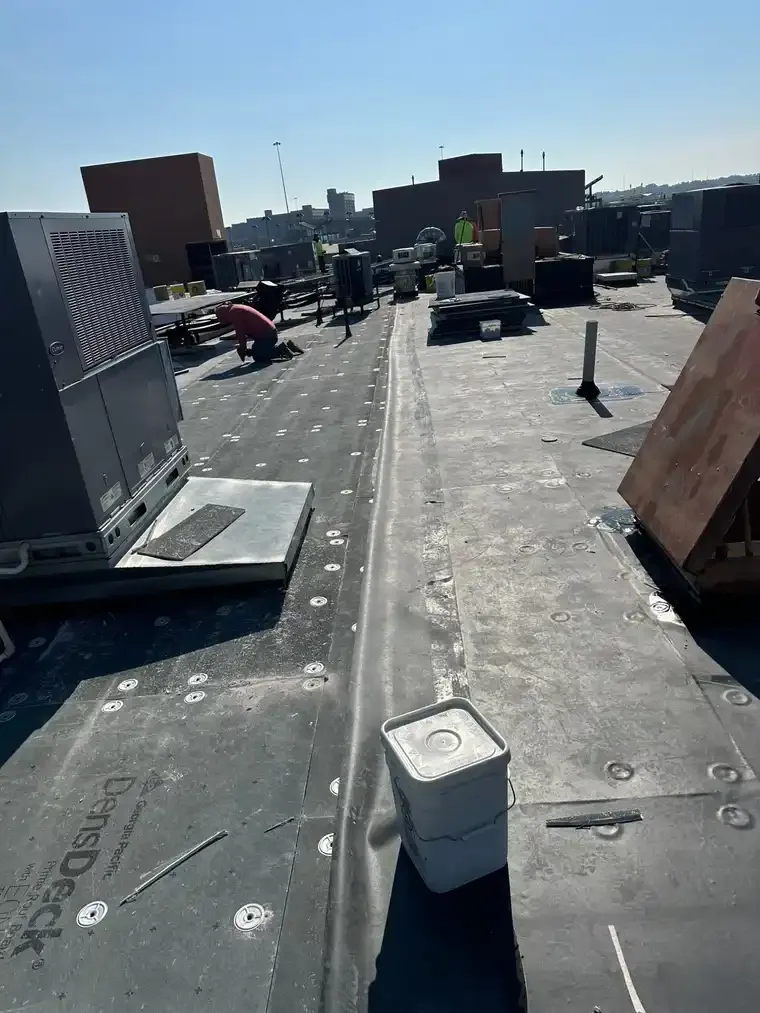
We divide the roof by work zone, not just by square footage. Each phase accounts for hotel occupancy below, equipment, drains, weather protection, and how materials reach the roof. Where rooms or event areas sit beneath a roof opening, the hotel contact approves the notice and interior protection. If hidden moisture or deck damage appears, we stop at a stable line and submit photographs with the proposed extension.
Downtown Bridgeport combines office and retail activity with transit connections and older structures considered for adaptive reuse. That context can help a manager think through guest and public access, but the field sequence follows the actual building. We define work hours, noise limits, lift route, and the person who receives a progress handoff. The apartment roof approach also considers occupied floors; a restaurant roof plan focuses more on kitchen exhaust and service timing.
Close the job with a staff-ready record
Hotel operations may change hands across shifts, so closeout needs to be easy to use. We record completed zones, roof details repaired, drains checked, photographs, remaining observations, and any restricted access point. The next inspection trigger should identify a season, maintenance visit, or specific condition that calls for another look. Staff can then route a new report to the right roof area.
Waterfront land-use recommendations pair dining and recreation with mixed uses and low-impact industry. It does not establish the use or roof assembly of a particular property. We keep each hotel's record tied to its actual system, equipment, and access sequence. A condition report can preserve the findings for the facilities file. For a return visit, Bridgeport-area roof service can be scheduled after the hotel confirms guest and loading constraints.
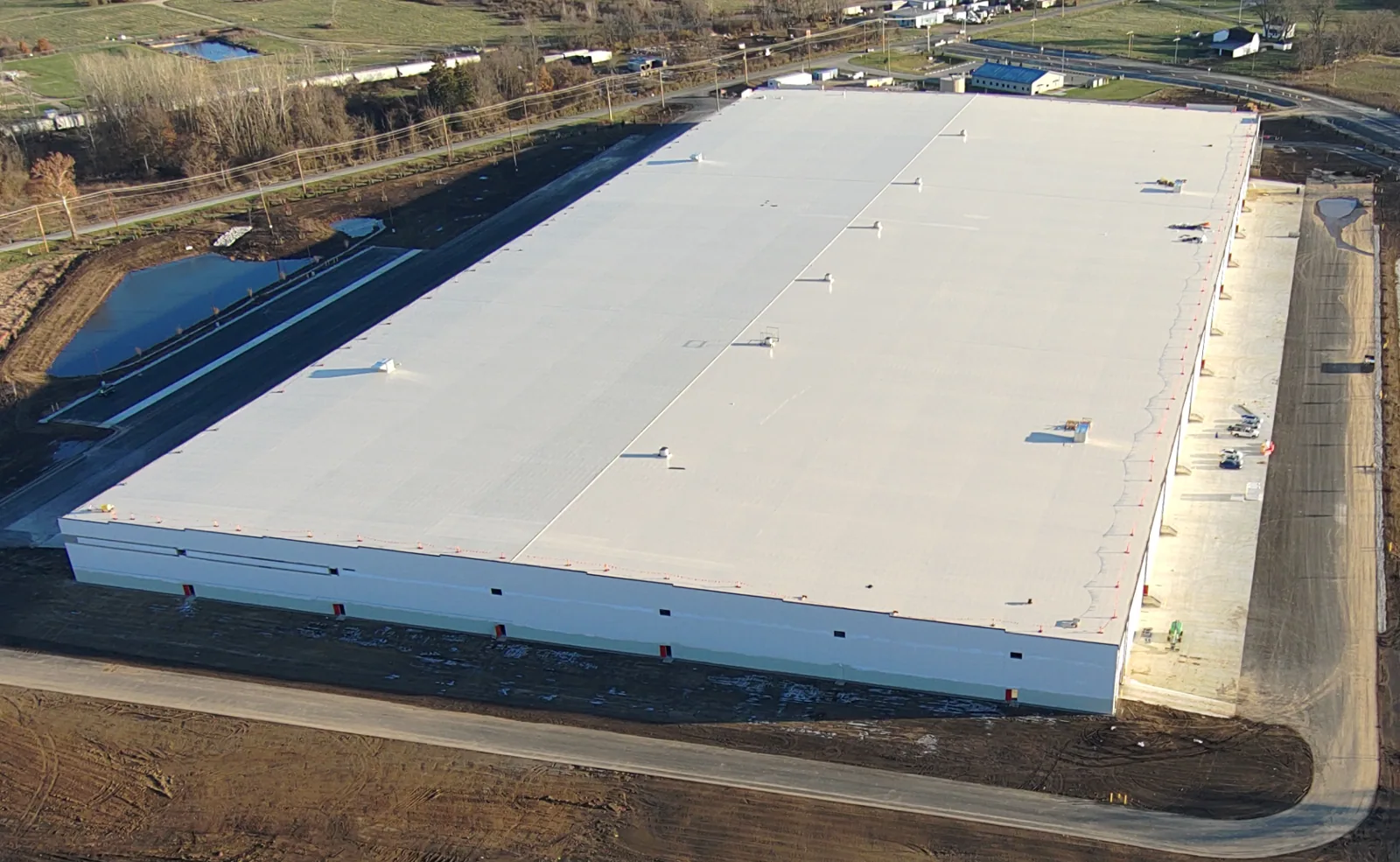
For a larger roof, we also identify where a completed phase meets an older surface and how that tie-in will be observed. The property manager receives photographs that show the edge, drain, and equipment interface, not only a wide roof view. A later service call can then compare the reported water path with the prior repair. If the condition has moved, the next inspection can follow the change instead of repeating the original walk.
Before the next rain, we verify that each completed transition sheds water, every required drain is clear, and the temporary service route is removed or documented. Management receives a concise list of completed and open items that can be shared with the next facilities shift.
Questions and Answers
How can roof work avoid guest disruption?
We plan the lift, material path, noise window, and temporary restrictions with hotel management. The roof is divided into secure phases and the staff contact receives notice before a route changes. Some work may require a brief closure, which is defined in advance.
What if a leak reaches a guest room or meeting area?
We locate the interior report, protect the affected area, and trace the roof path to drains, edges, penetrations, and wall transitions. The report separates immediate protection from permanent repair so management can decide what must happen next.
Can HVAC stay operating during a reroof?
That depends on the unit, access, curb detail, and sequence. We identify shutdown authority and technician routes before opening the surrounding area. The scope records what remains active and how the flashing transition will be completed.
How are event dates handled?
Management shares event, occupancy, and delivery dates before the roof walk. We use them to select work zones and coordinate the staging plan. If weather or a concealed condition changes the sequence, the handoff states the revised route and affected period.
What should hotel facilities retain after completion?
Keep the roof-zone map, labeled photos, drain checks, equipment details, open observations, and approved scope changes. We identify who can arrange access later and what condition should trigger the next inspection.
Related Roofing Work
Plan a hotel roof walk
Send the roof plan, guest and event calendar, loading schedule, equipment contacts, and any active leak reports. We will map the work zones and provide a phased scope with a clear handoff for hotel staff.