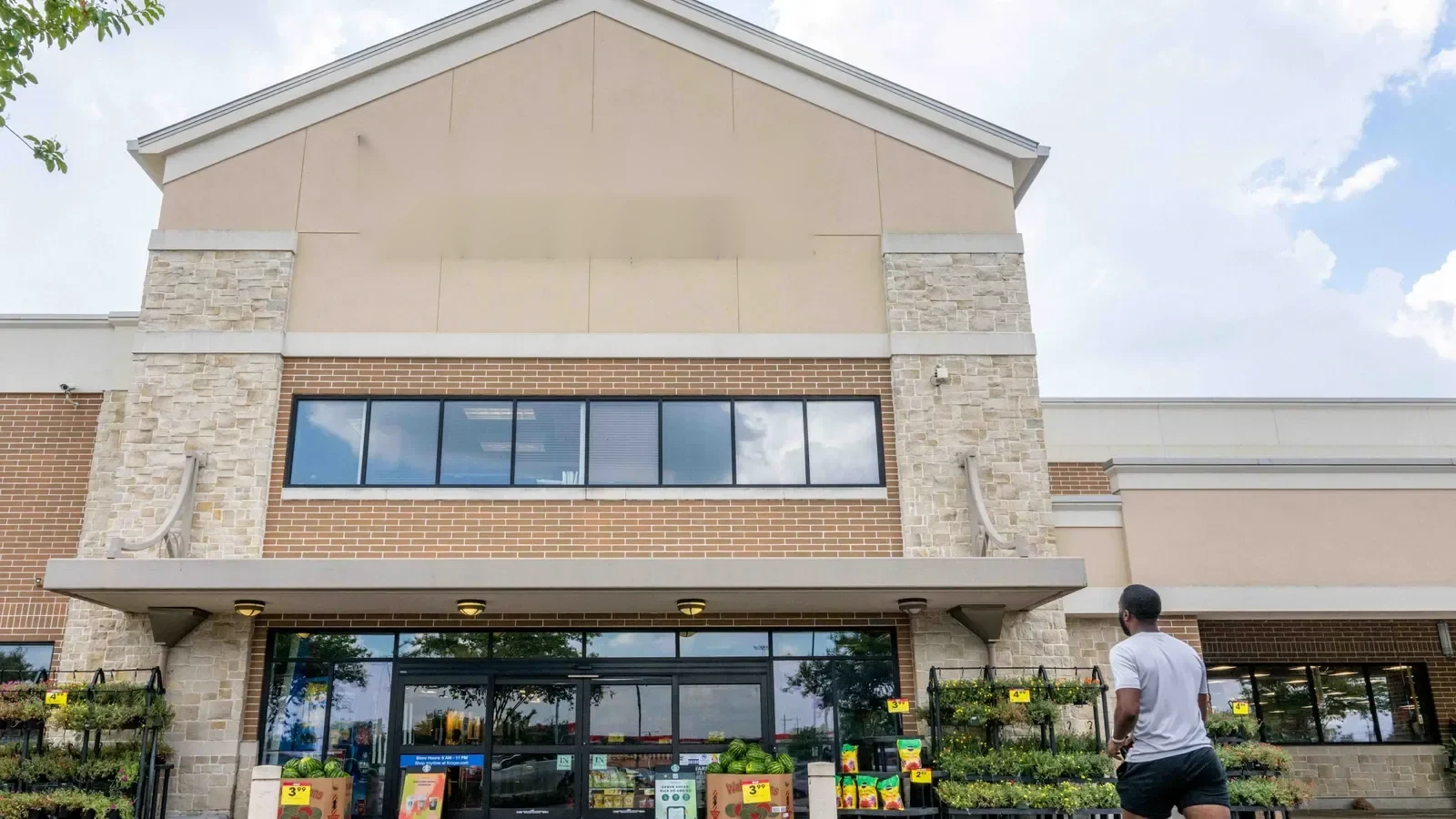
Grocery Store Roofing in Bridgeport, CT
Plan grocery store roofing in Bridgeport, CT around refrigeration, receiving windows, roof drains, occupied sales floors, and phased weather protection.
A water report near a refrigerated case needs a fast roof check, but the repair still has to protect food operations and keep deliveries moving. We locate the interior mark, map it to drains, seams, penetrations, and equipment curbs, then identify the aisle or back-of-house area affected by each roof zone. That gives the store manager a defined choice between immediate protection and a permanent repair scope.
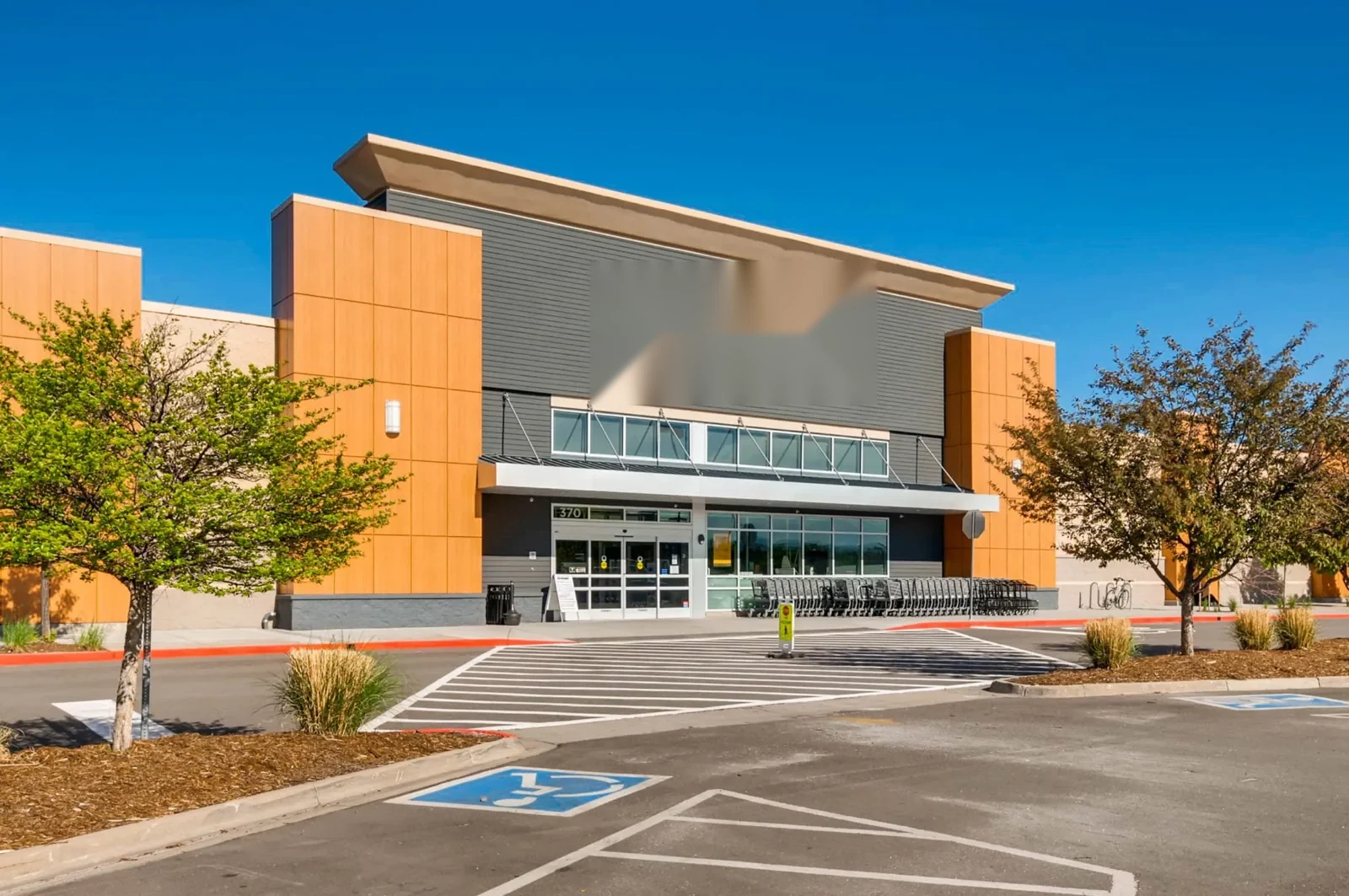
Bridgeport’s West Side and West End include industrial uses and commercial corridors. A grocery property still needs its own dock, refrigeration, and roof access walk. We verify the receiving dock, refrigeration service path, customer entrance, and lift position at the actual store. The site plan also needs a contact for food safety and equipment shutdown decisions. With those controls agreed, we can set the sequence without treating an occupied sales floor like an empty building.
Keep receiving and roof deliveries apart
Grocery deliveries may arrive on a regular schedule and use a constrained dock approach. We record the delivery window, truck turn, staff path, and waste route before bringing membrane or insulation to the site. If the only lift location conflicts with receiving, the staging plan needs another option or a short approved closure. The site contact receives the route and the shift boundary so forklifts, pedestrians, and roofing materials do not cross without control.
Fairfield Avenue is a Bridgeport commercial or commercial-industrial corridor. It helps orient the route, while the store’s own dock and equipment determine the crew sequence. At any location, we verify the loading area and tenant access on arrival. If a sudden leak threatens product or electrical equipment, emergency roof response can put temporary protection in place. A scheduled roof inspection then documents the assembly and the permanent repair boundary.
Map refrigeration and exhaust routes
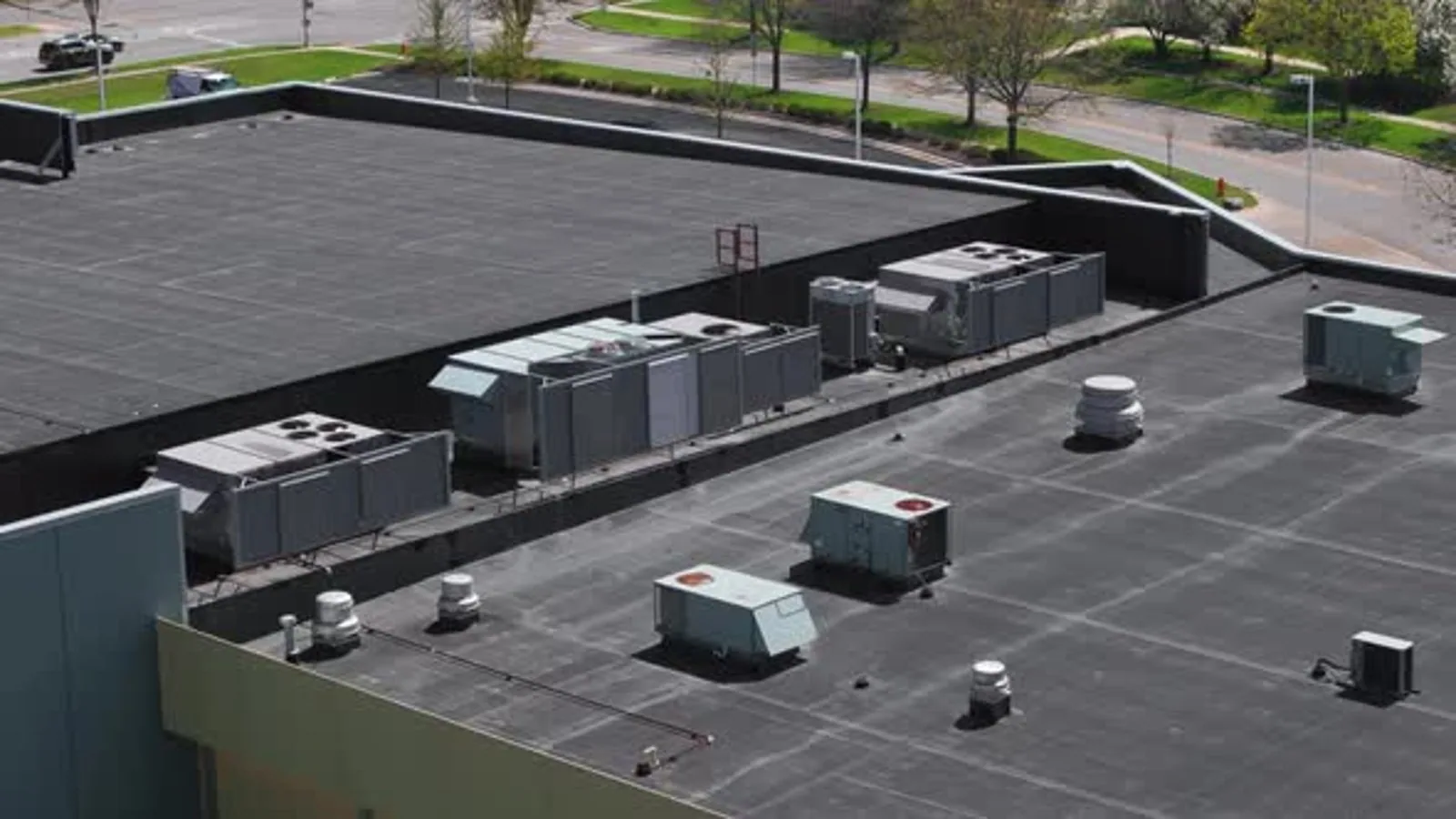
Refrigeration lines, condensers, exhaust, vents, and electrical conduit can make the roof path more involved than the interior stain suggests. We identify which units must remain in service and who can authorize a shutdown before flashing or curb work begins. A roofing detail needs to protect the membrane around the equipment while leaving a workable access route for service technicians. If equipment changes after completion, the new curb or line support needs a recorded roof tie-in.
Norwalk's town center is about 13.3 miles from Bridgeport's and Fairfield's is about 4.1 miles away. Regional dispatch still has to match each store's refrigeration contact and roof access rules. We tag penetrations by roof zone and note any limit on working near active units. A curb and support detail can scope the interface, while drainage work traces outlets that must remain open throughout the shift.
A regional manager may compare stores in Norwalk and Fairfield, but the roof sequence follows the receiving and refrigeration map at each site. We note which dock is active, where a technician reaches condenser equipment, and how the work zone relates to product storage. The handoff names any unit that remained in service and any area that needs an interior check after the next rain. That record turns a roof repair into a controlled return to normal store operations.
Protect drains during a phased repair
A grocery roof can have multiple drain paths and additions. Before opening an area, we locate drains, sumps, scuppers, overflow routes, and places where water can collect behind equipment. Debris control is part of the roof sequence; loose membrane and insulation cannot be left near an outlet. At the end of each day, we check that the temporary cover sheds water to the intended route and that bowls are clear.
The annual precipitation normal for Bridgeport's Sikorsky airport station is 44.09 inches; its yearly snowfall normal is 33.6 inches. That seasonal reference makes secure dry-in and outlet checks part of each phase. We review the actual assembly and near-term weather before setting a stop point. A ponding-water review can help distinguish a blocked drain from a slope issue. The big-box store sequence also considers freight, while grocery work adds refrigeration and product protection.
Set the repair boundary before changing systems
We inspect seams, flashing, roof edges, insulation, attachment, and representative wet areas before comparing repair, recover, and replacement. A recover is suitable only when the retained layers are dry, secure, compatible, and able to support the new system. The written scope states which areas remain, where material is removed, and how the new work meets existing roof zones. That lets ownership review the disruption and the system option together.
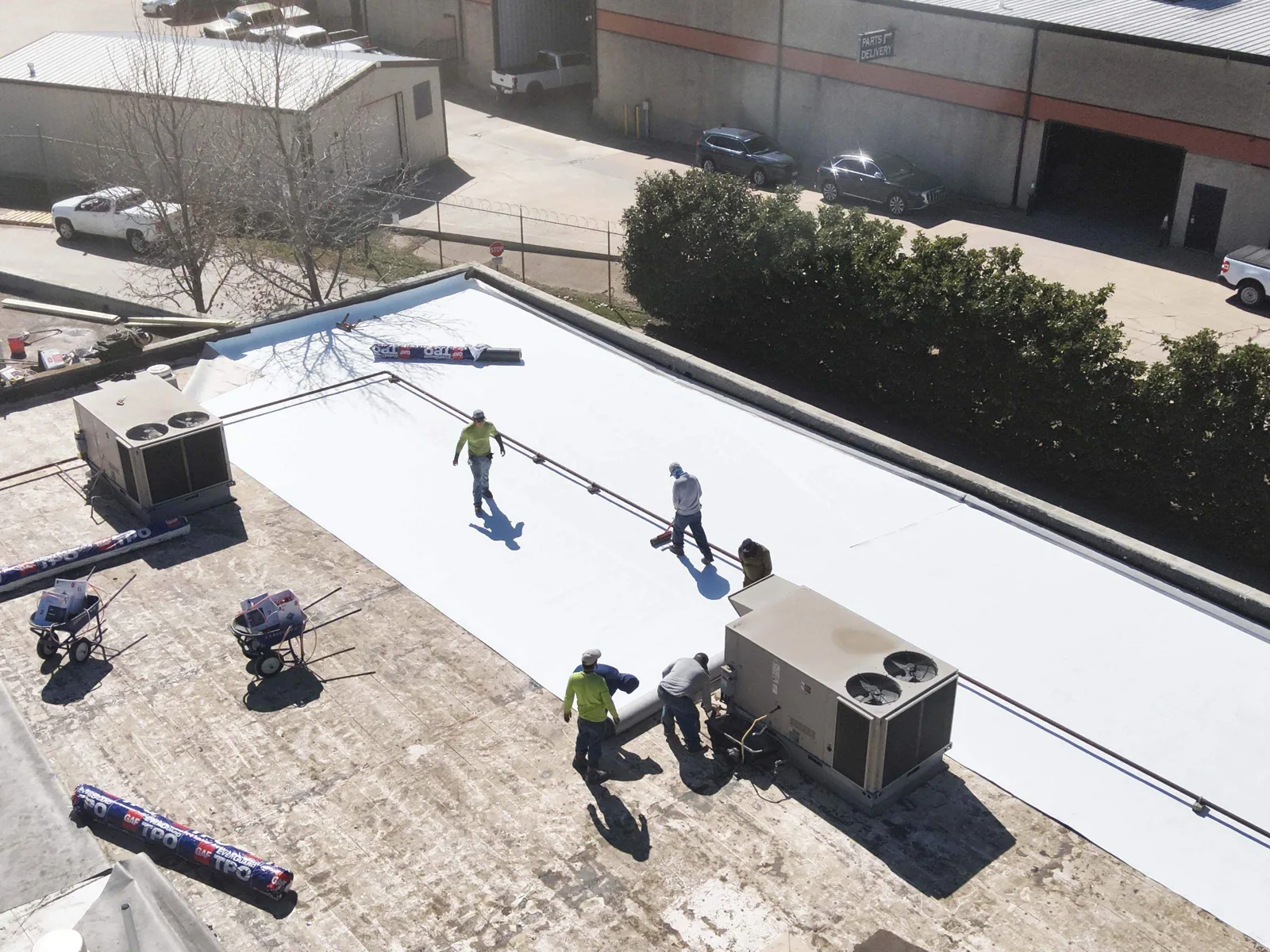
Downtown Bridgeport combines retail and offices with transit connections, mixed uses, and older structures considered for adaptive reuse. A store near those uses still needs a property-level evaluation. We identify curb heights, drain transitions, and deck conditions before selecting membrane or coating details. The TPO system and a modified-bitumen assembly each require compatible details at drains and penetrations. For a property with joined tenant spaces, the shopping-center roof review accounts for shared access and phased handoff.
Return the store to a known roof condition
Before reopening a restricted route, we confirm protection is secure, outlets are clear, and the affected interior area is ready for the store contact's inspection. The closeout names zones completed, repairs made, photographs, remaining observations, and any equipment follow-up. If the day's work stopped at a concealed wet area, that boundary and the approval needed to proceed are recorded distinctly.
Fairfield's nearby municipal center and Norwalk's farther center can both appear on a Bridgeport-area dispatch map, yet each property has a separate dock and refrigeration schedule. The service record should preserve the information that matters at that store: approved access, equipment contacts, system details, and next inspection trigger. A roof condition report keeps those findings together, and local roof service can be arranged around the actual receiving route.
If multiple roof sections meet over a shared wall, we document the tie-in and identify who maintains the drain serving each side. A temporary repair should not redirect runoff toward another tenant or leave a membrane edge exposed. We inspect the adjacent area before closing a phase, label the work boundary on the drawing, and explain which observation requires a return visit. This helps a facilities team assign routine checks without treating every stain as the same defect.
Questions and Answers
How do you protect refrigerated product during roof work?
We map the roof zone against the equipment and product area below, then coordinate shutdown authority and interior protection with the store contact. Each shift ends with a checked dry-in line. If an opening exposes more wet material, we pause and get approval for the added boundary.
Can the work avoid the receiving window?
The site shares dock hours, truck turns, waste pickup, and staff routes before we set a material delivery. We use those constraints to choose lift placement and staging. If the only route conflicts with receiving, the plan states the temporary control or adjusted time.
What roof details are checked around refrigeration equipment?
We review curb flashing, supports, line penetrations, service clearances, and the path used by technicians. The scope separates roofing work from any mechanical shutdown or equipment replacement and records who owns each interface.
When does a grocery roof need replacement instead of repair?
A defined seam, curb, or drain defect may support a focused repair. Broader moisture, weak attachment, deteriorated deck, or incompatible layers can require removal. We map findings and explain the boundary so the owner can compare both scopes.
What belongs in the handoff to store operations?
Keep the roof-zone plan, completed repairs, drain checks, equipment notes, labeled photos, and remaining issues. We include the contact for future access and a next inspection trigger that a facilities shift can act.
Related Roofing Work
Coordinate a grocery roof review
Share the roof plan, delivery window, refrigeration contacts, leak locations, and areas requiring product protection. We will inspect the assembly, agree on a phased route, and document the work boundary for store operations.