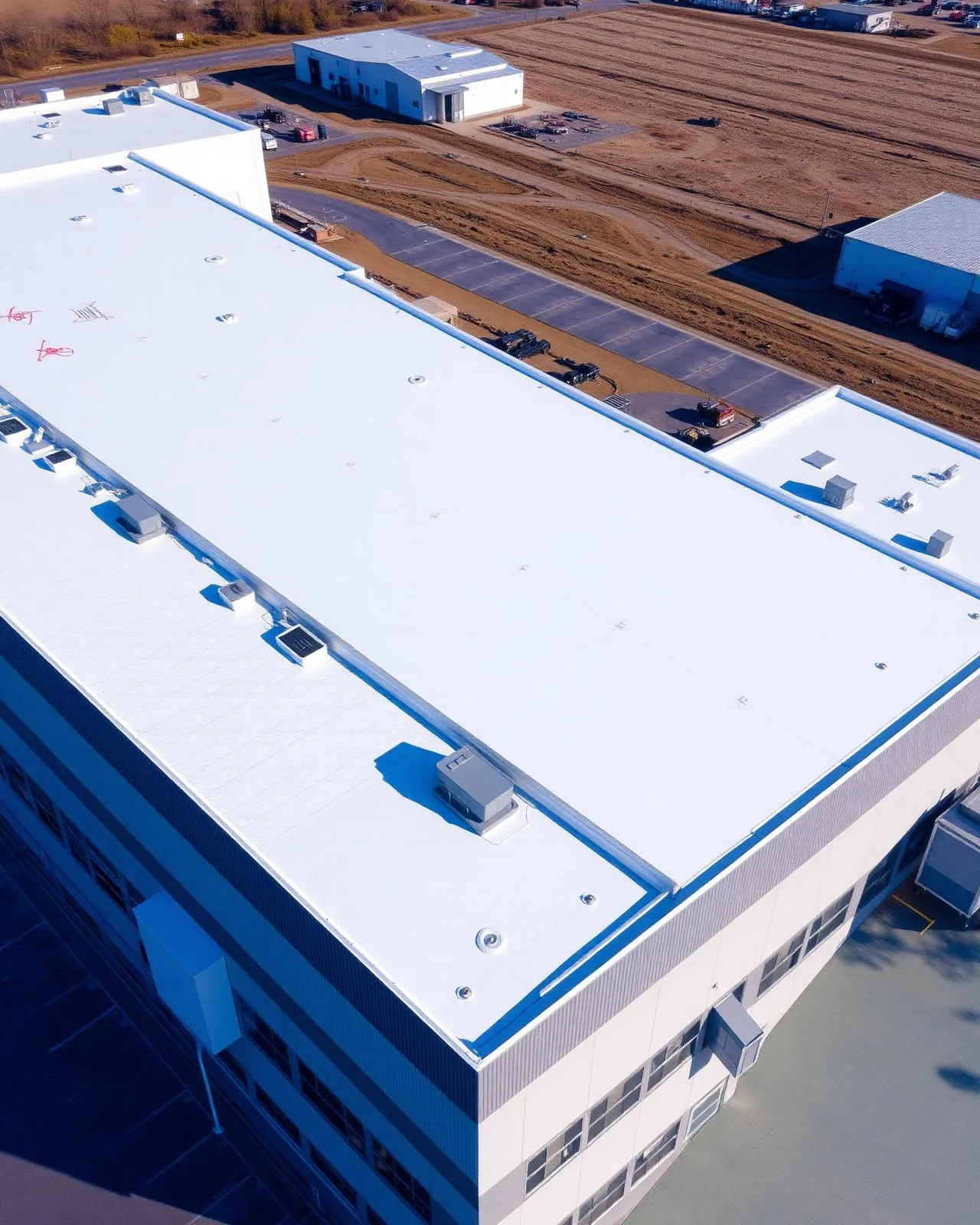
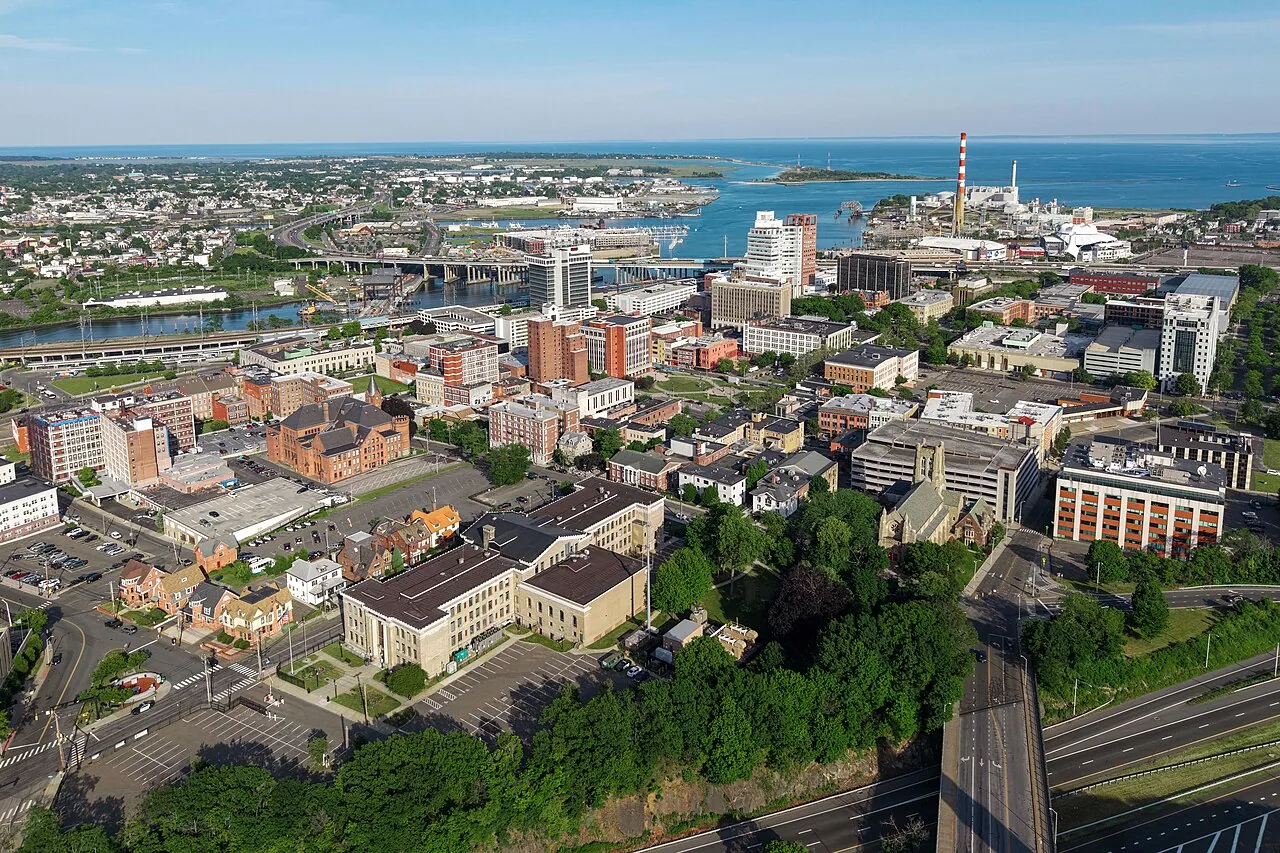
Commercial Roofing in Seymour, CT
Seymour commercial roofing inspections, repairs, and replacement scopes planned around safe roof access, water paths, and a documented work handoff.
A roof repair above an active service entrance cannot block the route below it. In Seymour, our first step is to map the affected roof zone against building access, nearby equipment, and the hours the entrance must remain clear. Then we follow the leak evidence through membrane seams, flashing, drains, and penetrations. That work produces a practical boundary for the repair and identifies any condition that needs a wider test.
Before scheduling a Seymour roof visit, we confirm the property address, entry route, roof plan, and responsible contact. The handoff lists what was observed, where the crew worked, and what decision remains for the owner.
Find the Failed Detail
A stain near a wall does not establish that the wall flashing failed. We check the roof side and, where access allows, compare the interior location with joints, curbs, fasteners, drains, and transitions above. The field record notes each condition and marks the most likely path without hiding alternatives. When a detail is concealed, the next action should say what opening or test will resolve the question, not merely call for more investigation.
In Seymour, we confirm the property's own access contact and roof conditions; a separately scheduled Ansonia visit receives its own map and handoff. We coordinate entry with the property team and keep all observations tied to that roof. A commercial inspection record can separate visible defects from suspected moisture, while edge metal and coping review checks the perimeter where wind and water can meet.
Follow Runoff to the Drain
Typical snowfall at Bridgeport Sikorsky Memorial Airport is 33.6 inches per year, alongside 44.09 inches of annual precipitation. For Seymour roofs, we include drain flow and temporary protection in the daily closeout.
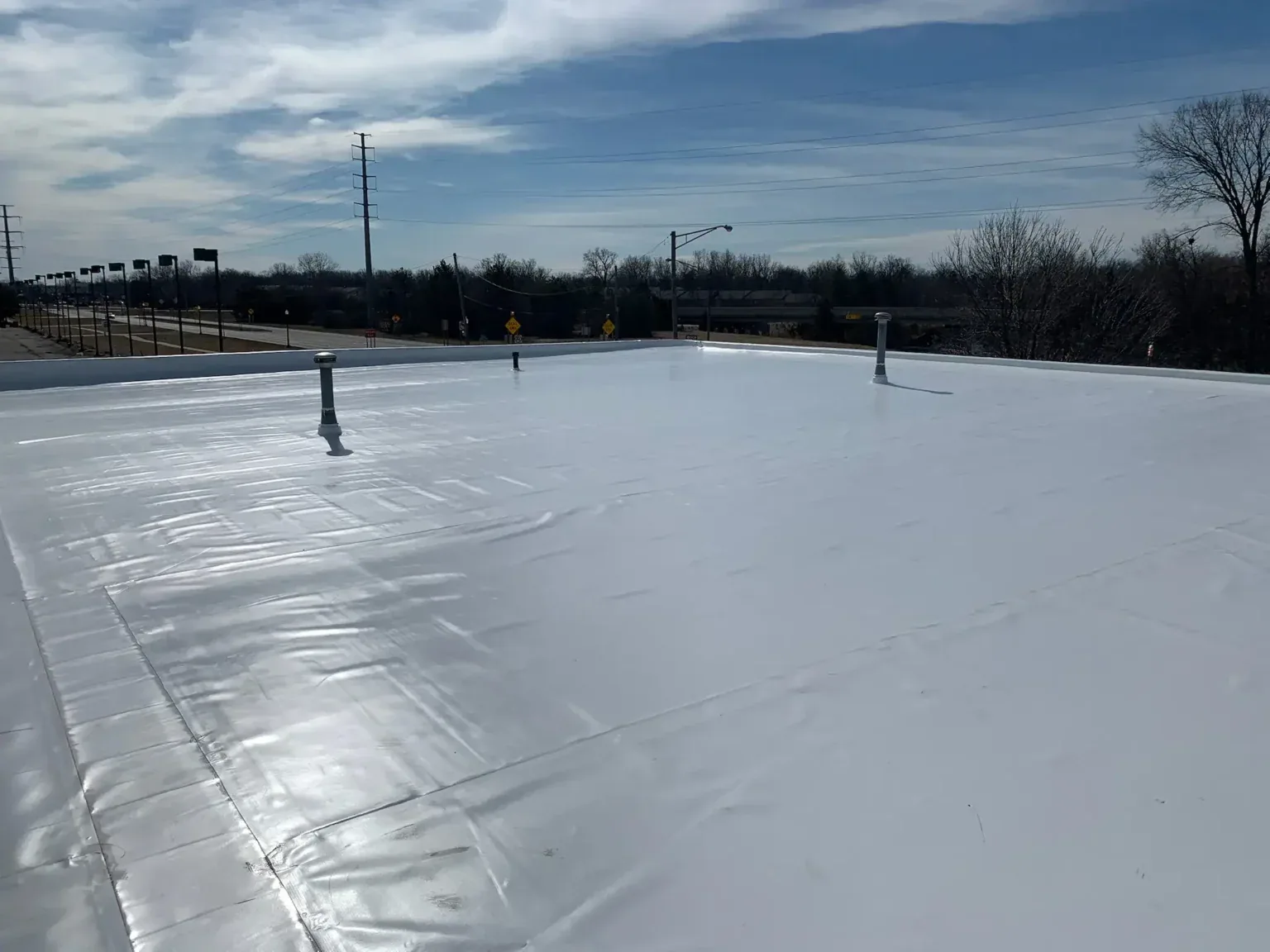
Where runoff collects, we trace the path from the field to the drain, scupper, or edge and record any obstruction. Standing water may point to a blocked outlet or a design and deck question; those require different scopes. A drainage inspection notes the visible route, and a ponding-water repair plan tracks the area and the evidence below it. A coating is considered only after the water path is understood.
Keep the Entrance in Service
For a proposal that may require formal review, we note the roof assembly, attachment observations, penetrations, and perimeter work in a format the owner's design team can use. If a condition is hidden, it is listed as an open item rather than filled in by assumption. The appropriate professional determines what additional documentation the project needs before construction.
The work sequence begins with who can authorize access and which areas must stay in service. We identify hatch or ladder use, fall protection, material staging, service equipment clearance, and a protected path below. If the building is occupied, the facility director sets notice and quiet periods. Each shift should end with the opened area secured against weather, debris cleared from drains, and a written handoff that names the next zone.
Choose a Defensible Repair Area
A repair scope is strongest when it names the failed detail, the preparation, and the limits of the surrounding inspection. We check whether a patch can bond to sound material, whether the substrate is dry enough, and whether adjacent seams or edge details show related movement. If water has reached insulation, a wider survey may be needed to define the affected area. A leak repair plan records that boundary before the crew mobilizes.
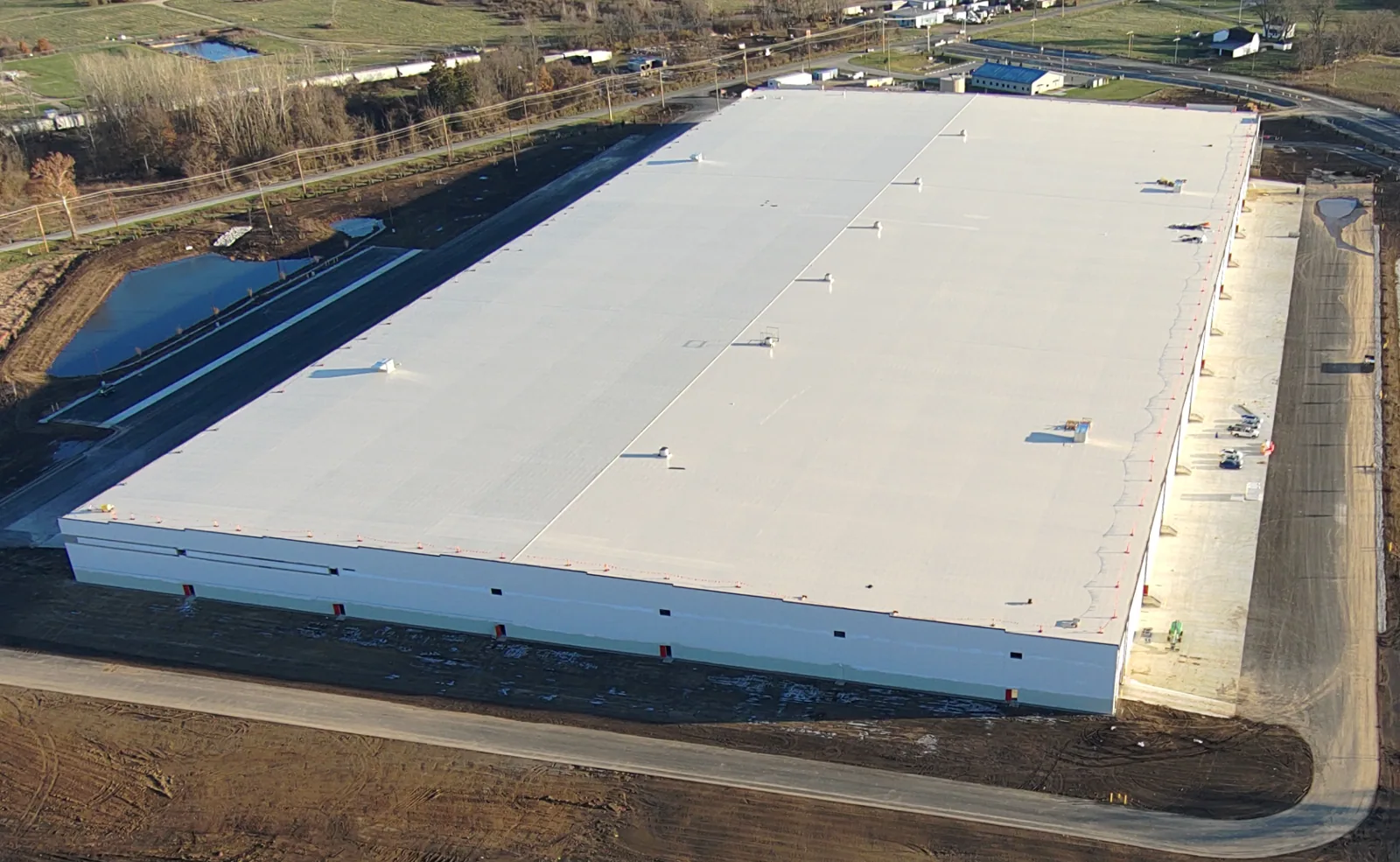
For a larger project, we compare recover and tear-off after reviewing layers, deck, moisture, drainage, insulation, and equipment supports. Removal may expose repairs that cannot be priced from the surface alone. The proposal identifies protection, staging, hauling, edge work, and weather sequencing as separate drivers. A modified bitumen assembly review may help discuss an existing system, while manufacturing roof coordination is relevant only when the property's use and operating contacts establish that need.
Name the Next Action
When a repair is complete, the building team needs more than a verbal all-clear. We mark the repaired zone, capture before-and-after photos, identify materials and concealed conditions, and note whether adjacent areas remain for monitoring. If a crew could not reach one section, that exclusion stays in the file. A return visit can then inspect the same points and assess whether the leak has changed or a new detail has appeared.
Have the roof plan, leak timeline, prior work notes, site-entry rules, and facility contact ready for the first call. If water is active, identify the room and the immediate protection need. The written next step will say whether to patch, survey, or build a replacement comparison. Nearby Ansonia and Woodbridge visits use the same field record, with local access confirmed separately. For ongoing service, preventive maintenance can preserve the inspection history and repeat the critical checks.
A useful work order records the contact who can approve an added repair if the crew finds concealed damage. Before mobilization, we identify how that person can be reached, which evidence they need, and whether an opening must be protected while a decision is made. This avoids leaving a roof exposed while approvals move through several people. The photo record and marked scope let the facility director understand the choice without having to reconstruct the site walk. We also record who received the handoff and the date for the next check. This gives the next crew a named contact and a clear starting point.
Before leaving, we walk the marked zone with the contact, confirm drains are open, remove loose materials, and review any test opening or temporary patch. The closeout record identifies weather protection, materials used, and a date or condition for follow-up. If another building in the same portfolio needs attention, its findings remain separate, with its own roof map, photographs, and access approval. That keeps a later repair decision traceable to the correct roof and prevents assumptions from carrying across different assemblies.
Questions and Answers
What is the first step when water is actively entering a Seymour building?
Protect people and contents below, then contact the person who can authorize roof access. We document the affected room and time, inspect the matching roof zone, and install a temporary measure only when the surface and conditions allow it. The written follow-up identifies whether the source is confirmed and what permanent repair is needed.
How do you prevent a roof repair from blocking a service entrance?
The facility contact identifies entrances and service routes that must remain usable. We stage materials outside that path, mark the work zone, and sequence the roof area so access below remains clear. If equipment or lifting changes the route, that is settled before mobilization. The closeout checks the area below and returns the entrance to the agreed condition.
When does a leak need a survey beyond the visible patch?
Broaden the review when water appears at multiple locations, prior patches have not held, or moisture may have moved through insulation. The inspection can map related details and use testing to focus openings. We report what was verified and what remains an estimate. This prevents a local symptom from being mistaken for the full repair area.
What should a reroof proposal say about unknown deck conditions?
It should identify what was inspected, whether the deck was visible, and how concealed deterioration will be handled if discovered. The proposal can describe a unit or allowance method only when the project team has set it; we do not invent pricing. It should also note how approval, schedule, temporary protection, and documentation will change if the crew finds a different assembly.
Related Roofing Work