Commercial Roofing in Ansonia, CT
Commercial roof repair and replacement in Ansonia, planned around access, drainage, occupied space, and a clear work sequence. Get a documented next step.
A loose edge beside a rooftop unit can turn a small Ansonia repair into an operations question. Before the crew moves material, we confirm the affected zone, the access route, who controls the roof hatch, and what activity below cannot stop. A ceiling mark is a starting point, not a repair boundary. We follow the path above it and record where the membrane, flashing, or drain changes condition.
Ansonia covers 6.0 square miles of land, and its town center is about 12.7 miles from Bridgeport's by straight-line measurement. Before a visit, we use the facility's roof plan, entry instructions, and recent leak history to set the walk. The written scope then separates observed damage from the next test.
Follow the Leak Path
Water can travel sideways under a roof covering before it appears indoors. We start at the reported stain, check the deck or ceiling access available, then compare that point with seams, fasteners, curbs, wall transitions, and drainage above. The Diligence Notes identify each roof zone and whether the evidence is wet insulation, an open lap, a displaced termination, or only an interior symptom. If access is limited, that limit stays visible in the report.
For a roof with several old patches, the useful question is whether the surrounding field remains sound. We photograph the repair edges, inspect nearby penetrations, and look for a second path that could make a successful patch appear to fail. An inspection with a condition record can define that boundary before anyone opens a larger area. The finding should name the evidence, not turn an untested possibility into a diagnosis.
Plan for Rain and Snow
Bridgeport's long-term precipitation mean is 44.09 inches a year, while the snowfall normal is 33.6 inches. On an Ansonia roof, we follow observed drainage and transitions rather than a regional average. On an Ansonia roof, drainage checks and post-winter follow-up keep the focus on observed outlets, seams, and transitions. We look at outlet condition, slope toward drains, edge details, and signs of water trapped beneath the surface. A snowmelt stain may show up far from the entry point.
Where water remains after a thaw, we document the ponding area and its route to an outlet before recommending a coating. A coating cannot correct a drain obstruction or a low deck by itself. The ponding-water repair review checks those causes separately, while a drain and scupper assessment records whether an outlet, leader, or surrounding detail needs work. Photos taken from repeatable positions make the next visit comparable.
Keep the Work Route Clear
A permit package is easier to review when the scope identifies the existing layers, affected zones, and the work proposed at edges and penetrations. We note what was visible during the walk and what would require an opening. The owner and design professional can then confirm the applicable submission requirements, while the Diligence Notes remain a record of conditions rather than an approval.
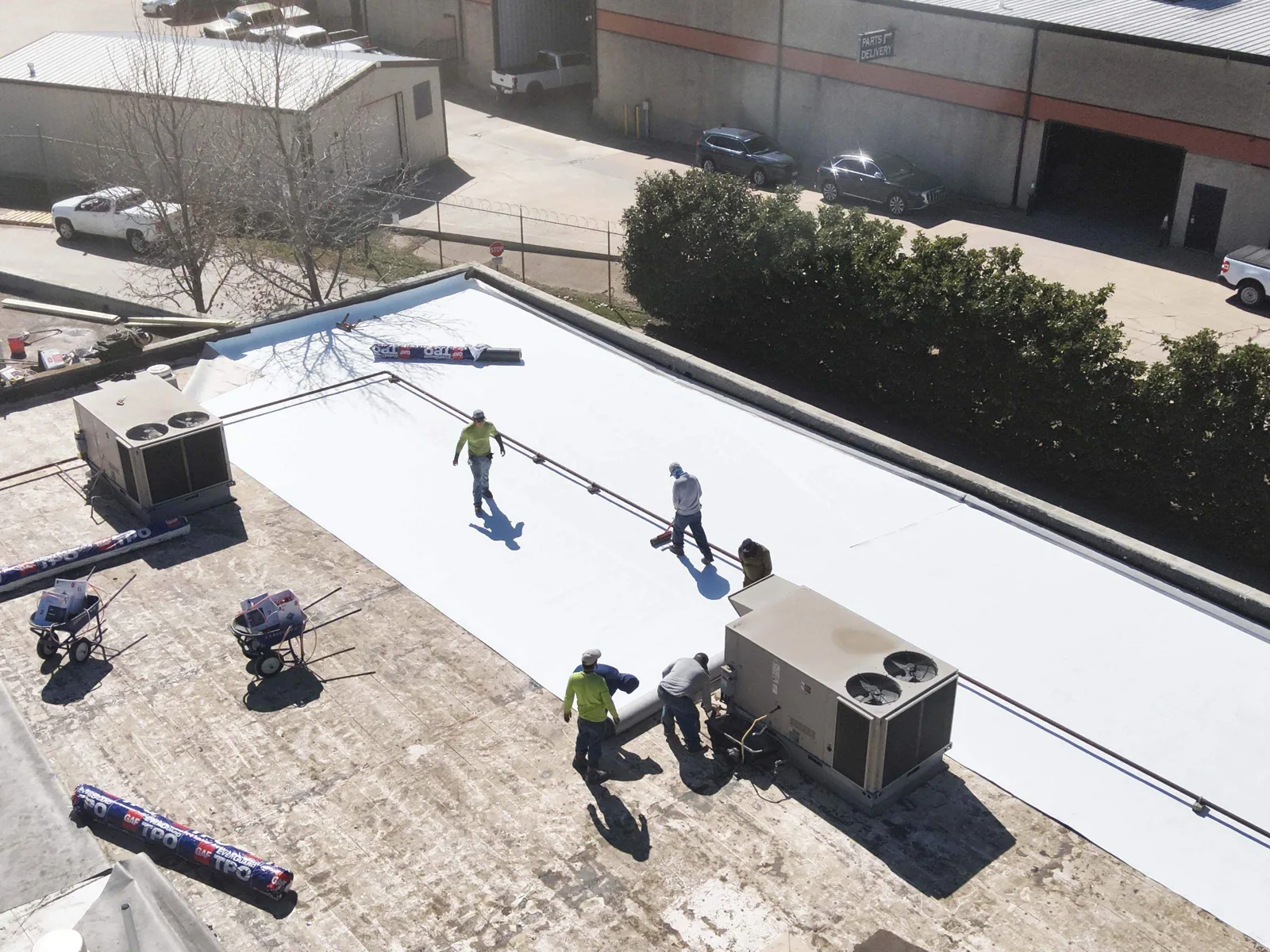
A work window is set with the person responsible for the building, not guessed from the calendar. We confirm ladder or hatch access, fall-protection needs, equipment clearances, staging, and any interior area that needs protection. If a loading or service route crosses the work zone, the sequence can split the repair into smaller sections with a daily dry-in point. The handoff identifies what was opened, what was closed, and which area remains subject to follow-up.
Set the Repair Boundary
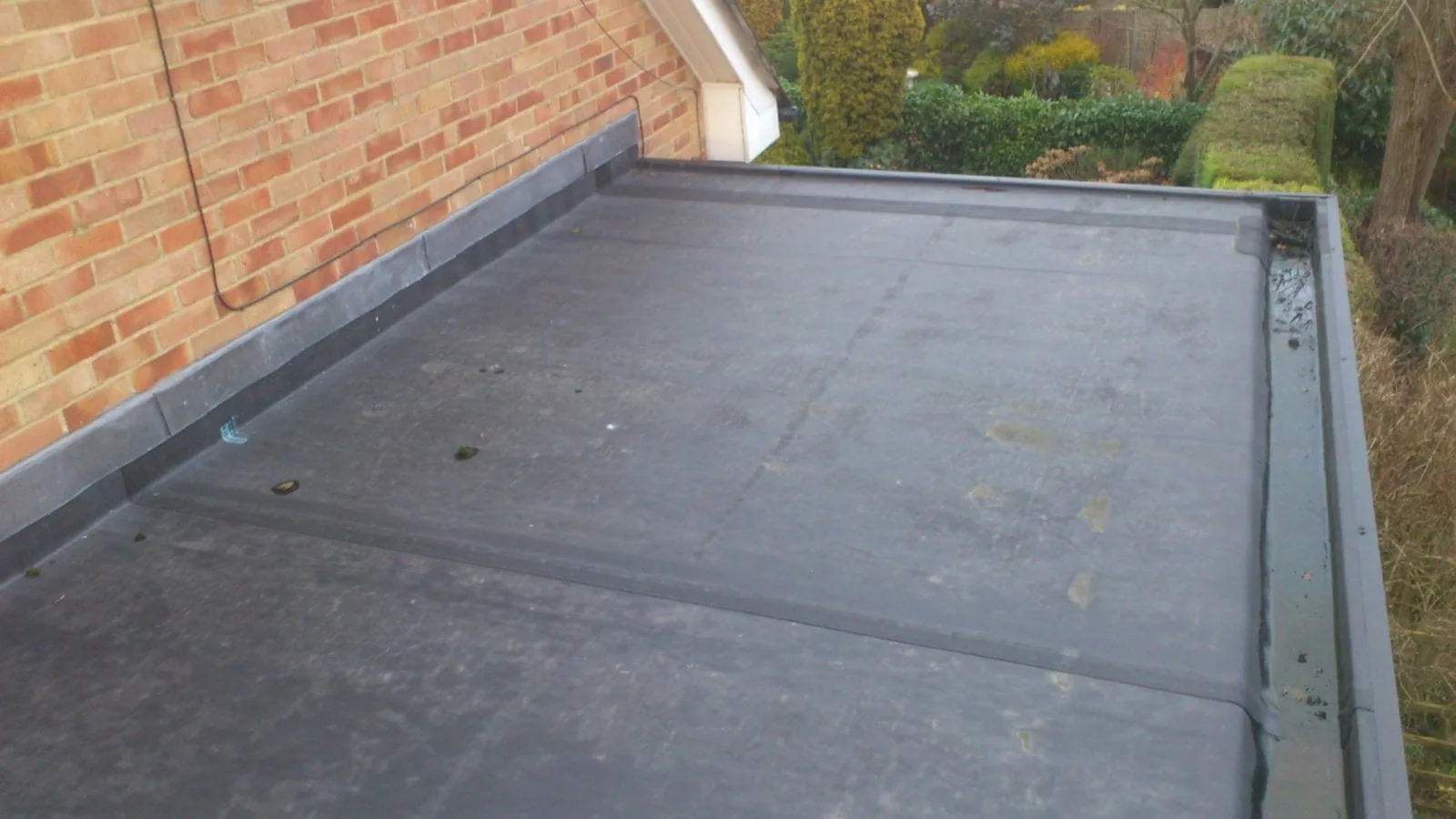
A localized puncture or failed flashing can support repair when adjacent material is stable and the tie-in can be prepared cleanly. We describe the preparation, compatible material, reinforcement or flashing detail, and the limit of the repair. If moisture extends beyond the visible opening or earlier patches overlap, a broader survey may be needed before a price is meaningful. An Ansonia commercial roof repair scope should state the observed cause and what remains unverified.
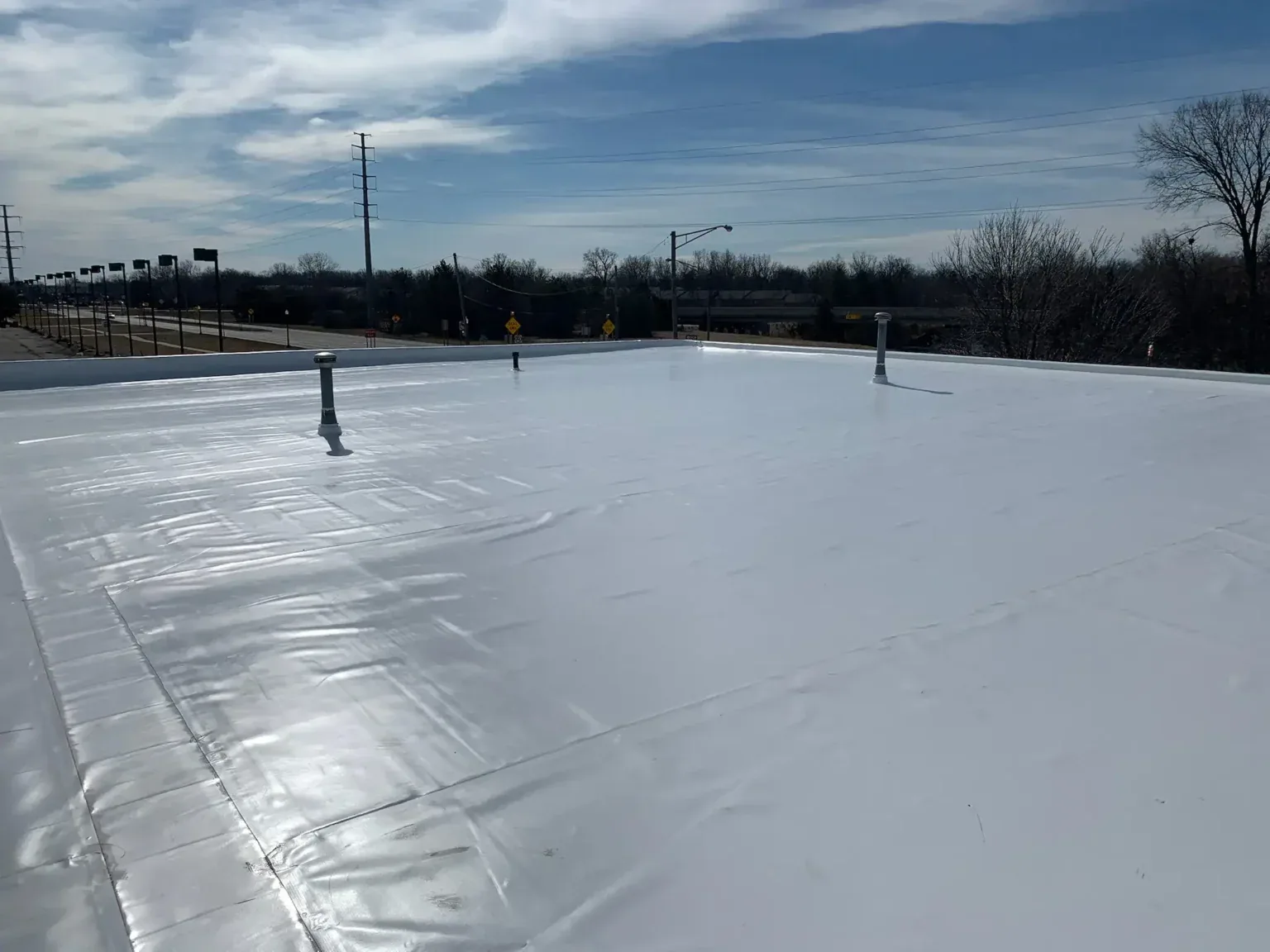
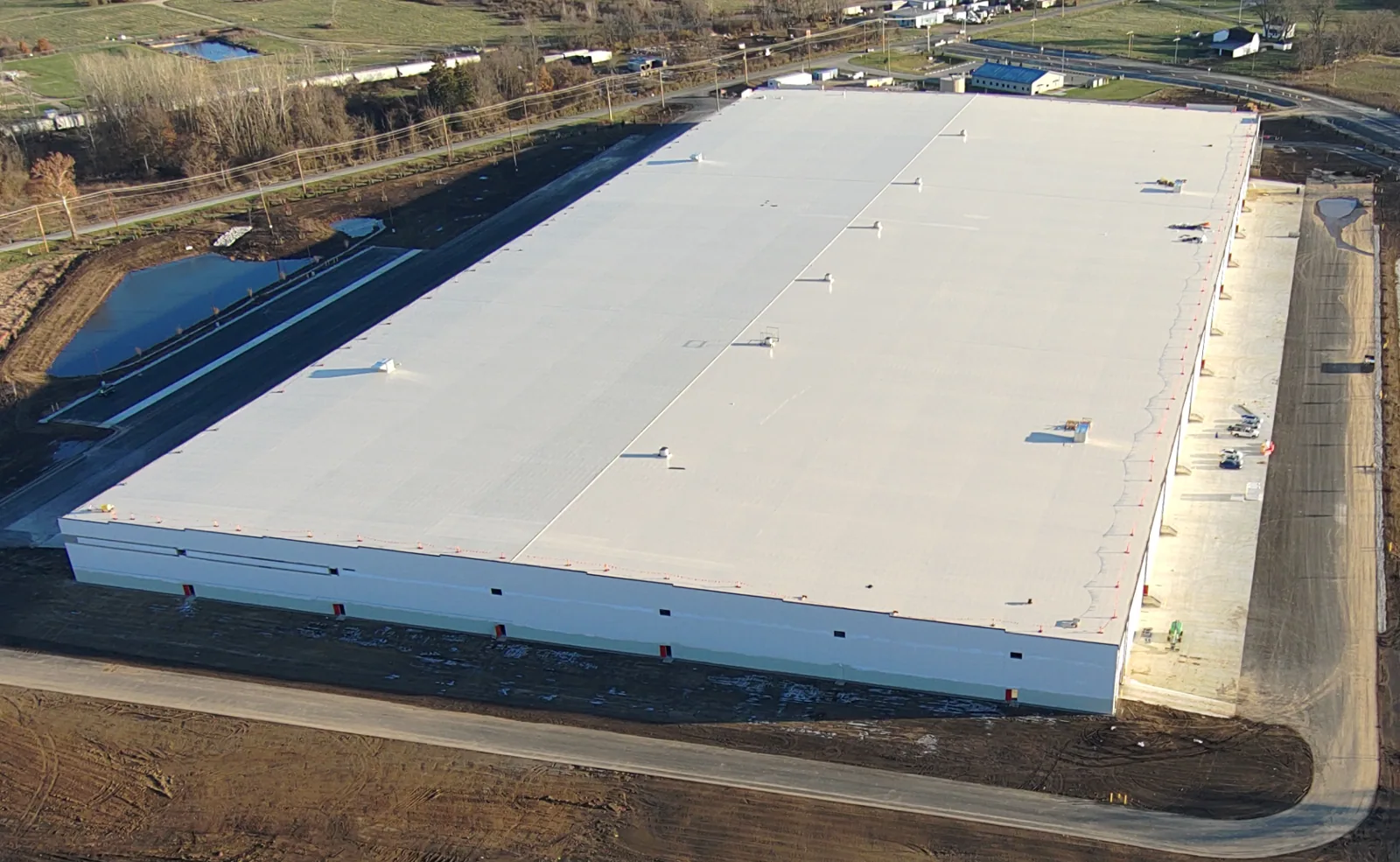
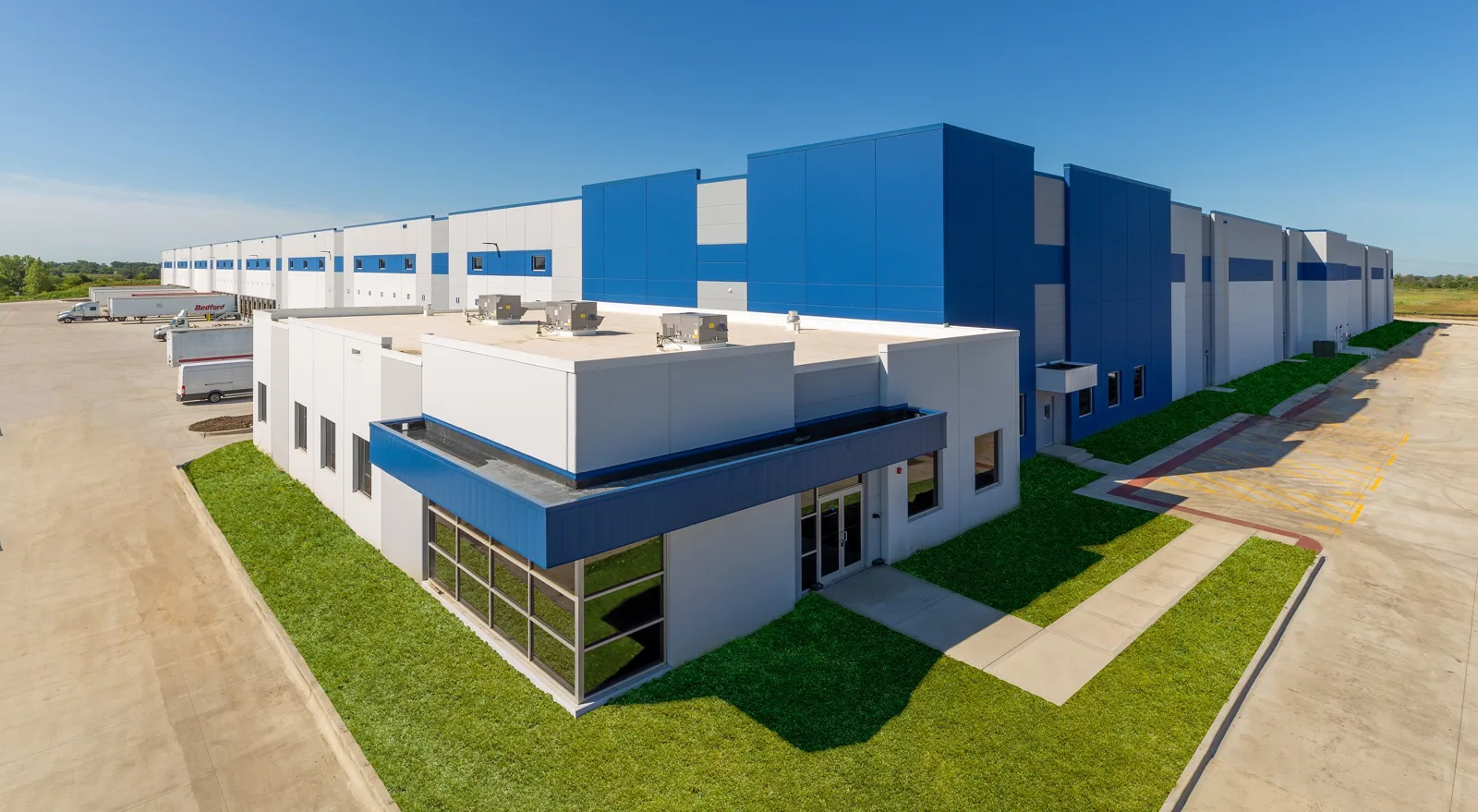
Replacement decisions start with layers, deck condition, drainage, insulation, perimeter metal, and rooftop equipment supports. Selective openings or moisture testing may show whether recover remains appropriate; a recover is not assumed simply because the roof is flat. We compare the work area, protection below, material handling, and weather exposure. On a membrane roof, a TPO assembly needs compatible seam and flashing details; a warehouse roof adds loading and staging constraints we confirm at the property.
Record the Handoff
The closeout should let a facility director locate the work without calling the person who watched the crew. We label images by roof zone, describe the repair in plain terms, and list any concealed condition that changed the scope. Where a limit remained, such as an inaccessible area or an untested wet section, we keep it in the record. For a portfolio with several roofs, that discipline helps separate a recurring detail from a new leak path.
Bring the roof plan, prior repair notes, leak dates, access rules, and the name of the person who can authorize entry to the first call. If a deadline is driving the visit, say which decision must be made first. A photo-based condition report can support repair-versus-replacement planning, and nearby Seymour or Woodbridge visits use the same process with their own property access details. We finish with the next action in writing.
When the roof has more than one level, we note how the crew moves between them and where tools can be secured. A small repair may still involve a lift, a controlled hatch, or a route across a tenant area. The facilities contact can identify which doors, loading periods, and alarm procedures affect that path. We put those limits into the sequence before materials arrive, then record any change made in the field so the next shift does not repeat the access check.
For an Ansonia property, the work order should name the roof zone, approved access point, and person who will release the crew.
Questions and Answers
Can the inspection distinguish an active leak from an old ceiling stain?
Yes, when roof access and interior evidence are available. We compare stain location, timing, roof-side moisture, and nearby seams or penetrations, then state which path is supported and which remains uncertain. A dry ceiling on the visit date does not erase a prior leak report. The useful result is a documented repair boundary or a specific follow-up test.
What should a facility director have ready for an Ansonia roof walk?
A current roof plan, entry procedure, prior repair notes, and leak dates help the crew reach the right area and understand what changed. Add any service-equipment clearance or tenant schedule that affects staging. If the issue is active, identify the interior room and who can confirm conditions below; that keeps the inspection connected to the reported problem.
When is a recover worth evaluating instead of tear-off?
The assembly condition answers that question. We review existing layers, deck, moisture, drainage, and project requirements before pricing a recover. If trapped moisture, deteriorated insulation, or deck repairs change the assembly, removal may be the clearer scope. Selective openings can resolve uncertainty; the written comparison should show what each option includes and leaves in place.
How is work sequenced if the building must stay open?
The facility contact identifies operating periods, occupied areas, deliveries, and restricted access. We then divide the roof into work zones with a practical staging route and a planned dry-in at each shift boundary. Noise, debris control, and interior protection are addressed before opening the assembly. The schedule can change with weather or concealed conditions, so the handoff records the finished zone and next release.
Related Roofing Work