Commercial Roofing in Redding, CT
Commercial roofing in Redding with inspections, repairs, and replacement planning set by access, weather exposure, and documented roof zones.
A wet insulation reading in one roof zone is not a townwide condition. In Redding, we mark the exact area, trace nearby seams and penetrations, and check where the assembly sheds water before recommending an opening. The facility contact helps set a safe access path and identify any room below that needs protection. The visit ends with a short decision: repair the known detail, test a larger area, or plan a broader roof review.
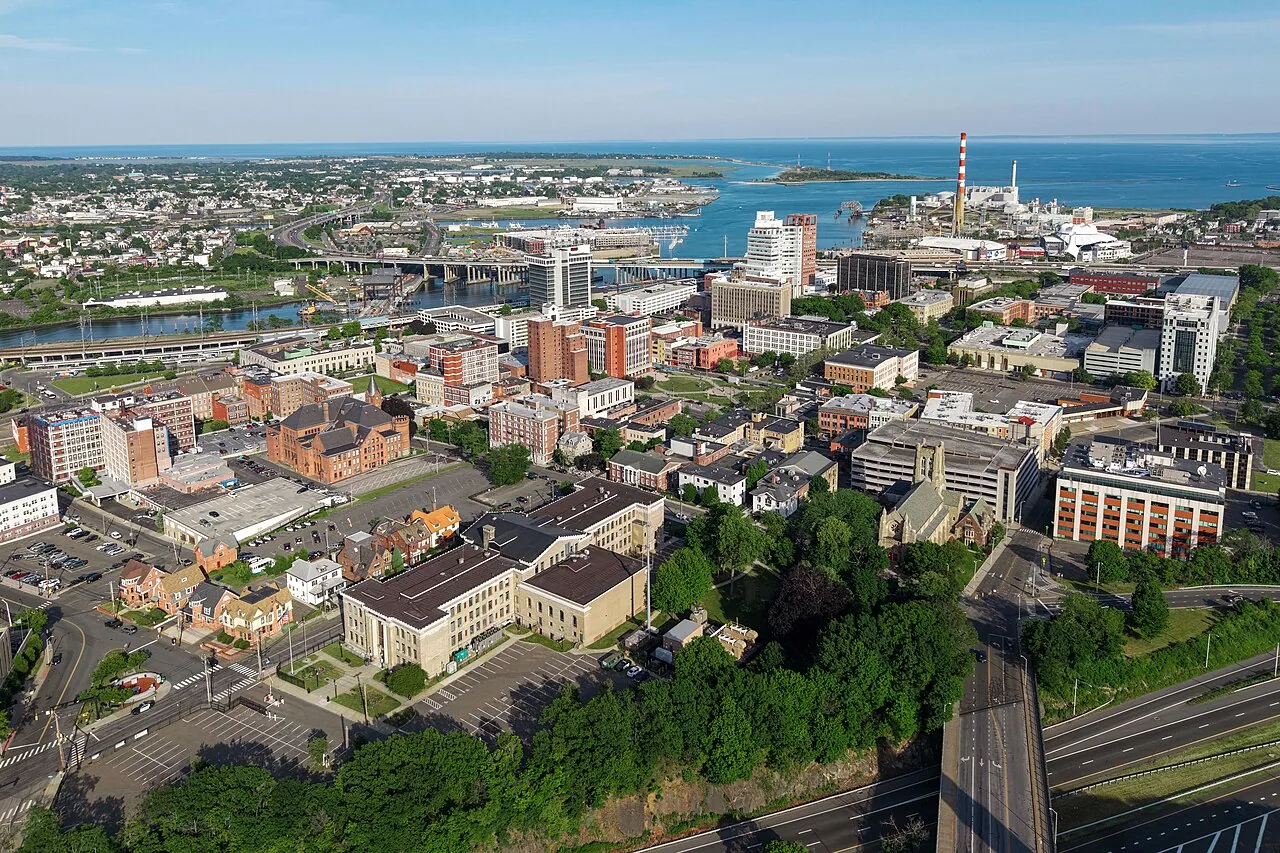
Redding has 31.5 square miles of land, and its town center lies about 13.0 miles from Bridgeport's center by straight-line measurement. Those figures describe municipal geography, not the route to a specific property. We use the building's address, roof plans, and access instructions to plan the trip and staging. Every written finding is tied to the roof area inspected, with any inaccessible zone clearly marked.
Mark the Affected Zone
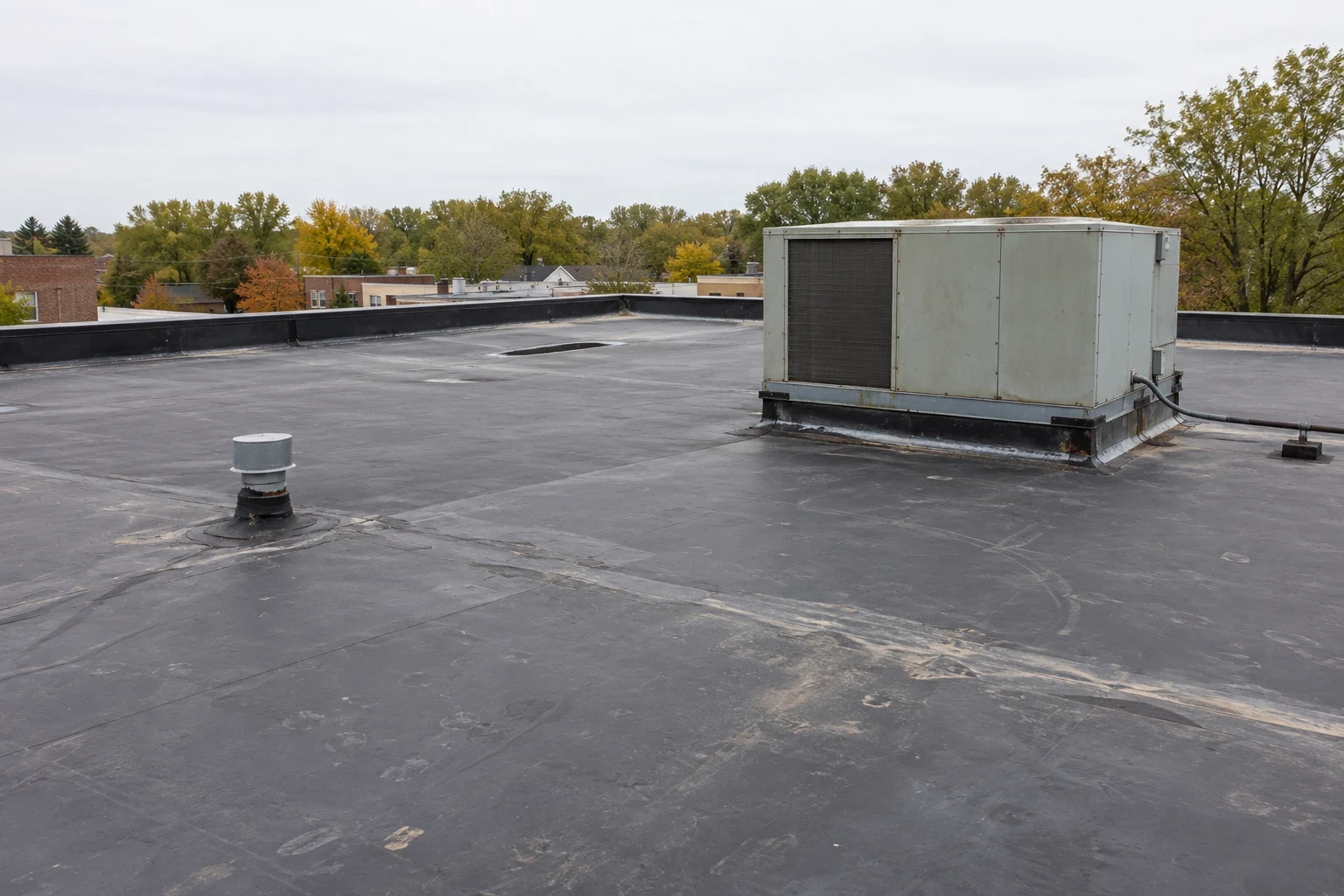
A roof inspection follows the likely water path instead of expanding from the ceiling stain without evidence. We compare the reported interior location with laps, drains, wall lines, curbs, equipment supports, and prior patches. Where several potential paths meet, we photograph each one and identify the next useful check. If the deck cannot be seen, the report says so. A defined limit helps the owner approve a repair without treating a working theory as a confirmed failure.
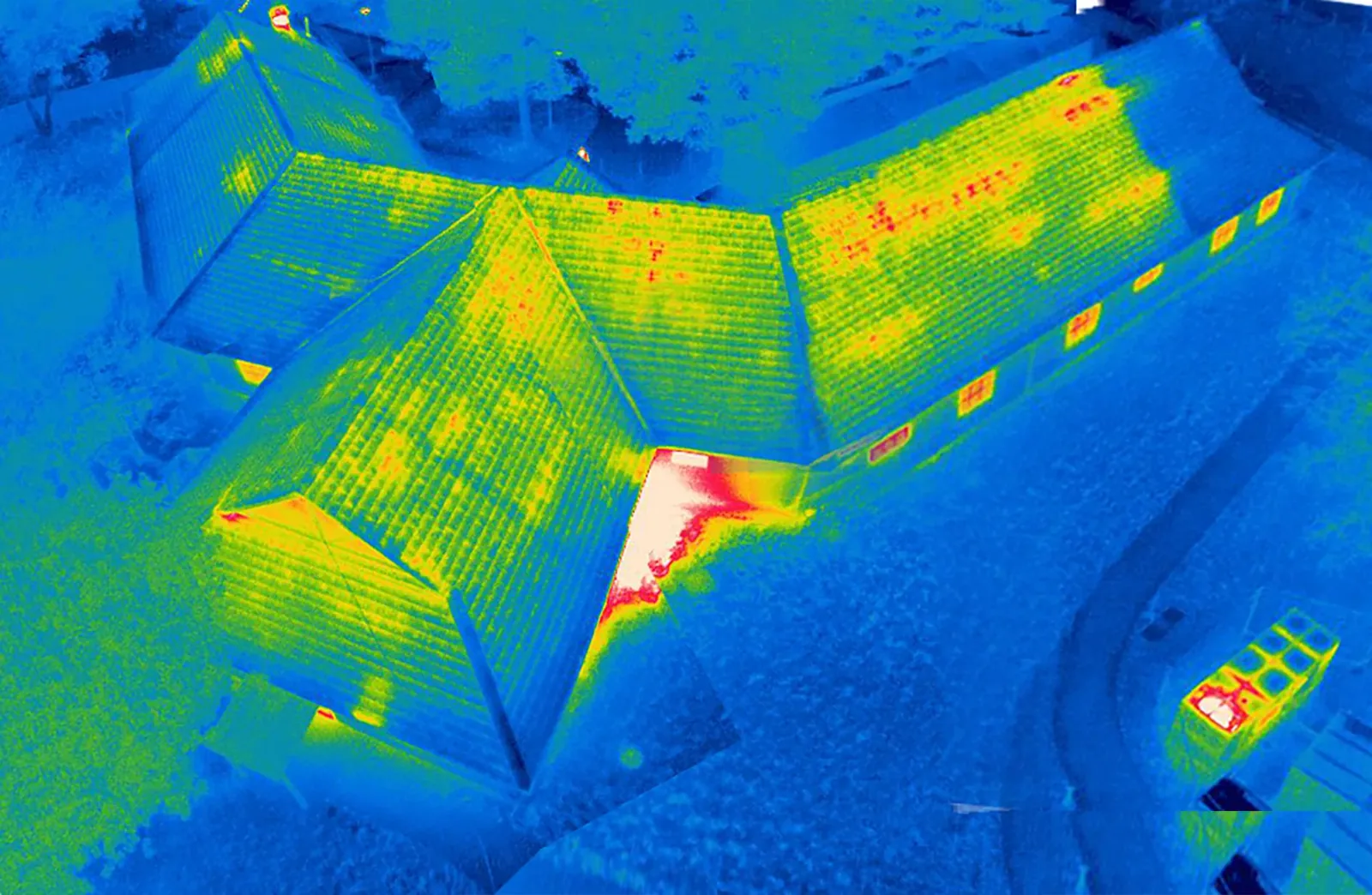
A roof repair should stay within a clearly stated work boundary. We record the property contact's access instructions and the exact area under review, while the owner and design professional confirm any approvals that apply to their project. For the roof itself, a commercial condition survey documents visible conditions and access limits; if moisture is uncertain, an infrared survey can help target openings when scan conditions are appropriate.
Prepare for a Dry-In
Winter exposure can change the order of checks even when the leak is intermittent. Across the 1991-2020 normal period, annual snowfall at the Bridgeport station averages 33.6 inches, while precipitation averages 44.09 inches. For a Redding repair, the live forecast and roof condition guide the dry-in plan. For a Redding roof, we confirm the current forecast, temporary protection, drainage path, and dry-in point before opening the assembly.
A drain bowl may look clear while the line below remains restricted. We inspect accessible outlets and surrounding membrane, note standing water, and compare the result with roof slope and prior service records. A drain and scupper review distinguishes visible obstruction from a broader drainage question. If a low area recurs, the ponding-water scope records its boundary and any interior evidence before coating or overlay options are considered.
Set the Access Sequence
If a roof plan is incomplete, the first work product can be a marked sketch showing drains, equipment, transitions, and the area under review. We distinguish dimensions observed in the field from items estimated from an old drawing. The design professional can decide whether additional measurements or openings are needed for a permit package. That gives the facility director a traceable record before design begins.
Access planning can be as important as the repair detail on a working property. We confirm the roof entry, fall-protection plan, material drop point, equipment clearances, and any restricted hours. If a work area sits above an occupied room, the sequence should include notice, interior protection, debris control, and a daily closeout. A larger replacement can be divided into manageable sections, but each day's stopping point must leave the assembly protected from weather.
Test Before Widening Scope
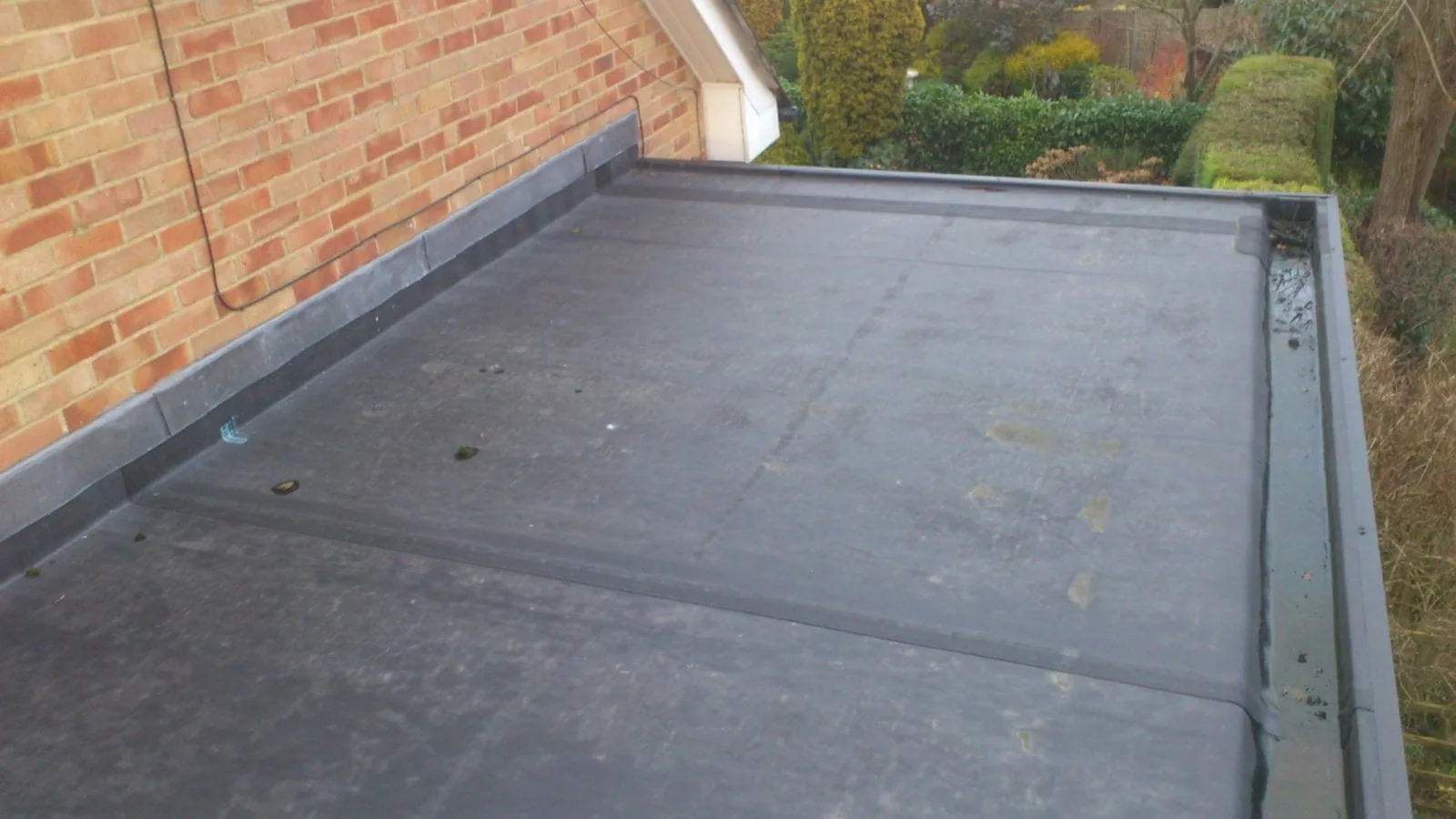
A patch is appropriate only when the failed area and sound tie-in are understood. We note surface preparation, compatible materials, reinforcement, and the boundary of the repair, then identify adjacent conditions that deserve monitoring. If the same seam has been patched repeatedly or moisture extends past the visible opening, an additional inspection can prevent a narrow scope from missing the cause. The repair plan describes what the crew will touch and what remains outside the work.
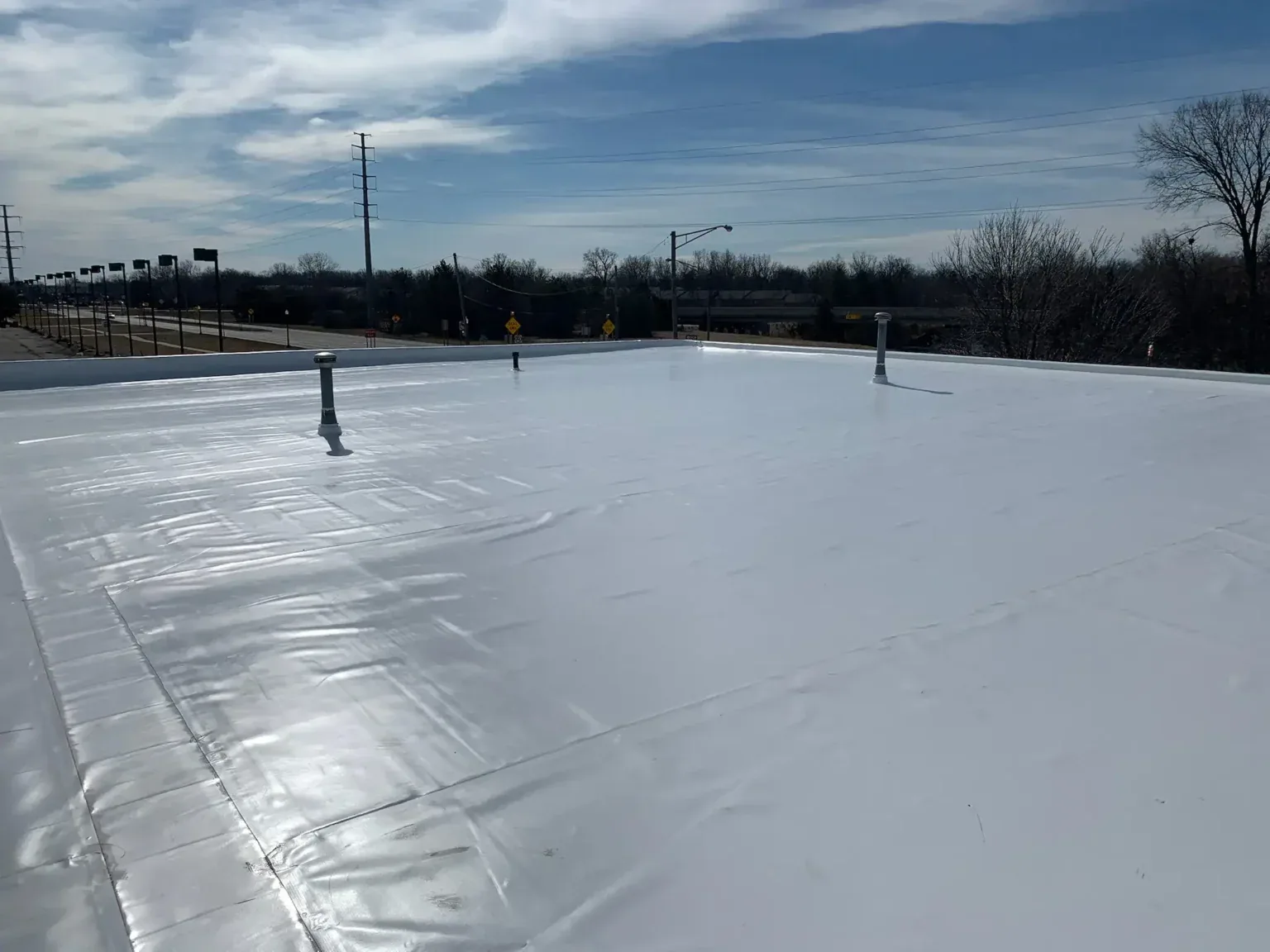
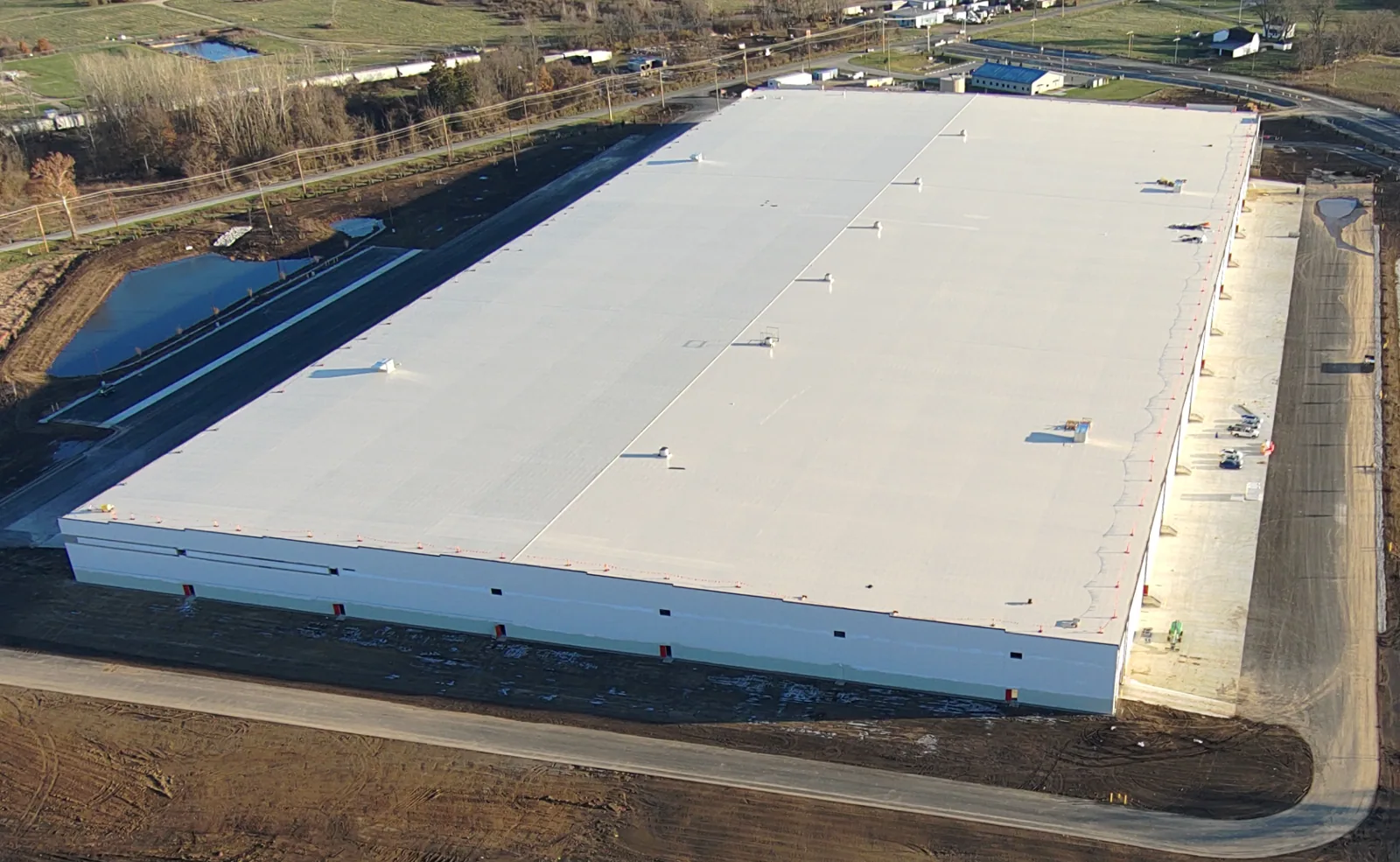
Replacement planning weighs the condition of existing layers, deck, insulation, edge metal, drainage, and penetrations. A recover can leave existing material in place only when the assembly and project criteria support it; tear-off may be needed to address concealed conditions. We compare the protection below, hauling route, staging space, and weather exposure. A membrane system review or capital planning record helps place the technical choice beside the building's timing and funding decision.
Keep the Record Useful
At the end of the visit, the record should be usable by someone who was not on the roof. We label images, identify the zone and detail, list work completed, and state the next inspection trigger. If a test could not be run or an area was inaccessible, that is part of the handoff. A maintenance visit can return to the same photo positions and compare drains, seams, and patches without rebuilding the history from memory.
Before scheduling, gather roof plans, the dates and rooms associated with leaks, previous repair notes, and access rules. Tell us whether a temporary response or a budget decision has priority. We can then make the first visit answer the right question. Nearby Wilton and Bethel coverage uses the same documented method, while property-specific access stays local. A maintenance review can turn the repair record into a repeatable follow-up plan.
A property record is stronger when it pairs each photograph with a roof-zone label and an observation date. We note whether a drain was clear, which seam was open, and whether the surface was dry during the visit. That distinction matters on a later call: a new stain can be compared with the earlier roof condition without relying on a general note that the roof was checked. The facility director can then prioritize a return to a specific detail or request a broader review with a clear reason.
For a Redding building, record which access point remains available during loading and who verifies the roof is dry before work resumes.
Questions and Answers
How do you decide whether a wet area needs an opening?
We first compare roof-side observations, interior reports, prior repairs, and any moisture survey results. A small opening can answer a specific question about the layers, but its location and purpose should be stated before cutting. If access or scan conditions limit the evidence, the report identifies that gap and offers the next test rather than overstating certainty.
Can the roof crew work during an occupied business day?
The schedule depends on access, noise, material handling, and what sits below the roof zone. We coordinate the work window with the building contact, set a staging route, and plan protection before opening the assembly. Some tasks can proceed while other operations continue; intrusive or disruptive phases may need a separate time. The daily handoff marks which zone is safe and closed.
What should be included in a storm-related repair record?
Record the date reported, affected interior area, roof zone inspected, observed damage, temporary measures, and photos before and after work. Separate the visible condition from any suspected cause. That format helps the owner track whether water has returned and gives the next reviewer a usable baseline without implying facts the inspection did not establish.
When should a building consider preventive maintenance?
A maintenance plan is useful when drains, penetrations, seams, or prior repairs need repeat observation and a record of changing conditions. We establish accessible roof zones, identify known details, and note a practical return trigger such as a repair closeout or seasonal review. The program should match the assembly and operating schedule, not rely on a generic calendar alone.
Related Roofing Work