Commercial Roofing in Monroe, CT
Review roof repairs and replacement planning in Monroe, CT with a practical inspection sequence, drainage checks, and a written work boundary.
A Monroe service call may begin with one interior leak report, yet the roof area needing attention can be larger or farther away. We confirm who can provide access, mark the room or equipment affected, and inspect above and uphill before setting a repair limit. Monroe is a Connecticut town about 10.5 miles from Bridgeport's municipal center. For Monroe visit planning, the nearby Bridgeport station's 1991-2020 normal is 33.6 inches of snowfall and 44.09 inches of precipitation each year. The roof walk verifies the actual membrane, insulation, attachment, deck, and drainage path at the Monroe property.
Plan the visit around access
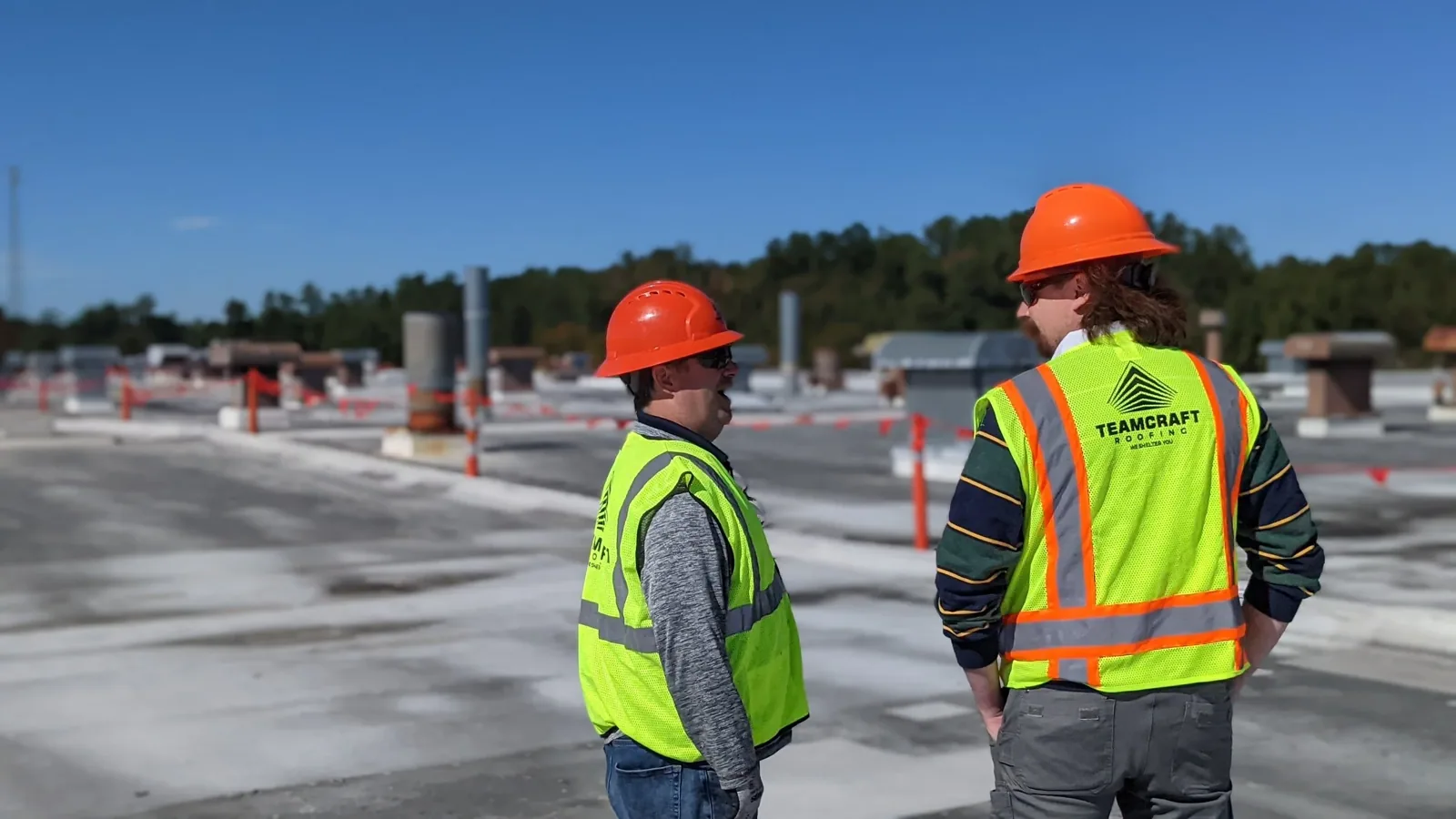
The first coordination call establishes who controls the roof entry and what activity below it must continue. We confirm hatch or ladder instructions, alarms, occupied rooms, service equipment, delivery timing, and a staging point that does not interfere with an entrance. If a crane, lift, or material drop is needed, the property contact helps identify the route and any pedestrian separation. Work proceeds by roof zone so the person responsible for operations knows where the crew will be, what remains open, and which section is scheduled to close before a weather change.
Monroe is within the nearby Bridgeport region, but each building has its own access chain. We confirm each road approach, gate, and delivery window with the property contact before mobilization. Before mobilization, we confirm the site contact, roof condition, forecast, and protection needs below the work. A phased reroof plan is useful only when each area can be safely prepared and dried in; it should not promise that an occupied floor will remain untouched. The daily handoff states what was completed, what stays protected, and what needs approval next.
Follow the water across the assembly
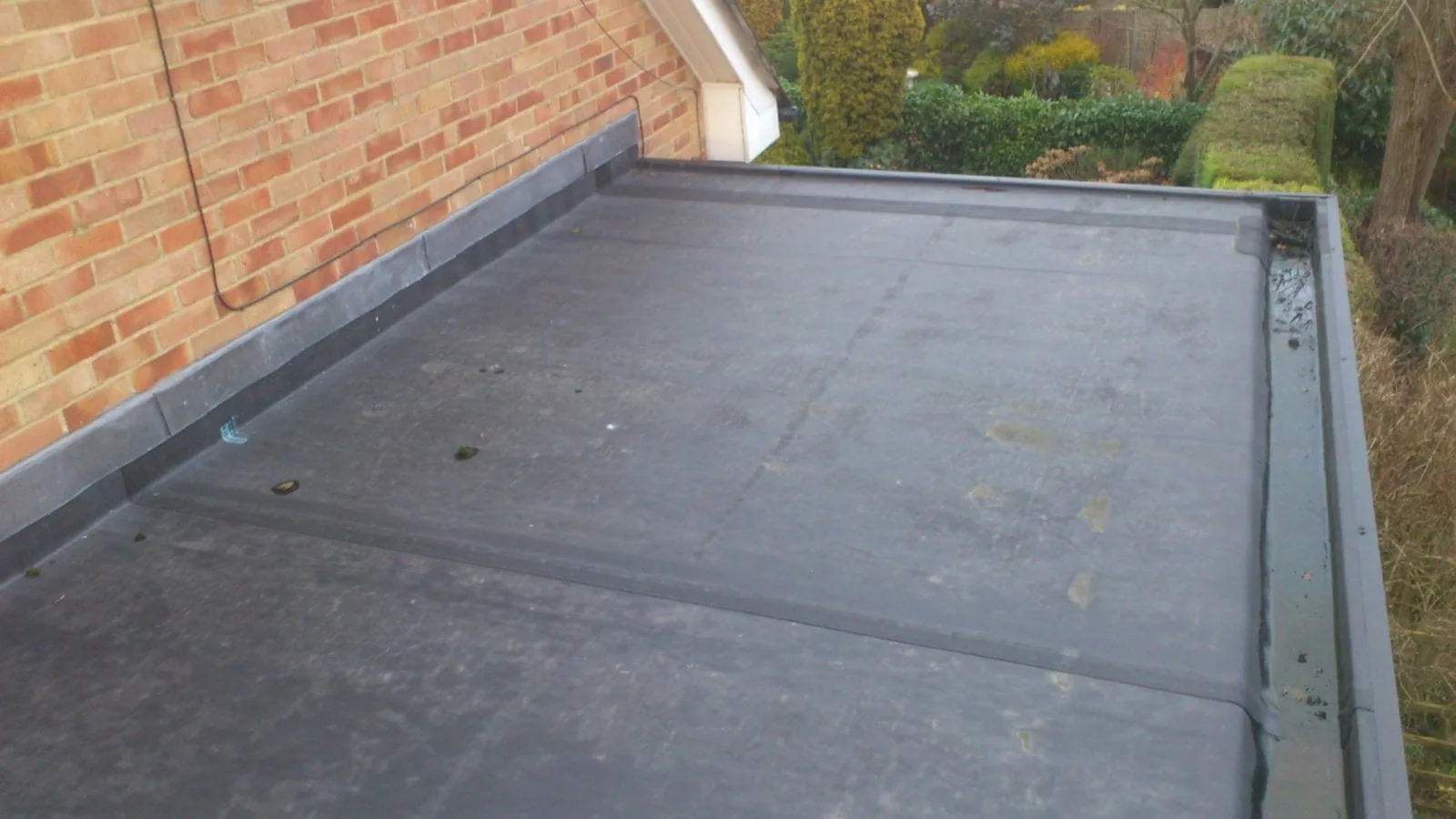
A ceiling stain can appear at a low point even when the opening is uphill or at a perimeter. We map the affected interior area and inspect the corresponding roof zone, then trace laps, seams, pipe penetrations, curbs, wall transitions, metal edges, and drainage. If ponding is visible, we check the drain bowl and the route leading to it rather than assuming debris is the only cause. Loose edge metal or a failed curb flashing can admit water while nearby membrane remains intact. The drain and scupper inspection records the outlet condition and surrounding details.
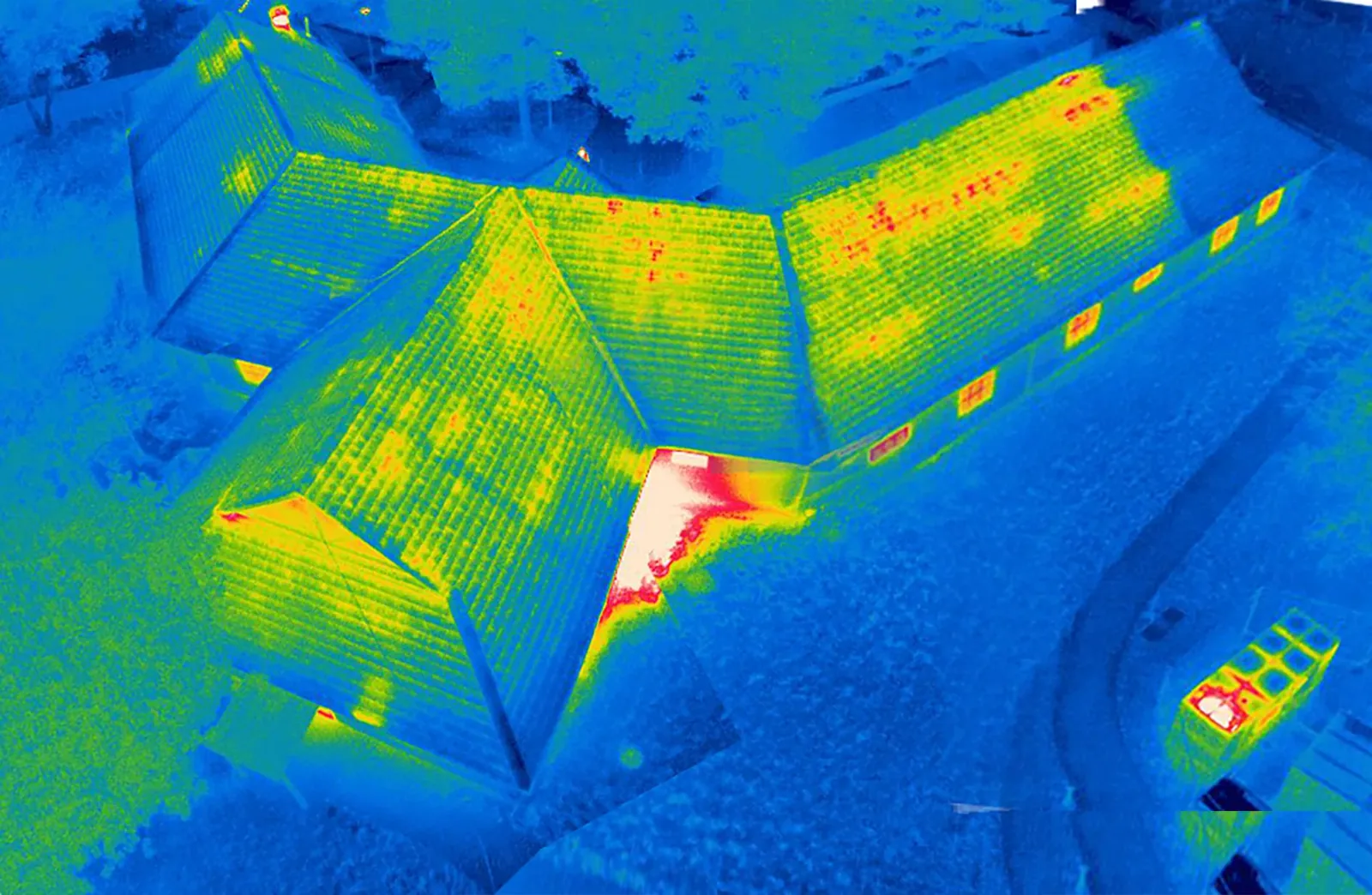
Where concealed moisture could change the recommendation, we choose a verification step before measuring a broad removal scope. A thermal pattern can help identify an area for testing, but it is not proof of wet insulation. A test cut, visual check, or agreed moisture measurement can establish what is below the membrane. We label any limitation, such as a roof zone not reached because of equipment or weather. The infrared survey can guide that investigation; the conclusion remains tied to observed results. This sequence gives the owner a specific next decision rather than a roof-wide assumption from a single leak.
Compare a patch with a roof-wide scope
A focused repair may be enough when a single seam, penetration, or flashing has failed and the surrounding materials are sound. The scope identifies preparation, compatible materials, tie-in, testing, and the exact roof area included. If several repairs repeat in different zones, if insulation is wet, or if a deck concern appears, we step back and compare a broader correction. The commercial repair estimate separates verified work from allowances for concealed conditions. Access, height, disposal, interior protection, attachment, insulation, and equipment coordination influence cost and timing.
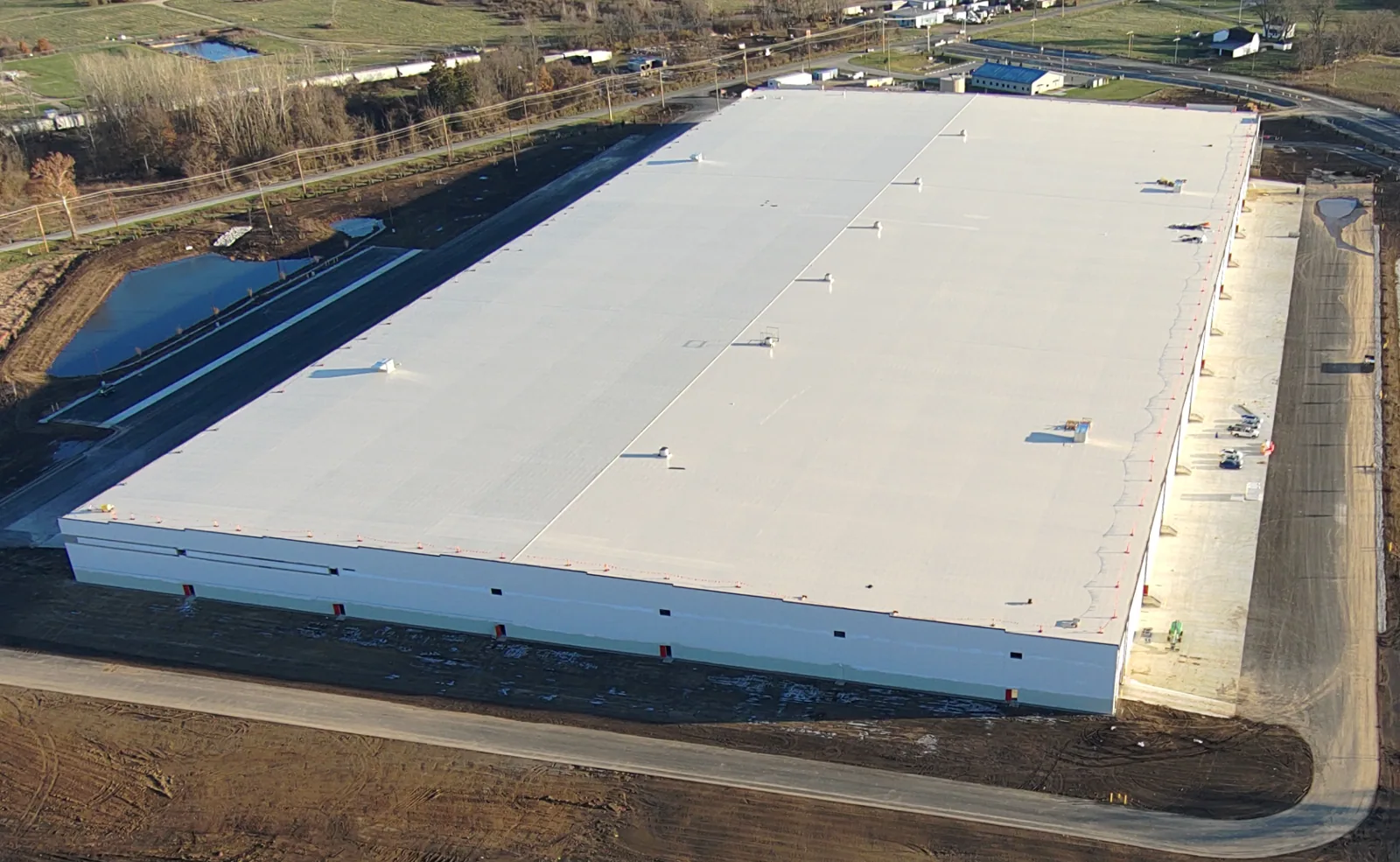
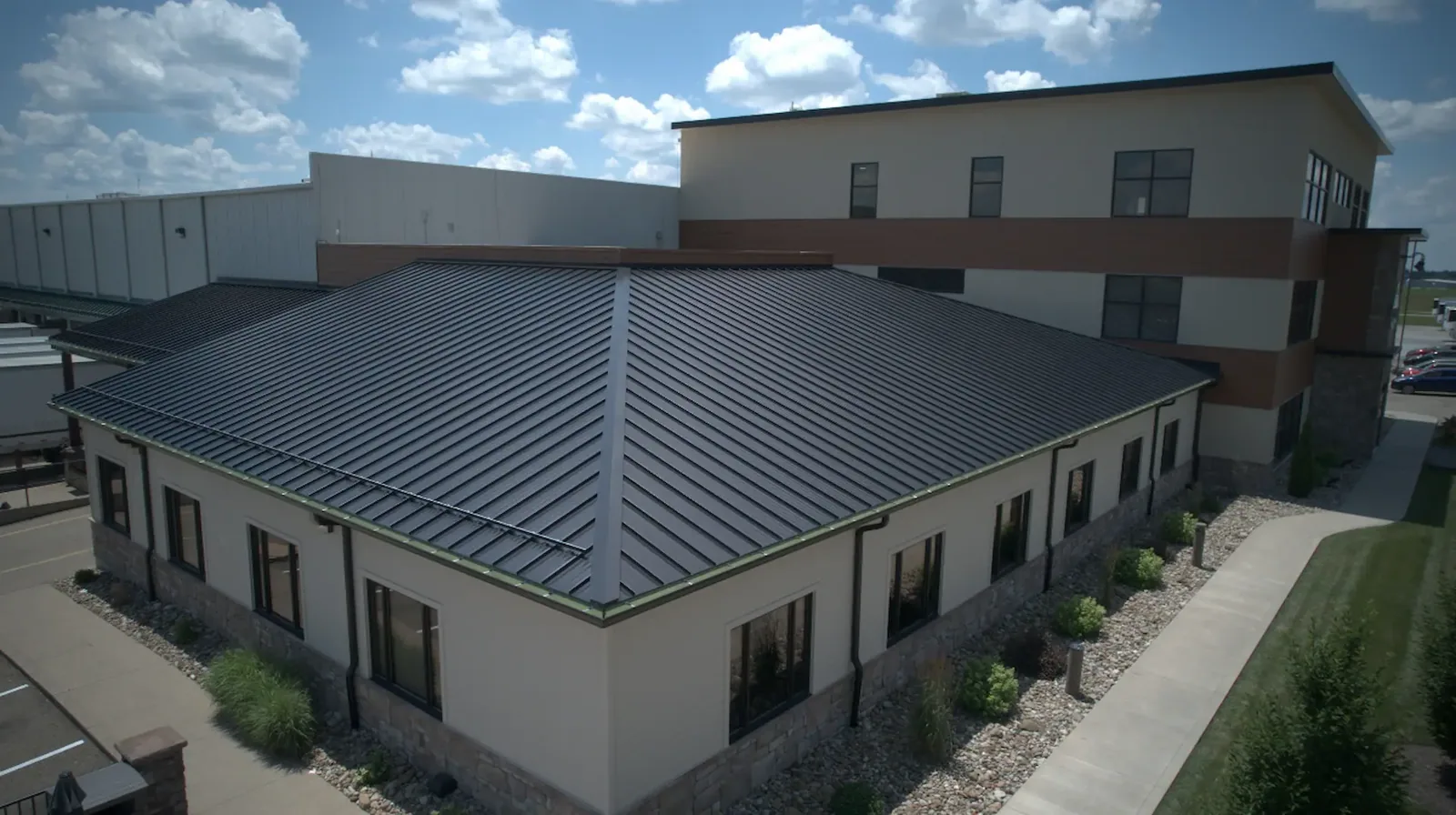
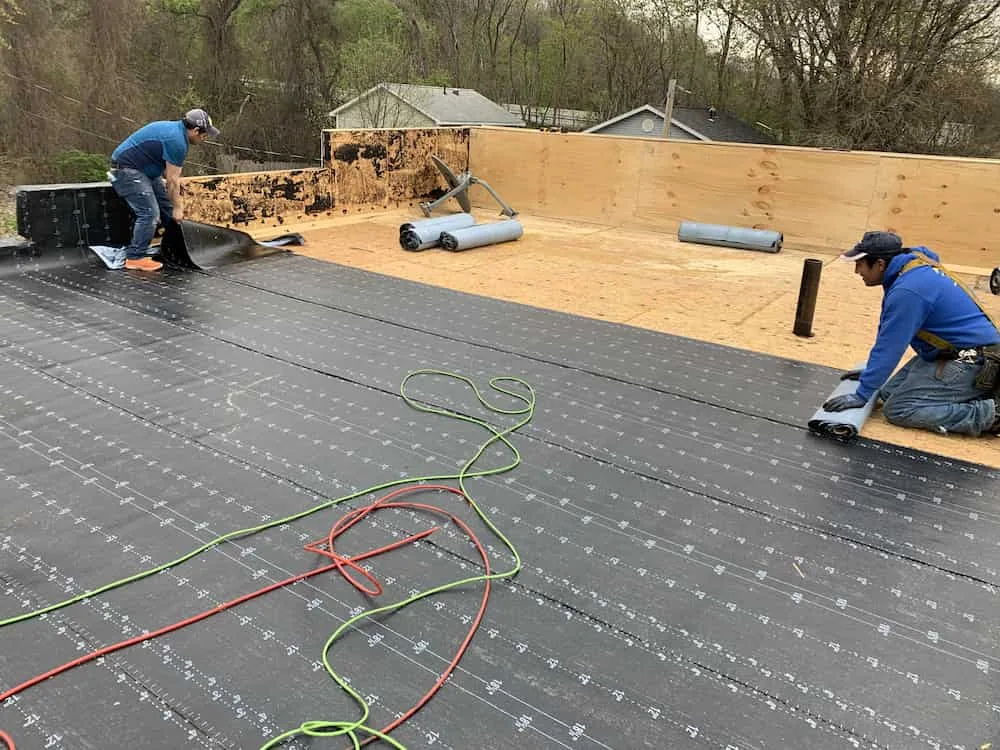
A recover adds a layer, so we check moisture, existing layer count, attachment, deck capacity, drainage, and available height at curbs and perimeter edges. Replacement makes hidden conditions visible as removal proceeds and requires a plan for protecting each opened area. A coating can renew an appropriate surface, but it cannot dry insulation or correct an unstable substrate. For a new standing-seam metal system, the proposal should show panel attachment, clips, laps, transitions, and water discharge. Product selection follows verified roof conditions and building use, not a generic preference for one material.
Keep the repair record tied to the roof
We close the work with the roof zone, defect, preparation, material, photographs, and repair edge documented together. If temporary protection remains, the record states how it was secured and what condition calls for a return. The owner can then compare a later leak report with the completed work, including any adjacent detail that remained outside the approved boundary. A condition report with roof-zone photos helps future maintenance staff locate a seam or outlet without repeating the entire investigation.
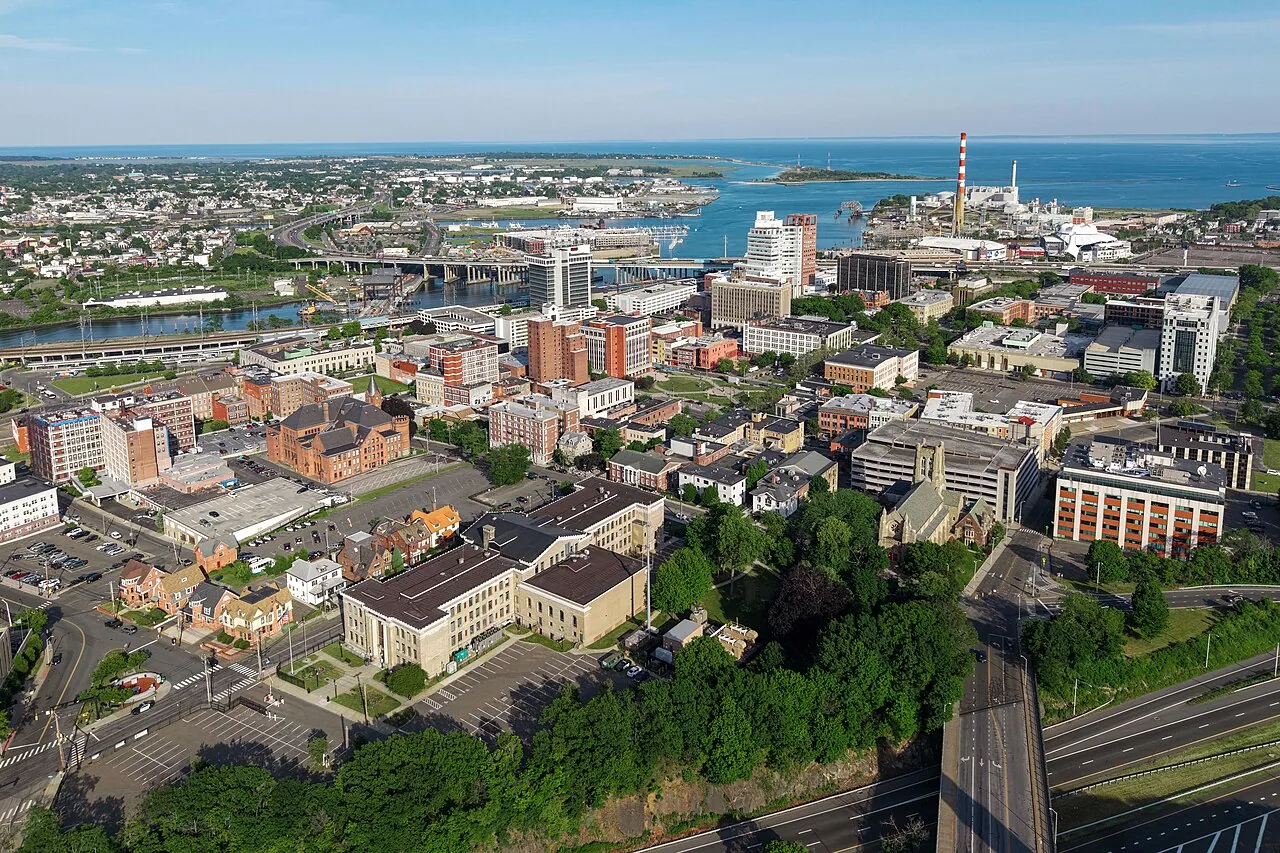
Commercial shipping and cargo at the Port of Bridgeport are part of the region's operating mix. Before a Monroe lift or material drop, we confirm the property's loading area, access path, and delivery window with its contact. We confirm that route with the site contact. The roof proposal records observed conditions and proposed work for the owner's review. A Bridgeport roof review uses the same disciplined handoff while keeping the Monroe building record specific. For nearby work, a Weston location is another separate municipality, not a substitute comparison for this roof.
For a portfolio manager tracking several roofs, a Monroe visit can create a baseline that is still useful when another property is reviewed later. We record the assembly where identifiable, note whether prior patches interrupt the membrane field, and flag transitions where service equipment or later trade work may affect the roof. Maintenance can then return to the same drain, curb, and seam locations instead of starting with an unmarked surface. If snow or rain delays permanent work, the report keeps the temporary condition distinct from the final repair. The next inspection trigger can be a changed leak pattern, repeated ponding, a loose perimeter detail, or a planned rooftop equipment project. Each trigger points to a practical action and a roof location, which helps the facilities contact assign follow-up without treating every observation as an emergency.
Questions and Answers
Which roof details do you check when a Monroe leak appears after a thaw?
We compare the leak report with the roof area above it, including drains, membrane laps, wall flashings, curbs, and edge metal. We note whether water is clearing, whether the outlet is open, and whether moisture may be below the visible surface. If a test is needed, the location and purpose are marked before the repair scope is priced.
How do you keep a repair boundary clear for the property team?
The proposal identifies the roof zone, the detail being corrected, the materials and preparation included, and what remains outside the scope. Photographs before and after work give the next contact a reference point. Concealed damage that could expand the work is described as a decision requiring approval, not as completed work.
Can a recover be placed over the current Monroe roof?
That depends on the existing layers, moisture, attachment, deck capacity, and the height available at edges and penetrations. We inspect or test the assembly before recommending an added layer. If the conditions do not support a recover, the owner can compare removal and replacement with a clearly stated allowance for concealed deck repairs.
What should the manager receive after the crew leaves?
The closeout should name the area repaired, the preparation and materials used, the tie-in checked, photographs, and any unresolved observation. It should also state whether protection remains temporary and which condition triggers follow-up. That gives another facilities contact a usable starting point if water returns.
Related Roofing Work
Set a Monroe roof review
Provide the property location, reported condition, access contact, and any delivery or operating limits. We will inspect the affected roof zone and return a written scope that identifies confirmed work and any test needed before a larger decision.