
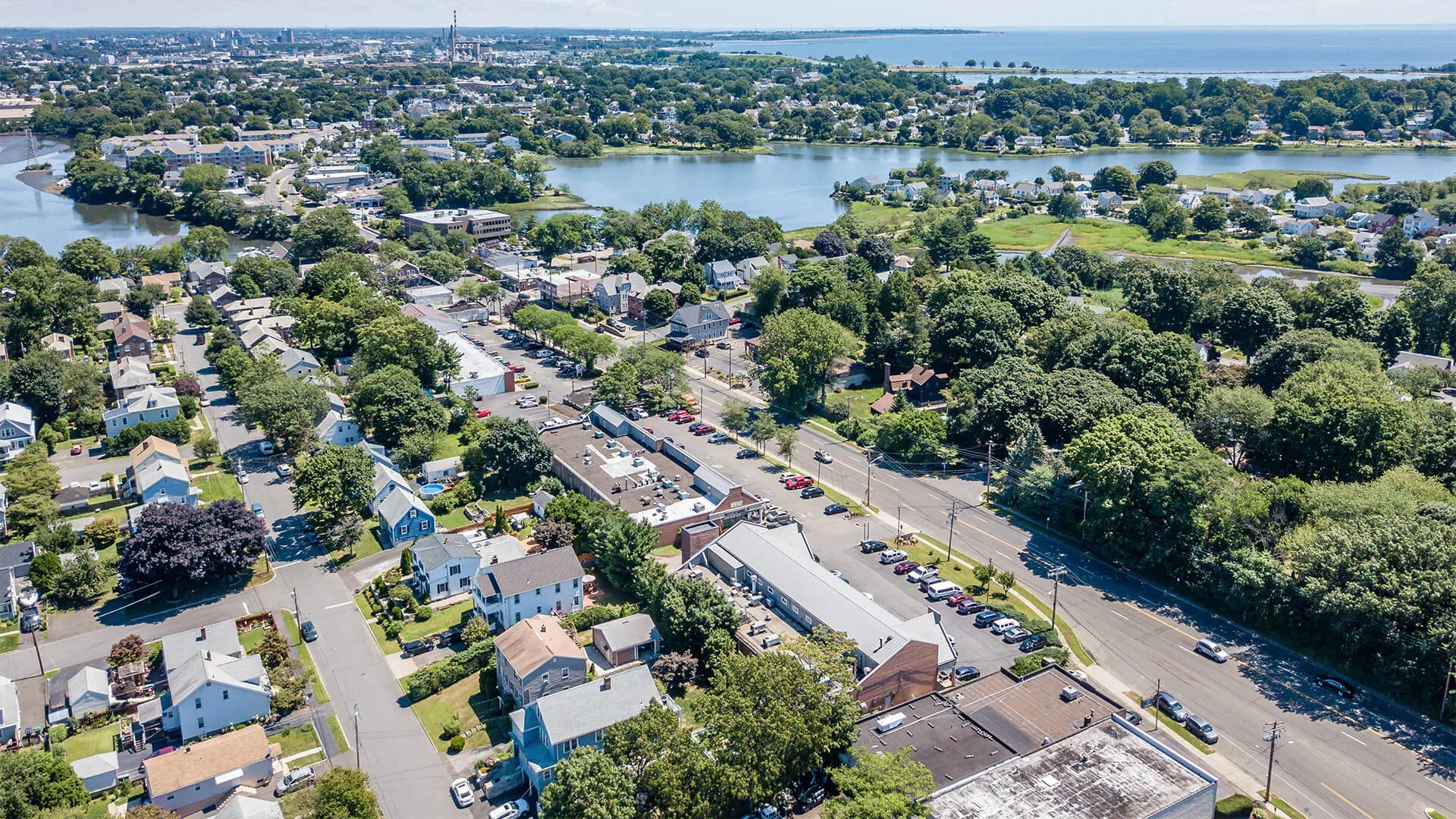
Commercial Roofing in Weston, CT
Plan a Weston, CT commercial roof inspection or repair with clear access coordination, documented findings, and options based on the existing assembly.
A roof condition can be difficult to reach before it is difficult to repair. In Weston, we first confirm who controls the entry, which occupied spaces need protection, and how tools can move from the delivery point to the roof. We mark the reported leak or surface concern, then follow it across seams, curbs, wall transitions, and drainage routes. Bridgeport Sikorsky Memorial Airport averages 33.6 inches of snowfall annually in the 1991 to 2020 climate normals. At a Weston property, we still plan drainage checks and secure each opened area before the shift ends.
Confirm the access chain
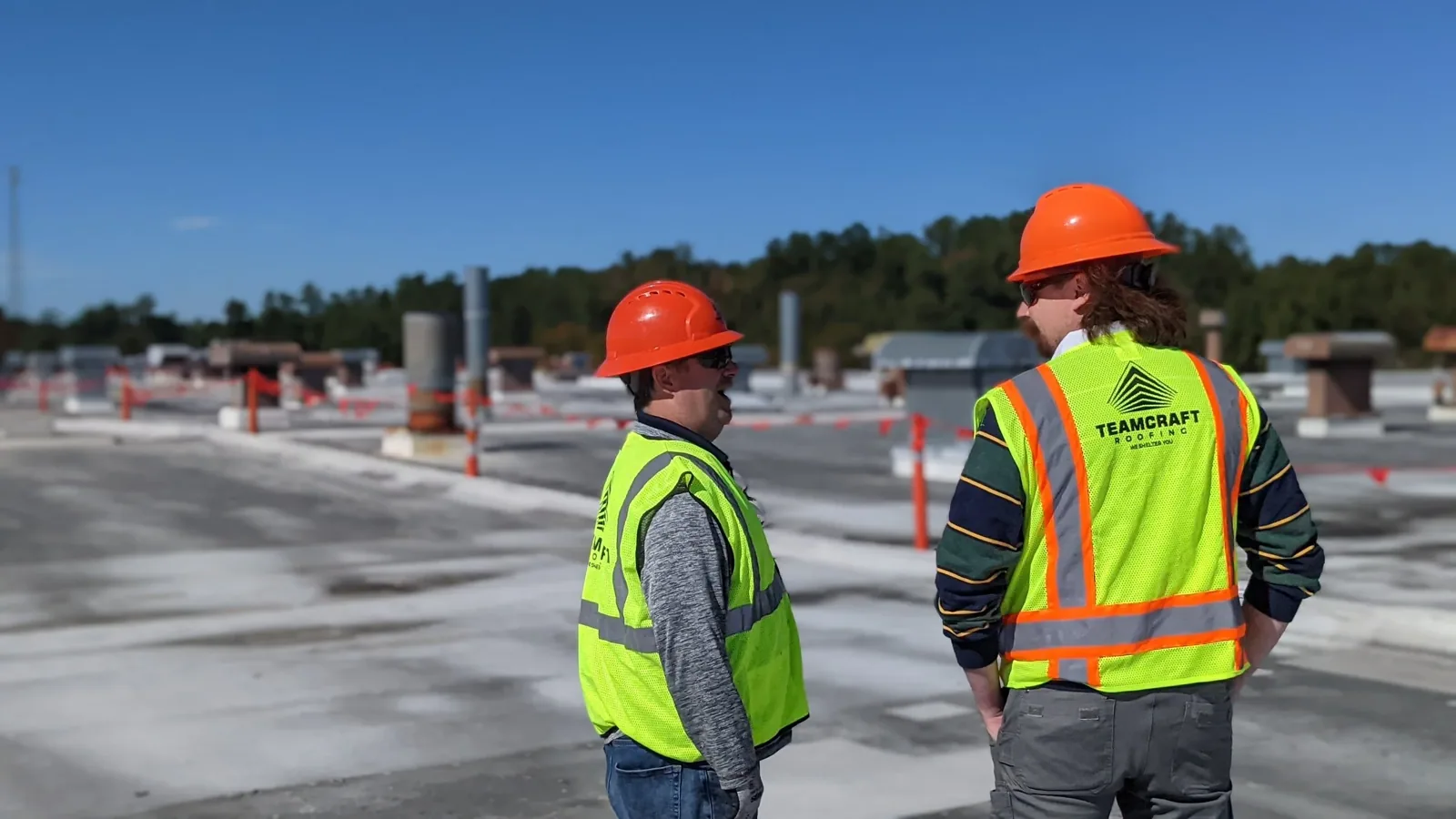
Before mobilization, we identify the person who can open the roof hatch, release an alarm, and approve the work area below. If a building uses service doors, a loading path, or shared equipment access, we agree on the route and staging zone so the crew does not obstruct an occupied entrance. A facility contact can also identify delivery periods, sensitive rooms, and any shutdown that would affect a fan, curb, or other rooftop equipment. Those details determine which roof area can be inspected safely and how much work can fit into a shift.
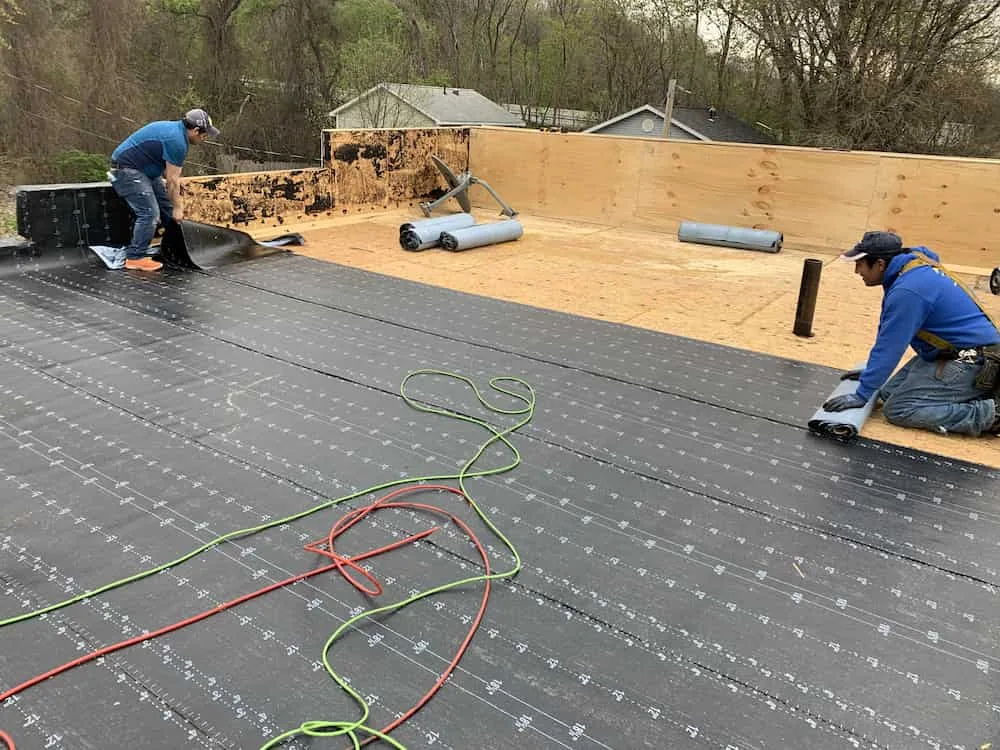
We confirm gate instructions, available lifts, pedestrian separation, and material storage at the Weston property before setting a start time. During a reroof, each opened section needs a named dry-in boundary, protection below, and a handoff before the shift closes. A phased reroof sequence may keep areas available when the assembly and weather support it; the plan is set around the building's actual use.
Read each roof zone
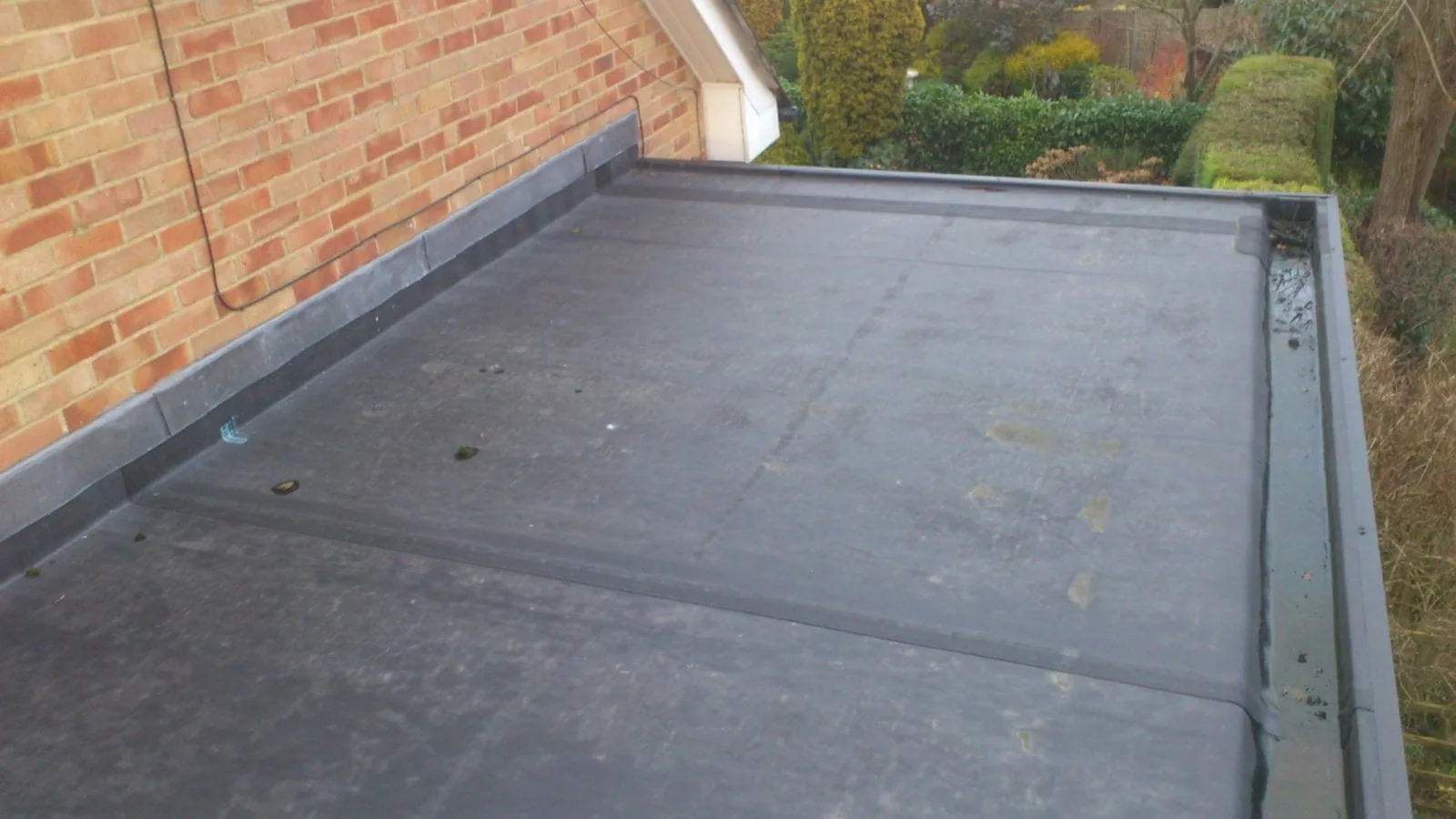
We compare the interior report with the roof area above and uphill from it. A ceiling stain may follow a seam, pipe penetration, curb, roof-to-wall transition, or edge before it becomes visible indoors. The inspection records the membrane type where identifiable, lap condition, fasteners, flashing, drainage, and any patch that changes how water should move. Where standing water is reported, we look for a blocked outlet and check whether the surrounding slope directs flow toward it. This separates a maintenance item from a defect in the assembly.
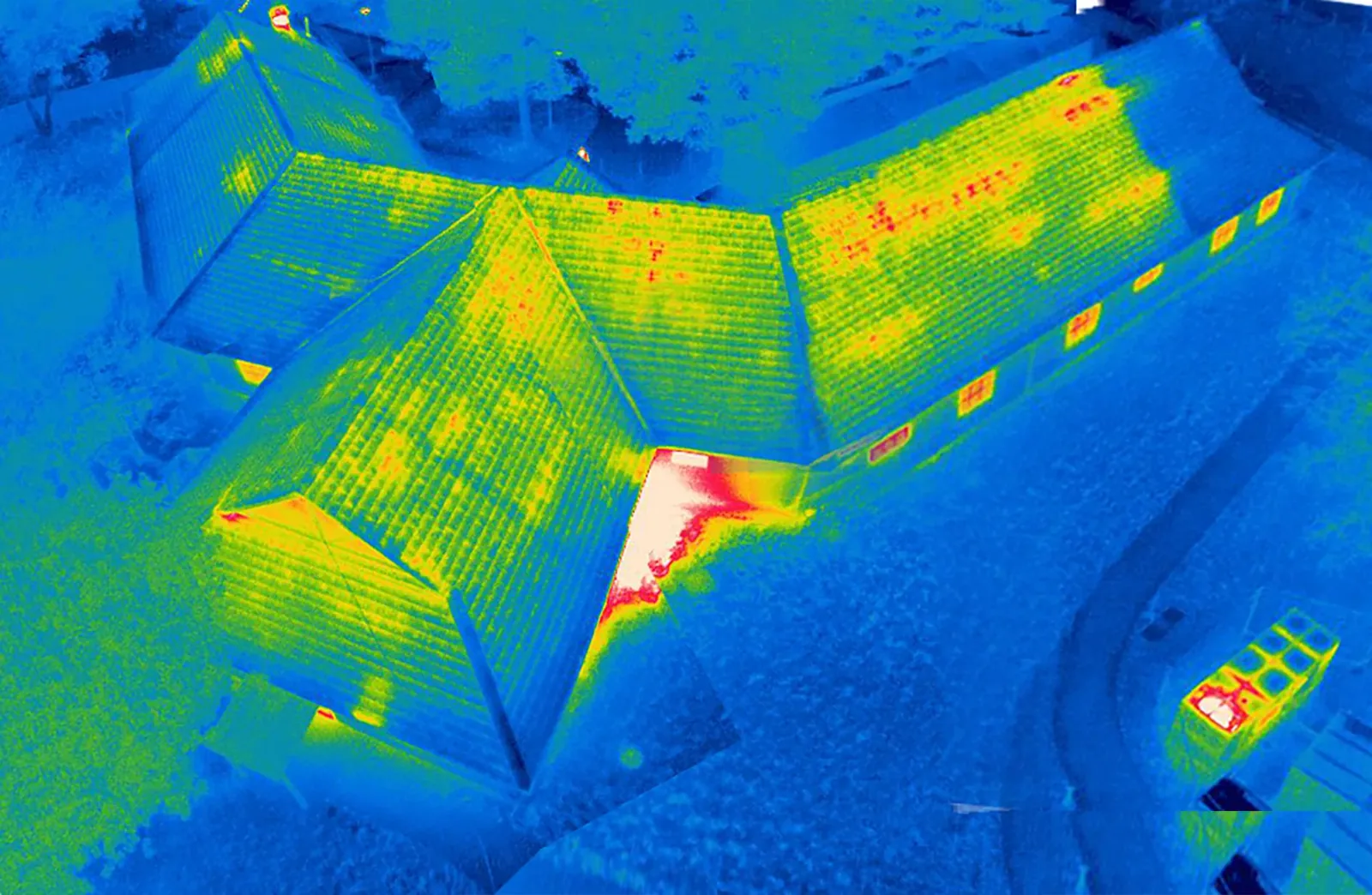
When moisture below the membrane is a concern, we do not price a broad removal based on one reading. We use a survey to select useful test locations and confirm results with an agreed opening when needed. If the deck cannot be seen, the report names the uncertainty and the next test that would resolve it. The moisture survey can help map a pattern, while a documented inspection ties each observation to photographs and a roof-zone reference. That record makes the next decision concrete for the owner.
Set the repair limit
A repair should name what will be prepared and what will remain outside the scope. For a localized seam or flashing failure, we check whether surrounding membrane, insulation, attachment, and deck can receive a sound tie-in. The work may include removing failed material, drying the substrate, replacing a detail, and testing the finished connection. If water or movement appears in several areas, we compare a larger corrective scope with repeated isolated patches. The repair proposal separates confirmed quantities from allowances for concealed conditions, access, material disposal, and interior protection.
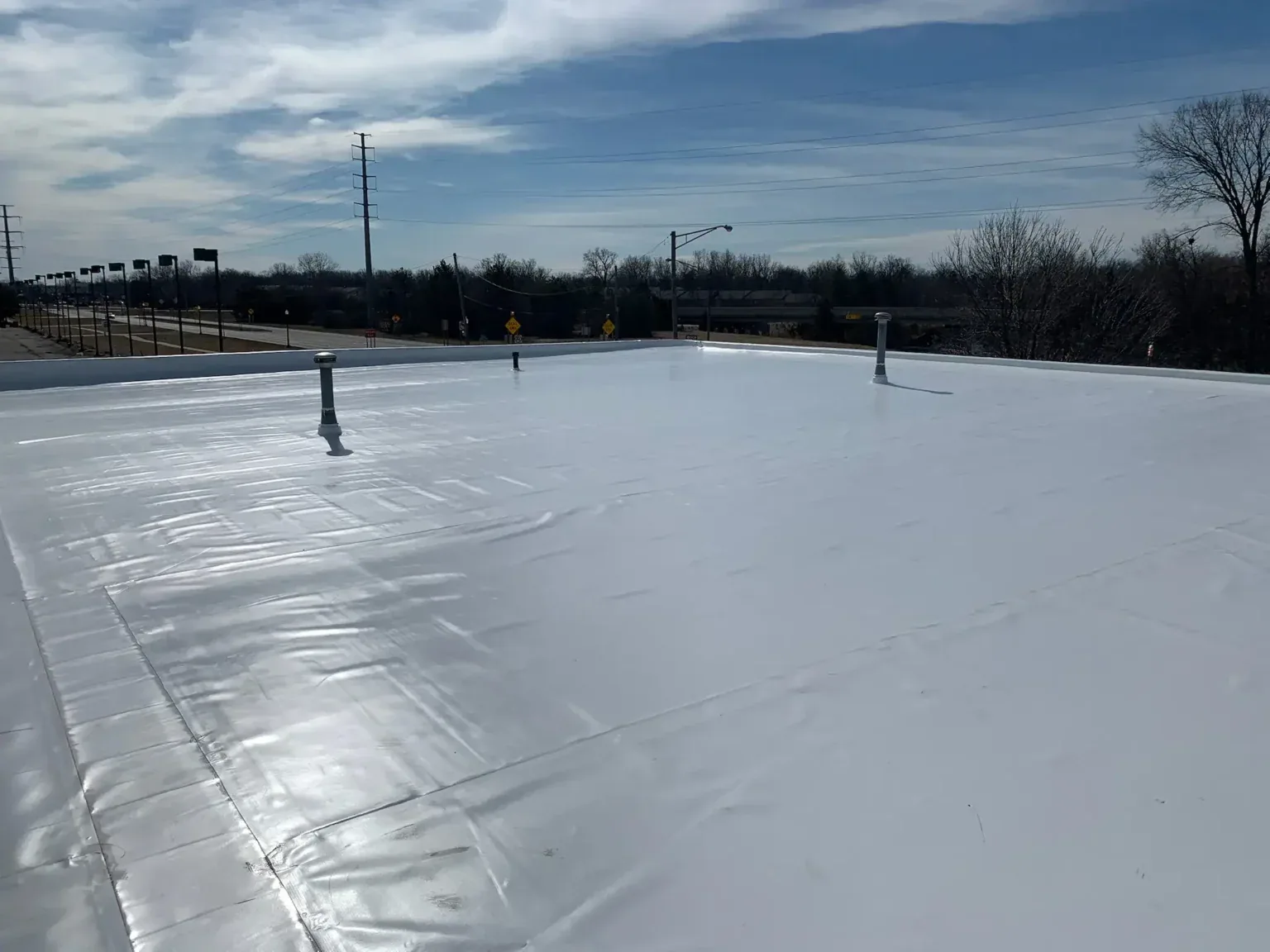
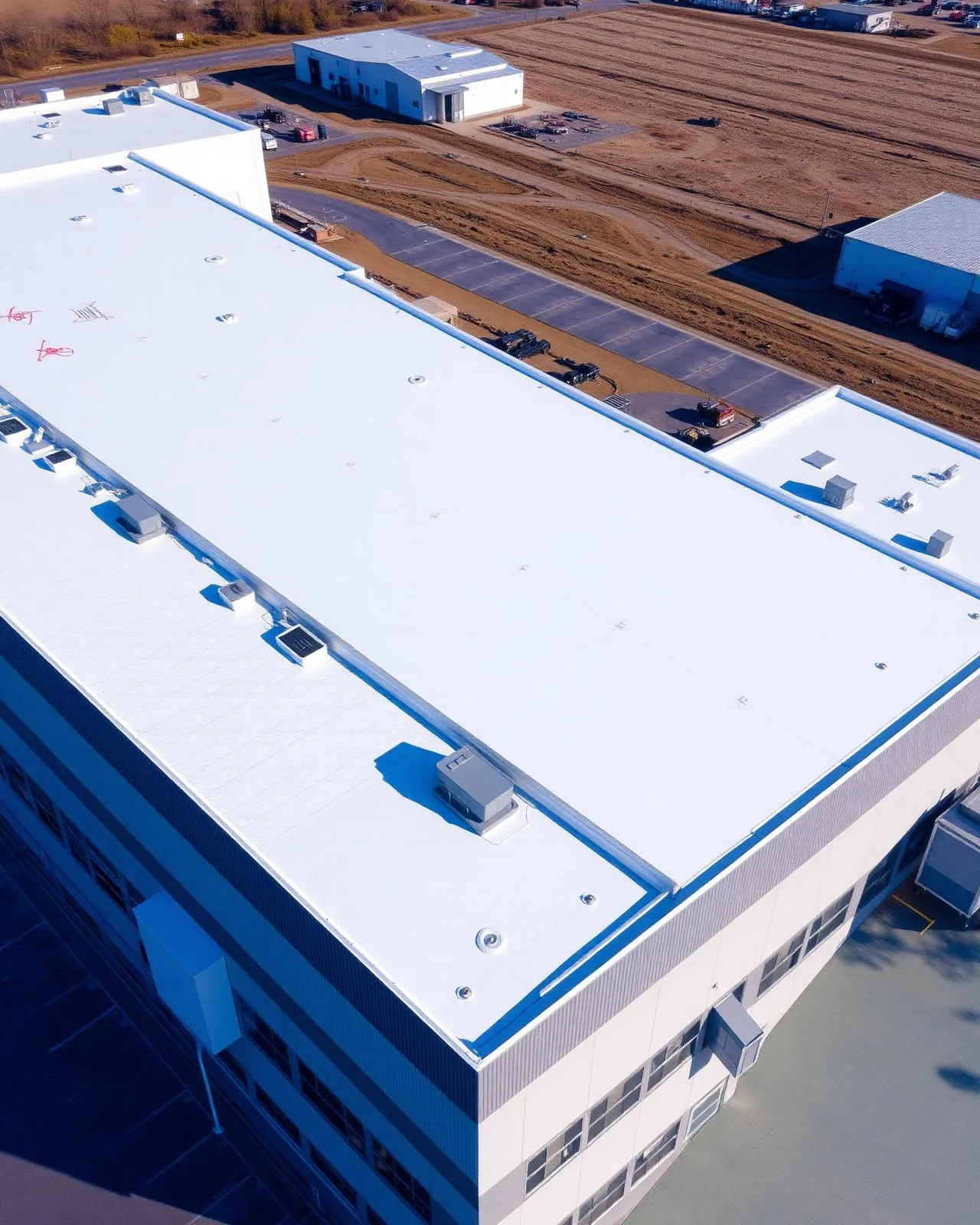
Replacement or recover requires a different set of observations. We review existing layer count, moisture, attachment, edge height, curb transitions, and structural capacity before considering another roof layer. A coating can restore a compatible surface, but it cannot dry insulation or secure an unstable deck. If replacement is appropriate, the scope should identify insulation and cover board, fastening, drainage, perimeter metal, and how each shift closes the roof. A modified bitumen system may be considered when its construction suits the verified conditions; no assembly should be chosen from town name alone. The written comparison should state what would change the recommendation.
Close with a usable record
The final handoff should let the next facility director find the repaired area and understand its limits. We provide dated photographs, a roof-zone marker, preparation performed, materials installed, and any unresolved condition. If temporary protection remains, we state how it is secured and what event calls for another visit. This matters when an owner has several contractors or a later leak appears beyond the repair boundary. A photo condition report can carry those details into the next maintenance review without blending a repair record with an estimate.
Bridgeport's port supports commercial shipping and cargo operations, while a Weston property's delivery access depends on its own road, gate, and staging space. We verify those points directly and coordinate the material lift and work window with the building contact. We can describe roof scope and observed conditions for the owner's project team, while the permit review remains tied to the actual work. A Bridgeport location provides another regional reference, and a Fairfield roof walk receives a separate roof map.
When a thaw follows snowfall, water can remain at low areas after the upper surface begins to clear. We note the location and depth of visible ponding, whether an outlet is open, and whether a seam or curb sits in the same drainage path. The field record should distinguish water that has cleared from moisture that remains in the assembly. If a follow-up opening is approved, we mark the location before cutting and protect the interior below. That lets the facility director compare the test result with the original leak report and decide whether a repair boundary should expand. We also record any area that could not be reached safely so the next inspection can begin with a known limit. This detail helps keep repair, monitoring, and replacement options tied to observable roof conditions.
Where a rooftop unit has been serviced, we inspect its curb and nearby membrane for changes made during the trade visit. A shifted line, loose counterflashing, or abandoned fastener can create a new water path even when the larger field is intact. We mark the unit and detail on the roof map so the facilities contact can coordinate future service without losing the condition record.
Questions and Answers
What happens when the roof entry is controlled by another tenant?
We coordinate with the contact who can authorize access and identify the occupied area below the work. If entry cannot be arranged, the inspection limit is documented and a new window is scheduled. That keeps the findings tied to the roof zones actually reached, with no assumption that an unseen area has the same condition.
How do you tell whether repeated leaks need more than patching?
The pattern matters alongside the material condition. We compare each reported area with seams, penetrations, drains, edges, and moisture observations. If the same defect returns or several zones show damage, a broader survey or test opening may be needed before we price replacement. The written scope distinguishes confirmed repair from follow-up investigation.
Does winter weather change the order of work in Weston?
Snow, freeze conditions, and precipitation can affect roof access, surface preparation, and how much area can be closed in a shift. Bridgeport's station normals give a regional context, but we make the schedule from the current forecast and the conditions on the roof. A safe dry-in plan sets the daily limit.
What should the owner compare across roof proposals?
Compare the marked work area, preparation, material, tie-in details, drainage and edge scope, disposal, interior protection, and treatment of concealed conditions. Ask whether each estimate assumes the same access window and roof opening. A photo record and written boundary make differences visible before approval.
Related Roofing Work
Arrange a Weston roof inspection
Send the property location, reported condition, access contact, and any operating limit that affects entry or staging. We will map the observed roof zones and prepare a written next step that separates confirmed work from any test needed.