
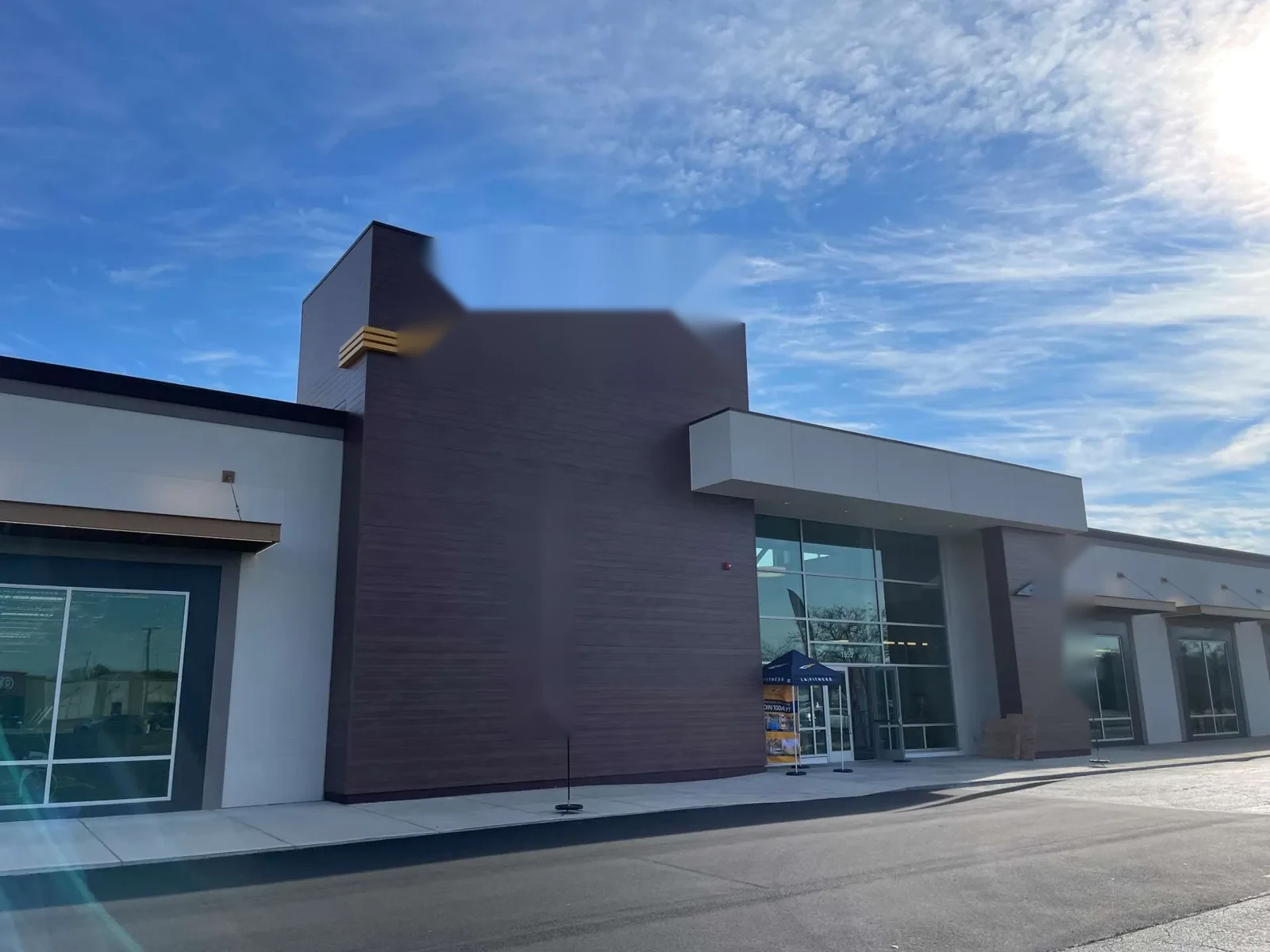
Fitness Center and Recreation Facility Roofing in Bridgeport, CT
Plan fitness center roof repair in Bridgeport, CT around member access, pool and mechanical areas, drainage, noise windows, and protected operations.
A water mark above a locker room or exercise floor needs to be traced before classes are moved or equipment is covered. We record the affected room and time, inspect roof details above the area, and check whether a drain, curb, seam, or wall transition could explain the route. The first visit sets the boundary for repair or additional testing. Facility staff can then decide which room or member path needs a temporary restriction and for how long.
Downtown Bridgeport includes office, retail, and mixed-use areas, transit connections, and adaptive reuse of historic structures. For a recreation facility there, shared entrances and surrounding activity can affect lift placement and staging. The work window still depends on that building's use. We confirm class schedules, pool or shower areas, rooftop equipment access, and member entry before selecting the work window. A roof-zone map links the crew's route to the interior area and closes each shift with a documented handoff.
Fit the Work Window to Facility Use
Fitness centers often have early, late, and weekend activity. The manager identifies peak class blocks, staff access, deliveries, and areas that cannot be taken offline without notice. We then separate roof tasks by zone, lift location, and expected noise. The plan gives the contact a clear time for any entry restriction and a route members can use instead. If a roof hatch or service corridor passes through a staff-only space, the access procedure is part of the daily brief.
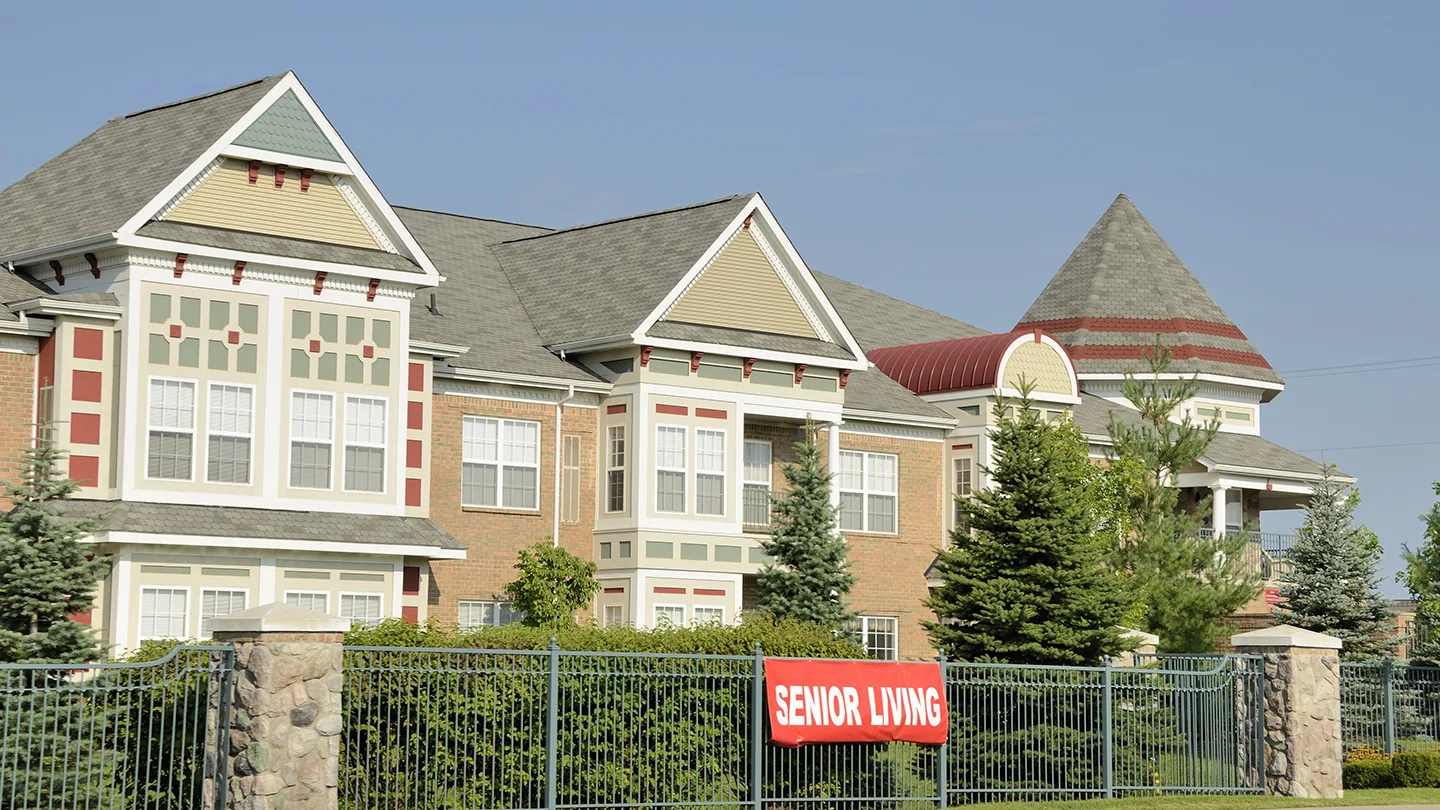
Pool decks, locker rooms, and exercise rooms may need different interior controls beneath a repair. We note equipment that should be covered, a ceiling area requiring observation, and any mechanical shutdown the service provider must coordinate. The occupied-facility sequence can organize notices and controlled routes. A senior living property or school recreation space has a different calendar, but each roof scope still needs its own contact and boundary.
Connect Interior Reports to Roof Details
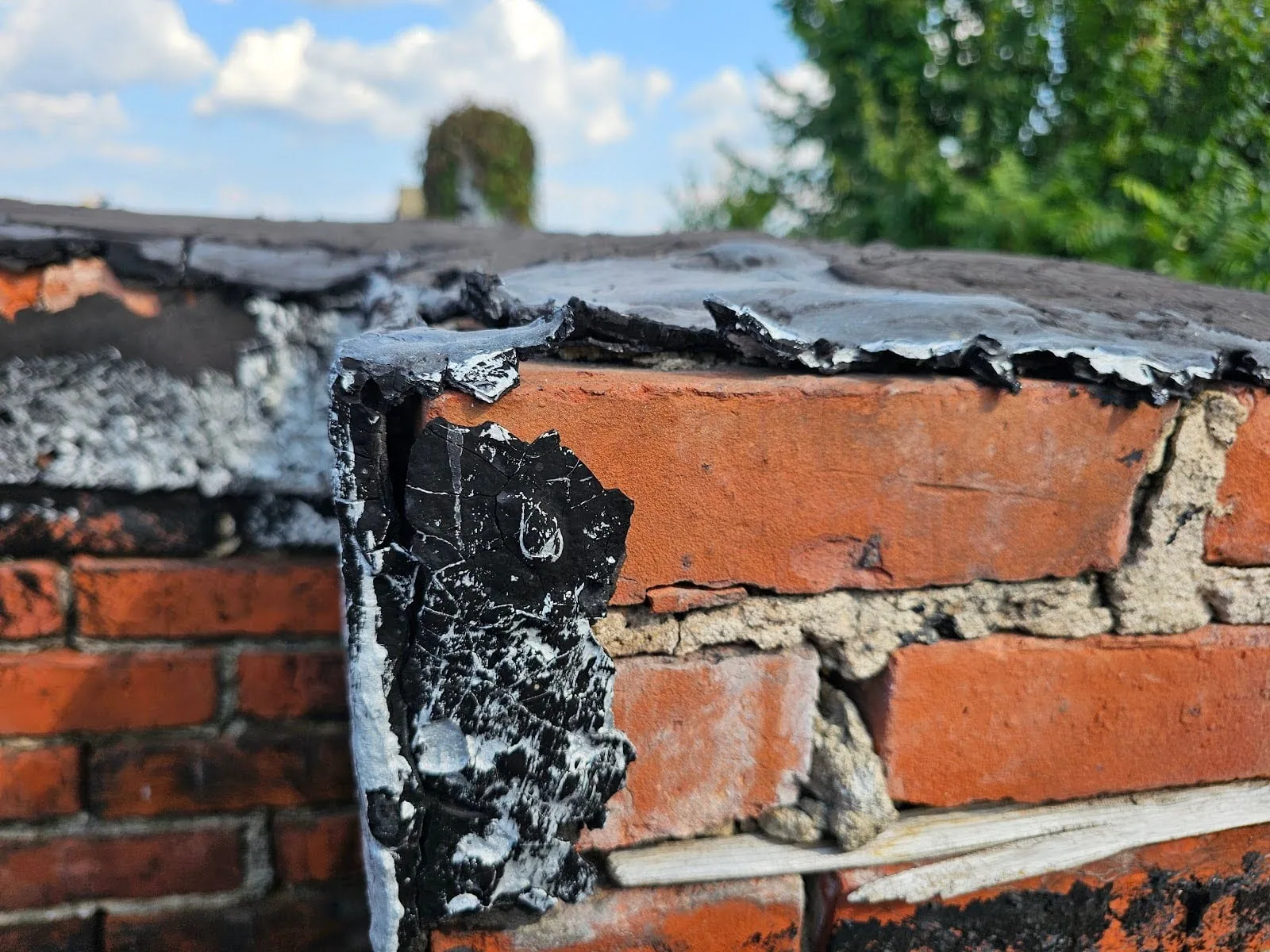
Condensation, a plumbing issue, and roof entry can look similar from below. We ask when a mark appears, whether it changes with weather or facility use, and what repairs have already been made. On the roof, we examine membrane seams, penetrations, curbs, drains, and transitions near the reported area. Notes identify the conditions observed and the test that would answer a remaining question. A clear record prevents a ceiling stain from becoming a repair specification without a roof-side check.
The Sikorsky station's long-term record averages 33.6 inches of snowfall, with 44.09 inches of yearly precipitation across the 1991-2020 normal period. Those Bridgeport station normals put outlet function and temporary protection on the wet-season inspection sequence. A commercial roof inspection maps the current details, while a flashing assessment can isolate a failed transition. If water gathers near an outlet, the ponding-water review can define the next test.
Keep Mechanical Access in the Layout
Fitness operations depend on ventilation, make-up air, heating, and other rooftop equipment. We mark the service path and inspect curbs and penetrations within the planned work zone. The scope states which area the roofer can protect and when a technician must be present. Equipment changes should not leave an unflashed opening or block the route to a unit. If an interior condition calls for a shutdown, the facility and service provider set the timing before the roof sequence reaches that curb.
Bridgeport's downtown plan discusses transit connections and adaptive reuse alongside office and retail uses. For a fitness property in an active mixed-use setting, lift placement and access may have to preserve shared entrances or adjacent deliveries. A drain and scupper review can be separated from equipment work; curb and support coordination can define the interface with mechanical trades. We record the roof's actual drainage and equipment condition rather than inferring it from the property's use.
Set the Repair Limit Before Expanding
A focused repair may be suitable when the surrounding assembly remains sound and the entry path is isolated. We check nearby laps, attachment, edges, and insulation conditions before drawing the limit. Repeated leaks across several rooms or zones may justify a broader investigation. The written scope distinguishes confirmed damage from suspected moisture and states who can approve additional work if a test opening reveals a different condition. That lets the manager weigh a short repair against larger capital work.
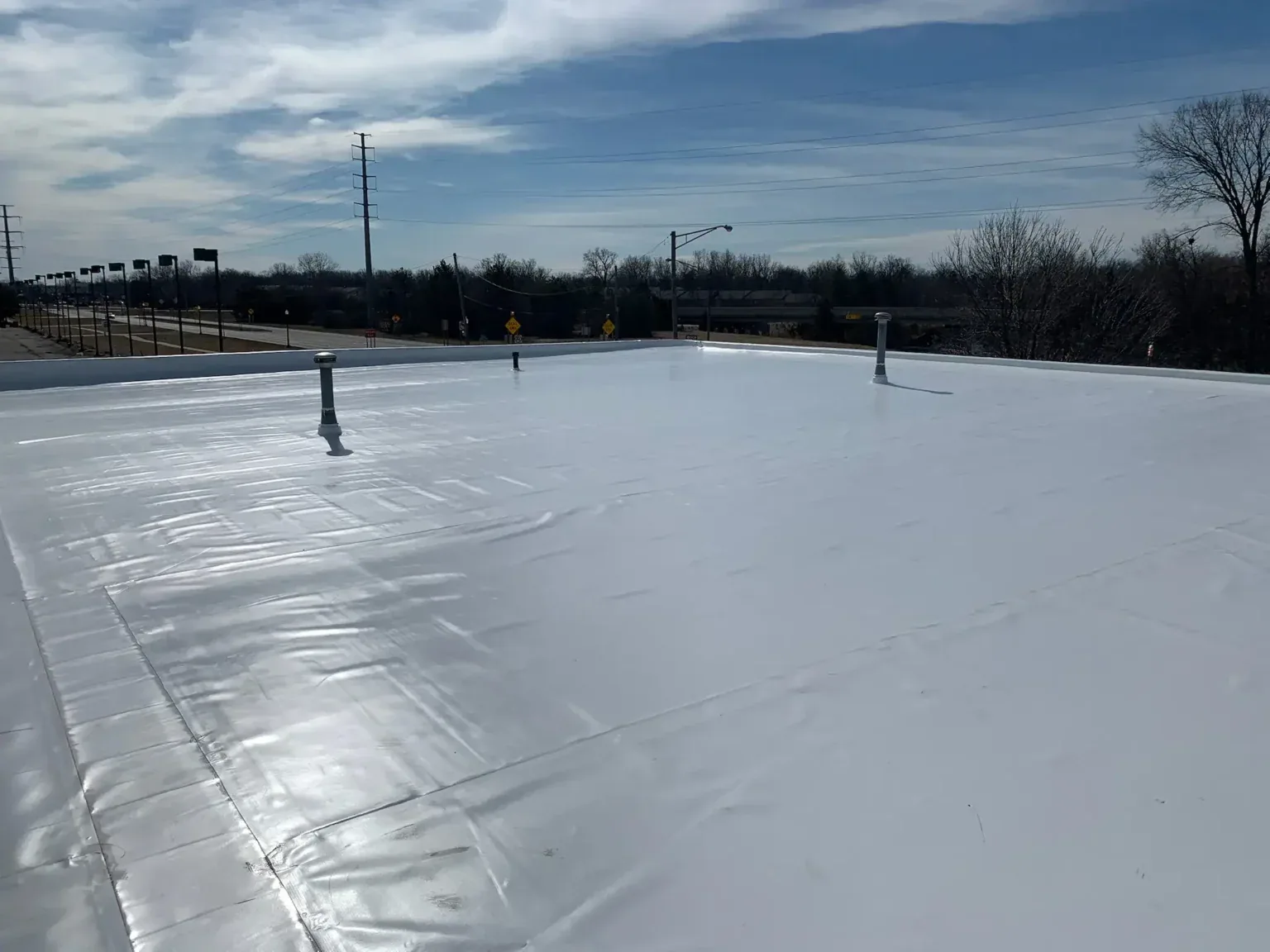
For many commercial or industrial changes in Bridgeport, zoning review needs the building identified and the proposed work described. The roof map shows work limits, access, staging, and temporary protection while the fitness center remains open. The repair scope can isolate a detail, while replacement planning addresses broader renewal if the assembly cannot support another local fix. A TPO system review can inform a later material comparison after the existing roof is documented.
Return the Space With a Documented Check
At each day's end, we verify the tie-in, remove loose material, check the affected drainage path, and confirm the roof area is protected. The facility contact receives a note showing the completed zone, any room still being watched, and the next access or shutdown requirement. Closeout photographs label the repaired detail and installed materials. If a mark remains visible below, the report separates cosmetic staining from active water entry and identifies the follow-up that would settle it.
Fitness sites in Bridgeport, Stratford, and Fairfield may share an owner, but class schedules and equipment layouts differ. Keep each roof map and access procedure tied to its own building. A condition record can support later review. The facility team can set a next inspection trigger around the next equipment change, recurring leak, or seasonal maintenance window in Bridgeport.
Near rooftop units, we note equipment identification where visible, curb condition, condensate routes, and service clearance. The facility team can coordinate future HVAC maintenance without sending trades across a newly repaired membrane.
Questions and Answers
Can roofing work happen while a fitness center stays open?
The schedule depends on the roof zone, class calendar, member route, and noise below. We identify an area that can be protected during the shift and coordinate any temporary room restriction with the manager. The work notice should name the route, timing, and person who confirms reopening.
How do you handle leaks over pool or locker areas?
Our first check compares the interior report with roof details above it and identifies whether the area needs access or temporary protection. Pool and locker spaces may have different equipment and operating needs, so the facility contact sets those limits before work. The report describes the source that can be verified and any additional test required.
Does a roof leak always come from a membrane seam?
No. A curb, penetration, drain, wall transition, or another detail may be involved, and water can travel before it appears indoors. We inspect the likely route and document the evidence that supports a repair. If moisture or a concealed condition remains uncertain, we identify a targeted next step.
What roof information should the mechanical provider receive?
Share the work boundary, access route, equipment and curb locations, any planned shutdown, and the time each area is released. The roofer and mechanical provider should confirm who handles disconnection, protection, and restoration. The closeout file records the completed interface and any service restriction.
How can management compare repair and replacement options?
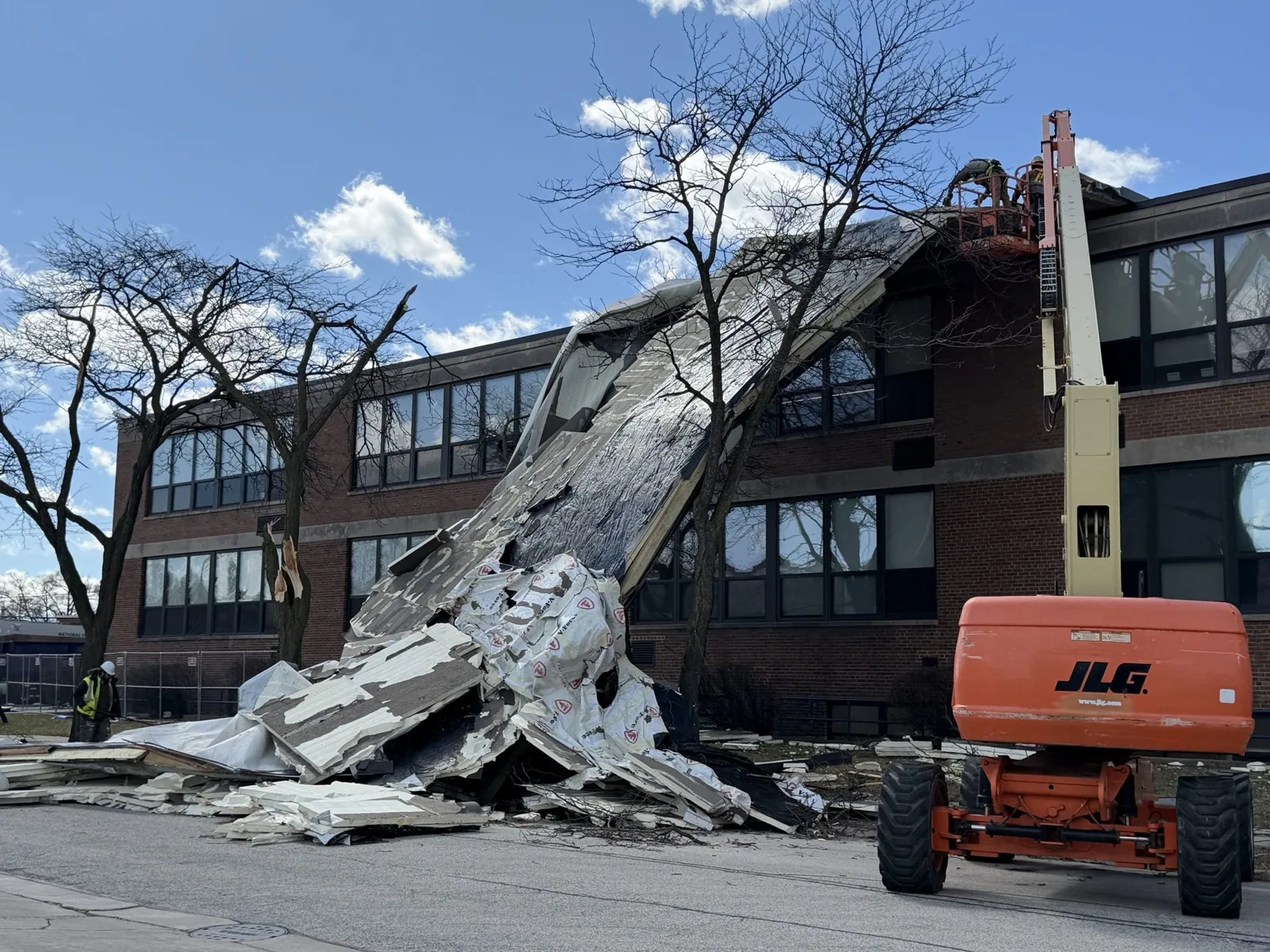
Start with a roof-zone condition map, repair history, drainage observations, and any test results. We identify which defects support a local scope and which conditions cross into broader assembly concerns. The written options state removal limits, access needs, and what approval is needed if concealed conditions change the work.
Related Roofing Work
Coordinate a Roof Review With the Facility Calendar
Provide the leak location, class and pool schedule, equipment contacts, roof plans, access rules, and prior repairs. We will define the work boundary and return a practical repair or replacement next step.