
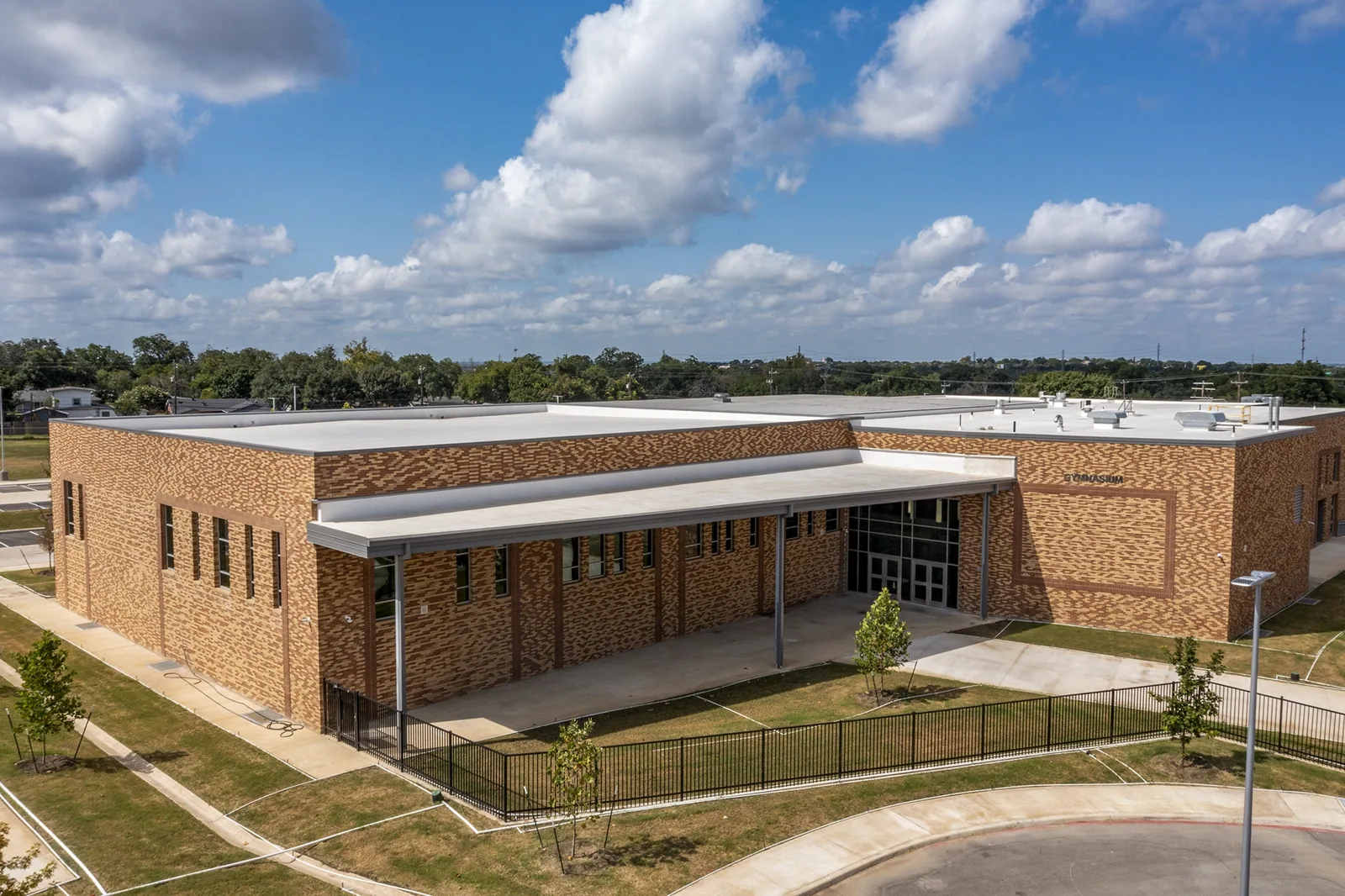
Commercial School Roofing in Bridgeport, CT
Plan school roof repair, inspection, or replacement in Bridgeport around student routes, occupied rooms, drainage, and the academic work window.
A school roof leak above a classroom needs a work sequence that protects the room and keeps the rest of the building operating. We locate the reported area, check what is below it, and trace the roof path through seams, curbs, drains, and perimeter details. The first call should identify whether water is active, which rooms are affected, and when students and staff are in those spaces. We can then set a roof walk and a safe interior check without treating the whole building as one work zone.
For Bridgeport, the annual precipitation average is 44.09 inches, and snowfall averages 33.6 inches. Those station measurements make roof drainage, edge metal, and thaw-related observations useful in a school inspection. Bridgeport's West Side and West End include State Street and The Smile, corridors with commercial and commercial-industrial uses. At a school, that street context makes it important to confirm the property's own entrance and student routes before staging. Stratford and Fairfield are nearby towns in the same regional service area; for a school roof, we still confirm the building's access rules, drainage details, and instructional schedule directly with staff. We check the roof assembly and school calendar before setting a work boundary.
Set the Work Window Before the Roof Walk
School access changes by hour. We ask which entrance is used by students, where deliveries arrive, whether buses or maintenance vehicles need a clear path, and which interior areas cannot be entered during instruction. Roof access may be through a secured hatch, ladder, or service stair. The school contact identifies the authorized route and any check-in rule before a crew arrives. If inspection requires entry above an occupied floor, we coordinate that check with the person responsible for the room.
Staging can be as important as the repair itself. A lift, dumpster, or material pallet should not block a pickup zone or accessible path. We map the staging area, mark any temporary exclusion zone, and determine whether noisy removal belongs after classes or during a planned closure. An occupied-building reroofing sequence can phase work by wing or roof section so dry-in remains manageable as crews move.
The school contact identifies what can move, where the crew may stage, and when a short interruption is acceptable. We set the access path around those limits.
Trace the Leak to a Roof Detail
A ceiling tile or stain locates the symptom, not necessarily the roof opening. We record the room, time, weather, and whether the water returns during each rain. Then we use the roof plan or building layout to identify likely sections above the affected area. On the roof, the inspection follows the route toward penetrations, wall transitions, drains, curbs, and seams that could carry water away from its entry point.
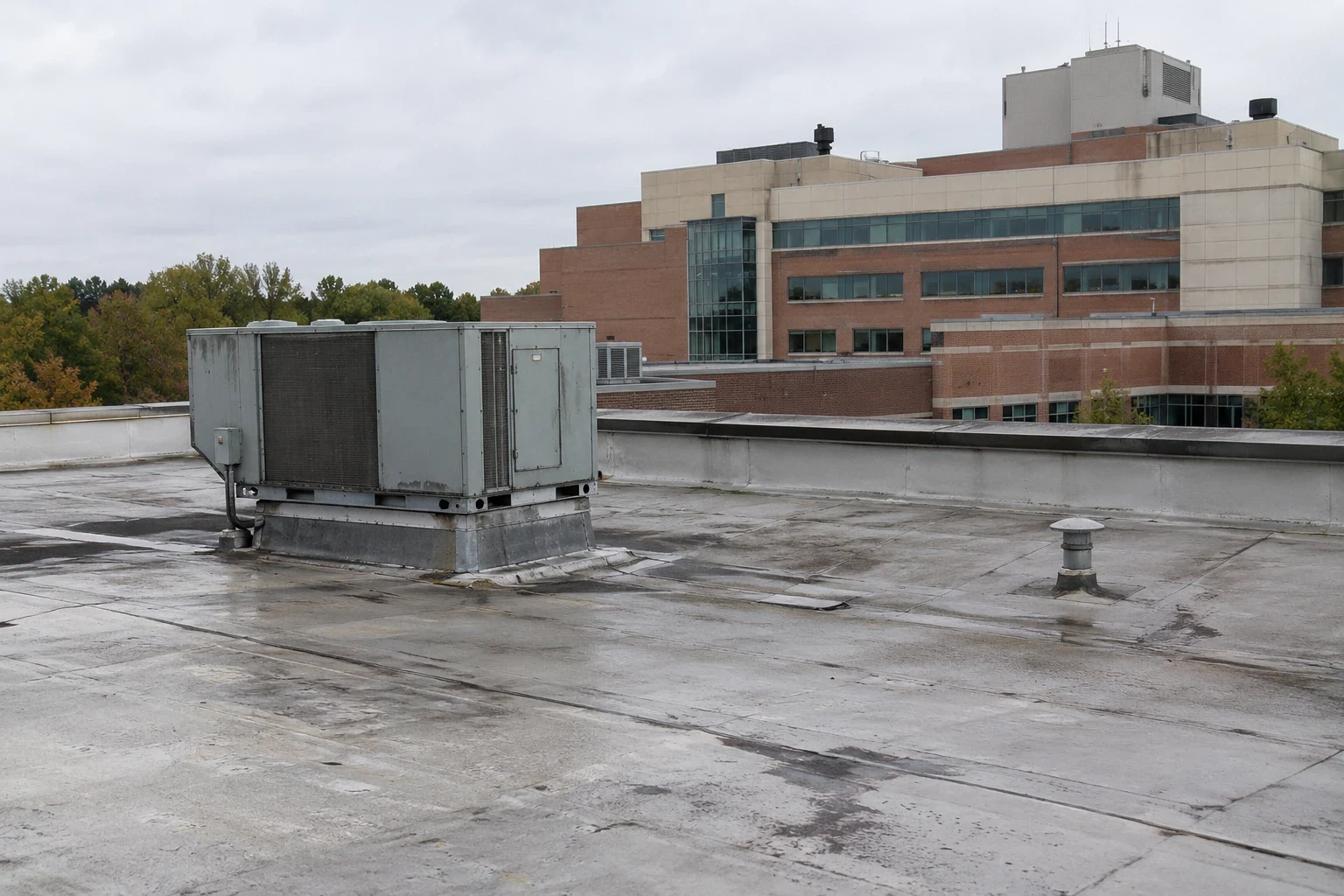
Schools may have different roof sections over classrooms, gyms, kitchens, and mechanical rooms. We inspect each section for the material installed, prior patches, surface wear, and conditions at adjoining details. A gym or auditorium can have a large open occupied area below, which may affect interior protection and lift access. We do not infer deck condition from a surface walk. If moisture or a hidden layer could change the repair choice, we identify a targeted test or opening and explain its place in the scope. A commercial roof inspection can separate observed conditions from questions that remain open.
The written boundary should say which roof zone was checked and which was not reached. If a classroom leak aligns with a drain, we inspect the outlet and nearby membrane before replacing a tile or sealing one visible seam. If several rooms are affected, we compare their locations with the roof layout before calling them one failure. That keeps the repair tied to a confirmed path.
Keep Water Moving Off Each Roof Section
Bridgeport's precipitation and snowfall normals are station records, not a forecast for a particular workday. For a school roof, they are useful context for checking drain bowls, scuppers, overflow openings, and the surface around each outlet. We look for debris, displaced strainers, loose flashing, and low areas where water remains after nearby sections clear. A clear drain throat does not confirm that the downstream leader is open, so the scope should identify what was visible and what needs a separate check.
During a repair, the crew keeps the drainage route open and sets temporary dry-in before opening a section that could admit water. If the weather window narrows, we reduce the area exposed and close it before leaving. A drain and scupper review can isolate a water-management issue from a membrane defect. If material below the surface may be wet, an infrared moisture survey can help select locations for further testing when conditions suit the method.
Snow can hide a drain or edge. We wait until roof access is safe, while staff report any active water inside. The later walk can then define a reliable scope.
Choose a Repair That Fits the Installed Assembly
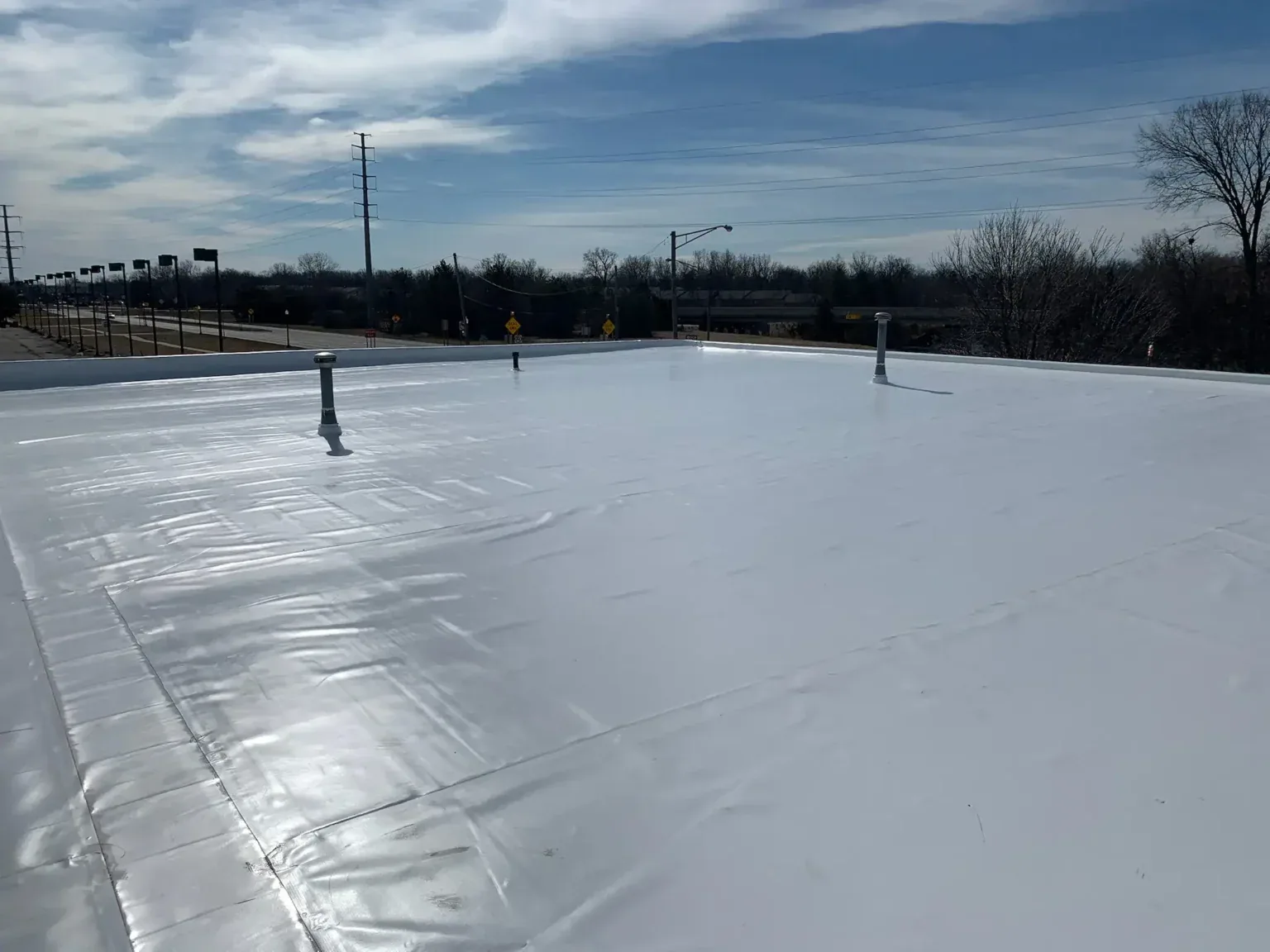
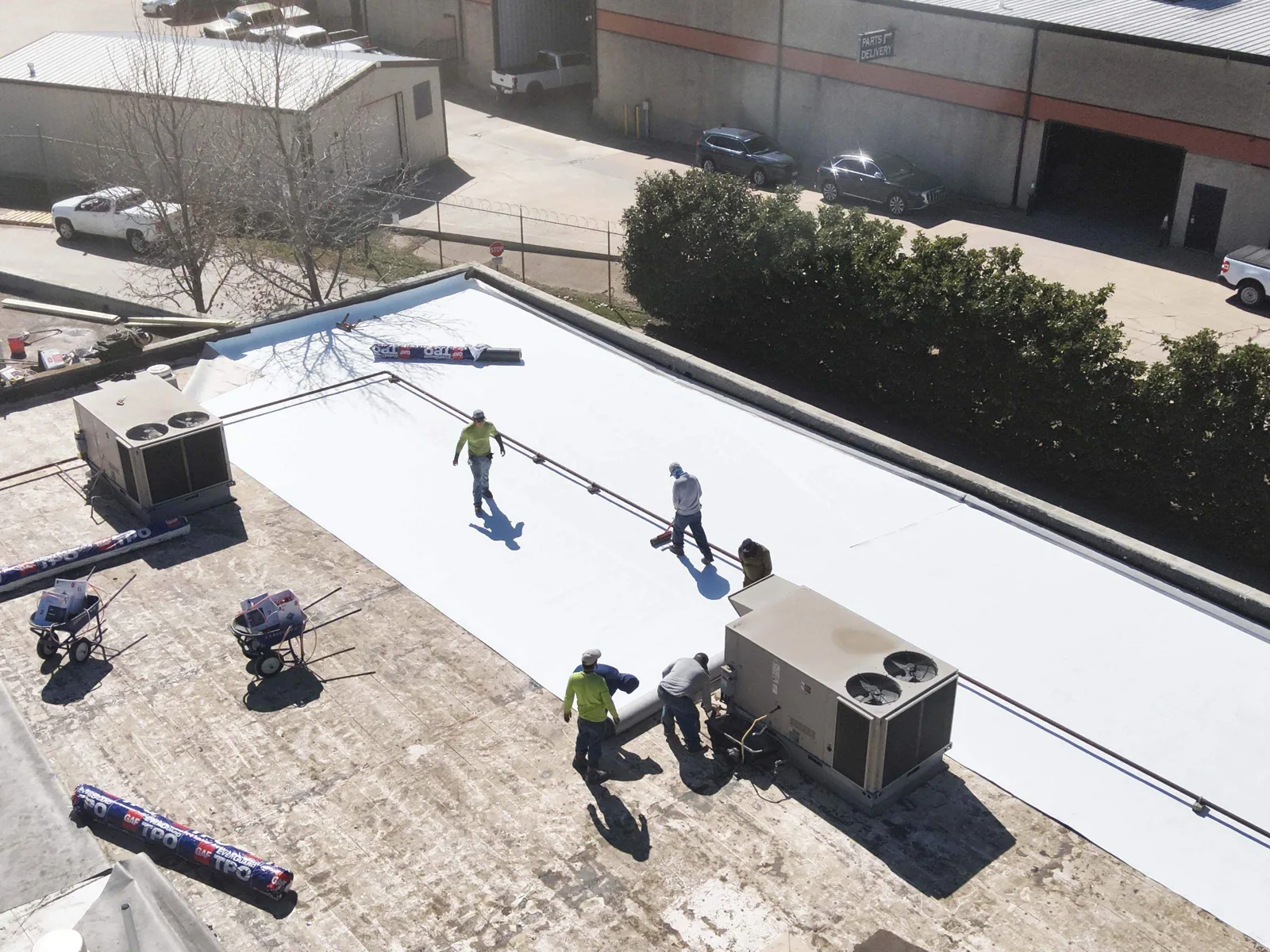
A school roof may include a single-ply membrane, metal, built-up layers, or a coating over an existing system. A college or university building and a hospital roof call for different access and interior protection plans. The inspection identifies the installed surface before a repair material is selected. On a membrane, seam separation or a puncture calls for compatible preparation and a proper weld or patch. Metal requires attention to laps, fasteners, and flashing. A coating only makes sense when the substrate is sound, dry, and able to accept it. A TPO roof section requires its own compatible repair material.
A localized repair can work when the failure has a clear boundary and adjacent material can support a tie-in. Repeated leaks, wet insulation across several rooms, or deteriorated seams may justify comparing a repair with recover or replacement. We show which roof sections are included, what tests were made, and what remains unknown. A replacement review can compare a broader project with phased repair.
Timing depends on access, weather, occupied rooms, materials, removal depth, and the area that must stay dry. When a wing remains in use, we work in shorter sections and close each before moving. The estimate states that sequence and the point for reviewing changed conditions.
Leave a Record the Facilities Team Can Use
Closeout should locate each observation by building area and roof section. We label photographs, describe the repaired detail, list material and preparation, and state whether the work is temporary or permanent. If the crew could not inspect a section, that boundary stays in the report. The facilities manager can use it to coordinate classroom access, budget later work, or compare a new leak with the earlier path.
A roof condition report can connect each photo to a roof plan and next inspection trigger. For a Bridgeport roof visit, the record should also identify the work window and access limits.
To arrange a school roof walk, share the address, affected rooms, leak timing, access rules, student schedule, and any event or delivery that changes staging. Include available roof plans and prior repair records. We will define the section to inspect, coordinate the work window, and provide a written next step for the facility team.
Questions and Answers
Can roof work happen while classes are in session?
It can when the school approves a safe access path, work zone, and interior protection. The facilities contact sets room restrictions and hours before we schedule the crew.
What should staff do when a ceiling starts dripping?
Move people from the affected spot if needed, follow the school's safety procedure, and report the room and time. Do not send staff onto the roof or near wet electrical equipment.
Can a ceiling stain show where the roof is open?
Not always. Water can travel through insulation or along the deck. We compare the interior location with the roof layout, then inspect connected details before drawing the repair boundary.
Does winter snow require a roof replacement?
No. The Bridgeport station normals provide weather context, not a condition rating. We inspect drainage, membrane, edges, and structural concerns at the school before discussing options.
What makes a school reroofing schedule change?
Access hours, room use, weather, removal depth, wet insulation, and material delivery can affect sequencing. We identify the decision point before extending the work area or changing dry-in plans.
Related Roofing Work
Set a school roof walk and work window
Send the affected rooms, roof plan, access procedure, and school calendar constraints. We will define the inspection area and return the findings with a practical next step.