
Cool Roof Installation for Commercial Buildings in Bridgeport, CT
Cool roof installation in Bridgeport, CT starts with the assembly, drainage, insulation, and building use. Compare coating, recover, and replacement paths.
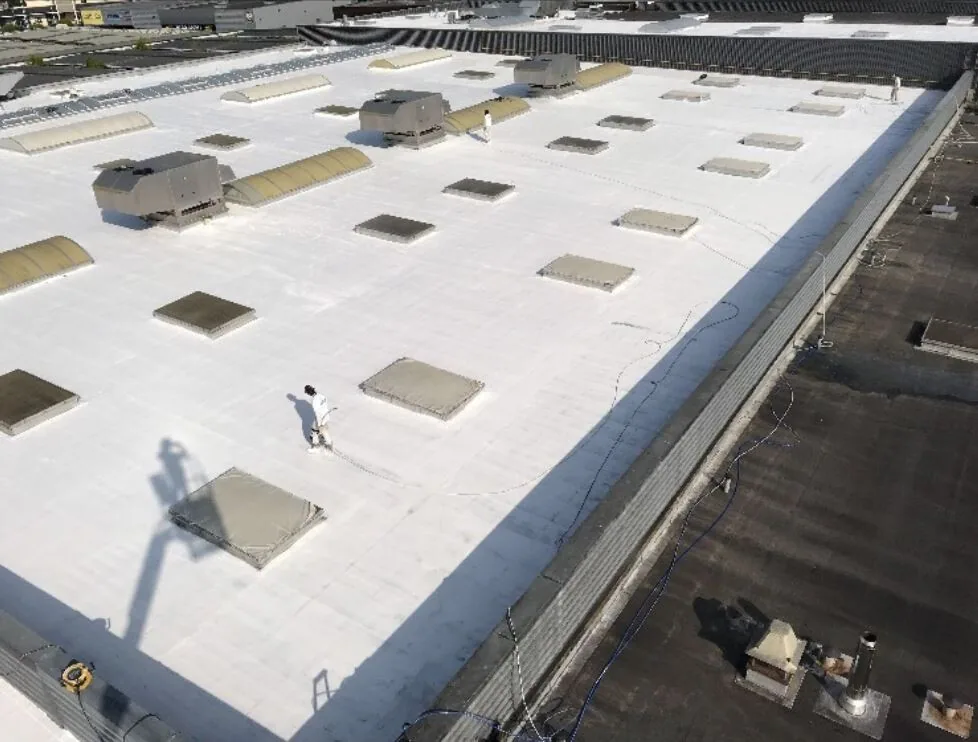
A reflective surface can change how a roof absorbs solar energy, but the finish is only one part of the decision. We first identify the existing membrane, its condition, the insulation below it, and the water path to drains and edges. In Bridgeport, CT, a roof must also work through wet weather and winter snow. At Bridgeport's airport station, annual snowfall averages 33.6 inches. For a reflective roof, the application window follows the substrate condition, product requirements, and current weather. That makes drainage, attachment, and the condition under a proposed coating part of the same review.
We compare a coating over a sound roof with a recover or replacement when the assembly has moisture, open seams, or deteriorated insulation. A cool-roof scope should state what it changes and what it leaves in place. Bridgeport's West Side/West End includes commercial uses along State Street and Fairfield Avenue, while downtown includes office, retail, and mixed-use development. We identify the actual membrane and attachment before comparing a reflective finish. We inspect the property and set the work window around its actual operation. A Bridgeport roof walk gives the facility team a marked condition and next decision. We can also inspect buildings in Stratford or New Haven separately.
Start with the Assembly Beneath the Finish
A coating bonds to a prepared surface; it does not make a wet or unstable roof sound. We inspect seams, patches, blisters, penetrations, edge metal, and drain bowls, then test suspect areas when the scope calls for it. The report distinguishes a surface that can be cleaned and prepared from one with moisture or failed attachment. That distinction matters because a reflective product can hide a recurring defect if the original water path remains open. We mark the areas that need repair before estimating a coating or recover.
For a building with repeated leak calls, we trace each reported interior location to roof details rather than treating a stain as a map. The inspection record can include photographs and marked roof zones that support the decision. We also review drainage capacity and overflow paths, since a coating does not remove ponding or a blocked outlet. If several repairs and patches exist, a condition report creates a useful baseline for comparing the next scope.
Compare Coating, Recover, and Replacement
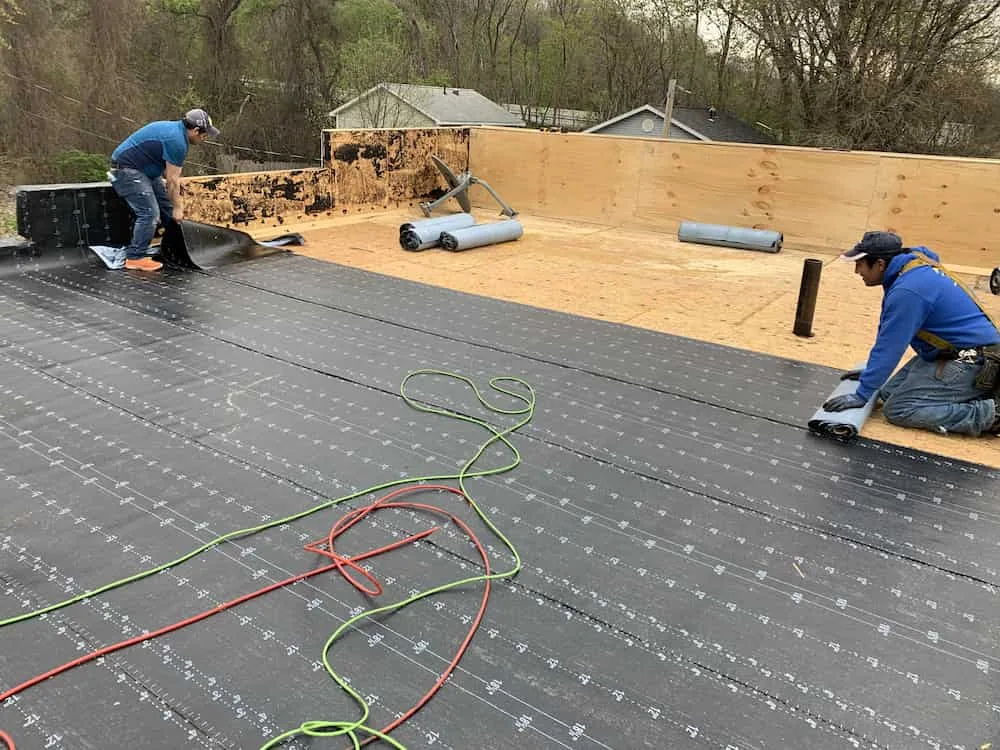
A coating may fit when the roof remains dry, secure, and compatible with the chosen system after preparation. Repairs at seams, penetrations, and edges come first; then the surface is cleaned and the application thickness and reinforcement are specified for the actual roof. A recover adds a new assembly over the existing roof when the substrate and moisture conditions allow it. Replacement removes existing layers and exposes conditions that cannot be confirmed from the surface. We describe the work boundary and disposal or tie-in needs instead of presenting all three as interchangeable.
Coating selection follows substrate and use. Silicone and acrylic systems have different water exposure and maintenance considerations, so we explain where each fits and what preparation it needs. A silicone roof coating or acrylic coating is not a substitute for correcting failed seams or drainage. Where the assembly cannot accept another layer, our replacement scope can define removal and a new roof system. The estimate identifies which condition led to the recommendation.
Set Reflectivity within the Building Plan
Reflectance is one input, not a performance promise. We consider roof use, insulation, interior conditions, mechanical equipment, drainage, and the owner's goals before specifying a finish. A facility comparing options should know what surface temperature or energy question it wants to address and what baseline information is available. We do not infer a utility savings percentage from a product label. If energy modeling or electrical changes are needed, those require the right design professional and a separate scope.
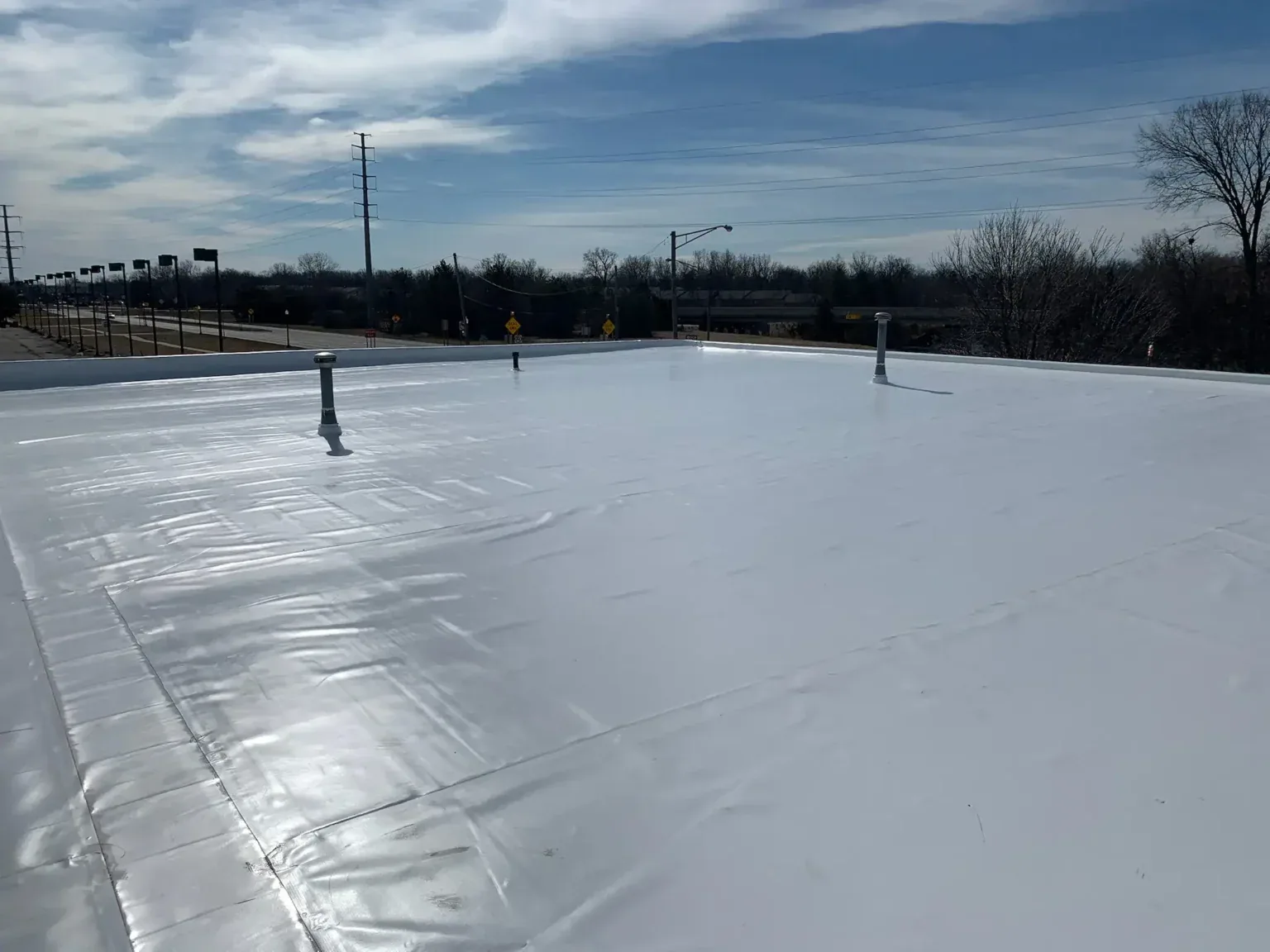
Bridgeport's 2022 State Building Code adopts the 2021 International Building Code and Existing Building Code, as well as the International Energy Conservation Code. The applicable requirements depend on the project and permit filing. We document the proposed roof assembly and coordinate the roofing details with the design and permitting team. For a new membrane beneath a reflective finish, a TPO roof assembly may be compared when compatible with the building conditions. A reflective surface still needs correct edge terminations and secure flashing.
Protect Drainage and Work Access
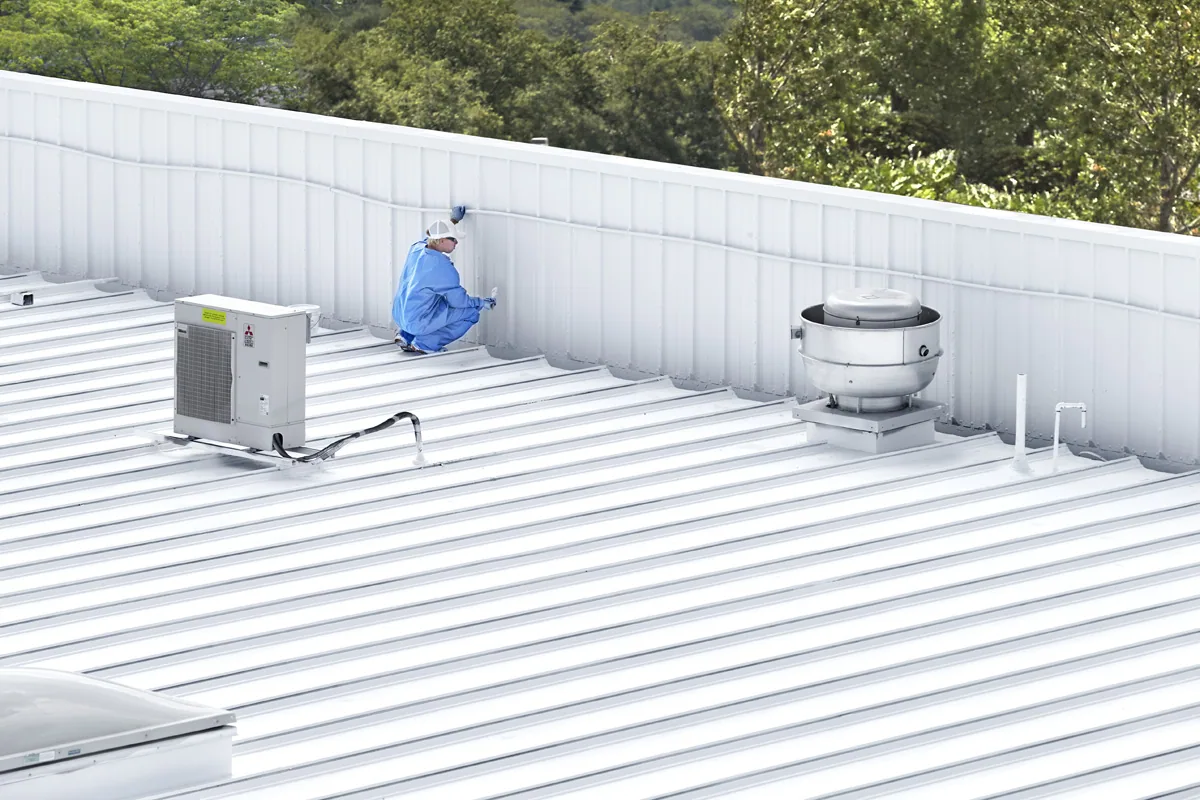
Preparation determines whether the finish bonds consistently. We identify where equipment, drains, skylights, and walk paths interrupt the field, then set protection and staging before cleaning begins. Loose material is removed only within the agreed scope, and details are repaired before the coating is applied. Weather and cure conditions affect sequencing; a crew should not leave exposed or uncured areas at the end of the work window. We plan sections so each shift has a clear dry-in point and a safe route off the roof.
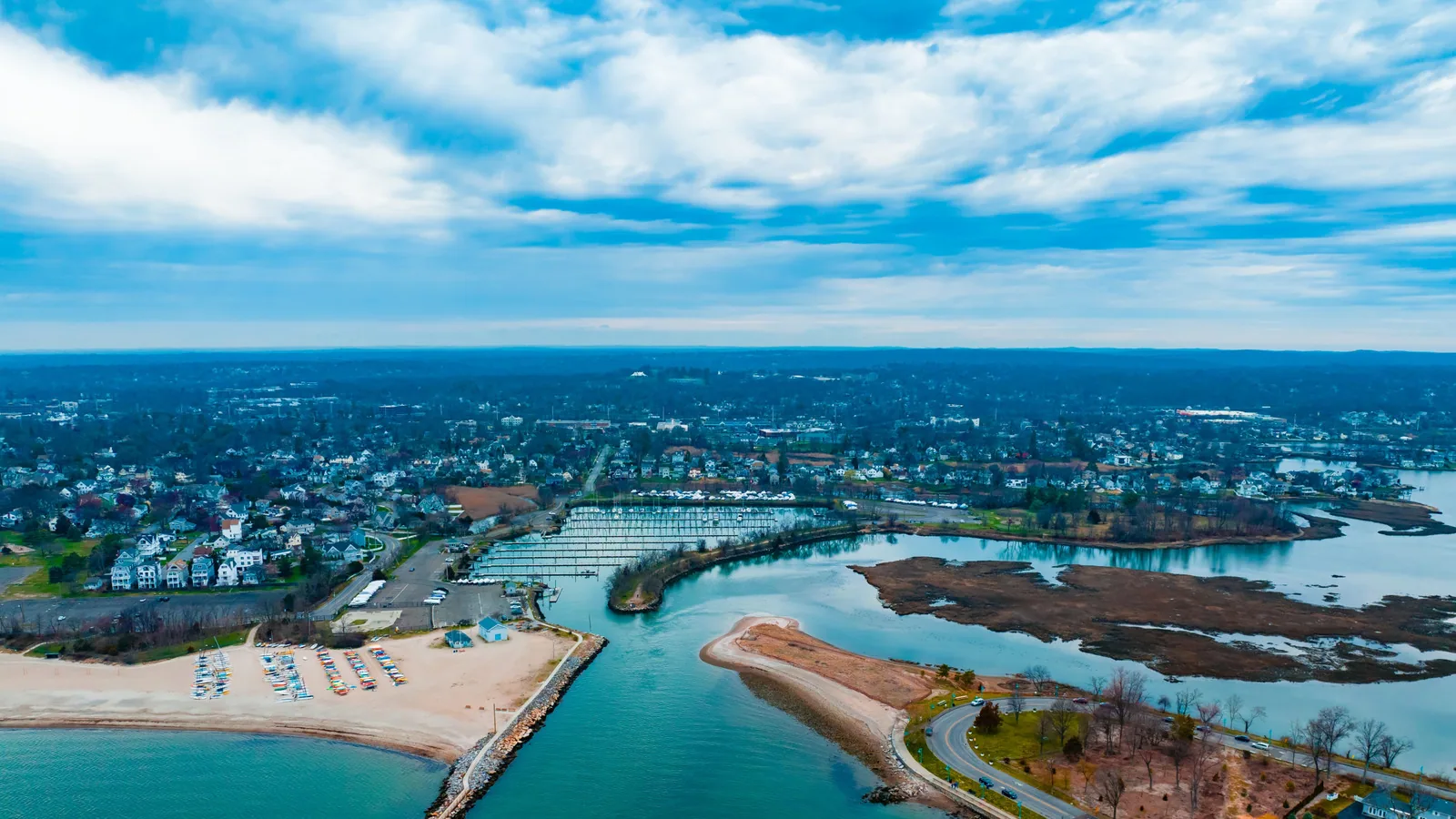
The Port of Bridgeport supports cargo activity alongside ferry service and other waterfront uses. The waterfront's shipping, ferry, fishing, and recreational activity makes delivery access worth confirming with each facility contact before lifts or material staging are scheduled. Clinton Avenue also has professional-service uses. We coordinate deliveries and occupied-floor protection with the site contact. A roof coating restoration scope should state which drains, curbs, and edge transitions receive work and which remain outside the project.
Record the Finish and the Next Review
At closeout, we document the prepared surface, completed repairs, coated zones, and detail work at drains and penetrations. The record should let a facility manager see where the reflective finish ends and what condition remains underneath it, where known. We note areas that could not be included and identify the next inspection trigger, such as a recurring leak or a planned equipment change. Maintenance instructions should match the selected system and product requirements rather than a generic promise that the roof is complete.
When a property team manages several roofs, the same marked scope can support capital planning without implying that every building needs the same finish. We can compare a cool-roof option with repair or replacement using current field observations. The written recommendation states preparation, application, transitions, drainage checks, and handoff responsibilities. If the roof has active leakage or wet insulation, we address that first through a defined repair boundary. The goal is a clear scope the facility director can approve and revisit.
Questions and Answers
Does a reflective coating fix a roof that already leaks?
Not by itself. We locate the water path, check seams and penetrations, and determine whether the roof is dry and stable enough to receive a coating. Any active defects need a defined repair before application. If moisture or attachment failure extends through the assembly, we compare a recover or replacement and explain why the surface treatment would not resolve that condition.
How do you choose between silicone and acrylic?
The substrate, expected water exposure, preparation needs, and maintenance plan determine the comparison. We inspect the roof and identify how drainage works before recommending either system. The written scope names the product system, repair work, application zones, and transitions, so the owner can see what is included and what remains unchanged.
Can a cool roof be installed over the current membrane?
Sometimes. The existing membrane must be compatible, attached, and suitable after cleaning and repairs, with moisture conditions checked where needed. We do not assume that an older roof can take another layer. If inspection finds wet material, failed seams, or unstable areas, the scope changes before any coating or recover begins.
Will a cool roof lower our energy bills by a set amount?
We do not assign a savings figure from reflectivity alone. Building insulation, HVAC operation, roof use, weather, and utility rates all affect the result. We can document the proposed roof finish and coordinate with an energy professional if the owner needs modeling. The roofing scope should define the physical assembly and not promise a utility outcome.
What should be checked after installation?
The closeout should identify drains, seams, penetrations, and coated areas to include in routine roof observations. We record the finished condition and any excluded detail, then set an inspection trigger based on the owner's operating plan or observed condition. Product maintenance instructions govern cleaning and repairs, and a later roof walk can compare new findings with the closeout photographs.
Related Roofing Work
Review a Cool-Roof Option
Share the roof history, known leak areas, drainage concerns, and building operating window. We will inspect the existing assembly and return a written comparison of coating, recover, or replacement where the field condition supports it.